

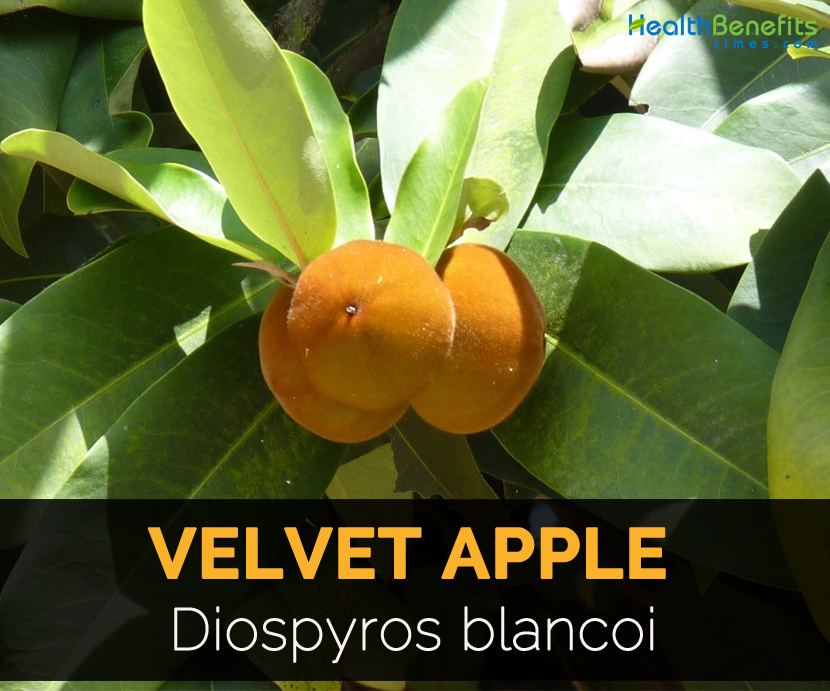
| Velvet apple Quick Facts | |
|---|---|
| Name: | Velvet apple |
| Scientific Name: | Diospyros blancoi |
| Origin | Low and medium altitude forests of the Philippine Islands from the island of Luzon to the southernmost of the Sulu Islands, and is also found in southern Taiwan (Guishan Dao, Hengchun peninsula, Lanyu) and Celebes in Indonesia. |
| Colors | Velvety, orange or brownreddish |
| Shapes | Globose or oblate berry |
| Taste | Sweet, astringent, mild |
| Name | Velvet apple |
|---|---|
| Scientific Name | Diospyros blancoi |
| Native | Low and medium altitude forests of the Philippine Islands from the island of Luzon to the southernmost of the Sulu Islands, and is also found in southern Taiwan (Guishan Dao, Hengchun peninsula, Lanyu) and Celebes in Indonesia. |
| Common/English Name | Butter Fruit, Mabolo, Camogan Ebony, Mabola Persimmon, Velvet Apple, Mabola-Tree, Velvet Persimmon |
| Name in Other Languages | Bangladesh: Gab; Chinese: Yi Se Shi; French: Pommier Velours, India: Belanti Gab, Hong Nhung (Hindu); Indonesia: Bisbul, Buah Mentega; Japanese: Ke Gaki; Malaysia: Buah Mentega, Buah Lemah, Buah Sagalat, Buah Sakhlat, Sagalat; Philippines: Camagon, Kamagong, Mabolo, Mabulo ( Tagalog); Portuguese: Pécego-De-India; Spanish: Camagón; Taiwan: Mao Shi, Tai Wan Shi; Thailand: Ma-Rit; Vietnamese: Hồng Nhung |
| Plant Growth Habit | Dioecious, much-branched, evergreen tree |
| Growing Climate | Tropical, monsoonal |
| Plant Size | 7–32 m high |
| Stem | 50 in (80 cm) thick |
| Leaf | Alternate, oblong, 8–30 cm by 2.5–12 cm |
| Fruit shape & size | Globose or oblate berry, 5–12 cm by 8–10 cm |
| Fruit color | Velvety, orange or brownreddish |
| Pulp | Whitish, firm |
| Fruit skin | Thin, yellow, pink, orange, brownish or purple-red |
| Fruit Taste | Sweet, astringent, mild |
| Seed | 4 × 2.5 × 1.5 cm, wedge-shaped, dark brown |
Fruit
Fruits are bright red, 8-10 centimeters in diameter and have a velvet skin. The skin resembles the smell of cheese, but the fruit has not much odor and has pleasantly sweet taste. The pulp is whitish cream which covers several rather big seeds.
Distribution
Velvet apple is native to the low and average height wooded area of the Philippine Islands from the island of Luzon to the southernmost of the Sulu Islands. Usually it is cultivated for its fruit and as a shadow tree for roadsides. The tree was naturalized into Java and Malaya.
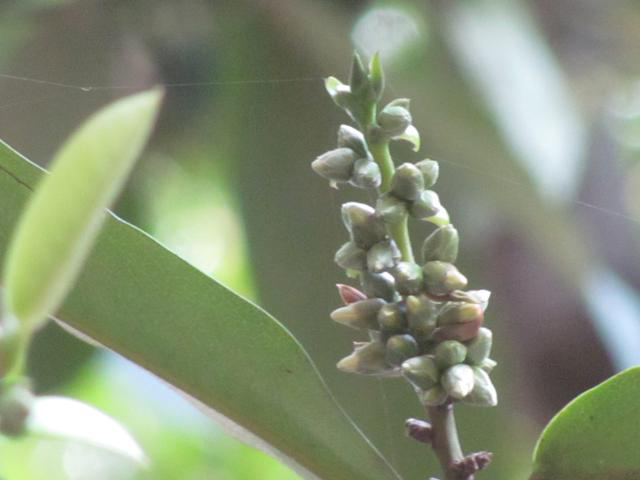 Flower-buds-of-Velvet-apple
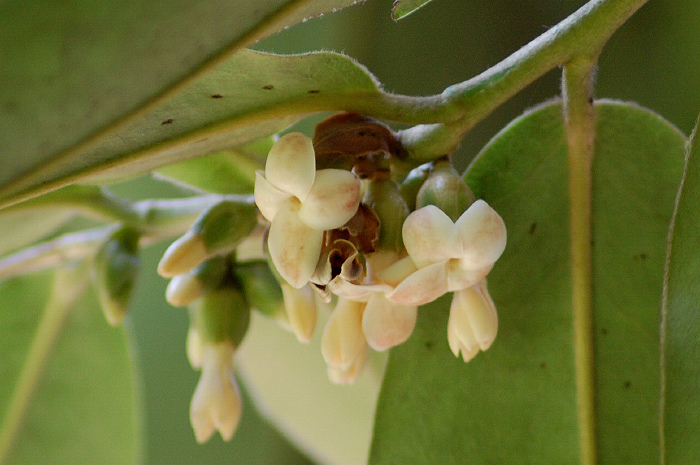 Flower-of-Velvet-apple
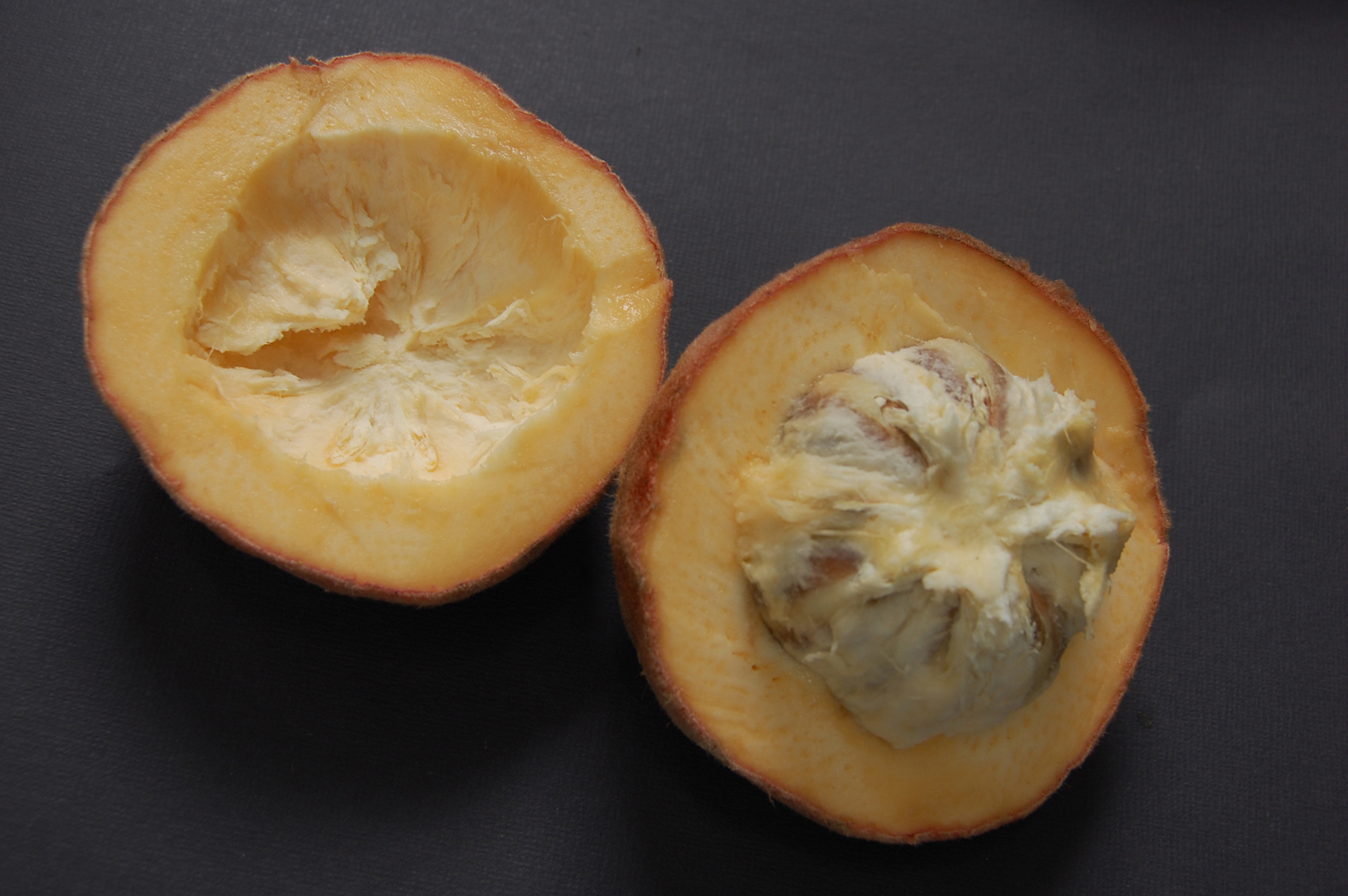 Half-cut-Velvet-apple
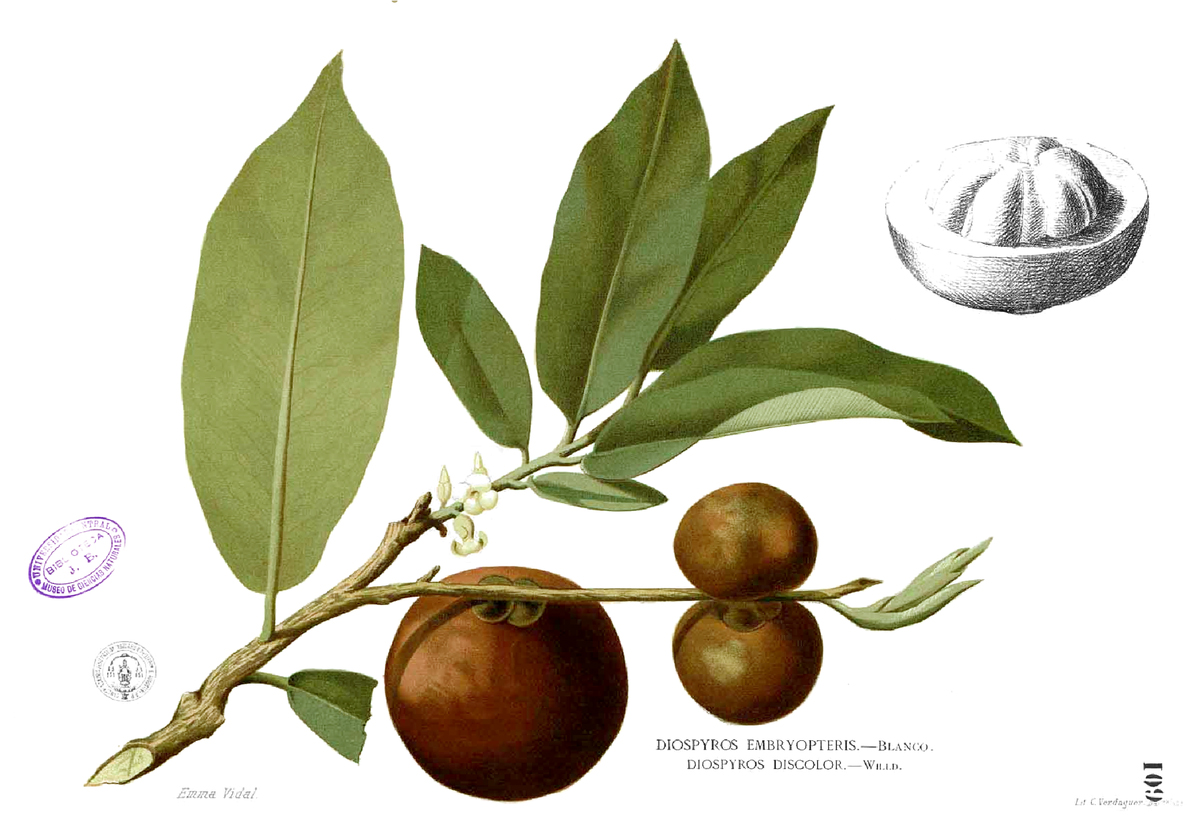 Plant-illustration-of-Velvet-apple
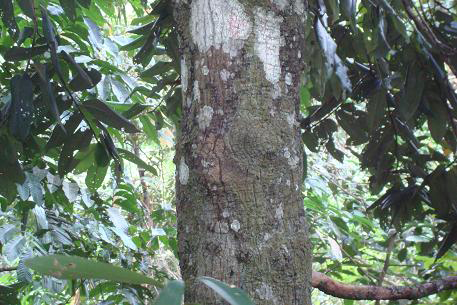 Velvet-apple-bark
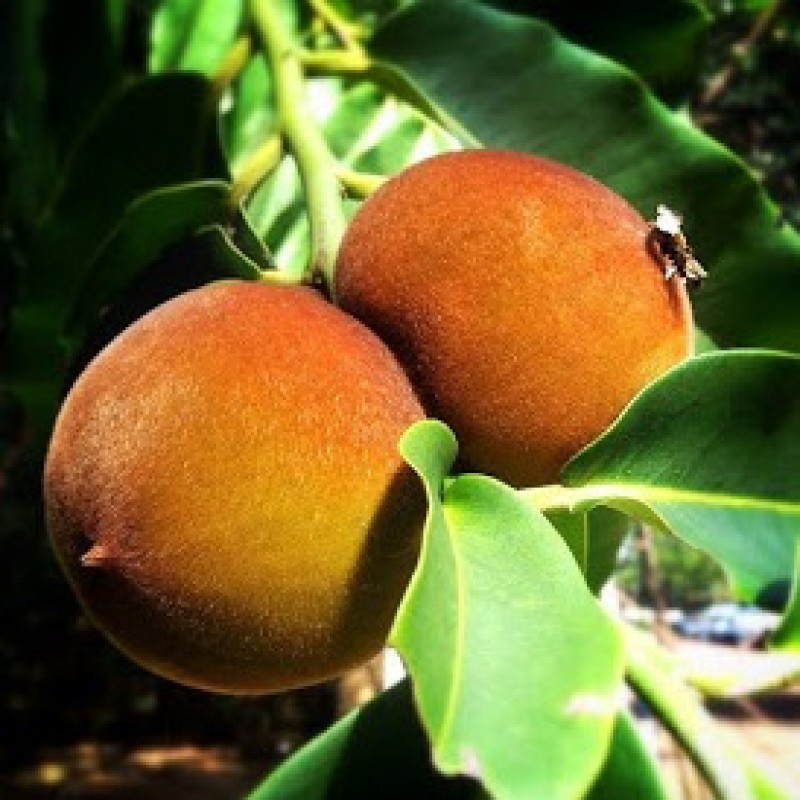 Velvet-apple-fruit
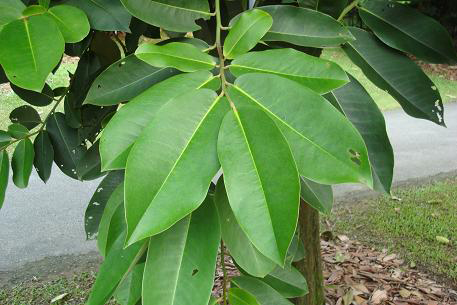 Velvet-apple-leaves
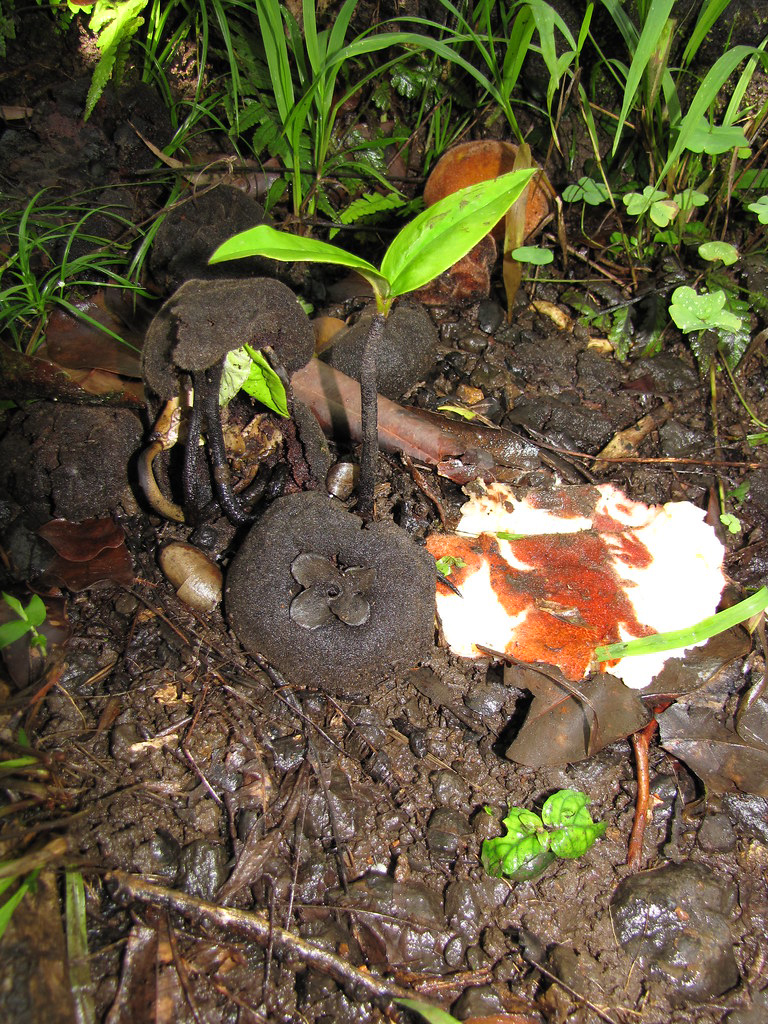 Velvet-apple-seedlings
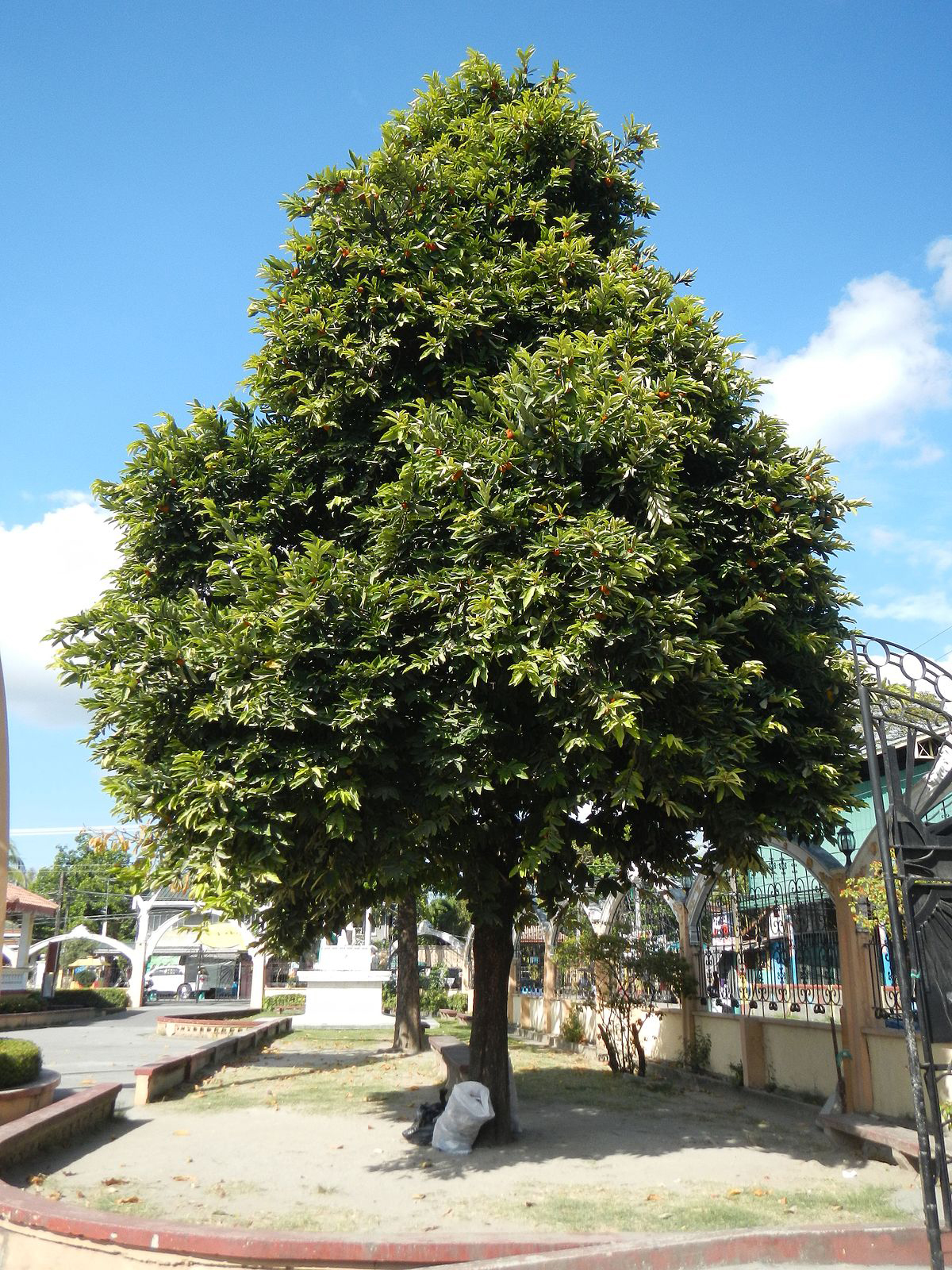 Velvet-apple-tree
Health Benefits of Velvet apple
1. Hypertension and Heart Health
Velvet apple has potassium which acts as a vasodilator. It relaxes the blood vessels, lowers stress on heart and also blood pressure. The presence of fiber content helps to lower cholesterol.
2. Circulation
The presence of meaningful amount of iron stimulates red blood cells amount in the body. It promotes oxygenation of vital tissues and muscles, increases rapidity of therapeutic process of cells, stimulates development of hair and increases metabolic efficiency.
3. Respiratory Conditions
The fruits are used to provide relief from coughs, asthma and chest blockage. It is due to the presence of large amount of vitamins and minerals that have impact on improving the immune system.
4. Strengthen immunity
The fruits contains ample amounts of Vitamin C which helps to stimulate immune system of the body as it acts as antioxidants, eradicates free radicals that causes mutation of healthy cells. These vitamins prevent the chances of premature aging, long lasting diseases and boost cellular development.
5. Digestive Health Improvement
Dietary fiber in Velvet apple eases opening of food to digestive tract that lowers constipation and other gastrointestinal problems. In Philippines, it is used for treating dysentery and diarrhea in humans.
6. Reducing Skin Irritation
Apply the pulp topically to lower inflammation and skin irritation. Apply the pulp and juice on snakebites and other toxic invasions in the body, lower the effects of problems and counteract toxins.
7. Circulation
Velvet apples have high content of iron that promotes red blood cells in the body, increases tissue oxygenation and major group of muscles, accelerates healing of cells, stimulates hair growth and promotes metabolic efficiency.
8. Respiratory ailments
Velvet apples are used to provide relief from chest congestion, cough and asthma. The high content of vitamins and minerals helps to improve immune system.
Traditional uses
- Use the leaves and bark to treat itchy skin.
- Bark is also used for treating fevers, coughs, diarrhea and dysentery.
- Fruits are used for wounds and to gargle in the condition of aphthous stomatitis.
- Decoction of young leaves is used for treating hypertension, diabetes and heart ailments.
- Heat the leaves and squeeze with the leaves of Mexican mint for making a preparation for treating chest colds.
- Use it as eyewash.
- Use the juice of leaves and bark for treating snakebites.
- The juice of unripe fruit is used as a wash for wounds.
- Seed oil is used for dysentery and diarrhea.
- In Guianas, it is used for treating heart problems, colds, diarrhea, spider bites, hypertension, diabetes, stomach aches and eczema.
Culinary uses
- Ripe fruits are consumed fresh.
- Add the ripe fruit in salads, stews or fried like vegetable.
- Fry the flesh in butter and serve it with ham, sausage or spicy meat.
- It could be used as a dessert or made into drinks.
Side effects
- When used in excess, it causes allergic reactions such as itching, rash, sickness, nausea, redness and skin inflammation.
- If consumed in an empty stomach, it causes nausea, abdominal pain and heartburn.
- Pregnant women should consult the doctor to prevent the chances of miscarriage.
References:
https://www.researchgate.net/publication/26790278_Bioactive_triterpenes_from_Diospyros_blancoi
http://tropical.theferns.info/viewtropical.php?id=Diospyros+blancoi
https://uses.plantnet-project.org/en/Diospyros_blancoi_(PROSEA_Fruits)
https://plants.usda.gov/core/profile?symbol=DIBL3
http://www.philippineherbalmedicine.org/mabolo.htm
http://1bestkitchenof.blogspot.com/2015/02/health-benefits-of-velvet-apples.html
https://world-crops.com/velvet-apple/
https://herbpathy.com/Uses-and-Benefits-of-Velvet-Apple-Cid6720
https://drhealthbenefits.com/food-bevarages/fruits/health-benefits-of-mabolo-fruit