

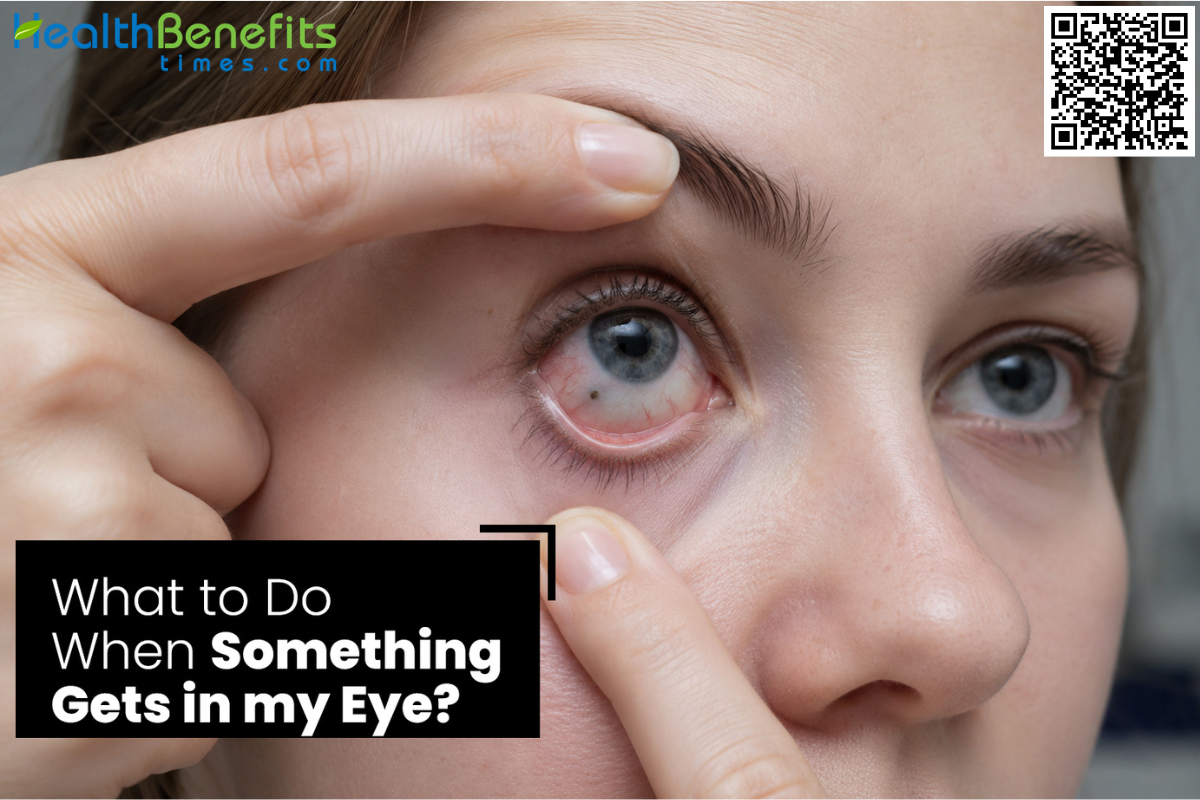
 Symptoms When Something Gets in My Eye
When a foreign object enters the eye, the body initiates a protective response that typically results in distinct, immediate physical sensations. The following list outlines the common symptoms associated with a foreign body on the surface or within the tissues of the eye:
- Foreign body sensation: A persistent feeling of grit, sand, or a small object being trapped under the eyelid or on the surface of the eyeball.
- Pain or discomfort: A range of sensations from mild stinging or burning to sharp, intense pain, particularly when blinking or moving the eye.
- Excessive tearing: Increased production of tears as the eye attempts to naturally flush the irritant away.
- Redness: Visible reddening of the white part of the eye (conjunctiva) due to the swelling of small blood vessels.
- Photophobia: A heightened sensitivity to light, often causing discomfort or an involuntary need to squint in bright environments.
- Blurred or decreased vision: A reduction in visual clarity, which may be caused by the object itself, associated corneal swelling, or excessive tearing.
- Blepharospasm: An involuntary, repetitive blinking or twitching of the eyelid.
- Eye discharge: Potential buildup of mucus or pus if the irritation leads to secondary inflammation or if the foreign object introduces contaminants.1, 2
What to Do When Something Gets in my Eye?
1. Wash Your Hands Thoroughly
How it may help
Washing your hands is the essential first step when managing a foreign body in the eye. This practice helps eliminate bacteria, viruses, or abrasive particles from your fingertips, significantly reducing the risk of introducing secondary infections like conjunctivitis or causing further mechanical abrasions to the delicate corneal surface while attempting removal.
What research says
Clinical guidance consistently emphasizes hand hygiene as a foundational protocol in preventing ocular infections. Research indicates that the hands serve as a primary vector for pathogens, and failing to sanitize before touching the eye area can lead to microbial colonization, potentially resulting in serious complications such as corneal ulcers or endophthalmitis following an initial injury. 3 1
How to use it safely
To use this practice safely, wash your hands for at least 20 seconds using soap and clean, running water. Ensure all surfaces, including the backs of hands and under fingernails, are cleaned thoroughly. Dry your hands completely with a clean, lint-free towel to prevent loose fibers from entering the eye.
Potential precautions or side effects
While hand washing is universally recommended, avoid using harsh chemicals or scented soaps that may cause irritation if they come into direct contact with the ocular surface. Ensure all soap residue is fully rinsed away. 4
2. Flush the Eye with Clean Water or Saline
How it may help
Flushing the eye helps mechanically dislodge and wash out foreign particles, chemicals, or irritants from the ocular surface and conjunctival sac. This process restores the eye’s natural environment, alleviates the foreign body sensation, and reduces the risk of long-term corneal damage or chemical burns by diluting and removing harmful substances effectively.
What research says
Clinical protocols identify irrigation as the gold standard for immediate ocular decontamination. Research confirms that timely irrigation significantly improves outcomes, minimizing tissue damage by ensuring that hazardous substances are removed before they can penetrate deeper ocular structures. Prompt and thorough flushing is essential to prevent permanent visual impairment or complications following an accidental exposure. 5 2
How to use it safely
To flush your eye, lean your head over a sink with the affected eye downward. Use a gentle stream of lukewarm, clean water or sterile saline. Keep your eyelid open using your fingers and flush continuously for at least 15 to 20 minutes, allowing the water to flow from the inner to the outer corner.
Potential precautions or side effects
Avoid using high-pressure water, which may force particles deeper. Do not rub the eye during irrigation, as this can cause corneal scratches or worsen existing tissue trauma. 6
3. Blink Repeatedly to Encourage Natural Tearing
How it may help
Blinking stimulates the lacrimal glands to increase tear production, creating a natural fluid flow across the eye surface. This mechanism helps to dislodge loose debris, wash away irritants, and lubricate the eye, potentially clearing minor foreign objects without the need for manual intervention or mechanical tools that could risk further injury.
What research says
Ophthalmological standards recognize reflex tearing as the eye’s primary self-cleansing mechanism. Research demonstrates that the coordinated action of the eyelids effectively sweeps the ocular surface, facilitating the removal of particulate matter into the tear drainage system. This process is highly effective for flushing non-embedded, superficial environmental contaminants from the conjunctival space. 1
How to use it safely
To use this technique safely, blink your eyes rapidly but gently. You may pull your upper eyelid slightly outward and downward over your lower lid to encourage more tear production. If the object remains, stop immediately to avoid further irritation and proceed to other recommended cleaning methods.
Potential precautions or side effects
Do not force the eyelids closed or rub the eye during this process, as these actions may grind the object against the cornea, causing painful scratches. 7
4. Use a Clean Wet Cloth to Gently Wipe the Eyelid
How it may help
A clean, moistened cloth can assist in removing debris trapped on the inner margin of the eyelid or loose particles resting on the surface. By gently wiping toward the outer corner of the eye, you can effectively move the foreign object away from the cornea, thereby reducing mechanical irritation and the risk of permanent scratches.
What research says
Clinical guidelines suggest that external mechanical assistance is appropriate only for superficial debris located on the eyelid margin. Research confirms that minimizing direct contact with the globe is crucial for preventing corneal abrasions. Experts advise that external wiping should be performed with extreme caution to avoid pushing particles deeper into the conjunctival sac. 1
How to use it safely
To use this safely, dampen a clean, lint-free cloth with warm, sterile water or saline. With your eye closed, gently wipe from the inner corner toward the outer corner. Use a fresh section of the cloth for each swipe and ensure the material does not directly touch the eyeball.
Potential precautions or side effects
Avoid using dry, abrasive, or dirty materials. Do not attempt to wipe the actual surface of the eyeball, as this can easily cause severe corneal injury. 7
When to See a Doctor When Something Gets in My Eye
Professional medical evaluation is necessary to prevent permanent ocular damage when self-care measures fail or if the injury is severe. Seek immediate assistance if you encounter the following conditions:
1. Object Is Embedded
If the object appears stuck within the colored part of the eye, the pupil, or appears deeply embedded in the surface, do not attempt removal. 7
2. Persistent Foreign Body Sensation
Consult a physician if the feeling of grit or a trapped object continues despite thorough, careful flushing and blinking attempts for several minutes. 1
3. Significant Vision Changes
Any sudden decrease in vision, blurry vision, double vision, or the appearance of new dark spots or flashes requires urgent evaluation by an eye specialist. 6
4. Severe or Worsening Pain
If you experience intense, throbbing, or unbearable eye pain that increases over time, it may indicate a serious corneal abrasion or underlying structural damage. 7
5. Chemical Exposure
If a chemical substance has splashed into the eye, seek emergency medical care immediately after flushing, as this can cause rapid, irreversible damage to ocular tissues. 5
6. Signs of Infection
See a doctor promptly if you notice yellow or green discharge, significant eyelid swelling, or if a white spot develops on the surface of the eye. 2
7. High-Speed Injury
If the object entered the eye at high speed, such as from metal grinding or power tools, seek professional care to rule out internal eye penetration. 7