

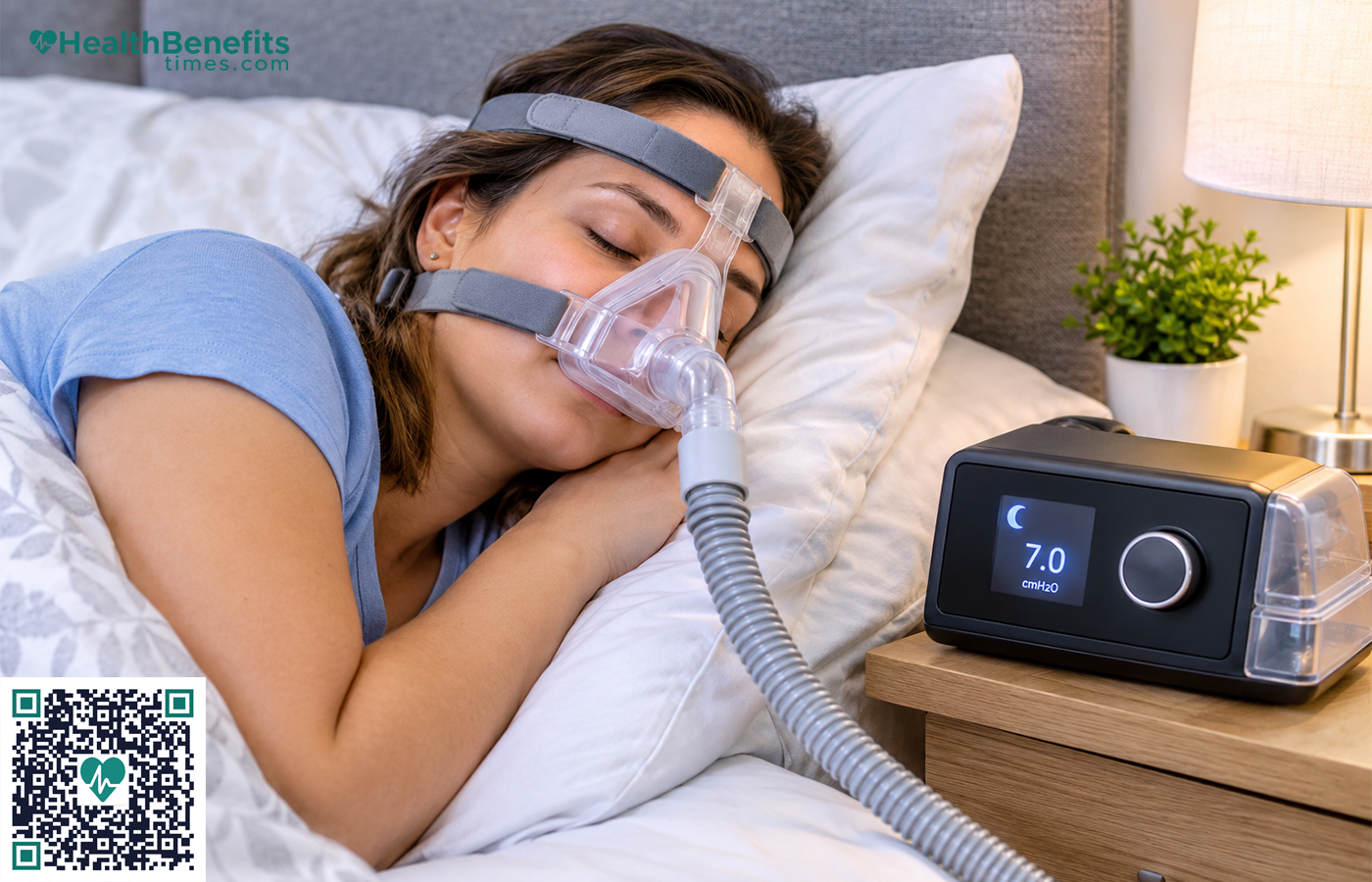
A CPAP machine does more than help people with sleep apnea breathe at night. Many modern devices also record detailed information about when and how consistently they’re used. That information helps doctors monitor treatment, but it can also become relevant in legal disputes. When fatigue, driving safety, or workplace performance is questioned, CPAP records may be requested as evidence.
Understanding what these devices record and how the information can be used is important for anyone relying on sleep apnea treatment.
How CPAP Data Can Affect a Driving Investigation
Imagine a driver with obstructive sleep apnea causes a collision after falling asleep behind the wheel. Investigators may want to know whether the driver was receiving treatment and understood the risks of untreated symptoms. A CPAP compliance report can show nightly usage, mask leaks, and other treatment information. Records indicating inconsistent use might raise questions about whether fatigue contributed to the crash.
However, CPAP data alone cannot establish that someone was dangerously sleepy or legally responsible for an accident. A person using their machine consistently can still experience fatigue, while missed treatment doesn’t automatically prove impairment.
Medical history, driving behavior, and other evidence must also be considered. If criminal allegations arise, consulting a defense attorney can help clarify how medical records may affect the case.
Why CPAP Compliance Matters for Commercial Drivers
Commercial drivers face additional medical certification requirements because untreated sleep disorders can affect alertness and driving safety. Federal regulations require commercial drivers to meet medical fitness standards, although there isn’t a universal federal rule requiring every driver to undergo sleep apnea testing or meet a specific CPAP usage threshold.
Medical examiners may nevertheless request treatment documentation when evaluating drivers with obstructive sleep apnea.
As explained in this overview of obstructive sleep apnea, untreated symptoms can contribute to daytime sleepiness and increase the risk of accidents.
Following a commercial vehicle crash, CPAP records may become relevant to both accident investigations and questions about medical certification. Still, compliance reports are only one part of determining whether a driver was medically fit to operate a vehicle.
When CPAP Records Become Part of a Civil Lawsuit
CPAP data may also become relevant in personal injury lawsuits involving allegations of fatigued driving. For example, someone injured in a collision might seek records showing whether the other driver had been treating a diagnosed sleep disorder. Conversely, a driver accused of falling asleep could use treatment records to demonstrate consistent CPAP use.
Access to this information isn’t automatic. Medical records are subject to privacy protections, and requests made during litigation may require appropriate legal procedures. Even when records are obtained, their meaning depends on the broader medical and factual circumstances.
How Workplace Investigations Can Involve Sleep Data
Sleep-related concerns can also arise after workplace accidents, particularly in jobs involving vehicles, heavy equipment, or safety-sensitive responsibilities. If an employee has disclosed a sleep apnea diagnosis, questions about treatment and fatigue may become part of an investigation.
However, employers generally cannot demand unrestricted access to medical information. Disability discrimination laws, medical confidentiality requirements, and other protections may limit what information can be requested and how it can be used.
Employees facing requests for CPAP downloads or medical records should understand their rights before signing broad authorizations.
What to Do If Your CPAP Data Is Requested
If CPAP records may become relevant to a legal dispute, preserving accurate information and understanding the request are important first steps.
- Preserve existing records. Avoid resetting devices, deleting information, or altering stored data that may be relevant to an investigation.
- Request a copy of your report. Your sleep clinic or equipment provider may be able to supply usage records for the relevant period.
- Include medical context. Mask adjustments, pressure changes, treatment difficulties, and clinical notes can help explain what the numbers mean.
- Understand privacy protections. HIPAA and other laws may affect how medical information is disclosed, depending on who holds the records and why they’re requested.
- Seek legal guidance. An attorney can help evaluate subpoenas, medical releases, and other requests involving sensitive health information.
Understanding the Broader Implications
CPAP machines provide valuable information that helps patients and clinicians manage sleep apnea. However, those same records can become relevant when fatigue or medical fitness is questioned in a legal proceeding. A compliance report doesn’t tell the complete story of someone’s sleep quality, alertness, or behavior. It shows certain aspects of treatment that must be interpreted alongside other evidence.
Knowing what information is stored, who may access it, and how to preserve it can help patients protect their privacy while continuing to benefit from essential treatment.