

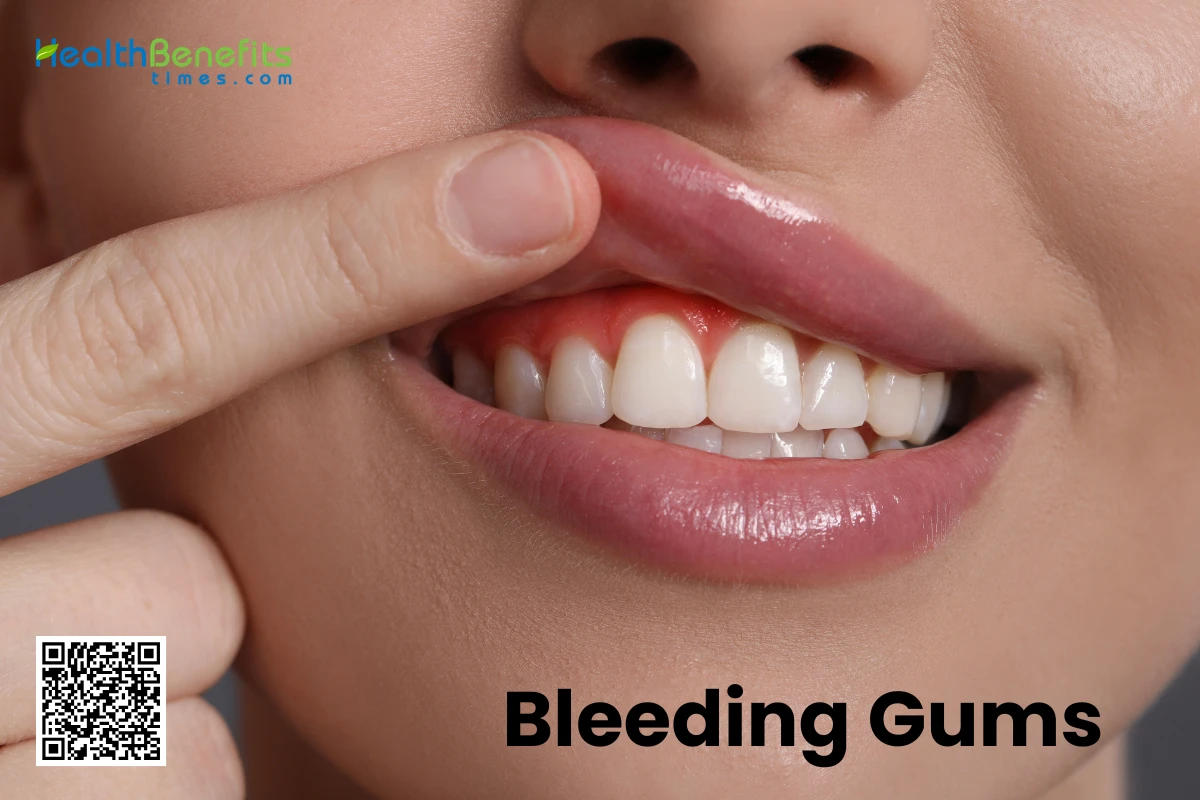
Many people notice a small trace of blood when brushing or flossing and assume it is normal, especially if it is painless. In reality, healthy gums do not bleed.
When they do, it is usually a response to irritation caused by plaque building up along the gumline. This plaque contains bacteria that trigger inflammation in the soft tissues surrounding the teeth.
This early stage is known as gingivitis. At this point, the damage is still reversible, but the presence of blood is a clear signal that the gums are not in a healthy state. The longer plaque is allowed to remain, the more the inflammation progresses, gradually affecting deeper structures.
How gum disease develops over time
If gingivitis is ignored, it can develop into periodontitis, which is a more advanced and destructive form of gum disease. At this stage, the inflammation spreads below the gumline and begins to break down the bone and connective tissues that hold the teeth in place. Small pockets can form between the teeth and gums, creating ideal spaces for bacteria to thrive.
One of the most concerning aspects of this progression is how subtle it can be. There is often very little pain, which means many people do not realise the condition is worsening. By the time symptoms such as gum recession or loose teeth appear, significant damage may already have occurred.
It is estimated that around 10% of adults worldwide suffer from severe periodontitis, making it one of the leading causes of tooth loss in adults.
Why ignoring the signs can cost you your teeth
Bleeding gums may seem minor, but they are often the first step in a chain of events that can ultimately lead to tooth loss. As the supporting bone deteriorates, teeth lose their stability. Even if the teeth themselves are healthy, they can no longer be properly supported.
Early action can make a dramatic difference. Treating gingivitis is relatively straightforward and typically involves improving daily cleaning habits alongside professional care. However, once periodontitis develops, treatment becomes more complex and ongoing management is often required.
Top specialist periodontists in London or other major cities can help identify the severity of the condition and provide a tailored plan to protect both your gums and your teeth before irreversible damage occurs.
The role of daily habits
Your daily routine plays a central role in whether bleeding gums improve or worsen. Brushing twice a day with proper technique, cleaning between the teeth and attending regular dental appointments are all essential steps.
Many people unknowingly miss areas when brushing, particularly along the gumline and between teeth. These are exactly the areas where plaque accumulates most easily. Interdental brushes or floss can help remove debris that a toothbrush alone cannot reach.
Consistency is key. Even small improvements in technique can lead to noticeable changes in gum health within a short period of time.
Professional care makes a difference
While home care is vital, professional support is often necessary to fully address bleeding gums. Dental professionals can remove hardened plaque, known as tartar, which cannot be eliminated with regular brushing. This process helps reduce inflammation and allows the gums to begin healing.
Regular oral hygiene services are designed not only to clean the teeth but also to monitor gum health and detect early signs of disease. These appointments provide an opportunity to catch problems before they become more serious and to receive guidance tailored to your specific needs.
For patients with more advanced symptoms, deeper cleaning procedures may be recommended to remove bacteria from below the gumline and reduce the depth of gum pockets.
The connection to overall health
Gum health is closely linked to general health. Inflammation in the gums does not remain isolated and can have wider effects throughout the body. Studies have shown associations between gum disease and conditions such as heart disease and diabetes, suggesting that maintaining healthy gums is part of maintaining overall wellbeing.
This makes bleeding gums more than just a dental issue. It is a sign that the body is responding to ongoing inflammation, and addressing it can contribute to better health beyond the mouth.
When to seek help
Occasional bleeding that resolves quickly may not be cause for concern, but persistent or frequent bleeding should never be ignored. If your gums bleed regularly when brushing or flossing, or if you notice additional symptoms such as swelling, redness or bad breath, it is important to seek professional advice.
Early intervention is always more effective and less invasive than treating advanced disease. A timely assessment can prevent further complications and help restore gum health before lasting damage occurs.
The Importance of Recognising Early Warning Signs
Bleeding gums are easy to overlook, but they carry an important message about the state of your oral health. They are not something to accept or work around, but something to act on.
By recognising the warning signs early, improving daily habits and seeking the right support, it is possible to stop gum disease in its tracks. What starts as a small trace of blood can be the body’s way of asking for attention, and responding to it promptly can protect your smile for years to come!