


Rheumatoid arthritis (RA) is a chronic autoimmune disease, meaning the body’s immune system mistakenly attacks its own healthy joint tissues rather than fighting infections 1. This leads to persistent inflammation, commonly causing pain, swelling, warmth, and stiffness in the joints 2. RA typically follows a symmetric pattern if one hand or knee is affected, the other usually is too 3 and often involves small joints of the hands and wrists, though any joint can be impacted. It is a systemic condition, meaning it can also affect other body parts, including the skin, eyes, heart, and lungs. While the exact cause remains unknown, a combination of genetic and environmental factors is believed to contribute to disease development. RA can occur at any age but most frequently begins between ages 30 and 60-, and it affects women two to three times more often than men-. Although there is no cure, early diagnosis and treatment with medications can help manage symptoms, reduce inflammation, prevent joint damage, and preserve physical function 4. Recognizing the signs of RA and consulting a healthcare provider promptly are essential first steps toward effective disease management.
Causes of Rheumatoid Arthritis
- Autoimmune response (the immune system mistakenly attacking its own healthy joint tissues)
- Genetic predisposition and family history (presence of specific genes such as HLA-DRB1 alleles)
- Age (risk increases with age, with the highest onset occurring in adults in their sixties)
- Sex (women are two to three times more likely to develop the condition than men)
- Tobacco smoking (the strongest modifiable environmental risk factor)
- Obesity and excess body weight
- Environmental and occupational exposures (such as inhalation of silica, asbestos, and textile dust)
- Microbial infections and microbiome dysbiosis (such as Porphyromonas gingivalis, which is associated with periodontal disease)
- Reproductive history (increased risk among women who have never given birth)
- Early life exposures (such as childhood exposure to secondhand parental smoking or growing up in a low-income household)
- Dietary factors (high-calorie, low-fiber diets can increase risk)
Symptoms of Rheumatoid Arthritis
Here is a list of symptoms of rheumatoid arthritis, based on information from authoritative medical sources.
- Pain, swelling, tenderness, heat (warmth), and redness (erythema) in the joints
- Joint stiffness, especially in the morning lasting for more than 30 minutes
- Symmetrical joint involvement (affecting the same joints on both sides of the body, such as both hands or both knees)
- Fatigue, low energy, and a general feeling of malaise
- Low-grade fever
- Loss of appetite and unintentional weight loss
- Firm lumps of tissue under the skin (rheumatoid nodules)
- Anemia (a shortage of red blood cells)
- Dry eyes and dry mouth (sicca syndrome, often associated with Sjögren syndrome)
- Numbness, tingling, or burning sensations in the hands and feet
- Chest pain upon taking a breath, which can be a sign of pleurisy or heart involvement
- Eye burning, itching, or discharge
Natural Remedies for Rheumatoid Arthritis
1. Turmeric and Curcumin Extract
Turmeric is a yellow spice that comes from the root of a plant in the ginger family, and curcumin is the main active chemical inside turmeric that gives it health benefits and its bright color.
How it may help
Curcumin works like a natural fire extinguisher for the body. When a person has rheumatoid arthritis, certain master switches inside their cells get stuck in the “on” position, constantly sending out chemical signals that create pain and swelling 15. Curcumin helps by turning off these master switches, specifically one known as nuclear factor kappa B 15. By blocking this switch, curcumin stops the cell from making the harmful chemicals that attack the joint lining and break down the protective cartilage 16.
What research suggests
Many scientific studies show that curcumin can be very helpful for joint swelling. In a large review from 2025 that looked at six different studies involving 244 people, researchers found that taking curcumin significantly lowered the amount of swelling markers in the blood 17. People taking curcumin also felt less morning stiffness, had less visible joint swelling, and were able to walk for longer periods without pain 15. In one specific study where people took either curcumin or a standard prescription pain pill, the people taking the curcumin actually showed better overall improvement in their joint tenderness than those taking the pain pill alone 18. However, some other studies show that curcumin’s effects can be inconsistent because different brands use different amounts of the active ingredient 19.
How to use it safely
If you decide to try turmeric or curcumin, you should know that normal turmeric powder from the grocery store is hard for the body to absorb. The body breaks it down too quickly before it can reach the joints 20. To fix this, many pill makers add black pepper extract or use special fat bubbles to help the body absorb it better 21. Taking normal turmeric pills is generally safe for most people when used for up to two or three months in standard amounts 21. Always follow the instructions on the product label and start with a smaller amount to see how your stomach reacts.
Potential precautions or side effects
While normal turmeric is safe, the specially designed pills that absorb very easily can sometimes be dangerous for your liver. There have been reports of people getting liver damage from these highly absorbable pills 21. If you are taking these pills and you suddenly feel very tired, lose your appetite, feel sick to your stomach, notice your urine is very dark, or see your skin or eyes turning yellow, you must stop taking the pills right away and call your doctor 21. Turmeric can also upset your stomach, cause diarrhea, or cause heartburn 21. Finally, turmeric can act as a mild blood thinner. If you take medicines that thin your blood or if you have a bleeding problem, you should talk to your doctor before using it, as it might make you bruise or bleed too easily. It is also not safe to take large medical amounts of turmeric if you are pregnant, as it could harm the pregnancy.
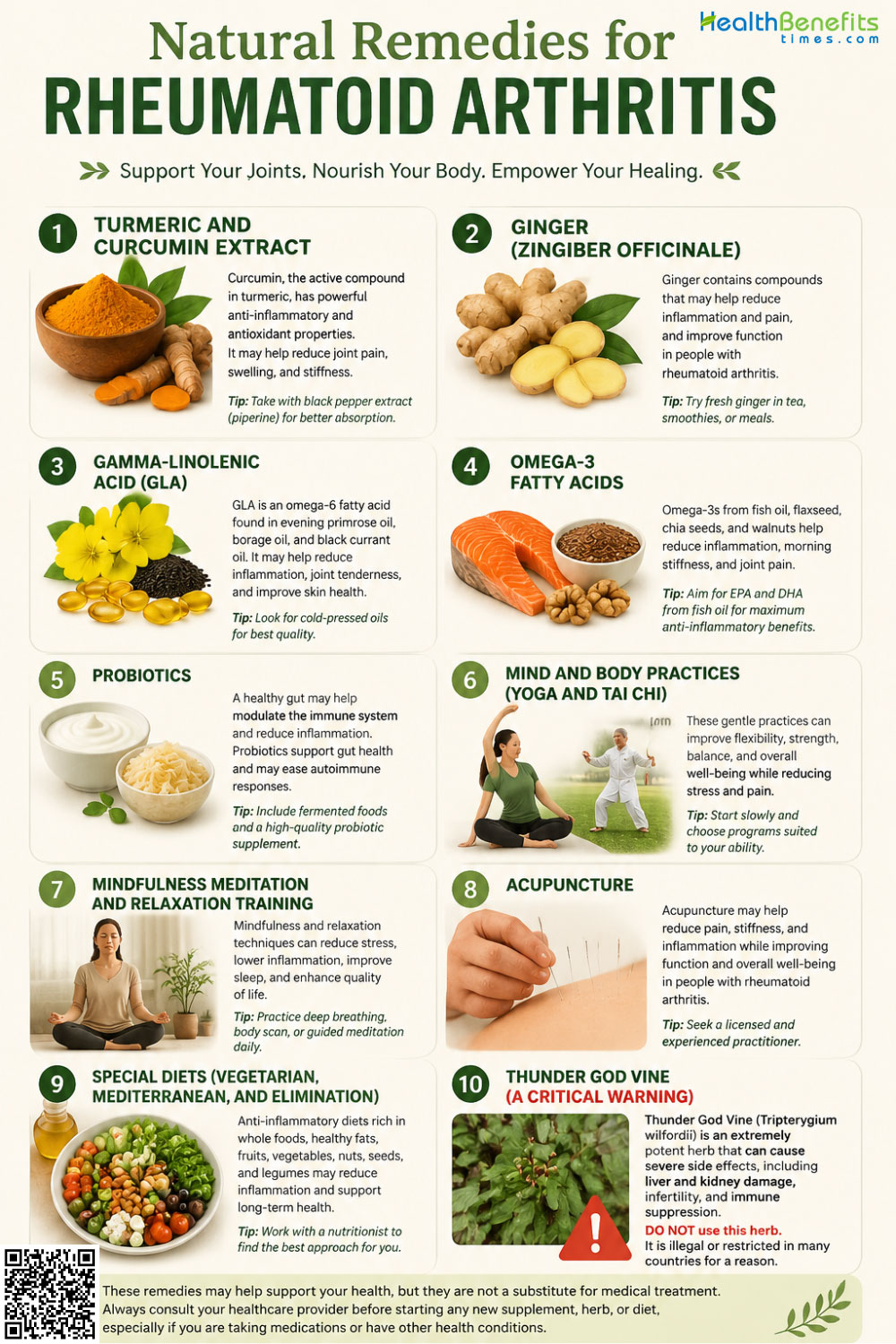
2. Ginger (Zingiber officinale)
Ginger is a common, spicy-tasting root that has been used for hundreds of years in traditional medicine to help with upset stomachs, body aches, and stiff muscles.
How it may help
Ginger contains special natural chemicals that fight swelling in a way that is similar to some over-the-counter pain relievers. When joints swell up, the body uses certain pathways to create the pain chemicals. Ginger helps block two of the main pathways the body uses to make these swelling chemicals 22. Furthermore, ginger helps balance the white blood cells. In autoimmune diseases, aggressive white blood cells attack the body, while the peaceful white blood cells fail to calm things down. Ginger helps boost the peaceful, regulatory white blood cells and lowers the aggressive ones, helping to quiet the immune system’s attack on the joints 23.
What research suggests
Science shows that taking ginger powder can lower the actual amount of swelling in the body. In a 12-week study where 70 people with active rheumatoid arthritis took either 1,500 milligrams of ginger powder daily or a fake pill, the people taking ginger saw a real drop in their swelling markers 23. Blood tests showed that their levels of C-reactive protein, which is a major sign of whole-body swelling, went down significantly 24. Older studies also found that when people with joint pain took ginger powder for several months, more than three-quarters of them felt relief from their pain and swelling without having bad side effects 25.
How to use it safely
Using ginger as a natural helper is considered very safe for most people. Studies show that people can safely take up to 2,000 milligrams (2 grams) of ginger a day without major problems 24. You can use it by eating fresh ginger root, drinking ginger tea, or taking dried ginger powder in pill form. If you want to use it daily, you should start with a small amount, like a cup of tea, and slowly increase it so your stomach can get used to it.
Potential precautions or side effects
Most people have no problems taking ginger, but it can sometimes cause minor issues like a mild upset stomach, heartburn, diarrhea, or a slightly irritated mouth 26. The most important warning about ginger is that it can slow down how fast your blood clots. If you have a bleeding disorder or if you take prescription blood thinners, you must ask your healthcare provider before taking ginger pills, because it could raise your risk of bleeding too much.
3. Gamma-Linolenic Acid (GLA)
Gamma-linolenic acid is a special kind of healthy fat that comes from the seeds of certain plants, mostly evening primrose, borage, and black currant.
How it may help
The human body uses different kinds of fats to build the outer walls of every cell. Many fats from standard diets are used by the body to create swelling. However, gamma-linolenic acid is different. When you consume this special fat, your body changes it into a helpful substance that fights against the swelling fats 27. By pushing the bad fats out of the way, this healthy fat tells the white blood cells to calm down and stop making the chemicals that injure the joint tissues 28.
What research suggests
Clinical trials show that taking oils rich in this fat can make a big difference in how the joints feel. In a six-month study, people with active rheumatoid arthritis were given either this special plant oil or a fake oil. The people taking the real plant oil experienced a huge improvement; the number of tender joints they had dropped by 36 percent, and the number of swollen joints dropped by 28 percent 29. The group taking the fake oil did not improve at all. When the people in the study kept taking the oil for a whole year, their joints continued to feel better and better, showing that it works well when taken over a long time 30.
How to use it safely
You can find this fat in health food stores sold as borage oil, evening primrose oil, or black currant oil pills 31. To get the results seen in the studies, people usually need to take higher amounts than what is normally listed on the bottle, so you should talk to your doctor about the right dose. Because this remedy works by slowly changing the types of fats in your body’s cells, it is not a quick fix. You must take it every day for several weeks or even months before you will notice your joints feeling better and less stiff in the mornings.
Potential precautions or side effects
This special oil is generally very well tolerated, meaning most people do not get sick from taking it. The only mild side effects reported are sometimes getting a headache, an upset stomach, or soft bowel movements 31. However, there is a very serious warning regarding borage oil. The borage plant naturally makes poisonous chemicals called pyrrolizidine alkaloids that can severely damage your liver 31. If you choose to buy borage oil, you must look closely at the label and only buy products that explicitly say they are free of these liver-damaging chemicals. The long-term safety of taking these oils for many years is also still unknown.
4. Omega-3 Fatty Acids
Omega-3 fatty acids are essential, healthy fats found mostly in seafood, specifically in cold-water fish like salmon, mackerel, and sardines, as well as in fish oil pills.
How it may help
Similar to plant seed oils, the fats from fish oil change the building blocks of your body’s cells. When you eat fish or take fish oil, the healthy fats enter your cell walls and replace the fats that usually cause swelling. When your immune system gets upset, it tries to use the fats in your cells to make pain chemicals. If your cells are full of fish oil fats, the body makes soothing chemicals instead of pain chemicals, which helps turn down the deep swelling inside the joint lining.
What research suggests
Out of all the natural options available, fish oil has some of the strongest scientific backing for helping with joint pain. A large review done in 2017 looked at 22 different studies involving almost 1,000 people with rheumatoid arthritis 31. The researchers found that taking fish oil pills clearly helped reduce the pain the patients felt 32. Because it lowers the overall swelling, some people who take fish oil regularly find that their joints are less stiff when they wake up in the morning.
How to use it safely
The safest and best way to use these healthy fats is to eat fish a few times a week, just as the experts recommend in the Mediterranean diet 33. If you do not like eating fish, you can take fish oil pills. To see an improvement in joint swelling, you usually need to take a fairly high amount every day, so it is a good idea to work with your doctor to figure out the right number of pills.
Potential precautions or side effects
Fish oil is very safe and usually only causes minor complaints like burping a fishy taste or having mild stomach upset 31. However, just like ginger and turmeric, fish oil can make your blood thinner and slower to clot. If you take blood-thinning medicines, or if you are allergic to fish or shellfish, you must consult your healthcare provider before taking these pills 31. There is also some mixed information suggesting that taking very high amounts of fish oil might affect the risk of prostate problems in men, so older men should discuss this with their doctors 31.
5. Probiotics
Probiotics are living, helpful bacteria and yeasts that are similar to the good germs that naturally live inside your digestive system and keep your gut healthy.
How it may help Science has recently discovered that the health of your stomach and intestines is deeply connected to your joint health. People with rheumatoid arthritis often have the wrong balance of germs in their gut 34. This imbalance can weaken the walls of the intestines, allowing unwanted things to leak into the blood, which makes the immune system angry and causes it to attack the joints. Also, some bad bacteria look very similar to human joint tissues, so the immune system gets confused and attacks both. Taking probiotics may help fix the balance of germs in the gut, repair the intestinal walls, and calm down the confused immune system.
What research suggests
Early studies checking to see if probiotic pills help rheumatoid arthritis have shown mixed but hopeful results. Some tests found that taking helpful bacteria lowered the main swelling markers in the blood and improved the overall disease score used by doctors 34. However, different researchers tested completely different kinds of bacteria, and some studies showed no help at all. Because of this confusion, government experts say there is not enough clear proof yet to promise that probiotics will work for everyone, and no one knows exactly which specific type of bacteria is the best one to take 31.
How to use it safely
You can naturally add good bacteria to your body by eating fermented foods like yogurt, kefir, sauerkraut, and kimchi. These foods are very safe and healthy parts of a normal diet. If you choose to take probiotic pills, you should look for trusted brands that list the exact types of bacteria on the bottle. Because the science is still new, you should view probiotics as a helper for your general stomach health rather than a guaranteed fix for joint pain.
Potential precautions or side effects
For normal, healthy people, eating good bacteria or taking probiotic pills is very safe and rarely causes anything more than temporary gas or bloating as the stomach adjusts 31. However, probiotics contain live germs. If you have a very weak immune system, or if you are taking very strong medicines that turn off your immune system to treat your arthritis, adding live germs to your body could potentially cause a serious infection 31. You should always check with your doctor before taking live bacteria pills if your immune system is weak.
6. Mind and Body Practices (Yoga and Tai Chi)
Mind and body practices are gentle exercise routines that combine slow, controlled physical movements with deep breathing and focused mental attention to help relax both the mind and the muscles.
How it may help
Living with constant joint pain causes terrible stress, and stress makes the body create more swelling chemicals. Mind and body practices like yoga and tai chi help break this cycle. The deep breathing and mental focus calm the nervous system, which helps lower the feeling of pain and improves your daily mood 35. On a physical level, the gentle stretching in yoga keeps the joints from becoming stiff and locked into place. Tai chi involves slow weight-shifting movements that build up the muscles around the knees and hips, giving the joints better support without putting heavy, pounding pressure on them.
What research suggests
Many studies support the use of gentle movement. The American College of Rheumatology strongly recommends consistent exercise for everyone with the disease 36. A review of 23 studies in 2022 showed that doing yoga, tai chi, and deep breathing greatly improved how patients felt, reducing their morning stiffness, tiredness, and pain 35. While these gentle exercises might not magically lower the swelling markers measured in blood tests, studies clearly show that they make it much easier for people to handle the disease, sleep better, and go about their daily lives with less sadness and better physical function 35.
How to use it safely
These exercises are safe for almost everyone as long as they are done carefully. You should look for classes taught by instructors who have experience working with older adults or people with physical limits. In yoga, use helpful tools like foam blocks, straps, or sturdy chairs to help you balance so you do not put all your weight on sore wrists or weak knees 31. Do not push yourself into positions that hurt. The goal is gentle movement, not painful stretching.
Potential precautions or side effects
While mind and body practices have a great safety record, doing traditional forms of these exercises without changing the moves can lead to injury 31. If you have severe damage in your spine or if your joints are currently very swollen and hot, bending in strange ways can make the damage worse 31. You must always tell your exercise instructor that you have rheumatoid arthritis before the class begins so they can show you how to change the movements to keep your joints safe and comfortable.
7. Mindfulness Meditation and Relaxation Training
Mindfulness meditation is a mental practice where a person sits quietly and learns to focus their attention entirely on the present moment, such as feeling the breath move in and out, while letting go of stressful thoughts about the past or the future.
How it may help
When a person suffers from a long-term disease, their brain can become hypersensitive, making the pain feel even louder and more overwhelming. Mindfulness and relaxation training help by teaching the brain to separate the physical feeling of pain from the emotional panic that comes with it. By sitting quietly and training the mind to relax, the body lowers its stress hormones. Lowering stress hormones helps the immune system stay calmer, which can prevent sudden, severe flares of joint pain and swelling.
What research suggests
The science shows that training your mind is a powerful tool. A large review of 57 studies in 2023 found that psychological training, including mindfulness and learning to relax the muscles, is moderately effective in treating the disease and should be added to standard medical care 35. People who practice mindfulness consistently report that their joints feel less tender and their morning stiffness bothers them less 35. While meditation cannot reverse joint damage, four different studies testing mindfulness in over 400 people found that it improved their ability to cope with the heavy emotional burden of being sick 31.
How to use it safely
You can learn mindfulness meditation safely at home using guided audio recordings, smartphone applications, or by taking local classes. You do not need any special equipment to start. You can sit in a comfortable chair, lie down on a soft bed, or find any position that does not put stress on your body. Practicing for just ten to twenty minutes a day can begin to train your brain to relax.
Potential precautions or side effects
Relaxation and mental training do not require you to take any pills, so they do not interact with medicines and generally have no side effects 31. The only precaution involves the physical act of meditating. Traditional meditation often asks people to sit completely still on the floor with their legs crossed for a long time. For someone with joint disease, staying perfectly still in an awkward position can cause intense stiffness and pain 31. If you take a class, you must ensure you use cushions or a comfortable chair so the practice remains painless. Rarely, people with serious mental health conditions might feel upset during quiet meditation, so they should talk to a therapist first.
8. Acupuncture
Acupuncture is an ancient healing method from China where a trained professional inserts extremely thin, clean needles into very specific spots on the body’s surface to relieve pain and balance the body’s energy.
How it may help
In modern medical terms, putting fine needles into the skin stimulates the nerves, muscles, and soft tissues deep inside the body. This gentle stimulation sends signals to the brain to release the body’s own natural painkillers, known as endorphins, and can increase blood flow to the areas that are hurting. For arthritis, the goal of acupuncture is to trigger these natural pain-relieving chemicals to help numb the constant aching in the joints.
What research suggests
The scientific proof for using acupuncture for rheumatoid arthritis is mixed and somewhat confusing. A large review of studies in 2017 found that some trials showed positive results for treating the pain, but other trials completely failed to show any benefit at all 35. An older, very strict review of the science concluded that acupuncture had absolutely no effect on the blood markers that measure swelling, nor did it reduce the number of swollen joints the patients had 35. While the American College of Rheumatology conditionally recommends acupuncture for people who only have regular wear-and-tear arthritis (osteoarthritis), the experts feel that the research is too small and poor in quality to reach definite conclusions about whether it truly helps the severe swelling of rheumatoid arthritis 35.
How to use it safely
If you choose to try acupuncture, it is very important to go to a professional practitioner who is fully licensed and certified. The process should not be painful. You should expect the practitioner to use brand-new, sterile needles that come out of sealed packages for every single visit. Treatment usually involves going to several sessions over a few weeks to see if the needle therapy provides any relief for your joint pain.
Potential precautions or side effects
When it is performed correctly by an experienced and trained professional using clean needles, acupuncture is considered very safe and has a good safety record 31. However, if it is performed poorly or with dirty needles, it can cause very serious side effects, including dangerous skin infections or, very rarely, damage to organs inside the body 31. Some people might also feel a little bit of soreness, minor bleeding, or small bruises at the spots where the needles were put into the skin.
9. Special Diets (Vegetarian, Mediterranean, and Elimination)
Special diets involve completely changing the way you eat, such as refusing to eat any animal products, sticking only to Mediterranean foods, or cutting out specific foods to see if they are secretly causing your joint pain.
How it may help
Food plays a massive role in how much swelling the body creates. Diets that focus heavily on vegetables, fruits, whole grains, and healthy oils provide the body with vitamins and natural chemicals that lower swelling. Conversely, eating highly processed foods and large amounts of sugar can trigger the immune system to create more swelling. Some people also believe they have hidden allergies to certain foods (like dairy or gluten), and they think that cutting these out will stop their immune system from overreacting.
What research suggests
The American College of Rheumatology strongly recommends eating a Mediterranean-style diet. This diet is packed with vegetables, nuts, seeds, olive oil, and fish, and limits added sugars and heavy, processed meats 33. Science shows this eating style is excellent for overall health and can help lessen joint pain 37. However, when it comes to highly restrictive eating, like vegan diets or diets that eliminate many normal food groups, the science is very weak. The National Center for Complementary and Integrative Health notes that very little research has been done on these extreme diets, so their actual effect on rheumatoid arthritis remains completely uncertain 31. The medical experts actually advise against following any formal, strict diet other than the Mediterranean style 38.
How to use it safely
The safest way to change your eating habits is to focus on adding more healthy, whole foods to your plate rather than starving yourself of things you enjoy. You should aim to eat plenty of colorful vegetables, fresh fruits, beans, and healthy fats like olive oil. If you want to figure out if a certain food makes your joints hurt, you should ask your doctor for a referral to a registered dietitian who can help you test your diet safely without losing important vitamins 39.
Potential precautions or side effects
Changing your diet can be unexpectedly dangerous if you are not careful. When studies tested highly restrictive diets that removed major food groups, some of the patients suffered from accidental weight loss 31. Losing weight might be okay for some, but it is very unhealthy for patients who are already thin or frail from being sick. Furthermore, cutting out entire food groups puts you at a very high risk of developing nutritional deficiencies 31. Not getting enough vitamins and minerals can weaken your bones even more and make you feel far more tired.
10. Thunder God Vine (A Critical Warning)
Thunder god vine is a leafy plant that grows in Asia and has been used in traditional Chinese medicine for hundreds of years to treat swelling and immune system problems.
How it may help
The extracts from the root of this vine contain very strong chemicals that suppress the immune system. Just like heavy prescription drugs, these plant chemicals can forcefully stop the white blood cells from attacking the joint tissues, which reduces the deep swelling and warmth in the affected areas.
What research suggests
Unlike many other herbs that show weak results, studies on thunder god vine actually show that it has a powerful effect. The scientific evidence confirms that pills containing the extract of the thunder god vine can genuinely help relieve the symptoms of rheumatoid arthritis 31.
How to use it safely
Because of its extreme danger, it is generally considered unsafe for people to try using this plant on their own. The line between a helpful dose and a poisonous dose is very thin. The preparation of the plant must be perfectly exact, as the leaves and flowers are highly toxic.
Potential precautions or side effects
This is the most important precaution of all the natural remedies: thunder god vine can be incredibly toxic. Government health experts warn that taking this herb can cause very serious, permanent side effects 31. It has been proven to cause severe decreases in bone density, which is terrible for arthritis patients whose bones are already at risk 31. It can also cause male infertility by destroying the ability to reproduce 31. Because of these severe dangers, it should be avoided unless strictly controlled by a major medical research trial.
Foods to Avoid When You suffer from Rheumatoid Arthritis
While there is no single “arthritis diet,” clinical and epidemiological evidence strongly indicates that certain dietary components trigger or worsen the systemic inflammation responsible for rheumatoid arthritis (RA) symptoms. Here are the top five foods and dietary categories to avoid:
1. Added Sugars and Sugar-Sweetened Beverages
Refined sugars found in sodas, sweetened teas, and desserts are among the most common symptom triggers reported by RA patients. High sugar intake rapidly spikes blood glucose, which in turn stimulates the release of pro-inflammatory cytokines that directly exacerbate joint pain and swelling. References: 40 41
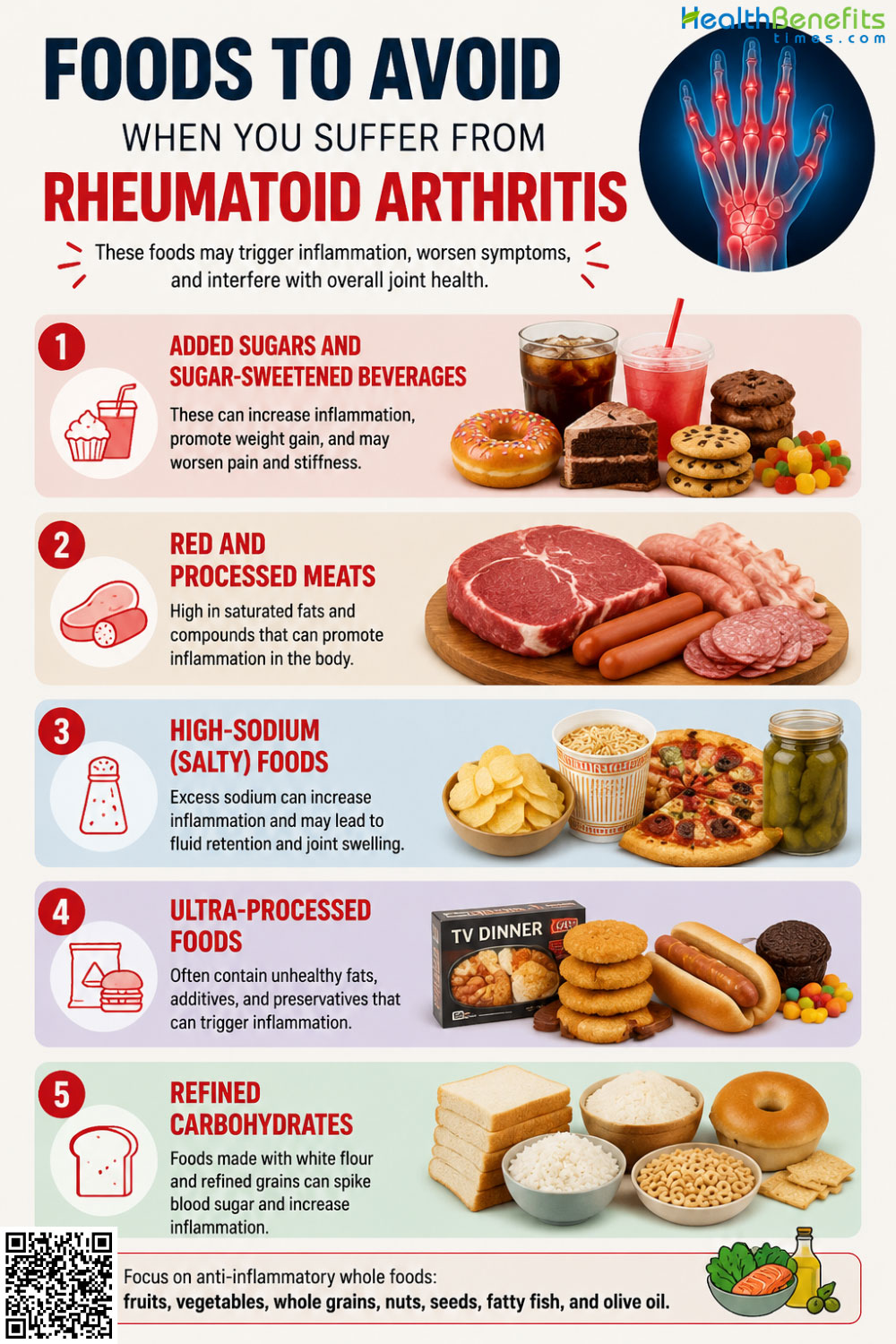
2. Red and Processed Meats
Diets heavily featuring red meats (such as beef and lamb) and processed meats (like sausages and deli meats) deliver high levels of saturated fats, heme iron, and advanced glycation end products. These compounds activate pro-inflammatory signaling pathways in the body and are strongly linked to worsening inflammation, as well as an increased risk of early-onset RA. References: 42 43
3. High-Sodium (Salty) Foods
Excess dietary sodium from canned goods, fast food, and salty snacks does more than impact blood pressure; it directly alters immune response. High salt intake increases the differentiation and activation of Th17 immune cells, a specific cellular pathway directly implicated in driving auto-immunity and higher disease severity in early RA. References: 44 45
4. Ultra-Processed Foods
Highly processed items such as packaged baked goods, microwave meals, and fast food are stripped of natural nutrients and heavily loaded with additives. Elements common in these foods, like artificial emulsifiers and thickeners, can disrupt intestinal barrier integrity and alter the gut microbiome, which promotes systemic immune activation and significantly increases cardiovascular risk factors in RA patients. References: 46 47
5. Refined Carbohydrates
White bread, regular pasta, and white rice have been stripped of their natural fiber content, causing them to digest rapidly. This creates a high glycemic spike, which in turn increases oxidative stress, promotes insulin resistance, and drives the production of inflammatory mediators that worsen joint stiffness and pain. References: 48 49
When To see Doctor when you have Rheumatoid Arthritis
1. Sudden or Worsening Flare-ups
Rheumatoid arthritis (RA) involves complex disease activity, often characterized by periods of remission interrupted by severe exacerbations known as flares (Bozzalla-Cassione et al., 2022). If you experience a sudden, intense increase in joint swelling, stiffness, and pain that does not respond to your current treatment, you should contact your rheumatologist. Rapid clinical intervention during these early stages of synovitis is essential to control inflammation and prevent long-term joint destruction (Raza et al., 2006). 50 51
2. Symptoms of Infection
Because RA is driven by an overactive immune system, treating the disease typically requires immunosuppressive medications, such as disease-modifying antirheumatic drugs (DMARDs) and biologic agents (Jahid et al., 2023). While highly effective for joint preservation, these therapies are primary modifiable risk factors for infection (George, n.d.). You should seek immediate medical attention if you develop a fever, persistent chills, or localized signs of infection, as serious infections are a leading cause of mortality in people living with RA (George, n.d.). 52 53
3. Respiratory Problems or Chest Pain
RA is a systemic disease that can trigger severe complications beyond your joints, particularly in the lungs and heart. Interstitial lung disease (ILD) is a significant respiratory complication associated with RA, often presenting as a chronic cough or shortness of breath, and contributes heavily to increased morbidity (Bendstrup et al., 2019). Additionally, systemic inflammation significantly increases the risk of premature cardiovascular disease, meaning that new or worsening chest pain or difficulty breathing warrants an emergency evaluation. 54 55
4. Eye Inflammation and Vision Changes
Extra-articular (non-joint) manifestations occur in up to 20% of RA patients, frequently affecting the eyes (Zlatanović et al., 2010). Inflammatory ocular conditions such as scleritis, episcleritis, and peripheral ulcerative keratitis can present as severe eye redness, pain, or sudden changes in vision. These conditions can rapidly threaten your eyesight and require prompt, collaborative management between your rheumatologist and an ophthalmologist (Artifoni et al., 2013). 56 57
5. Unexplained Fatigue, Weakness, or Weight Loss
The initial onset or a significant progression of RA can cause widespread systemic symptoms in addition to localized joint pain. These complexes often include profound fatigue, generalized weakness, and unexpected weight loss (Stack et al., 2013). When these systemic symptoms accumulate or worsen, they frequently signal high disease activity or an impending pain flare (McWilliams et al., 2019). Seeing a doctor to adjust your therapeutic plan can help properly manage these debilitating physical symptoms. 58 59