


Fibromyalgia is a long-term medical condition characterized by widespread pain and stiffness throughout the muscles and joints. It is a complex disorder that affects how the central nervous system processes pain signals, often making individuals overly sensitive to physical sensations that would not typically cause discomfort. Beyond physical pain, the condition frequently causes extreme tiredness, significant sleep disturbances, and problems with thinking and memory, commonly referred to as “fibro fog.” While the exact cause remains unknown, researchers believe it results from a combination of genetic factors, environmental triggers, and stressful life events that alter pain pathways in the brain. Although there is currently no cure for fibromyalgia, comprehensive treatment plans—including medications, physical therapies, and stress reduction techniques—can help control symptoms and improve a person’s overall quality of life.
Causes of Fibromyalgia
Abnormal Pain Processing: A primary theory involves changes in the way the central nervous system processes pain signals. This can involve chemical imbalances in the nervous system, leading to increased sensitivity and abnormal perception of pain.
1. Genetic Predisposition
Genetics are thought to play a role, as fibromyalgia can run in families. Certain genetic polymorphisms may make some individuals more susceptible to developing the condition.
2. Physical or Emotional Stress (Triggers)
Fibromyalgia is often triggered by events that cause significant physical or psychological stress.
3. Serious Injury or Trauma
A major physical trauma, such as an injury from a car accident, can act as a trigger.
4. Infection
Certain infections, such as the Epstein-Barr virus or Lyme disease, have been associated with the onset of fibromyalgia.
5. Major Operation
Undergoing a significant surgical procedure can also be a triggering event.
6. Significant Emotional Trauma
Experiencing severe psychological distress, such as the trauma associated with military combat, has been identified as a potential trigger. 1, 2, 3
Symptoms of Fibromyalgia
- Widespread chronic pain (aching, burning, or throbbing)
- Pain and stiffness all over the body
- Increased sensitivity to sensations (touch, light, temperature, noise)
- Headaches, including migraines
- Muscle stiffness and joint stiffness
- Fatigue or extreme tiredness
- Sleep problems (difficulty sleeping or non-restorative sleep)
- Problems with thinking, memory, and concentration (“fibro-fog”)
- Tingling, numbness, or burning sensations in the hands and feet
- Pain in the face or jaw (e.g., temporomandibular joint disorders)
- Digestive problems (stomach pain, bloating, constipation, or irritable bowel syndrome)
- Dizziness and clumsiness
- Feeling too hot or too cold
- Restless legs syndrome
- Painful periods
- Depression and anxiety
- Poor balance or coordination
- Weakness in the arms or legs
- Numbness in any part of the body
Natural Remedies for Fibromyalgia
 1. Exercise (Aerobic, Strength, and Flexibility Training)
Regular exercise is considered a cornerstone of fibromyalgia management. A 2026 meta-analysis found that aerobic, resistance, and mind-body exercises each significantly reduce pain and fatigue 4. Experts recommend 2-3 sessions per week, each lasting 40-50 minutes. Some studies suggest at least 20 minutes of aerobic exercise per session is beneficial. Start with low-impact activities like walking, swimming, or biking. Begin slowly, and gradually increase the duration and intensity of your workouts. Overexertion can worsen symptoms. It is crucial to pace yourself and avoid pushing through severe pain. Listen to your body and rest when needed.
2. Acupuncture
Acupuncture may provide relief for widespread pain and improve sleep quality. A 2024 analysis reported that a combination of acupuncture and massage was highly effective for pain relief. A 2026 meta-analysis concluded that acupuncture is effective for key symptoms, particularly pain and stiffness. Adding electrical stimulation to the needles may offer extra benefits for reducing fatigue 5. Seek treatment from a licensed, certified practitioner. Ensure that single-use, disposable needles are used to eliminate infection risk. Minor side effects include temporary soreness, minor bleeding, or bruising at needle sites. Serious adverse events are rare.
3. Mind-Body Practices (Tai Chi, Yoga, and Qigong)
These gentle movement therapies combine physical postures, breathing techniques, and meditation. A 2024 systematic review found that these practices significantly improve pain, fatigue, and sleep 6. Tai chi, in particular, has shown evidence for improving anxiety and depression. The NIH notes that encouraging results suggest these approaches may help relieve fibromyalgia symptoms. Start with beginner or gentle classes designed for people with chronic pain. Avoid inverted poses (like headstands) which may cause dizziness. Yoga is generally safe for healthy people when performed properly, but injuries can occur. Practice under the guidance of a qualified instructor.
4. Dietary Approaches
While there is no standard therapeutic diet for fibromyalgia, research suggests that some patients may benefit from dietary adjustments. A systematic review found that plant-based and anti-inflammatory diets showed beneficial effects on pain 7. About 20-30% of patients modify their diets after diagnosis, often avoiding cereals, dairy, or caffeine. Focus on an overall anti-inflammatory eating pattern rich in fruits, vegetables, and whole grains. You can try a food diary to identify potential trigger foods. Always inform your doctor about any major dietary changes. Restrictive or elimination diets can lead to nutritional deficiencies if not managed properly. Do not cut out entire food groups without professional guidance.
5. Vitamin D Supplementation
Maintaining adequate vitamin D levels may help reduce widespread pain and improve quality of life. A 2025 meta-analysis found that vitamin D supplements significantly reduced pain levels 8.Vitamin D may play a role in modulating pain and inflammation. Deficiency appears to be linked to greater symptom severity in some patients. Have your doctor test your vitamin D levels first. If a deficiency is found, follow your doctor’s recommended dosage. Taking too much vitamin D can cause toxicity. Do not exceed the recommended daily allowance without medical supervision.
6. Magnesium
Magnesium may help improve physical function and reduce stiffness, especially in those who are deficient. Research suggests that magnesium deficiency appears to play a role in fibromyalgia symptoms 9.A review noted that clinical trials on magnesium supplementation provide promising results. It is one of several micronutrients showing potential for managing FM. Consult your doctor before taking magnesium. A blood test can determine if you have a true deficiency. High doses can cause digestive issues like diarrhea, nausea, and cramping. It may interact with certain medications (e.g., some antibiotics and diuretics).
Foods to Avoid When You suffer from Fibromyalgia
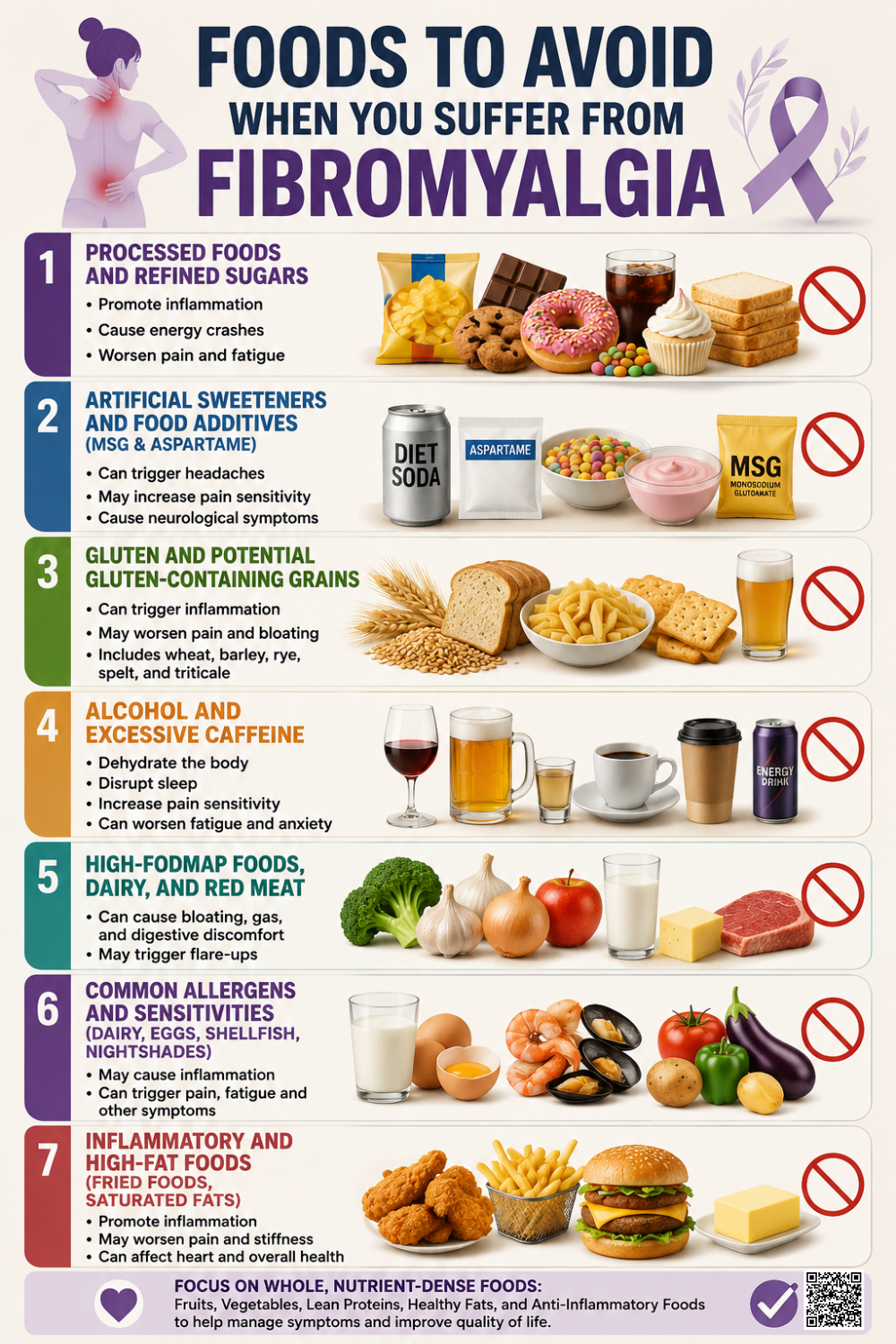 1. Processed Foods and Refined Sugars
Why to avoid: Systematic reviews show that nutritional interventions can improve clinical outcomes in fibromyalgia 10. One strategy involves adopting an anti-inflammatory diet that excludes ultra-processed foods and added sugar. This is supported by studies where an anti-inflammatory diet (excluding gluten, dairy, added sugar, and ultra-processed foods) led to significant improvements in pain, fatigue, and quality of life for fibromyalgia patients. Research also suggests that low-calorie or hypocaloric diets can be beneficial, potentially due to their anti-inflammatory effects 11. A systematic review and meta-analysis of seven clinical trials evaluating dietary approaches (including low-calorie and low-FODMAPs diets) found that pain and function improved with these interventions.
2. Artificial Sweeteners and Food Additives (MSG & Aspartame)
Why to avoid: Research suggests that free forms of the amino acids glutamate and aspartate—commonly found in flavor-enhancing additives like monosodium glutamate (MSG) and the artificial sweetener aspartame—may be associated with increased pain sensitivity 12. Clinical trials restricting these additives have demonstrated significant symptom improvement in fibromyalgia patients. A systematic review and meta-analysis of dietary interventions specifically identified a monosodium glutamate- and aspartame-free diet as an evaluated approach, with some studies reporting improvements in pain and function 13. The evidence suggests that eliminating these excitotoxins may be a reasonable dietary modification for some individuals.
3. Gluten and Potential Gluten-Containing Grains
Why to avoid: While evidence is mixed, some individuals with fibromyalgia report symptom improvement on a gluten-free diet. A 2026 systematic review found that a gluten-free diet might be beneficial for fibromyalgia patients who also have other inflammatory conditions or gluten sensitivity, improving symptoms and quality of life. However, the review notes that the effectiveness of a gluten-free diet cannot yet be confirmed based on current evidence. It is important to note that a gluten-free diet is not a necessity for all with fibromyalgia, and its benefits might be related to placebo effects or other factors. Non-celiac gluten sensitivity is increasingly recognized as a condition with symptoms that overlap with those of fibromyalgia. Therefore, exploring a gluten-free diet may be reasonable for some, particularly those with concurrent digestive issues.
4. Alcohol and Excessive Caffeine
Why to avoid: Consumption of psychoactive substances—including alcohol and caffeine—is common among people with fibromyalgia. These substances may be used to cope with symptoms, but evidence also suggests they could aggravate symptoms in some cases. Several systematic reviews highlight that studies on dietary interventions for fibromyalgia often involve eliminating caffeine and alcohol as part of a broader dietary strategy. The Australian Government Department of Health and Aged Care specifically notes that while a heart-healthy diet (low in salt, high in fruits and vegetables) is recommended for management, a direct lack of physical activity and a poor diet high in sugar and fat plays a significant role in the health outcomes of people with fibromyalgia. For some individuals, reducing or eliminating alcohol and caffeine may be a helpful step in symptom management.
5. High-FODMAP Foods, Dairy, and Red Meat
Why to avoid: A low-FODMAPs (fermentable oligo-, di-, monosaccharides, and polyols) diet is one of the most well-studied dietary approaches for fibromyalgia, particularly when combined with an anti-inflammatory diet. A randomized controlled trial found that an anti-inflammatory and low-FODMAP diet improved pain, fatigue, and quality of life in fibromyalgia patients. A systematic review and meta-analysis also found that a low-FODMAPs diet, as well as a raw vegetarian diet, seemed to improve quality of life, sleep, anxiety, and depression. A 2020 systematic review of nutritional interventions found that the low-FODMAPs diet improved pain and functional outcomes. It is important to note that the quality of existing studies is low, and more research is needed before these diets can be universally recommended.
6. Common Allergens and Sensitivities (Dairy, Eggs, Shellfish, Nightshades)
Why to avoid: Many individuals with fibromyalgia self-report sensitivities to specific foods, which they feel trigger their symptoms. The most commonly cited foods that people with fibromyalgia choose to avoid include lactose/dairy, gluten, eggs, shellfish, and nightshade vegetables (such as peppers, eggplant, tomatoes, and potatoes). Clinical studies often design elimination diets that remove several common food groups simultaneously. For example, a key 2022 randomized controlled trial had the intervention group adopt a diet that excluded gluten, dairy, added sugar, and ultra-processed foods for three months, along with a low-FODMAPs diet for the first month, which led to significant symptom improvement. Patients frequently start a gluten-free and/or lactose-free diet on their own, believing these foods are responsible for the onset or worsening of their symptoms. Approximately 20–30% of patients modify their dietary habits after diagnosis, often avoiding certain food groups like cereals and dairy 14.
7. Inflammatory and High-Fat Foods (Fried Foods, Saturated Fats)
Why to avoid: Foods high in saturated fats and trans-fats are frequently cited as potential triggers for fibromyalgia flares. Many health authorities, including the Australian Government Department of Health and Aged Care, recommend that people with fibromyalgia follow a heart-healthy diet that is low in unhealthy fats. The European League Against Rheumatism (EULAR) recommendations for managing fibromyalgia emphasize a graduated approach to therapy, which includes lifestyle modifications. Self-management skills, including keeping a healthy weight, are encouraged by organizations like the CDC. A diet high in processed foods and unhealthy fats is linked to increased inflammation, which may worsen fibromyalgia symptoms. Therefore, limiting or avoiding fried foods, fatty cuts of red meat, and foods containing trans-fats (like many processed snacks and baked goods) is often recommended. While more research is needed, a systematic review on dietary interventions noted that different diets (including low-calorie and vegetarian diets) have shown promise in reducing pain, which may be partly due to reducing the intake of these inflammatory foods.
When To see Doctor when you have Fibromyalgia
1. Unexplained Joint Swelling or Physical Deformity
Fibromyalgia is characterized by widespread musculoskeletal pain, but it does not cause tissue inflammation, joint swelling, or structural damage. If a patient experiences new symptoms such as visible redness, physical deformity, or severe joint swelling, they should seek medical evaluation. These symptoms may indicate the presence of an overlapping rheumatologic or autoimmune condition, such as rheumatoid arthritis or lupus, which require different diagnostic and management approaches. 15, 16
2. Severe Exacerbation of Mental Health Symptoms
Fibromyalgia is frequently accompanied by comorbid psychiatric conditions, with studies indicating that a significant portion of individuals also experience depression and anxiety. A physician should be consulted if feelings of hopelessness, severe anxiety, intense mood disturbances, or profound self-criticism escalate. This psychological distress can exacerbate physical pain and may necessitate dedicated psychiatric intervention, behavioral therapy, or medication adjustments. 17, 18
3. Onset of Profound Sleep Disruptions or Apnea Indicators
While unrefreshing sleep and baseline fatigue are hallmark traits of fibromyalgia, an abrupt shift to debilitating fatigue requires immediate medical attention. If extreme tiredness is accompanied by loud snoring, gasping during sleep, or excessive daytime sleepiness, a healthcare provider should evaluate the patient for undiagnosed sleep disorders. Physicians often utilize polysomnography to rule out conditions like obstructive sleep apnea, which can drastically worsen systemic symptoms if left untreated. 19, 20
4. Worsening Cognitive Dysfunction Disrupting Daily Life
Many patients experience cognitive disturbances colloquially known as “fibro fog,” which generally involves mild memory and concentration issues. However, if cognitive function deteriorates to the point that it severely impacts the ability to work, perform daily tasks, or causes profound distractibility, a physician should be consulted. A doctor can determine if neuroendocrine abnormalities, unmanaged chronic pain, or severe sleep deficits are driving the acute cognitive decline and establish a targeted treatment plan. 21, 22