

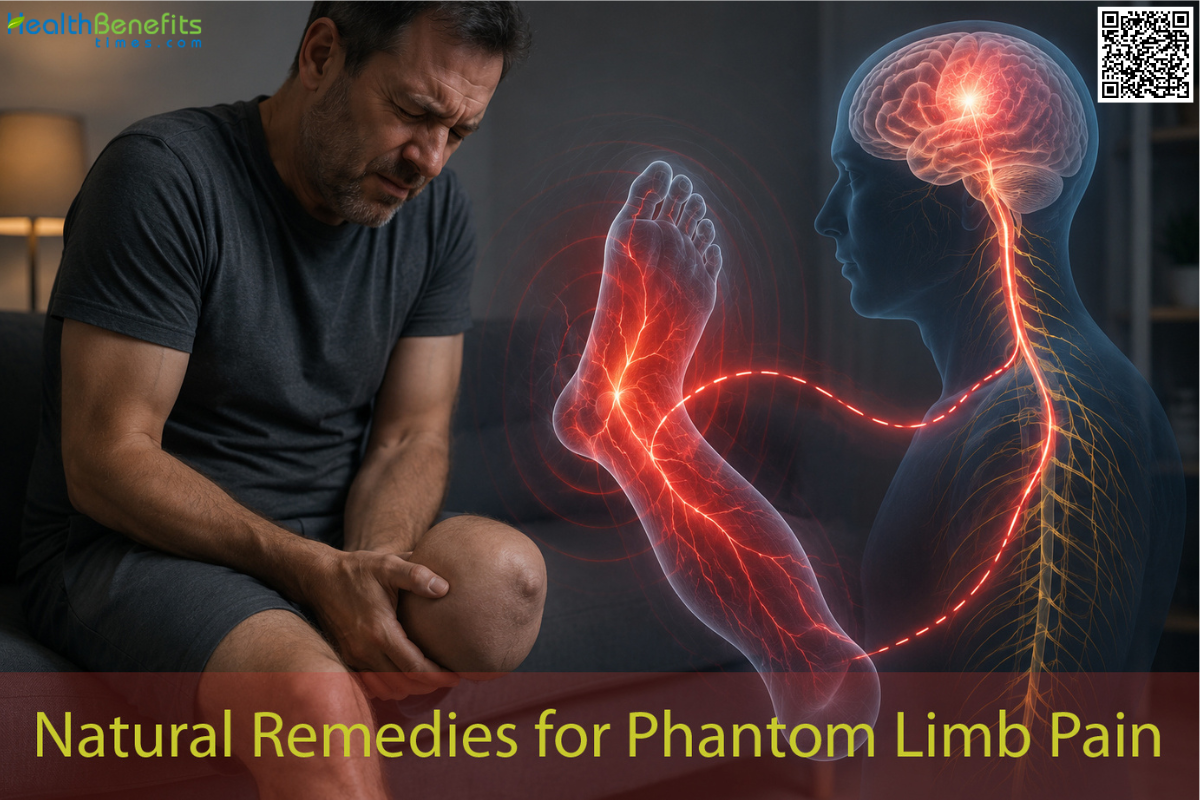
Phantom limb pain is the sensation of pain originating from a body part that has been amputated or is no longer physically present. While the cause is not fully understood, it is widely recognized as a complex condition involving changes across the entire nervous system, rather than a psychological issue. Following an amputation, the brain continues to receive signals from nerves that were previously connected to the missing limb. These nerves, now severed, may become hypersensitive or send abnormal signals. Simultaneously, the brain undergoes a process called “cortical reorganization,” where the areas once responsible for sensing the lost limb begin to adapt, sometimes misinterpreting these signals as pain 1. The experience is highly individual, often described as burning, twisting, or shooting, and it remains a significant area of ongoing clinical and neurological study.
Causes of Phantom Limb Pain
- Trauma to nerves and surrounding tissues during amputation that disrupts normal afferent and efferent signals
- Sprouting of neuromas at the proximal portions of severed nerve endings
- Peripheral nerve hyperexcitability and spontaneous nociceptive discharges due to increased sodium-channel activity
- Ectopic activity and depolarization from the dorsal root ganglion
- Central sensitization and expanded neuronal receptive fields within the spinal cord
- Hyperactivation and upregulation of N-methyl-D-aspartate (NMDA) receptors in the dorsal horn
- Spinal cord neural restructuring that leads to a loss of target sites for descending inhibitory fibers
- Cortical reorganization wherein neighboring regions in the primary somatosensory and motor cortices take over the brain area representing the missing limb
- Psychogenic factors and altered pain processing behaviors, particularly clinical depression, anxiety, and increased stress
- Underlying vascular etiologies and circulation issues
- Physical trauma to the affected limb area
- Cancer or malignancy
- Congenital conditions resulting in missing limbs
- External and environmental triggers such as temperature changes, reduced oxygenation, and localized inflammation of the residual limb 2
Symptoms of Phantom Limb Pain
- Sharp, stabbing, or piercing pain
- Tingling or “pins and needles” sensations
- Throbbing
- Burning sensations
- Cramping or spasmodic pain
- Squeezing sensations
- Electric shock-like sensations
- Numbness
- Itching 3, 4, 5
Natural Remedies for Phantom Limb Pain
1. Transcutaneous Electrical Nerve Stimulation (TENS)
How it may help
The portable device delivers pulsed electrical currents across the skin surface to actively stimulate underlying peripheral nerve pathways 6. This targeted stimulation successfully intercepts abnormal nociceptive inputs, reducing central nervous system hyper excitability to prevent painful sensations from reaching the brain 7.
What research says
Scientific meta-analyses demonstrate that transcutaneous electrical therapies significantly decrease pain intensity, achieving a 67% overall reduction rate following systematic stimulation 8. Clinical case assessments further indicate that acute phantom symptoms respond exceptionally well to interventions directly targeting the peripheral nervous system 9.
How to use it safely
Position the electrode pads carefully on healthy, sensate skin located either on the residual limb or along the proximal nerve routes 10. Gradually increase the unit’s intensity until you feel a strong, comfortable tingling sensation without experiencing any painful electrical shocks.
Potential precautions or side effects
Minor adverse effects include temporary skin redness and localized itching beneath the electrode pads, while individuals with cardiac pacemakers, epilepsy, or pregnancies must strictly avoid this therapy 11.
2. Cognitive Behavioral Therapy (CBT)
How it may help
Cognitive Behavioral Therapy (CBT) assists in managing phantom limb pain by altering how the brain processes distress and discomfort. By teaching patients to identify and modify negative thought patterns, it helps reduce the emotional burden associated with the pain 12. Coping strategies and relaxation techniques integrated into CBT directly diminish the perception of physical suffering 13.
What research says
Clinical evidence indicates that psychological treatments, including CBT, successfully lower pain intensity during neurological rehabilitation 14. Medical experts widely endorse CBT as an effective non-pharmacological strategy for phantom limb pain due to its established success in clinical practice 15. Studies confirm it works best alongside a comprehensive, multidisciplinary pain management approach 16.
How to use it safely
To practice this therapy safely, you should work with a licensed mental health professional who specializes in chronic pain management. It remains most beneficial when integrated into a broader treatment plan alongside physical therapies, ensuring all aspects of your recovery are properly monitored 17.
Potential precautions or side effects
CBT is highly safe with minimal physical adverse effects 18. However, therapy can occasionally cause temporary emotional fatigue as individuals must confront difficult psychological feelings during their counseling sessions.
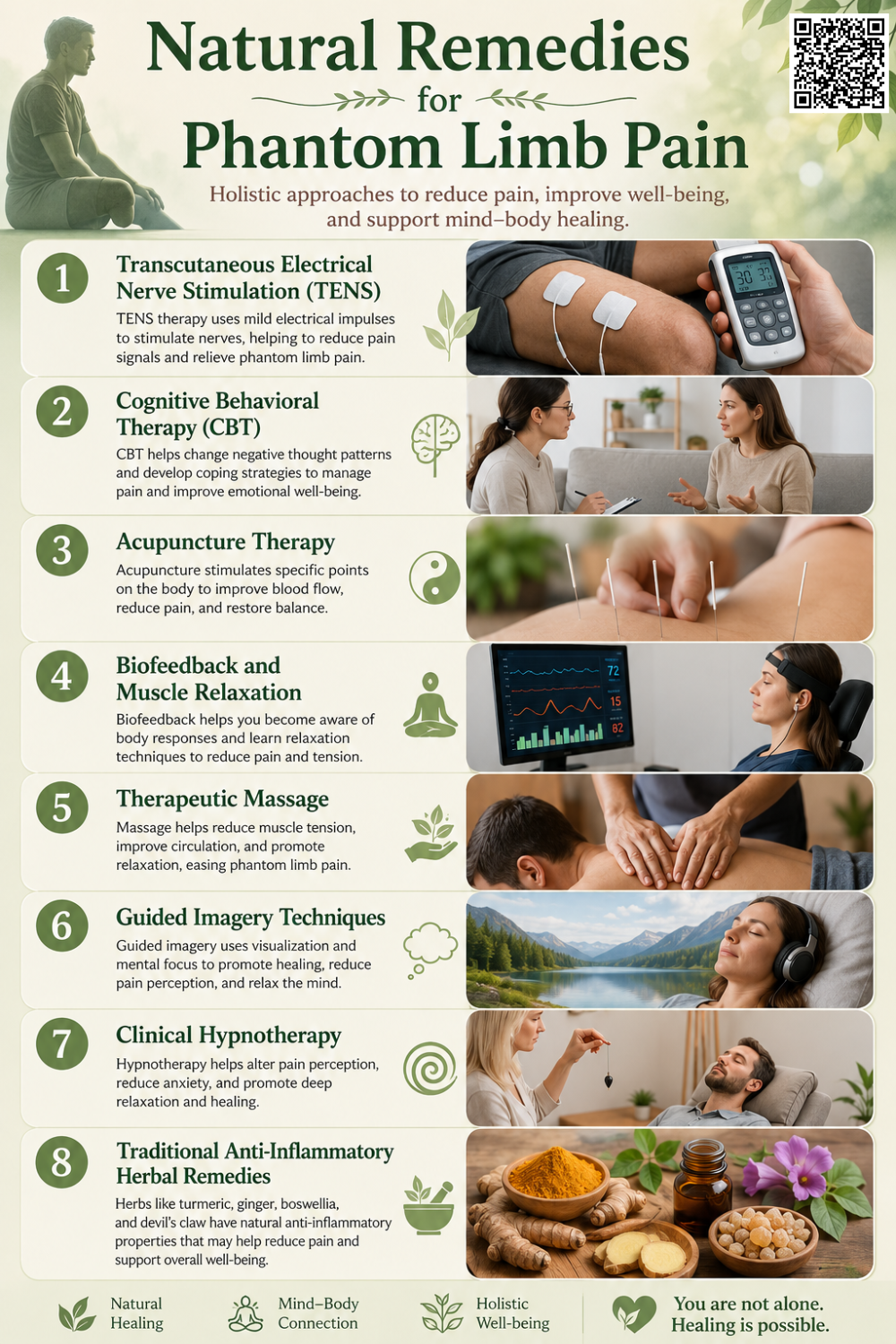 3. Acupuncture Therapy
Acupuncture Therapy Help Control Phantom Limb Pain
How it may help
Acupuncture may relieve phantom limb pain by altering nerve signals and brain pathways. Inserting fine needles stimulates the nervous system to release natural pain-relieving chemicals like endorphins. This process can calm overactive nerves, reduce inflammation, and help rewire the brain’s sensory map following an amputation to reduce discomfort.
What research says
Studies suggest acupuncture offers meaningful pain relief for amputees when conventional medications fail. Clinical trials indicate that treatments can significantly lower pain intensity, improve sleep, and reduce the need for strong nerve-pain drugs. Patients often report long-lasting symptom reduction without severe side effects.
How to use it safely
You should only seek treatment from a licensed, certified acupuncturist. Ensure the practitioner uses sterile, single-use needles to prevent infections. Always discuss this therapy with your medical team first, especially if you take blood thinners, have a pacemaker, or experience severe skin irritation near your residual limb.
Potential precautions or side effects
Acupuncture is generally safe but may cause minor bleeding, bruising, or mild soreness at the insertion sites. Severe complications remain exceptionally rare when performed properly under professional care.
4. Biofeedback and Muscle Relaxation
How it may help
Biofeedback and progressive muscle relaxation work by disrupting the cycle of pain, anxiety, and muscle tension often associated with limb loss 19. These techniques teach individuals to consciously control physiological responses, which lowers stress levels and alters the central nervous system’s pain signaling pathways to promote overall comfort 20.
What research says
Expert panels endorse mind-body interventions as highly effective, non-pharmacological strategies to manage symptoms 21. Clinical evidence confirms that applying behavioral feedback successfully reduces chronic discomfort by modifying brain areas altered by pain memories 22. Furthermore, mitigating stress through relaxation therapies directly decreases the severity of phantom sensations.
How to use it safely
You should initially learn these practices under the supervision of a certified behavioral therapist. Practice daily in a quiet, distraction-free environment. Do not overstrain residual muscles during tensing phases. Instead, maintain focus on steady, diaphragmatic breathing to effectively stabilize your nervous system and ensure a safe relaxation experience.
Potential precautions or side effects
These interventions are extremely safe. However, unguided practice may temporarily increase frustration or muscular fatigue. Individuals experiencing severe emotional trauma should consult a physician before initiating intensive body-awareness routines.
5. Therapeutic Massage
How it may help: Therapeutic massage minimizes physical responses to nerve stimuli by providing alternative sensory input to the brain, which helps desensitize the residual limb (Choo et al., 2022). It relaxes muscle tension, improves blood circulation, and prevents skin adhesions, collectively reducing the nerve hyperexcitability that frequently contributes to phantom limb pain (Shi & Wu, 2023).
What research says
Clinical evidence indicates that active massage therapy significantly decreases pain scores in patients following amputation (Choo et al., 2022). Studies demonstrate that structured massage interventions not only diminish the intensity of phantom and residual limb pain but also improve overall sleep quality and lower associated depression and anxiety (Kennedy et al., 2018).
How to use it safely
You should wait until your surgical wound is completely healed before applying direct, active massage (Choo et al., 2022). Start with gentle touching or light tapping to desensitize the skin. Gradually progress to firmer pressure only under the strict guidance of your medical rehabilitation team.
Potential precautions or side effects
Avoid massaging an unhealed, inflamed, or infected stump. Applying vigorous pressure prematurely can cause tissue damage, wound reopening, or a temporary spike in localized nerve pain.
6. Guided Imagery Techniques
How it may help
Guided imagery helps retrain the brain by mentally visualizing movement of the missing limb without requiring physical action. This mental rehearsal activates specific areas in the brain, which reverses pain-related nerve changes and uncouples the thought of movement from the physical sensation of pain 23.
What research says
Scientific evidence confirms that targeted visualization therapies successfully decrease phantom limb discomfort 24. Furthermore, advanced mental imagery treatments are clinically proven to substantially alleviate complex, amputation-related pain conditions and correct how the nervous system processes sensory information 25.
How to use it safely
You should practice these mental exercises under the direct supervision of a certified healthcare professional. Working closely with trained instructors ensures that the mind-body therapy is applied safely to promote physical recovery, avoiding rapid progression that could overwhelm your nervous system.
Potential precautions or side effects
Patients may experience temporary distress, negative emotional responses, or heightened discomfort awareness. If sudden hyperarousal occurs, you must stop immediately and consult your therapist 26.
7. Clinical Hypnotherapy
How it may help
Clinical hypnotherapy helps control phantom limb pain by guiding the mind to re-map sensory pathways and reduce physical stress 27. It encourages the brain to accept the missing limb as a valid mental image, altering how persistent pain signals are processed 28.
What research says
Brain imaging confirms that hypnosis changes neurological activity in the thalamus and cortex, directly altering the active perception of pain and movement 29. Medical reviews demonstrate this mind-body approach successfully reduces phantom discomfort for many patients, serving as an effective, evidence-based addition to standard postoperative care 30.
How to use it safely
You should strictly seek treatment from a licensed healthcare provider trained in clinical hypnosis. For the highest safety, integrate this approach into a comprehensive care plan overseen by your primary doctor, securely combining it with prescribed medications or physical therapy 31.
Potential precautions or side effects
Clinical studies report minimal adverse physical effects from therapies like hypnosis 32. However, individuals with severe trauma histories should proceed carefully and monitor for unexpected emotional responses.
8. Traditional Anti-Inflammatory Herbal Remedies
How it may help
Herbal remedies, particularly turmeric and ginger, reduce tissue swelling and nerve irritation that contribute to the aching sensations common in phantom limb pain. 33 These natural plant compounds block specific pain-causing enzymes in the body, which helps to calm overactive nerve signals before they reach the brain. 34
What research says
Clinical studies indicate that active compounds like curcumin significantly decrease severe nerve-related pain by lowering critical inflammation markers within the nervous system. 35 Current evidence confirms these traditional anti-inflammatory herbs effectively relieve chronic neuropathic symptoms and improve overall physical comfort for patients with nerve damage. 36
How to use it safely
You should always consult your healthcare provider before starting any herbal supplement to establish a safe dosage and prevent medication interactions. When taking traditional herbs in capsule form, choose products formulated with black pepper extract to significantly improve how well your body absorbs the active ingredients. 37
Potential precautions or side effects
Taking high doses can cause digestive issues like stomach pain or nausea. 38 They also act as natural blood thinners, increasing bleeding risks if combined with anticoagulant medications. 39
Foods to Avoid When You Suffer from Phantom Limb Pain
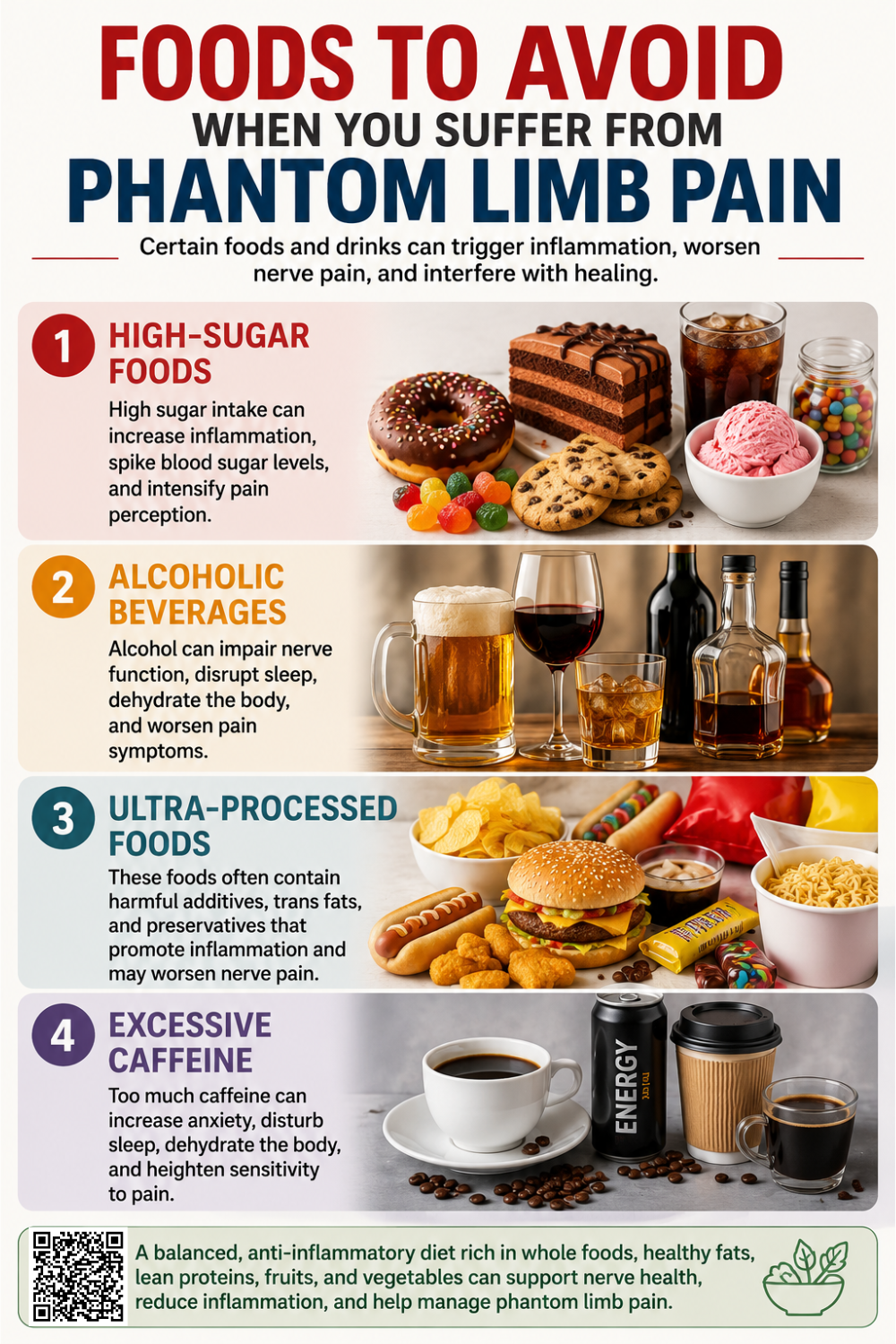 1. High-Sugar Foods
High blood sugar drives nerve damage and reactive oxygen species, amplifying neuropathic conditions. Limiting sugar helps manage phantom limb pain effectively. 40, 41
2. Alcoholic Beverages
Alcohol exerts neurotoxic effects, triggering demyelination and neuroinflammation. This heightens allodynia and overall neuropathic pain severity, making avoidance. 42, 43
3. Ultra-Processed Foods
Trans fats and processed foods provoke systemic neuroinflammation. This activates nervous system glial cells, significantly worsening chronic neuropathic pain mechanisms. 44, 45
4. Excessive Caffeine
Excessive caffeine triggers severe anxiety and nervous system overstimulation, which can exacerbate neuropathic conditions like phantom limb pain. 46, 47
When To see Doctor when you have Phantom Limb Pain
1. Severe or Worsening Pain
Seek medical attention if your phantom limb pain becomes severely intense, frequently disrupts your daily activities, or stops responding to your currently prescribed pain management medications. 48
2. Signs of Infection
Consult a doctor immediately if you notice redness, swelling, warmth, skin breakdown, or fever around the residual limb, as these indicate a potential infection requiring urgent treatment. 49, 50
3. Psychological Distress
Contact a healthcare provider if the pain causes significant psychological distress, such as new or worsening depression, anxiety, severe stress, or an inability to sleep properly. 51, 52
4. Changing Pain Characteristics
Schedule a visit if you experience a sudden change in pain type, such as new burning or electrical sensations, which could indicate neuroma formation or other neurological complications. 53, 54