

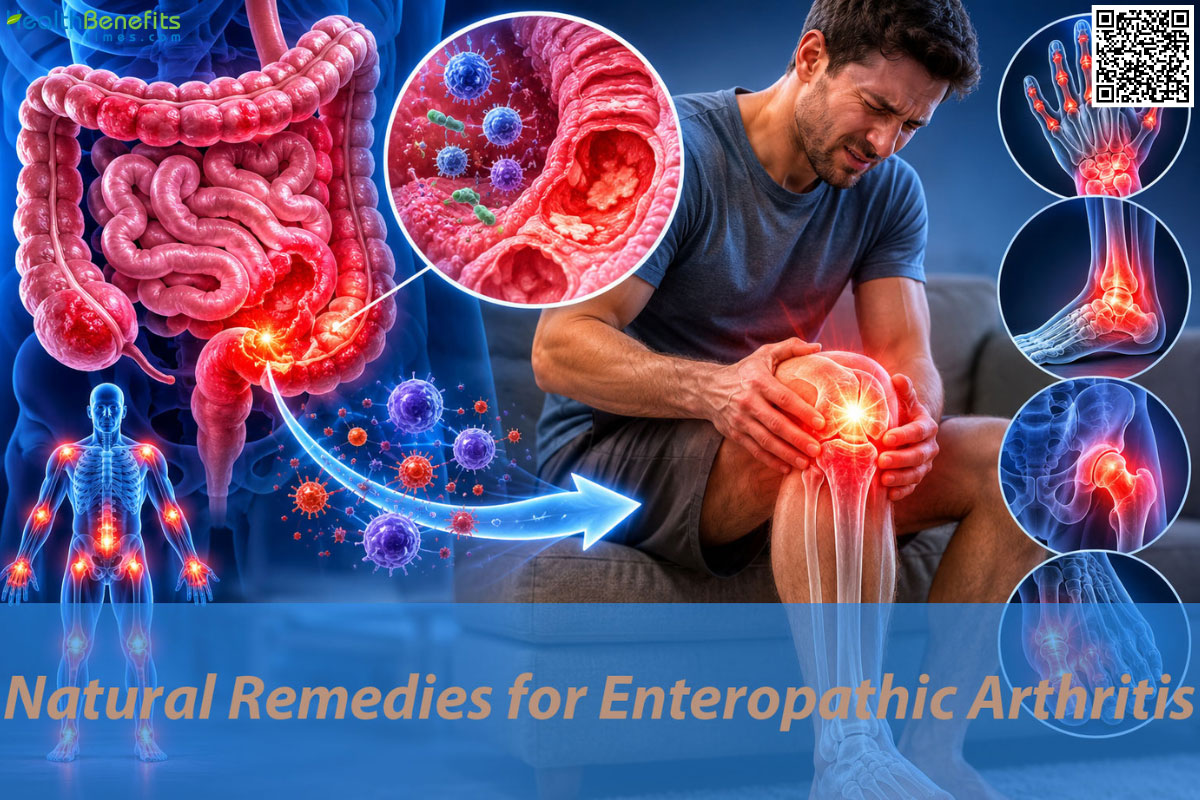
Enteropathic arthritis is a type of chronic, inflammatory joint disease directly linked to gastrointestinal conditions, most commonly inflammatory bowel disease (IBD) such as Crohn’s disease and ulcerative colitis 1. It occurs when an overactive immune system, triggered by inflammation in the gut, mistakenly attacks the joints. This causes pain, stiffness, and swelling that can significantly impact daily mobility.
The condition typically affects the body in two main ways: it can target the peripheral joints, such as the knees, ankles, and wrists, or it can cause stiffness in the spine and lower back 2. For many individuals, joint pain flares up at the exact same time as their digestive symptoms. Because the gut and the joints are deeply connected in this condition, successfully treating the underlying bowel disease often brings significant relief to the arthritis symptoms 3.
Causes of Enteropathic Arthritis
- Inflammatory bowel diseases (IBD), specifically Crohn’s disease and ulcerative colitis
- Bacterial gastrointestinal infections (such as Salmonella, Shigella, Campylobacter, and Yersinia)
- Celiac disease (gluten-sensitive enteropathy)
- Whipple disease
- Pseudomembranous colitis
- Parasitic gastrointestinal infections
- Intestinal bypass surgery
- Genetic predisposition (such as HLA-B27, IL-23 receptor polymorphisms, and CARD9 mutations) combined with gut microbiome dysbiosis 1, 2, 3
Symptoms of Enteropathic Arthritis
1. Peripheral joint pain and swelling
Inflammation commonly affecting large joints of the arms and legs, such as the knees, ankles, feet, wrists, and elbows.
2. Inflammatory back pain
Chronic, gradual-onset lower back or spinal pain that is typically most noticeable during the night or early morning.
3. Joint stiffness
Significant morning stiffness in the affected joints that generally improves with movement and physical activity, but worsens after periods of rest.
4. Sacroiliitis
Pain radiating in the lower back and buttocks caused by inflammation of the sacroiliac joints.
5. Enthesitis
Localized pain and inflammation at the sites where tendons and ligaments attach to the bone, frequently presenting as heel pain (e.g., Achilles tendonitis).
6. Dactylitis
Severe, uniform swelling of an entire finger or toe, commonly referred to as “sausage digits.”
7. Gastrointestinal symptoms
Because the condition is linked to inflammatory bowel disease (Crohn’s disease and ulcerative colitis), patients frequently experience chronic abdominal pain, cramping, and recurrent diarrhea (which may be bloody or occur at night).
8. Constitutional symptoms
Generalized fatigue, unintended weight loss, loss of appetite, and occasional low-grade fever.
9. Extra-articular inflammation
Symptoms outside the joints and digestive tract, such as eye redness, pain, and light sensitivity caused by uveitis.
Natural Remedies for Enteropathic Arthritis
1. Omega-3 Fatty Acids
How it may help
Omega-3 fatty acids, particularly EPA and DHA, help control enteropathic arthritis by reducing inflammation in both the gut and joints. They decrease the production of pro-inflammatory proteins and act as building blocks for compounds that resolve active immune responses (Barbalho, n.d.) 8. This dual action soothes the intestinal lining and reduces joint swelling.
What research says
Research shows that omega-3 supplementation significantly reduces joint pain, morning stiffness, and the reliance on anti-inflammatory medications in patients with inflammatory arthritis (Goldberg & Katz, 2007) 9. Additionally, studies confirm these fatty acids promote beneficial gut bacteria and lessen mucosal inflammation, which is directly linked to bowel-related arthritic conditions (Zhang et al., 2019) 10.
How to use it safely
You can obtain omega-3s by eating fatty fish or taking dietary supplements. The U.S. Food and Drug Administration recommends limiting daily intake from supplements to no more than five grams of combined EPA and DHA 11. Always consult your healthcare provider before beginning any new supplement regimen.
Potential precautions or side effects
Mild side effects include bad breath, heartburn, nausea, and diarrhea 12. High doses can prolong bleeding time, so you must exercise caution if taking blood thinners like warfarin.
2. Probiotics
How it may help
Probiotics introduce beneficial microorganisms into the digestive system, helping restore the natural balance of gut bacteria 13. By correcting this microbial imbalance, probiotics decrease intestinal inflammation 14. Since enteropathic arthritis is directly linked to digestive inflammation, reducing gastrointestinal distress can subsequently lower the systemic immune response that triggers joint pain and swelling 2.
What research says
Scientific studies show a strong connection between an altered gut microbiome and the development of joint inflammation 15. Research indicates that probiotic administration improves overall clinical symptoms of underlying bowel diseases by increasing beneficial bacteria levels 16. While more targeted trials are needed, stabilizing gut health with probiotics demonstrates clear potential to indirectly alleviate associated arthritic flares 17.
How to use it safely
You should choose high-quality probiotic supplements containing well-studied bacterial strains such as Lactobacillus or Bifidobacterium 18. Always consult your healthcare provider before starting any new dietary supplement, especially when managing an autoimmune condition. Begin with a lower dose to allow your body time to adjust smoothly 19.
Potential precautions or side effects
Probiotics are generally safe but may cause temporary gas, bloating, or mild cramps 20. People with severely compromised immune systems face a rare risk of severe infections 21.
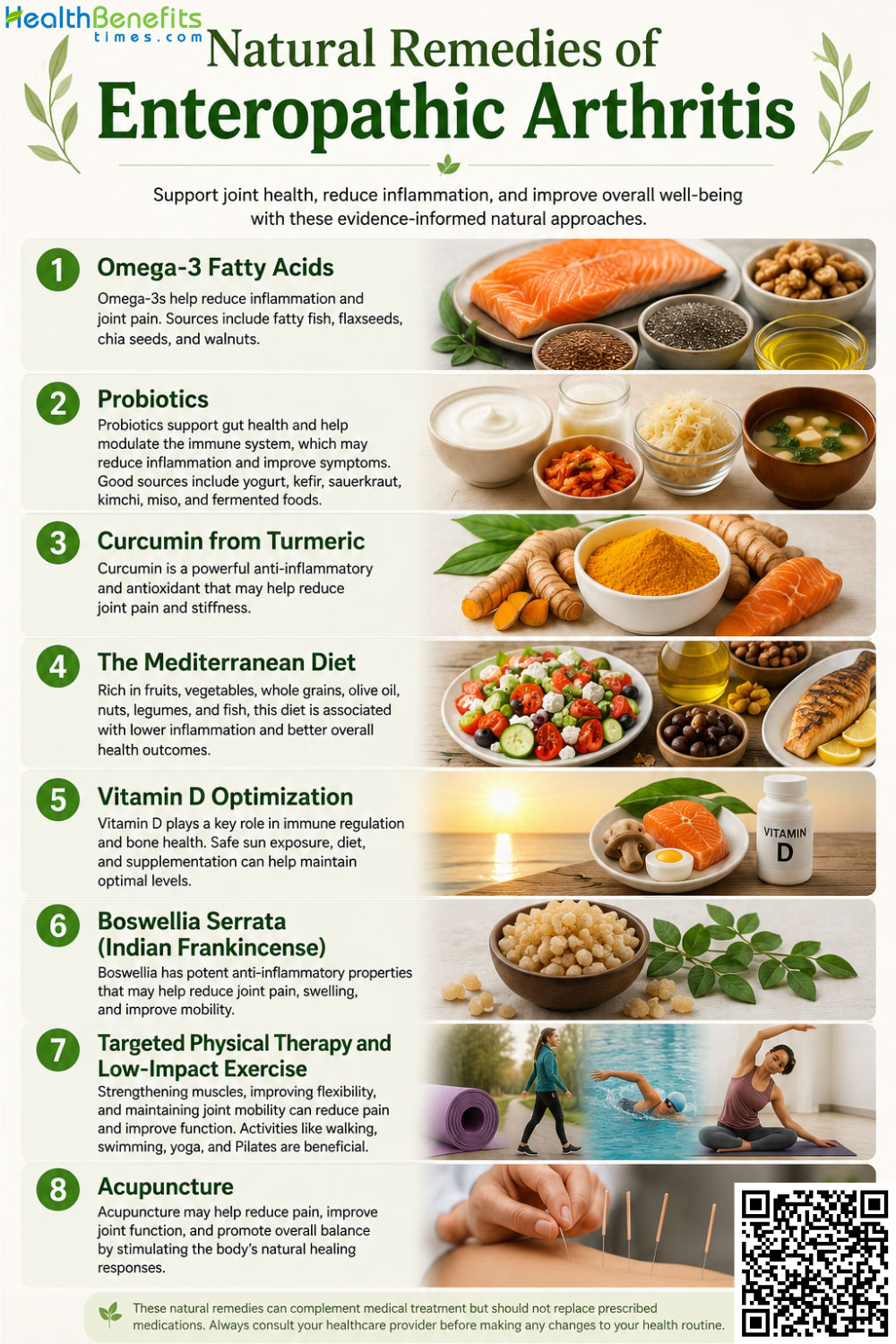
3. Curcumin from Turmeric
How it may help
Curcumin, the active botanical compound in turmeric, helps control enteropathic arthritis by targeting systemic inflammation that affects both the gastrointestinal tract and joints. It successfully reduces elevated levels of inflammatory mediators responsible for tissue swelling, offering a dual therapeutic mechanism that addresses both bowel inflammation and peripheral joint stiffness (Peng et al., 2021) 22.
What research says
Clinical evidence demonstrates that curcumin is a highly effective adjunctive treatment for inflammatory bowel conditions, facilitating significant clinical remission in ulcerative colitis. Its proven anti-inflammatory, antioxidant, and immune-regulating properties successfully alter inflammatory disease pathways, making it a valuable integrative approach for managing related joint complications (Mohseni et al., 2025) 23.
How to use it safely
To safely use curcumin for joint support, choose standard oral supplements for short-term use up to three months. Because of its low natural absorption, select products containing piperine to enhance bioavailability. Always consult your physician before starting supplementation, especially when taking prescribed biological therapies (Sharifi-Rad et al., 2020) 24.
Potential precautions or side effects
While generally safe, standard curcumin may cause mild nausea, acid reflux, or diarrhea. Stop using bioavailable formulations immediately if you experience dark urine or symptoms of liver damage 25.
4. The Mediterranean Diet
How it may help
The Mediterranean diet reduces gastrointestinal and joint inflammation through omega-3 fatty acids, whole grains, and antioxidants. It promotes a healthy gut microbiome, correcting dysbiosis linked to immune-mediated conditions (Popa et al., 2022) 26. This lowers pro-inflammatory cytokine production, directly alleviating both bowel and articular symptoms characteristic of enteropathic arthritis (Tsigalou et al., 2020) 27.
What research says
Research indicates long-term adherence to this dietary pattern restores intestinal balance and lowers systemic inflammation (Jiang et al., 2021) 28. Clinical evaluations confirm that consuming these anti-inflammatory components consistently correlates with overall symptom remission and decreased disease activity in inflammatory bowel conditions (Godny & Dotan, 2023) 29.
How to use it safely
To adopt this approach safely, gradually introduce plant-based foods, olive oil, and fatty fish. You should collaborate with a dietitian to maintain balanced nutrition and prevent specific nutrient malabsorption issues frequently seen in chronic bowel disorders (Cadoni et al., 2024) 30.
Potential precautions or side effects
Sudden fiber increases may initially trigger bloating or cramps. You must carefully moderate high-fiber ingredients during active bowel flare-ups to prevent worsening gastrointestinal distress (Ditto et al., 2021) 31.
5. Vitamin D Optimization
How it may help
Vitamin D plays a critical role in regulating immune responses while maintaining the structural integrity of the intestinal barrier 32. In enteropathic arthritis, optimizing this nutrient helps suppress widespread systemic inflammation and stabilizes gut health, which can successfully diminish the severity of inflammatory joint flare-ups 26.
What research says
Clinical evidence demonstrates that vitamin D deficiency is remarkably prevalent among individuals diagnosed with autoimmune rheumatic and inflammatory bowel diseases 33. Current research confirms that unusually low vitamin D serum levels are strongly linked to elevated disease activity, poorer treatment responses, and a higher risk of associated arthritic joint complications 34.
How to use it safely
You should always have your baseline blood levels medically tested before initiating therapy. Clinical experts recommend aiming for a target serum 25-hydroxyvitamin D concentration between 30 and 50 ng/mL, which is recognized as safe and potentially beneficial for minimizing disease activity 35. Follow your doctor’s exact dosage instructions.
Potential precautions or side effects
Excessive supplementation can lead to vitamin D toxicity and dangerous hypercalcemia, causing dehydration, kidney dysfunction, and significant imbalances in normal bone metabolism 36. Regular medical supervision is absolutely necessary.
6. Boswellia Serrata (Indian Frankincense)
How it may help
Boswellia serrata, commonly known as Indian frankincense, contains active compounds called boswellic acids that naturally reduce swelling 37. These compounds specifically block the 5-lipoxygenase enzyme, which plays a major role in triggering inflammation within both the digestive tract and joint tissues 38. By targeting this pathway, the extract helps control enteropathic arthritis.
What research says
Clinical evidence demonstrates that Boswellia extracts effectively lower inflammation and preserve the intestinal barrier in chronic bowel diseases 39. Additionally, studies confirm that its active ingredients relieve joint pain and slow down cartilage breakdown in arthritis without causing the harmful stomach irritation often linked to conventional medications 40.
How to use it safely
To use Boswellia safely, you should choose standardized herbal extracts containing high levels of active boswellic acids. Take the capsules daily alongside a meal to improve absorption. Always consult your doctor to determine the correct and safest dosage for your specific symptoms 41.
Potential precautions or side effects
While generally safe, it can occasionally cause mild stomach upset or acid reflux 42. You must seek medical advice if combining this supplement with standard prescription anti-inflammatory medications 43.
7. Targeted Physical Therapy and Low-Impact Exercise
How it may help
Targeted physical therapy and low-impact exercise prevent joint deformities and reduce inflammation in enteropathic arthritis 44. These routines strengthen surrounding muscles, enhance flexibility, and alleviate stiffness in the spine or peripheral joints without aggravating the intestinal tract 45, ultimately preserving overall mobility.
What research says
Clinical studies demonstrate that moderate-intensity aerobic and resistance training safely improves body composition in patients with inactive inflammatory bowel disease 46. Furthermore, regular physical activity triggers the release of specialized proteins that exert direct anti-inflammatory effects, countering systemic inflammation and improving psychological health without causing disease exacerbation 47.
How to use it safely
You should begin with a customized plan developed by a licensed physical therapist. Prioritize low-impact activities like swimming, brisk walking, or stationary cycling, which safely preserve joint function 48. Always perform exercises at a comfortable pace and ensure you rest adequately to allow proper joint recovery.
Potential precautions or side effects
Avoid high-intensity workouts during severe bowel or joint flare-ups. Overtraining can trigger severe fatigue, worsened joint pain, or gastrointestinal distress 49. Stop exercising immediately if you experience sharp pain.
8. Acupuncture
How it may help
Acupuncture involves inserting thin needles into specific body points to stimulate the nervous and immune systems 50. For enteropathic arthritis, a condition linked to inflammatory bowel disease, this therapy helps reduce joint swelling and block pain signals 51. It may also lower systemic inflammation by regulating immune responses and improving intestinal barrier function 52.
What research says
Clinical studies demonstrate that acupuncture can effectively decrease joint pain and improve physical mobility in arthritis patients 53. Evidence also highlights its ability to significantly reduce underlying intestinal inflammation and alleviate digestive symptoms associated with inflammatory bowel diseases 54. Furthermore, it helps relieve accompanying fatigue, anxiety, and depression linked to chronic autoimmune conditions 55.
How to use it safely
Ensure you receive treatments from a licensed and adequately trained practitioner to minimize risks 56. The professional must use sterile, disposable needles. Discuss your complete medical history, especially if taking blood thinners or other medications, to ensure personalized and safe care 57.
Potential precautions or side effects
While generally safe, minor side effects include temporary pain, slight bleeding, or mild bruising at insertion sites 58. Rare serious complications usually result from improper techniques by unqualified providers.
Foods to Avoid When You suffer from Enteropathic Arthritis
1. Refined Sugars and Artificial Sweeteners
Excessive sugar and artificial sweeteners can disrupt the gut microbiome and trigger inflammatory bowel flare-ups, ultimately worsening accompanying arthritis symptoms. 59, 60
2. Processed and Red Meats
Highly processed and red meats are rich in pro-inflammatory compounds that can exacerbate both gastrointestinal inflammation and joint pain in enteropathic arthritis. 61, 62, 63
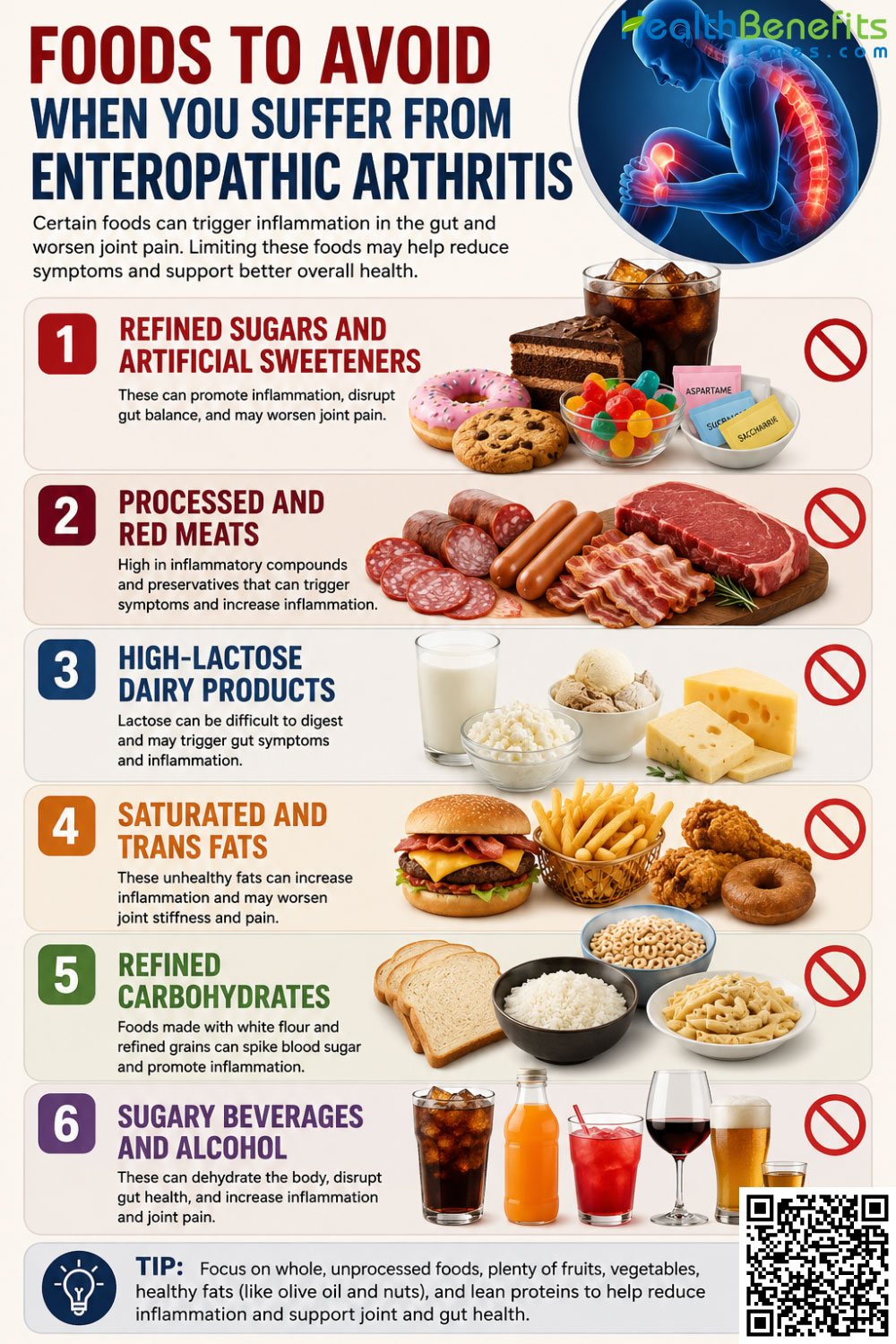
3. High-Lactose Dairy Products
Lactose is often poorly absorbed, leading to increased intestinal inflammation, bloating, and diarrhea, which can indirectly trigger systemic immune responses and joint stiffness. 64, 65
4. Saturated and Trans Fats
High-fat diets, especially those containing trans and saturated animal fats, promote systemic inflammation and elevate cardiovascular risk factors associated with enteropathic spondyloarthritis. 2, 1
5. Refined Carbohydrates
Processed grains and starches lack beneficial fiber and can fuel the overgrowth of inflammatory gut bacteria, intensifying symptoms in inflammatory bowel and joint diseases. 66, 67
6. Sugary Beverages and Alcohol
Alcohol and sweetened sodas can severely irritate the intestinal lining, negatively impact gut microbiota, and are frequently reported to worsen inflammatory arthritis symptoms. 68, 69
When To see Doctor when you have Enteropathic Arthritis
1. New or Worsening Joint Swelling
If you experience sudden, painful swelling or warmth in your knees, ankles, or other joints, see your doctor immediately to adjust your treatment and prevent joint damage. 2, 70
2. Persistent Lower Back Pain
Consult a healthcare professional if you develop persistent stiffness or aching in your lower back or buttocks, as this may indicate spinal inflammation requiring different medical management. 71, 72
3. Flare of Digestive Symptoms
Joint pain frequently worsens alongside inflammatory bowel disease flare-ups. Contact your doctor if abdominal pain, diarrhea, or bloody stools return; treating the gut often relieves the joints. 73, 3
4. Red, Painful Eyes or Vision Changes
Seek prompt medical care if you develop eye redness, pain, sensitivity to light, or blurred vision. These symptoms suggest uveitis, a serious complication linked to enteropathic arthritis. 74, 75
5. Unexplained Weight Loss or Fatigue
Report severe exhaustion, persistent fever, or unintentional weight loss to your physician. These systemic signs can indicate intense inflammation, infection, or a complication from your immunosuppressive medications. 76, 77