

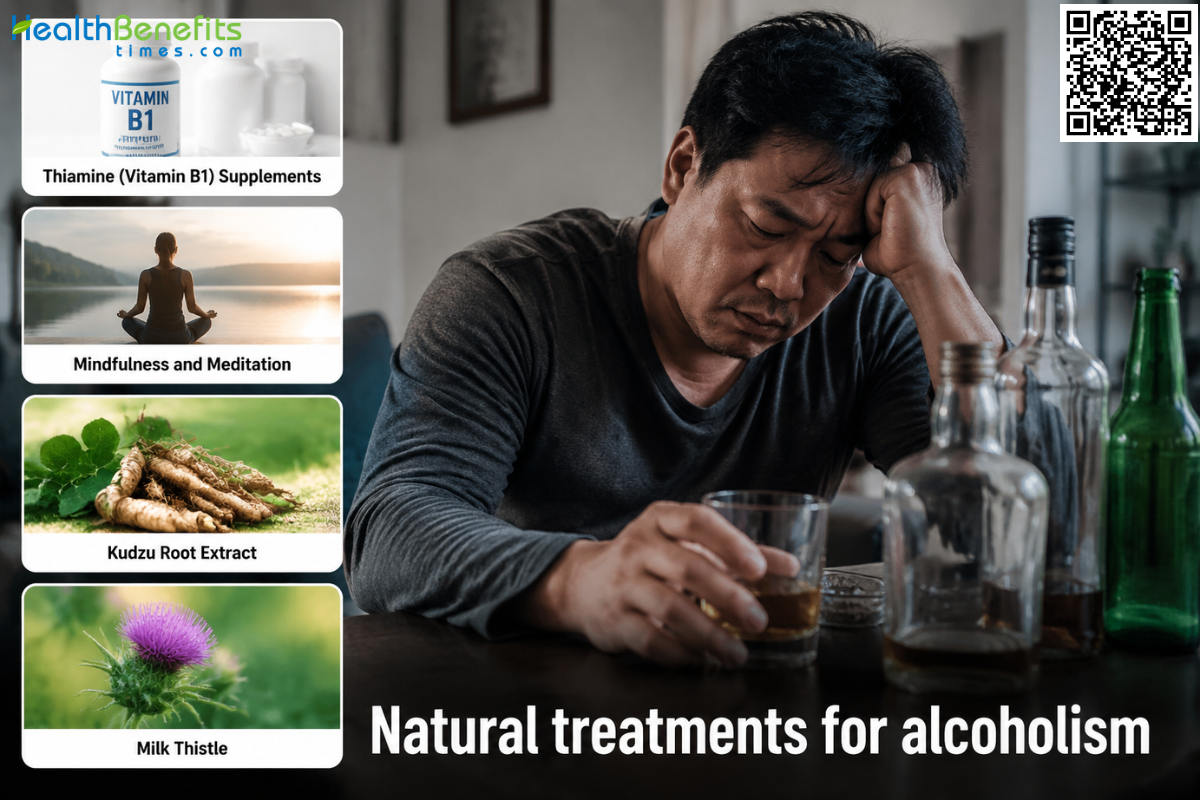
Alcoholism, formally diagnosed as alcohol use disorder (AUD), is a complex medical condition rather than a simple behavioral flaw. It is clinically defined as a chronic, relapsing brain disease characterized by an impaired ability to stop or control alcohol consumption despite adverse social, occupational, or health consequences 1. Prolonged alcohol exposure physically alters the brain’s communication pathways, specifically damaging the regions responsible for reward processing, stress regulation, and impulse control 2. These structural changes drive physical dependence and trigger severe, sometimes life-threatening withdrawal symptoms if alcohol intake is abruptly stopped. The disorder exists on a spectrum from mild to severe, identified through specific behavioral and physiological criteria. Without professional medical intervention, long-term alcohol abuse significantly elevates the risk of severe systemic diseases, including liver cirrhosis, cardiovascular failure, weakened immunity, and multiple forms of cancer 3.
Causes of alcoholism
- Genetic Predisposition: A family history of alcohol abuse is a primary risk factor, as genetics account for approximately half of an individual’s underlying risk for developing alcohol use disorder.
- Changes in Brain Chemistry: Repeated alcohol exposure physically alters the brain’s reward, stress, and self-control centers, creating a physical dependence that drives compulsive drinking to manage stress and avoid negative feelings 1.
- Mental Health Conditions: Individuals experiencing psychiatric conditions, such as depression, anxiety, bipolar disorder, or post-traumatic stress disorder (PTSD), are at a significantly higher risk of developing alcoholism, often because alcohol is used as a harmful coping mechanism to self-medicate psychological symptoms 4.
- Age of Initial Use: Consuming alcohol at an early age, specifically beginning before the age of 15, drastically increases the likelihood of developing a severe alcohol use disorder later in life compared to those who delay drinking until legal adulthood 5.
- Environmental and Social Influences: High-stress environments, a history of childhood trauma or abuse, and prolonged exposure to heavy drinking behaviors among close family members or peer groups are major environmental factors that contribute to the onset of the disease 3.
Symptoms of alcoholism
- Loss of Control: An inability to limit the amount of alcohol consumed, often accompanied by persistent but unsuccessful attempts to reduce or stop drinking.
- Intense Cravings: Experiencing a strong, compelling urge or physical need to consume alcohol, which can preoccupy an individual’s thoughts.
- Physical Tolerance: Developing a reduced sensitivity to alcohol, resulting in the need to consume significantly larger quantities to achieve the previous effects or intoxication level 6.
- Withdrawal Symptoms: Experiencing physical and psychological distress such as tremors, excessive sweating, rapid heart rate, nausea, or severe anxiety when the effects of alcohol wear off or when drinking is abruptly stopped 7.
- Neglect of Responsibilities: Repeatedly failing to fulfill major obligations and duties at work, school, or home directly as a result of alcohol consumption 1.
- Continued Use Despite Harm: Persisting with alcohol use despite the knowledge that it is causing or worsening ongoing physical illnesses, mental health conditions, or interpersonal conflicts with family and friends 8.
- Abandonment of Activities: Drastically reducing or completely giving up important social, occupational, or recreational activities in order to spend more time drinking or recovering from alcohol use 1.
- Hazardous Consumption: Engaging in alcohol use in situations where it presents a severe physical risk, such as driving a vehicle, swimming, or operating heavy machinery 1.
Natural treatments for alcoholism
1. Thiamine (Vitamin B1) Supplements
How it may help
Chronic alcohol use blocks the body from absorbing vitamin B1 (thiamine), causing severe nutritional deficiencies. Thiamine supplements replenish these critical levels to protect brain cells from permanent damage, helping to prevent serious memory and coordination disorders associated with long-term alcohol abuse 9.
What research says
Clinical studies confirm that aggressive thiamine replacement is the standard medical treatment to prevent and reverse early stages of Wernicke-Korsakoff syndrome, a devastating brain disorder caused by alcohol-induced malnutrition 10. Without immediate supplementation, this deficiency routinely leads to permanent memory loss and irreversible neurological decline.
How to use it safely
Always consult a healthcare provider for the correct dosage. For general prevention, you can take daily oral thiamine supplements. However, severe deficiencies typically seen during early alcohol recovery require high-dose intravenous (IV) injections administered directly by medical professionals 11.
Potential precautions or side effects
Oral thiamine is highly safe and water-soluble, meaning excess amounts safely exit the body through urine. Rare side effects include mild stomach upset or, with injections, minor allergic reactions 12.
2. Mindfulness and Meditation
How it may help
Mindfulness and meditation train the brain to observe cravings and stress without automatically reacting to them. By increasing awareness of negative emotions and physical urges, individuals learn to tolerate discomfort rather than turning to alcohol as a coping mechanism, effectively breaking the cycle of impulsive drinking 13.
What research says
Clinical studies demonstrate that Mindfulness-Based Relapse Prevention (MBRP) significantly lowers the risk of returning to alcohol use. Research concludes that regular meditation strengthens brain regions responsible for impulse control and emotion regulation, leading to fewer cravings and extended periods of sobriety compared to standard relapse prevention programs 14.
How to use it safely
You should begin with short, daily guided sessions focusing on deep breathing. For the safest and most effective results during recovery, enroll in a certified Mindfulness-Based Relapse Prevention program where trained mental health professionals can guide you alongside standard medical care 15.
Potential precautions or side effects
While extremely safe, quiet meditation may occasionally surface severe anxiety or hidden trauma. You should practice under professional supervision if you have a history of post-traumatic stress disorder 16.
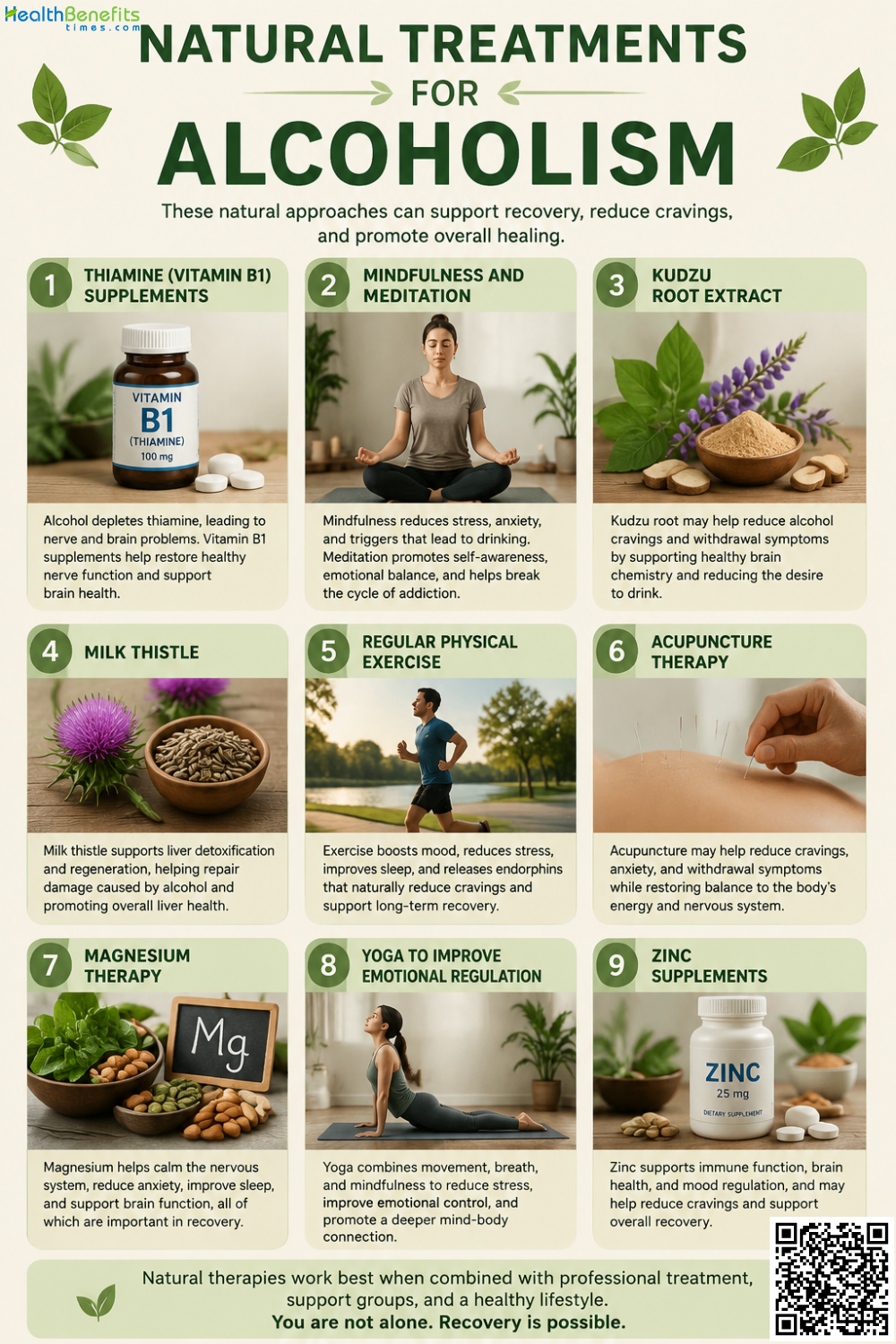
3. Kudzu Root Extract
How it may help
Kudzu root contains natural plant compounds called isoflavones, specifically puerarin, which alter how the brain processes alcohol. These compounds accelerate the rewarding effects of drinking, causing individuals to feel satisfied sooner. This faster response naturally reduces the physical desire to continue consuming large quantities 17.
What research says
Clinical trials demonstrate that taking kudzu extract significantly reduces the total amount of alcohol consumed by heavy drinkers during a single session. However, research confirms that while it successfully limits immediate alcohol intake, it does not completely eliminate ongoing cravings or cure alcohol use disorder 18.
How to use it safely
You should use kudzu root extract strictly as a supportive tool to lower alcohol intake, ideally alongside professional therapy. Because it changes how the body metabolizes substances, you must consult a doctor before taking kudzu supplements to establish safe dosages and prevent harmful drug interactions 19.
Potential precautions or side effects
You must avoid kudzu if you have liver issues or take diabetes medications. It can dangerously lower blood sugar levels and alter how your liver breaks down other prescription drugs 20.
4. Milk Thistle
How it may help
Milk thistle contains an active compound called silymarin, which acts as a powerful antioxidant. It helps protect liver cells from the toxic byproducts of alcohol, reduces severe inflammation, and promotes the healing of liver tissues that have been damaged by chronic, heavy drinking 21.
What research says
Clinical research on milk thistle for alcohol-related liver disease reveals mixed outcomes. While some studies show it mildly improves liver function and reduces inflammation in patients with alcoholic cirrhosis, other rigorous trials conclude it does not significantly increase survival rates or stop the underlying addiction 22.
How to use it safely
You should only use milk thistle supplements as a complementary approach to standard medical care. Because it is sold in various strengths, you must ask your doctor for the correct oral dosage to ensure it safely supports your specific liver condition 21.
Potential precautions or side effects
You may experience mild stomach upset or diarrhea. Avoid this supplement if you have allergies to ragweed, daisies, or marigolds, as it can trigger a severe allergic reaction 21.
5. Regular Physical Exercise
How it may help
Physical exercise stimulates the release of natural brain chemicals like dopamine and endorphins, which improve mood and reduce stress. By naturally recreating the rewarding feelings previously sought through drinking, regular physical activity helps decrease immediate alcohol cravings, ease depressive symptoms, and replace unhealthy habits with a positive routine 23.
What research says
Clinical studies confirm that adding regular aerobic exercise to recovery programs significantly reduces alcohol consumption and lowers the risk of relapse. Research demonstrates that sustained physical activity helps repair alcohol-induced brain damage, specifically improving sleep quality, cognitive function, and emotional regulation, which are critical for maintaining sobriety 24.
How to use it safely
You should begin with gentle, low-impact activities like walking or swimming for 30 minutes most days. Because early recovery places severe physical stress on your body, you must consult a doctor before starting any intense workout plan to prevent heart strain 25.
Potential precautions or side effects
Pushing yourself too hard can lead to severe dehydration, joint injuries, or exhaustion. You must also be careful not to replace alcohol dependency with compulsive, excessive exercise behaviors 26.
6. Acupuncture Therapy
How it may help
Acupuncture involves inserting fine needles into specific body points to stimulate the central nervous system. For individuals recovering from alcoholism, this process helps trigger the release of natural, pain-relieving brain chemicals called endorphins. This stimulation calms the mind, regulates mood, and helps reduce the physical stress and severe cravings associated with withdrawal.
What research says
Clinical research on acupuncture for alcoholism yields mixed results. While some clinical trials show that specific techniques, such as ear acupuncture, effectively reduce severe anxiety, sleep disturbances, and acute withdrawal symptoms, scientific evidence concludes it does not directly cure addiction or prevent relapse when used as a standalone treatment 27.
How to use it safely
You should use acupuncture only as a complementary therapy alongside standard medical rehabilitation and counseling. To ensure your safety and prevent infections, you must verify that your practitioner is fully licensed, board-certified, and strictly uses sterile, single-use, disposable needles during every session 28.
Potential precautions or side effects
You may experience minor bleeding, mild bruising, or soreness at the needle insertion sites. You must consult a doctor before starting if you have bleeding disorders or take blood-thinning medications 28.
7. Magnesium Therapy
How it may help
Chronic, heavy alcohol consumption severely depletes the body of magnesium, causing a medical condition called hypomagnesemia. Magnesium therapy restores these critical mineral levels to stabilize the central nervous system. This process helps calm hyperactive nerves, significantly reducing common withdrawal symptoms such as severe muscle tremors, sleep disturbances, and acute anxiety 29.
What research says
Clinical studies confirm that most individuals diagnosed with alcohol use disorder suffer from significant magnesium deficiency. Research demonstrates that while magnesium replacement does not cure the underlying addiction, it is a critical medical intervention that successfully prevents life-threatening withdrawal complications, including cardiac arrhythmias and severe neurological seizures 30.
How to use it safely
You should request a blood test from a healthcare provider to confirm a deficiency before starting therapy. For mild cases, you can take oral supplements like magnesium citrate. However, severe alcohol withdrawal requires medically supervised intravenous (IV) magnesium administered in a hospital setting 30.
Potential precautions or side effects
You may experience diarrhea, nausea, or abdominal cramping. You must avoid high doses if you have kidney disease, as dangerous mineral buildup can cause irregular heartbeats and severe muscle weakness 30.
8. Yoga
How it may help
Yoga combines physical postures, controlled breathing, and meditation to calm the central nervous system. By actively lowering stress hormones, it helps individuals manage emotional triggers and reduce the physical tension that often leads to alcohol cravings, creating a healthier response to psychological distress 31.
What research says
Clinical studies confirm that incorporating yoga into standard addiction treatment significantly reduces anxiety and depressive symptoms associated with alcohol withdrawal. Research concludes that while yoga is not a standalone cure, it improves emotional regulation and enhances overall recovery outcomes when used alongside conventional therapy 32.
How to use it safely
You should begin with gentle, restorative yoga classes led by a certified instructor, ideally one experienced in addiction recovery. Always consult your healthcare provider before starting any new physical routine to ensure the specific movements are safe for your current physical health 31.
Potential precautions or side effects
You may experience mild muscle soreness or joint strain. You must avoid intense practices, such as heated yoga, to prevent severe dehydration and physical exhaustion during early recovery 31.
9. Zinc Supplements
How it may help
Chronic alcohol abuse severely depletes the body’s zinc levels. Zinc supplements help restore this essential mineral, which is vital for repairing damaged liver cells and strengthening the intestinal lining. By preventing harmful bacteria from leaking from the gut into the bloodstream, zinc protects the liver from further alcohol-induced inflammation 33.
What research says
Clinical studies demonstrate that replacing missing zinc significantly improves liver function in patients with alcohol-related liver disease. Research concludes that regular zinc supplementation helps reverse intestinal leakiness, drastically reducing the severe systemic inflammation and liver scarring that typically results from long-term, heavy alcohol consumption 33.
How to use it safely
You should have a doctor test your blood levels before starting supplementation. For daily maintenance, you can take oral zinc with meals to prevent stomach upset. Always follow medical guidance, as treating severe deficiencies caused by alcoholism requires precise, medically supervised dosing 34.
Potential precautions or side effects
You may experience nausea, vomiting, or severe stomach cramps. Avoid high doses long-term, as this can dangerously deplete copper levels and weaken your immune system 34.
Foods to Avoid When You Suffer From Alcoholism
1. Foods Cooked With Alcohol
Even trace amounts of alcohol in sauces or desserts can stimulate brain reward centers, creating intense cravings and triggering a severe relapse 35.
2. High-Sugar Foods
Sweets cause rapid blood sugar spikes and dopamine releases that mimic alcohol effects, often increasing physical cravings and worsening mood swings during recovery 36.
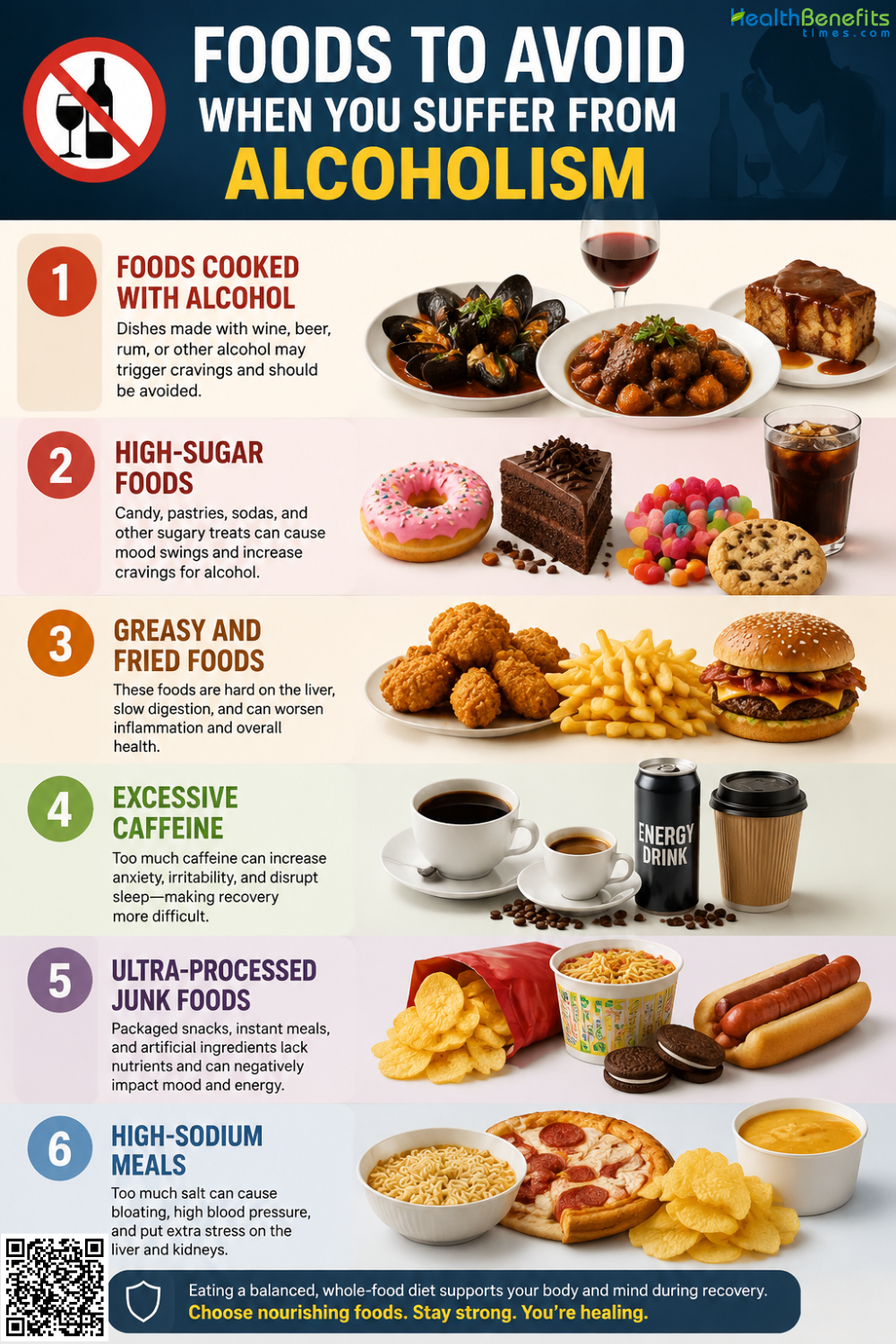
3. Greasy and Fried Foods
These foods are difficult to digest and place severe additional stress on a liver already weakened or damaged by chronic alcohol abuse 37.
4. Excessive Caffeine
High amounts of coffee or energy drinks worsen severe anxiety, increase heart rates, and severely disrupt sleep patterns, compounding standard alcohol withdrawal symptoms 38.
5. Ultra-Processed Junk Foods
These items lack essential vitamins. Alcoholics already suffer from severe malnutrition, making it critical to avoid nutrient-poor foods that fail to repair bodily damage 36.
6. High-Sodium Meals
Excessive salt forces the body to retain water, dangerously increasing blood pressure and straining kidneys already compromised by long-term heavy drinking 37.
When to see Doctor when you suffer from alcoholism
1. Severe Withdrawal Symptoms
Seek immediate emergency care if you experience hallucinations, extreme confusion, rapid heart rate, or seizures when stopping alcohol, as these indicate life-threatening delirium tremens 39.
2. Signs of Liver Damage
You must consult a doctor if you develop a yellowing of the skin and eyes (jaundice) or severe abdominal swelling, which are clear indicators of advanced liver failure 40.
3. Gastrointestinal Bleeding
Go to an emergency room immediately if you vomit blood or pass black, tarry stools, which indicate severe internal bleeding often caused by alcohol-damaged blood vessels 41.
4. Repeated Inability to Stop
Schedule a medical evaluation if you experience persistent cravings and fail multiple attempts to reduce intake despite severe damage to your health, work, or relationships 1.
5. Severe Mental Health Crises
Seek psychiatric help immediately if alcohol consumption triggers severe depression or suicidal thoughts, as alcohol drastically disrupts brain chemistry and worsens underlying psychiatric conditions 4.