

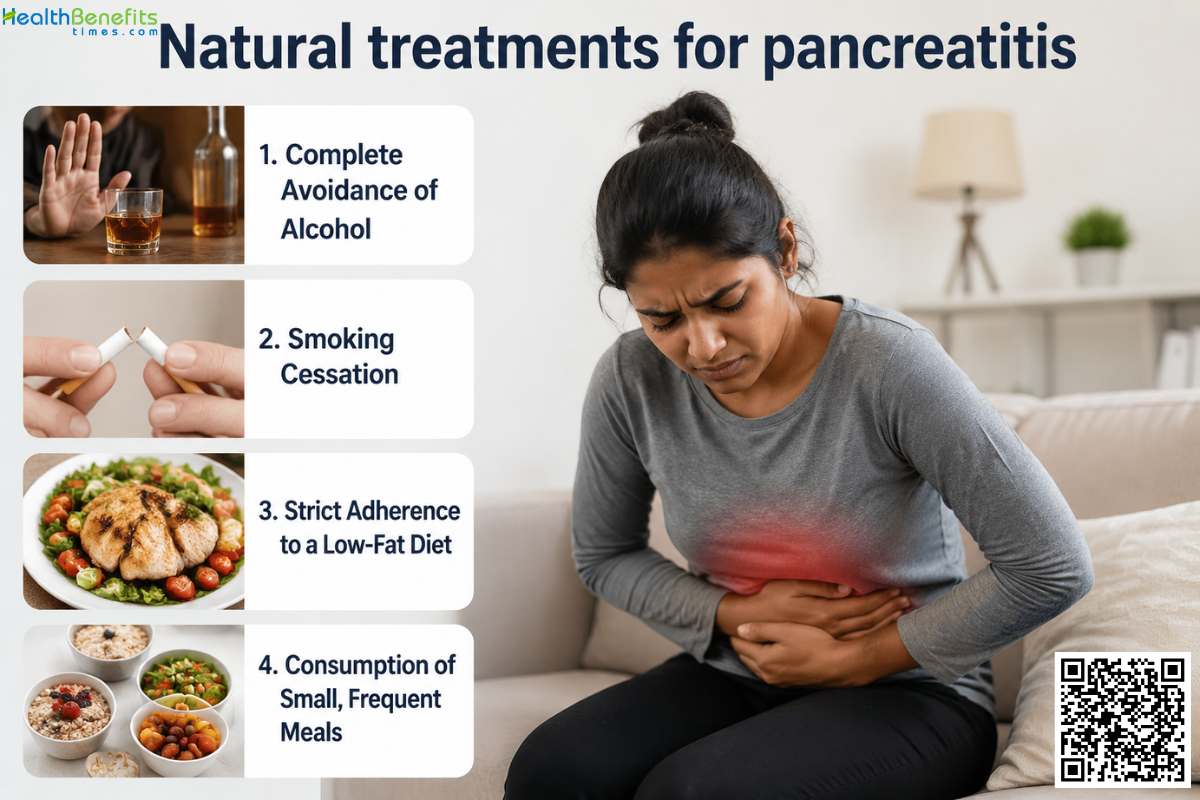
Pancreatitis is a medical condition characterized by the inflammation of the pancreas, a large gland located behind the stomach that produces digestive enzymes and hormones. Normally, digestive enzymes remain inactive until they reach the small intestine. However, in pancreatitis, these enzymes activate prematurely while still inside the pancreas, causing irritation and digesting the organ’s own tissues 1. The disease primarily occurs in two distinct forms: acute and chronic. Acute pancreatitis appears suddenly and typically resolves within days with proper medical treatment, most frequently triggered by gallstones or heavy alcohol use 2. Chronic pancreatitis involves long-lasting inflammation that progressively destroys the gland, leading to irreversible damage, persistent pain, and potential complications such as diabetes or malnutrition 1. Severe episodes require immediate clinical care, as widespread inflammation can damage other vital organs and become life-threatening.
Causes of pancreatitis
1. Gallstones
Gallstones are the most frequent cause of acute pancreatitis. These hardened deposits of digestive fluid can travel from the gallbladder and block the common bile duct, which traps digestive enzymes inside the pancreas and causes sudden, severe inflammation 3.
2. Heavy Alcohol Consumption
Chronic, heavy alcohol use is a primary driver of both acute and chronic pancreatitis. The chemical breakdown of alcohol produces toxic byproducts that damage pancreatic cells and cause digestive enzymes to activate prematurely inside the gland 3.
3. High Triglycerides (Hypertriglyceridemia)
Extremely high levels of triglycerides, a type of fat circulating in the blood, can trigger acute pancreatitis. When triglyceride levels become critically elevated, the breakdown of these fats creates free fatty acids that are directly toxic to pancreatic tissue 4.
4. Genetic Mutations
Inherited genetic conditions are a leading cause of hereditary chronic pancreatitis. Disorders such as cystic fibrosis or specific mutations in the PRSS1 gene lead to abnormal mucus production or premature enzyme activation, which progressively destroys the organ over time 5.
5. Autoimmune Disease
Autoimmune pancreatitis occurs when the body’s immune system mistakenly attacks the pancreas. This abnormal immune response causes chronic inflammation, swelling, and internal scarring that permanently impairs normal organ function 6.
6. Certain Medications
Various prescription medications can induce acute pancreatitis as an adverse side effect. Classes of drugs clinically documented to carry this risk include specific antibiotics, diuretics, and medications used to suppress the immune system 3.
7. Physical Trauma or Surgery
Direct physical injury to the abdomen, such as from a car accident, or complications arising from abdominal surgeries and medical procedures like endoscopic retrograde cholangiopancreatography (ERCP), can physically damage the pancreas and trigger acute inflammation 3.
Symptoms of pancreatitis
1. Severe Upper Abdominal Pain
The most prominent symptom of acute pancreatitis is sudden, intense pain in the upper abdomen that frequently spreads to the back. In chronic cases, this pain can become a constant, daily presence that often worsens significantly after eating meals 3.
2. Nausea and Vomiting
Individuals suffering from an acute pancreatic attack typically experience severe nausea accompanied by recurrent vomiting. These digestive disturbances occur because the severe internal inflammation directly disrupts normal stomach and intestinal functions 3.
3. Fever and Rapid Heart Rate
As the body reacts to the sudden and widespread inflammation of the pancreas, patients often develop a fever and a fast pulse. These physical signs indicate a systemic inflammatory response that requires immediate clinical care 3.
4. Swollen and Tender Abdomen
The stomach area may become physically swollen and highly sensitive or painful to the touch. This abdominal distension is a direct result of internal fluid accumulation and localized tissue irritation surrounding the damaged gland 3.
5. Unintentional Weight Loss
Chronic pancreatitis frequently leads to noticeable weight loss over time, even if the person continues to eat a normal amount of food. This happens because the permanently damaged organ fails to produce the specific enzymes required to extract and absorb nutrients from food 3.
6. Oily, Foul-Smelling Stools
A distinct clinical symptom of long-term pancreatic damage is the production of greasy, unusually bad-smelling bowel movements. Without sufficient digestive enzymes to break down dietary fats, these unabsorbed fats pass directly through the digestive tract and are excreted in the stool 3.
Natural treatments for pancreatitis
1. Complete Avoidance of Alcohol
How it may help
Eliminating alcohol stops the production of toxic chemical byproducts that directly damage pancreatic cells. It also prevents the abnormal activation of digestive enzymes inside the gland, allowing the inflamed tissue to heal and reducing the frequency of severe, painful attacks 7.
What research says
Clinical guidelines confirm that complete alcohol abstinence is the most effective intervention to prevent recurrent acute pancreatitis and slow chronic disease progression. Continued alcohol use after a diagnosis significantly increases the risk of life-threatening complications, irreversible organ failure, and early death 7.
How to use it safely
If you drink heavily, do not stop abruptly without medical guidance. Consult a healthcare provider to create a safe cessation plan, as they can prescribe specific medications and therapies to manage withdrawal symptoms effectively and prevent medical emergencies 8.
Potential precautions or side effects
Sudden cessation in chronic drinkers can trigger severe alcohol withdrawal syndrome. This condition can cause tremors, dangerous heart rate elevations, hallucinations, and potentially fatal seizures without proper medical management 9.
2. Smoking Cessation
How it may help
Quitting smoking eliminates harmful chemicals that restrict blood flow and cause cellular stress within the pancreas 10. Removing these toxins decreases internal tissue inflammation, prevents further organ scarring, and helps lower the frequency of painful flare-ups over time 7.
What research says
Clinical studies identify smoking as a major, independent risk factor for developing chronic pancreatitis. Research concludes that continued tobacco use accelerates the permanent destruction of the gland and drastically increases pancreatic cancer risk, whereas quitting actively slows disease progression 10.
How to use it safely
To quit successfully, consult your doctor for a structured cessation plan. You can safely use approved nicotine replacement products, such as patches or gum, alongside prescription medications and behavioral counseling to manage cravings and increase your chances of quitting permanently 11.
Potential precautions or side effects
Stopping tobacco use frequently triggers nicotine withdrawal. You might temporarily experience increased anxiety, severe irritability, mood changes, and weight gain, which prescribed medical treatments can help effectively manage 12.
3. Strict Adherence to a Low-Fat Diet
How it may help
Consuming high-fat foods forces the pancreas to release large amounts of digestive enzymes to break down fats. Limiting fat intake reduces this demand, allowing the inflamed organ to rest and preventing the painful activation of enzymes that worsens inflammation and symptoms during a flare-up 13.
What research says
Clinical guidelines recommend low-fat diets to manage malabsorption and chronic pain in pancreatic disease. Evidence confirms that restricting dietary fat decreases the workload on the pancreas, significantly reducing post-meal pain and minimizing the risk of complications such as steatorrhea, where undigested fat causes frequent, oily stools 13.
How to use it safely
Work with a dietitian to limit daily fat to 20 grams. Prioritize lean proteins, vegetables, and whole grains while strictly avoiding fried foods and full-fat dairy. If you struggle to maintain weight, consult your doctor about enzyme supplements to improve digestion 13.
Potential precautions or side effects
Severe long-term fat restriction may cause unintended weight loss and critical deficiencies in fat-soluble vitamins. Ensure you receive adequate calories and essential nutrients through monitored dietary planning 13.
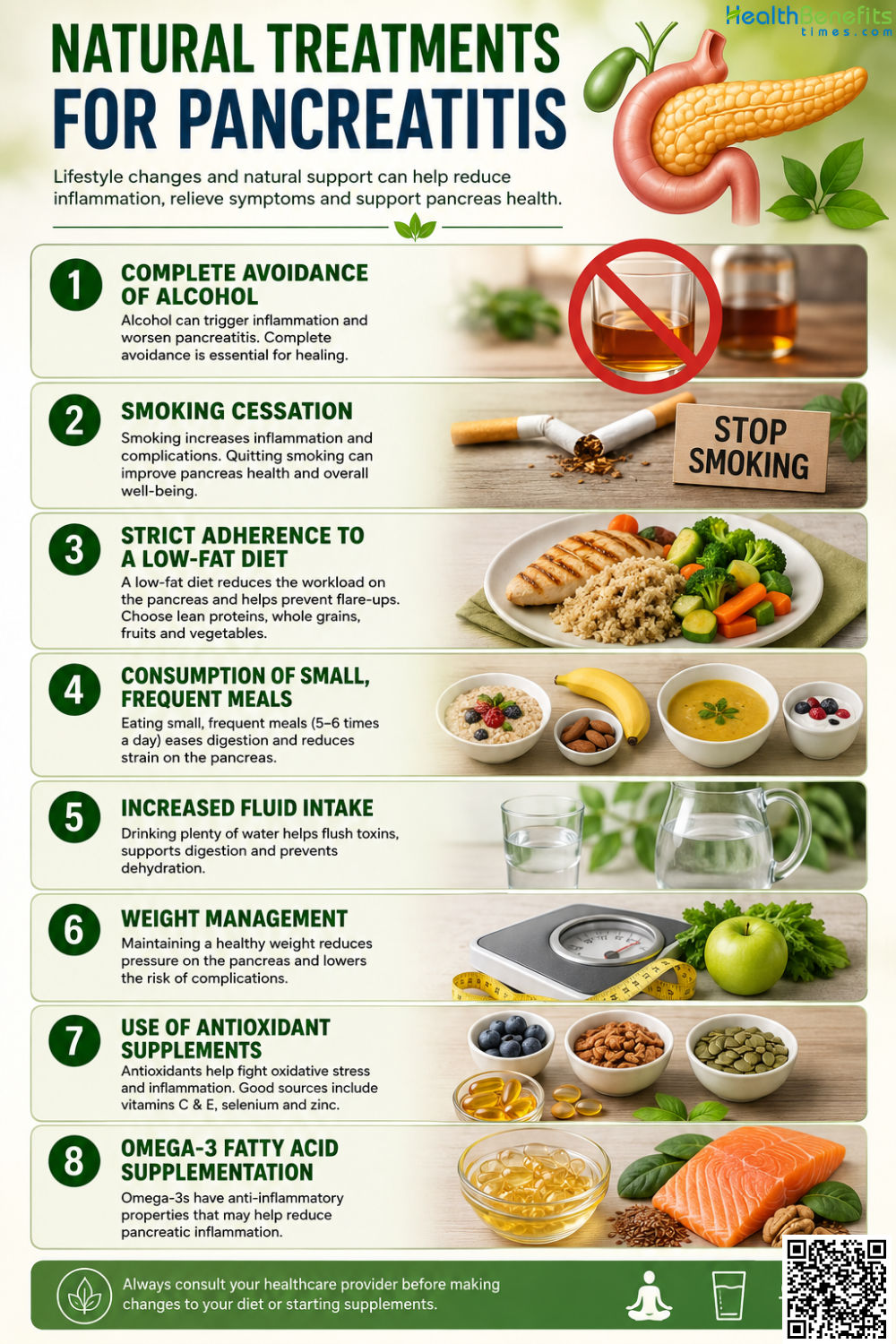
4. Consumption of Small, Frequent Meals
How it may help
Eating smaller amounts of food at one time requires the pancreas to produce fewer digestive enzymes. This reduced workload causes less stress on the damaged organ, helping to prevent the severe abdominal pain and nausea that often occur after eating large, heavy meals 13.
What research says
Clinical guidelines indicate that transitioning to smaller, frequent meals helps manage chronic pancreatic disease. Medical evidence shows this dietary approach maximizes nutrient absorption, prevents severe malnutrition, and significantly lowers the risk of pain flares by preventing sudden, massive spikes in digestive enzyme production 13.
How to use it safely
Divide your daily food intake into five or six small meals instead of three large ones. Ensure each portion is nutrient-dense and strictly low in fat. Work closely with a registered dietitian to ensure you consistently meet your total daily calorie requirements 13.
Potential precautions or side effects
Consuming too few total calories across these small meals can lead to dangerous malnutrition and unintended weight loss. Carefully track your overall intake to maintain adequate nutrition 13.
5. Increased Fluid Intake
How it may help
Inflammation from pancreatitis causes fluid to leak into surrounding abdominal tissues, leading to severe dehydration and reduced blood flow to the organ. Increasing fluid intake restores lost blood volume, maintains adequate circulation, and prevents the pancreatic tissue from dying—a dangerous complication known as tissue necrosis 14.
What research says
Clinical studies establish that adequate fluid replacement is a mandatory cornerstone of pancreatitis treatment. However, recent medical evidence indicates that targeted, moderate fluid therapy is superior to highly aggressive hydration, as it effectively reduces mortality rates while minimizing the risk of adverse events like respiratory failure 14.
How to use it safely
During a mild flare-up or recovery at home, drink plenty of clear fluids like water throughout the day and strictly avoid caffeinated beverages. For acute attacks, healthcare professionals must administer intravenous (IV) fluids in a hospital setting to carefully control and monitor your hydration status 7.
Potential precautions or side effects
Excessive or poorly monitored fluid therapy can cause dangerous fluid overload. This may lead to breathing difficulties from fluid accumulation in the lungs, particularly in individuals with heart or kidney disease 14.
6. Weight Management
How it may help
Maintaining a healthy body weight reduces chronic systemic inflammation and decreases the overall metabolic workload on your digestive system. Most importantly, losing excess fat directly lowers the chances of developing gallstones and extremely high triglyceride levels, which are the two most common triggers for sudden, painful pancreatic attacks 7.
What research says
Clinical studies establish obesity as a major risk factor that dramatically increases the severity of acute pancreatitis. Medical evidence confirms that overweight individuals suffer higher rates of organ failure and mortality during an attack, while safe, sustainable weight loss effectively prevents the gallstone formation that causes the disease 15.
How to use it safely
Aim for steady, gradual weight loss through a balanced, strictly low-fat diet and regular daily physical activity. Work directly with your healthcare provider or a registered dietitian to create a personalized plan, ensuring you safely reduce your weight without depriving your body of essential nutrients 7.
Potential precautions or side effects
Avoid extreme “crash” diets, sudden fasting, or unregulated weight-loss supplements. Losing weight too rapidly paradoxically increases liver cholesterol production, which triggers the formation of new gallstones and subsequent severe pancreatic flare-ups 16.
7. Use of Antioxidant Supplements
How it may help
Chronic inflammation in the pancreas produces harmful molecules called free radicals, which cause severe tissue damage and nerve pain. Antioxidant supplements—including vitamins C and E, selenium, and methionine—neutralize these molecules, actively reducing internal oxidative stress and relieving the persistent pain associated with the disease 17.
What research says
Clinical reviews indicate that targeted antioxidant combinations can significantly reduce the severity of daily abdominal pain in patients with chronic pancreatitis. However, medical evidence concludes that while antioxidants improve pain management and general quality of life, they do not reverse existing gland damage or cure the condition 17.
How to use it safely
Consult your gastroenterologist before starting any over-the-counter supplements. Your doctor can recommend a clinically formulated combination of vitamins and minerals at safe, specific doses that will not interfere with your standard medical treatments or disrupt your body’s delicate nutrient balance 18.
Potential precautions or side effects
Taking dangerously high doses of certain antioxidants can cause headaches, severe nausea, and liver toxicity. Furthermore, excessive supplementation might unexpectedly block the effectiveness of other essential prescription medications 18.
8. Omega-3 Fatty Acid Supplementation
How it may help
Omega-3 fatty acids possess powerful anti-inflammatory properties that directly reduce swelling within the digestive system. Additionally, these essential fats effectively lower dangerously high triglyceride levels in the blood, which is a crucial mechanism because elevated triglycerides are a primary trigger for severe, sudden pancreatic attacks 19.
What research says
Clinical studies demonstrate that administering omega-3 fatty acids significantly reduces systemic inflammation and shortens hospital stays for patients with acute pancreatitis. Furthermore, medical evidence confirms that targeted supplementation successfully prevents recurrent disease flare-ups in individuals suffering from severe hypertriglyceridemia-induced pancreatitis 19.
How to use it safely
Speak with your physician before starting any omega-3 or fish oil supplements. Your doctor can recommend a purified, high-quality formulation and determine the exact, safe dosage required to effectively lower your triglycerides without negatively interacting with your current medications 20.
Potential precautions or side effects
High doses of omega-3 supplements can thin the blood and increase bleeding risks, especially if taking anticoagulant medications. Common mild side effects include nausea, indigestion, and an unpleasant aftertaste 20.
Foods to Avoid When You suffer from pancreatitis
1. Fried Foods
Deep-fried items require excessive digestive enzymes, severely overworking the inflamed gland and triggering intense abdominal pain 13.
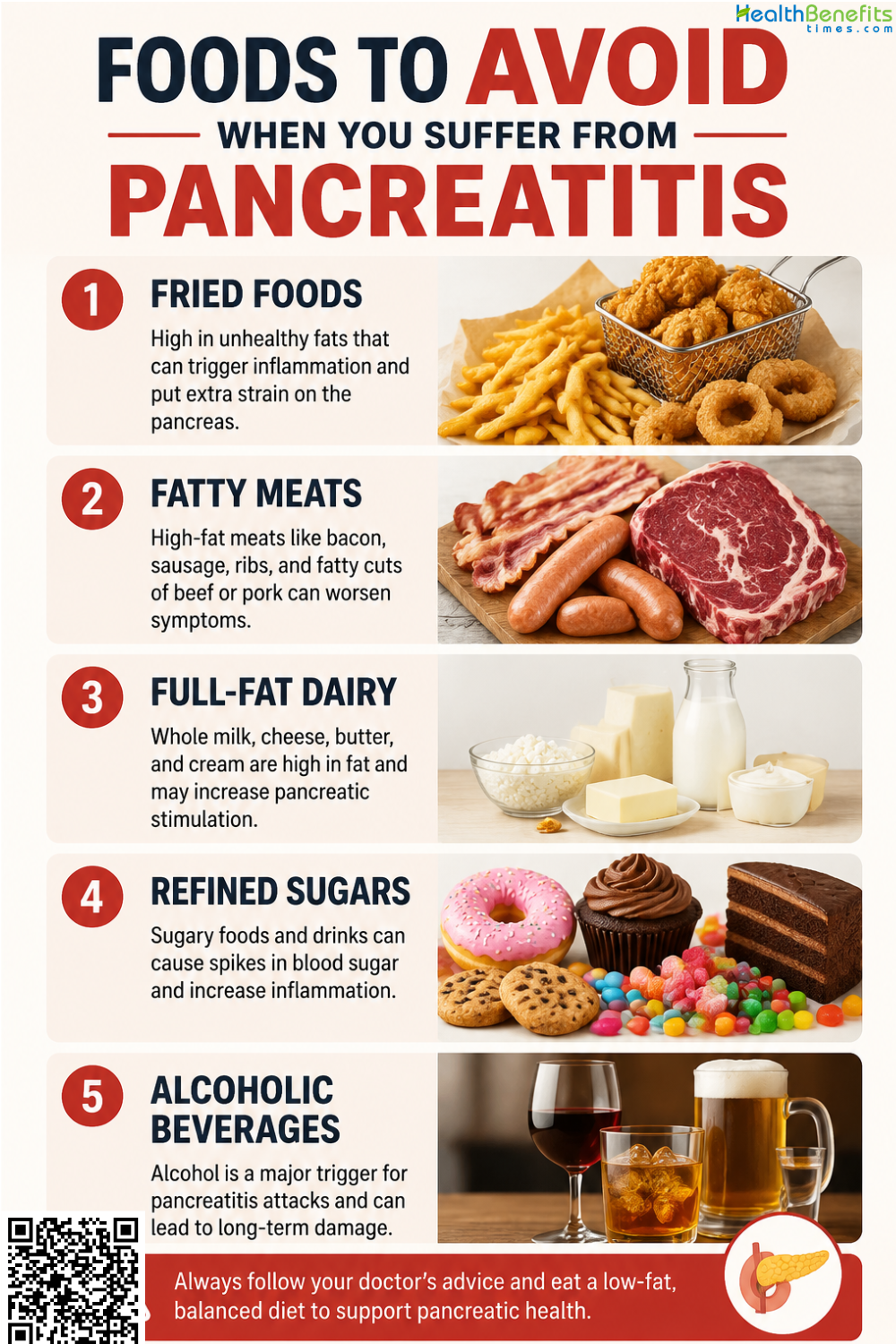
2. Fatty Meats
High-fat animal proteins, such as bacon or heavily marbled beef, stimulate massive enzyme production and rapidly worsen existing internal inflammation 13.
3. Full-Fat Dairy
Whole milk, heavy cream, and rich cheeses contain dense concentrations of complex fats that severely strain a compromised digestive system 13.
4. Refined Sugars
Sugary drinks and baked goods spike blood triglyceride levels, creating a toxic internal environment recognized as a primary trigger for acute attacks 3.
5. Alcoholic Beverages
Complete abstinence is medically required, as alcohol produces toxic chemical byproducts that directly destroy pancreatic cells and accelerate irreversible organ failure 7.
When to see Doctor when you suffer from pancreatitis
Pancreatitis can rapidly escalate from a mild flare-up to a life-threatening medical emergency. Individuals must seek immediate emergency clinical evaluation if any critical warning signs develop.
1. Severe Abdominal Pain
Sudden, unbearable pain in the upper stomach that radiates to the back requires immediate care, indicating severe acute inflammation or tissue death 3.
2. Persistent Vomiting
Repeated vomiting that prevents the retention of fluids necessitates urgent hospital treatment to prevent dangerous dehydration and potential kidney failure 3.
3. High Fever and Chills
Developing a significant fever with chills or a rapid heart rate signals a dangerous systemic infection or organ necrosis demanding emergency medical intervention 3.
4. Yellowing of Skin or Eyes
The sudden appearance of jaundice indicates a blocked bile duct, typically caused by a gallstone, which requires immediate surgical or endoscopic extraction 3.