

Bile duct stones, medically known as choledocholithiasis, occur when a gallstone becomes stuck in the common bile duct, the essential tube carrying digestive fluid from the liver to the small intestine. While most gallstones safely remain in the gallbladder without causing symptoms, stones that migrate and block this primary drainage duct trap bile inside the body. This structural obstruction directly causes intense upper right abdominal pain, dark urine, and jaundice, which appears as a distinct yellowing of the skin and eyes 1. If left untreated, the backed-up bile allows bacteria to rapidly multiply, triggering severe medical complications such as acute cholangitis (a life-threatening bile duct infection) or gallstone pancreatitis (pancreatic inflammation) 2. Consequently, finding a stone in the common bile duct requires prompt medical removal to restore normal digestive function and prevent dangerous organ damage.
Causes of Bile Duct Stones
1. Migrating Gallbladder Stones (Secondary Stones)
The most frequent cause of bile duct stones involves stones that originally develop inside the gallbladder and subsequently travel into the common bile duct, where they become trapped 3. These migrating masses, typically composed of hardened cholesterol, account for the vast majority of biliary obstructions.
2. Bile Stasis (Sluggish Bile Flow)
When the normal, continuous flow of digestive fluid slows down or pools, new stones can form directly within the bile duct system itself. This fluid stagnation frequently results from age-related widening of the bile ducts, structural abnormalities such as ductal cysts, or abnormal narrowing (strictures) along the drainage pathways.
3. Bacterial Infections
Bacterial overgrowth within the biliary system acts as a primary catalyst for forming brown pigment stones directly inside the ducts 4. The infecting bacteria alter the chemical environment of the bile and create biological films, causing calcium and bilirubin to bind together and crystallize into solid masses.
4. Parasitic Infestations
In certain geographic regions, intestinal parasites such as roundworms can physically migrate into and invade the bile ducts 5. These organisms disrupt normal drainage, introduce external bacteria, and leave behind physical debris that acts as a central core around which a new stone rapidly develops.
5. Chemical Imbalances from Underlying Conditions
Any medical condition that drastically alters the precise chemical makeup of bile increases the risk of stone formation. Factors such as liver cirrhosis, extensive bowel surgeries, or hereditary blood disorders that force the body to overproduce bilirubin can disrupt the fluid balance, causing suspended particles to separate and harden into stones.
Symptoms of Bile Duct Stones
1. Intense Abdominal Pain
Individuals typically experience severe, steady, or cramping pain in the upper right or center of the abdomen. This pain, which occurs as the bile ducts spasm against the physical blockage, can last for several hours and frequently radiates to the right shoulder or upper back.
2. Jaundice (Yellowing of Skin and Eyes)
When a stone completely blocks the flow of bile, a yellowish waste product called bilirubin backs up into the bloodstream. As this chemical accumulates in the body’s tissues, it visibly turns the skin and the white parts of the eyes a distinct yellow color.
3. Dark, Tea-Colored Urine
As excess bilirubin builds up in the blood due to the biliary obstruction, the kidneys attempt to filter the chemical overflow. This excess filtration causes the urine to become highly concentrated, resulting in an unusually dark appearance that often resembles tea or cola.
4. Pale or Clay-Colored Stools
Normal bowel movements achieve their typical brown color from bile fluids mixing with food in the digestive tract. When a stone physically prevents bile from reaching the small intestine, stools lose this pigment and become distinctly pale, chalky, or clay-colored.
5. Nausea and Vomiting
The sudden increase in pressure within the blocked bile ducts, combined with intense abdominal pain, frequently triggers severe nausea and episodes of vomiting. These digestive disturbances often worsen shortly after eating heavy or high-fat meals.
6. Fever and Chills
The presence of a sudden high fever accompanied by shaking chills is a critical warning sign that the stagnant bile has become infected by bacteria. This indicates a severe, life-threatening complication known as acute cholangitis, which requires immediate emergency medical intervention.
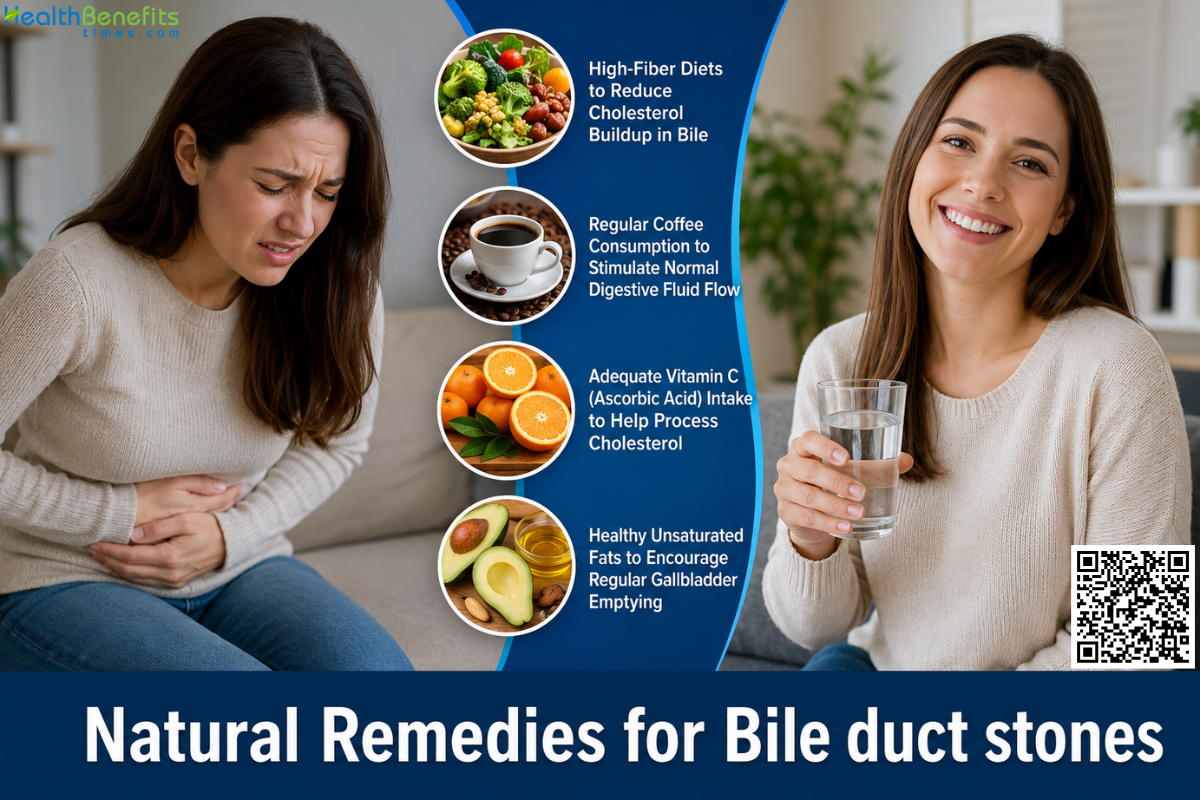
 Natural Remedies for Bile duct stones
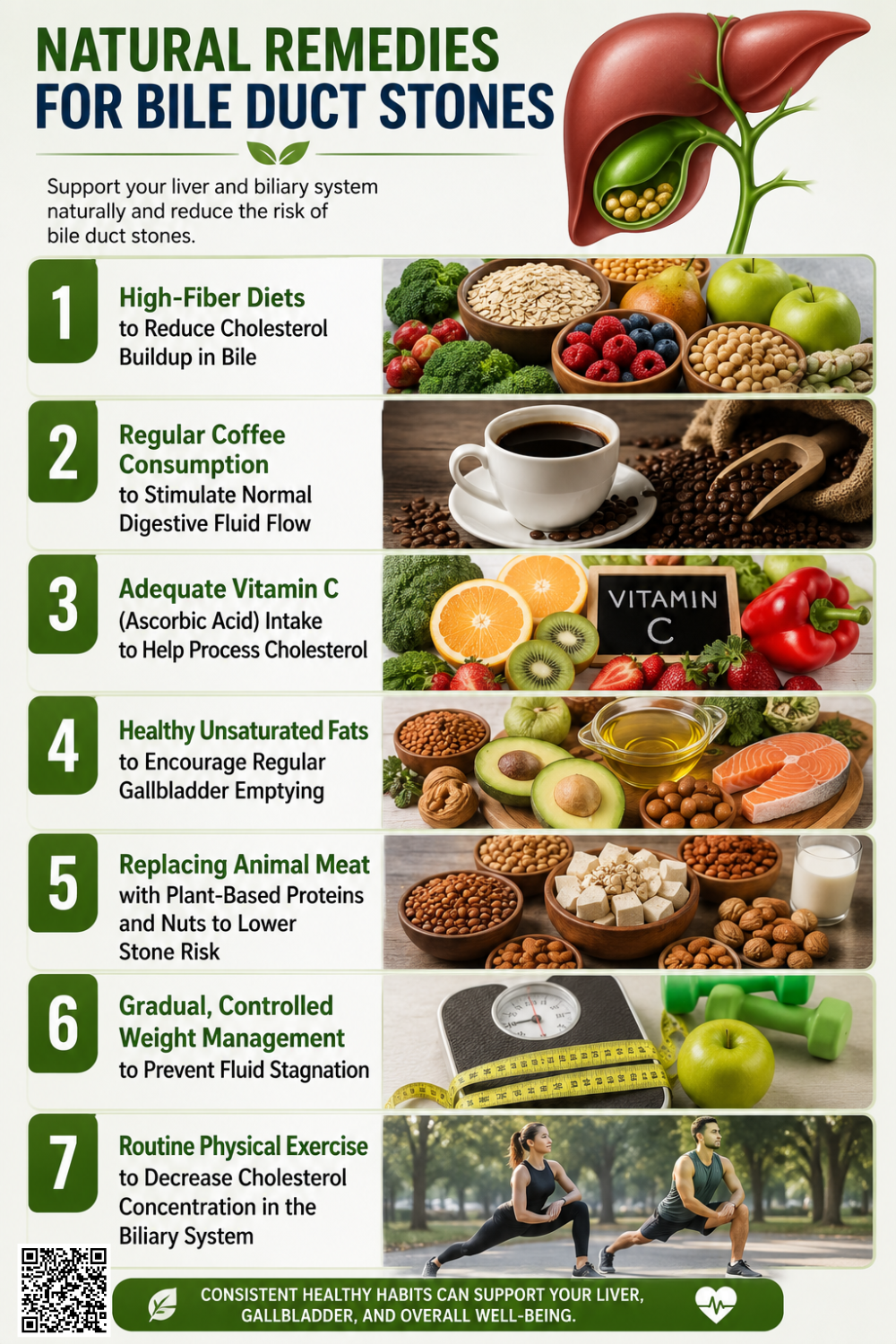
1. High-Fiber Diets to Reduce Cholesterol Buildup in Bile
How it may help
Dietary fiber binds to bile acids in the digestive tract, encouraging the body to eliminate them through bowel movements. To replace these lost acids, the liver draws excess cholesterol from the blood. This process directly lowers the amount of cholesterol available in bile, reducing the chance of particles hardening into stones.
What research says
Clinical evidence confirms that consuming a high-fiber diet significantly lowers the risk of developing gallstones and bile duct obstructions. Diets rich in plant-based fibers decrease the cholesterol concentration in digestive fluids, making it physically harder for solid masses to crystalize within the biliary system 6.
How to use it safely
Gradually incorporate fiber-rich foods like oats, beans, fruits, and whole grains into your daily meals. Increase your intake slowly over several weeks to allow your digestive system to adjust. Always drink plenty of water alongside a high-fiber diet to maintain healthy bowel movements and prevent constipation.
Potential precautions or side effects
Adding dietary fiber too quickly can cause uncomfortable gas, bloating, and stomach cramps. Consuming high amounts of fiber without drinking enough water may worsen constipation or cause intestinal blockages.
2. Regular Coffee Consumption to Stimulate Normal Digestive Fluid Flow
How it may help
Caffeinated coffee triggers the release of a natural digestive hormone that causes the gallbladder to contract and empty. This pumping action prevents digestive fluids from pooling or becoming sluggish. By continuously moving bile through the ducts, coffee helps stop suspended cholesterol particles from crystallizing and hardening into stones.
What research says
Clinical studies demonstrate that drinking caffeinated coffee consistently lowers the risk of developing gallstones, which frequently migrate to become bile duct stones. Researchers concluded that caffeine actively stimulates the biliary system, preventing the fluid stagnation and cholesterol buildup necessary for stone formation 7.
How to use it safely
Drink moderate amounts of regular, caffeinated coffee, which is generally considered to be two to three cups per day. Use a paper filter when brewing to remove natural coffee oils that can raise blood cholesterol. Avoid adding heavy cream or excessive sugar.
Potential precautions or side effects
Consuming excess caffeine can lead to rapid heart rates, anxiety, and sleep disturbances. People with acid reflux, stomach ulcers, or severe high blood pressure should monitor or restrict their intake.
3. Adequate Vitamin C (Ascorbic Acid) Intake to Help Process Cholesterol
How it may help
Vitamin C acts as a necessary nutrient that helps the liver convert excess cholesterol into water-soluble bile acids. By accelerating this conversion, vitamin C prevents cholesterol from pooling and crystallizing into solid stones within the gallbladder and bile ducts 8.
What research says
Clinical observations reveal that individuals with adequate vitamin C levels experience a significantly lower prevalence of gallstones, the primary cause of bile duct blockages. Researchers conclude that regular vitamin C intake alters biliary fluid chemistry, providing a measurable protective effect against cholesterol stone formation 9.
How to use it safely
Incorporate vitamin C-rich foods like citrus fruits, bell peppers, and broccoli into your daily meals. If you use an over-the-counter supplement, strictly follow standard daily dosage guidelines and consult your doctor to ensure it does not interact with your current medications 10.
Potential precautions or side effects
Consuming excessively high doses of vitamin C supplements can trigger stomach cramps, nausea, and diarrhea. Extreme amounts may also increase the risk of developing kidney stones over time.
4. Healthy Unsaturated Fats to Encourage Regular Gallbladder Emptying
How it may help
Consuming healthy unsaturated fats signals the digestive system to release bile efficiently. This regular emptying prevents bile from sitting too long and concentrating in the gallbladder. By keeping the fluids moving, these fats stop cholesterol from hardening into stones that could later slip into and block the bile ducts.
What research says
Clinical evidence indicates that eating foods high in unsaturated fats lowers the risk of developing gallstones. Researchers conclude that these healthy fats improve regular gallbladder contraction and emptying, which prevents the stagnation of digestive fluids and stops cholesterol from forming into stones that cause bile duct blockages.
How to use it safely
Replace unhealthy saturated animal fats with unsaturated options like olive oil, avocados, and fatty fish in your daily meals. Keep portion sizes moderate, as all fats are high in calories. Focus on balancing these healthy fats with a fiber-rich diet to support overall digestive health.
Potential precautions or side effects
Consuming large amounts of fat, even healthy types, can trigger sudden pain if you already have existing stones. Overeating fats also contributes to unwanted weight gain over time.
5. Replacing Animal Meat with Plant-Based Proteins and Nuts to Lower Stone Risk
How it may help
Animal meats frequently contain high levels of saturated fat and cholesterol, which can concentrate within digestive fluids. Replacing these meats with plant-based proteins and nuts provides necessary nutrients without excess cholesterol. These plant sources also supply beneficial dietary fiber, which helps process bile acids and prevents cholesterol from crystallizing into stones.
What research says
Clinical investigations confirm that high consumption of vegetable protein significantly reduces the risk of developing gallstones and subsequent bile duct blockages. Researchers concluded that diets prioritizing plant proteins over animal meat actively lower biliary cholesterol levels and decrease the physical crystallization rates necessary for stone formation 11.
How to use it safely
Gradually substitute portions of red meat with plant-based alternatives like lentils, beans, tofu, almonds, and walnuts. Eat nuts raw or dry-roasted without added salt. Because nuts are highly calorie-dense, limit your portions to a small handful daily to prevent unintentional weight gain.
Potential precautions or side effects
Adding beans and lentils to your diet too rapidly can trigger abdominal bloating and gas. Individuals with diagnosed nut or soy allergies must strictly avoid those specific plant proteins.
6. Gradual, Controlled Weight Management to Prevent Fluid Stagnation
How it may help
Excess body weight causes the liver to overproduce cholesterol, which then concentrates in digestive fluids. Gradually losing weight reduces this cholesterol burden. Slow weight loss ensures the gallbladder continues emptying regularly, preventing the sluggish fluid accumulation that allows particles to harden into obstructive duct stones.
What research says
Clinical evidence indicates that maintaining a healthy weight lowers gallstone risk, but researchers emphasize the pace of weight reduction is critical. Studies confirm that rapid weight loss actively triggers stone formation, whereas gradual reduction safely normalizes bile chemistry without causing dangerous cholesterol spikes.
How to use it safely
Aim to lose weight slowly, targeting a safe reduction of just one to two pounds per week. Achieve this by eating consistent, well-balanced meals rather than skipping food. Consult your healthcare provider to create a sensible, long-term weight management plan.
Potential precautions or side effects
Strict fasting or crash diets that cause rapid weight loss actively increase your risk of forming new stones, which can suddenly migrate and block your bile ducts.
7. Routine Physical Exercise to Decrease Cholesterol Concentration in the Biliary System
How it may help
Routine physical activity improves how the body processes fats and blood sugar, which directly reduces the amount of cholesterol the liver pumps into digestive fluids. By maintaining low biliary cholesterol levels and encouraging faster digestion, regular exercise prevents the fluid stagnation that allows solid stones to form.
What research says
Clinical research demonstrates a strong link between regular physical activity and a lowered risk of developing gallstones. Studies conclude that consistent exercise actively alters bile chemistry and decreases cholesterol concentration in the biliary system, significantly reducing the likelihood of stones forming and blocking the ducts 12.
How to use it safely
Engage in moderate-intensity activities, such as brisk walking, cycling, or swimming, for at least 150 minutes per week. Start slowly if you are new to exercising, and gradually increase your routine. Always stay well-hydrated during physical activity to support overall digestive health.
Potential precautions or side effects
Avoid sudden, extreme workouts if you are unaccustomed to physical strain, as this can cause injuries. Stop exercising immediately if you experience sharp or sudden upper abdominal pain.
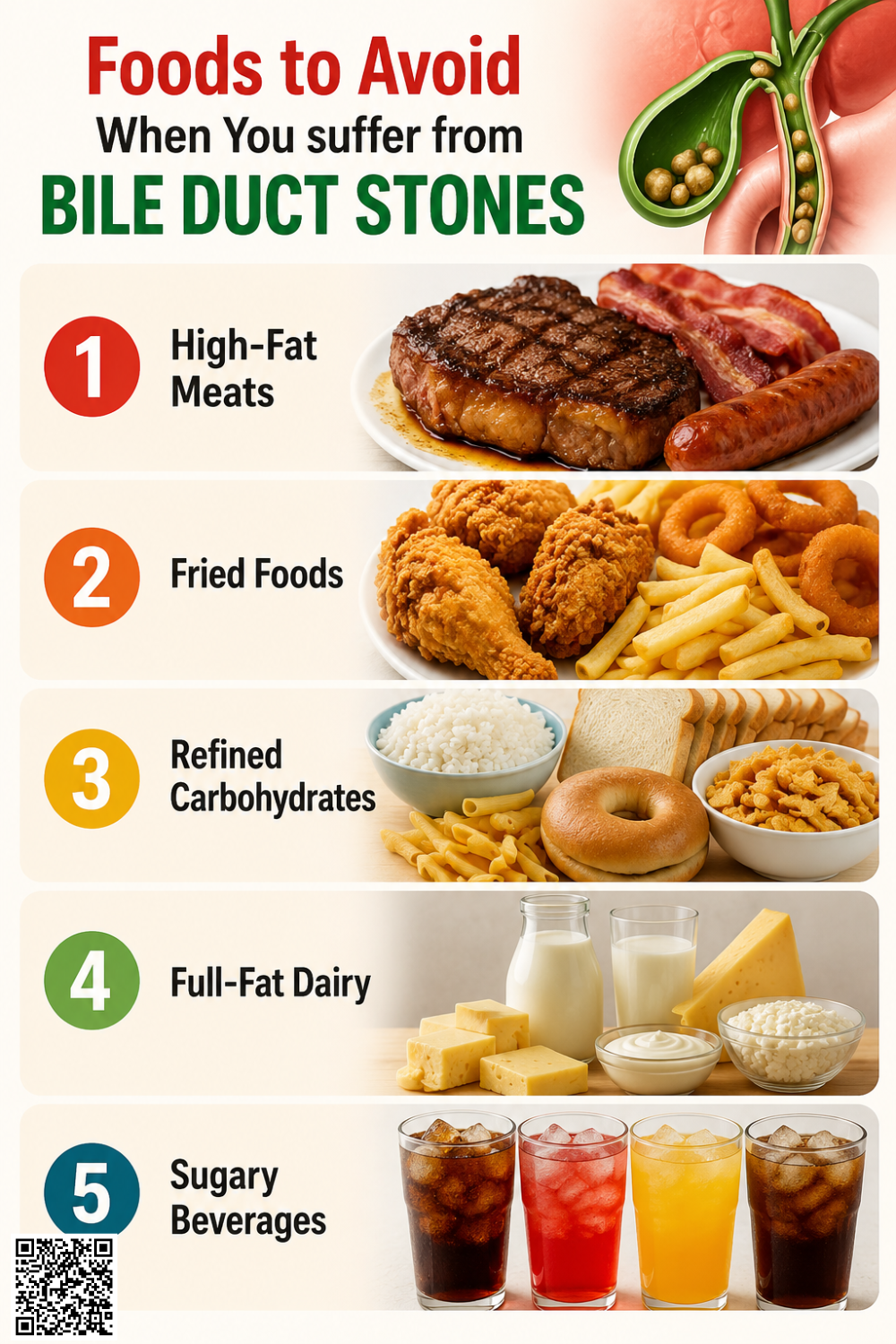 Foods to Avoid When You Suffer From Bile Duct Stones
1. High-Fat Meats
Fatty beef, pork, and processed meats contain saturated fats that force the biliary system to work harder, increasing the risk of painful duct spasms.
2. Fried Foods
Deep-fried foods demand excessive bile for digestion. This sudden demand triggers intense duct contractions, frequently causing severe pain against a stone blockage.
3. Refined Carbohydrates
White bread, pasta, and sugary baked goods lack fiber. They rapidly increase blood sugar and liver cholesterol production, promoting further stone formation.
4. Full-Fat Dairy
Whole milk, butter, and heavy cheeses are dense in saturated fats. Consuming them stimulates rapid bile release, potentially wedging stones tighter into the ducts.
5. Sugary Beverages
Sodas and heavily sweetened drinks alter metabolism. High dietary sugar directly forces the liver to excrete excess cholesterol into the bile fluid.
When To See a Doctor When You Suffer From Bile Duct Stones
1. Severe Abdominal Pain
Seek immediate care for intense, sudden pain in the upper right abdomen that lasts several hours and does not improve with rest.
2. Yellowing of Skin and Eyes
This symptom, known as jaundice, indicates a complete bile duct blockage, requiring urgent medical intervention to restore fluid drainage.
3. High Fever and Chills
A sudden fever accompanied by shaking chills is a critical warning sign of a severe, life-threatening bacterial infection inside the blocked bile ducts.
4. Persistent Nausea and Vomiting
Uncontrollable vomiting or the inability to keep fluids down suggests the stone may have triggered severe pancreatic inflammation, demanding emergency clinical evaluation.
5. Changes in Waste Color
Unusually dark, tea-colored urine combined with pale, clay-colored stools confirms that digestive fluids are dangerously backing up into the bloodstream rather than exiting the body.