

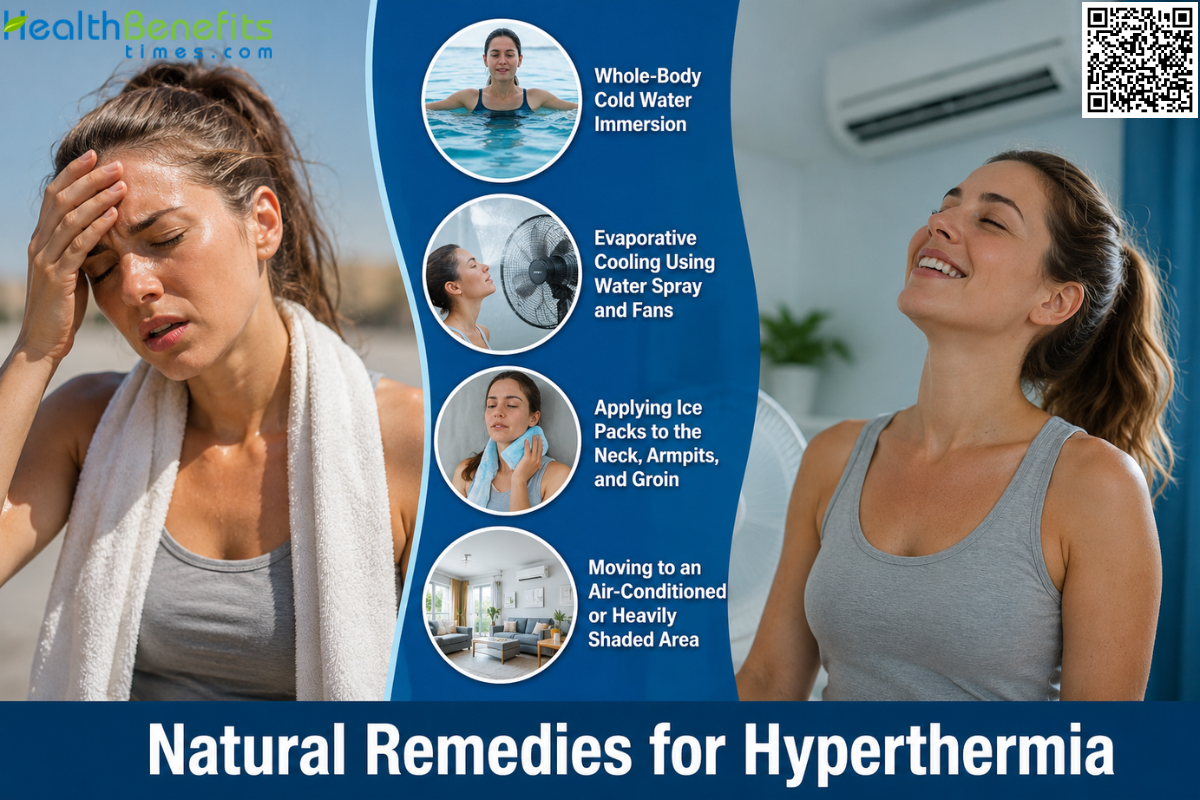
Hyperthermia is a dangerous medical condition characterized by an abnormally high body temperature that compromises normal physiological functions. Unlike a traditional fever, where the immune system intentionally resets the internal thermostat to combat infection, hyperthermia occurs when the body’s natural thermoregulatory mechanisms completely fail to dissipate excessive metabolic or environmental heat 1. Clinical guidelines define severe hyperthermia as a core body temperature exceeding 40°C (104°F), which can result from extreme weather exposure, intense physical exertion, or toxic reactions to certain medications 2. The illness operates on a spectrum of severity, advancing rapidly from moderate heat exhaustion to life-threatening heatstroke. Without thermoregulation, the internal heat buildup initiates a destructive metabolic cascade leading to central nervous system impairment, systemic inflammation, and multi-organ failure 3. Consequently, emergency medical interventions like rapid evaporative cooling and ice-water immersion are urgently required to halt tissue damage and prevent fatalities 4.
Causes of Hyperthermia
1. Extreme Environmental Heat
Prolonged exposure to high temperatures and heavy humidity overwhelms the body’s natural cooling mechanisms, leading to classic, or non-exertional, heatstroke. This form most commonly affects older adults, infants, and individuals without access to air conditioning during prolonged heat waves 5.
2. Strenuous Physical Activity
Engaging in heavy work, sports, or intense exercise in hot weather causes the body to produce heat much faster than it can release it through sweating. Known as exertional heatstroke, this condition frequently impacts athletes, outdoor workers, and military personnel, even if they are otherwise healthy and young 6.
3. Medications and Drugs
Certain prescription treatments, including antihistamines, diuretics, and psychiatric medications, interfere with the body’s ability to sweat or regulate blood flow to the skin. Furthermore, illicit stimulants such as cocaine, methamphetamine, and MDMA drastically increase metabolic heat production, which can trigger severe drug-induced hyperthermia.
4. Severe Anesthesia Reactions
A rare, inherited genetic condition known as malignant hyperthermia causes a rapid, life-threatening spike in body temperature and severe muscle contractions. This extreme reaction occurs exclusively when a susceptible patient is exposed to specific anesthetic gases or muscle relaxants used during surgical procedures 7.
5. Underlying Medical Conditions
Specific hormonal imbalances and metabolic disorders can severely disrupt the brain’s temperature control center. For example, an uncontrolled, overactive thyroid can trigger a critical medical emergency called a thyroid storm, which aggressively accelerates the body’s metabolism and dangerously elevates internal heat production 8.
Symptoms of Hyperthermia
1. Dangerously High Body Temperature
A core body temperature that rapidly rises to 104°F (40°C) or higher is the primary clinical sign of severe hyperthermia, signaling a complete failure of the body’s internal cooling systems.
2. Altered Mental State and Confusion
Excessive heat heavily impacts brain function, triggering sudden confusion, slurred speech, severe agitation, delirium, and in the most extreme instances, seizures or a complete loss of consciousness.
3. Noticeable Skin Changes
The skin responds differently based on the exact cause of the hyperthermia; it typically becomes remarkably hot, flushed, and completely dry during environmental heat exposure, but may remain highly sweaty during intense physical exertion.
4. Rapid Heart Rate and Breathing
As the body desperately attempts to release heat by forcing blood flow toward the skin’s surface, individuals will experience a severely elevated, pounding heart rate alongside abnormally fast and shallow breathing patterns.
5. Physical Weakness and Digestive Distress
In the escalating stages of heat-related illness, such as heat exhaustion, a person will frequently suffer from intense muscle cramps, throbbing headaches, overwhelming physical fatigue, persistent nausea, and vomiting 9.
 Natural Remedies for Hyperthermia
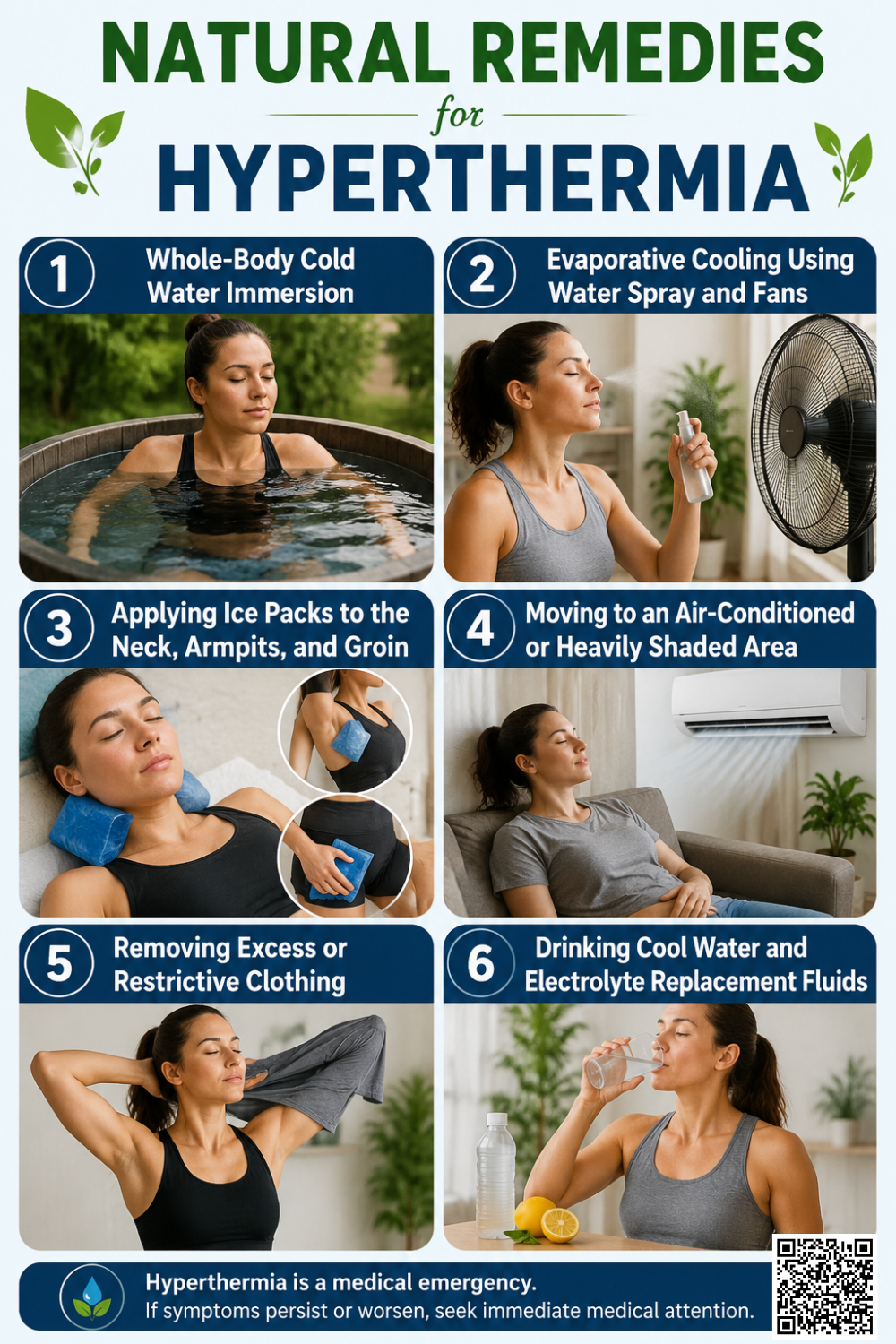
1. Whole-Body Cold Water Immersion
How it may help
Immersing the body in cold water rapidly pulls heat away from the skin and internal organs through direct physical contact. This aggressive method quickly lowers the core body temperature to a safe level, which stops the progression of life-threatening organ damage during a severe heat emergency.
What research says
Clinical evidence establishes whole-body ice-water immersion as the gold-standard treatment for severe heatstroke. Research confirms this technique cools the body significantly faster than other available methods, maximizing survival rates and preventing permanent tissue injuries when applied immediately after a person collapses 10.
How to use it safely
If you suspect a heat emergency, call for medical help immediately. While waiting, place the individual in a tub filled with cold water and ice, submerging them up to the neck. Continuously stir the water to maintain a rapid cooling effect.
Potential precautions or side effects
Never leave the person unattended, as confusion can lead to drowning. Remove them from the water once their temperature drops to 102°F to prevent dangerous overcooling.
2. Evaporative Cooling Using Water Spray and Fans
How it may help
Spraying cool water onto the skin and directing a fan over the body artificially mimics the natural sweating process. As the liquid water turns into vapor, it absorbs and removes excess heat directly from the skin’s surface, effectively lowering the internal body temperature when sweating alone is insufficient.
What research says
Clinical guidelines recommend evaporative cooling as a highly effective and practical treatment for classic, non-exertional heatstroke, particularly for older adults who cannot tolerate ice-water immersion. Studies confirm this technique safely reduces core body temperature without triggering intense shivering, which could otherwise generate unwanted internal heat.
How to use it safely
To apply this method, move the person to a shaded or air-conditioned room and remove any heavy clothing. Mist their exposed skin continuously with lukewarm or cool water while using strong fans to circulate air directly across their body to maximize evaporation.
Potential precautions or side effects
Avoid using freezing-cold water, as it may induce intense shivering. Shivering creates muscle friction that generates new internal heat, which actively counteracts the cooling process and worsens hyperthermia.
3. Applying Ice Packs to the Neck, Armpits, and Groin
How it may help
Placing ice packs on the neck, armpits, and groin targets areas where major blood vessels rest close to the skin’s surface. This strategic placement rapidly cools the large volume of blood circulating through these arteries, which then travels back inward, effectively lowering the body’s core internal temperature.
What research says
Medical guidelines recommend strategic ice pack placement as an effective secondary cooling intervention when cold water immersion is unavailable or impractical. While clinical studies conclude it cools the body slower than full immersion, it remains a critical emergency protocol for managing severe heat exhaustion and stabilizing heatstroke victims.
How to use it safely
Wrap cold packs or bags of ice in a thin cloth or towel to protect the skin from damage. Secure these wrapped packs directly against your neck, under your armpits, and along your groin while waiting for emergency medical responders to arrive.
Potential precautions or side effects
Never apply bare ice directly to the skin, as it instantly causes severe frostbite. Remove the ice packs if you begin shivering, which counterproductively generates unwanted internal body heat.
4. Moving to an Air-Conditioned or Heavily Shaded Area
How it may help
Relocating from a hot environment immediately halts the absorption of external heat. An air-conditioned or heavily shaded room provides a cooler surrounding temperature, which allows the body’s natural heat-loss mechanisms, such as radiating heat from the skin into the air, to function properly and lower the core temperature.
What research says
Public health guidelines confirm that immediate removal from hot environments is the critical first step to prevent moderate heat exhaustion from escalating into life-threatening heatstroke. Research indicates that resting in air-conditioned environments rapidly decreases physiological heat strain and significantly reduces severe heat-related medical emergencies.
How to use it safely
At the first sign of heat illness, immediately move indoors to an air-conditioned building or find dense shade if you are outside. Sit or lie down to minimize physical exertion, which helps stop your body from producing unnecessary internal heat 11.
Potential precautions or side effects
Relying solely on shade may be insufficient during extreme humidity or severe heatwaves. If your symptoms worsen or fail to improve quickly, seek emergency medical care immediately.
5. Removing Excess or Restrictive Clothing
How it may help
Taking off heavy, tight, or extra layers of clothing directly exposes the skin to the surrounding air. This physical exposure allows trapped body heat to escape outward and enables sweat to evaporate freely, which is the body’s primary method for naturally cooling its internal temperature.
What research says
Clinical emergency protocols identify the removal of restrictive clothing and heavy protective gear as a mandatory first step in treating heatstroke. Studies confirm that fully exposing the skin significantly accelerates the body’s cooling rate and maximizes the effectiveness of subsequent treatments like cold-water immersion or evaporative misting.
How to use it safely
Immediately strip away any jackets, heavy work gear, hats, and shoes. Loosen tight collars or belts to ensure unrestrictive blood flow. Leave on only a single layer of lightweight, loose-fitting clothing to allow maximum airflow over your skin while you wait for medical assistance.
Potential precautions or side effects
Do not delay removing heavy clothing to find a private area during a severe heat emergency. Rapidly exposing the skin is critical to preventing permanent, life-threatening organ damage.
6. Drinking Cool Water and Electrolyte Replacement Fluids
How it may help
Drinking cool water and electrolyte fluids replenishes the massive amounts of hydration and essential minerals lost through heavy sweating. Restoring these fluids rebuilds blood volume, which allows the cardiovascular system to effectively pump blood to the skin and continue the natural sweating process necessary for cooling.
What research says
Clinical guidelines emphasize that timely oral hydration is the primary treatment for moderate heat illness, such as heat exhaustion. Medical consensus shows that replacing lost sodium and water prevents cardiovascular strain and effectively stops the condition from rapidly progressing into life-threatening heatstroke.
How to use it safely
Move to a cool area and take small, frequent sips of cool water or a formulated sports drink. Do not gulp large amounts of liquid rapidly, as this can trigger severe stomach cramps and vomiting, which further dehydrates your body.
Potential precautions or side effects
Never force liquids into the mouth of someone who is confused, unconscious, or vomiting, as this creates a deadly choking and aspiration hazard.
 Foods to Avoid When You Suffer from Hyperthermia
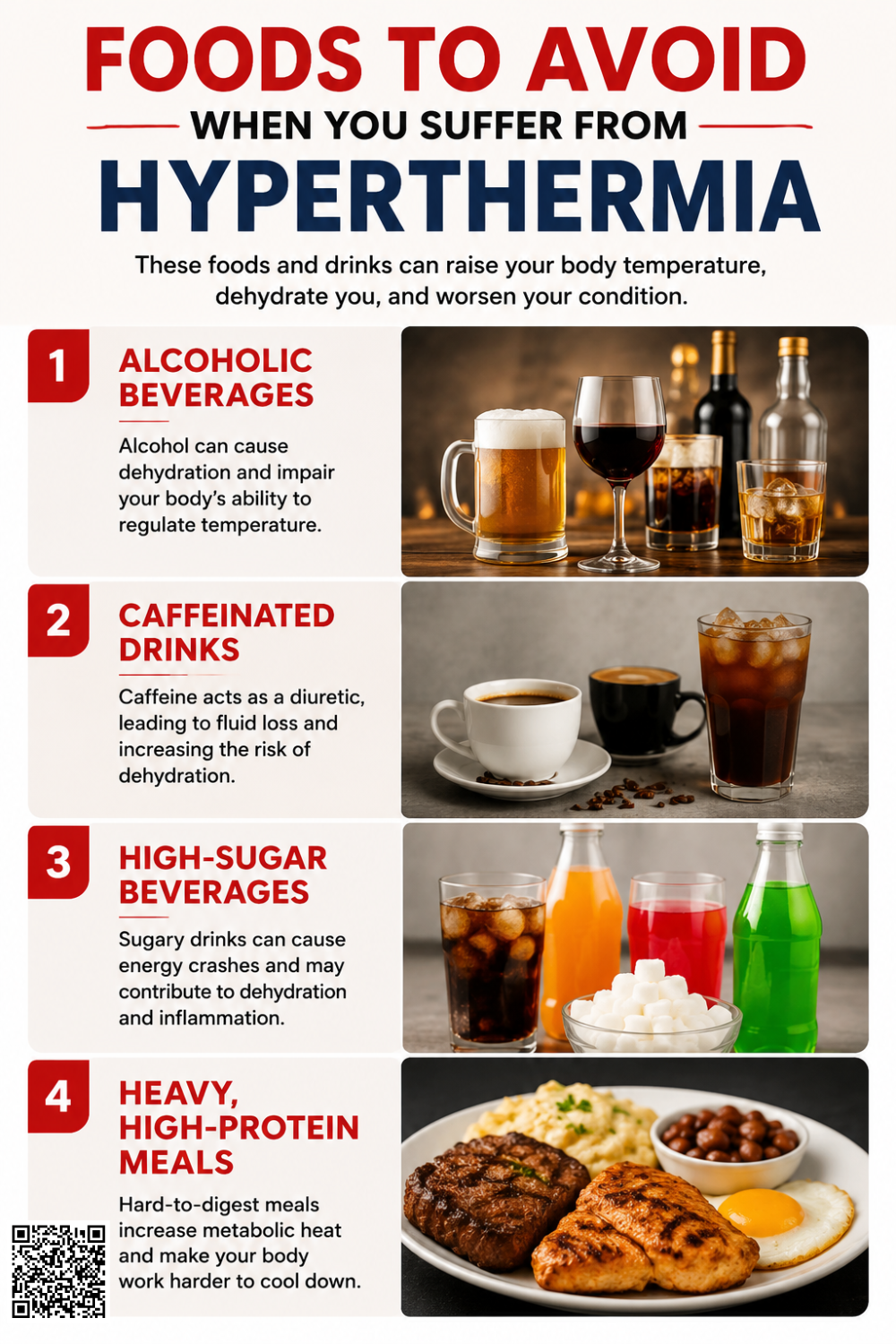
1. Alcoholic Beverages
Alcohol acts as a diuretic that forces vital fluid loss through increased urination, rapidly worsening severe dehydration and preventing effective body cooling 12.
2. Caffeinated Drinks
Coffee and energy drinks contain caffeine, which accelerates fluid loss and stimulates the heart, actively interfering with the body’s natural heat-regulation systems.
3. High-Sugar Beverages
Sugary sodas delay how fast your stomach absorbs water, which severely slows down critical rehydration efforts and frequently triggers painful stomach cramps.
4. Heavy, High-Protein Meals
Digesting large, protein-heavy foods requires immense metabolic energy. This physical digestive effort generates unnecessary internal body heat, actively worsening hyperthermia symptoms.
When To See a Doctor When You Suffer from Hyperthermia
1. Altered Mental State
Seek immediate emergency care if the person exhibits sudden confusion, slurred speech, delirium, seizures, or a complete loss of consciousness, which signals life-threatening brain involvement.
2. Dangerously High Temperature
A core body temperature reaching 103°F (39.4°C) or higher is a critical medical emergency requiring rapid professional intervention to prevent permanent organ damage and fatality.
3. Lack of Improvement
Contact a doctor if moderate heat exhaustion symptoms, such as intense fatigue or muscle cramps, fail to improve after one hour of resting in a cool environment.
4. Severe Nausea and Vomiting
An inability to keep fluids down due to persistent vomiting prevents critical rehydration and requires immediate intravenous fluid replacement administered by medical professionals.
5. Hot, Red, and Dry Skin
If the skin stops sweating and becomes remarkably hot, red, and completely dry, the body’s natural cooling system has failed, demanding urgent emergency medical treatment.