

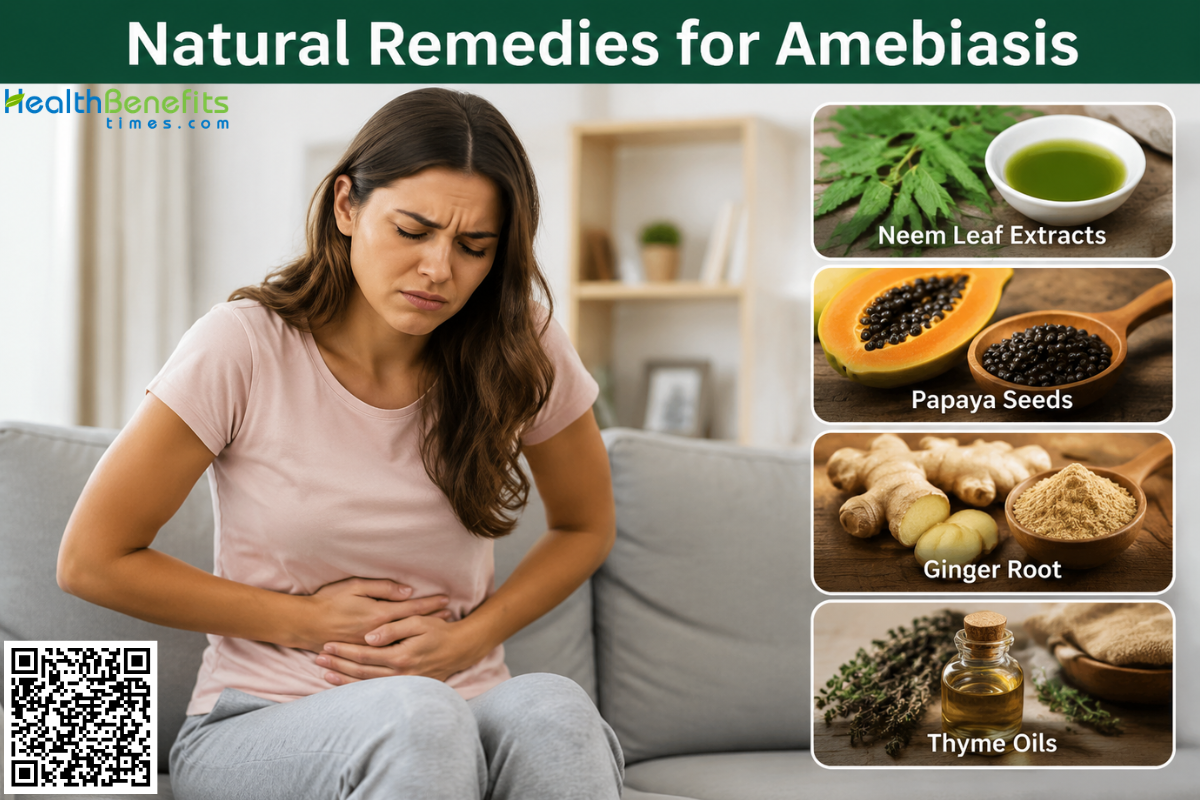
Amebiasis is an intestinal infection caused by a microscopic parasite known as Entamoeba histolytica. It is a common illness worldwide, primarily affecting individuals in regions with limited sanitation infrastructure. The infection typically spreads when a person ingests food or water contaminated with the parasite’s cysts, or through direct person-to-person contact 1. While many infected individuals never develop symptoms, others may experience mild stomach discomfort, abdominal cramps, and loose stools. In more severe cases, the condition can progress to amebic dysentery, which is clinically characterized by acute, bloody diarrhea and fever. Occasionally, the parasite can breach the intestinal wall and travel through the bloodstream to other organs, most notably causing severe liver abscesses 1. Because the pathogen relies entirely on a fecal-oral transmission route, maintaining strict hand hygiene and ensuring access to safely treated drinking water are the definitive methods to prevent infection.
Causes of Amebiasis
Amebiasis is caused by the microscopic parasite Entamoeba histolytica. The infection occurs exclusively through the fecal-oral route, meaning the parasite must be ingested to cause disease. The primary causes and transmission pathways include:
- Consumption of Contaminated Water: Drinking or using water—such as ice cubes or tap water—that has been contaminated with human fecal matter containing the parasite’s cysts. 2
- Ingestion of Contaminated Food: Eating raw fruits or vegetables that were washed in contaminated water or handled by infected individuals who did not follow proper hand hygiene. 1
- Direct Person-to-Person Contact: Transmission occurring through direct contact with an infected person, particularly in environments with poor sanitation or crowded living conditions where fecal matter may be transferred to the mouth via unwashed hands. 2
- Exposure in Endemic Areas: Traveling to or residing in regions where inadequate sewage disposal and poor sanitation infrastructure allow the parasite to circulate freely in the environment. 2
Symptoms of Amebiasis
While many individuals infected with Entamoeba histolytica remain asymptomatic, those who develop the disease typically manifest a range of clinical signs. Symptoms usually appear within two to four weeks following exposure and may include the following:
- Loose Stools: Frequent passage of soft or watery stools, often occurring as the primary indicator of intestinal irritation. 2
- Abdominal Cramping: Sudden, painful tightening or discomfort in the stomach region caused by intestinal inflammation. 2
- Bloody Diarrhea: The presence of blood or mucus in the stool, which signifies that the parasite has caused significant damage to the lining of the colon. 1
- Fever: An elevated body temperature, which often indicates that the immune system is responding to an invasive infection or severe intestinal inflammation. 2
- Excessive Gas: Persistent bloating and the production of intestinal gas as the digestive process is disrupted by the infection. 3
- Unintended Weight Loss: A noticeable decrease in body weight, resulting from prolonged diarrhea and the body’s inability to properly absorb nutrients while the parasite is present. 2
Natural Remedies for Amebiasis
1. Berberine Compounds
How it may help
Berberine is a natural chemical found in plants such as barberry and goldenseal. It helps control amebiasis by directly damaging the structure of the Entamoeba histolytica parasite, preventing it from multiplying in the intestines. This specific action helps clear the infection and stops severe diarrhea.
What research says
Clinical studies confirm that berberine exhibits strong anti-parasitic properties. Research concludes that it significantly reduces intestinal inflammation, decreases fluid loss from diarrhea, and effectively clears the Entamoeba histolytica parasite from the digestive tract, often performing comparably to standard pharmaceutical treatments. 4
How to use it safely
To use berberine safely, you should take it in standard capsule form. Because proper dosing requires clinical guidance, always consult your doctor before starting this supplement. You must never use it as a complete replacement for prescribed medical therapies without professional oversight.
Potential precautions or side effects
You might experience mild nausea, upset stomach, or constipation. If you are pregnant or breastfeeding, strictly avoid berberine because it can cause severe liver complications in infants. 5
2. Garlic Extracts
How it may help
Garlic contains active sulfur compounds, primarily allicin, which possess potent anti-parasitic properties. These compounds work by inhibiting the ability of Entamoeba histolytica to thrive and survive within the human digestive tract. By disrupting the parasite’s essential cellular processes, garlic extract helps reduce the overall parasitic load in the intestines.
What research says
Laboratory and clinical observations indicate that garlic extracts demonstrate significant activity against various intestinal protozoa. Research findings conclude that allicin successfully suppresses the growth of E. histolytica and shows promise in supporting the body’s natural response to clear the infection. 6
How to use it safely
You may use standardized garlic supplements or culinary garlic as a supportive dietary measure. For therapeutic use, always consult a medical professional to determine appropriate dosages. Do not use garlic as a substitute for standard antibiotic treatments if a physician has identified an active, severe infection.
Potential precautions or side effects
Garlic can increase bleeding risks, especially if you take blood-thinning medications. You may also experience digestive irritation, such as heartburn or gas. 7
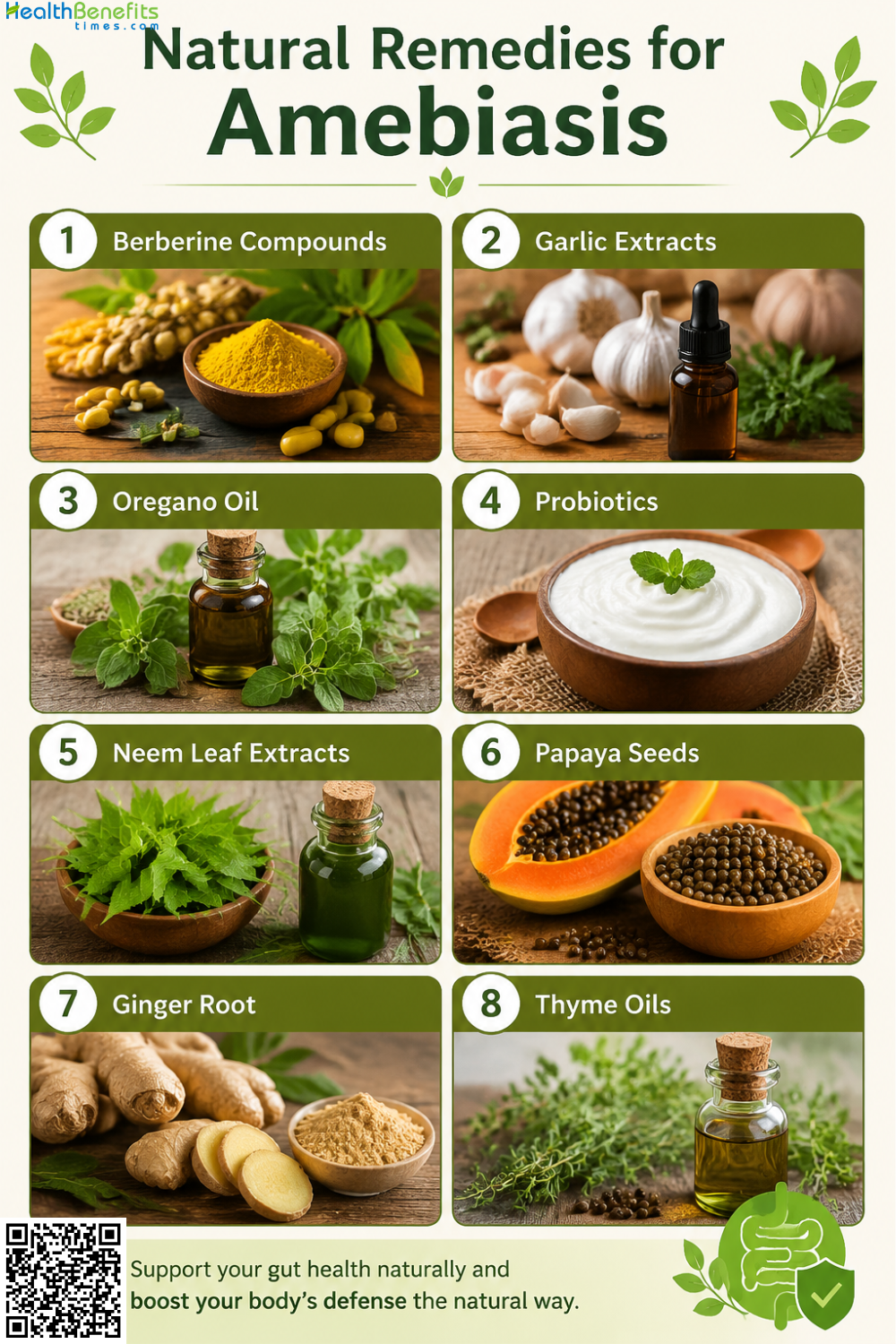
3. Oregano Oil
How it may help
Oregano oil contains carvacrol and thymol, natural compounds that disrupt the protective membranes of the Entamoeba histolytica parasite. This disruption effectively prevents the parasite from attaching to the intestinal wall and replicating, which helps reduce the severity of the infection and supports the body in clearing the pathogen from the gut.
What research says
Studies demonstrate that the essential oil of oregano possesses significant antiparasitic activity. Researchers have concluded that these compounds effectively inhibit the growth of various intestinal parasites, including E. histolytica, by damaging their cellular structures and reducing their ability to cause damage to intestinal tissues. 8
How to use it safely
You must only use high-quality, food-grade oil specifically intended for internal consumption. Always dilute it in a carrier oil or water, as it is extremely concentrated. Never exceed recommended doses and consult your doctor to ensure it is appropriate for your specific health situation.
Potential precautions or side effects
Using undiluted oil can cause severe burning of the mouth and throat. It may also interfere with blood clotting and absorption of iron. 9
4. Probiotics
How it may help
Probiotics are beneficial bacteria that restore balance to the gut. By promoting a healthy microbiome, they create a competitive environment that makes it difficult for Entamoeba histolytica to colonize the intestinal wall. They also strengthen the gut lining and boost the immune response, helping the body expel the parasite more efficiently.
What research says
Clinical research indicates that specific probiotic strains can reduce the duration and severity of parasitic diarrhea. Experts have concluded that restoring the gut environment with these supplements significantly aids in recovery and helps maintain intestinal health during and after an E. histolytica infection. 10
How to use it safely
You can incorporate probiotics through fermented foods or high-quality supplements containing diverse strains. Always choose reputable brands that clearly list the number and types of active bacteria. Consult your doctor to ensure the product is suitable for your specific health needs and digestive condition.
Potential precautions or side effects
Some people may experience temporary gas, bloating, or digestive discomfort when first starting probiotics. Individuals with weakened immune systems should avoid use unless cleared by a doctor. 10
5. Neem Leaf Extracts
How it may help
Neem leaves contain active compounds, such as nimbolide, that disrupt the life cycle of the Entamoeba histolytica parasite. By interfering with the parasite’s ability to divide and form cysts, these extracts help prevent the pathogen from colonizing the intestinal lining, thereby reducing the intensity of the infection and limiting tissue damage.
What research says
Scientific research indicates that neem leaf extracts possess significant anti-amoebic properties. Experts have concluded that these compounds effectively inhibit the growth of parasites in the digestive system, showing potential as an adjunct therapy for controlling parasitic infections while supporting the reduction of overall parasite counts in the gut. 11
How to use it safely
You should only use standardized neem leaf preparations obtained from reliable sources. Because the potency can vary significantly, always seek advice from a healthcare provider regarding appropriate dosage and duration. It should never be used to replace necessary medical treatment for acute or severe cases of amebiasis.
Potential precautions or side effects
High doses or prolonged use can cause potential liver or kidney stress. Neem is strictly unsafe for pregnant women or individuals attempting to conceive. 12
6. Papaya Seeds
How it may help
Papaya seeds contain specialized enzymes and compounds, such as benzyl isothiocyanate, that possess anti-parasitic properties. When consumed, these components help clear intestinal parasites by disrupting the protective mechanisms of Entamoeba histolytica, ultimately aiding the digestive tract in flushing out the infection and reducing the parasite load in the intestines.
What research says
Clinical assessments indicate that dried papaya seeds effectively facilitate the clearance of intestinal parasites. Researchers have concluded that regular consumption of these seeds can significantly lower the concentration of parasitic organisms in the stool, supporting their use as a natural, complementary strategy for managing mild intestinal infections. 13
How to use it safely
You can consume dried and ground papaya seeds, often mixed with honey to improve the taste. Start with very small amounts to assess your digestive tolerance. Always consult a healthcare provider for proper dosage, as excessive intake may cause digestive distress. Do not replace medical treatment with this remedy.
Potential precautions or side effects
You may experience abdominal discomfort, loose stools, or nausea. Individuals taking blood-thinning medications should avoid papaya seeds due to a potential increase in bleeding risks. 12
7. Ginger Root
How it may help
Ginger root contains bioactive compounds known as gingerols and shogaols, which possess anti-inflammatory and digestive-soothing properties. While it acts primarily as a supportive aid, it helps alleviate the abdominal pain, nausea, and cramping associated with Entamoeba histolytica infections by relaxing the muscles in the intestinal tract.
What research says
Research concludes that while ginger root may not act as a primary anti-parasitic agent, its inclusion in a treatment regimen effectively reduces digestive inflammation and provides symptomatic relief. Clinical observations support its role in improving overall gut comfort and aiding recovery when used alongside standard medical therapies for parasitic infections. 14
How to use it safely
You can safely consume ginger through fresh tea, thin slices of raw root, or standardized capsules. For therapeutic support, drink ginger tea throughout the day. Always consult your doctor to ensure it does not interact with any other medications you are currently taking for your infection.
Potential precautions or side effects
You might experience mild heartburn, diarrhea, or mouth irritation. In rare instances, high doses of ginger may interfere with blood-thinning medications. 15
8. Thyme Oils
How it may help
Thyme oil is rich in thymol, a potent natural compound that disrupts the cell membranes of the Entamoeba histolytica parasite. This disruption impairs the parasite’s ability to survive and replicate within the human digestive tract, helping to decrease the parasite load and support the body’s efforts to resolve the infection.
What research says
Scientific studies conclude that thyme oil demonstrates significant anti-parasitic properties. Researchers have found that thymol effectively inhibits the growth of various protozoa, confirming its potential as a targeted natural agent for damaging the structural integrity of E. histolytica and reducing its viability in the intestinal environment. 8
How to use it safely
You must only use high-quality, food-grade thyme oil intended for internal use. Always dilute it significantly in a carrier oil or a full glass of water, as it is highly concentrated. Never exceed the recommended dosage and consult your healthcare provider to confirm it is safe for your specific health situation.
Potential precautions or side effects
Using undiluted oil can cause severe mouth, throat, or stomach irritation. It may also lead to allergic skin reactions or interfere with certain blood-thinning medications. 16
Foods to Avoid When You Suffer from Amebiasis
When managing an Entamoeba histolytica infection, dietary adjustments are essential to minimize gastrointestinal irritation and prevent the worsening of symptoms like diarrhea and abdominal pain. Focus on avoiding the following items to support your recovery:
1. Unwashed Raw Fruits and Vegetables
These can carry the parasite’s cysts if they were grown in contaminated soil or irrigated with unsafe water. Always peel or thoroughly cook produce. 2
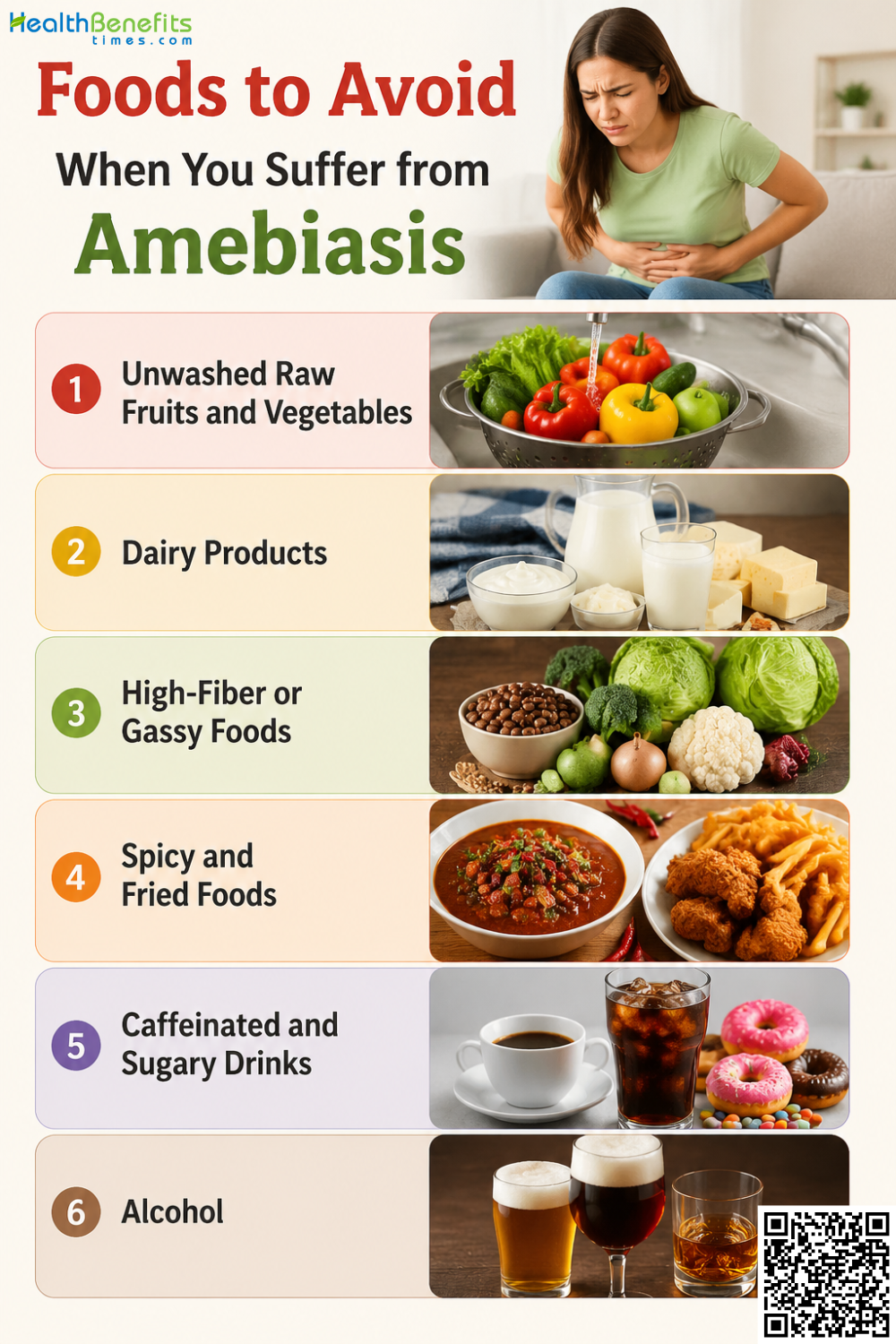
2. Dairy Products
Many individuals experience temporary lactose intolerance during an active intestinal infection, which leads to increased gas, bloating, and diarrhea. Avoiding dairy helps reduce these symptoms. 17
3. High-Fiber or Gassy Foods
Foods like beans, broccoli, and cabbage are difficult to digest and can increase bowel irritation. Temporarily reducing high-fiber intake helps rest the digestive tract. 17
4. Spicy and Fried Foods
Spicy seasonings and greasy, fried items act as digestive irritants that can increase gut motility, worsen cramping, and aggravate severe, watery diarrhea. 17
5. Caffeinated and Sugary Drinks
Caffeine and high-sugar beverages, including soda and concentrated fruit juices, can draw excess water into the bowel, worsening dehydration and loose, frequent stools. 17
6. Alcohol
Alcohol causes inflammation in the intestinal lining and may worsen dehydration, which is already a significant clinical risk during active amebiasis. 2
When to See a Doctor for Amebiasis
If you suspect you have amebiasis, medical consultation is essential to receive an accurate diagnosis and appropriate antiparasitic treatment. Seek immediate professional medical evaluation if you experience the following:
1. Blood or Mucus in Stool
The presence of visible blood or mucus in your stool indicates significant intestinal wall damage, requiring urgent clinical assessment to prevent further complications. 2
2. Persistent High Fever
A sustained fever often signals that the parasite has caused severe inflammation or triggered a systemic infection, necessitating prompt medical intervention and diagnostic testing. 2
3. Severe Abdominal Pain
Intense, sharp, or worsening abdominal pain may suggest a complication, such as a localized perforation or the development of an abscess, which requires emergency medical attention. 2
4. Signs of Dehydration
If you show symptoms like extreme thirst, dizziness, dark urine, or an inability to keep fluids down, seek help immediately to prevent severe, life-threatening fluid loss. 3
5. Symptoms Lasting Over One Week
Diarrhea that continues beyond a few days without improvement warrants a medical evaluation to confirm the diagnosis and ensure the infection is being treated correctly. 2