

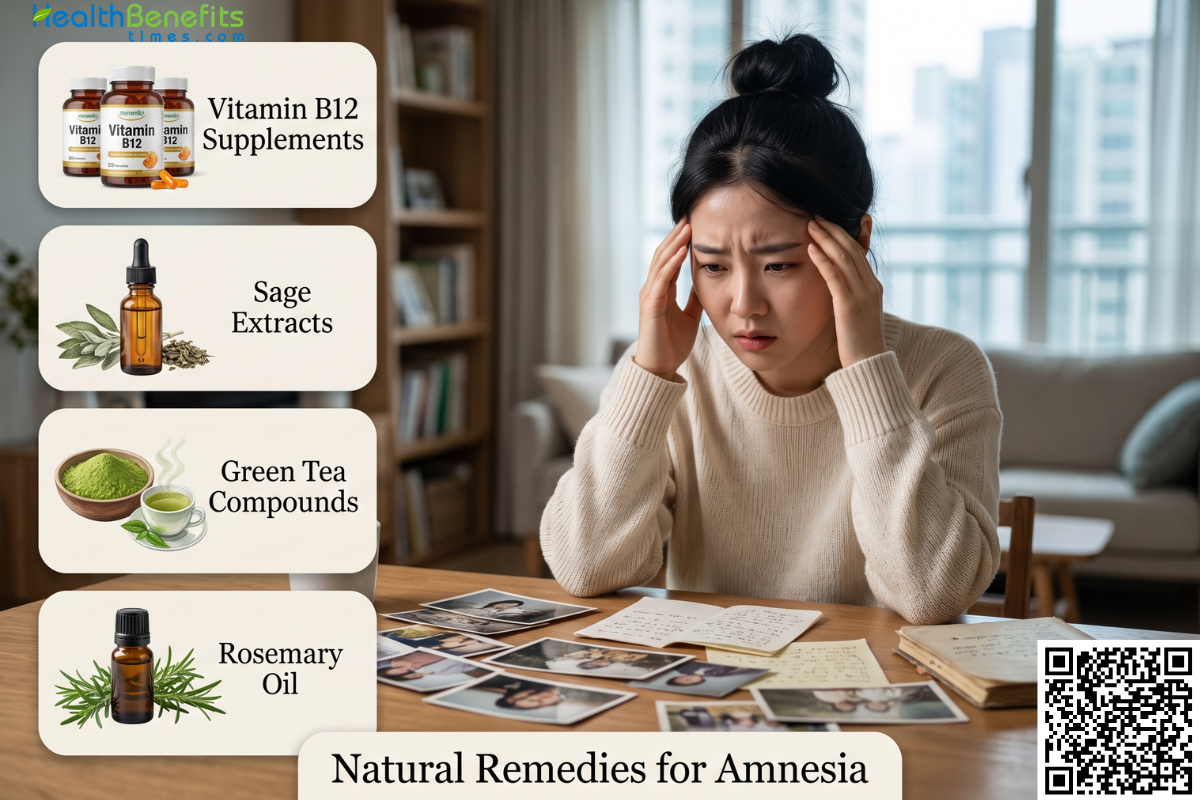
Amnesia refers to the abnormal loss or impairment of memory, which can significantly affect an individual’s ability to recall past experiences, learned information, or recently acquired knowledge. Unlike normal forgetfulness, amnesia typically results from neurological damage, such as traumatic brain injury, stroke, tumor, or degenerative conditions like dementia. The condition manifests in two primary forms: retrograde amnesia, where a person cannot remember events that occurred before the memory loss began, and anterograde amnesia, where the person is unable to form new memories after the triggering event 1. While some cases of temporary memory loss may resolve spontaneously, others require targeted clinical intervention to address the underlying physical or psychological cause. Accurate diagnosis is essential, as memory loss may also be a symptom of broader cognitive impairment that requires specialized long-term medical management 2.
Causes of Amnesia
Amnesia arises when specific areas of the brain responsible for memory processing and storage are damaged or disrupted. These impairments can result from physical injury, neurological disease, or severe psychological trauma. The following are the established clinical causes:
- Traumatic Brain Injury: Significant physical impact to the head, such as from accidents or falls, can cause immediate and lasting damage to brain structures essential for memory formation. 1
- Stroke or Vascular Events: A stroke occurs when blood flow to the brain is interrupted, depriving brain tissue of oxygen and causing cell death in regions that manage memory retrieval. 2
- Neurodegenerative Diseases: Conditions such as Alzheimer’s disease and other forms of dementia progressively damage brain cells, leading to a gradual but persistent decline in memory function. 3
- Brain Infections or Inflammation: Infections such as encephalitis (inflammation of the brain) or meningitis can cause swelling and damage to delicate brain tissues, resulting in cognitive and memory impairment. 4
- Severe Nutritional Deficiencies: A lack of essential vitamins, particularly thiamine (vitamin B1), can lead to Wernicke-Korsakoff syndrome, a condition specifically linked to chronic memory loss. 5
- Psychological or Emotional Trauma: Dissociative amnesia may occur following severe emotional distress or a traumatic event, where the brain suppresses memories as a defense mechanism against overwhelming stress. 1
- Seizure Disorders: Chronic epilepsy or specific types of seizures can affect the parts of the brain responsible for consolidating new information into long-term memory. 6
Symptoms of Amnesia
Amnesia is clinically identified by a persistent inability to recall information or events that would typically be accessible to the memory. The specific symptoms depend on the nature and extent of the underlying neurological impairment:
- Difficulty Learning New Information: An inability to form or retain new memories following the event that caused the brain injury. 1
- Inability to Recall Past Events: Loss of access to memories or biographical details that were stored prior to the onset of the condition. 1
- Confusion or Disorientation: Difficulty understanding the current time, location, or the identity of people, often leading to a sense of being lost in familiar environments. 2
- False Memory Formation: The development of confabulation, where the brain creates or “fills in” fabricated memories to compensate for gaps in actual recall. 1
- Impaired Cognitive Focus: Challenges with concentrating on tasks or following complex instructions, as the brain struggles to process information normally. 3
- Emotional Blunting or Changes: Behavioral shifts or diminished emotional responses, which may occur as a result of the structural brain changes associated with severe memory loss. 1
Natural Remedies for Amnesia
1. Omega-3 Fatty Acids
How it may help
Omega-3 fatty acids, specifically EPA and DHA, are essential components of brain cell membranes. They help support memory by maintaining healthy nerve cell structure, improving communication between brain cells, and reducing inflammation. By nourishing the brain, these healthy fats play a vital role in protecting cognitive processes and supporting overall mental health.
What research says
Research concludes that adequate intake of omega-3 fatty acids is linked to better cognitive performance and a lower risk of age-related memory decline. Studies suggest that these nutrients support the brain’s structural integrity, which is essential for memory retention and processing, especially in individuals facing cognitive challenges or early memory impairment. 7
How to use it safely
You can obtain omega-3s by eating fatty fish like salmon or by taking high-quality fish oil supplements. Follow the dosage recommended on the product label or by your doctor. Always choose supplements tested for purity to ensure they are free from heavy metals like mercury.
Potential precautions or side effects
Omega-3 supplements may increase bleeding risk if you take blood-thinning medications. Some users may experience a fishy aftertaste, nausea, or digestive discomfort. 7
2. Bacopa Monnieri
How it may help
Bacopa monnieri, also known as Brahmi, is an herb traditionally used to support brain health. It contains active compounds called bacosides, which help protect brain cells from damage, improve communication between neurons, and boost the brain’s natural ability to form and store memories, effectively supporting cognitive recovery.
What research says
Clinical research indicates that Bacopa monnieri significantly improves memory recall and learning speed. Studies conclude that consistent use helps reduce anxiety and enhances cognitive processing by supporting healthy brain function, making it a valuable herbal candidate for those experiencing memory impairment or difficulty retaining new information. 8
How to use it safely
You should take standardized Bacopa extracts, as these ensure consistent potency. Follow the guidance of a healthcare professional regarding the appropriate daily dose, as efficacy depends on consistent long-term use rather than immediate results. Always purchase products from certified, reputable sources to ensure quality and safety.
Potential precautions or side effects
You might experience mild digestive issues, such as nausea, stomach cramps, or increased bowel movements. It is generally not recommended for individuals with slow heart rates. 8
3. Curcumin Extracts
How it may help
Curcumin, the primary active compound in turmeric, acts as a powerful antioxidant and anti-inflammatory agent. By reducing chronic brain inflammation and oxidative stress, it helps protect brain cells from damage and encourages the production of proteins that support the growth and survival of neurons, which is critical for memory maintenance.
What research says
Clinical research indicates that curcumin can help slow cognitive decline. Experts conclude that its ability to cross the blood-brain barrier allows it to effectively target inflammatory pathways in the brain, which supports memory retention and may provide neuroprotective benefits against age-related cognitive impairment and memory loss. 9
How to use it safely
You should opt for supplements formulated with piperine (black pepper extract) or those utilizing liposomal technology, as these significantly improve absorption. Always consult your doctor for a safe dose, especially if you have existing health conditions. Take it with meals to enhance digestion and nutrient uptake.
Potential precautions or side effects
You may experience mild gastrointestinal distress, such as diarrhea or yellow stool. Avoid high doses if you are taking blood-thinning medications or have gallbladder disease. 9
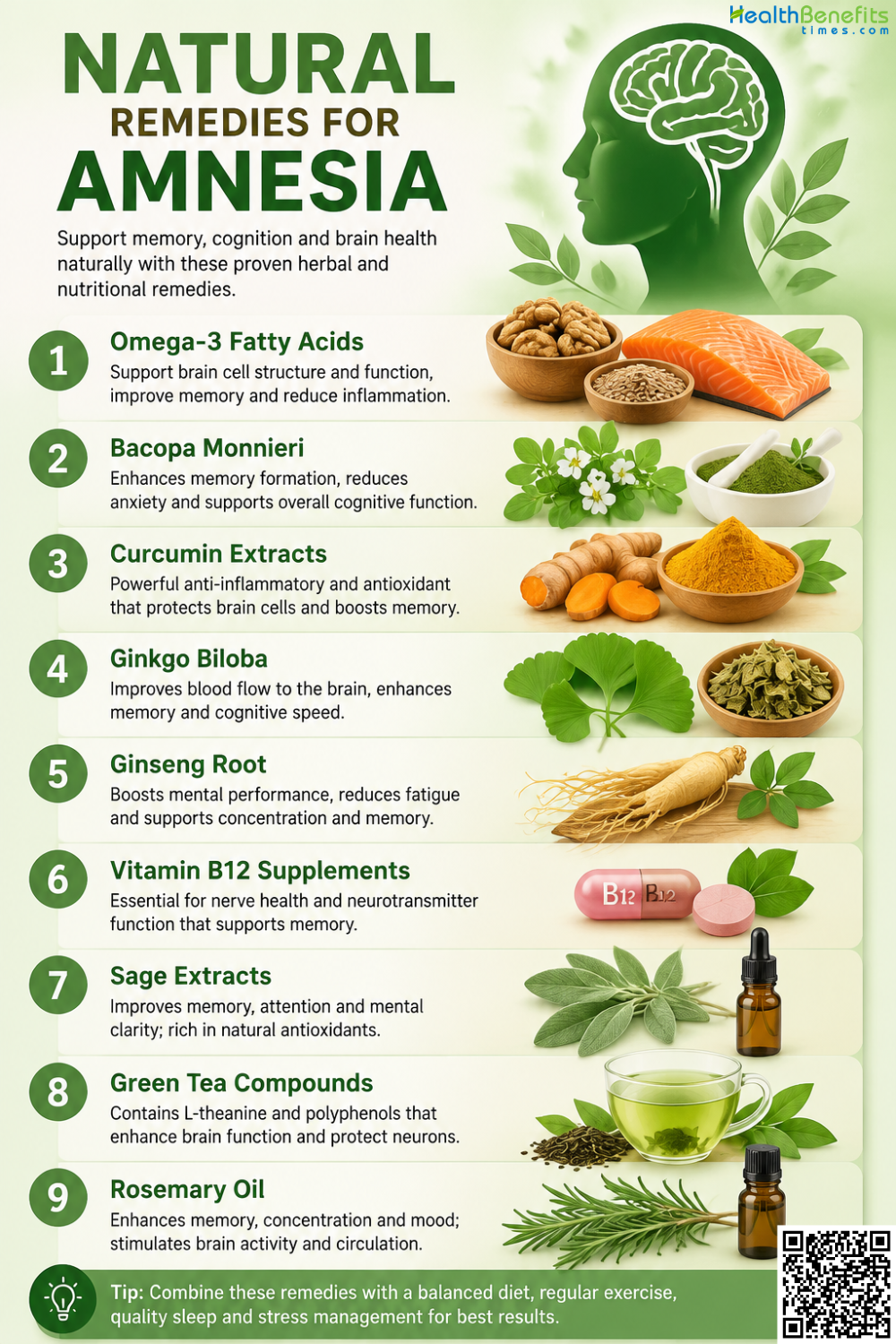
4. Ginkgo Biloba
How it may help
Ginkgo biloba is primarily valued for its ability to improve blood circulation, including blood flow to the brain. By enhancing oxygen and nutrient delivery to brain cells, it supports optimal nerve function and helps protect against the oxidative stress that can contribute to memory impairment and cognitive decline.
What research says
Clinical research concludes that ginkgo biloba extract can help stabilize or slow the decline of cognitive functions in individuals with memory impairment. Studies indicate that it effectively supports memory processes by improving blood flow and protecting neurons from damage, providing a clinical benefit for cognitive maintenance. 10
How to use it safely
Use only standardized extracts that have been verified for quality and safety. Consult your doctor to establish the correct dosage based on your health history. It is crucial to use it consistently over several weeks, as therapeutic benefits are generally observed after a period of sustained, regular intake.
Potential precautions or side effects
You may experience mild headache, dizziness, or stomach upset. Do not use ginkgo if you are taking blood-thinning medications, as it significantly increases the risk of bleeding. 10
5. Ginseng Root
How it may help
Ginseng root, particularly Asian ginseng, acts as an adaptogen that helps the body and brain manage stress. Its active compounds, known as ginsenosides, help improve brain function by boosting cellular energy and supporting healthy nerve communication. This can enhance mental sharpness, focus, and the ability to process and retain new information effectively.
What research says
Clinical research indicates that ginseng can improve cognitive performance and memory in individuals experiencing mild impairment. Studies conclude that consistent use helps protect brain cells from stress-related damage and supports overall mental clarity, making it a valuable tool for maintaining cognitive function and managing early symptoms of memory loss. 11
How to use it safely
You can use standardized ginseng extracts in capsule or powder form. Consult your doctor to determine an appropriate dose, as potency varies. It is best to take it in the morning to avoid potential sleep disturbances, and you should cycle its use rather than taking it continuously for long periods.
Potential precautions or side effects
You might experience insomnia, headaches, or rapid heart rate. Avoid ginseng if you have high blood pressure or are taking blood-thinning, diabetic, or antidepressant medications. 11
6. Vitamin B12 Supplements
How it may help
Vitamin B12 is essential for maintaining the health of nerve cells and supporting the production of myelin, the protective covering of nerves in the brain. Adequate levels are critical for effective memory function; a deficiency can lead to significant cognitive impairment, confusion, and memory loss, making supplementation vital for those with low levels.
What research says
Clinical evidence confirms that vitamin B12 deficiency is a reversible cause of cognitive decline and memory loss. Research concludes that addressing this deficiency through appropriate supplementation can significantly improve cognitive function, restore mental clarity, and help stabilize memory in individuals whose impairment is linked to inadequate intake or poor absorption of the vitamin. 12
How to use it safely
You should only begin supplementation after a blood test confirms a deficiency. Work with your doctor to determine whether oral supplements or injections are necessary based on your ability to absorb the nutrient. Follow recommended clinical dosages strictly, as excessive intake is unnecessary for individuals with healthy levels.
Potential precautions or side effects
Side effects are rare, but excessive intake may occasionally cause mild diarrhea or itching. Inform your doctor about all other medications, as some may interfere with B12 absorption. 12
7. Sage Extracts
How it may help
Sage (Salvia officinalis) contains compounds that act as cholinesterase inhibitors, meaning they help maintain higher levels of a critical chemical messenger in the brain involved in memory and learning. By protecting this messenger from breakdown, sage extracts help sustain cognitive alertness and improve the retrieval of stored information.
What research says
Clinical research indicates that sage extracts significantly enhance cognitive performance, particularly regarding memory recall and attention in both healthy adults and those experiencing cognitive impairment. Studies conclude that its active components effectively support cognitive function, making it a viable herbal aid for individuals seeking to maintain mental clarity and memory stability. 13
How to use it safely
You may use standardized sage extracts in capsule or liquid form to ensure consistent dosing. Consult with a healthcare professional to determine the appropriate amount for your needs. Because some varieties of sage contain high levels of thujone, only choose products specifically labeled for therapeutic and safe internal consumption.
Potential precautions or side effects
You might experience mild digestive irritation or dizziness. Avoid high doses, especially if you have a history of seizures, as some sage varieties can lower seizure thresholds. 13
8. Green Tea Compounds
How it may help
Green tea is rich in polyphenols, specifically epigallocatechin gallate (EGCG), and the amino acid L-theanine. These compounds work together to protect brain cells from oxidative damage, promote the growth of new neurons, and enhance focus. By modulating brain activity, these components support memory retention and protect against cognitive decline.
What research says
Clinical observations conclude that regular consumption of green tea compounds is associated with better cognitive function and a lower risk of memory impairment. Research indicates that EGCG effectively crosses the blood-brain barrier to reduce inflammation, while L-theanine improves cognitive performance by optimizing neural pathways involved in learning and memory storage. 14
How to use it safely
You can consume green tea as a beverage or take concentrated extract supplements. If using extracts, select products standardized for their EGCG content. Always consult your doctor for appropriate dosages, as highly concentrated supplements can interact with medications. Drink or supplement in moderation, ideally earlier in the day.
Potential precautions or side effects
Excessive intake may cause insomnia, jitteriness, or digestive discomfort due to caffeine content. High-dose extracts may also impact liver function or interfere with iron absorption. 14
9. Rosemary Oil
How it may help
Rosemary oil contains 1,8-cineole, a compound that supports cognitive function by enhancing the activity of key neurotransmitters involved in memory. By improving alertness and mental focus, the aromatic properties of this oil help stimulate neural pathways, making it a valuable tool for supporting clarity and aiding the recall of information.
What research says
Clinical research indicates that exposure to the scent of rosemary oil can significantly improve cognitive performance and memory. Studies conclude that the inhalation of these aromatic compounds boosts mental speed and accuracy, supporting its use as a natural aid for maintaining focus and enhancing short-term memory retrieval in both healthy and impaired individuals. 15
How to use it safely
You may use rosemary oil in an aromatherapy diffuser to inhale the scent throughout the day. Alternatively, add a few drops to a cloth for short, intermittent inhalation. Do not ingest essential oils unless directed by a qualified professional, and always ensure your space is well-ventilated during use.
Potential precautions or side effects
Using excessive amounts or highly concentrated oil may cause headaches or respiratory irritation. Individuals with high blood pressure or a history of epilepsy should avoid rosemary oil. 15
Foods to Avoid When You Suffer from Amnesia
When addressing memory impairment or cognitive decline, dietary choices play a critical role in brain health. Certain foods can increase systemic inflammation and oxidative stress, which may exacerbate cognitive symptoms. Please consider limiting the following items to support better brain function:
1. Highly Processed Foods
These items often contain high levels of trans fats and refined sugars, which are linked to increased brain inflammation and impaired memory function over time. 16
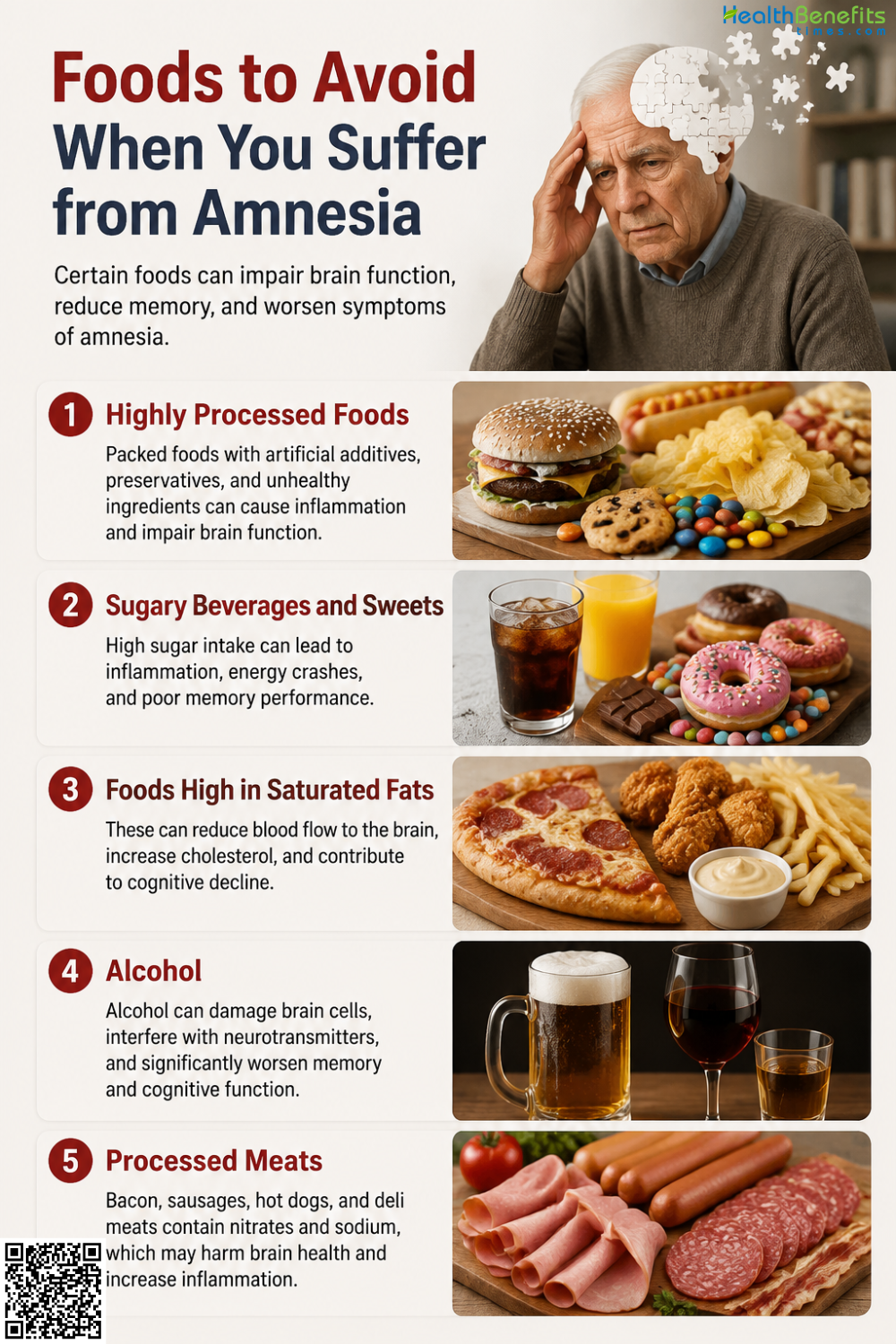
2. Sugary Beverages and Sweets
Excessive intake of added sugars leads to spikes in blood glucose, which can impair neural communication and damage brain areas essential for memory consolidation. 17
3. Foods High in Saturated Fats
Diets rich in saturated fats, often found in fried foods and red meat, may promote neuroinflammation and reduce the brain’s ability to maintain cognitive plasticity. 16
4. Alcohol
Alcohol acts as a neurotoxin that disrupts sleep quality and impairs the brain’s ability to store new information, which is particularly harmful to individuals already struggling with memory. 18
5. Processed Meats
Containing high levels of sodium and preservatives, processed meats can contribute to high blood pressure, which limits healthy blood flow to the brain and impairs cognition. 19
When to See a Doctor When You Struggle With Amnesia
Memory loss that interferes with daily life is not a normal part of aging and requires professional clinical evaluation to identify underlying causes. Seek medical attention immediately if you experience the following:
1. Sudden Memory Loss
An abrupt inability to recall recent events or personal information following an injury or illness requires urgent assessment to rule out neurological emergencies. 1
2. Progressive Cognitive Decline
If memory gaps worsen over time, disrupting your ability to manage work, finances, or personal hygiene, schedule a consultation to screen for neurodegenerative conditions. 3
3. Disorientation in Familiar Places
Frequently getting lost or failing to recognize your surroundings or known individuals signals significant cognitive impairment that demands thorough diagnostic investigation. 3
4. Behavioral or Personality Changes
Significant shifts in temperament, judgment, or social behavior alongside memory loss may indicate localized brain damage or the progression of a chronic illness. 1
5. Accompanying Physical Symptoms
Symptoms such as severe headaches, vision changes, slurred speech, or weakness after a head injury are critical warning signs that require emergency medical intervention. 2