

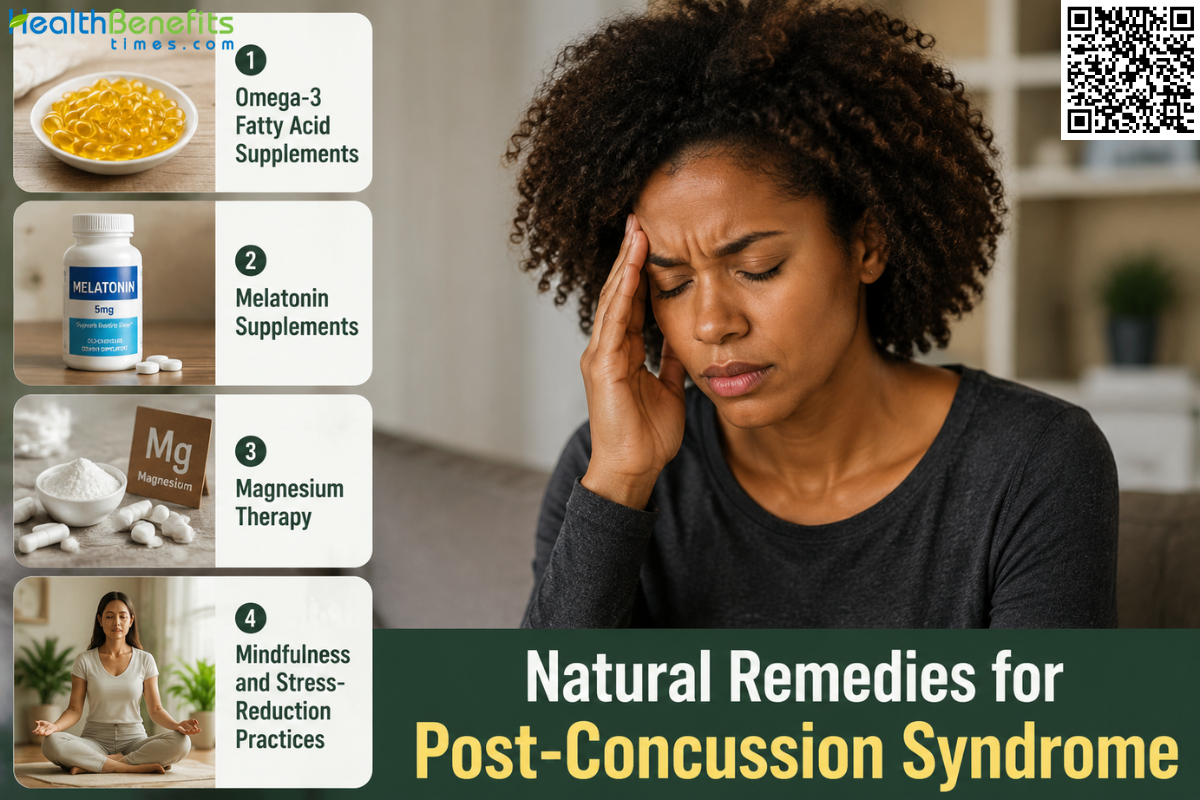
Post-concussion syndrome (PCS) is a medical condition where concussion symptoms persist well beyond the typical recovery time. While most people heal quickly from a mild traumatic brain injury, up to 20 percent experience lingering physical, cognitive, and emotional challenges that can last for months or even years 1. Patients commonly report prolonged headaches, dizziness, severe fatigue, sleep disturbances, and memory issues 2. Clinical evidence indicates that these ongoing symptoms are driven by metabolic disruptions in the brain rather than structural damage visible on traditional imaging 3. Furthermore, the condition occurs more frequently in individuals who have a history of multiple head injuries or preexisting mental health conditions like depression and anxiety 4. Because the disorder heavily disrupts daily functioning, modern treatment protocols prioritize active interventions such as cognitive behavioral therapy and gradual aerobic exercise over strict, prolonged rest 5.
Causes of Post-Concussion Syndrome
- Initial Brain Trauma: The fundamental trigger is a mild traumatic brain injury caused by a direct physical blow, sudden stop, or violent shaking that jolts the brain inside the skull 6.
- Cellular Energy Crisis: The physical jolt triggers a chaotic release of chemicals and disrupts normal blood flow, creating a prolonged energy shortage within the brain cells that delays natural healing 7.
- Microscopic Nerve Stretching: The rotational forces of the injury cause microscopic stretching and fraying of internal nerve pathways, which slows down the electrical communication between different areas of the brain 8.
- Concurrent Neck and Inner Ear Damage: The physical impact frequently injures the neck muscles and the inner ear’s balance center at the same time, directly causing the persistent headaches and dizziness that characterize the syndrome 9.
- Psychological and Nervous System Stress: A prior history of multiple concussions, depression, anxiety, or high stress severely alters the nervous system’s recovery response, making it highly likely for temporary symptoms to evolve into a chronic condition 2.
Symptoms of Post-Concussion Syndrome
- Persistent Headaches: Chronic headaches that feel like severe tension pressure or intense migraines are the most frequent physical complaint following a brain injury 2.
- Dizziness and Balance Loss: Individuals frequently experience a spinning sensation, sudden dizziness, and general unsteadiness, which typically stem from disruptions in the inner ear or visual tracking systems 5.
- Cognitive Impairment: Mental exhaustion, poor concentration, and short-term memory struggles create a lingering mental fog that makes it difficult to read, work, or process new information 1.
- Sensory Sensitivities: The healing brain struggles to filter normal environmental details, resulting in a severely lowered tolerance for bright lights, loud sounds, or crowded spaces 10.
- Sleep Disturbances and Fatigue: The brain’s natural sleep-wake cycle is often disrupted, leading to insomnia, sleeping much longer than usual, and severe daytime exhaustion that does not improve with rest 11.
- Emotional Instability: Chemical changes in the brain, combined with the daily frustration of chronic symptoms, commonly trigger sudden mood swings, uncharacteristic irritability, anxiety, and depression 2.
Natural Remedies for Post-Concussion Syndrome
1. Gradual Low-Intensity Aerobic Exercise
How it may help
Gradual, low-intensity aerobic exercise helps heal the brain by improving blood flow and restoring normal function to the nervous system. This controlled physical activity encourages the brain to repair its cellular energy levels and reduces the physiological stress that causes ongoing concussion symptoms 12.
What research says
Clinical studies demonstrate that engaging in aerobic exercise just below the level that triggers symptoms significantly speeds up recovery. Modern medical guidelines conclude that this active physical rehabilitation is much more effective at reducing long-term symptom burden than the outdated method of strict, prolonged rest 13.
How to use it safely
Begin with a highly controlled activity like walking or riding a stationary bike. Keep your heart rate low enough that your symptoms do not increase. You should exercise for short periods initially, slowly adding time and intensity only as your body tolerates it without flare-ups 14.
Potential precautions or side effects
Stop exercising immediately if your headache, dizziness, or fatigue worsens. You must strictly avoid contact sports, heavy lifting, and any activity carrying a risk of another head injury 10.
2. Cognitive Behavioral Therapy
How it may help
Cognitive behavioral therapy helps individuals manage the complex emotional challenges tied to brain injury, such as anxiety, depression, and sleep disturbances. By teaching patients to reframe negative thought patterns and reduce their intense focus on symptoms, this therapy lowers nervous system stress, which indirectly supports natural physical recovery 15.
What research says
Clinical meta-analyses demonstrate that cognitive behavioral therapy effectively improves depression, anxiety, and social integration in patients with long-lasting concussion symptoms 16. Furthermore, targeted therapy for insomnia successfully restores normal sleep cycles, which directly predicts a significant reduction in overall post-concussion symptom severity 17.
How to use it safely
Work with a licensed psychologist who specializes in brain injury or chronic pain rehabilitation. Attend regular sessions and consistently practice the prescribed coping strategies, relaxation techniques, and sleep hygiene exercises at home to train your brain to respond differently to physical and emotional stress.
Potential precautions or side effects
Discussing trauma may temporarily increase emotional distress during early sessions. This treatment also requires a significant commitment of time and mental energy to practice the necessary coping skills daily.]
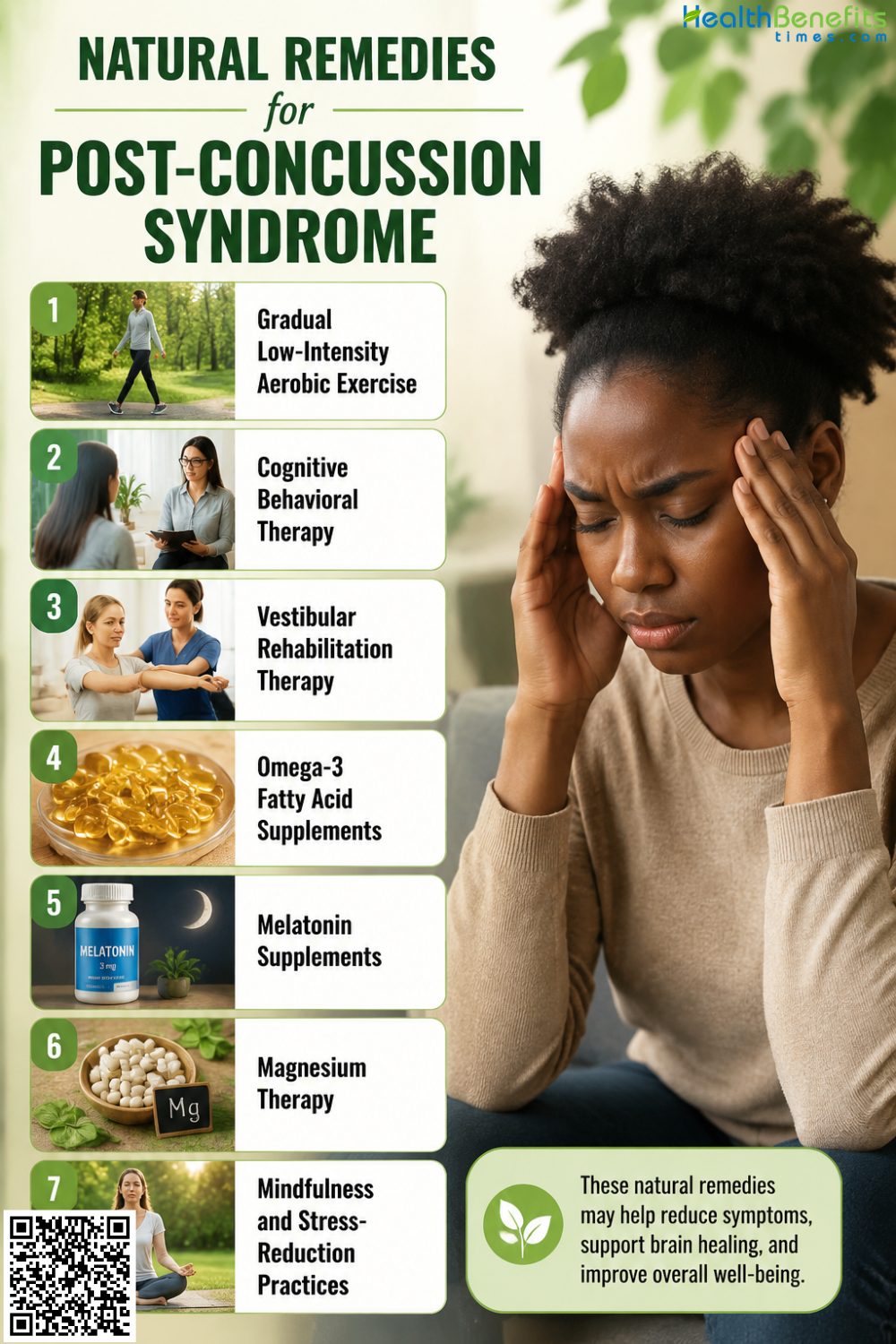
3. Vestibular Rehabilitation Therapy
How it may help
Vestibular rehabilitation therapy resolves dizziness and balance issues by retraining the brain to correctly process sensory information. The treatment utilizes targeted head, eye, and body movements to repair the broken communication between the inner ear’s balance center and the visual system, restoring spatial stability 18.
What research says
Clinical evidence confirms that specialized vestibular rehabilitation significantly reduces chronic dizziness and improves postural control in post-concussion patients. Medical trials conclude that individuals who complete these targeted exercise programs recover their normal balance and return to daily activities much faster than those lacking intervention 19.
How to use it safely
You must consult a trained physical therapist to receive a customized exercise program for your specific deficits. Perform the prescribed eye-tracking and balance movements daily in a safe, clear environment. Start slowly and gradually increase the difficulty only as your symptom tolerance improves.
Potential precautions or side effects
These specific movements intentionally provoke the inner ear, so expect temporary increases in dizziness and mild nausea. Always conduct standing balance exercises near a sturdy support to prevent falls.
4. Omega-3 Fatty Acid Supplements
How it may help
Omega-3 fatty acids, specifically EPA and DHA, are essential building blocks for brain cell membranes. Following a concussion, these nutrients help repair damaged tissue by directly reducing brain inflammation and lowering the physical cellular stress that naturally delays healing 20.
What research says
Extensive clinical reviews demonstrate that higher omega-3 levels significantly lessen the harmful effects of traumatic brain injuries. Medical data concludes that these supplements actively protect brain structures, reduce overall cell loss, and minimize long-lasting neurological dysfunction throughout the post-concussion recovery period 21.
How to use it safely
Consult a doctor to establish a safe dosage before starting. Choose high-quality fish oil or algae-based supplements to ensure you receive adequate EPA and DHA. Take the supplement daily alongside a full meal to maximize absorption and prevent stomach discomfort 22.
Potential precautions or side effects
High doses of omega-3 supplements can thin your blood and increase bleeding risks. Common minor side effects include a fishy aftertaste, bad breath, or mild digestive upset like diarrhea 23.
5. Melatonin Supplements
How it may help
Melatonin is a natural hormone that regulates the sleep-wake cycle, which is frequently disrupted after a head injury. Beyond improving sleep, melatonin acts as a powerful antioxidant that protects damaged brain cells by directly reducing inflammation and physical stress within the nervous system 24.
What research says
Clinical reviews indicate that melatonin supplementation effectively resolves post-concussion sleep disturbances like insomnia and frequent waking 25. Furthermore, medical data demonstrates its significant neuroprotective properties, showing that it actively prevents cellular death, reduces brain swelling, and limits long-term neurological damage following a traumatic brain injury 26.
How to use it safely
Consult a physician to establish a safe dosage. Typically, you should take the supplement 30 to 60 minutes before your desired bedtime. Maintain a dark environment and turn off bright screens to maximize the hormone’s natural ability to signal your brain to initiate sleep 27.
Potential precautions or side effects
Melatonin commonly causes morning grogginess, vivid dreams, or mild daytime sleepiness. You must never mix it with alcohol or prescription sedatives, which can dangerously depress the central nervous system.
6. Magnesium Therapy
How it may help
Following a concussion, the brain rapidly loses magnesium, which disrupts cellular energy and allows harmful amounts of calcium into brain cells 28. Magnesium therapy helps restore these depleted levels, block the toxic calcium influx, and reduce secondary nerve damage and inflammation 29.
What research says
Clinical observations demonstrate that low magnesium levels in the blood strongly predict poorer neurological outcomes after a traumatic brain injury 30. Medical studies suggest that replenishing magnesium can successfully preserve brain cells, reduce localized swelling, and improve functional recovery during the secondary phase of healing 28.
How to use it safely
You must consult a healthcare provider to determine a safe magnesium dosage tailored to your specific needs 31. It is best to take magnesium supplements with meals for proper absorption and never mix them with prescription medications without medical supervision 31.
Potential precautions or side effects
Excessive magnesium from supplements frequently causes digestive issues like diarrhea, nausea, and abdominal cramping 31. Furthermore, high doses can directly interfere with the absorption of common antibiotics and osteoporosis medications 31.
7. Mindfulness and Stress-Reduction Practices
How it may help
Mindfulness and stress-reduction techniques calm an overactive nervous system, which is frequently dysregulated after a brain injury. By lowering the body’s natural stress response, these practices directly reduce the muscle tension, anxiety, and mental exhaustion that make post-concussion headaches and cognitive difficulties worse 32.
What research says
Clinical trials conclude that mindfulness-based stress reduction significantly improves mental health following a traumatic brain injury. Medical data demonstrates that consistent meditation directly lowers depression rates, improves attention span, and reduces the perceived severity of lingering post-concussion symptoms 33.
How to use it safely
Begin with short, five-minute guided breathing exercises in a quiet, dimly lit room to avoid sensory overload. You can gradually increase the duration as your concentration improves. Practice these relaxation techniques daily to help your brain manage routine stress more effectively 34.
Potential precautions or side effects
Intense inward focus can occasionally trigger sudden anxiety or make you hyper-aware of your physical symptoms. Stop the exercise immediately if you feel overwhelmed, dizzy, or emotionally distressed 35.
Foods to Avoid When You suffer from Post-Concussion Syndrome
1. Alcohol
Medical guidelines strictly prohibit alcohol consumption because it slows neurological recovery, severely disrupts sleep, and increases the risk of sustaining another brain injury 4.
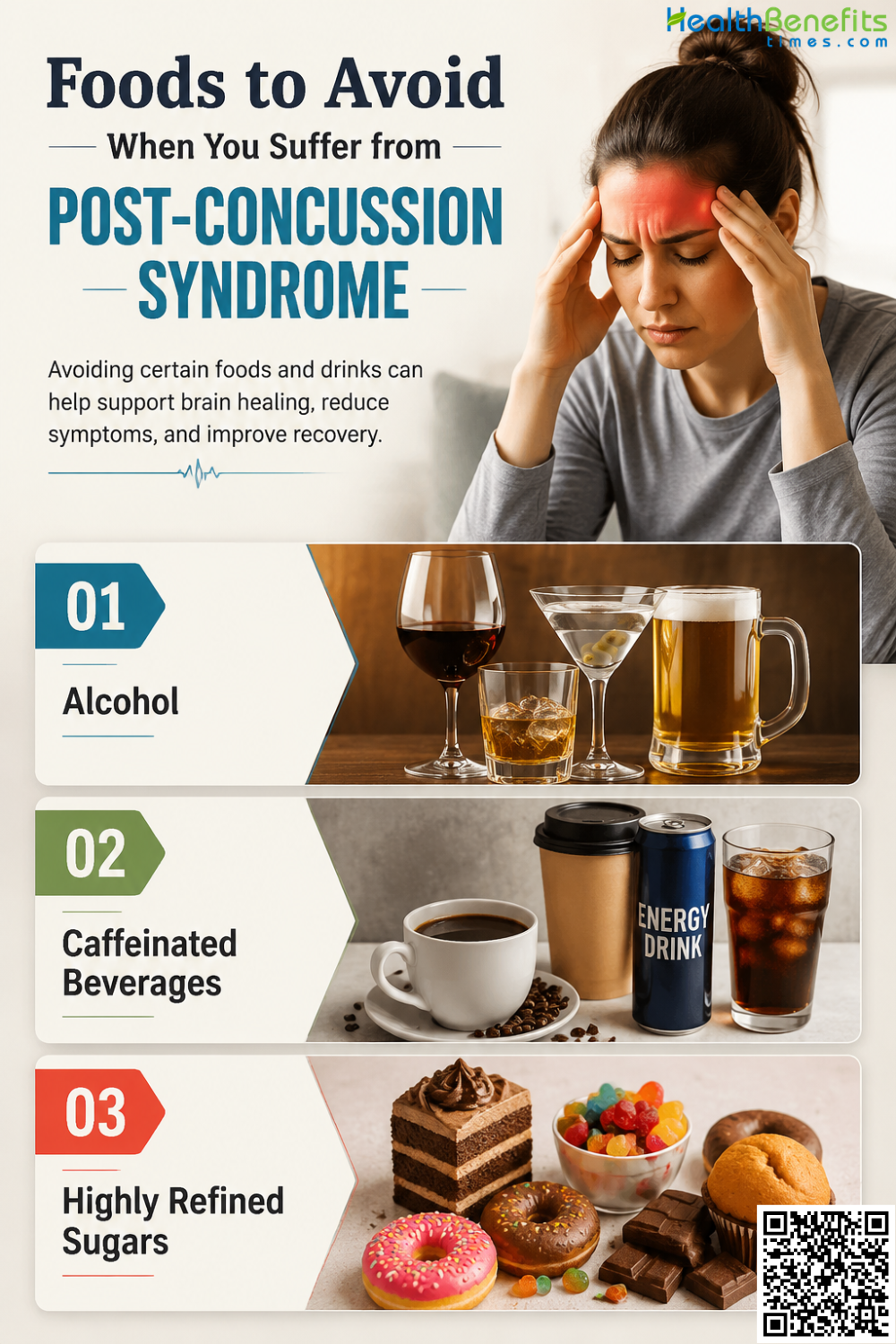
2. Caffeinated Beverages
High caffeine intake disrupts the sleep cycle and triggers anxiety, which directly worsens the extreme fatigue and emotional instability common during concussion recovery 2.
3. Highly Refined Sugars
Diets high in processed sugars promote systemic inflammation, which disrupts healthy cellular function and actively impairs the necessary repair processes within the injured brain 36.
When to See a Doctor When You Struggle from Post-Concussion Syndrome
1. Worsening Headaches
Seek immediate medical care if your headaches suddenly become more severe, frequent, or fail to respond to standard medications, as this may indicate dangerous brain swelling 37.
2. Repeated Vomiting or Nausea
You must visit an emergency room if you experience persistent or repeated vomiting, which is a critical warning sign of increasing pressure inside the skull 37.
3. New or Worsening Confusion
Seek urgent help if you experience sudden confusion, extreme drowsiness, or an inability to recognize familiar people, as these changes signal a potential neurological emergency 37.
4. Severe Mood Changes
Consult a doctor if you develop extreme emotional shifts, severe depression, or suicidal thoughts, as these require professional psychiatric intervention and targeted medical support 2.
5. Symptoms Lasting Beyond Three Months
Schedule a specialized medical evaluation if your daily symptoms linger beyond three months, as you may require a targeted, multi-disciplinary rehabilitation program to properly recover 5.