

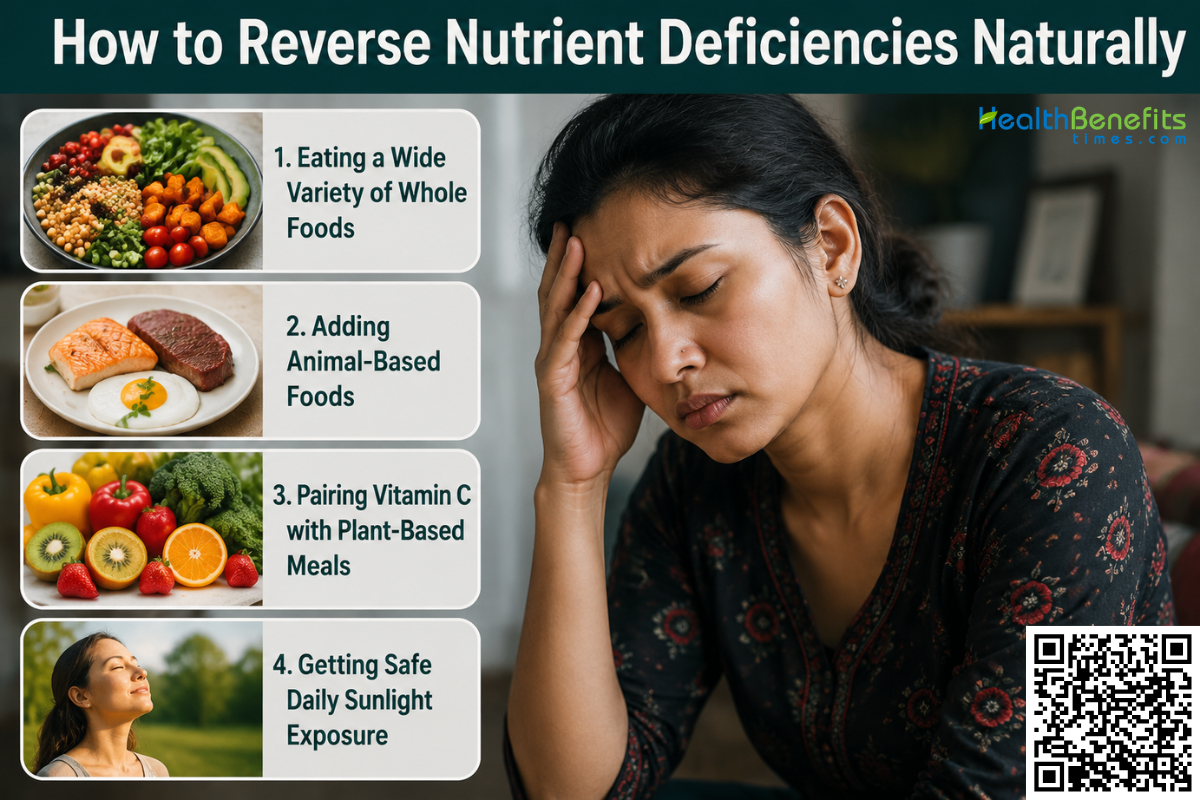
Nutrient deficiencies occur when the human body does not absorb or consume a sufficient amount of essential vitamins and minerals required for normal physical function. These clinical shortages typically develop from an inadequate daily diet, increased metabolic demands, or underlying digestive conditions that physically block nutrient absorption in the gut 1. When the body lacks crucial micronutrients, it cannot properly maintain cellular metabolism, produce vital enzymes, or build strong tissues. The World Health Organization reports that prolonged shortages in key nutrients specifically iron, iodine, and vitamin A directly cause severe health complications, including anemia, irreversible cognitive impairment, and widespread immune system failure 2. Diagnosing and treating these deficiencies early through targeted dietary interventions or prescribed clinical supplementation is essential to restore normal biological operations and prevent long-term bodily damage 3.
Causes of Nutrient Deficiencies
1. Inadequate Dietary Intake
A primary cause of nutrient deficiencies is the insufficient consumption of essential vitamins and minerals through daily food choices. When individuals consume diets that lack variety, feature low amounts of animal-source foods, or rely heavily on highly processed items, the body fails to receive adequate levels of essential nutrients like iron, vitamin A, and zinc 4. This sustained negative nutritional balance disrupts normal cellular functions and metabolic processes, leading to widespread clinical malnutrition in populations lacking dietary diversity 4.
2. Malabsorption Disorders
Gastrointestinal conditions can physically prevent the intestines from absorbing nutrients, even when a person eats a highly nutritious diet. Diseases affecting the inner lining of the small intestine, such as Celiac disease and Crohn’s disease, severely damage the digestive barrier, impairing the movement of critical nutrients from food into the bloodstream 5. Furthermore, conditions affecting the pancreas or gallbladder hinder the normal breakdown of dietary fats, leading to systemic shortages of fat-soluble vitamins and essential minerals 6.
3. Increased Physiological Demand
Certain biological states naturally elevate the body’s need for vitamins and minerals, making standard dietary intake inadequate for maintaining normal health. During pregnancy and lactation, the maternal body demands significantly higher concentrations of elements such as iron, iodine, and folate to support fetal development, tissue growth, and increased blood volume 7. Similarly, physical stress from chronic infections, including tuberculosis or HIV/AIDS, aggressively depletes the body’s nutritional reserves by escalating immune system activity and altering cellular metabolism 7.
4. Medication-Induced Nutrient Depletion
Long-term use of certain prescription medicines frequently interferes with how the body absorbs, distributes, and removes vital micronutrients. The prolonged use of stomach acid suppressants, specifically medications used for severe heartburn or ulcers, directly alters the digestive tract’s environment, leading to clinically significant malabsorption and subsequent deficiency of vitamin B12 8. Additionally, some therapeutic drugs utilize the same biological pathways as specific dietary minerals, actively depleting the body’s natural nutritional stores over time 8.
5. Bariatric and Gastrointestinal Surgeries
Surgical procedures designed for weight loss or the treatment of severe bowel diseases structurally alter the digestive anatomy, fundamentally reducing the body’s capacity to extract nutrients from food. Procedures like gastric bypass reroute digestion away from the primary absorptive sections of the small intestine, resulting in a dramatic decrease in the functional surface area available for nutrient uptake 9. Consequently, these permanent physical changes significantly increase the lifelong risk of severe shortages in critical elements such as vitamin D, iron, and folate 9.
Symptoms of Nutrient Deficiencies
1. Severe Fatigue and Physical Weakness
A persistent lack of energy and general physical weakness are primary indicators of insufficient iron or vitamin B12 in the body. When the human body lacks these specific nutritional elements, it cannot produce enough healthy red blood cells to carry sufficient oxygen to vital organs and tissues 10. This reduced oxygen supply directly impairs normal cellular energy production, leaving individuals feeling constantly exhausted and physically drained regardless of their sleep quality 11.
2. Bone Pain and Muscle Aches
Continuous, deep pain within the bones accompanied by chronic muscle weakness frequently signals a severe shortage of vitamin D and calcium. Vitamin D is biologically essential for the human digestive system to absorb calcium effectively, and long-term shortages cause the skeletal structure to become dangerously soft and physically weak 12. In adults, this prolonged deficiency directly results in a painful clinical condition called osteomalacia, which significantly increases the risk of sudden bone fractures 12.
3. Numbness and Tingling in Hands and Feet
Experiencing a persistent “pins and needles” sensation in the extremities is a serious neurological symptom often caused by a severe lack of vitamin B12. This specific vitamin is medically required to produce and maintain myelin, a protective physical coating that surrounds and insulates human nerve cells 13. When B12 levels drop too low, this protective nerve covering slowly breaks down, leading to direct nerve damage that disrupts sensory communication between the brain and the physical limbs 13.
4. Poor Night Vision and Severe Eye Dryness
An inability to see clearly in low-light environments, medically known as night blindness, is the most common early physical symptom of vitamin A deficiency. The eyes biologically require vitamin A to produce rhodopsin, a critical light-sensitive protein located in the retina 14. Without adequate medical intervention, this nutritional shortage severely dries out the surface of the cornea and can rapidly progress to irreversible blindness 14.
5. Mouth Ulcers and Cracked Lips
Painful sores inside the mouth, a swollen tongue, or deep, bleeding cracks at the outer corners of the lips frequently point to active deficiencies in essential B vitamins or iron. The sensitive tissues lining the human mouth and tongue require a constant, daily supply of these specific nutrients for rapid cell reproduction and normal tissue repair 15. When these elements are clinically scarce in the bloodstream, the delicate oral tissues cannot heal properly, resulting in visible lesions, chronic tissue inflammation, and physical pain while eating 15.
How to Reverse Nutrient Deficiencies Naturally
1. Eating a Wide Variety of Whole Foods
How it may help
Consuming a diverse range of unprocessed foods directly supplies the body with essential vitamins and minerals in their most natural, easily absorbable forms. This dietary diversity ensures that multiple nutritional gaps are corrected simultaneously, restoring normal cellular function and preventing physical deterioration associated with chronic malnourishment 16.
What research says
Clinical studies confirm that increasing dietary diversity is the most effective method to achieve adequate micronutrient levels. The World Health Organization concludes that a daily diet rich in varied whole foods protects against severe malnutrition and significantly reduces the risk of long-term conditions like heart disease 16.
How to use it safely
You should build daily meals that include a mix of fresh fruits, vegetables, whole grains, and lean proteins. To ensure safety and maximize nutritional benefits, thoroughly wash all raw produce before eating to remove harmful bacteria and potential chemical residues 17.
Potential precautions or side effects
Rapidly increasing your intake of fiber-rich whole foods may cause temporary digestive discomfort, including gas or bloating 18. Always monitor for unexpected allergic reactions when introducing new foods.
2. Adding Animal-Based Foods
How it may help
Animal-based foods supply the human body with highly absorbable forms of essential nutrients, specifically vitamin B12 and heme iron. Because these specific nutrients are naturally absent in plant foods, consuming meat, eggs, and dairy directly restores crucial red blood cell production and repairs damaged nerve tissues 13.
What research says
Clinical research concludes that animal-source foods are the only natural dietary sources of vitamin B12. The National Institutes of Health confirms that individuals who strictly avoid meat and dairy face a severe risk of developing permanent neurological damage and severe anemia without clinical intervention 13.
How to use it safely
You should incorporate lean meats, poultry, eggs, and pasteurized dairy into your regular meals to safely build nutrient levels. Always cook raw meat to the medically recommended internal temperatures to destroy harmful bacteria and prevent severe foodborne illnesses 19.
Potential precautions or side effects
Consuming excessive amounts of highly processed meats or high-fat red meats significantly increases your long-term risk of developing cardiovascular disease and elevated cholesterol levels 20.
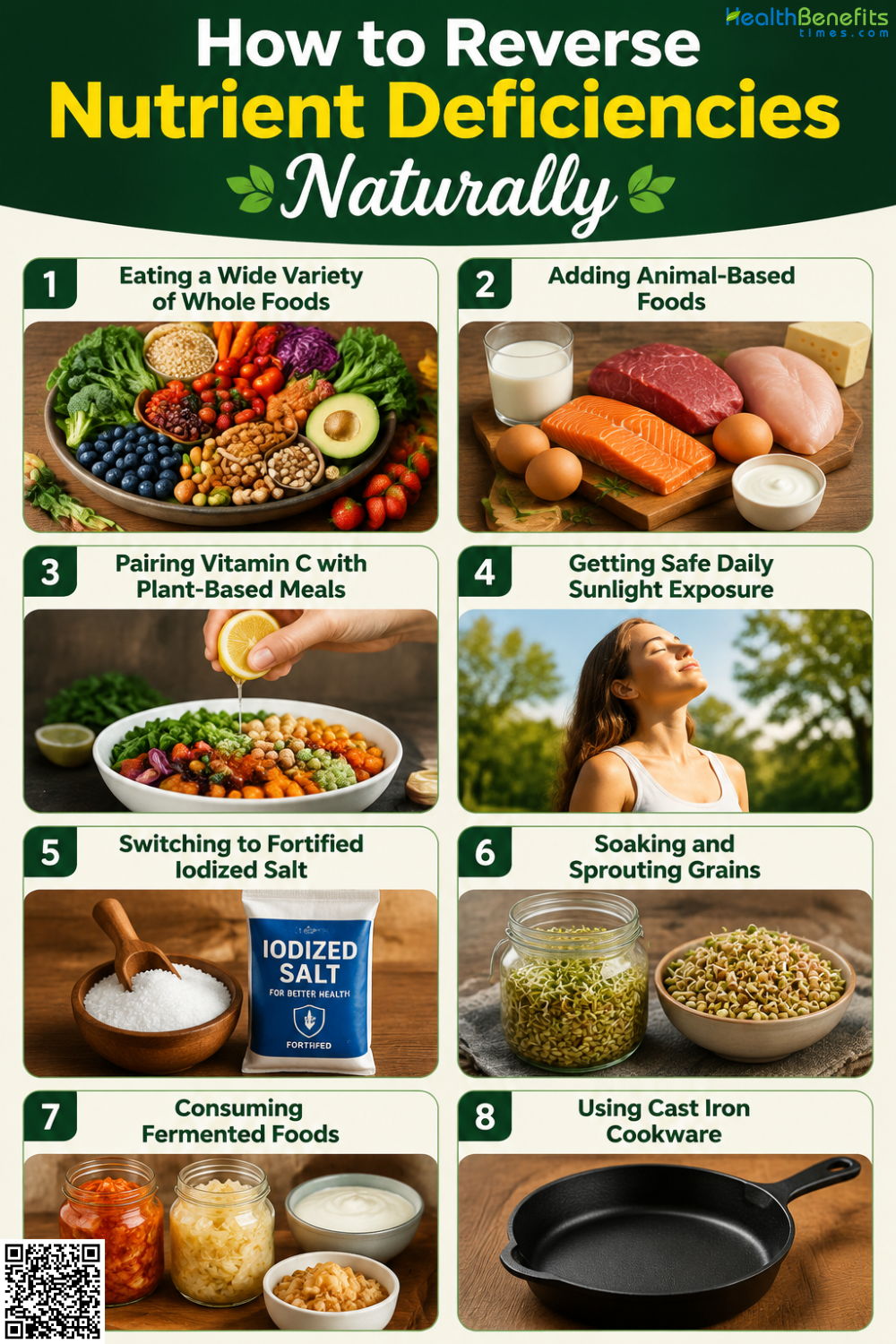
3. Pairing Vitamin C with Plant-Based Meals
How it may help
Consuming foods rich in vitamin C alongside plant-based iron sources chemically alters the iron, making it significantly easier for the intestines to absorb. This natural combination successfully overcomes the body’s natural difficulty in extracting iron from plants, directly restoring healthy blood levels and preventing severe fatigue 11.
What research says
Clinical guidelines conclude that vitamin C strongly enhances the biological absorption of non-heme iron found in vegetables and grains. The National Institutes of Health reports that pairing vitamin C with plant foods effectively counteracts natural dietary compounds, like phytates, which typically block iron absorption in the gut 11.
How to use it safely
You should eat natural sources of vitamin C, such as fresh citrus fruits or bell peppers, at the exact same time you consume iron-rich beans or spinach. Simply squeezing fresh lemon juice over vegetables safely maximizes iron absorption without requiring artificial clinical supplements 21.
Potential precautions or side effects
Consuming highly acidic citrus fruits in large amounts may trigger painful heartburn or worsen symptoms for individuals diagnosed with severe acid reflux or active stomach ulcers 22.
4. Getting Safe Daily Sunlight Exposure
How it may help
Direct sunlight exposure on bare skin triggers the human body to naturally produce vitamin D. This essential nutrient is biologically required for the digestive system to absorb calcium effectively, directly strengthening the skeletal structure and preventing painful bone-softening conditions caused by a severe vitamin D deficiency 12.
What research says
Clinical research confirms that exposing bare skin to ultraviolet rays is the primary natural method for sustaining healthy vitamin D levels. The National Institutes of Health reports that short, consistent sun exposure generates enough vitamin D to maintain normal cellular function and prevent severe skeletal disorders 12.
How to use it safely
You should expose your face, arms, or back to direct sunlight for ten to fifteen minutes a few days each week. To safely build your nutrient levels without risking tissue damage, avoid prolonged outdoor exposure during the peak ultraviolet hours of the midday sun 23.
Potential precautions or side effects
Prolonged, unprotected ultraviolet exposure causes painful sunburns and directly damages human skin cells, significantly increasing your lifelong clinical risk of developing severe skin cancer 23.
5. Switching to Fortified Iodized Salt
How it may help
Replacing standard table salt with fortified iodized salt directly supplies the body with iodine, a critical trace mineral. The thyroid gland biologically requires this specific nutrient to produce hormones that regulate cellular metabolism, normal physical growth, and energy production, thereby preventing severe deficiency-related conditions like goiters 24.
What research says
Clinical authorities recognize salt iodization as the most effective global strategy to eliminate iodine deficiency. The National Institutes of Health concludes that consistently using iodized salt safely restores healthy iodine levels, directly preventing irreversible brain damage in infants and severe thyroid dysfunction in adults 24.
How to use it safely
You should replace your regular cooking and table salt with the iodized version without increasing your overall daily salt consumption. To protect your cardiovascular health, strictly limit your total salt intake to less than one teaspoon per day as recommended by medical guidelines 25.
Potential precautions or side effects
Consuming excessive amounts of any salt severely elevates your blood pressure, significantly increasing your long-term clinical risk of developing chronic heart disease and suffering a stroke 25.
6. Soaking and Sprouting Grains
How it may help
Soaking and sprouting grains activate natural enzymes that break down phytic acid, an anti-nutrient that tightly binds to minerals in the digestive tract. This simple process unlocks trapped iron, zinc, and calcium, allowing the human body to absorb these essential elements efficiently from everyday plant-based foods 26.
What research says
Clinical research confirms that germinating cereals and legumes significantly reduces their natural phytate levels. National Institutes of Health data demonstrates that sprouting can decrease these mineral-binding compounds by up to 85 percent, which substantially improves the biological availability and bodily absorption of essential dietary iron and zinc 27.
How to use it safely
You should thoroughly rinse raw grains, submerge them in clean water overnight, and drain them completely. Keep them well-ventilated, rinsing daily until they sprout. You must cook sprouted grains thoroughly before eating to destroy harmful bacteria that naturally thrive during the warm, moist sprouting process 28.
Potential precautions or side effects
Consuming raw or undercooked sprouts significantly increases your risk of developing severe foodborne illnesses, such as Salmonella or E. coli infections, which cause dangerous gastrointestinal distress 28.
7. Consuming Fermented Foods
How it may help
Consuming fermented foods introduces beneficial live bacteria into the digestive tract and naturally breaks down chemical compounds that block nutrient absorption. This biological process makes essential dietary minerals, specifically iron and zinc, and naturally occurring B vitamins significantly easier for the human gut to absorb and utilize 29.
What research says
Clinical studies confirm that the natural fermentation process significantly reduces phytic acid, a natural compound in plants that severely inhibits mineral uptake. The National Institutes of Health reports that fermented diets directly improve gut health and physically increase the bloodstream’s absorption of critical nutrients like calcium, iron, and zinc 29.
How to use it safely
You should gradually introduce unpasteurized fermented items, such as plain yogurt, kefir, or traditional sauerkraut, into your daily meals. To ensure food safety and protect the beneficial live bacteria, always store these specific foods at safely refrigerated temperatures to prevent the rapid growth of harmful pathogens 30.
Potential precautions or side effects
Rapidly increasing your intake of live fermented foods frequently causes temporary digestive bloating and excessive gas as your intestinal bacteria actively adjust to the new dietary changes 18.
8. Using Cast Iron Cookware
How it may help
Cooking meals in traditional cast iron pots physically transfers elemental iron directly into your food. This natural leaching process safely fortifies everyday meals, providing the human body with an easily accessible source of dietary iron to build healthy red blood cells and combat severe anemia 31.
What research says
Clinical studies demonstrate that cooking in cast iron significantly increases the iron content of food, particularly when preparing acidic meals. Scientific reviews conclude that regular use of iron cookware effectively raises hemoglobin levels in the bloodstream, serving as a reliable intervention for iron deficiency anemia 31.
How to use it safely
You should frequently use cast iron pans to simmer moisture-rich or highly acidic foods, such as tomatoes, which naturally draw out the most iron. To maximize bodily absorption, consume these iron-enriched meals alongside vitamin C-rich vegetables as medically recommended 11.
Potential precautions or side effects
Individuals diagnosed with hemochromatosis, a genetic condition causing dangerous iron buildup, must strictly avoid cast iron cookware to prevent severe liver damage and organ failure 32.
Foods to Avoid When You Suffer from Nutrient Deficiencies
Correcting a nutrient deficiency requires more than just increasing vitamin and mineral intake; it also necessitates removing dietary elements that actively block nutrient absorption. Certain foods and beverages contain natural chemical compounds that tightly bind to essential minerals in the digestive tract, physically preventing them from entering the bloodstream 26. Additionally, consuming highly processed ingredients displaces the nutrient-dense whole foods required for cellular repair and actively depletes your existing nutritional reserves. To successfully restore healthy internal levels and ensure that prescribed clinical supplements work correctly, you must temporarily restrict specific dietary items that actively interfere with gastrointestinal absorption and normal digestive function 1.
1. Black Tea and Coffee
Black tea and coffee contain natural tannins that tightly bind to dietary iron in the digestive tract, severely preventing your body from absorbing this critical mineral during meals 11.
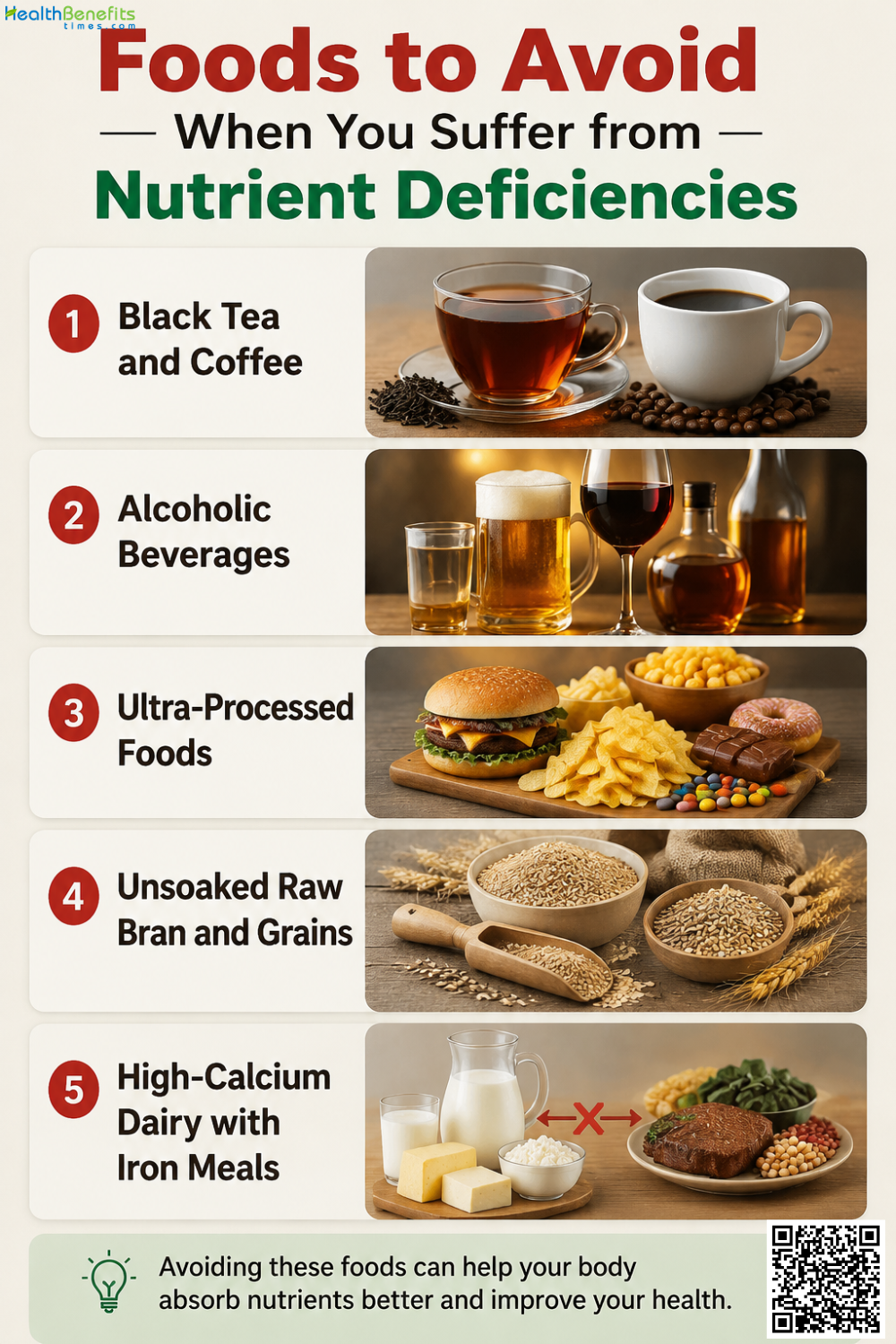
2. Alcoholic Beverages
Alcohol physically damages the intestinal lining and forces rapid nutrient excretion, completely blocking the absorption of critical B vitamins and actively depleting your existing mineral stores 33.
3. Ultra-Processed Foods
Highly processed foods offer high calories but zero nutritional value. Eating these empty calories displaces nutrient-dense whole foods from your diet, directly worsening severe vitamin and mineral shortages 1.
4. Unsoaked Raw Bran and Grains
Raw bran contains high levels of phytic acid, a natural chemical compound that traps dietary iron, calcium, and zinc in the gut, making them completely unabsorbable by your body 26.
5. High-Calcium Dairy with Iron Meals
Consuming high-calcium dairy products alongside iron-rich foods severely inhibits iron uptake. Calcium directly competes with iron in the gut, actively preventing this crucial mineral from entering your bloodstream 11.
When to see Doctor when you struggle from Nutrient Deficiencies
While minor nutritional gaps can often be corrected through dietary adjustments, severe nutrient deficiencies cause progressive biological damage requiring immediate clinical diagnosis. Ignoring advanced physical symptoms significantly increases the risk of irreversible nerve damage, chronic organ dysfunction, and severe cognitive decline 1. A physician must scientifically evaluate your blood levels to determine the exact micronutrient shortage and prescribe the correct clinical dosage of supplements 3. You must seek professional medical care if you experience persistent physical decline or if your symptoms worsen despite actively improving your daily diet.
1. Unexplained Numbness or Tingling
See a doctor immediately if you experience persistent numbness in your hands or feet, as this indicates severe nerve damage from a critical vitamin B12 deficiency 13.
2. Chronic Fatigue and Weakness
Consult a physician if you feel constantly exhausted despite resting. This severe physical weakness is a primary clinical sign of advanced iron deficiency anemia requiring medical treatment 10.
3. Noticeable Heart Palpitations
Seek immediate medical care if you experience a rapid or irregular heartbeat. Severe mineral shortages force your heart to pump harder to supply sufficient oxygen to vital organs 10.
4. Bone Pain and Frequent Fractures
You must request clinical evaluation for severe bone pain or unexpected fractures, which strongly indicate dangerous bone softening caused by long-term vitamin D and calcium shortages 12.
5. Vision Changes in Low Light
Contact a healthcare provider immediately if you struggle to see at night. This visual impairment is a critical early warning sign of severe, potentially irreversible vitamin A deficiency 14.