

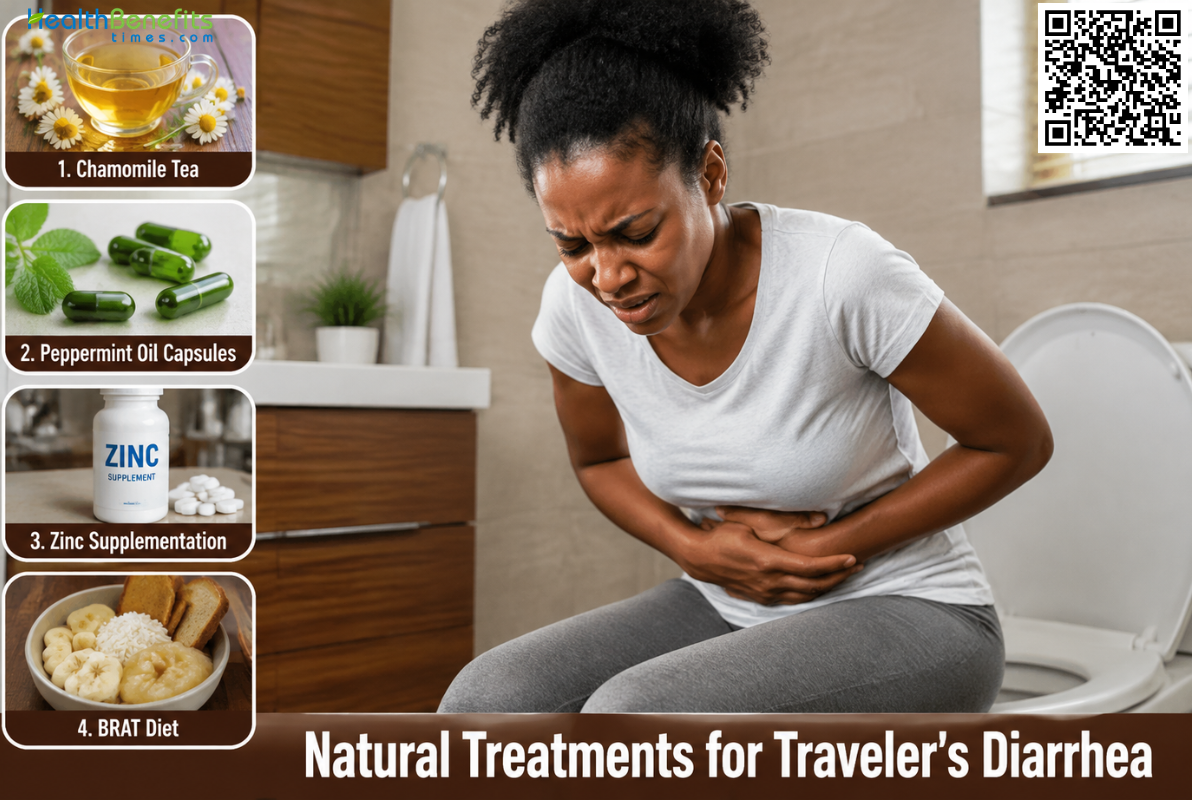
Traveler’s diarrhea is a common gastrointestinal infection that causes loose, watery stools and abdominal cramping during or shortly after international travel. The condition occurs when individuals ingest food or drinking water contaminated with unfamiliar microorganisms, most frequently in regions with limited sanitation infrastructure 1. Bacterial pathogens are responsible for the vast majority of cases, with enterotoxigenic Escherichia coli (ETEC) identified as the primary biological cause 2. However, various intestinal viruses, such as norovirus, and protozoal parasites can also trigger the illness 1. While the infection typically resolves on its own within a few days without targeted medical treatment, the rapid loss of fluids can lead to severe dehydration if not properly managed 2. Practicing strict food and water hygiene remains the standard preventive measure to minimize exposure to these local pathogens 1.
Causes of Traveler’s Diarrhea
1. Bacterial Infections
Bacteria represent the primary cause of traveler’s diarrhea globally, with enterotoxigenic Escherichia coli (ETEC) being the most frequently identified pathogen 2. Other invasive bacteria such as Campylobacter, Shigella, and Salmonella can directly attack the intestinal lining to induce acute inflammation and watery diarrhea 1.
2. Viral Pathogens
Intestinal viruses account for a notable portion of travel-related gastrointestinal illnesses, particularly among individuals visiting tropical or resort destinations 1. Norovirus is the most common viral culprit, followed by rotavirus and astrovirus, which typically trigger a sudden onset of diarrhea accompanied by prominent nausea 1.
3. Parasitic Infections
Microscopic parasites are less common causes of acute illness but are frequently responsible for persistent or chronic digestive issues in returning travelers 3. Organisms such as Giardia duodenalis and Cryptosporidium adhere to the intestinal walls, resulting in prolonged malabsorption, severe bloating, and ongoing loose stools 3.
4. Contaminated Food and Water
The fundamental route of exposure involves consuming food or beverages contaminated with microscopic fecal matter due to inadequate local sanitation infrastructure, unsafe water purification systems, or improper food handling practices 1.
Symptoms of Traveler’s Diarrhea
- Sudden Watery Stools: The primary symptom is the sudden passing of three or more loose, watery stools within a single day, which frequently disrupts travel itineraries and daily activities 2.
- Abdominal Cramping: Individuals commonly experience sharp, painful cramps and spasms in the lower abdomen as the digestive tract reacts to the internal infection and inflammation 1.
- Nausea and Vomiting: Many travelers develop a persistent feeling of sickness in the stomach, which can occasionally lead to vomiting, particularly when the illness is triggered by a viral pathogen 1.
- Fever and Chills: A mild to moderate fever frequently accompanies the gastrointestinal distress, signaling that the body’s immune system is actively fighting off invading bacteria or parasites 2.
- Urgent Need to Defecate: Affected individuals often experience an intense, sudden sense of urgency to use the bathroom, frequently accompanied by painful straining or general body weakness 1.
Natural Treatments for Traveler’s Diarrhea
1. Oral Rehydration Solutions
How it may help
Oral rehydration solutions contain a precise balance of water, salts, and sugar that actively restores fluids and vital electrolytes lost through severe diarrhea. This specific formula accelerates water absorption in the small intestines, rapidly correcting dangerous dehydration and stabilizing body chemistry during an acute infection 2.
What research says
Clinical research overwhelmingly confirms that oral rehydration solutions are the gold standard medical treatment for preventing and reversing dehydration caused by acute infectious diarrhea. Studies demonstrate that proper fluid replacement drastically reduces hospitalization rates and successfully restores electrolyte balance without requiring intravenous interventions 4.
How to use it safely
To use safely, mix a standard oral rehydration packet into one liter of clean, boiled, or bottled water according to package directions. Sip small amounts frequently throughout the day rather than drinking large quantities all at once, continuing treatment until symptoms resolve 2.
Potential precautions or side effects
Drinking rehydration solutions too rapidly can induce mild nausea or vomiting. Avoid mixing the packets with unpurified water 4.
2. Probiotic Supplementation
How it may help
Probiotics introduce beneficial bacteria into the digestive tract, actively crowding out harmful pathogens that cause infection. These friendly microorganisms help restore a balanced gut microbiome, strengthen the intestinal barrier, and boost local immune defenses to shorten the duration of acute diarrhea 5.
What research says
Clinical research concludes that specific probiotic strains significantly reduce the incidence and duration of traveler’s diarrhea. Studies demonstrate that prophylactic and therapeutic use of friendly bacteria helps prevent pathogenic colonization in the gut, effectively decreasing illness severity and accelerating overall recovery times 5.
How to use it safely
To use safely, begin taking a high-quality, shelf-stable probiotic supplement containing multi-strain bacteria a few days before departure and continue throughout your trip. Follow the daily dosage instructions on the product label 4.
Potential precautions or side effects
Probiotics can occasionally cause mild gas or bloating. Avoid use if you have a severely compromised immune system 5.
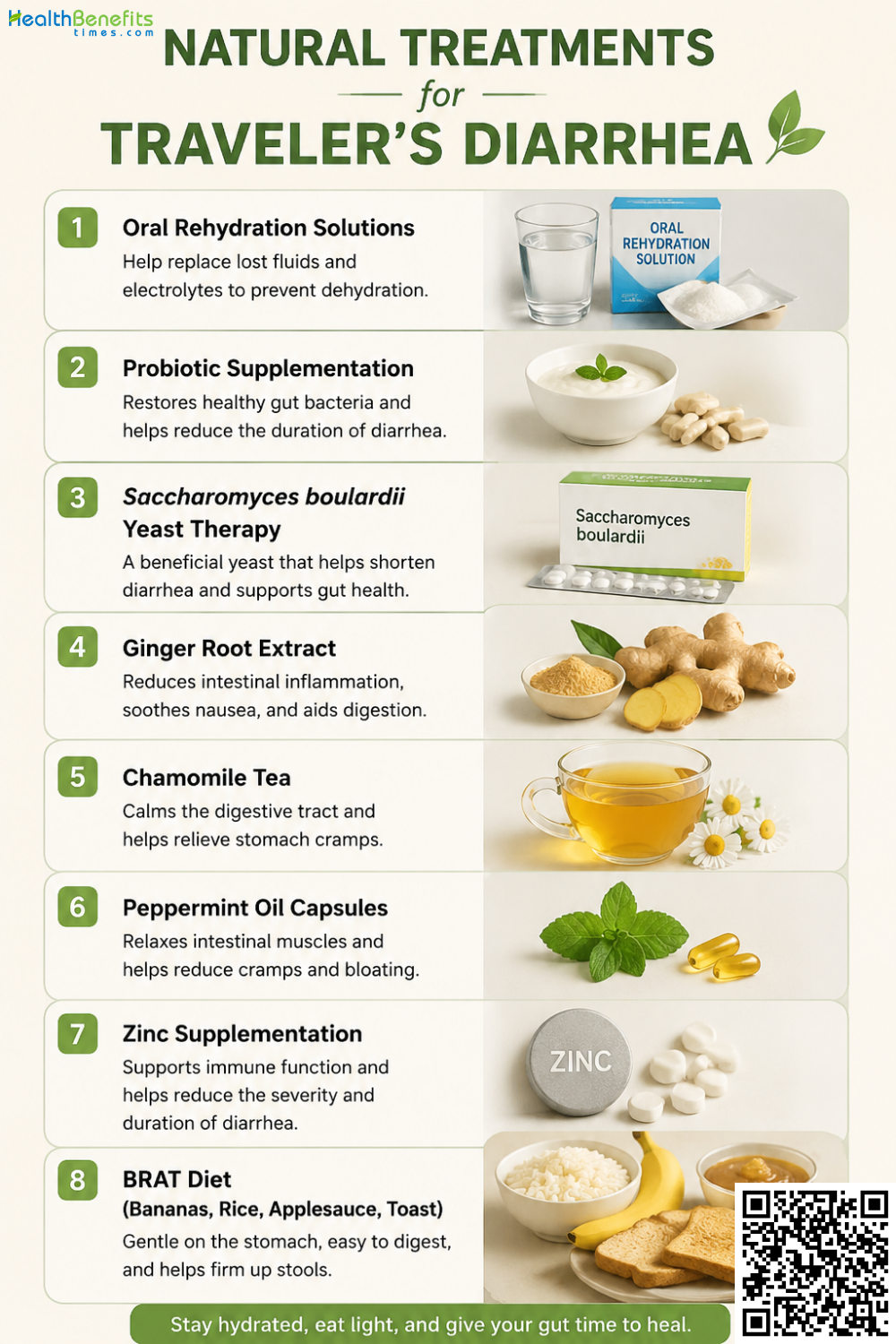
3. Saccharomyces boulardii Yeast Therapy
How it may help
Saccharomyces boulardii is a beneficial probiotic yeast that supports overall gut health. It actively works by protecting the intestinal lining, reducing inflammation, and decreasing the harmful secretion of water and electrolytes 6. Furthermore, it directly fights harmful pathogens and restores the natural balance of healthy gut bacteria disrupted during travel 7.
What research says
Scientific reviews demonstrate that this yeast effectively prevents and reduces the severity of traveler’s diarrhea. Clinical research confirms it significantly lowers the risk of developing bacterial diarrhea when taken preventatively and shortens the overall duration of gastrointestinal symptoms for those who are already infected 8.
How to use it safely
The typical adult dosage is 250 to 500 mg, taken once or twice daily for 7 to 14 days 9. You can take capsules or mix powder with room-temperature foods. Do not combine it with systemic antifungal medications or hot liquids, which destroy the live yeast.
Potential precautions or side effects
While generally safe, critically ill or immunocompromised individuals, and patients with central venous catheters, must completely avoid it due to a severe risk of fungal blood infections (fungemia) 9.
4. Ginger Root Extract
How it may help
Ginger root extract contains active compounds like zingerone, possessing potent anti-inflammatory and antispasmodic properties 10. It works by preventing bacterial toxins from binding to the intestinal lining and directly relaxing colonic smooth muscles, which effectively reduces painful abdominal cramping, bowel hypermotility, and excessive fluid loss 11.
What research says
Scientific evidence demonstrates that ginger and its bioactive component, zingerone, effectively inhibit enterotoxigenic Escherichia coli, a primary bacterial cause of traveler’s diarrhea 11. Studies confirm it suppresses diarrhea by directly slowing excessive bowel contractions without disrupting normal small intestine function or cardiovascular health 12.
How to use it safely
The FDA recognizes ginger as safe. For relieving digestive issues, adults generally take 1,000 to 1,500 milligrams of standardized extract daily, divided into smaller doses 13. You can safely consume it via extract capsules, steeped teas, or freshly grated root, provided you do not exceed 4 grams daily.
Potential precautions or side effects
Exceeding 4 grams daily can cause mild side effects like heartburn, belching, or stomach irritation 14. Individuals taking blood-thinning medications should consult a physician before using high-dose ginger supplements.
5. Chamomile Tea
How it may help
Chamomile tea contains beneficial plant compounds, including flavonoids, which soothe the gastrointestinal tract. It works as a natural digestive relaxant by relaxing the smooth muscles of the intestines, effectively reducing the uncomfortable cramping, hypermotility, and bowel irritation that accompany traveler’s diarrhea 15.
What research says
Scientific research indicates that chamomile extract possesses potent antidiarrheal, antisecretory, and antispasmodic properties. Studies show it helps control acute diarrhea by activating potassium channels in the gut, which slows excessive bowel contractions, reduces fluid accumulation, and shortens the overall duration of symptoms 16.
How to use it safely
For digestive relief, you can prepare a traditional tea by infusing dried chamomile flowers in water 17. Alternatively, adults can safely consume standardized liquid extracts or tinctures specifically formulated to prevent cramping and correct diarrhea 15.
Potential precautions or side effects
Chamomile is generally safe, but uncommon side effects include nausea and dizziness. Individuals with allergies to the daisy family should avoid it due to severe hypersensitivity risks 18.
6. Peppermint Oil Capsules
How it may help
Peppermint oil contains menthol, a natural compound that blocks calcium channels in the intestinal muscles 19. This action relaxes the smooth muscles of the digestive tract, effectively relieving the severe abdominal cramping, uncomfortable spasms, and rapid bowel movements associated with traveler’s diarrhea 19.
What research says
Clinical studies demonstrate that enteric-coated peppermint oil significantly reduces gastrointestinal spasms and abdominal pain 20. Research confirms its potent antispasmodic properties effectively calm overactive bowels, making it a reliable therapeutic option for acute intestinal cramps and digestive distress 19.
How to use it safely
You must use enteric-coated capsules, which bypass the stomach to release the oil directly into your intestines 21. Adults typically take one to two capsules containing 0.2 milliliters of oil up to three times daily, swallowed whole before meals 19.
Potential precautions or side effects
Side effects may include heartburn, nausea, or allergic reactions 21. You should avoid these capsules entirely if you suffer from severe gastroesophageal reflux disease (GERD) or gallbladder problems 21.
7. Zinc Supplementation
How it may help
Zinc inhibits excessive intestinal fluid secretion, minimizing rapid water and electrolyte loss 22. Additionally, it strengthens the local immune system and rapidly regenerates the damaged intestinal lining, effectively restoring normal gut barrier function to resolve acute diarrhea safely and naturally 23.
What research says
The World Health Organization and extensive clinical trials conclusively establish that oral zinc significantly reduces the duration, severity, and stool frequency of acute diarrheal episodes 24. Furthermore, research proves this critical intervention effectively prevents subsequent occurrences for up to three months following treatment 23.
How to use it safely
The World Health Organization recommends 20 milligrams of elemental zinc daily for 10 to 14 days for adults and children over six months 25. Infants under six months require 10 milligrams daily. You should take it alongside oral rehydration solutions to rapidly replace lost fluids 23.
Potential precautions or side effects
Taking high doses on an empty stomach may cause nausea, vomiting, or abdominal cramps 22. Avoid prolonged, excessive supplementation, which can dangerously deplete your body’s essential copper levels 22.
8. BRAT Diet (Bananas, Rice, Applesauce, Toast)
How it may help
The BRAT diet consists of bland, low-fiber foods that are exceptionally easy to digest. It works by minimizing intestinal irritation and decreasing overall stool volume. Bananas and applesauce provide pectin, a soluble fiber that naturally thickens stool, while white rice and toast supply easily absorbed carbohydrates 26.
What research says
Modern clinical guidelines advise against relying strictly on the BRAT diet for extended periods. Research concludes that while these foods reduce acute nausea and stool frequency initially, they lack the sufficient protein, fat, and calories necessary for optimal gastrointestinal healing and immune recovery during diarrheal illnesses 26.
How to use it safely
You should consume these bland foods in small, frequent portions during the first 24 hours of severe symptoms 27. Transition back to a regular, balanced diet as soon as your appetite returns to ensure your body receives adequate nutrition for recovery 26.
Potential precautions or side effects
Do not maintain this restrictive diet for more than two days. Prolonged use causes severe nutritional deficiencies and actively delays the healing of your damaged intestinal lining 26.
Foods to Avoid When You Suffer from Traveler’s Diarrhea
When managing traveler’s diarrhea, the digestive tract is highly inflamed and sensitive. You must temporarily eliminate specific foods and beverages that can irritate the gut, worsen dehydration, or prolong your symptoms.
1. Dairy Products
Transient lactase deficiency often occurs during intestinal infections, making lactose difficult to digest and worsening diarrhea and gas 28.
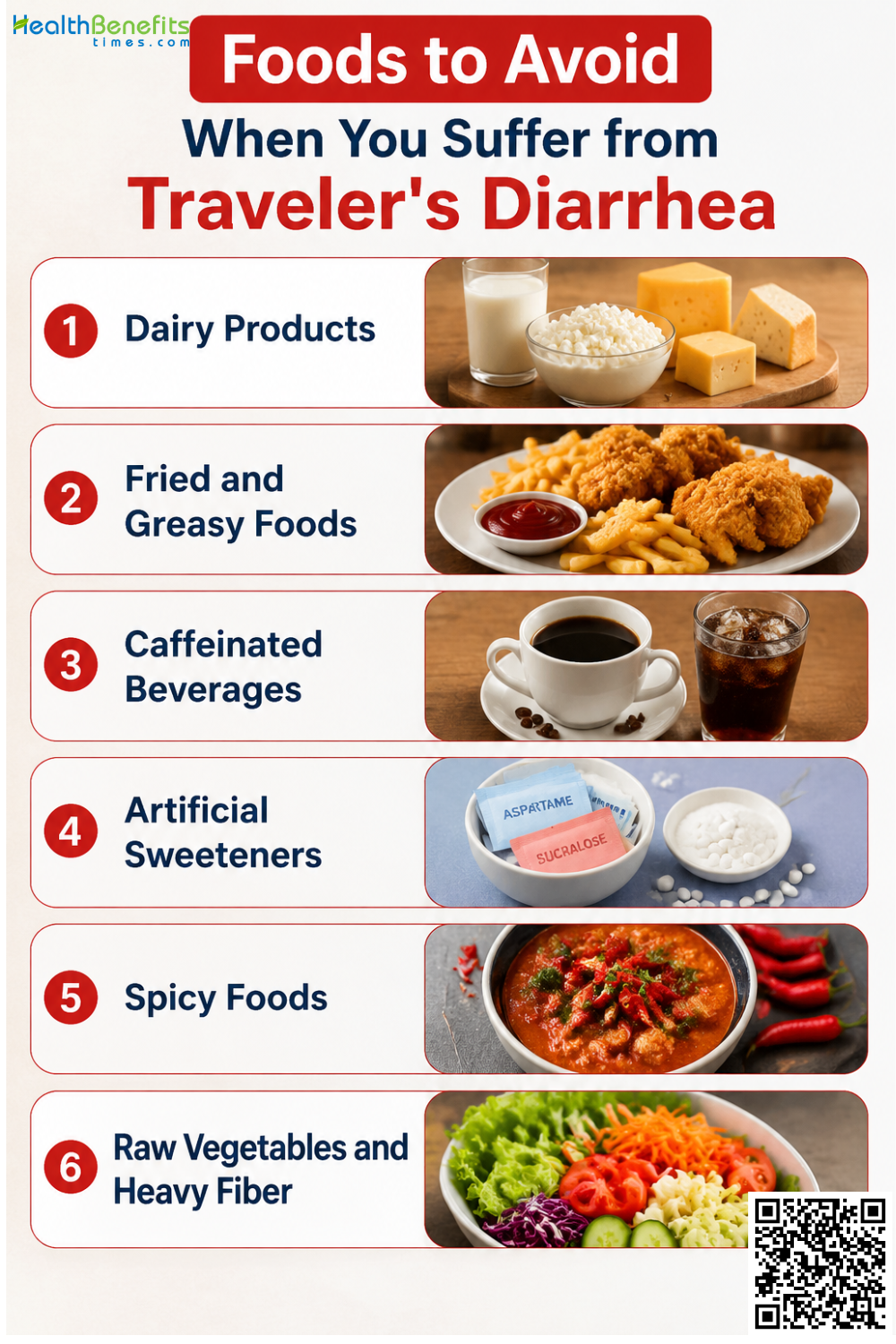
2. Fried and Greasy Foods
High-fat meals require complex digestion and accelerate intestinal contractions, severely aggravating abdominal cramping and increasing stool frequency 26.
3. Caffeinated Beverages
Caffeine acts as a potent gastrointestinal stimulant that increases bowel motility and promotes fluid loss, directly counteracting vital rehydration efforts 29.
4. Artificial Sweeteners
Sugar alcohols and heavy sugars create an osmotic effect, pulling excess water directly into the intestines and rapidly exacerbating watery stools 30.
5. Spicy Foods
Strong spices severely irritate the compromised stomach and intestinal lining, leading to increased burning sensations, painful cramps, and digestive distress 29.
6. Raw Vegetables and Heavy Fiber
Tough whole grains and raw greens are difficult to process during acute infections, often causing painful bloating, gas, and digestive strain 29.
When to See a Doctor When You Struggle from Traveler’s Diarrhea
While most cases of traveler’s diarrhea resolve independently with basic hydration, certain severe symptoms indicate complications. You must seek prompt medical evaluation if you experience any of the following warning signs.
Bloody Stools
The presence of blood or mucus in your stool indicates an invasive bacterial or parasitic infection, requiring prompt antibiotic or antiparasitic treatment from a physician 27.
High Fever
A persistent body temperature exceeding 102°F (39°C) suggests a severe systemic infection rather than a mild intestinal illness, necessitating clinical evaluation and targeted medical therapy 31.
Severe Dehydration
Symptoms like extreme thirst, dark urine, or severe dizziness indicate oral rehydration is failing. You must receive medical assessment for potential intravenous fluid replacement 31.
Persistent Symptoms
If frequent watery diarrhea continues unimproved for more than 48 to 72 hours, medical professionals must investigate for resistant bacterial strains or underlying parasitic pathogens 27.
Severe Abdominal Pain
Intense, unrelenting abdominal cramping that does not temporarily improve after bowel movements can indicate serious intestinal complications, such as severe colitis, requiring immediate clinical diagnostics 31.