

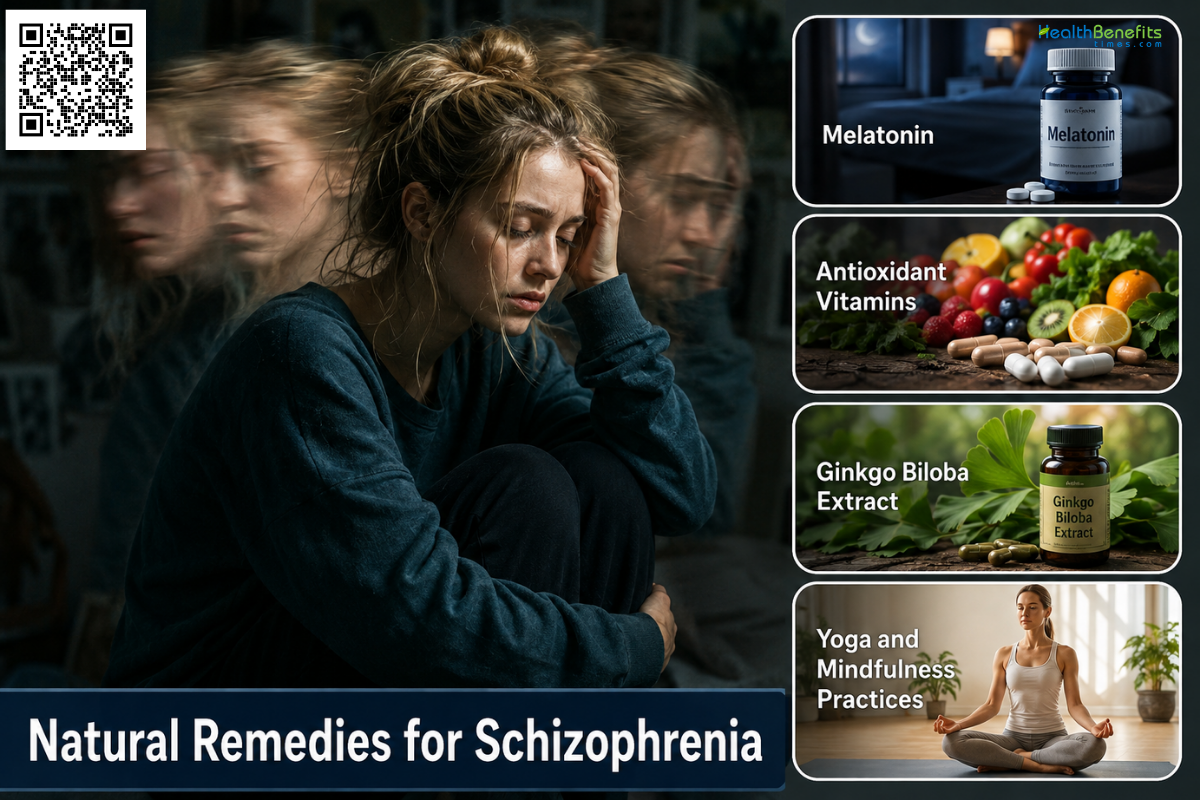
Schizophrenia is a serious and long-lasting mental health condition that affects how a person thinks, feels, and behaves. People with this disorder often experience a disconnect from reality, which frequently involves hearing voices, seeing things that are not there, or firmly holding onto false beliefs 1. These ongoing symptoms can make it extremely difficult for individuals to participate in everyday activities, manage personal relationships, or maintain regular employment. While the exact cause remains unknown, medical evidence concludes that the illness stems from a complex interaction of genetics, brain chemistry, and environmental factors 2. Although schizophrenia is a lifelong illness without a permanent cure, it is highly treatable. With early clinical diagnosis and consistent care—typically involving specialized medications and talk therapy—most individuals can successfully manage their symptoms and lead independent, fulfilling lives 1.
Causes of Schizophrenia
1. Genetics and Family History
Schizophrenia frequently runs in families, meaning an individual has a much higher risk of developing the condition if a parent or sibling also has it. Research concludes that no single gene is responsible; rather, the risk increases due to small changes across many different genes working together 1.
2. Brain Chemistry and Structure
An imbalance in the brain’s chemical messengers, particularly dopamine and glutamate, plays a central role in the illness. Additionally, medical imaging shows that people with schizophrenia often have small differences in their brain structure, such as reduced gray matter and enlarged fluid-filled spaces in the center of the brain 1.
3. Pregnancy and Birth Complications
Exposure to dangerous environmental factors before a baby is born or during early infancy can increase the likelihood of developing the disorder later in life. These early hazards include severe maternal malnutrition, exposure to certain viruses during pregnancy, or major medical complications during delivery 2.
4. Substance Use During Adolescence
The use of mind-altering substances, particularly marijuana and synthetic drugs, during the teenage years or young adulthood is a significant trigger. Studies confirm that early and frequent use of these psychoactive drugs significantly raises the risk of experiencing psychotic symptoms, especially in young people who already have a genetic vulnerability to the disorder 1.
Symptoms of Schizophrenia
1. Hallucinations and Delusions
Individuals often experience false sensory perceptions, most commonly hearing voices or seeing things that do not exist, and they frequently hold firmly onto false, irrational beliefs even when presented with clear evidence to the contrary 1.
2. Disorganized Thinking and Speech
The illness disrupts normal thought processes, which causes individuals to struggle with organizing their ideas, resulting in jumbled speech, giving completely unrelated answers to questions, or suddenly stopping in the middle of a sentence 1.
3. Reduced Emotion and Lack of Motivation
People with this condition often experience a loss of normal functioning, which presents as a severe lack of drive to complete daily tasks, withdrawal from friends and family, and noticeably limited emotional expression in their face and tone of voice 2.
4. Difficulty with Memory and Focus
The disorder impairs cognitive abilities, making it highly challenging for individuals to sustain attention, process information to make basic decisions, or use working memory to remember instructions immediately after hearing them 1.
5. Abnormal Motor Behavior
Some individuals display highly unusual or unpredictable physical movements, which can range from childlike silliness to sudden agitation, or even adopting rigid, bizarre postures and completely resisting instructions to move 2.
Natural Remedies for Schizophrenia
1. Omega-3 Fish Oil Supplements
How It May Help
Omega-3 fatty acids, particularly EPA and DHA, are essential for brain health and cell membrane structure. These nutrients help reduce brain inflammation and protect neurons from damage, which can improve cognitive function and potentially lessen the severity of psychiatric symptoms in individuals with schizophrenia 3.
What Research Says
Clinical research concludes that supplementing with omega-3 fatty acids, when combined with standard antipsychotic medications, significantly reduces the overall symptoms of schizophrenia 3. Furthermore, early intervention with omega-3s in high-risk individuals can successfully delay or prevent the onset of severe psychotic disorders 4.
How to Use It Safely
Always consult your psychiatrist before adding omega-3 supplements to your treatment plan to ensure they do not interfere with your prescribed medications. Clinical protocols generally recommend using high-quality fish oil supplements containing a higher ratio of EPA to DHA for maximum psychiatric benefits 3.
Potential Precautions or Side Effects
Common side effects include mild stomach upset and a fishy aftertaste. At high doses, omega-3s can thin the blood, increasing bleeding risk for those taking anticoagulant medications 5.
2. High-Dose B Vitamins
How It May Help
High-dose B vitamins, particularly vitamins B6, B9, and B12, play a vital role in regulating brain chemicals and cellular health. They help lower elevated levels of homocysteine, an amino acid linked to brain inflammation and psychiatric symptoms, thereby improving overall neurological function in individuals with schizophrenia 6.
What Research Says
Clinical studies conclude that adding high-dose B vitamin supplements to standard antipsychotic treatments significantly reduces psychiatric symptoms compared to using standard medications alone 6. These therapeutic benefits are particularly strong when the vitamin intervention is applied during the early stages of the illness 6.
How to Use It Safely
You should consult your healthcare provider to test your current blood vitamin and homocysteine levels before starting supplementation 6. A doctor can recommend the precise clinical dosage of B-complex vitamins required to safely support your existing psychiatric treatment plan without causing adverse interactions.
Potential Precautions or Side Effects
While generally safe, excessively high doses of vitamin B6 can cause nerve damage, and taking too much folic acid can mask a severe vitamin B12 deficiency 7.
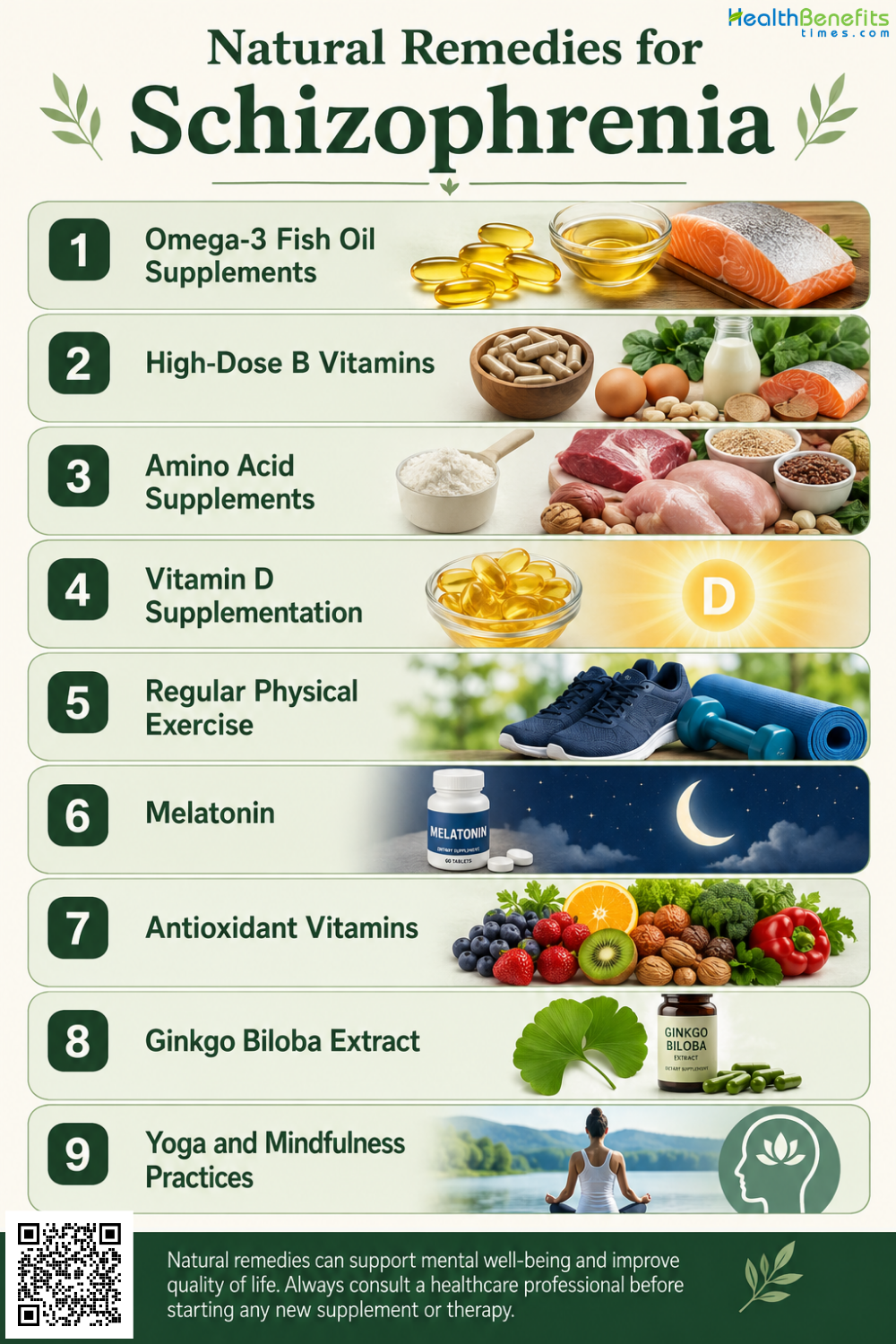
3. Amino Acid Supplements
How It May Help
Amino acids like glycine and D-serine act as crucial building blocks for brain chemicals. They specifically help regulate glutamate receptors, a major communication pathway in the brain. Supporting these pathways improves how brain cells communicate, which can enhance memory, learning, and overall cognitive function in individuals with schizophrenia 8.
What Research Says
Clinical research confirms that adding specific amino acid supplements to a patient’s diet significantly improves the symptoms of the illness. Studies conclude that when used alongside standard antipsychotic medications, these supplements successfully reduce negative symptoms, such as severe social withdrawal, while also boosting cognitive clarity 9.
How to Use It Safely
Always consult your psychiatrist before starting any amino acid supplement, as they must be carefully dosed to match your specific medical needs. A healthcare provider can determine the exact type and amount required to safely support your existing antipsychotic treatment without causing adverse drug interactions.
Potential Precautions or Side Effects
Taking amino acid supplements can sometimes cause mild digestive issues, such as nausea or an upset stomach. Certain amino acids may also negatively interact with specific prescription antipsychotics like clozapine 8.
4. Vitamin D Supplementation
How It May Help
Vitamin D acts like a hormone in the body that protects brain health and regulates chemical messengers. It helps reduce inflammation in the nervous system and supports healthy cellular communication, which can lead to improved mood stability and overall cognitive function for individuals managing schizophrenia 10.
What Research Says
Clinical research concludes that a significant percentage of individuals with schizophrenia suffer from severe vitamin D deficiency. Studies show that when patients receive vitamin D supplements alongside standard antipsychotic medications, they experience a measurable reduction in negative psychiatric symptoms, such as emotional flatness and severe social withdrawal 10.
How to Use It Safely
You should ask your doctor for a standard blood test to measure your current vitamin D levels before taking any supplements. A healthcare provider will use these results to prescribe a safe, customized clinical dosage that corrects the deficiency without disrupting your existing psychiatric treatment plan 11.
Potential Precautions or Side Effects
Taking excessively high doses of vitamin D can lead to a dangerous calcium buildup in the blood, which causes nausea, severe weakness, and an increased risk of kidney stones 11.
5. Regular Physical Exercise
How It May Help
Physical activity stimulates the brain to release natural chemicals that improve mood and reduce mental stress. It also increases blood flow to the brain, which supports memory function and helps individuals combat the weight gain frequently caused by standard psychiatric medications 12.
What Research Says
Clinical research concludes that adding regular aerobic workouts to standard medical treatments significantly reduces negative psychiatric symptoms, such as extreme lack of motivation and social withdrawal 12. Studies confirm these routines consistently improve overall brain health, attention span, and cognitive processing speed 13.
How to Use It Safely
You should start gradually with light activities, like daily walking, before attempting vigorous workouts. Always consult your doctor before starting a new exercise routine to ensure it matches your physical capabilities and safely supports your ongoing psychiatric treatment plan 14.
Potential Precautions or Side Effects
Pushing too hard causes physical injuries and exhaustion. You must stay hydrated, as certain antipsychotic medications can make it difficult for your body to regulate its natural temperature 15.
6. Melatonin
How It May Help
Melatonin is a natural hormone that regulates the body’s sleep-wake cycle. Because individuals with schizophrenia frequently experience severe sleep disturbances, restoring healthy sleep patterns helps stabilize mood and improve daytime cognitive function. Additionally, melatonin acts as an antioxidant that protects brain cells from chemical damage 16.
What Research Says
Clinical research concludes that melatonin effectively treats severe insomnia in patients with schizophrenia, significantly improving total sleep time and quality 16. Furthermore, studies demonstrate that melatonin supplementation successfully reduces metabolic side effects, such as excessive weight gain, frequently caused by standard antipsychotic medications 17.
How to Use It Safely
You should consult your psychiatrist before taking melatonin to ensure it will not interact with your prescribed medications. A doctor can recommend a safe clinical dosage, typically taken shortly before bedtime, to regulate your sleep cycle effectively without disrupting your primary psychiatric treatment 18.
Potential Precautions or Side Effects
Common side effects include daytime drowsiness, mild headaches, and dizziness. Melatonin can also cause negative interactions when combined with blood pressure medications or central nervous system depressants 18.
7. Antioxidant Vitamins
How It May Help
Antioxidant vitamins, such as vitamins C and E, protect the brain from oxidative stress, a process that damages cellular health. By neutralizing harmful molecules called free radicals, these vitamins reduce brain inflammation and protect nerve cells, which helps support healthy brain function and stabilize psychiatric symptoms 19.
What Research Says
Clinical research concludes that individuals with schizophrenia often have high levels of oxidative stress. Studies show that adding antioxidant vitamins to standard antipsychotic treatments successfully lowers this stress and significantly improves negative symptoms, such as emotional withdrawal and lack of motivation, compared to using standard medications alone 20.
How to Use It Safely
You should consult your psychiatrist before adding antioxidant supplements to your daily routine. A healthcare provider can measure your baseline vitamin levels and recommend a safe, exact clinical dosage that provides neurological benefits without interfering with the absorption of your prescribed psychiatric medications 21.
Potential Precautions or Side Effects
Taking excessively high doses of vitamin C can cause stomach cramps and diarrhea, while high levels of vitamin E significantly increase your risk of dangerous bleeding 22.
8. Ginkgo Biloba Extract
How It May Help
Ginkgo biloba is a plant extract known to increase healthy blood flow to the brain. It also acts as a strong antioxidant, protecting sensitive brain cells from damage. This improved circulation and cellular protection can enhance memory, focus, and overall cognitive function in individuals managing psychiatric conditions 23.
What Research Says
Clinical research concludes that adding Ginkgo biloba extract to standard antipsychotic medications significantly improves severe psychiatric symptoms. Studies confirm it successfully reduces negative symptoms, such as social withdrawal and emotional flatness, while also minimizing the physical side effects caused by standard antipsychotic drugs 23.
How to Use It Safely
You should consult your psychiatrist before taking Ginkgo biloba, as it can interact with your current medications. A doctor can prescribe a standardized clinical dosage that safely supports your existing treatment plan and carefully monitors you for any adverse reactions 24.
Potential Precautions or Side Effects
Ginkgo biloba can significantly increase your risk of dangerous bleeding. Common side effects include upset stomach, severe headaches, and dizziness, especially when combined with blood-thinning medications 24.
9. Yoga and Mindfulness Practices
How It May Help
Yoga and mindfulness exercises teach the brain to stay focused on the present moment while lowering overall mental stress. These practices calm the nervous system and improve emotional regulation, allowing individuals to better manage daily anxieties and react more peacefully to challenging thoughts 25.
What Research Says
Clinical research concludes that combining yoga and mindfulness with standard antipsychotic medications significantly improves a patient’s overall quality of life. Studies show these practices successfully reduce negative psychiatric symptoms, such as severe emotional withdrawal, and measurably improve basic social skills and facial emotion recognition 25.
How to Use It Safely
You should begin these practices under the direct supervision of a certified instructor experienced with mental health conditions. Always consult your psychiatrist before starting, ensuring these exercises support your current treatment without causing excessive physical or mental strain 26.
Potential Precautions or Side Effects
Practicing extreme poses causes physical injuries. Furthermore, intense meditation may occasionally worsen feelings of disconnection from reality if not guided by a qualified mental health professional 26.
Foods to Avoid When You Suffer from Schizophrenia
1. Refined Sugars and Sweets
High sugar intake severely worsens metabolic syndrome and dangerous weight gain, which are already major health risks caused by standard antipsychotic medications 27.
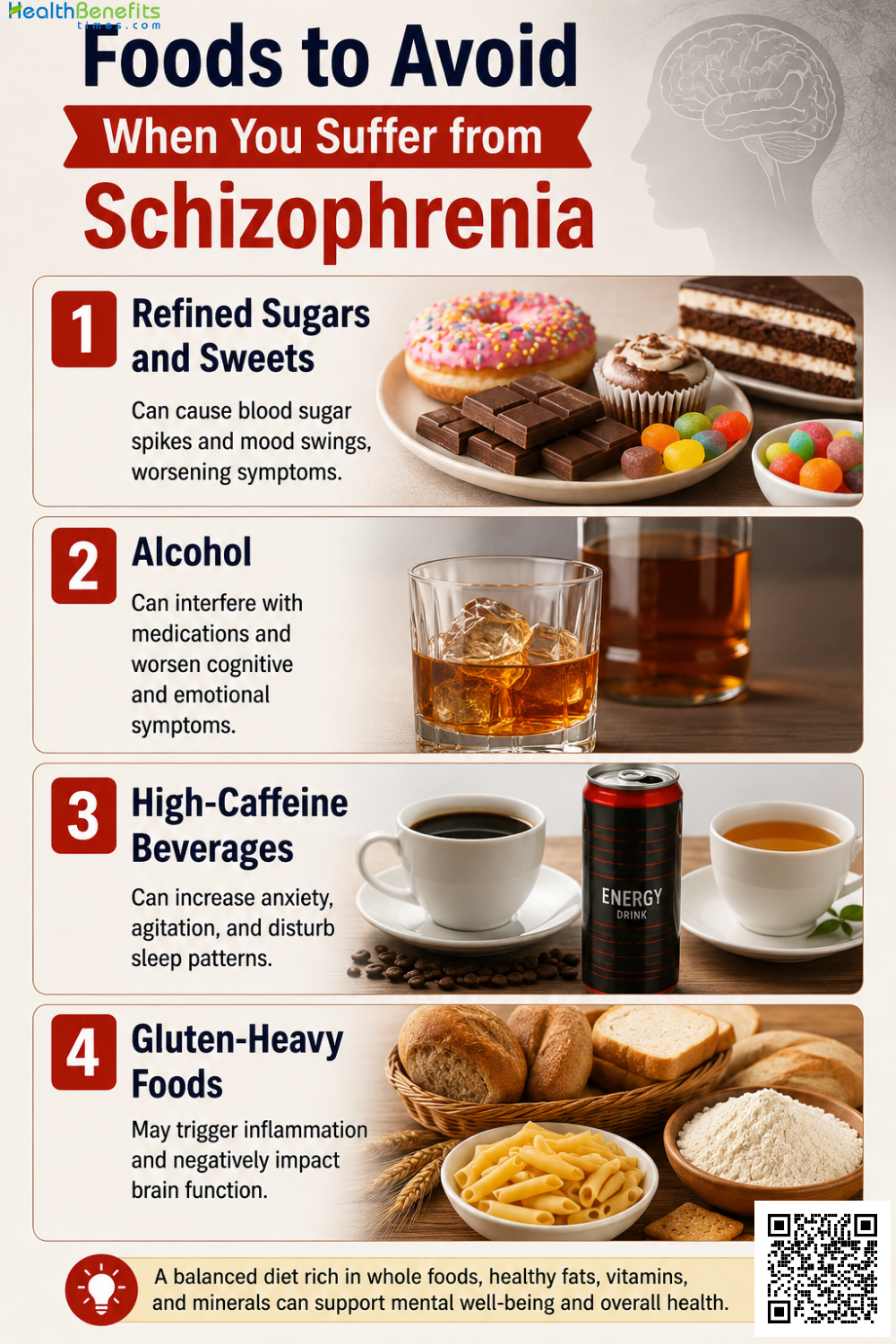
2. Alcohol
Alcohol aggressively worsens psychiatric symptoms and creates dangerous, potentially life-threatening chemical interactions when combined with prescribed antipsychotic medications 28.
3. High-Caffeine Beverages
Excessive caffeine severely disrupts natural sleep patterns and dangerously elevates anxiety, which directly triggers or worsens ongoing psychiatric symptoms 29.
4. Gluten-Heavy Foods
Clinical research concludes that removing dietary gluten significantly reduces psychiatric symptoms specifically for individuals who possess a medically confirmed sensitivity to wheat proteins 30.
When to See a Doctor When You Struggle from Schizophrenia
- Experiencing Suicidal Thoughts: Seek immediate emergency medical care if you experience thoughts of suicide or self-harm, as clinical data shows a significantly high risk of suicide in individuals with schizophrenia 1.
- Worsening of Psychotic Symptoms: Contact your psychiatrist if hallucinations or false beliefs become more intense, as this indicates your current medication dosage requires clinical adjustment to prevent a severe psychiatric relapse 1.
- Severe Medication Side Effects: Consult your doctor immediately if you experience dangerous physical reactions to antipsychotic medications, such as severe muscle stiffness, high fever, or uncontrollable body movements 31.
- Inability to Manage Daily Care: Schedule a clinical evaluation if disorganized thinking or severe lack of motivation makes it impossible for you to maintain basic hygiene, eat properly, or manage personal safety 2.