

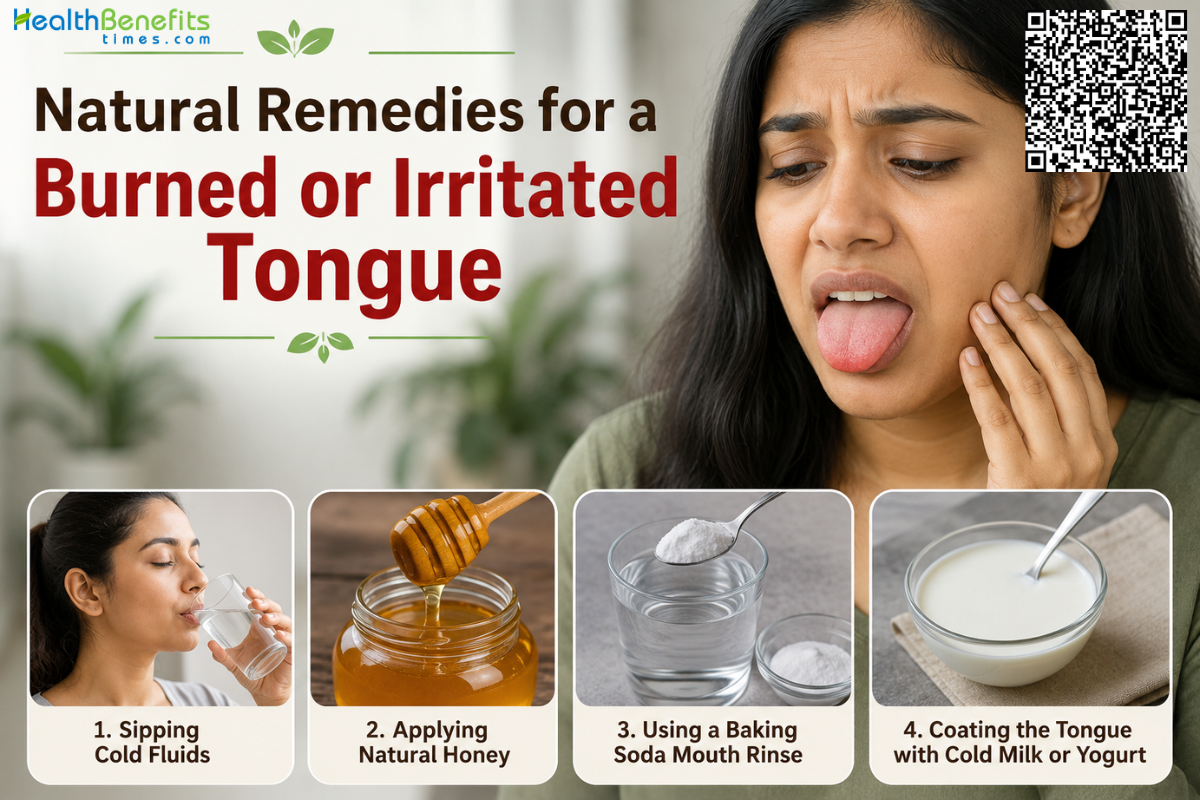
A burned or irritated tongue refers to physical damage or ongoing discomfort affecting the mucosal surface of the tongue. Most commonly, it results from a sudden thermal injury caused by consuming dangerously hot foods or beverages, which damages the delicate outer tissue and exposes highly sensitive nerve endings 1. Irritation can also develop from chemical exposure to highly acidic or alkaline substances, mechanical trauma like accidentally biting the tongue, or the use of harsh oral care products 1. In other instances, a persistent burning, tingling, or scalding sensation without any visible tissue damage is diagnosed as Burning Mouth Syndrome, a complex condition often linked to nerve irregularities, dry mouth, or underlying health issues 2. Most minor thermal and physical burns heal naturally within a few days as the oral tissue quickly repairs itself, though deeper injuries or chronic irritation may require professional clinical evaluation.
Causes of Burned or Irritated Tongue
1. Thermal Injury
Consuming excessively hot foods or beverages is the most common cause of direct physical damage to the tongue. High temperatures rapidly destroy the delicate surface cells of the oral tissue, leading to acute pain, redness, and inflammation as the exposed nerve endings react to the sudden heat 1.
2. Chemical Irritation
Certain harsh substances can strip away the protective mucosal layers of the tongue, causing clinical chemical burns or contact irritation. Frequent exposure to highly acidic foods, undiluted acidic beverages, or oral care products containing high alcohol concentrations and strong foaming agents like sodium lauryl sulfate directly triggers mucosal inflammation and a persistent burning sensation 3.
3. Mechanical Trauma
Physical injury to the tongue frequently occurs from accidental biting during chewing, sports injuries, or nighttime teeth grinding. Additionally, continuous friction from jagged teeth, broken dental fillings, or poorly fitting orthodontic appliances repeatedly scrapes the tongue’s surface, creating painful ulcers and localized irritation 4.
4. Burning Mouth Syndrome (BMS)
This is a chronic clinical condition characterized by a severe, scalding sensation on the tongue and oral tissues without any visible signs of physical damage or sores. Medical research indicates that primary Burning Mouth Syndrome is caused by damage or abnormal function in the peripheral or central nerves that transmit pain and taste signals to the brain 2.
5. Nutritional Deficiencies
A lack of essential vitamins and minerals—specifically iron, zinc, folate, and vitamin B12—can significantly compromise the cellular health of oral tissues. These deficiencies frequently lead to glossitis, a medical condition where the tongue becomes inflamed, swollen, abnormally smooth, and highly sensitive 5.
6. Oral Candidiasis (Thrush)
An overgrowth of the Candida fungus in the mouth causes a localized infection known as oral thrush. This fungal infection creates raised white lesions and underlying red, inflamed tissue on the tongue, resulting in a persistent burning feeling, tissue irritation, and a diminished sense of taste 6.
7. Dry Mouth (Xerostomia)
Saliva acts as a natural lubricant and protective barrier for the oral cavity. When the salivary glands fail to produce adequate saliva—often due to medication side effects, nerve damage, or autoimmune conditions like Sjögren’s syndrome—the tongue becomes chronically dry, cracked, and highly vulnerable to friction and painful irritation 7.
Symptoms of Burned or Irritated Tongue
1. Acute Pain and Scalding Sensation
The most prominent indicator of a burned or irritated tongue is a severe, continuous pain or a feeling as though the tissue has been scalded. This discomfort occurs because the protective outer layer of the tongue is compromised, directly exposing sensitive nerve endings to the environment 1. In cases of Burning Mouth Syndrome, this scalding feeling persists daily without any visible physical tissue damage 2.
2. Redness and Swelling
When the tongue suffers physical trauma or chemical irritation, the body automatically triggers an inflammatory response to heal the affected area. This biological response rapidly increases blood flow to the tissue, causing the tongue to appear abnormally red, swollen, and visibly inflamed 5.
3. Altered Taste Perception
Physical burns or chronic nerve irritation frequently disrupt the normal function of taste buds located on the tongue’s surface. Individuals often experience a significantly diminished ability to taste food, or they may develop a persistent metallic, bitter, or altered taste in their mouth 2.
4. Increased Sensitivity to Foods
Damage to the tongue’s mucosal lining significantly lowers its natural tolerance to external stimuli. Consequently, consuming foods or beverages that are hot in temperature, heavily spiced, or highly acidic causes immediate, sharp discomfort or a sudden spike in the burning sensation 5.
5. Loss of Surface Texture
The healthy tongue is covered in tiny, bump-like projections called papillae that aid in chewing and tasting. Severe thermal injuries, chronic irritation, or underlying nutritional deficiencies can cause these papillae to flatten or shed, resulting in a tongue that looks abnormally smooth, glossy, and inflamed 5.
6. Persistent Oral Dryness
A highly irritated tongue is frequently accompanied by a subjective feeling of severe dryness within the mouth, even if actual saliva production remains completely normal. This uncomfortable sensation often leads to increased thirst and can make basic functions like chewing, swallowing, or speaking feel difficult 2.
Natural Remedies for a Burned or Irritated Tongue
1. Cooling the Tissue with Ice Chips or Cold Water
How it may help
Applying cold temperature directly to a burned tongue rapidly constricts local blood vessels, which immediately reduces tissue swelling and inflammation. The cold also acts as a mild, natural anesthetic by temporarily numbing the exposed nerve endings, significantly decreasing the acute pain associated with mucosal injuries 1.
What research says
Clinical guidelines for managing oral pain and tissue injury consistently recommend cold therapy. Medical authorities confirm that applying ice chips or cold water effectively minimizes local inflammation and provides immediate pain relief for damaged oral mucosa without requiring topical pharmaceutical anesthetics 8.
How to use it safely
You should place a small ice chip directly on the burned area of your tongue and allow it to melt completely. Alternatively, take small sips of chilled water and hold the liquid over the irritated tissue for several seconds before swallowing 8.
Potential precautions or side effects
Never bite down on or chew solid ice, as this hard impact can easily fracture your dental enamel and lead to permanent tooth damage 9.
2. Rinsing the Mouth with a Mild Saltwater Solution
How it may help
A mild saltwater rinse draws excess fluid out of swollen oral tissues, effectively reducing painful inflammation. It also creates a temporary environment that inhibits bacterial growth, keeping the damaged surface of the tongue clean and supporting natural tissue repair without the use of harsh, irritating chemicals 8.
What research says
Clinical guidelines frequently recommend mild saline rinses for oral tissue injuries. Medical authorities confirm that a basic sodium chloride solution gently cleanses oral wounds, soothes inflamed mucous membranes, and maintains an optimal balance for mucosal healing, making it a highly effective alternative to commercial mouthwashes 8.
How to use it safely
You should dissolve one-half teaspoon of plain table salt into one cup of warm water. Gently swish this solution around your mouth for about thirty seconds, ensuring it washes over the burned tongue, and then spit it out. Repeat this up to four times daily 8.
Potential precautions or side effects
Avoid adding too much salt, as a highly concentrated solution will sting and further irritate the raw burn. Never swallow the mixture, as ingesting saltwater can cause mild nausea 10.
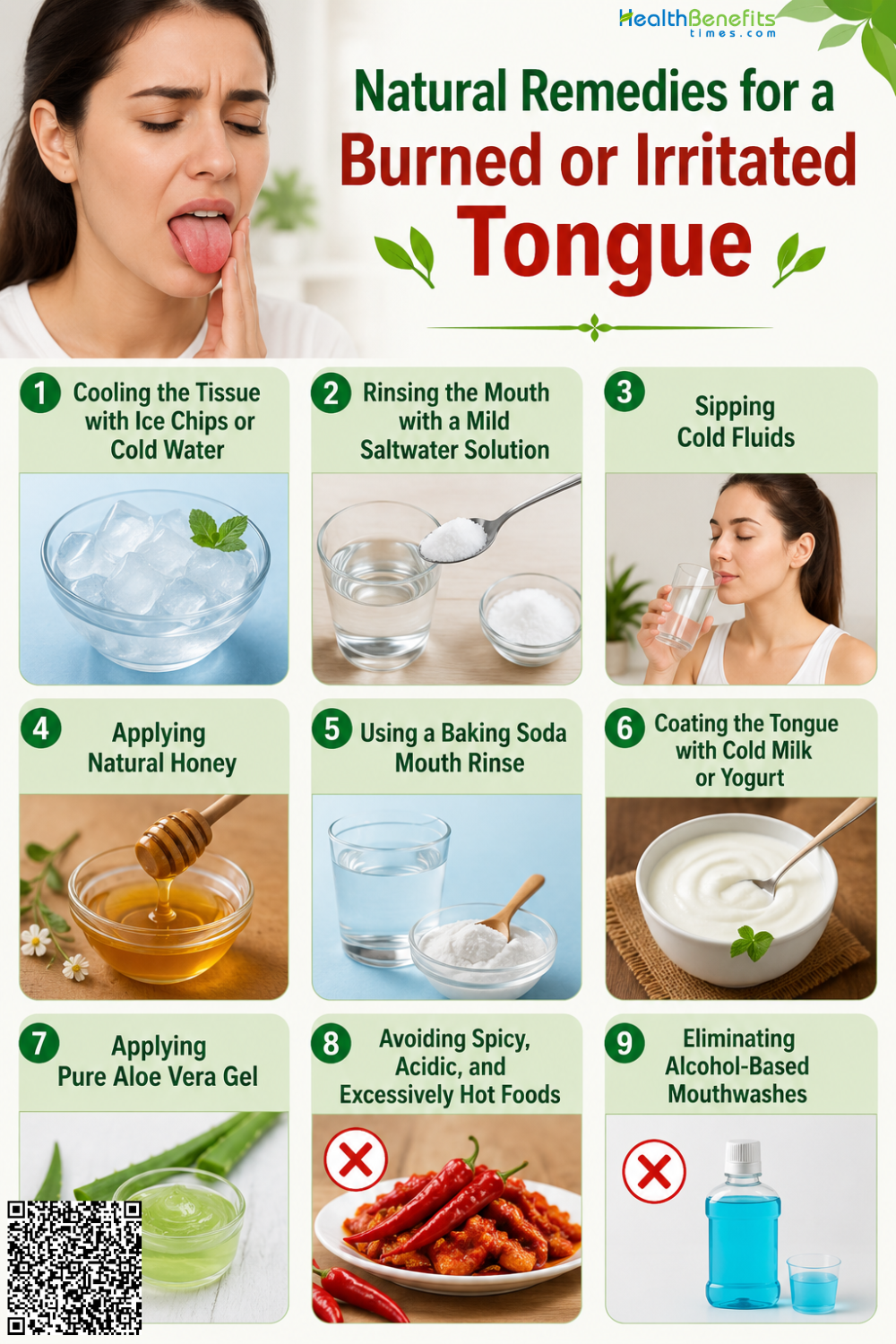
3. Sipping Cold Fluids
How it may help
Sipping cold fluids provides a dual benefit: the cold temperature gently numbs exposed nerve endings to relieve pain, while the liquid continuously lubricates the oral cavity. This constant moisture prevents dry, damaged tissues from rubbing against teeth, significantly reducing friction and secondary irritation on the burned tongue 2.
What research says
Clinical guidance from dental health authorities recommends frequent hydration with cold liquids to manage oral mucosal discomfort. Medical evidence confirms that sipping cold fluids effectively minimizes local tissue inflammation and relieves the persistent scalding sensation associated with tongue injuries and Burning Mouth Syndrome 2.
How to use it safely
You should keep a glass of plain, chilled water nearby and take small, frequent sips throughout the day. Hold the cold liquid in your mouth for a few seconds, letting it bathe the irritated areas of your tongue before swallowing to maximize the soothing effect 2.
Potential precautions or side effects
Avoid heavily caffeinated cold drinks or acidic fruit juices, as these beverages can severely sting the raw tissue and increase oral dryness, worsening your overall discomfort 7.
4. Applying Natural Honey
How it may help
Applying raw honey coats the burned tongue, creating a thick protective barrier that shields exposed nerve endings from further friction and air exposure. Its natural anti-inflammatory and antibacterial properties actively reduce tissue swelling and prevent secondary infections in the damaged mucosa, promoting faster cellular repair 11.
What research says
Clinical studies on wound management demonstrate that honey acts as a potent biologic dressing. Medical authorities highlight that its high sugar concentration and enzymatic activity draw fluid away from inflamed tissues while stimulating rapid mucosal healing, making it highly effective for treating oral burns and superficial mucosal injuries 12.
How to use it safely
You should apply a small amount of pure, raw honey directly onto the irritated area of your tongue. Allow it to sit without swallowing for several minutes to coat the tissue fully. You can repeat this gentle application up to four times daily to maintain maximum soothing relief 11.
Potential precautions or side effects
Do not give honey to infants under twelve months old due to the severe risk of infant botulism, a rare but potentially fatal bacterial illness 13.
5. Using a Baking Soda Mouth Rinse
How it may help
A baking soda rinse acts as a mild alkaline agent that quickly neutralizes harsh acids in the oral cavity. This neutralizing effect directly prevents further chemical irritation on a burned tongue, while simultaneously soothing inflamed tissues and creating a balanced environment that supports rapid mucosal healing 8.
What research says
Clinical guidelines for managing oral mucosal injuries frequently recommend sodium bicarbonate rinses. Medical authorities confirm that baking soda effectively stabilizes the oral pH and gently cleanses oral wounds without causing the painful stinging or tissue damage typically associated with commercial, alcohol-based mouthwashes 8.
How to use it safely
You should dissolve one-fourth teaspoon of baking soda and one-eighth teaspoon of salt into one cup of warm water. Gently swish this solution around your mouth for about thirty seconds to coat the burned tongue, then spit it out. Repeat this process every few hours 8.
Potential precautions or side effects
Avoid swallowing the mixture, as ingesting baking soda can cause mild stomach upset. Never apply dry baking soda directly to the tongue; the abrasive powder will worsen irritation 14.
6. Coating the Tongue with Cold Milk or Yogurt
How it may help
Coating the tongue with cold milk or yogurt provides immediate thermal relief by cooling inflamed tissues. The thick, viscous texture creates a temporary protective barrier over damaged mucosa. Additionally, natural dairy proteins help neutralize chemical irritants, which significantly reduces friction and acute pain on the exposed nerve endings 8.
What research says
Clinical guidelines for managing oral mucosal injuries recommend consuming soft, cold dairy products. Medical authorities confirm that cold yogurt and milk effectively soothe inflamed oral tissues, minimize local swelling, and act as a physical shield for painful oral sores, facilitating a more comfortable healing environment without causing further tissue irritation 8.
How to use it safely
You should take a small sip of cold milk or place a spoonful of plain, unsweetened yogurt directly onto the burned tongue. Hold the dairy product in your mouth for several seconds to allow it to coat the irritated tissue thoroughly before gently swallowing 8.
Potential precautions or side effects
Individuals with lactose intolerance or dairy allergies should strictly avoid this remedy to prevent severe gastrointestinal distress or systemic allergic reactions, opting for appropriate non-dairy alternatives instead 15.
7. Applying Pure Aloe Vera Gel
How it may help
Applying pure, food-grade aloe vera gel provides immediate cooling relief, directly minimizing the sharp burning sensation on an irritated tongue. Its natural anti-inflammatory compounds quickly reduce tissue swelling, while creating a protective moisture barrier that shields exposed nerve endings and actively promotes cellular repair in the damaged mucosa 16.
What research says
Clinical studies demonstrate that aloe vera possesses powerful anti-inflammatory and wound-healing properties for oral mucosal injuries. Medical authorities confirm that topical application significantly reduces burning sensations and accelerates tissue recovery for superficial burns and mouth sores by stimulating collagen production and inhibiting local inflammatory responses 16.
How to use it safely
You should apply a small drop of 100% pure, food-grade aloe vera gel directly to the burned area of your tongue. Allow the gel to coat the tissue for a few minutes to maximize absorption, then gently rinse your mouth with cool water or simply swallow the edible gel.
Potential precautions or side effects
Strictly avoid cosmetic aloe vera products containing alcohol or artificial chemicals. Do not use this remedy if you are allergic to plants like garlic, onions, or tulips, which share similar plant proteins.
8. Avoiding Spicy, Acidic, and Excessively Hot Foods
How it may help
A burned tongue has damaged protective tissue, leaving sensitive nerve endings completely exposed. Avoiding spicy compounds, highly acidic foods like citrus, and high-heat meals prevents direct chemical and thermal stimulation of these vulnerable nerves. This eliminates sudden pain spikes and allows the mucosal lining to heal without constant irritation 2.
What research says
Clinical guidelines for managing oral sores strongly advise eliminating chemical and thermal irritants. Medical authorities confirm that spicy and highly acidic foods actively exacerbate inflammation and delay cellular repair in compromised oral mucosa, while extreme temperatures cause secondary tissue damage to already vulnerable tissues 8.
How to use it safely
You should temporarily switch to a bland diet consisting of soft, room-temperature foods like oatmeal, mashed potatoes, and pureed vegetables. Carefully check food labels for hidden acids, such as vinegar, and always test the temperature of all meals before taking a bite 8.
Potential precautions or side effects
Strictly limiting your diet may temporarily reduce your intake of specific vitamins found in citrus fruits. You should consume alternative non-acidic nutrient sources to maintain balanced nutrition during mucosal recovery 17.
9. Eliminating Alcohol-Based Mouthwashes
How it may help
Alcohol acts as a harsh astringent that strips natural moisture from the oral cavity and severely stings exposed nerve endings. Eliminating alcohol-based mouthwashes prevents this painful chemical irritation, preserves protective saliva, and allows the damaged mucosal lining of the tongue to heal properly 2.
What research says
Clinical guidelines for managing oral sores strongly advise against using alcohol-containing products. Medical authorities confirm that alcohol actively dehydrates compromised tissues, intensifies the burning sensation on injured mucosa, and significantly delays cellular repair in cases of thermal burns or Burning Mouth Syndrome 8.
How to use it safely
You should carefully read oral care product labels and switch to a completely alcohol-free mouthwash or a simple saline rinse. Discontinue any commercial rinse immediately if you experience stinging or a dry mouth sensation after use to protect your vulnerable tissue 7.
Potential precautions or side effects
Removing antibacterial mouthwashes from your routine may temporarily increase dental plaque accumulation. You must maintain thorough brushing and flossing habits to prevent oral infections and tooth decay 18.
Foods to Avoid When You Suffer from Burned or Irritated Tongue
When recovering from a burned or irritated tongue, certain dietary choices can exacerbate pain and delay mucosal tissue healing.
1. Spicy Foods
Spices containing capsaicin directly trigger exposed pain receptors on the damaged tongue. Consuming these foods causes a severe burning sensation and intensifies localized oral inflammation 8.
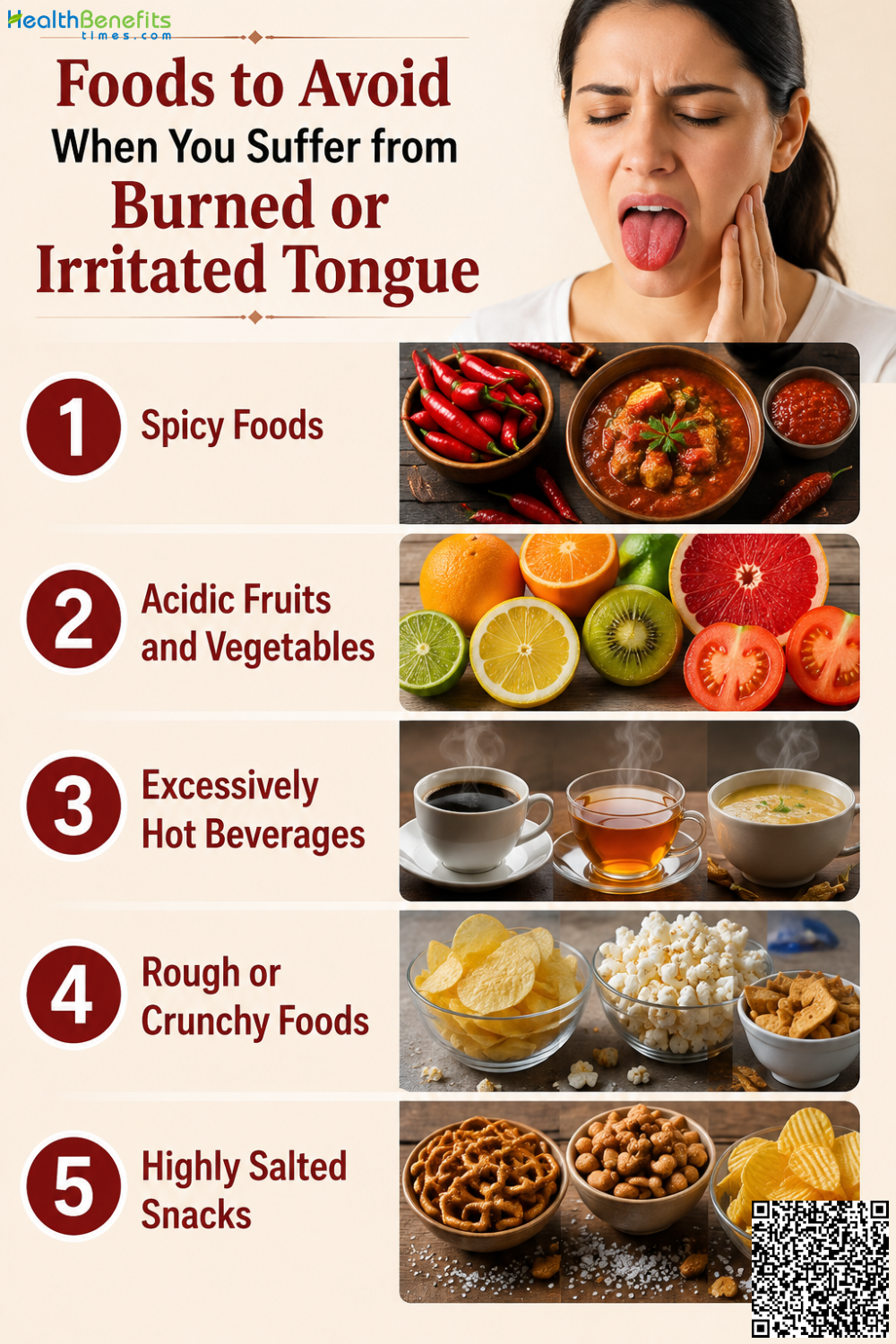
2. Acidic Fruits and Vegetables
Citrus fruits, tomatoes, and juices contain high levels of acid that severely sting compromised mucosal tissues, rapidly increasing pain and delaying the cellular healing process 2.
3. Excessively Hot Beverages
Consuming steaming liquids like hot coffee or tea directly traumatizes the already vulnerable tongue lining, preventing tissue repair and potentially causing secondary thermal burns 1.
4. Rough or Crunchy Foods
Foods with hard, sharp edges, such as potato chips or crusty breads, create mechanical friction that scrapes the sensitive, damaged oral mucosa and worsens tissue irritation 8.
5. Highly Salted Snacks
Heavy sodium concentrations in processed snacks severely sting raw oral tissues and dehydrate the localized area, actively increasing discomfort on a damaged or sensitive tongue 2.
When to See a Doctor When You Struggle from Burned or Irritated Tongue
While most minor mucosal burns heal naturally within a few days, certain clinical symptoms require immediate professional evaluation to rule out severe infections or chronic underlying conditions.
- Symptoms Lasting Beyond Two Weeks: Persistent burning sensations or pain lasting over two weeks require clinical evaluation to rule out chronic conditions like Burning Mouth Syndrome or oral cancer 2.
- White Patches or Lesions: The appearance of raised white lesions alongside irritation indicates a potential fungal infection, such as oral thrush, which requires prescription antifungal medications 6.
- Severe Swelling: Rapid tissue swelling that makes swallowing or breathing difficult indicates a severe allergic reaction or deep tissue infection requiring immediate emergency medical care 19.
- Unexplained Bleeding: Continuous or unprovoked bleeding from the tongue’s mucosal surface suggests deep tissue trauma, severe ulceration, or underlying cellular abnormalities needing urgent medical assessment 20.
- Signs of Infection: Developing a systemic fever or observing pus discharging from the tongue indicates a severe secondary bacterial infection that necessitates professional prescription antibiotic therapy 19.