

[php snippet=1]
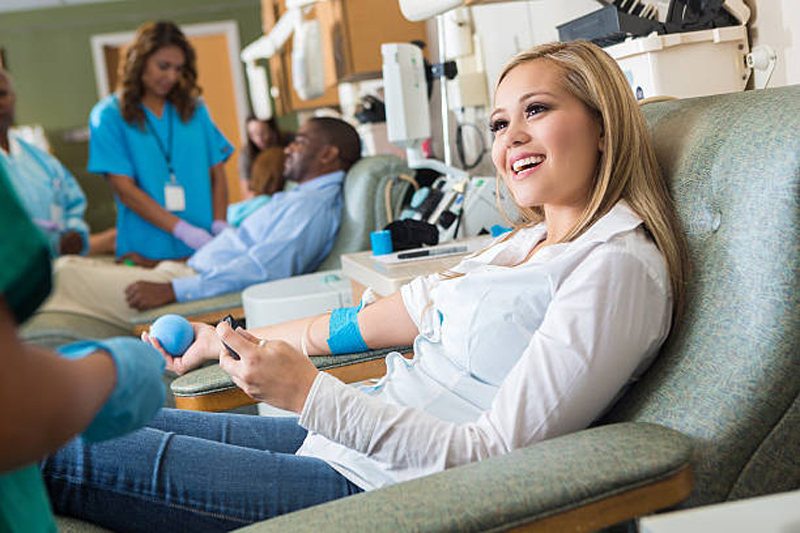
It is a healing, voluntary procedure through which the blood for one of its components is injected from a sound, healthy body to a sick person in need of the blood. Millions of people need such an injection every year, and it is made during surgery, accidents, or some conditions that require transfusion of some of the blood elements.
Types of Blood Donation
- Whole blood: is the most famous type of blood donation options and includes all blood elements (red cells, plasma, and finally platelets);
- Platelets;
- Plasma;
- Red blood cells.
Importance of Blood Donation
Blood transfer is simply one of the methods helping to save lives, and it can be used in the following cases:
- Pregnancy-related developments such as bleeding claims before, during, or after delivery
- For issues during surgical operations such as problems with the cardiovascular system and organ transplant surgery, among others;
- Victims of accidents;
- Cancer cases;
- Patients with blood disorders.
Blood Donation Eligibility Requirements
- The donor must always be in very good health and do not experience any of the possible infectious complications.
- The donor’s age must always range from 18 to 65 years.
- The donor’s weight must always be no less than 50kg. It is a must.
- The hemoglobin level must be 14-17 grams for men and 12-15 grams for ladies.
- The pulse must always travel from 50 to 100 a time.
- The body temperature must always be no more than 37 C.
- The blood pressure level must be less than 120/80 mmHg.
Amount of Blood Donate
An adult with normal health can donate about 400-500mm of their blood externally without any concern or risks to their health. Furthermore, they can donate blood every two months, given that the number of donation times does not exceed five ones yearly.
Blood Donation Benefits
- Blood contribution helps to improve the activity of the bone marrow, effective in producing new blood cells (red blood cells, white blood cells, and platelets).
- Blood donation is essential in boosting the movement of blood circulation.
- Donating blood benefits the level of iron in the blood: hence, it is helpful for people who have hemochromatosis (too much iron in their blood).
- Studies have shown that those providing their blood at least once a year are less exposed to experiencing blood flow diseases and blood cancer.
People Banned from Donating Blood
- Those below 18 years.
- Those with contagious diseases such as AIDS, hepatitis B & C, syphilis, and malaria.
- Those with hereditary blood disorders.
- Those with critical anemia.
- Those who have diabetes, hypertension, or cancer
Post-blood-donation Tips
- Relax for some time and have a light meal.
- Avoid strenuous physical exercises or carrying heavy stuff for five hours after the donation.
- When feeling “dizzy,” lie on your back, with your legs up.
- You can leave the donation center 1015 minutes after the procedure.
- Drink a lot of fluids.
Steps to Be Taken to Ensure the Safety of the Blood Transfused to the Patient
- Passing the medical test related to the medical history of the donor, as well as serving the general eligibility conditions for blood donation.
- Managing accurate inspection and measurement of each blood unit to know the blood composition and make sure of its being free of any transmittable diseases such as (AIDS, Hepatitis B & C, Syphilis and Malaria).
- Performing the very well-known cross-matching pressure to the blood units injected and the patient’s blood to finally secure the blood safety and the simple effectiveness.
- Using filters for the white blood cells.
Can I Donate Blood During the Pandemic?
Although the pandemic has lessened the chances of going out and donating blood in specialized clinics, healthcare has come up with alternatives to help both donors and recipients. Anyone willing to give their blood can apply for home blood draw services at the National Phlebotomy Provider Network.
By doing this, the donor gets several benefits such as scheduling the appointment based on her convenience and avoiding noisy waiting rooms or long queues. If a person wants to do something good, the pandemic should not interfere with that. This unique service to draw blood at home gives hope to those waiting for donation and opportunity to those who care and want to help.