

The human body needs a variety of nutrients to function daily. Among those many items, fibre plays a significant role in digestive health. Colon cells use fibre to stay healthy, along with keeping the digestive tract flowing. Fibre is the portion of plant-derived food and type of carbohydrate that the body cannot digest. It passes through the body undigested, keeping blood sugar in check.
There are several benefits of a high-fibre diet. One of the key benefits is a happier gut. If you’re suffering from constipation, bloating, or low energy, you can also try colon hydrotherapy for occasional relief. The wellness clinic Angel Hydrotherapy focuses on improving digestive health and detox. Colonic irrigation treatments reduce gas, bloating and also support weight loss.
If you’re suffering from a chronic disease that doesn’t seem to get better with multiple different treatments, it might be time to make long-term dietary changes. Here are some health benefits of fibre consumption and sources of fibre to improve your gut health.
Fibre Facts
- There are two types of fibre: soluble fibre, which dissolves in water, and insoluble fibre, which does not dissolve in water.
- You can only find fibre in plant foods.
- On average, Americans eat 10 to 15 grams of total fibreper day. Although, the recommended amount is 25 grams for women under 50 and 38 grams for men.
- Cooking does not remove fibre from food.
- Too much fibre can be problematic for health.
- Sometimes, people refer to fibre as “nature’s broom,” which cleans out the intestinal tract.
- Fibre contributes to a lower risk of different types of cancers.

Health Benefits of Fiber
Consuming dietary fibre has a range of benefits for the mind and soul. The right amount of fibre can keep your digestive system working smoothly.
Regularizes Bowel Movements
Dietary fibre increases the size and weight of your stool and softens it, making it easier to pass, regularizing bowel movements. Bulkier stool reduces the chances of constipation and clears out the digestive tract. If you don’t consume the recommended fibre level and are looking to add more to your daily diet, do it slowly. Adding too much fibre to your diet all of a sudden can also be harmful to the body as it might be a sudden change.
Maintains Digestive Health
A high-fibre diet will maintain your digestive health as it will steer you away from many potential problems. Your risk of developing hemorrhoids will be lower. You will also see a reduction in constipation, gas, and bloating. A well-functioning digestive system will help you feel better overall.
Lowers Cholesterol Levels
Foods with fibre can assist in lowering harmful cholesterol levels by reducing low-density lipoprotein in the system. High-fibre foods also reduce blood pressure and inflammation. Among the two types of fibre, soluble fibre lowers blood cholesterol levels. It dissolves in water to form a gel, which moves slowly through the intestines and grabs fat, cholesterol, and bile salts.
Supports Weight Loss
High-fibre foods are usually more filling, making you feel fuller, reducing unnecessary snacking. Foods high in fibre usually take longer to consume. So, your stomach feels full by the time you finish eating. Some items with fibre can also provide energy, leading to a higher calorie burn rate and motivation to be physically active.
 Aids in Blood Sugar Level Control
Using fibre to reduce blood sugar levels can be helpful for individuals with diabetes. Soluble fibre slows down the absorption of sugar and improves blood sugar levels. In addition to benefitting people with diabetes, a diet rich in fibre can also reduce type 2 diabetes risk in those who don’t have diabetes.
Reduces Cancer Risks
In many cases, cancer is inevitable. However, there are steps an individual can take to make their bodies less prone to cancer risks. Fibre consumption lowers colon cancer risk, and it helps the body eliminate waste, leaving less time for harmful chemicals to stay in the body.
Foods That Contain Fiber
It might feel challenging to meet your fibre requirements if you don’t like vegetables. But did you know that you can increase your fibre intake by eating popcorn? So, you can improve your digestive health and pave the way for a healthier life while you’re munching on movie snacks! Here are some other foods you want to add to your grocery list to increase your fibre intake.
1. Beans
You can add fibre to your diet without compromising taste. Next time you’re enjoying a fresh bowl of chilli, make sure to add extra beans! Other forms of beans such as lentils and edamame are also excellent sources of fibre. You can even eat cakes and other baked products with beans in them to increase fibre intake.
2. Whole Grains
If you’re a bread lover, you’re in for a treat! Natural whole grains found in 100% whole-grain bread, brown rice, and whole-wheat pasta contain fibre. When you’re looking for a whole-grain product, check out the ingredients. For the item to qualify for the U.S. Food and Drug Administration (FDA) whole-grain health claim, the whole grain must be the first ingredient on the list.
3. Broccoli
Although many people frown at the thought of broccoli, it can add flavour to many dishes and also contains high fibre content. Broccoli’s fibre content can support bacteria in the gut and keep the digestive system balanced and healthy.
 4. Apples
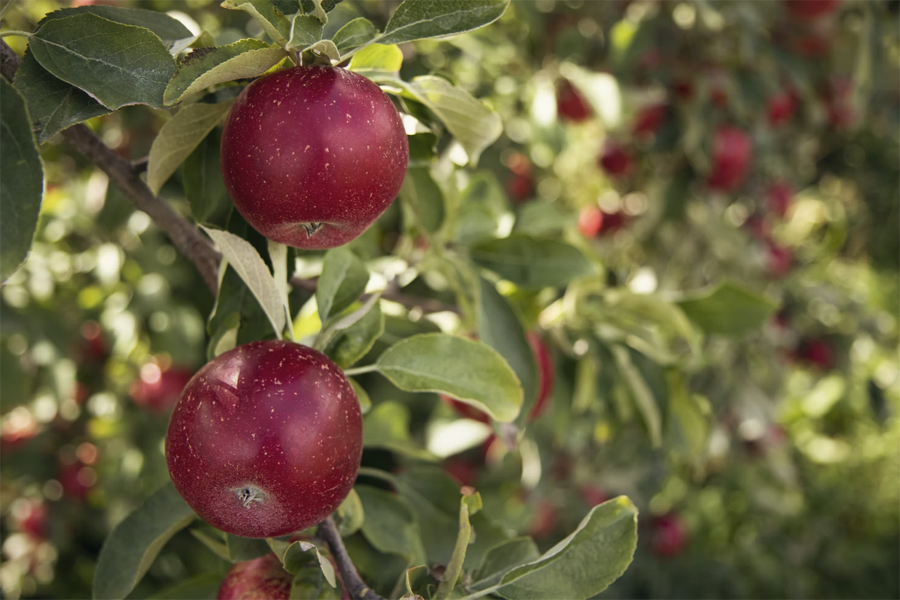
You’ve probably heard the phrase, “an apple a day keeps the doctor away.” Although it might not apply literally to this context, it will increase your fibre intake. The fibre content in an apple can protect arteries and lower cholesterol.
5. Bananas
A banana is a versatile fruit that goes well in shakes, bread, desserts, and its own. It might be one of the easiest ways to consume fibre as it tastes delicious.
6. Potatoes
You can create a long list of items with potatoes as the primary ingredient. However, the best way to consume potatoes is with the skin, whether sweet, red, purple, or white. Potatoes are notorious for being unhealthy due to the items created with oil, such as fries. But, if cooked healthily, the fibre content in potatoes can protect the intestinal wall.
Try to meet the recommended daily fibre intake by adding some of the foods above to your diet. However, the list of foods containing fibre is not limited to these items.
Fibre consumption provides multiple benefits to the human body. When you incorporate fibre into your daily routine, you will start to see a positive change in your physical health.