

- A healthy heart is one that efficiently pumps blood, supplies oxygen to the body, and maintains proper rhythm without strain or disease.
- Eating a balanced diet with heart-healthy foods can significantly reduce the risk of cardiovascular diseases.
- Scientifically proven foods, rich in nutrients like omega-3 fatty acids, fiber, and antioxidants, play a crucial role in promoting heart health.

A healthy heart is one that efficiently pumps blood, ensuring oxygen and nutrients reach all parts of the body while maintaining optimal blood pressure and cholesterol levels. Cardiovascular diseases are the leading cause of mortality worldwide, making dietary choices crucial for heart health. Research shows that consuming nutrient-rich foods such as fatty fish, nuts, leafy greens, and whole grains can significantly lower the risk of heart disease. For instance, omega-3 fatty acids found in fish have been proven to reduce inflammation and lower triglyceride levels. Similarly, polyphenols in berries and flavonoids in dark chocolate contribute to better vascular function and lower blood pressure. Whole grains, particularly oats and quinoa, are high in fiber, which aids in reducing cholesterol and maintaining a healthy digestive system. Olive oil, a staple of the Mediterranean diet, has been shown to improve heart function and reduce the risk of coronary artery disease. Green tea, rich in catechins, has demonstrated powerful antioxidant properties that support cardiovascular health. Additionally, legumes like lentils and chickpeas are excellent plant-based protein sources that help in stabilizing blood sugar levels and improving cholesterol balance.
Understanding Heart-Healthy Nutrition
A heart-healthy diet focuses on nutrient-dense foods that support cardiovascular function and reduce the risk of heart disease. Key components include omega-3 fatty acids, fiber, and antioxidants, which help lower cholesterol, regulate blood pressure, and reduce inflammation. Sea vegetables, for example, provide essential minerals and heart-protective compounds, making them an excellent addition to a balanced diet. A well-rounded diet rich in whole foods supports long-term cardiovascular health.
Scientifically Proven Best Foods for a Healthy Heart
A heart-healthy diet is key to preventing cardiovascular disease. Discover scientifically proven foods that lower cholesterol, reduce inflammation, and support heart function, helping you maintain optimal health and longevity effortlessly.
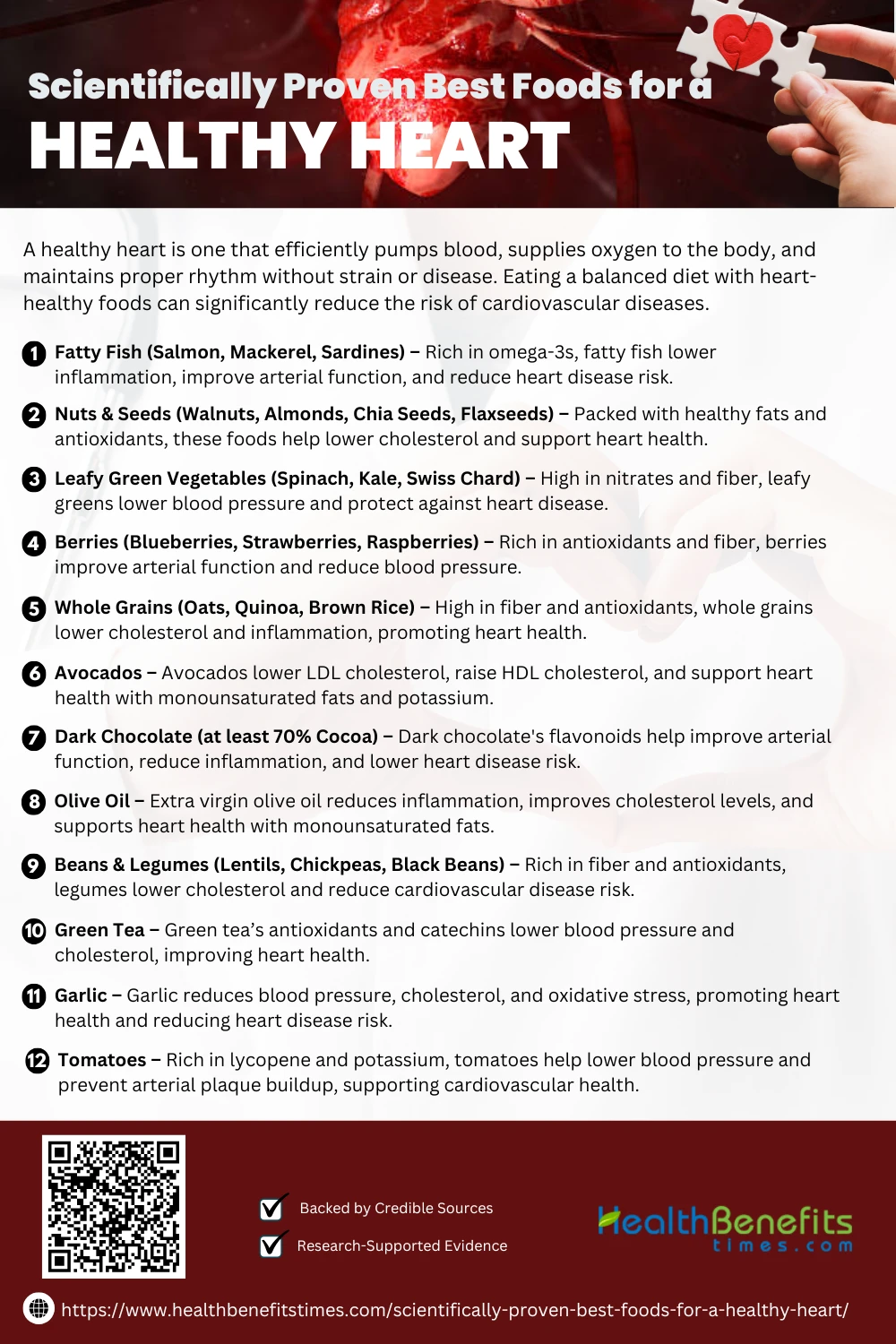
1. Fatty Fish (Salmon, Mackerel, Sardines)
Fatty fish like salmon, mackerel, and sardines are rich in omega-3 fatty acids, which significantly reduce inflammation and lower the risk of heart disease. (1) Studies indicate that regular fish consumption lowers blood pressure and improves arterial function. (2) The DHA and EPA found in fatty fish play a crucial role in maintaining cardiovascular health. (3) Additionally, these fish provide high-quality protein and essential minerals that support heart function. Consuming fish twice a week has been linked to a lower risk of heart attacks and strokes. (4)
2. Nuts & Seeds (Walnuts, Almonds, Chia Seeds, Flaxseeds)
Nuts and seeds, including walnuts, almonds, chia seeds, and flaxseeds, are packed with healthy fats, fiber, and antioxidants, which contribute to heart health. (5) Regular consumption of nuts is linked to lower LDL cholesterol and reduced blood pressure. (6) Omega-3-rich seeds, such as flaxseeds and chia seeds, help reduce inflammation and regulate heart rhythm. (7) The polyphenols and plant sterols found in almonds and walnuts improve arterial function and decrease plaque buildup. (8) Moreover, a nut and seed-rich diet has been associated with a lower risk of cardiovascular disease and metabolic disorders. (9)
3. Leafy Green Vegetables (Spinach, Kale, Swiss Chard)
Leafy green vegetables like spinach, kale, and Swiss chard are packed with nitrates, antioxidants, and fiber, which support cardiovascular health. (10) Studies show that these vegetables reduce blood pressure and enhance arterial function. The high vitamin K content in greens supports vascular integrity and prevents calcification in arteries. (11) Leafy greens are also excellent sources of lutein and beta-carotene, which protect against heart disease. (12) Regular consumption has been linked to a lower risk of stroke and heart attack. (13)
4. Berries (Blueberries, Strawberries, Raspberries)
Berries such as blueberries, strawberries, and raspberries are rich in polyphenols and anthocyanins, which help reduce inflammation and oxidative stress in blood vessels. (14) Their high fiber content supports lower cholesterol levels and better heart health. (15) Studies have shown that regular berry consumption improves arterial function and reduces blood pressure. (16) The flavonoids in berries contribute to better circulatory health and reduced risk of heart disease. (4) Additionally, berries support a healthy gut microbiome, which plays a vital role in cardiovascular wellness. (4)
5. Whole Grains (Oats, Quinoa, Brown Rice)
Whole grains like oats, quinoa, and brown rice are rich in fiber, antioxidants, and essential nutrients, which promote heart health by lowering cholesterol and reducing inflammation. (17) The beta-glucan in oats has been shown to decrease LDL cholesterol and improve arterial function. (18) Studies highlight that quinoa’s phytochemicals support better heart function and reduce oxidative stress. (19) Brown rice, being a whole grain, helps maintain healthy blood pressure and metabolic balance. (20) Regular consumption of whole grains is associated with a lower risk of heart disease and stroke. (21)
6. Avocados
Avocados are an excellent source of monounsaturated fats, fiber, and potassium, all of which contribute to heart health. (22) Research indicates that avocado consumption lowers bad cholesterol (LDL) and increases good cholesterol (HDL), reducing the risk of heart disease. (23) The fruit is also rich in antioxidants like lutein, which help prevent inflammation and oxidative stress. (24) Additionally, avocados have blood pressure-lowering effects due to their high potassium content. (25) Studies have linked regular avocado consumption to a reduced risk of metabolic syndrome and cardiovascular disease.
7. Dark Chocolate (at least 70% Cocoa)
Dark chocolate, rich in flavonoids and polyphenols, has been scientifically shown to improve cardiovascular health and reduce blood pressure. Studies indicate that regular consumption of high-cocoa dark chocolate enhances arterial function and lowers the risk of heart disease. The antioxidants in cocoa contribute to reduced inflammation and improved circulation. Additionally, dark chocolate supports lower LDL cholesterol and increased HDL cholesterol, promoting a healthier heart. Research also highlights that moderate consumption of dark chocolate may help prevent heart attacks and strokes.
8. Olive Oil
Olive oil, especially extra virgin olive oil (EVOO), is loaded with monounsaturated fats and polyphenols, which reduce inflammation and improve heart health. (26) Studies confirm that regular olive oil consumption lowers LDL cholesterol and increases HDL cholesterol, supporting better arterial function. (27) Olive oil is a key component of the Mediterranean diet, which has been associated with a lower risk of cardiovascular diseases. (28) The antioxidants in olive oil help combat oxidative stress, which is a leading cause of heart disease. (29) Furthermore, olive oil consumption is linked to a reduced risk of hypertension and improved vascular health. (30)
9. Beans & Legumes (Lentils, Chickpeas, Black Beans)
Beans and legumes, including lentils, chickpeas, and black beans, are packed with fiber, plant-based protein, and essential nutrients that support heart health. (31) These legumes help reduce cholesterol levels and regulate blood sugar, contributing to improved cardiovascular function. (32) Research shows that regular consumption of legumes is linked to lower risks of heart disease and hypertension. (33) The high antioxidant content in these foods also combats oxidative stress, which plays a role in cardiovascular disease. (20) Including beans and legumes in a balanced diet is associated with long-term heart health and longevity. (34)
10. Green Tea
Green tea is rich in catechins and antioxidants, which contribute to lower blood pressure, improved cholesterol levels, and reduced inflammation. (35) Studies indicate that green tea consumption is linked to a lower risk of cardiovascular diseases. (36) The polyphenols in green tea help improve arterial function and reduce oxidative stress. (37) Regular intake has been associated with lower LDL cholesterol and improved heart rhythm. (38) Research suggests that green tea plays a key role in preventing heart disease and stroke. (39)
11. Garlic
Garlic is a powerful heart-healthy food rich in allicin and sulfur compounds, which help reduce blood pressure and cholesterol levels. (40) Research shows that garlic consumption improves arterial function and reduces plaque buildup in arteries. (41) Garlic’s antioxidant properties help combat oxidative stress, which is a major contributor to cardiovascular disease. (42) Additionally, studies have shown that regular garlic intake is associated with lower risks of heart attack and stroke. (43) The beneficial effects of garlic on heart health make it an essential addition to a balanced diet. (44)
12. Tomatoes
Tomatoes are an excellent source of lycopene, flavonoids, and vitamin C, all of which contribute to cardiovascular health. (45) Research indicates that lycopene in tomatoes helps lower blood pressure and prevent arterial plaque buildup. (40) Tomatoes also contain potassium, which regulates heart function and reduces hypertension. (46) Consuming tomato-based products has been linked to a lower risk of cardiovascular diseases and improved cholesterol levels. (47) Additionally, studies suggest that tomato juice can serve as a natural therapy for reducing heart disease risk factors. (48)
Foods to Limit for Optimal Heart Health
A heart-healthy diet isn’t just about what you eat—it’s also about what to avoid. Limiting certain foods can reduce cholesterol, inflammation, and heart disease risk, promoting long-term cardiovascular wellness.
1. Trans Fats and Processed Foods
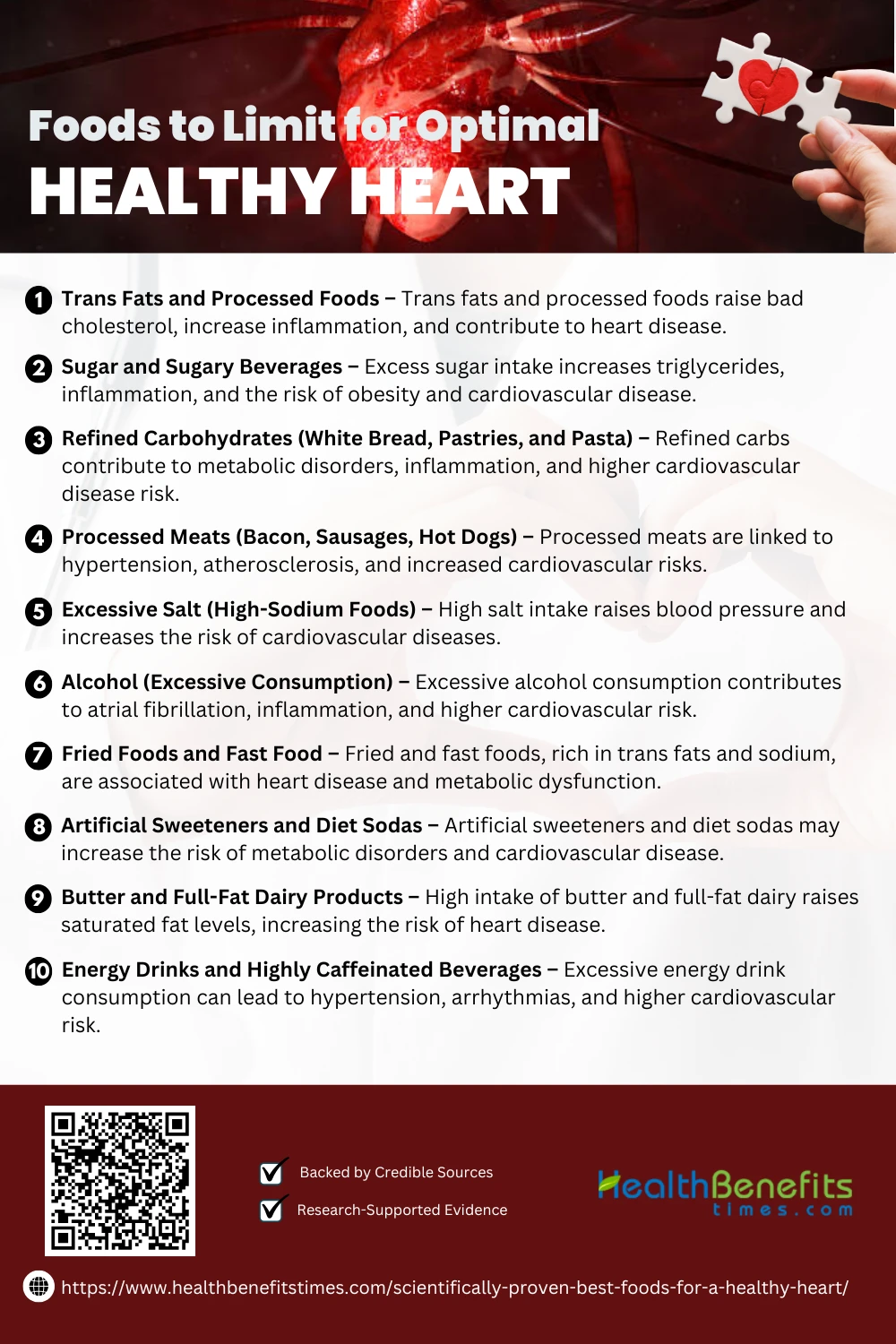
Trans fats and processed foods are major contributors to cardiovascular disease and obesity. These unhealthy fats, commonly found in fried foods, margarine, and packaged snacks, raise bad cholesterol (LDL) while lowering good cholesterol (HDL), leading to an increased risk of heart disease. (49) Additionally, excessive intake of processed foods with hydrogenated oils contributes to chronic inflammation and arterial blockages, significantly affecting heart health. (50) Replacing trans fats with healthy unsaturated fats, such as those found in olive oil and nuts, is a proven way to improve heart health and reduce cardiovascular risks.
2. Sugar and Sugary Beverages
Excess sugar intake, particularly from sugar-sweetened beverages and processed foods, is strongly linked to obesity, type 2 diabetes, and cardiovascular disease. Research shows that high sugar consumption leads to insulin resistance, increased triglycerides, and inflammation, which negatively impact heart function. (51) Additionally, sugary drinks contribute to higher calorie intake and weight gain, increasing the risk of metabolic syndrome and hypertension. (52) Reducing sugar intake by opting for natural sweeteners, whole fruits, and water instead of sodas and fruit juices can significantly improve overall heart health and longevity.
3. Refined Carbohydrates (White Bread, Pastries, and Pasta)
Reducing refined carbohydrate intake can significantly lower cardiovascular disease risk by improving lipid profiles and reducing inflammation. A study highlights that excessive consumption of processed carbohydrates, such as white bread and pasta, contributes to metabolic disorders and heart disease. (53) Another report emphasizes dietary innovations in managing obesity and cardiovascular health, advocating for whole-food-based nutrition. (54)
4. Processed Meats (Bacon, Sausages, Hot Dogs)
Limiting processed meat intake is crucial for cardiovascular wellness, as studies link it to higher risks of hypertension and atherosclerosis. Precision nutrition research suggests that reducing red and processed meats enhances heart health and longevity. (55) Another study underscores the dangers of dietary nitrates in processed meats, linking them to cardiovascular diseases. (56)
5. Excessive Salt (High-Sodium Foods)
High salt intake contributes to hypertension and cardiovascular diseases. Research highlights the benefits of sodium reduction in maintaining heart health and preventing hypertension-related complications. (57) Another study supports sustainable dietary practices that limit excessive salt intake to promote long-term cardiovascular well-being. (58)
6. Alcohol (Excessive Consumption)
Alcohol consumption is linked to atrial fibrillation and increased cardiovascular risk. A study emphasizes that reducing alcohol intake supports heart rhythm stability and lowers inflammation markers. (59) Another research highlights the role of alcohol moderation in promoting overall cardiovascular and metabolic health. (60)
7. Fried Foods and Fast Food
Regular consumption of fried and fast foods is associated with an increased risk of cardiovascular disease due to high trans fats and sodium levels. A study links fried food intake to metabolic dysfunction and heart disease. (56) Additionally, research suggests that frequent fast-food consumption contributes to endothelial dysfunction and inflammation, leading to heart complications. (56)
8. Artificial Sweeteners and Diet Sodas
Artificial sweeteners and diet sodas have been linked to metabolic disorders and cardiovascular risks. A study highlights their association with an increased risk of metabolic syndrome and hypertension. (61) Another research paper from the American Heart Association warns against long-term consumption of artificially sweetened beverages due to potential mortality risks. (62)
9. Butter and Full-Fat Dairy Products
Reducing butter and full-fat dairy consumption helps lower saturated fat intake, reducing cardiovascular disease risk. Research indicates that excessive full-fat dairy consumption contributes to higher cholesterol levels and metabolic disorders. (63) Another study highlights that replacing butter with healthier fat sources supports better heart health. (64)
10. Energy Drinks and Highly Caffeinated Beverages
Excessive energy drink consumption has been linked to increased heart rate, hypertension, and cardiovascular risks. A study warns against their high caffeine content, which can lead to heart arrhythmias. Another report suggests that limiting energy drink intake reduces cardiovascular strain and long-term health risks. (65)
Conclusion
Incorporating scientifically proven heart-healthy foods into your diet is a powerful way to support cardiovascular health and reduce the risk of heart disease. Nutrient-dense foods such as leafy greens, berries, fatty fish, whole grains, nuts, and seeds provide essential vitamins, antioxidants, and healthy fats that promote optimal heart function. Additionally, minimizing processed foods, refined sugars, and trans fats further enhances heart health. By making mindful dietary choices and maintaining a balanced lifestyle, including regular exercise and stress management, you can significantly improve your heart health and overall well-being.