

Health Benefits
    Facebook Twitter Instagram
    Friday, December 5
    Facebook Twitter Pinterest
    Health Benefits
    • Home
    • Dental Health
    • Mental Health
    • Weight Loss
    • Health Wiki
    • Nutrition
    • Healthy Recipe
    • BMI Calculator
    Health Benefits
    Home»Facts»Acerola Cherry Facts
    Facts

    Acerola Cherry Facts

    By s mMay 3, 2016Updated:August 4, 2017No Comments3 Mins Read
    Facebook Twitter Pinterest LinkedIn Tumblr Email

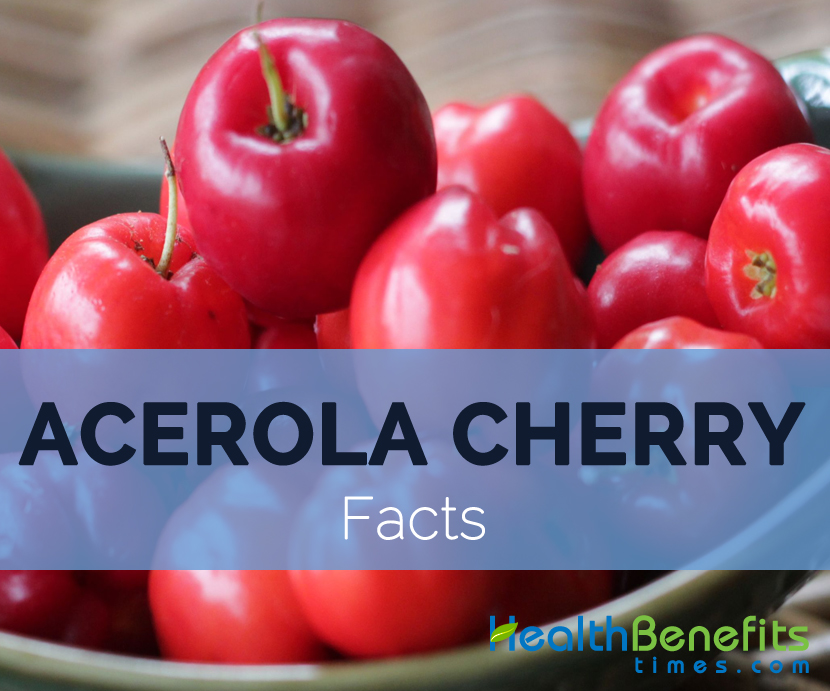
    Acerola-cherry-factsAcerola cherry possess 65 times more Vitamin C than orange. The single fruit provides the minimum requirement of Vitamin C of the recommended amount. It looks like a cherry with acidic and sweet flavor. Fruit loses its flavor as well as nutritional content very fast.

    Name Acerola cherry
    Scientific Name Malpighia emarginata
    Native South America, Central America and Mexico, but now is being grown on Texas, India.
    Common/English Name Acerola, Dwarf Barbados Cherry, Barbados Cherry, Garden Cherry, Indian Cherry, Huesito, Native Cherry, Manzanita, Surinam Cherry, Puerto Rico Cherry, West Indian Cherry
    Name in Other Languages Brazil: Acerola, Cereja-Do-Pará;
    Barbados (Spanish): Buesito, Acerola;
    Czech: Malipigie Lysá;
    Danish: Barbadoskirsebær;
    Dutch: Geribde Kers;
    Eastonian: Sile Malpiigia;
    French: Acerolier, Cerise De Cayenne;
    German: Acerola-Kirsche, Barbados-Kirsche;
    India: Vallaria Simeyaranelli;
    Panama (Spanish): Cereza, Grosella;
    Papiamento: Whimaruku Machu;
    Philippines (Tagalog): Malpi;
    Portuguese: Cerejeira, Cereja Do Pará;
    Spanish: Acerola, Cereza De Jamaica;
    Surinam (Dutch): Shimarucu;
    Thai (Bangkok): Choeri ;
    Venezuela (Spanish): Semeruco, Cemeruco;
    Vietnamese: So’ri
    Plant Growth Habit Evergreen, semi deciduous and fast growing
    Growing Climate Tropical and subtropical climate
    Soil Loamy and well-drained
    Plant Size 3-6 m (6.6–9.8 ft.)
    Root Shallow
    Branchlets Brittle and woody branches
    Leaf Glossy, elliptical and dark green, length: 5–10 cm, width: 2.5–5.5 cm
    Flowering Season Summer-fall
    Flower Pink, Size: 1-2 cm, Diameter: 1–2 cm (0.39–0.79 inch)
    Fruit shape & size Oblate- round, small, Diameter: 1.5 to 4 cm
    Fruit weight 5-7 g
    Fruit color Bright red
    Flesh color Yellow to orange
    Fruit peel Thin
    Flavor/aroma Sweet, tart
    Fruit Taste Sour
    Seed Small, rounded, three seeds
    Varieties/Types Sweet varieties: Tropical Ruby, Hawaiian Queen, and Manoa Sweet
    Sour varieties: J.H. Beaumont, C.F. Rehnborg, and Haley.
    Fruit Season Summer-Autumn
    Major Nutritions Vitamin C (Ascorbic acid) 1644 mg (1826.67%)
    Copper, Cu 0.084 mg (9.33%)
    Vitamin B5 (Pantothenic acid) 0.303 mg (6.06%)
    Carbohydrate 7.54 g (5.80%)
    Vitamin A 37 µg (5.29%)
    Vitamin B2 (Riboflavin) 0.059 mg (4.54%)
    Magnesium, Mg 18 mg (4.29%)
    Vitamin B9 (Folate, Folic acid) 14 µg (3.50%)
    Potassium, K 143 mg (3.04%)
    Total dietary Fiber 1.1 g (2.89%)
    Iron, Fe 0.2 mg (2.50%)
    Vitamin B3 (Niacin) 0.392 mg (2.45%)
    Vitamin B1 (Thiamin) 0.02 mg (1.67%)
    Phosphorus, P 11 mg (1.57%)
    Calcium, Ca 12 mg (1.20%)
    Health Benefits
    • Induced oxidative stress
    • Prevent Obesity
    • Prevent Diabetes
    • Antioxidant Benefits
    • Prevents Liver Damage
    Calories in 1cup (98 gm) 31 Kcal
    Traditional uses Fruits: Diarrhoea, dysentery and problems related to liver, cold and cough are treated with the use of fruits.
    Puree: Used as topping on ice cream, cake, pudding or sliced bananas
    Precautions
    • The symptoms of the reactions such as upset stomachs, insomnia and sleeplessness might be experienced.
    •  Too much consumption of acerola cherries results in diarrhea.
    • The huge amount of vitamin C could be harmful to the gout patients because it enhances uric acid level.
    • Acerola interact with estrogens.
    • The pregnant and breast feeding women should avoid the acerola cherries.
    • Due to the high amount of vitamin C, it might lead to the formation of kidney stones.
    How to Eat
    • It is eaten ripe.
    • It is also preserved in the form of jam, jelly or syrup.
    • This fruit is also used to produce some types of alcohol.
    • The sliced berries are served in the form of fruit cup, fruit salad, etc.
    Other Facts
    • Acerola cherries possess double amount of magnesium, potassium and vitamin B5 than oranges.
    • Acerola also enhances the immune system due to high content of vitamin C, eliminates heart disease and prevents cancer.
    • Vitamin C assists in the treatment of anti-aging treatment.
    • The sore throat could be relieved if gargled with the juice.

    Comments

    comments

    Facts
    Share. Facebook Twitter Pinterest LinkedIn Tumblr Email
    Previous ArticleAcerola Cherry Nutritional Value
    Next Article Mangosteen Facts and Health benefits

    Related Posts

    5 Things You Need to Know About Psoriasis

    January 21, 2023

    Toxic Metal: 5 Ways to Protect yourself from Aluminum Toxicity at Home and Eating Out

    October 24, 2019

    Chewing Gum benefits and Risks

    September 10, 2018

    Comments are closed.


    Categories
    • Beverages (78)
    • Dairy (28)
    • Dental Health (15)
    • Equipment (5)
    • Essential OIls (196)
    • Facts (2,939)
    • Foods (255)
    • Fruits (516)
    • Giveaway (1)
    • Grains and Cereals (36)
    • Health & Beauty (763)
    • Herbs and Spices (1,249)
    • Medicines (9)
    • Mental Health (19)
    • Nutritional value (27)
    • Nuts and seeds (73)
    • Oils (81)
    • Pets (4)
    • Poultry & Seafoods (67)
    • Pulses and Beans (16)
    • Reviews (25)
    • supplement (2)
    • Vegetables (304)
    • Weight Loss (22)

    What is Lupin Bean Flour?

    Science Backed Health Benefits of Durian (Durio zibethinus)

    Science Backed Health Benefits of Feijoa (Pineapple Guava) (Acca sellowiana)

    Science Backed Health Benefits of Gac Fruit (Momordica cochinchinensis)

    Science Backed Health Benefits of Amaranth Leaves (Amaranthus spp)

    Science Backed Health Benefits of Arrowhead (Sagittaria sagittifolia)

    ABOUT
    Home
    About us
    Contact us
    Privacy Policy
    Terms & conditions
    Disclaimer
    Direct Communication
    e-mail: [email protected]
    Gmail: [email protected]
    Whatsapp: +977-9841146511
    Viber: +977-9841146511
    Useful
    Health Wiki
    Nutrition
    Facebook Twitter Pinterest
    © 2025 www.healthbenefitstimes.com All rights reserved.

    Type above and press Enter to search. Press Esc to cancel.

    ×

    Log In

    Forgot Password?

    Not registered yet? Create an Account