


Immunoglobulin A (IgA) nephropathy, or Berger’s disease, is a chronic autoimmune condition affecting the kidneys. It occurs when a specific antibody, immunoglobulin A, accumulates inside the glomeruli—the kidneys’ tiny filtering units. Over time, this abnormal protein buildup triggers local inflammation, progressively damaging tissue and impairing the kidneys’ ability to filter waste from the blood (Rajasekaran et al., 2021) 1. As the disease advances, it frequently causes blood or protein in the urine and elevated blood pressure. Although the condition can remain stable in some patients, clinical studies indicate that 40% to 75% of affected adults may develop end-stage kidney failure within twenty years of diagnosis (Cheung et al., 2024) 2. Early detection and routine monitoring are essential to manage symptoms and slow disease progression.
Causes of IgA Nephropathy
- Abnormal Immune Response: The primary cause of the disease is a malfunction in the immune system that produces abnormal immunoglobulin A (IgA) antibodies. These irregular proteins bind together to form immune complexes that become trapped inside the kidney’s filters, triggering persistent inflammation and progressive tissue damage 1.
- Respiratory and Gastrointestinal Infections: Bacterial and viral infections, particularly those affecting the throat, lungs, or digestive tract, frequently act as direct triggers. These illnesses stimulate the body’s mucous membranes to defend themselves, resulting in an overproduction of the abnormal IgA antibodies that eventually accumulate in the kidneys 3.
- Genetic Factors: Although the condition often occurs without a family history, genetics play a significant role in a person’s susceptibility. Research demonstrates an increased risk for first-degree relatives of affected individuals and links the development of the condition to specific genetic markers on human chromosomes 4.
- Liver Diseases: Chronic liver conditions, particularly cirrhosis caused by heavy alcohol use or viral hepatitis, are common secondary causes. A damaged liver loses its ability to filter and remove excess IgA complexes from the bloodstream, causing these immune proteins to back up and deposit into the kidney tissues 3.
- Autoimmune and Systemic Conditions: The disease often develops alongside other autoimmune disorders, such as systemic lupus erythematosus, Sjögren’s syndrome, and ankylosing spondylitis. These conditions keep the immune system in a constant state of high alert, promoting the continuous formation of harmful immune complexes that damage the kidneys 1.
- Digestive Disorders: Medical conditions that inflame the intestinal lining, such as celiac disease and inflammatory bowel diseases like Crohn’s disease, are closely associated with kidney IgA buildup. The ongoing gut inflammation creates a heightened localized immune response, producing abnormal IgA antibodies that travel through the blood to the kidneys 5.
Symptoms of IgA Nephropathy
- Blood in the Urine (Hematuria): The most prevalent initial symptom is blood leaking into the urinary tract, which frequently becomes visible as pink, dark brown, or cola-colored fluid. This visible bleeding typically occurs during or shortly after a respiratory or gastrointestinal infection, though many patients only have microscopic traces of blood detectable through laboratory testing 1.
- Foamy Urine (Proteinuria): As the immune complexes damage the kidney’s delicate filtering units, vital proteins escape from the bloodstream into the urine. This excessive protein spillage alters the urine’s composition, causing it to appear noticeably foamy or frothy 6.
- Fluid Retention and Swelling (Edema): The ongoing loss of blood proteins and decreased kidney filtration capabilities disrupt the body’s internal fluid balance. This accumulated fluid typically pools in the lower extremities, causing visible swelling in the feet, ankles, and legs, and can occasionally cause puffiness around the eyes 7.
- High Blood Pressure (Hypertension): Because the kidneys are essential for maintaining cardiovascular pressure, progressive tissue damage heavily impairs their ability to regulate sodium and fluid levels. As a result, patients frequently develop secondary high blood pressure as the disease advances into later stages 3.
- Back and Side Pain (Flank Pain): During acute episodes of visible bleeding into the urine, some individuals experience a dull ache or distinct pain in the lower back or sides. This discomfort is primarily caused by the sudden swelling and physical stretching of the kidney’s outer protective capsule 3.
- Systemic Signs of Advanced Kidney Damage: If the persistent inflammation eventually progresses to severe chronic kidney failure, the resulting buildup of unfiltered metabolic waste products in the blood can trigger widespread physical symptoms. These late-stage signs commonly include persistent fatigue, chronic nausea, loss of appetite, sleep disturbances, and muscle cramps 7.
Best Remedies for IgA Nephropathy
1. Blood Pressure Medications
How it may help:
Angiotensin-converting enzyme (ACE) inhibitors and angiotensin receptor blockers (ARBs) lower blood pressure inside the kidney’s delicate filters. This mechanism reduces the amount of protein leaking into the urine and significantly slows the progressive structural damage caused by IgA nephropathy 6.
What research says:
Clinical guidelines establish ACE inhibitors and ARBs as the primary foundational treatment. Medical studies confirm that maximizing the dosage of these medications safely minimizes urinary protein spillage and substantially delays the progression to end-stage kidney failure over time 8.
How to use it safely:
You should take these pills exactly as directed by your healthcare provider, maintaining a consistent daily schedule. You will require routine laboratory blood tests to ensure the medication is not elevating your potassium levels or temporarily decreasing your kidney filtration 6.
Potential precautions or side effects:
These drugs can cause dizziness, a persistent dry cough, or abnormally high potassium levels. Pregnant women must strictly avoid them due to the high risk of severe birth defects 9.
2. Targeted Intestinal Steroids (Budesonide)
How it may help:
Targeted budesonide is a specialized medication that releases directly into the lower intestine. This specific intestinal area produces the abnormal IgA antibodies responsible for the disease. By suppressing the local immune response, the drug stops the production of these harmful proteins before they can travel to and damage the kidneys 10.
What research says:
Clinical trials confirm that delayed-release budesonide significantly decreases protein leakage into the urine. Comprehensive studies demonstrate that this targeted therapy effectively preserves long-term kidney function and successfully slows the overall decline of kidney filtration rates in patients at high risk of progressing to kidney failure 11.
How to use it safely:
You must swallow the capsules whole with a glass of water, typically in the morning. Do not crush, chew, or open them, as this destroys the special coating required to reach your intestines. Always follow your doctor’s prescribed schedule and never stop the medication abruptly 10.
Potential precautions or side effects:
Common side effects include fluid retention, elevated blood pressure, and muscle spasms. Because this medication suppresses your immune system, you may have an increased risk of developing severe infections 11.
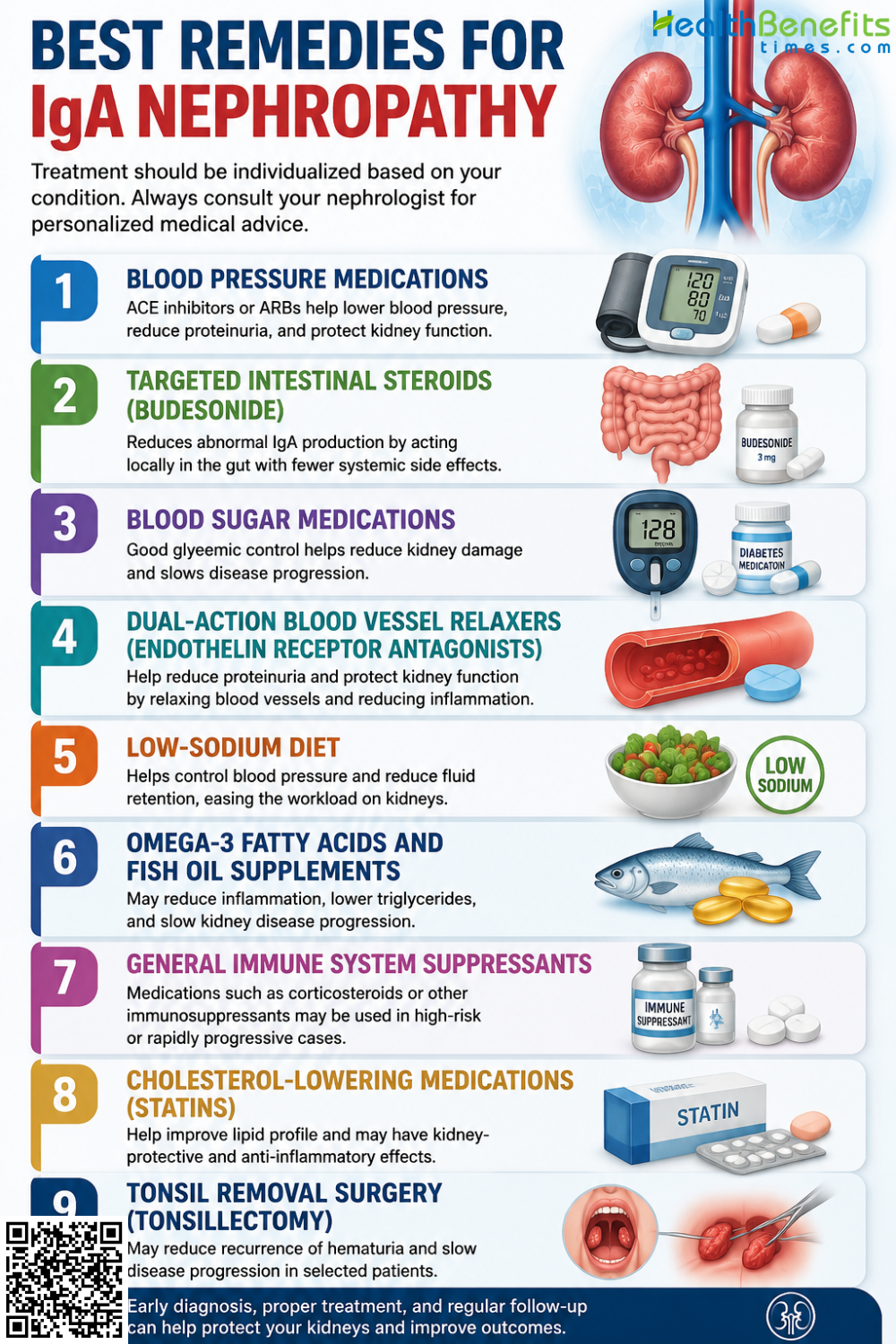
3. Blood Sugar Medications
How it may help:
Sodium-glucose cotransporter-2 (SGLT2) inhibitors are diabetes medications that offer significant kidney protection, even for individuals without diabetes. These drugs relieve internal pressure within the kidney’s delicate filters. By reducing this physical strain, the medication decreases inflammation, minimizes protein leakage into the urine, and prevents further tissue damage 12.
What research says:
Major clinical trials conclude that SGLT2 inhibitors substantially slow the progression of IgA nephropathy. Extensive research demonstrates that adding these medications to standard treatments safely lowers the risk of severe kidney function decline and significantly delays the need for dialysis or a kidney transplant 12.
How to use it safely:
You should take this medication exactly as prescribed, typically as a single daily pill. Because these drugs increase urine production, you must drink plenty of water to stay hydrated. Regularly visit your doctor to monitor your kidney function and internal fluid balance through routine tests 13.
Potential precautions or side effects:
Common side effects include frequent urination, dehydration, and a higher risk of genital yeast or urinary tract infections. Rarely, they can cause dangerously high blood acid levels 13.
4. Dual-Action Blood Vessel Relaxers (Endothelin Receptor Antagonists)
How it may help:
Dual-action blood vessel relaxers, such as sparsentan, block two specific chemical pathways that constrict blood flow. By relaxing the vessels inside the kidneys, this medication lowers internal pressure, significantly reduces harmful inflammation, and stops excessive protein from leaking into the urine, protecting delicate kidney tissues 14.
What research says:
Clinical trials confirm that these dual-action medications are highly effective for high-risk patients. Research concludes that this treatment significantly lowers urinary protein levels and preserves long-term kidney function more successfully than traditional single-action drugs, ultimately delaying the onset of severe kidney failure 14.
How to use it safely:
You must take this daily medication strictly as prescribed by your specialist. Because of specific health risks, you will need to participate in a mandatory safety monitoring program, which requires you to undergo regular blood tests to check your liver health and confirm you are not pregnant 15.
Potential precautions or side effects:
Common side effects include low blood pressure, dizziness, and fluid retention. Because it carries high risks for liver toxicity and severe birth defects, strict pregnancy prevention is absolutely mandatory 15.
5. Low-Sodium Diet
How it may help:
Consuming less sodium directly lowers blood pressure and reduces uncomfortable fluid buildup throughout the body. By minimizing physical strain on blood vessels, a low-sodium diet protects the kidneys’ delicate filters and significantly enhances the effectiveness of prescribed blood pressure medications 16.
What research says:
Clinical guidelines conclude that restricting sodium intake to less than 2,000 milligrams daily significantly decreases urinary protein leakage. Research demonstrates that this dietary intervention successfully slows the decline of kidney function and delays the progression of chronic kidney diseases, including IgA nephropathy 8.
How to use it safely:
You should prepare fresh meals at home and avoid highly processed, canned, or fast foods. Always read nutritional labels to track hidden sodium. Instead of using salt, flavor your food with fresh herbs, spices, or lemon juice to protect your kidneys 16.
Potential precautions or side effects:
You must strictly avoid commercial salt substitutes. They often contain high potassium levels, which can cause dangerous heart rhythm complications in individuals with declining kidney function 16.
6. Omega-3 Fatty Acids and Fish Oil Supplements
How it may help:
Omega-3 fatty acids act as powerful natural anti-inflammatory agents. They reduce the production of damaging inflammatory chemicals within the kidneys, helping to lower local blood pressure, improve blood vessel health, and minimize the harmful immune responses that cause progressive tissue damage in IgA nephropathy 17.
What research says:
Clinical trials indicate that high-dose, highly purified omega-3 supplements can significantly reduce the amount of protein leaking into the urine. For patients at high risk of rapid disease progression, continuous long-term treatment safely slows the decline of kidney filtration rates and delays severe kidney failure 18.
How to use it safely:
You should use highly purified, pharmaceutical-grade fish oil capsules exactly as prescribed by your nephrologist. Consume the supplements with meals to maximize absorption and reduce stomach discomfort. Always inform your doctor before starting to ensure the correct dosage and prevent dangerous medication interactions 19.
Potential precautions or side effects:
High doses can dangerously increase your bleeding risk, particularly if you take blood-thinning medications. Common, milder side effects include fishy-tasting burps, generalized indigestion, nausea, and occasional diarrhea 18.
7. General Immune System Suppressants
How it may help:
General immune system suppressants forcefully shut down the body’s overactive defense mechanisms. By broadly dampening immune activity, these powerful medications halt the rapid production of abnormal IgA antibodies, immediately reducing severe internal inflammation and preventing rapid, irreversible kidney tissue destruction 8.
What research says:
Clinical guidelines recommend reserving these aggressive drugs strictly for high-risk individuals experiencing rapid kidney failure. Research concludes that while broad immunosuppressants successfully reduce urinary protein, their high toxicity and dangerous health risks often outweigh the benefits for patients with stable or slowly progressing disease 8.
How to use it safely:
You must take these potent medications strictly under a specialist’s supervision. Attend all scheduled laboratory appointments to continually monitor your blood cell counts. Protect yourself from sick individuals and wash your hands frequently to prevent potentially life-threatening infections while your natural defenses are lowered 6.
Potential precautions or side effects:
These drugs carry severe health risks, including life-threatening bacterial and viral infections, bone marrow suppression, liver toxicity, and a significantly increased long-term risk of developing certain cancers 8.
8. Cholesterol-Lowering Medications (Statins)
How it may help:
Cholesterol-lowering medications, known as statins, reduce harmful fat buildup within blood vessels. For patients with progressive kidney damage, these drugs preserve kidney function by improving blood flow, reducing localized inflammation, and protecting the cardiovascular system from the dangerous physical stress caused by chronic kidney disease 20.
What research says:
Clinical guidelines strongly recommend statin therapy for adults experiencing chronic kidney conditions. Extensive research concludes that while these medications do not directly stop abnormal IgA production, they significantly lower the exceptionally high risk of fatal heart attacks and strokes associated with declining kidney function 8.
How to use it safely:
You should take your prescribed statin daily at the same time, usually in the evening. Maintain a heart-healthy diet and strictly avoid consuming grapefruit or grapefruit juice, as it can cause the medication to build up to toxic levels in your bloodstream 21.
Potential precautions or side effects:
Common side effects include mild muscle aches and digestive upset. Rarely, these drugs can cause severe muscle breakdown or potentially elevate your liver enzymes to dangerous levels 22.
9. Tonsil Removal Surgery (Tonsillectomy)
How it may help:
The tonsils are immune tissues in the throat that produce IgA antibodies. Because frequent throat infections trigger the overproduction of abnormal IgA, surgically removing the tonsils eliminates a primary source of these harmful proteins, preventing them from traveling to and damaging the kidneys 23.
What research says:
Clinical studies, primarily from Japan, conclude that combining tonsil removal with steroid therapy significantly increases disease remission rates. However, international medical guidelines do not routinely recommend this surgery for Western populations, as research demonstrates little kidney protection for non-Asian individuals 8.
How to use it safely:
You should only consider this surgery if your kidney specialist specifically recommends it based on regional treatment guidelines. After the procedure, you must rest entirely, consume only soft foods, and stay highly hydrated to ensure proper throat healing 24.
Potential precautions or side effects:
The procedure requires general anesthesia and causes significant throat pain. You face a strict two-week recovery period with risks of severe post-surgical bleeding and localized throat infections 24.
Foods to Avoid When You Suffer from IgA Nephropathy
1. High-Sodium and Salty Foods
Excessive sodium raises blood pressure and worsens fluid retention, directly accelerating kidney damage. Medical guidelines strongly advise limiting daily salt intake to protect kidney function 8.
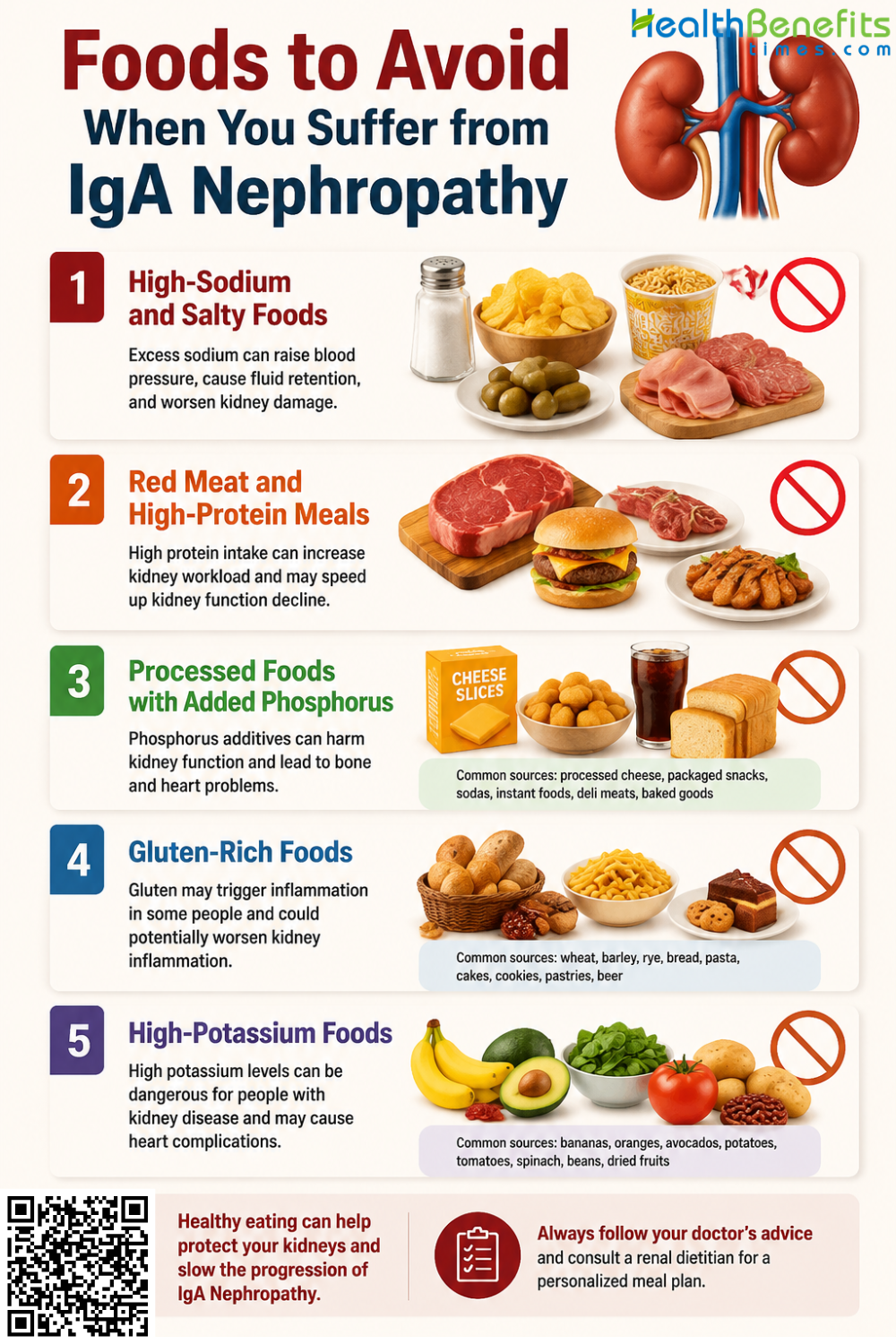
2. Red Meat and High-Protein Meals
Processing large amounts of protein forces the kidneys to work harder. Diets overly rich in animal protein increase kidney strain and can worsen protein leakage into the urine 16.
3. Processed Foods with Added Phosphorus
Failing kidneys struggle to filter phosphorus. Dark sodas and packaged meals contain artificial phosphorus additives that build up internally, potentially weakening bones and damaging blood vessels 16.
4. Gluten-Rich Foods
Clinical evidence shows gluten can trigger inflammatory immune responses in certain patients. Reducing dietary gluten may lower the production of harmful IgA antibodies targeting the kidneys 5.
5. High-Potassium Foods
If kidney function declines severely, the body cannot remove excess potassium. Limiting potatoes and tomatoes prevents dangerous potassium buildups that cause severe, life-threatening heart rhythm problems 16.
When To See a Doctor When You Suffer from IgA Nephropathy
1. Visible Blood in Urine
Seek medical evaluation if your urine appears pink, red, or cola-colored. This visible bleeding frequently indicates an acute inflammatory kidney flare-up, often triggered by a recent infection 6.
2. Sudden or Worsening Swelling
Contact a doctor if sudden puffiness develops in your feet, ankles, or around the eyes. This indicates declining kidney filtration and dangerous fluid retention requiring immediate clinical management 6.
3. Consistently Foamy Urine
Schedule an appointment if your urine consistently appears frothy. This symptom signals excessive protein leakage, meaning the kidney’s delicate filtering units are currently sustaining progressive tissue damage 6.
4. Uncontrolled High Blood Pressure
Consult a healthcare provider if your blood pressure readings remain persistently high. Damaged kidneys lose their ability to regulate cardiovascular pressure, creating hypertension that further accelerates kidney failure 1.
5. Severe Fatigue and Nausea
Seek emergency care if you experience profound weakness, persistent nausea, or shortness of breath. These symptoms suggest advanced kidney decline and a dangerous toxic buildup of internal metabolic waste 7.