Health Benefits
    Facebook Twitter Instagram
    Friday, December 5
    Facebook Twitter Pinterest
    Health Benefits
    • Home
    • Dental Health
    • Mental Health
    • Weight Loss
    • Health Wiki
    • Nutrition
    • Healthy Recipe
    • BMI Calculator
    Health Benefits
    Home»Herbs and Spices»Black Medick
    Herbs and Spices

    Black Medick

    By s mNovember 1, 2019Updated:November 1, 2019No Comments2 Mins Read
    Facebook Twitter Pinterest LinkedIn Tumblr Email

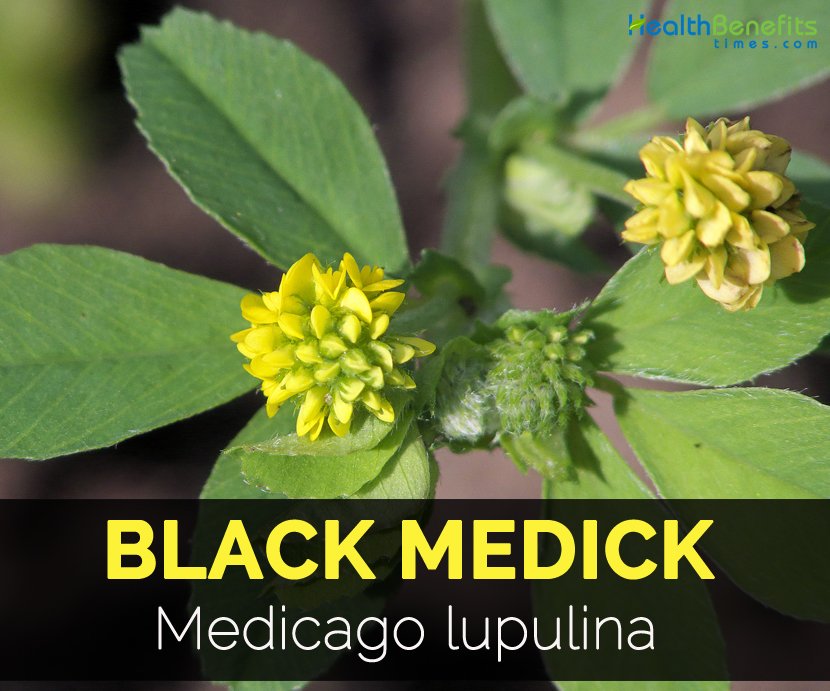
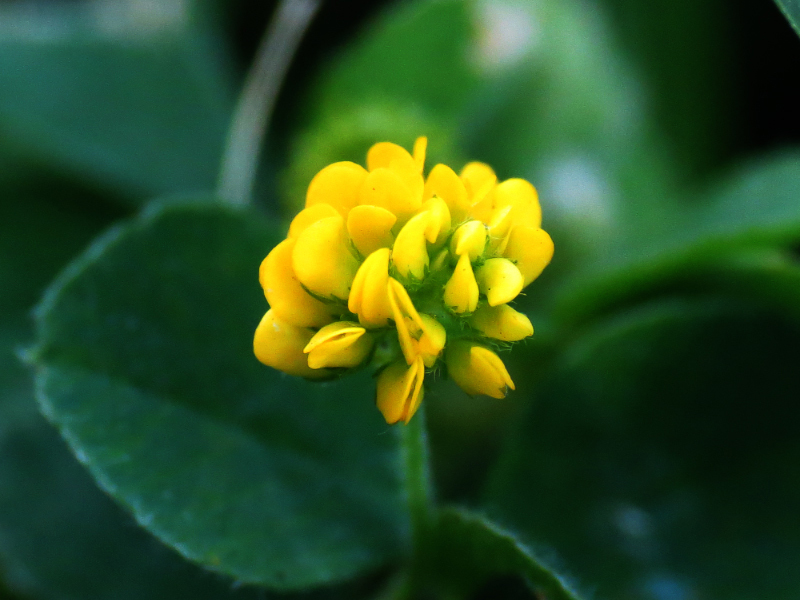
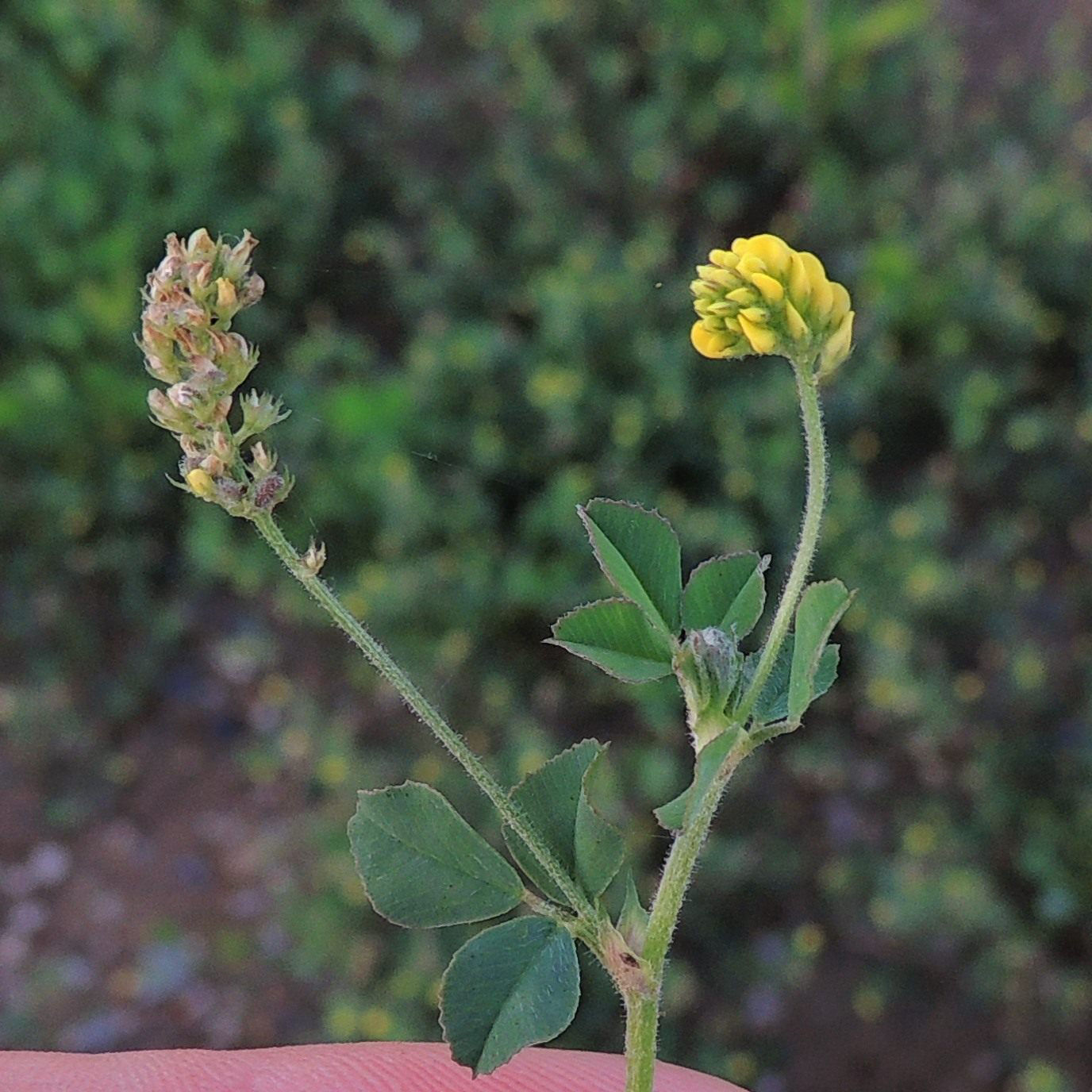
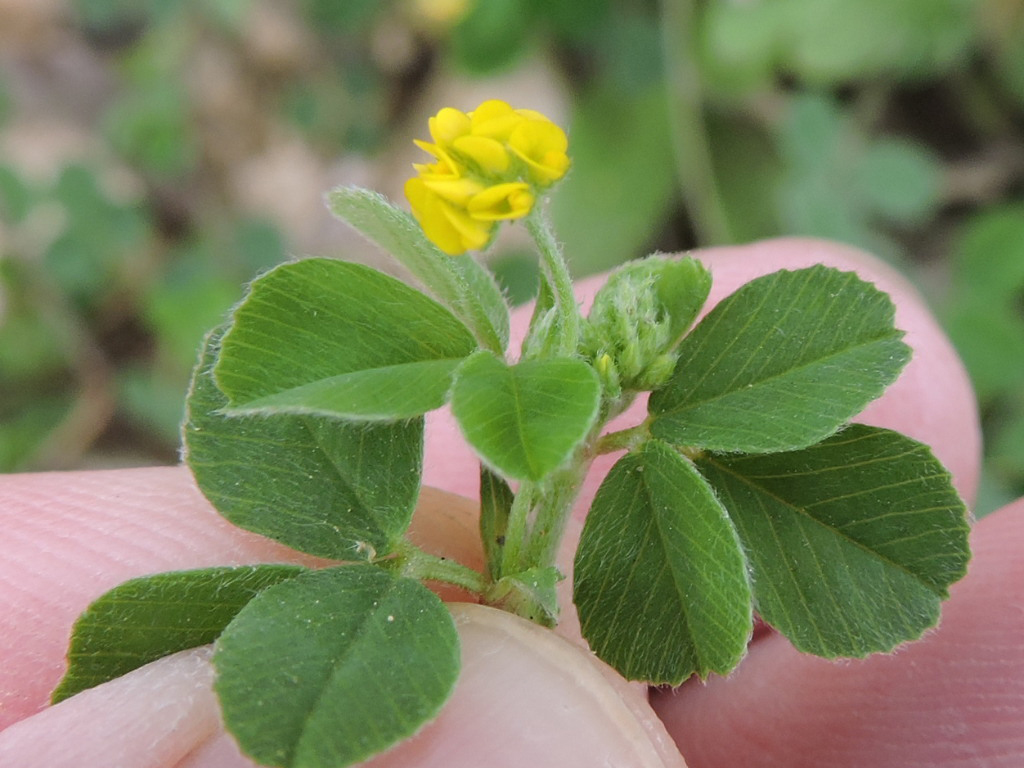
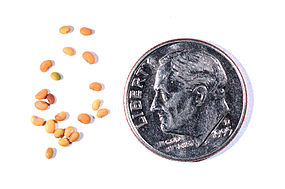
    Black medick belongs to the member of pea family or Fabaceae. It is a low trailing annual, biennial or short lived perennial which reaches 1 to 2 feet length. Stems are prostate, slender, four angled, branched at base and glabrous to hairy. Leaves are pinnately trifoliate. Leaflets are rounded, ovate, finely pubescent and ½ inch long. Flowers are small, bright yellow and rounded to slightly elongated and borne in dense clusters which measures ½ to ¾ inch long. Inflorescence is a rounded to slightly elongated cluster of 10 to 50 tiny flowers. Seeds are kidney shaped, gold or brown and 1/16 inches long.

    It is native to Europe, near east, north Africa and most of Asia including China, India and Korea. It is naturalized in central Asia, South Africa, Japan, New Zealand, Australia, Canada, the United States and South America. It is found throughout United States including Alaska and Hawaii. It thrives well in dry to moist and well drained soils.

    Black Medick Image Gallery
    Black-Medick-flower Black-Medick-flower
    Black-Medick-flowers-and-buds Black-Medick-flowers-and-buds
    Black-Medick-leaves Black-Medick-leaves
    Black-Medick-plant-illustration Black-Medick-plant-illustration
    Black-Medick-seeds Black-Medick-seeds
    Black-Medick-stem Black-Medick-stem
    Flower

    Corolla is yellow, zygomorphic and 2–3 mm (0.08–0.12 in.) long and fused at base. Calyx is five lobed. Inflorescence is an axillary, globose-elongated, long stalked and dense raceme.

    Leaves

    Leaves are stalked, stipulate and alternate. Leaflets are obovate having notched tips and sharp pointed or tip with toothed margins.

    Fruit

    Fruits are kidney shaped, glabrous, net veined, coiled and 1.5-3 mm (0.06-0.12 in.) long. It is a one seeded, brownish black and indehiscent pod.

    Habitat

    Medicago lupulina is found in roadsides, lawns, waste ground, harbours, railway yards and shores.

    Culinary uses

    • Cook the seeds and leaves and use it as potherb.
    • Ground the seeds into powder.
    • Sprouted seeds are consumed.

    References:

    https://www.itis.gov/servlet/SingleRpt/SingleRpt?search_topic=TSN&search_value=503721#null

    http://www.hear.org/pier/species/medicago_lupulina.htm

    https://pfaf.org/User/Plant.aspx?LatinName=Medicago+lupulina

    https://en.wikipedia.org/wiki/Medicago_lupulina

    https://plants.usda.gov/core/profile?symbol=MELU 

    https://wimastergardener.org/article/black-medic-medicago-lupulina/

    79%
    79%
    Awesome

    Comments

    comments

    B Herbs and Spices
    Share. Facebook Twitter Pinterest LinkedIn Tumblr Email
    Previous ArticleThe 11 Healthiest Regional Cuisines in the World
    Next Article Types of Foods That Will Increase the Level of Oxygen in Your Blood

    Related Posts

    Uses of Monkey Pitcher plant

    April 16, 2024

    Traditional uses and benefits of Wild Marigold

    March 21, 2024

    Traditional uses and benefits of Drooping fig

    March 12, 2024

    Comments are closed.


    Black Medick Quick Facts
    Name: Black Medick
    Scientific Name: Medicago lupulina
    Colors Black
    Shapes 2-3 mm
    Name Black Medick
    Scientific Name Medicago lupulina
    Common/English Name Black medick, hop clover, nonesuch
    Name in Other Languages Latvian:  Apinveida Lucerna;
    Lithuanian: Apynine Liucerne;
    Armenian: Arvuit Gailukanman;
    Afrikaans: hopmedicago;
    Chinese: tian lan mu xu;
    Danish: humle-sneglebælg;
    Dutch: hopperupsklaver;
    English: black medick, hop clover, black trefoil, trefoil, yellow trefoil;
    Finnish: nurmimailanen;
    French: lupuline, minette, luzerne lupuline, minette dorée;
    German: gelbklee, hopfenklee;
    Hungarian: komlós lucerna;
    Italian: lupolina;
    Japanese: kometsubu umagoyashi;
    Korean: jan gae ja ri;
    Nepalese: pahenlo pyauli;
    Norwegian: snegleskolm;
    Polish: lucerna nerkowata;
    Portuguese: alfalfa-lupulina, luzerna-preta, luzerna-lupulina, trevo-amarelo;
    Russian:  liutserna khmelevidnaia, liutserna khmelevaia;
    Slovenian: hmeljna meteljka.
    Spanish:-
    Mexico: alfalfa lupulina, carretilla
    Catalan: carretón, fenarola-menuda, herba de la desfeta, lupulina, melgó menut, meligón, mielga azafranada, mielga, mielga negra, trèvol;
    Swedish: humlelusern, humleluzern;
    Chinese: tian lan mu xu
    Plant Growth Habit Annual or short-lived perennial herbs
    Plant Size 1 to 2 feet length
    Stem Procumbent or ascending
    Flowering Season Late spring to early fall
    Flower Yellow, 2-3 mm
    Pod shape & size Black, 1.5 to 3 mm in diameter
    Seed Single, oval to kidney shaped, yellow to olive green, 2 mm long x I mm wide

    Black Medick Scientific Classification

    Scientific Name: Medicago lupulina

    Rank Scientific Name & (Common Name)
    Kingdom Plantae (Plants)
    Subkingdom Viridiplantae  (Green plants)
    Infrakingdom Streptophyta  (Land plants)
    Superdivision Embryophyta
    Division Tracheophyta  (Vascular plants, tracheophytes)
    Class Magnoliopsida
    Subclass Rosidae
    Order Fabales
    Family Fabaceae  (Peas, legumes)
    Genus Medicago L. (Alfalfa)
    Species Medicago lupulina L. (Black medick, black medic clover, black medic, hop clover, hop medic, nonesuch, yellow trefoil)
    Synonyms
    • Medica lupulina Scop.
    • Medicago appenina Woods
    • Medicago cupaniana Guss.
    • Medicago lupulina subsp. cupaniana (Guss.) Nyman
    • Medicago lupulina subsp. eurasiatica Braun-Blanq.
    • Medicago lupulina subsp. jalasii Rothm., 1963
    • Medicago lupulina subsp. lupulina
    • Medicago lupulina subsp. willdenowii (Mérat) Arcang., 1882
    • Medicago lupulina var. cupaniana (Guss.) Boiss.
    • Medicago lupulina var. glanduligera Neumann
    • Medicago lupulina var. glandulosa Neilr.
    • Medicago lupulina var. glandulosa W.D.J.Koch
    • Medicago lupulina var. lupulina
    • Medicago lupulina var. unguiculata Ser., 1825
    • Medicago wildenowii Merat
    Categories
    • Beverages (78)
    • Dairy (28)
    • Dental Health (15)
    • Equipment (5)
    • Essential OIls (196)
    • Facts (2,939)
    • Foods (255)
    • Fruits (516)
    • Giveaway (1)
    • Grains and Cereals (36)
    • Health & Beauty (763)
    • Herbs and Spices (1,249)
    • Medicines (9)
    • Mental Health (19)
    • Nutritional value (27)
    • Nuts and seeds (73)
    • Oils (81)
    • Pets (4)
    • Poultry & Seafoods (67)
    • Pulses and Beans (16)
    • Reviews (25)
    • supplement (2)
    • Vegetables (304)
    • Weight Loss (22)

    What is Lupin Bean Flour?

    Science Backed Health Benefits of Durian (Durio zibethinus)

    Science Backed Health Benefits of Feijoa (Pineapple Guava) (Acca sellowiana)

    Science Backed Health Benefits of Gac Fruit (Momordica cochinchinensis)

    Science Backed Health Benefits of Amaranth Leaves (Amaranthus spp)

    Science Backed Health Benefits of Arrowhead (Sagittaria sagittifolia)

    ABOUT
    Home
    About us
    Contact us
    Privacy Policy
    Terms & conditions
    Disclaimer
    Direct Communication
    e-mail: [email protected]
    Gmail: [email protected]
    Whatsapp: +977-9841146511
    Viber: +977-9841146511
    Useful
    Health Wiki
    Nutrition
    Facebook Twitter Pinterest
    © 2025 www.healthbenefitstimes.com All rights reserved.

    Type above and press Enter to search. Press Esc to cancel.

    ×

    Log In

    Forgot Password?

    Not registered yet? Create an Account