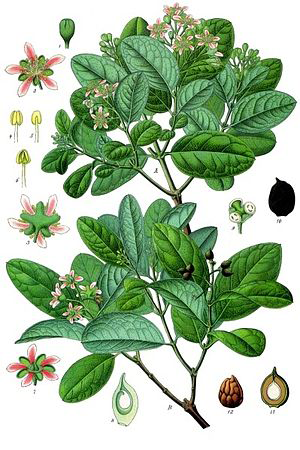
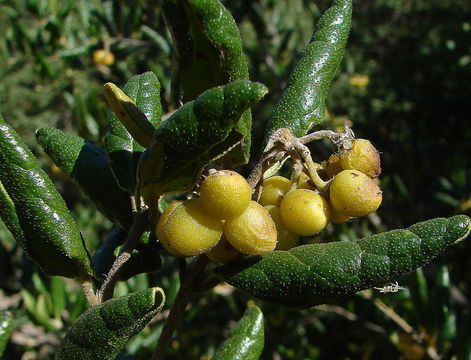
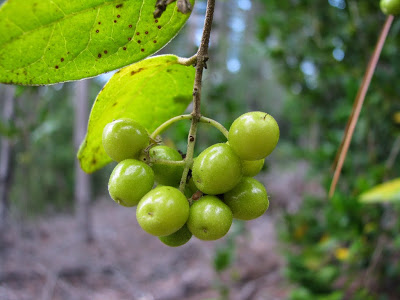
Small fleshy drupe (1-2 cm in diameter), very aromatic and edible
Taste
Strong, woody and slightly bitter
Health benefits
Improves Immunity Function and Alleviates Constipation
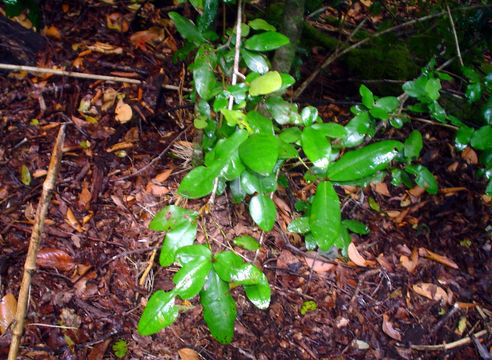
Peumus boldus, the only species in the genus Peumus, is commonly known as Boldo, boldus, boldoa, boldea, Boldu, Boldea fragrans, Boldine, Boldoak Boldea, Boldo Folium, Boldus, Boldus Boldus, Peumus boldus and Peumus fragrans. Aromatic, evergreen shrub or small tree belongs to family Monimiaceae and is native central Chile and Peru. Boldo has also been introduced to Europe and North Africa, though it is not often seen outside botanical gardens. It is also found in Mexico, Ecuador, Argentina, and Morocco, among other countries. The plant has sheets with a strong aroma which are used for culinary and medicinal purposes. The smell given off by the plant is similar to lemon and camphor, the parts that are used of the plant are the leaves, although in other countries used the bark of the plant.
Plant Description
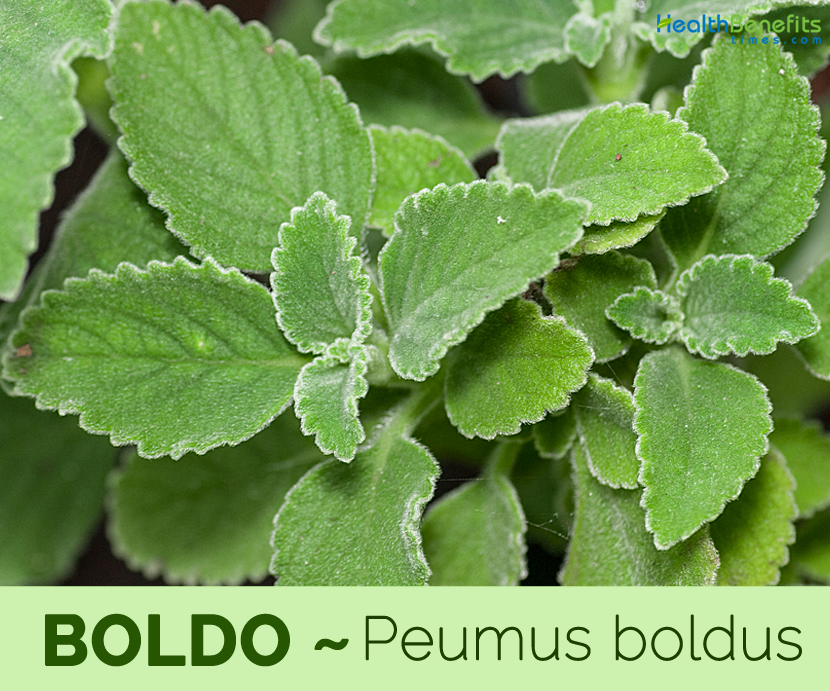
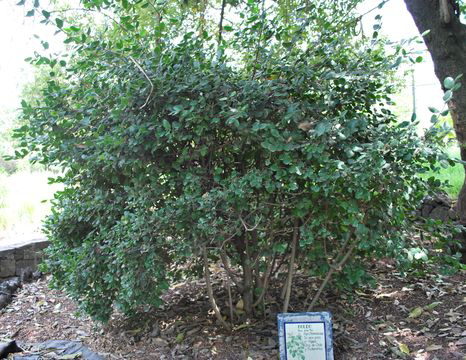
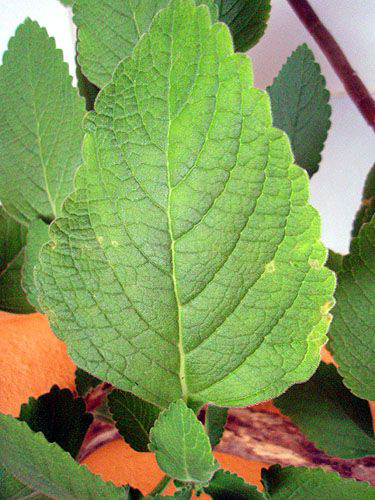
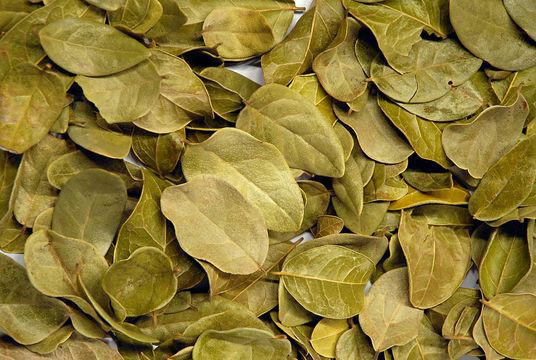
Boldo is an aromatic, evergreen shrub or small tree that grows about 6-7m height (sometimes up to 20 m). It is found growing in well-drained acid sandy soil. Fertile, sandy soil is needed, and a good drainage is essential. It should not be planted in soil that is too moist. Leaves are opposite, sessile, about 2 inches long entire, and color when dried red brown, coriaceous, prominent midrib, a number of small glands on their surface. Odor is peculiar, when crushed very strongly disagreeable, not unlike oil of Chenopodium. Surface of leaves is rough since they are covered by glandular protuberances. The flat underside along with pronounced ribs.
Flower
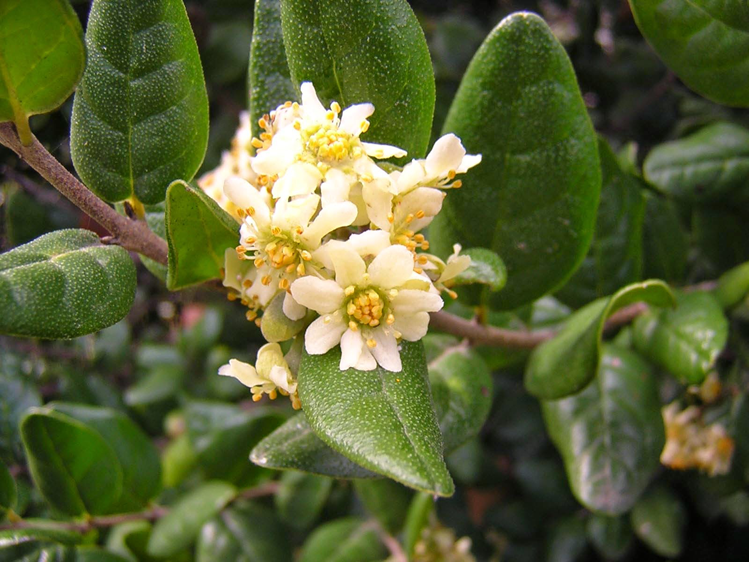
Inflorescence is a cluster of 10-12 small flowers. Flowers are white or yellow, 1cm of diameter and very aromatic. Fruit is small fleshy drupe (1-2 cm in diameter), very aromatic and edible and is yellowish-green colored. Fruit consists of 5 mm spherical seed.
In its native area, where it is most often consumed as a tea, boldo has been traditionally used to treat hangovers, gout, stomachache, and urogenital inflammation. Initial research has revealed several promising medicinal uses for the plant in modern day. Listed below are some of the popular health benefits of using boldo
1. Helps In Gall Stones Elimination
Boldo leaves have the capability to increase the production of the bile in the liver resulting in reducing the gallstones in the gallbladder before they can create serious troubles. The rise in the production of bile helps in the emptying of the gallbladder more often, thus ensuring regular elimination of gallstones before they grow bigger and become problematic.
2. Improves Digestion
Boldo leaves were perhaps used in the earlier days as a supplement for digesting foods. Antioxidants present in these leaves activate the bile production in the liver and facilitate the breakdown of the nutrients. Antispasmodic quality of the Boldo leaf calms bowel cramps and also works as a moderate laxative, thus reducing mild symptoms of constipation. Extract of Boldo leaves is known to reduce the symptoms of stomach upset and is also used to boost appetite in adults and young people.
3. Improves Liver Health
Boldo leaves are quite beneficial for liver. Tea prepared from the fresh twigs of the Boldo leaves energizes the release of digestive bile from the liver, which serves several essential functions. The main function of the bile is to facilitate removal of wastes and toxins from the body through the liver before they keep on piling and causing harm to the body.
Several researches have proved that Boldo tea helps safeguard the cells of the liver from the damage by the accumulated toxins in addition to confining the free radical cell damage. Anti-inflammatory abilities of Boldo tea also decrease liver inflammation, facilitating better healing and functioning of the organ.
4. Improves Immunity Function
Boldo tea supports the body’s immune system in several ways. Leaves consist of different types of natural anti-microbial and anti-bacterial agents which help in improving the defense mechanism of the body by decreasing the existence of infection causing agents.
Its anti-inflammatory abilities help to relieve excessive inflammation in any part of the body, further improving the body’s defense mechanisms against the inflammation causing pathogens. The antioxidants restrict the cell damage from the free radicals to a minimum and thus, make it less prone to infections.
5. Alleviates Constipation
Volatile oil in boldo leaves also consists of p-Cymene, a laxative agent. Hence, taking the boldo leaf or its extracts may help relieve habitual straining with bowel movement. In fact, European Scientific Cooperative on Phyto therapy (ESCOP) has given permission to use Boldo as an adjuvant agent to constipation treatment.
6. Antipyretic Agent
Boldo leaves are said to display antipyretic activity, which may help to suppress fever. So, drinking boldo leaf tea may be effective in alleviating fever.
7. Rich in Phytochemicals
Boldo leaves are rich in phytochemicals including limonene, camphor, boldine, coumarin and beta-pinene. These phytochemicals provide the body the capacity to fight free radicals and prevent the onset of several infections and diseases. These naturally occurring compounds reduce damage to the DNA and cells.
8. Exhibit Antimicrobial Properties
Boldo leaves are said to have strong antibacterial and antiseptic properties. So, drinking the boldo leaf tea can make the immune system resistant to a number of infectious agents. Due to their antibacterial properties, boldo leaves can be used to treat syphilis and gonorrhea, as these sexually transmitted infections are bacterial in nature.
9. Relieves UTIs
Taking the boldo leaf tea is a natural way to treat UTIs. The use of boldo leaves for UTI dates back to the Inca civilization. Its purported antimicrobial activity works to get rid of infectious agents, thus restoring and maintaining urinary tract health.
10. Anthelmintic Agent
One of the purported health benefits of boldo leaf tea is its ability to get rid of intestinal parasites due to the presence of volatile oil in the leaf. Volatile oil content accounts for 2 to 4% of the leaf. This volatile oil consists of 16 to 38% of ascaridole, an organic compound that is supposed to have anthelmintic (anti-parasitic) properties.
Other Traditional uses and benefits of Boldo
Boldo is officially listed as phytotherapic plant as cholagogue and choleretic, for treatment of mild dyspepsia in Brazilian pharmacopoeia.
Boldo leaves have been used by South American natives against diseases of the liver and for the treatment of gallstones.
The plant is used in homeopathy in the treatment of digestive disorders, as a laxative, choleretic, diuretic, and for hepatic diseases.
Leaves also have been used for worms, urogenital inflammations, gout, rheumatism, head colds, and earaches.
Has long been recognized in South America as a valuable cure for gonorrhea.
It is often combined with other herbs such as Berberis vulgaris or Chionanthus virginicus in the treatment of gallstones.
Leaves are considered a valuable cure for gonorrhea in S. America.
Plant is taken internally in the treatment of liver disease, gallstones, urinary tract infections, intestinal parasites and rheumatism.
It has been used in the past as a substitute for quinine in the treatment of malaria.
Alkaloids contained in the bark are a stimulant for the liver.
In South America it is a traditional remedy for gonorrhea.
They have been used as a substitute for quinine to treat malaria.
Boldo encourages the secretion of saliva and increases appetite.
In Anglo-American herbal medicine, boldo is combined with barberry and fringe tree to treat gallstones.
In Chile, it is used to cure earaches and urogenital inflammations, including venereal disease.
Ayurvedic Health benefits of Boldo
Liver: Take some fresh leaves. Prepare an infusion. Drink a cup daily.
Bloating: Prepare a tea from the dried leaves of Boldo. Drink it before having meals.
Urinary Tract Infection: Take equal amount of snow flower, barberry and boldo leaves. Grind them together. Have half tsp with lukewarm water daily.
Gallstones: Boil 15 grams of Boldo leaves in a liter of water for 2 minutes. Filter and drink two cups a day.
Cholecystitis: Boil 15 grams of Boldo leaves in a liter of water for 2 minutes. Filter and drink two cups a day.
Stomach Disorders: Infusion of Boldo leaves. Take it warm, preferably after meals.
Rheumatic Pain: Use a poultice from decoction of leaves in a small amount of water and then apply on the affected area, affirmed with a clean cloth.
Hepatitis: Infusion 2% of Boldo leaves. Take two cups a day after meals.
Biliary lithiasis: Boil 15 grams of Boldo leaves in a liter of water for 2 minutes. Filter and drink two cups a day.
Neuralgia: Use poultice from decoction of leaves in a small amount of water and then apply on the affected area, affirmed with a clean cloth.
Nervous Sedative: Infusion of Boldo leaves. Take warm, preferably after meals.
Ways to use Boldo
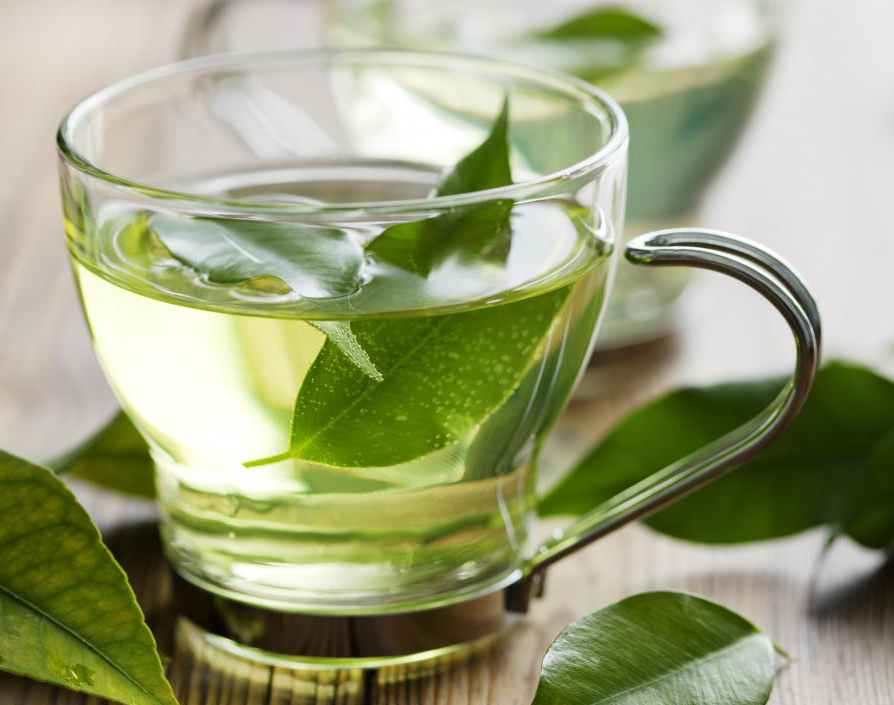
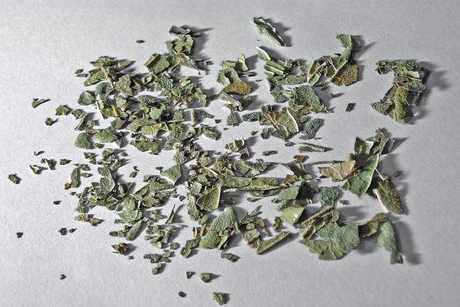
Boldo water is best for your body; it can consume as an infusion tea. Adding 2 grams of dried leaves in hot water, it is suggested to take it 15 minutes before of each meal.
Boldo capsules are a great help as a complement of the diet.
As a dry extract.
As compresses, it can be prepared about 20 grams of dried leaves in hot water.
In the form of poultices and plasters spraying dry leaves and adding hot water until obtain a paste. Apply it to the affected area.
Taking shower with boldo water, it is good to calm the rheumatic pain.
Culinary Uses
Leaves are used in a similar manner to bay leaves and also used as an herbal tea, primarily in Chile, Bolivia, and Argentina.
Boldo extract is used as a flavoring for alcoholic beverages.
Leaves and bark are used as a condiment.
Fruit is edible and with them is prepared much appreciated drink, the chicho de boldo.
Other facts
Its wood utilized in charcoal making.
Volatile oil obtained from the plant destroys internal parasites.
Bark is a source of tannin and is also used as a dye.
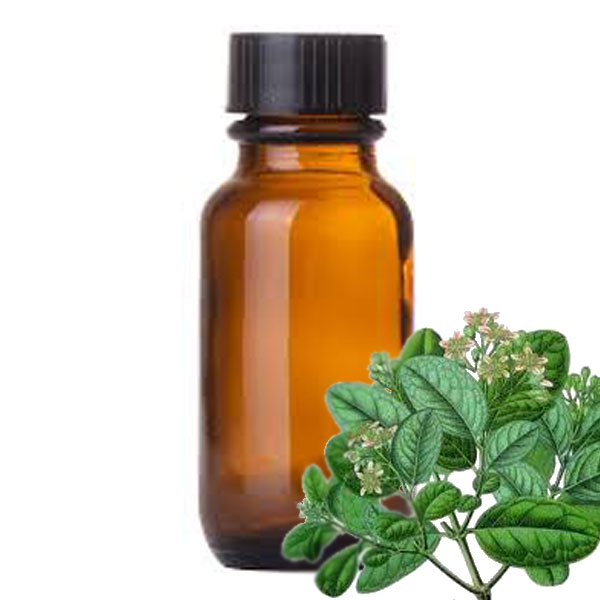
Deliciously fragrant essential oil is obtained from the leaves.
Dried and powdered leaves are scattered amongst clothes to sweeten them and repel insects.
Small fruits are dried and used as beads in necklaces and handicrafts.
When warmed by the body or the sun they release the scent of cinnamon.
Bark is less effective than leaves.
Precautions
Boldo oil should not be used internally or externally.
Patients with kidney disorders, liver disease, gallstones, and other medical illnesses should not use this herbal.
Large doses may cause paralysis and death.
Excessive doses have caused irritation of the kidneys and genitourinary tract.
Plant should not be used by pregnant and breast feeding women.
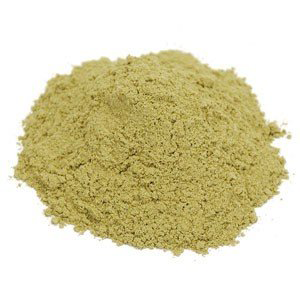
Leaf powder may cause sneezing.
People who are using blood thinning medicine should not consume Boldo.
People suffering from thrombocytopenia or hemophilia should not consume Boldo.