Health Benefits
    Facebook Twitter Instagram
    Friday, December 5
    Facebook Twitter Pinterest
    Health Benefits
    • Home
    • Dental Health
    • Mental Health
    • Weight Loss
    • Health Wiki
    • Nutrition
    • Healthy Recipe
    • BMI Calculator
    Health Benefits
    Home»Foods»Candied Fruit facts and nutrition
    Foods

    Candied Fruit facts and nutrition

    By s mMay 24, 2018No Comments3 Mins Read
    Facebook Twitter Pinterest LinkedIn Tumblr Email

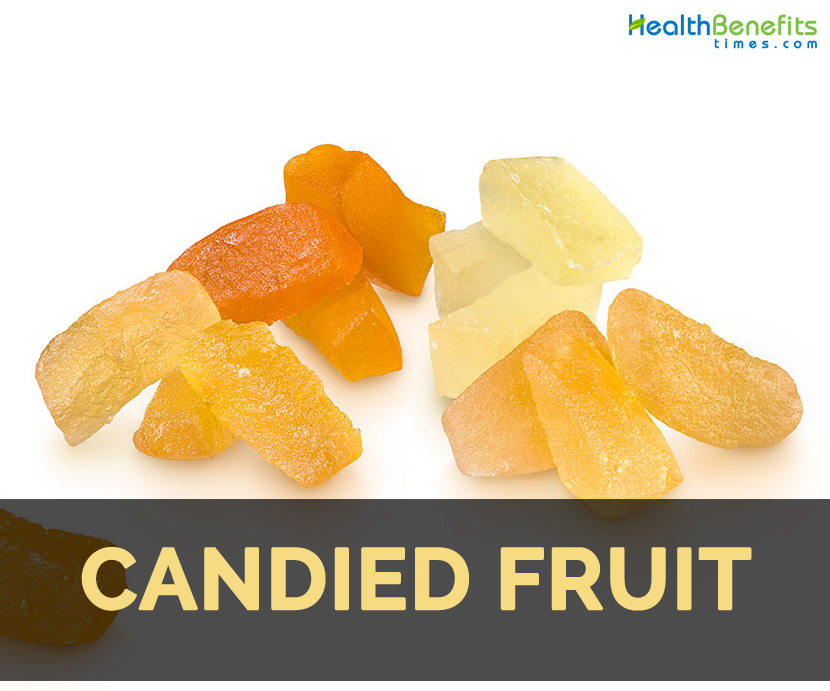
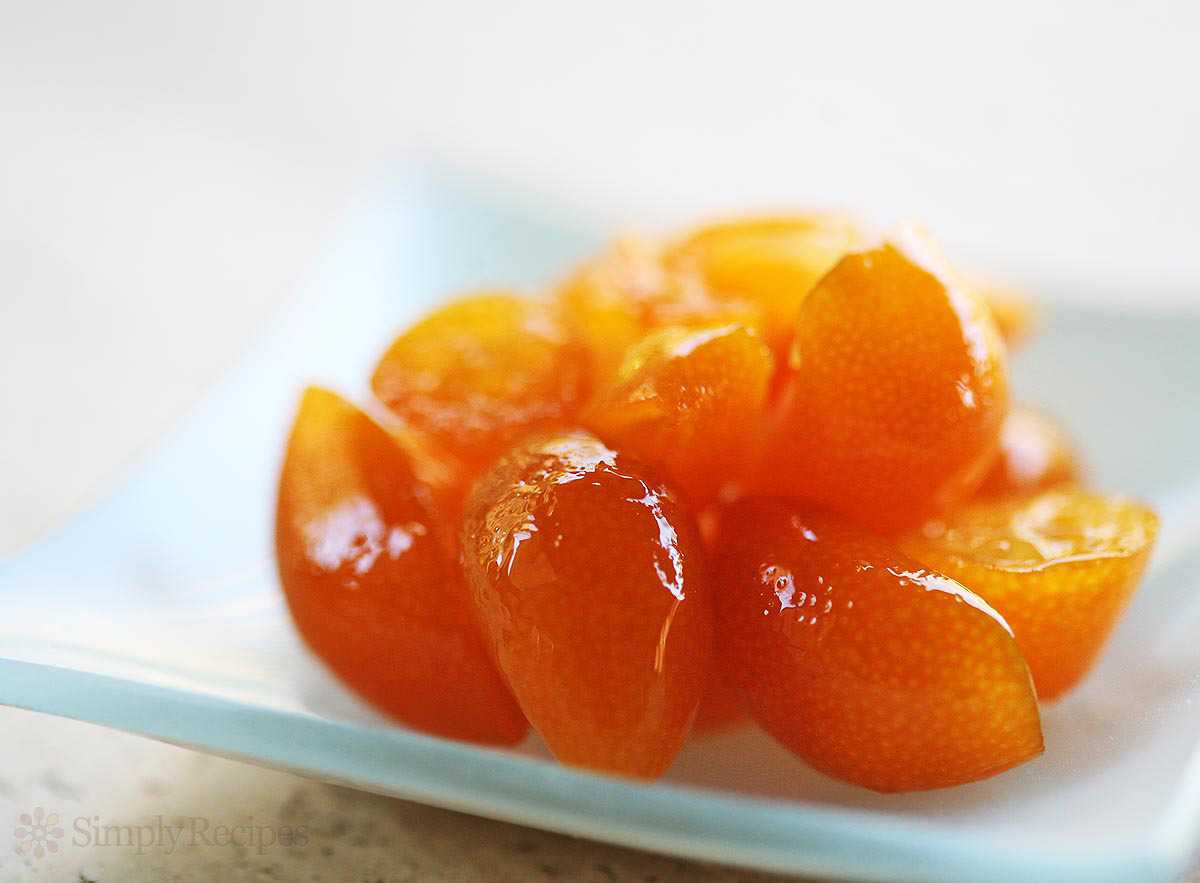
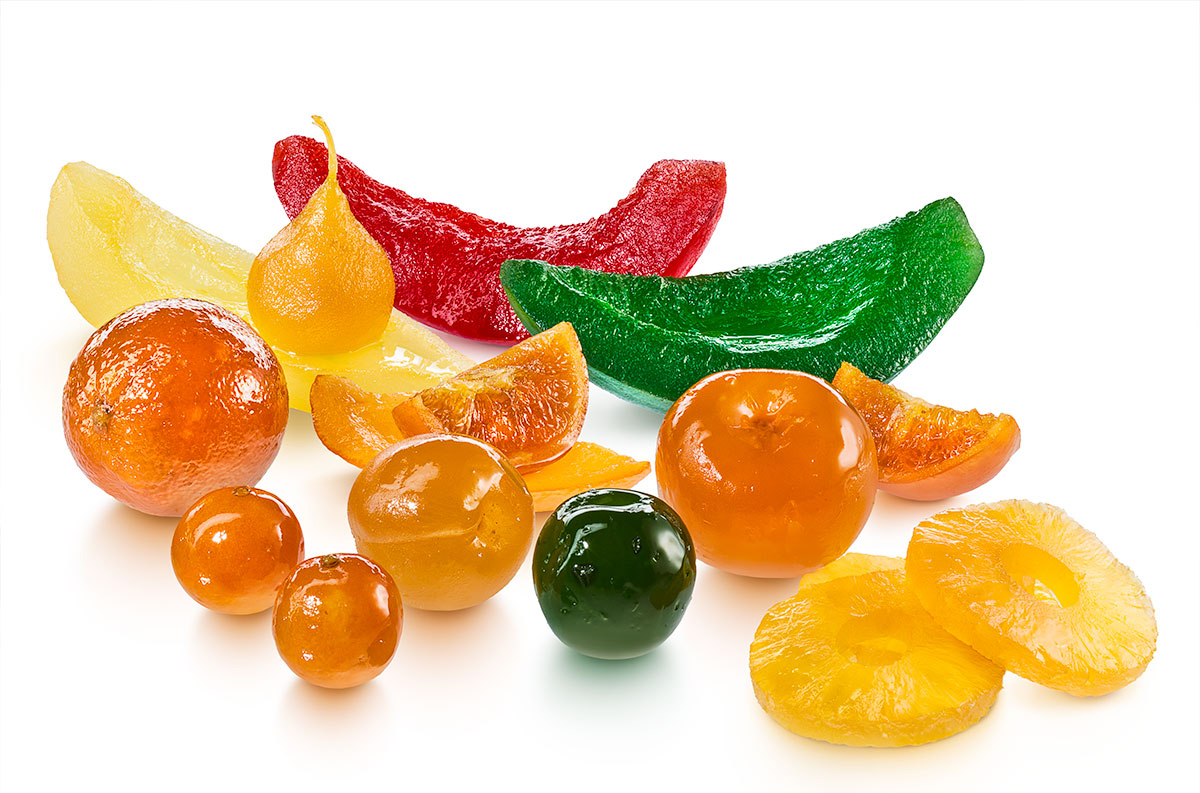
    The fruits which are preserved in sugar are known as candied fruits. Candied fruit is also called glace fruit or crystallized fruit that have existed since 14thg century. Fruits are picked before they get ripened fully to get the maximum favor. The traditional process of Candying fruit is blanching fruits to soften and then soaked it in concentrated syrups. The process of drenching fruit in syrup prevents growth of spolage microorganisms due to the creation of unfavorable osmotic pressure. Syrups are heated to accurate temperatures for preventing from caramelizing or crystallizing. This traditional method is used for fragile or perishable fruits and this process requires two months. The rapid and continuous method requires one week on average and is applied for hardier fruit. After the fruits are drained, it is dried.

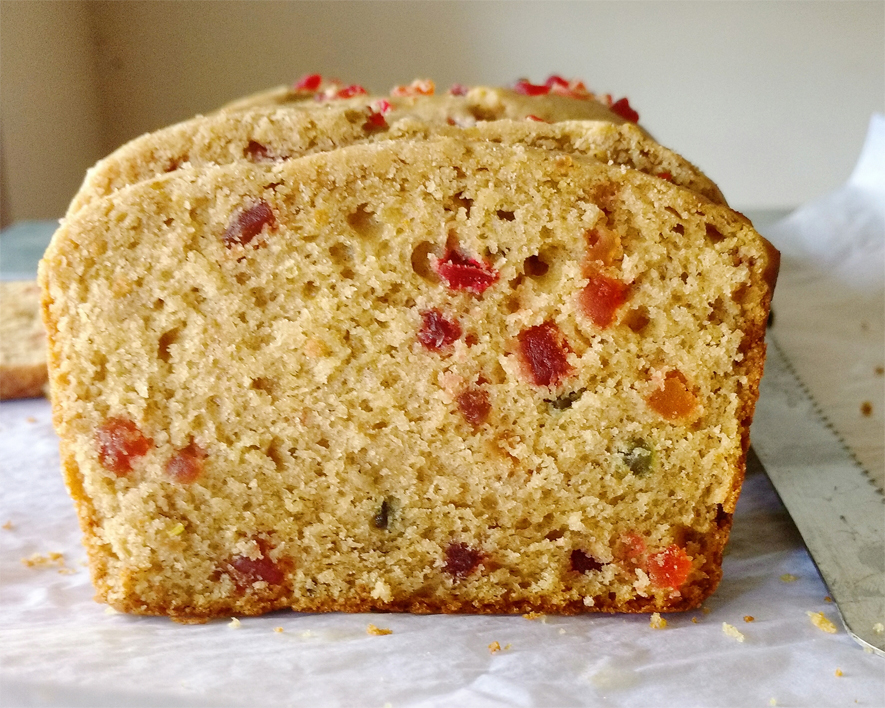
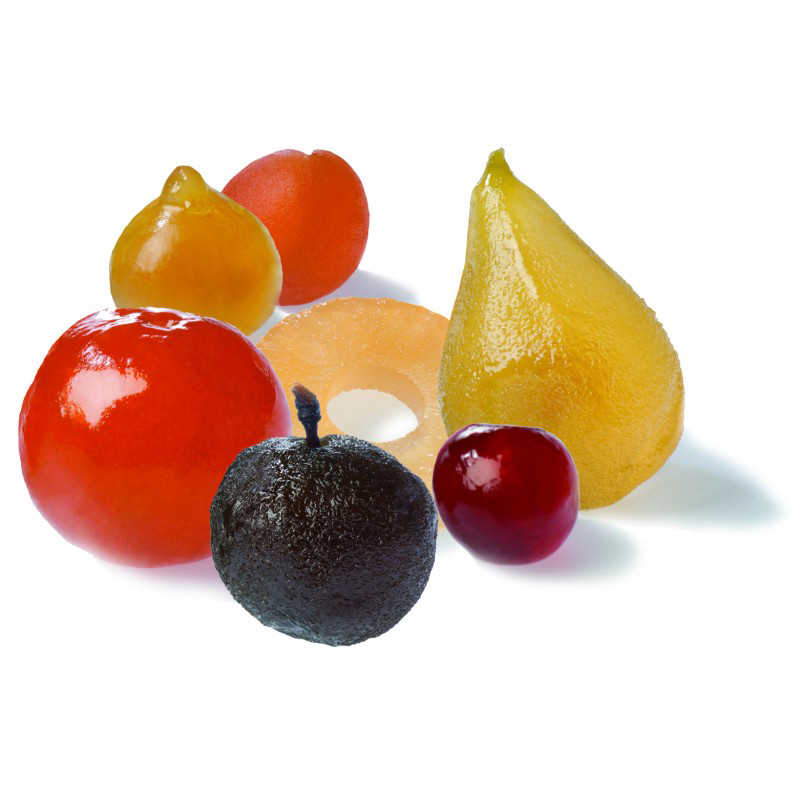
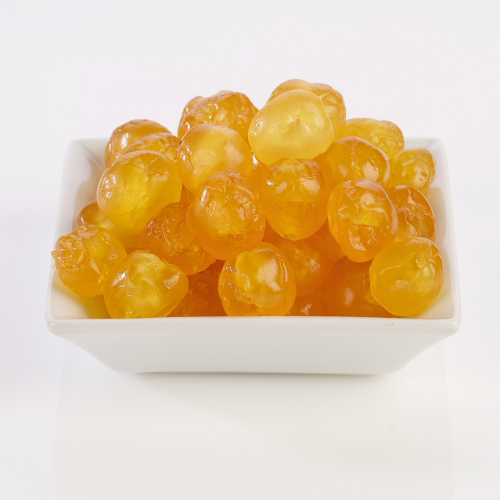
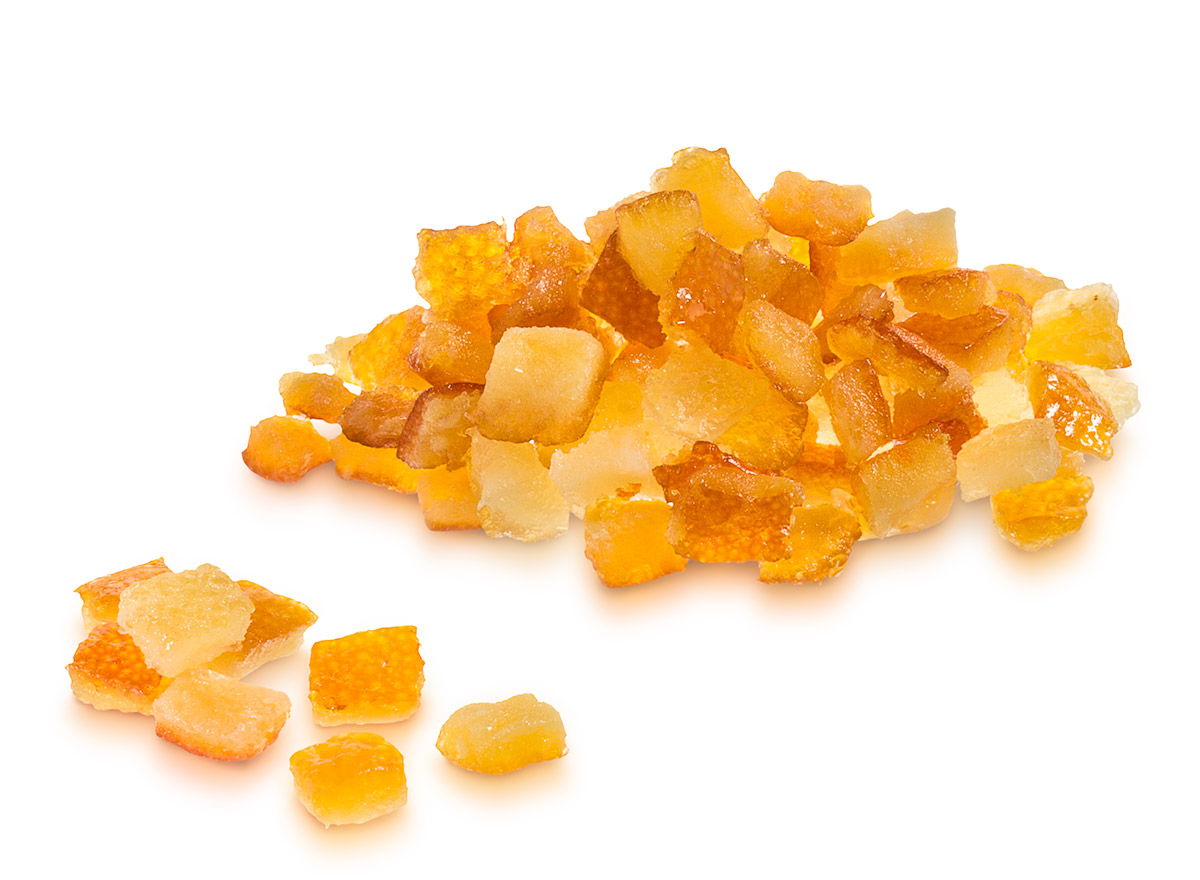
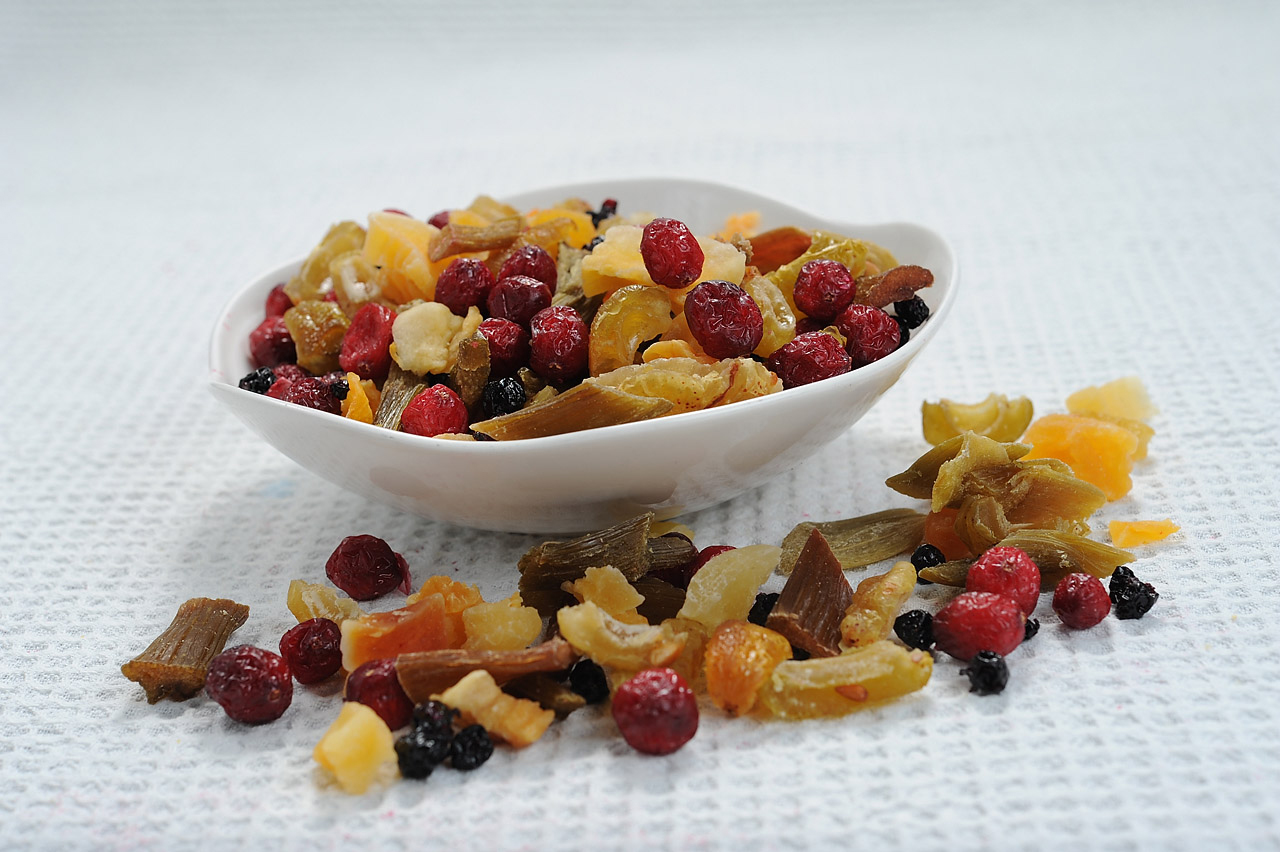
    The fruit is cut into smaller pieces and placed in heated sugar syrup that absorbs moisture within fruit and prevents it. The period of time required for preservation process depends on the size and type of fruit i.e. from several days to several months. The commonly candied fruits include apricots, cherries, dates, apples, ginger root and pineapple. The candied peels are citron and orange. Generally the recipes may vary from region to region but the basic principle of making candied fruit is to boil fruit and steep it in strong sugar solution for weeks and dry of the remaining water. Candied fruits are an ingredient in chocolate confectionery and patisserie. Due to its versatile nature, it is used in sponge cakes, filling cakes and also ice creams. It is found in various forms such as whole, halves, cubes, quarters, cups, strips, pastes, crumble and mixes.

    History

    The methods of preserving foods with the use of sugar or honey or palm syrup were known to ancient cultures of Mesopotamia and China. Arabs were the precursors of modern candying who served candied citrus or roses at the valuable moments of their banquets. Candied fruit made its way to West with Arab domination of Southern Europe parts. The first document dates back to 16th century in Europe demonstrates use of candied fruit. It became a vital ingredient in Italy in culinary tradition which includes the Cassata Siciliana, Milanese panettone and the Cannoli.


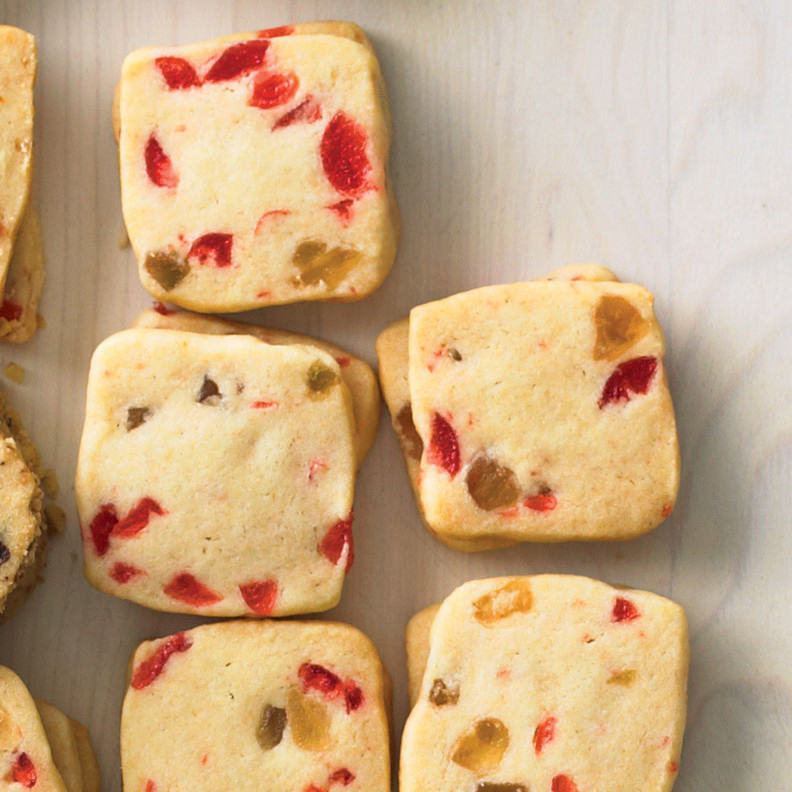
    Candied fruit cake Candied-fruit-1 Candied-fruit-2 Candied-fruit-3 Candied-fruit-4 Candied-fruit-5 Candied-fruit-6 Candied-fruit-7 Candied-fruit-cookies
    [Show thumbnails]

    How to Eat         

    • Candied fruit is added to cookies, cakes, garnishes and also dipped in chocolate.
    • It could be consumed in its own.
    • Use it in desserts and fruitcake recipes.
    • Candied fruit is used in quick breads, Panettone and oatmeal cookies.

    Other Facts        

    • Basically, candied fruits are preserved by a sugar or sweetener.
    • The candying process might differ.
    • It takes from days to months to become candied completely.
    • Candied fruits are used in desserts, baked goods and mostly in fruitcake.

    References:

    https://en.wikipedia.org/wiki/Candied_fruit

    https://www.sercomitalia.com/products/candied-fruits/

    http://www.recipetips.com/glossary-term/t–38871/candied-fruit.asp

    http://tenrandomfacts.com/candied-fruit/

    https://www.gourmetsleuth.com/ingredients/detail/candied-fruit

    69%
    69%
    Awesome

    Comments

    comments

    C Foods
    Share. Facebook Twitter Pinterest LinkedIn Tumblr Email
    Previous ArticleRice vinegar facts and benefits
    Next Article Benefits and uses of Soap Nut (Soapberry)

    Related Posts

    Health benefits of Chinese Sumac

    March 6, 2024

    Health benefits of Crofton weed

    March 5, 2024

    Facts about Chinese Glory Bower

    February 18, 2024

    Comments are closed.


    Facts of Candied fruit

    Candied Fruit Quick Facts
    Name: Candied Fruit
    Origin Probably, candied fruit is believed to be originated from the Middle Eastern Arabs.
    Taste Sweet
    Calories 322 Kcal./cup
    Major nutrients Carbohydrate (63.65%)
    Sodium (6.53%)
    Manganese (4.83%)
    Total dietary Fiber (4.21%)
    Copper (3.22%)
    Name Candied Fruit
    Origin Probably, candied fruit is believed to be originated from the Middle Eastern Arabs.
    Common/English Name Crystallized fruit, Glacé fruit, Frosted fruit, Glazed fruit
    Type Confectionery
    Flavor Sweet
    Major Nutritions Carbohydrate 82.74 g (63.65%)
    Sodium, Na 98 mg (6.53%)
    Manganese, Mn 0.111 mg (4.83%)
    Total dietary Fiber 1.6 g (4.21%)
    Copper, Cu 0.029 mg (3.22%)
    Iron, Fe 0.17 mg (2.13%)
    Calcium, Ca 18 mg (1.80%)
    Potassium, K 56 mg (1.19%)
    Selenium, Se 0.6 µg (1.09%)
    Magnesium, Mg 4 mg (0.95%)
    Calories in 1 Value (100 g) 322 Kcal.
    Nutritional value of Candied fruit
    Serving Size: 1 Value, 100 g
    Calories 322 Kcal. Calories from Fat 0.63 Kcal.


    Proximity Amount % DV
    Water 16.7 g N/D
    Energy 322 Kcal N/D
    Energy 1345 kJ N/D
    Protein 0.34 g 0.68%
    Total Fat (lipid) 0.07 g 0.20%
    Ash 0.14 g N/D
    Carbohydrate 82.74 g 63.65%
    Total dietary Fiber 1.6 g 4.21%
    Total Sugars 80.68 g N/D

     
    Minerals Amount % DV
    Calcium, Ca 18 mg 1.80%
    Iron, Fe 0.17 mg 2.13%
    Magnesium, Mg 4 mg 0.95%
    Phosphorus, P 5 mg 0.71%
    Potassium, K 56 mg 1.19%
    Sodium, Na 98 mg 6.53%
    Zinc, Zn 0.05 mg 0.45%
    Copper, Cu 0.029 mg 3.22%
    Manganese, Mn 0.111 mg 4.83%

     
    Vitamins Amount % DV
    Water soluble Vitamins
    Choline 2.2 mg 0.40%
    Fat soluble Vitamins
    Vitamin A, RAE 1 µg 0.14%
    Vitamin A, IU 19 IU N/D
    Beta Carotene 9 µg N/D
    Beta Cryptoxanthin 5 µg N/D
    Lutein + zeaxanthin 11 µg N/D
    Vitamin E (alpha-tocopherol) 0.04 mg 0.27%
    Vitamin K (phylloquinone) 0.3 µg 0.25%


    Lipids Amount % DV
    Fatty acids, total saturated 0.01 g N/D
    Palmitic acid 16:00 (Hexadecanoic acid) 0.008 g N/D
    Stearic acid 18:00 (Octadecanoic acid) 0.002 g N/D
    Fatty acids, total monounsaturated 0.008 g N/D
    Oleic acid 18:1 (octadecenoic acid) 0.008 g N/D
    Fatty acids, total polyunsaturated 0.02 g N/D
    Linoleic acid 18:2 (octadecadienoic acid) 0.013 g N/D
    Linolenic acid 18:3 (Octadecatrienoic acid) 0.008 g N/D

    *Above mentioned Percent Daily Values (%DVs) are based on 2,000 calorie diet intake. Daily values (DVs) may be different depending upon your daily calorie needs. Mentioned values are recommended by a U.S. Department of Agriculture. They are not healthbenefitstimes.com recommendations. Calculations are based on average age of 19 to 50 years and weighs 194 lbs.
     

    Source: https://ndb.nal.usda.gov/

    Categories
    • Beverages (78)
    • Dairy (28)
    • Dental Health (15)
    • Equipment (5)
    • Essential OIls (196)
    • Facts (2,939)
    • Foods (255)
    • Fruits (516)
    • Giveaway (1)
    • Grains and Cereals (36)
    • Health & Beauty (763)
    • Herbs and Spices (1,249)
    • Medicines (9)
    • Mental Health (19)
    • Nutritional value (27)
    • Nuts and seeds (73)
    • Oils (81)
    • Pets (4)
    • Poultry & Seafoods (67)
    • Pulses and Beans (16)
    • Reviews (25)
    • supplement (2)
    • Vegetables (304)
    • Weight Loss (22)

    What is Lupin Bean Flour?

    Science Backed Health Benefits of Durian (Durio zibethinus)

    Science Backed Health Benefits of Feijoa (Pineapple Guava) (Acca sellowiana)

    Science Backed Health Benefits of Gac Fruit (Momordica cochinchinensis)

    Science Backed Health Benefits of Amaranth Leaves (Amaranthus spp)

    Science Backed Health Benefits of Arrowhead (Sagittaria sagittifolia)

    ABOUT
    Home
    About us
    Contact us
    Privacy Policy
    Terms & conditions
    Disclaimer
    Direct Communication
    e-mail: [email protected]
    Gmail: [email protected]
    Whatsapp: +977-9841146511
    Viber: +977-9841146511
    Useful
    Health Wiki
    Nutrition
    Facebook Twitter Pinterest
    © 2025 www.healthbenefitstimes.com All rights reserved.

    Type above and press Enter to search. Press Esc to cancel.

    ×

    Log In

    Forgot Password?

    Not registered yet? Create an Account