

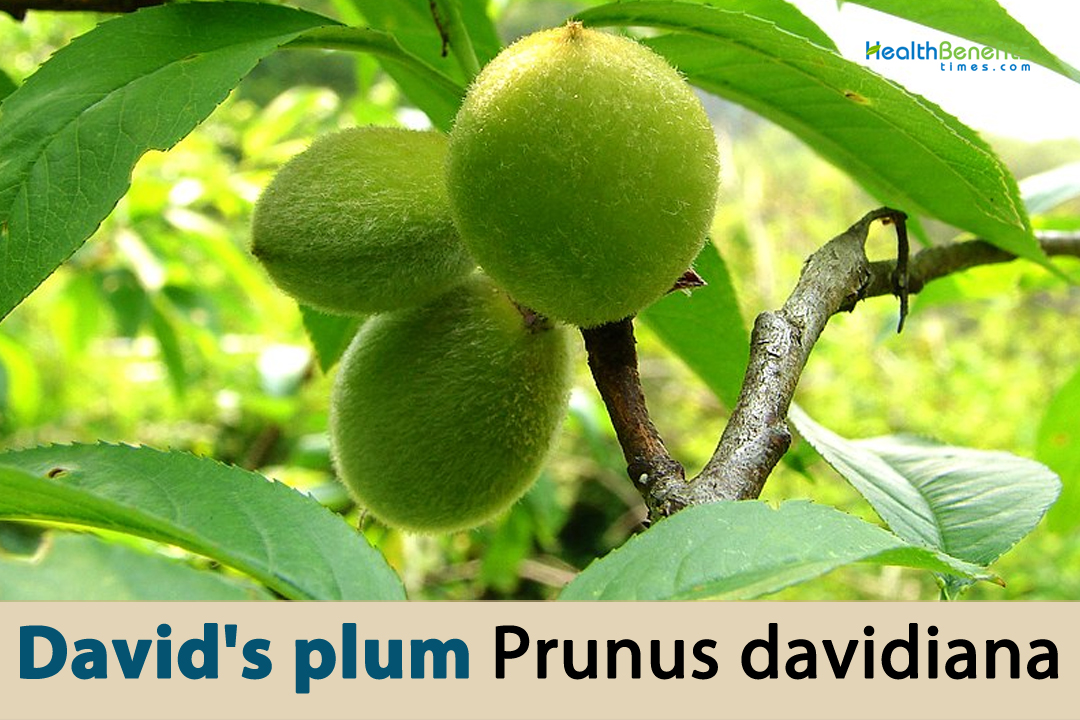
| David's plum Quick Facts | |
|---|---|
| Name: | David's plum |
| Scientific Name: | Prunus davidiana |
| Origin | East Asia, including Korea, China, and Japan |
| Colors | Initially green turning to yellow, orange, or red as they mature |
| Shapes | Small to medium-sized fruit and generally spherical or slightly oval in shape and measure around 1-3 centimeters in diameter |
| Flesh colors | Yellow |
| Taste | Tart and slightly sweet |
| Health benefits | Improves breathing, digestion, painful menstruation, traumatic pain from blood clots, coughs, asthma, and constipation |
| Name | David’s plum |
|---|---|
| Scientific Name | Prunus davidiana |
| Native | East Asia, including Korea, China, and Japan |
| Common Names | David’s Plum, Governor’s Plum, Sweet Olive Plum, Chinese Plum, Indian Plum, Indian Olive, Batoko Plum, Malayan Olive, Madagascar Plum, Sweet Olive, Orangeberry, Himalayan Plum, Prickly Plum, Malay Gooseberry, Kedondong, Ganda, Nthlaba |
| Name in Other Languages | Arabic: Alkhawkh al-‘afan (الخوخ العفن) Bengali: Jamuka (জামুকা), Jamun (জামুন) Brazil: Ameixa-brava Caribbean: Governor’s plum Chinese: Shan tao, Shan mao tao, Shan mao t’ao, Dūjuān téng (杜鹃藤), Shāntáo (山桃), Zhé rì lēi gé-táo gǔ rì (哲日勒格-陶古日) Colombia: Ciruelo de David, Jobo hediondo Cuba: Jobo hediendo, Indian plum Czech: Švestka Davidova Danish: Davidsplomme Dutch: Davidspruim English: David’s Plum, Governor’s Plum, Sweet Olive Plum, David peach, David’s peach, Chinese peach, Père David’s peach, Mountain peach Finnish: Davidinluumu French: Pêcher de Mongolie, Pêcher de Mandchourie, Prunier de David, Prunier sauvage, pêcher de David German: Davids Pflaume, Gouverneurspflaume, Davids Pfirsich, Davids Pfirsichbaum Greek: Damaskinódentro tou Davíd (Δαμασκηνόδεντρο του Δαβίδ) Gujarati: Jambu (જાંબુ) Hindi: Jamun (जामुन) Hungarian: Dávid szilva Indonesian: Kedondong, Kunci Italian: Prugno di David, pesco de David Japanese: Manshuu no momo, Manshuu no momo, Manshuu no momo Kannada: Neralae (ನೇರಳೆ) Korean: Gaebogsung-a (개복숭아), san bok sa (산복사) Madagascar: Voanjobory Malay: Kedondong Malayalam: Njaval Malaysia: Kedondong Malawi: Nthlaba Marathi: Jambhul (जांभुळ) Mexico: Ciruela de David Netherlands: Davidspruim Norwegian: Davidsplomme Philippines: Batoko plum, Ganda Polish: Śliwa Dawida Portuguese: Ameixa de David, Ameixeira de David Punjabi: Jamuna (ਜਾਮੁਨ) Romanian: Prunul lui David Russian: Persik Davida, Dэvida sliva (Дэвида слива), abrikos Davida (абрикос Давида) Spanish: Ciruela de David, Ciruelo de David Swedish: Davidsplommon Tamil: Naga pazham, Nagapazham, Nākappaḻam (நாகப்பழம்), Nagapazham, Naval (நாவல்) Telugu: Nērēḍu paṇḍu (నేరేడు పండు) Thai: Thịy (ไทย ), Makham waan (มะขามหวาน) Turkish: Davut eriği United Kingdom: David’s plum Urdu: Jamun (جامن) Vietnamese: Cây cỏ nghiền, Mận gai |
| Plant Growth Habit | Deciduous tree |
| Growing Climates | Forests, thickets, slopes, mountain valleys and waste fields |
| Soil | Prefers well-draining soil that is fertile and loamy. It is adaptable to various soil types, including sandy, clayey, or loamy soils, as long as they are well-drained |
| Plant Size | 4 to 8 meters (13 to 26 feet) |
| Root | Roots consist of a primary root and its branches, forming a network of fibrous roots. The primary root emerges from the base of the plant and gives rise to secondary and tertiary roots, which further divide into smaller rootlets |
| Stem | Woody, erect, and typically branching. It consists of nodes, where leaves and branches emerge, and internodes, the spaces between the nodes. The stem grows in height and thickness as the plant matures |
| Bark | Brownish-gray and develops shallow fissures as the tree matures |
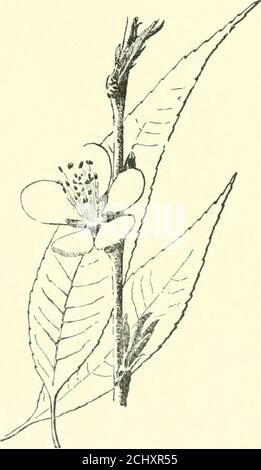
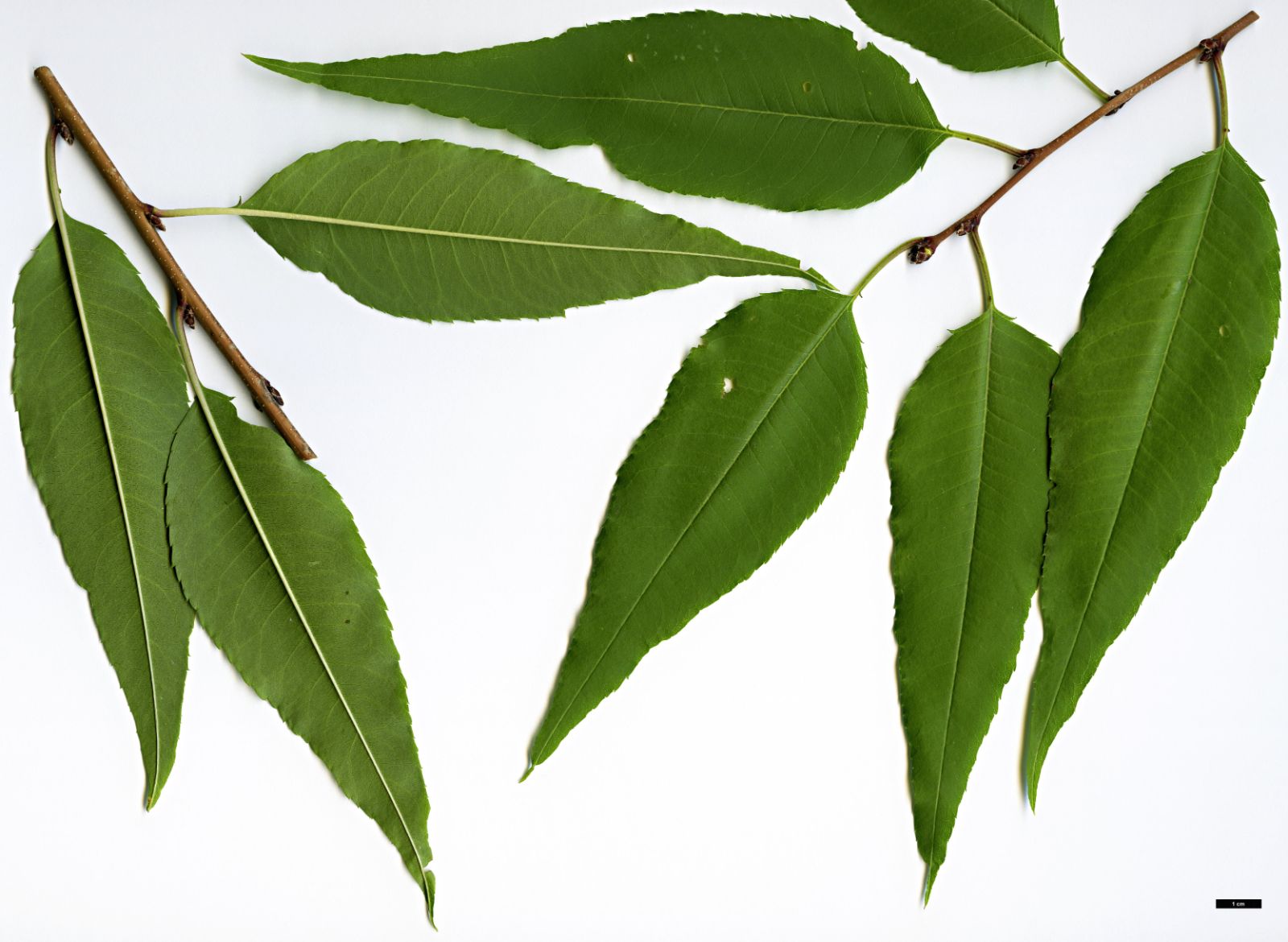
| Leaf | Simple, alternate, and deciduous. They have a flattened blade or lamina and are attached to the stem by a slender stalk called a petiole. The leaf blade is generally elliptical or lanceolate in shape, with a pointed apex and serrated or toothed margins |
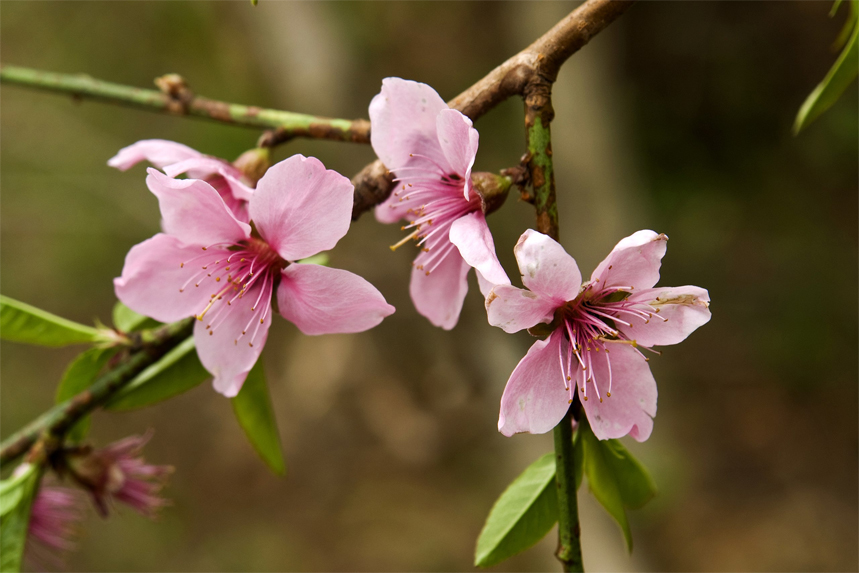
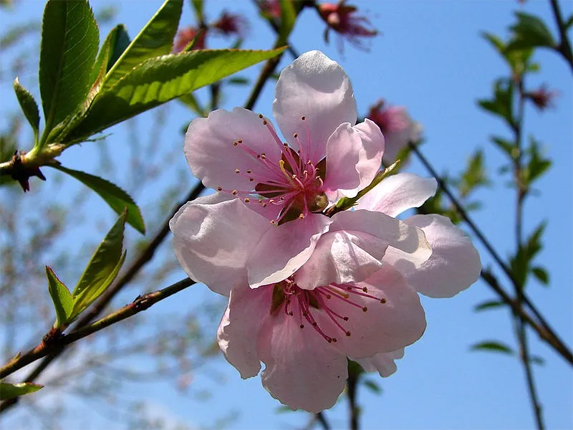
| Flower | Clusters of fragrant white flowers. The flowers have five petals and a diameter of about 2.5 centimeters (1 inch). They attract pollinators such as bees and butterflies |
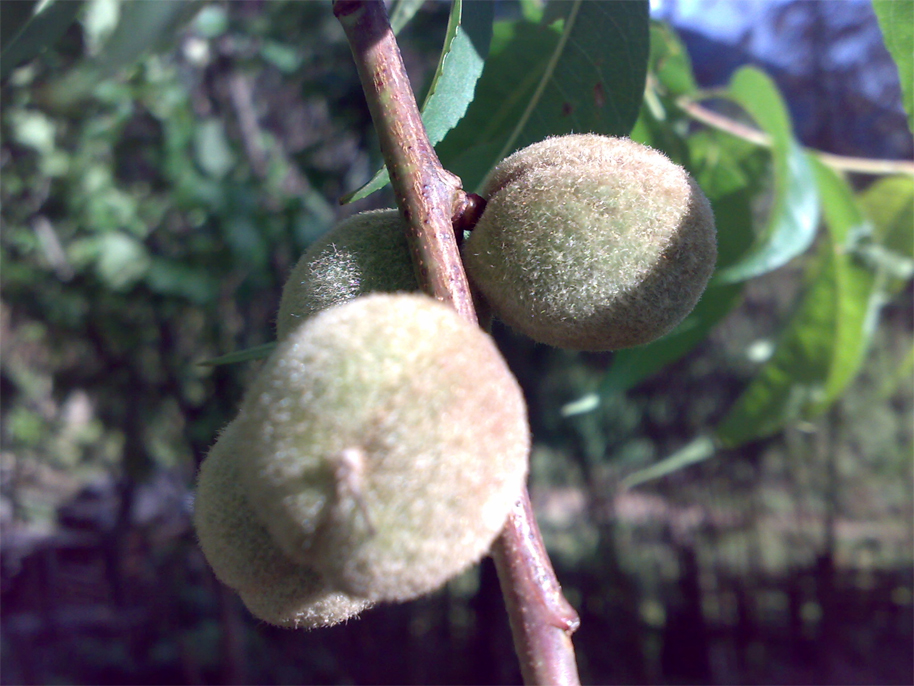
| Fruit Shape & Size | Small to medium-sized fruit and generally spherical or slightly oval in shape and measure around 1-3 centimeters in diameter |
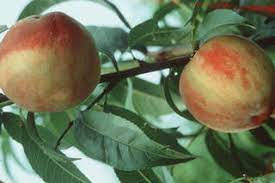
| Fruit Color | Initially green turning to yellow, orange, or red as they mature |
| Fruit Skin | Reddish-purple and slightly fuzzy |
| Flesh color | Yellow and has a tart flavor |
| Seed | Seeds are hard and woody, usually oval or oblong in shape |
| Flavor/Aroma | Sweet and slightly floral |
| Taste | Tart and slightly sweet |
| Plant Parts Used | Bark, leaves, fruits |
| Propagation | By Seed, grafting, Hardwood Cuttings and Suckers |
| Lifespan | Average lifespan of around 15 to 20 years. However, with proper care, they can live longer, potentially reaching 25 to 30 years or more |
| Major Nutrition |
|
| Varieties |
|
| Health benefits |
|
Plant Description
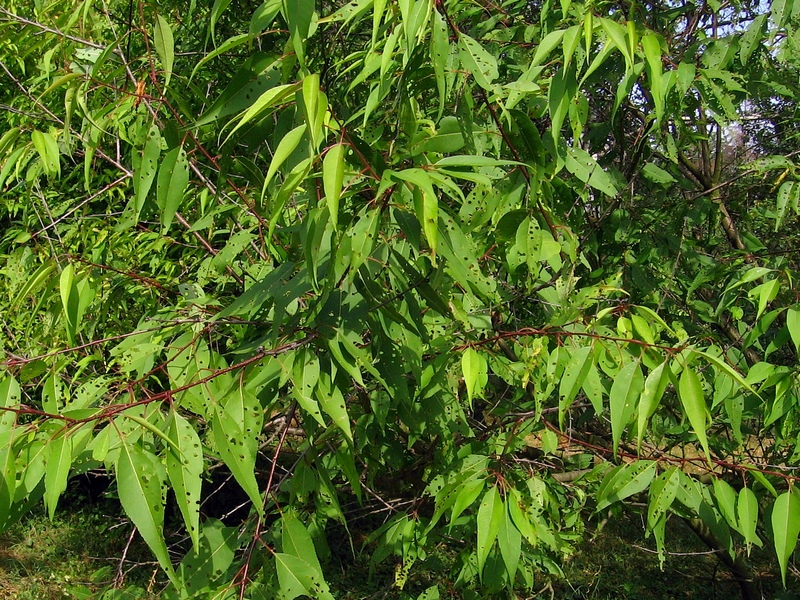
David’s plum is a tree that loses its leaves in the autumn. It can grow straight up or outward and its crown can grow more or less outward. The plant can get up to 13 to 26 feet tall when it’s fully grown. But it’s important to remember that the height of each tree can be different based on things like how it grows, how it’s cared for, and how it’s pruned. The plant grows in woods, thickets, mountain valleys, waste fields, and on slopes. The plant does best in rich, sandy soil that drains well. It can grow in sandy, clay, or loamy soils as long as they drain well. The dirt should have a pH level that is somewhere between slightly acidic and neutral.
Appropriate growing environment for David’s plum
David’s plum thrives in specific growing conditions. Here are the key factors to consider when creating an appropriate environment for David’s plum:
- Climate: David’s plum grows best in mild areas. It likes places with clear seasons and winters that are not too cold or too warm. It can grow in USDA hardiness zones 4–8 and can handle cold temps.
- Sunlight: David’s plum needs to be in full sun to grow well and make a lot of fruit. Make sure the spot where you plant gets at least 6–8 hours of direct sunshine every day.
- Soil: The plum tree does best in rich, sandy soil that drains well. It can grow in sandy, clay, or loamy soils as long as they drain well. The pH level of the earth should be between 6.0 and 7.0. This means that it should be slightly acidic to neutral.
- Moisture: David’s plum grows best in soil that drains well, but it also needs constant moisture. It’s important to water trees enough, especially when it’s dry or when the roots are just starting to grow. But be careful not to water too much, because too much water can cause root rot.
- Pollination: David’s plum is not self-fertile, which means that it needs to be pollinated by another plum tree in order to make fruit. So, it’s best to put several plum trees close together to make sure they pollinate each other and set fruit properly.
- Chill Hours: Like many other fruit trees, David’s plum needs a certain amount of cold weather when it is dormant to get it to grow and make fruit. Make sure that your area’s environment has enough chill hours (hours when the temperature is below a certain level) to meet the tree’s needs.
- Pruning: Regular cutting keeps the tree healthy and in good shape, improves airflow, and helps it produce more fruit. David’s plum should be pruned when it is dormant, ideally in late winter or early spring, before it starts to grow again.
Roots
The roots are made up of a main root and its branches, which connect to each other to make a network of fibrous roots. The main root grows from the base of the plant and sends out secondary and tertiary roots, which in turn send out even smaller roots called rootlets. These roots are common in that they branch out in both horizontal and vertical directions to explore the soil.
The roots are very important for getting water and nutrients from the dirt. They have special parts called root hairs that make the surface area bigger so that more water can be absorbed. The roots take in water and send it to the rest of the plant. This keeps the plant well-hydrated. Minerals, ions, and other nutrients are also taken in by the roots and sent up to the stem and leaves.
Stem
The base is usually straight and made of wood. It is made up of nodes, which are the places where leaves and stems grow out, and internodes, which are the spaces between the nodes. As the plant comes up, the stem gets taller and thicker. The main job of the plant’s stem is to support the plant’s stalks, leaves, flowers, and fruits. It keeps them up high so they can get as much sunshine as possible for photosynthesis. The stem is also a way for water, nutrients, and sugars to travel from the roots to the leaves. Vascular organs, like xylem and phloem, run through the stem, allowing fluids and nutrients to move through the plant.
Bark
Bark is made up of several layers that protect and support the cells of the stem underneath. As the stem gets thicker, the epiderm is replaced by the periderm, which is the outermost layer of the bark. This layer protects the stem from physical damage, pathogens, and environmental stressors. The cork layer is part of the periderm and is made up of dead cells that are waterproof. It keeps water from leaving the body and helps protect the cells inside. The phloem is the deepest layer of the bark. It moves sugars, hormones, and other nutrients throughout the plant.
Bark is very important because it protects the stem from things like physical damage, pathogens, and natural factors like changes in temperature and too much sun. The cork layer, in particular, protects against these possible dangers by being strong and tough.
Leaves
Most leaves are basic, grow in pairs, and fall off. They have a flat blade called a lamina and a thin stick called a petiole that connects them to the stem. The shape of the leaf blade is usually elliptical or lanceolate, with a sharp tip and serrated or toothed edges. The top of the leaf is usually a dark green color, while the bottom is usually a lighter green.
The leaves’ main job is to help the process of photosynthesis, in which sunlight, carbon dioxide, and water are turned into glucose (sugar) and air. The leaves have a pigment called chlorophyll, which absorbs light and starts the process of photosynthesis. The process of photosynthesis takes place in special parts of leaf cells called chloroplasts.
Flowers
Most of the time, David’s plum flowers grow in racemes or cymes, which are long or branching groups of flowers. When the plant is in bloom, the inflorescences can grow from the leaf axils or the tips of the branches. This adds to the plant’s beauty. The flowers are usually small and not very noticeable, with a width of about 1 to 2 centimeters. Most of the time, they grow alone or in groups at the leaf axils or branch tips. Each flower has five small, oval-shaped blooms that are white or cream in color. Five green sepals wrap around the petals and cover the flower bud as it grows. There are a lot of stamens, which are the male reproductive parts, inside the petals. Usually, each stamen has a stalk and an anther that makes pollen. There is a single pistil, which is the female reproductive part, in the middle of the flower. The ovary, the style, and the stigma make up the pistil. When the ovules are fertilized, they turn into seeds in the ovary.
Depending on the temperature and location, the flowers usually bloom in the spring or early summer. The length of time a flower is in bloom can change, but it usually lasts a few weeks. The flowers of the David’s plum are not only important for reproduction, but they also add to the plant’s total beauty. When in bloom, the small, white or cream-colored flowers are pretty to look at and may bring pollinators to a yard or natural area.
Fruits
The fruits range in size from small to big and are usually round or slightly oval. Most of the time, they are between 1 and 3 centimeters in diameter. The skin of the fruit is smooth and can be green, yellow, orange, or red, depending on how mature it is. The fruits are known for their distinctive taste, which most people describe as sweet and sour. The flavor is kind of like a mix of tropical fruits with hints of lemon, plum, and berry. The fruit’s meat is juicy, and it often has a seed or stone in the middle.
The fruits can be eaten in many different ways. You can eat them fresh, either as a snack on their own or as part of a fruit salad. The fruits are also used to make desserts, jams, jellies, preserves, and drinks with fruit as the main ingredient. In some places, the seeds are even used to make wines or liqueurs. Most of the time, David’s plum fruits are ready in the summer. When the fruits are the right color and hardness, they are ready to be picked. Most of the time, they are picked by hand with care so that the thin skin doesn’t get damaged. The fruits of the David’s plum are flexible and can be used in both sweet and savory dishes. You can eat them raw, use them in desserts and preserves, or add them to sauces, chutneys, or use them as a topping for cakes or pastries.
Seeds
Most fruits have one seed or stone, which is also called a “pit.” The seeds are hard and woody, and the soft fruit around them keeps them safe. They are usually oval or oblong in shape, and the size of each variety varies.
Varieties of David’s plum
David’s plum is a species of cherry tree native to Korea and other parts of East Asia. Here are some known varieties of Prunus davidiana:
- Prunus davidiana var. davidiana: This is the kind of Prunus davidiana that grows in the wild. It has small to medium-sized, tart-tasting flowers that are often used as medicine. The tree grows straight up and can get to a height of about 10–15 meters.
- Prunus davidiana var. tomentosa: The young shoots and leaves of this type have a lot of hair or fuzz on them. The hairs protect the leaves from too much sun and help them keep their wetness. It can be found in certain places where environmental factors are right for it.
- Prunus davidiana var. macrophylla: This variety is different from the normal one because its leaves are bigger. The leaves may be bigger and longer, which makes the tree look fuller and more solid. This variety is grown in parks and gardens because it looks nice.
- Prunus davidiana var. subhirtella: This type is known for its branches that hang down. The way the branches hang down makes the tree look beautiful and graceful. It is often grown in gardens and parks as a pretty tree.
- Prunus davidiana var. albo-rosea: This type of flower has petals that are white or a light pink color. The blooms are a bit bigger than those of the wild type, and they look delicate and pretty. It is grown because it looks nice and is liked for its beautiful flowers.
Health benefits of David’s plum
David’s plum is a fruit-bearing plant that offers several health benefits. Here are some of the potential health benefits of David’s plum:
1. Rich in Nutrients
David’s plum is a good source of many nutrients, such as vitamins (like vitamin C and vitamin A), minerals (like potassium and manganese), and dietary fiber. These nutrients are important for keeping the body healthy and helping it does many different things.
2. Rich in Antioxidants
There are a lot of antioxidants in David’s plum, such as anthocyanins, quercetin, and vitamin C. These antioxidants help get rid of dangerous free radicals in the body. This reduces oxidative stress and lowers the risk of chronic diseases like heart disease, cancer, and neurodegenerative disorders.
3. Supports Digestive Health
David’s plum has a lot of fiber, which helps digestion and keeps you from getting constipated. Fiber makes the stool bulky, which makes it easier to go to the toilet and keeps the digestive system healthy. It also helps good gut bacteria grow, which is good for a healthy gut micro biome.
4. Boosts Immune System
The vitamin C in David’s plum makes the nervous system stronger. Vitamin C helps the body make more white blood cells. White blood cells are important for fighting off infections and illnesses. Adding David’s plum to your diet can help keep your immune system in good shape.
5. Supports Eye Health
The vitamin A in David’s plum is important for good eyesight and eye health. Vitamin A helps keep the eye healthy and makes sure that the retina works well. If you eat David’s plums regularly, they may help avoid vision problems that come with getting older and improve your eyes’ overall health.
6. Potential Anti-Inflammatory Effects
Some of the chemicals in David’s plum, like flavonoids and anthocyanins, can help reduce inflammation. Inflammation is linked to long-term diseases like arthritis, heart disease, and some types of cancer. These compounds help lower inflammation in the body.
7. May Aid Weight Management
Because it has few calories and a lot of fiber, David’s plum can be a good addition to a diet to help you lose weight. Fiber makes you feel full, which cuts down on hunger and keeps you from eating too much. It also helps your body digest food well and keeps a healthy weight.
8. Supports Cardiovascular Health
The high amount of anthocyanins in David’s plum is good for the health of your heart. Anthocyanins have been linked to a lower chance of heart disease because they improve blood flow, stop blood clots from forming, and reduce inflammation in the arteries.
9. Anti-Aging Effects
Antioxidants in David’s plum help fight the effects of getting older. They protect the skin from damage done by free radicals, so wrinkles, fine lines, and age spots don’t show up as much. If you eat David’s plum often, it might help your face look younger.
10. Hydration and Detoxification
David’s plum is good for you because it has a lot of water in it, which helps you stay hydrated. Also, the fiber in the fruit helps keep bowel movements healthy, which helps the body get rid of toxins and waste.
11. Nutrient Density
David’s plum is a fruit with a lot of vitamins, minerals, and antioxidants packed into a small amount of calories. It can be part of a balanced and healthy diet, which is good for your health and well-being as a whole.
Traditional uses and benefits of David’s plum
- People have used it to help with coughs, sore throats, and stomach problems.
- People think that the bark and leaves have antimicrobial qualities and have used them to treat skin conditions and infections in the past.
- It is used to treat a lack of menstruation, painful menstruation, and traumatic pain from blood clots, coughs, asthma, and constipation in elderly and sick people.
- In small amounts, this extremely poisonous product improves breathing, digestion, and a sense of well-being.
Culinary Uses of David’s plum
Listed below are detailed culinary uses of David’s plum
- Fresh Consumption: David’s plums can be eaten right away when they are ripe. Just wash them and bite into their juicy meat. The plums are just the right amount of sweet and sour, making them a tasty and refreshing snack.
- Jams, Jellies, and Preserves: Plums from David are often used to make jams, jellies, and other kinds of products. The fruit is cooked down with sugar until it gets thick and can be spread. You can spread these preserves on toast, cookies, or scones, and they taste sweet and tangy just like plums.
- Fruit Pies and Tarts: Plums from David are great for making pies and tarts. Plums can be sliced and put in a pretty pattern on a pastry crust, then mixed with sugar and spices and baked to make a tasty and pretty dessert.
- Fruit Crumbles and Cobblers: Plums can be used in fruit crumbles and cobblers, where they are mixed with other fruits like berries or apples and topped with a sweet, crumbly topping. Most of the time, these treats are baked until the fruit is soft and the top is golden brown.
- Fruit Salads: Sliced Plums from David’s can add a burst of flavor and texture to a fruit salad. They go well with other fruits like berries, melons, and citrus, giving the salad a sweet and sour taste.
- Sauces and Coulis: Plums from David can be cooked down and squeezed to make a sauce or coulis that is smooth. This sauce can be poured over cakes, pancakes, or ice cream to give them a sweet and sour taste.
- Chutneys: Chutneys are usually made with fruit, spices, and vinegar. The plums can be used to make chutneys. David’s plum chutney goes well with savory meals, cheese platters, and meats that have been grilled. The sweet and sour tastes of the chutney go well with a wide range of foods.
- Beverages: Plums from David’s tree can be used to make a number of drinks. You can juice the plums to make a delicious drink, or you can use the juice to make cocktails, mock tails, or infused waters. Plums can also be mixed into smoothies to add natural sweetness and a burst of flavor.
- Dried Snacks: You can dry David’s plums and eat them as a snack. When the plums are dried, their flavor gets stronger and they get chewy. You can eat these dried plums by themselves or with other dried fruits and nuts.
- Infused Vinegars: The plums can be used to add flavor to vinegars by infusing them with them. These vinegars can be used to make salad dressings, marinades, and sauces and glazes taste better.
- Desserts and Baked Goods: Plums from David can be used to make different kinds of desserts and baked goods. They can be used to add a burst of flavor and texture to pies, tarts, cobblers, and fruit crisps. You can also make cakes, muffins, or crumbles with the veggies.
- Syrups and Cordials: David’s plums can be made into syrups or cordials, which can be used to flavor drinks, sweets, and cocktails. These syrups can give your favorite drinks a new twist and give you a stronger taste of the fruit.
- Pickling: Pickling David’s plums is a part of some food customs. The pickled fruits can be added to savory meals, cheese platters, or salads to add a tangy and flavorful touch.
Different uses of David’s plum
David’s plum has various uses beyond culinary applications. Here are different uses of David’s plum:
- Natural Dye: Natural colors can be made from the fruit of the David’s plum. When the fruits are boiled or crushed, a reddish-purple pigment comes out that can be used to color linens, yarns, and other things. This natural dyeing method is better for the environment than using manufactured dyes, and it can make colors that are unique and earthy.
- Ornamental Plant: The David’s plum can be used as a decorative plant in parks and other outdoor spaces. It has dark green leaves that make a nice background, and sometimes it has colorful flowers that add more visual interest. The tree can grow in many different types of dirt and weather, which makes it a good choice for adding beauty to outdoor areas.
- Wildlife Habitat: David’s plum helps wildlife by giving them food and a place to live. Pollinators like bees and butterflies are drawn to the flowers, which helps other plants reproduce. Birds, small animals, and insects eat the fruits, which are a good source of food. By planting David’s plum, you can help make an environment that is diverse and good for wildlife.
- Erosion Control: David’s plum has a large root system that helps keep the soil stable and stops it from washing away. The roots hold the soil pieces together. This makes it less likely that the soil will be washed away by water or wind. Planting David’s plum on hills or in areas where soil is likely to wash away can help stop these problems and protect the soil.
- Agroforestry: The David’s plum can be used in agroforestry methods, which combine farming and forest management. Because the tree can grow in different types of soil and has the potential to produce fruit, it can be used in a wide range of agricultural areas. It can help you make more money by producing fruit. It can also provide shade and protect the land.
- Woodworking: The wood from David’s plum is tough, long-lasting, and good for making things out of wood. It can be made into furniture, floors, and handles for tools, decorations, and even musical instruments. The natural color and beautiful grain of the wood make it a good choice for many woodworking projects.
- Cultural Significance: In places where David’s plum grows naturally, it may be important to culture or custom. It could be used in religious ceremonies, folklore, or celebrations to show how people in the area feel about certain ideals or beliefs. The fact that the plant is there shows how important it is to culture and how it is connected to the community.
Side effects of David’s plum
While there is limited information available specifically regarding the side effects of Prunus davidiana (David’s plum) consumption, it’s important to note that certain parts of the plant may contain potentially toxic compounds. Here are some general considerations and possible side effects:
- Cyanide Poisoning: Like many other plant seeds, the seeds have amygdalin, a chemical that, when broken down in the body, can release cyanide. If you eat a lot of these seeds, you might get sick from the cyanide, which can cause headaches, dizziness, nausea, vomiting, stomach pain, fast breathing, coma, or even death in the worst cases. It is very important to not eat a lot of the seeds or any other part of the plant.
- Allergic Reactions: Some people may be allergic to plums or certain species of the Prunus genus, including David’s plum. The severity of an allergic response can vary, but symptoms can include itching, hives, swelling, trouble breathing, and, in the worst cases, anaphylaxis. If you know you are allergic to plums or similar species, you should not eat David’s plum or anything made from it.
- Digestive Disturbances: If you eat too many David’s plums, it could make your stomach hurt, make you feel full, or give you diarrhea. Any new food or plant should be tried in small amounts so you can see how your body reacts to it.
- Interactions with Medications: If you take any medications, it’s important to think about how David’s plum might combine with them. Some of the chemicals in the plant may affect how the body uses drugs or how well they work. If you are taking any medicines, talk to a doctor or nurse before eating David’s plum.
- Other Potential Risks: Because there hasn’t been a lot of study on the side effects of David’s plum, it’s hard to make a full list. There could be other risks or side effects that we don’t know about yet or that aren’t well known. As a safety measure, it’s best to be careful and talk to a doctor or nurse before eating or using David’s plum or its goods.
References:
https://npgsweb.ars-grin.gov/gringlobal/taxon/taxonomydetail?id=29882
https://gd.eppo.int/taxon/PRNDV
https://en.wikipedia.org/wiki/Prunus_davidiana
http://www.theplantlist.org/tpl1.1/record/rjp-13612
https://temperate.theferns.info/plant/Prunus+davidiana