

 Getting a good night’s sleep is more than just refreshing. It is necessary for both short and long term good health. Studies indicate that getting six or fewer hours of sleep can be harmful.
So, when sleep is elusive, it is necessary to figure out a way to get some rest. Sometimes this is a medical issue and should be seen by a doctor. At other times, a few herbs may be the best way to get the rest you need.
Lavender: The fragrant scent of lavender blossoms have been soothing people for thousands of years. In the Middle Ages, it was a “strewing herb,” spread on the floors to make them smell better. Women scented their handkerchiefs with it and added it to water used for migraines and other pain.
Studies have been done, and for a long time, it looked like the plant wasn’t all that useful in the sleep department. However, recent studies are showing that it may be beneficial after all. An infusion of the flowers and leaves before bedtime can help. The essential oil in a diffuser is also useful.
Chamomile: Most people who have ever tried herbal teas have probably had chamomile tea. It is a major ingredient in many over the counter herbal sleep aids, including those from Celestial Seasonings. Does science agree?
Yes, it does. Studies have been done on it, and two of them are at the top of the list on PubMed when the question is posed. One is for sleep difficulties in the elderly, and the other was for post-natal women. Both studies indicated that the plant had some benefits.
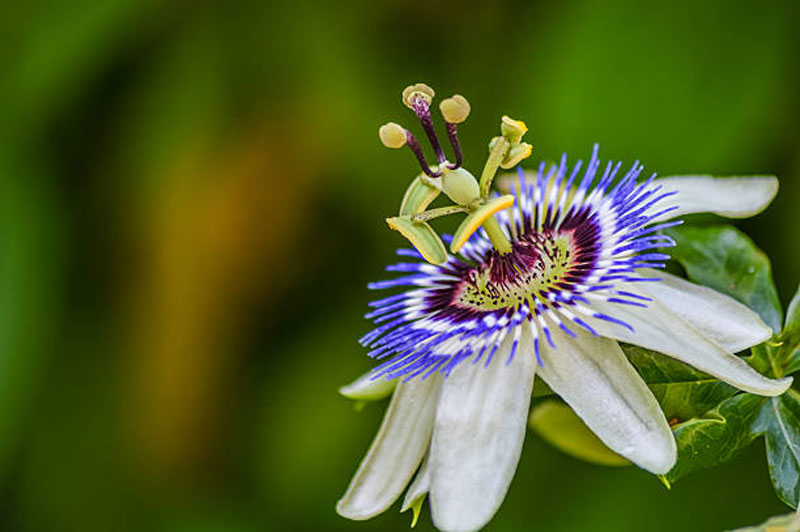
Passionflower: These flowers are often overlooked by those who want a good night’s sleep, but they shouldn’t be. Studies show that an infusion of these flowers can help healthy adults who need a little help once in a while.
Like lavender, the essential oil is also useful. In fact, they can be combined, both in a diffuser and as an infusion. Throw in some chamomile, and sleep is sure to come. However, sometimes more is needed.
Valerian: How anyone decided to try valerian in the first place is one of the biggest mysteries. The root stinks worse than six-month-old well used gym socks. However, the benefits outweigh the stink factor. Studies indicate that between four hundred fifty and nine hundred mgs taken half an hour to two hours before bedtime will help induce sleep.
It should be noted that it takes a couple of weeks before the benefits will be noticed. Also, the nine hundred mg end of the scale can lead to morning sleepiness. This can be consumed in capsules (recommended) or in a tea.
Lime flowers: While the sweet scent of the citrus version of the lime tree does have medicinal properties, this is from the tilia lime, also called a linden tree in some areas. This can be very confusing as the two flowers have different chemical constituents.
PubMed doesn’t have any studies on this tree, but that doesn’t mean studies haven’t been done. Many European countries are well ahead of the U.S. in studying the benefits of herbs. So, for that matter, are many Asian countries.
Studies do indicate that tea from the flowers of this plant can help improve sleep, both quantity, and quality. The tea is made by infusion and has a slightly sweet flavor to it. Adding it to some of the other herbs can help improve the flavor without the problems sugar can have.
Skullcap: This herb has been used for centuries for those with problems sleeping. Like most herbs, it spent quite a bit of the twentieth century being ignored by researchers, but recently it has become the center of several studies.
Baicalein is one of the constituents of skullcap. In a well-organized study, it was found to be useful for helping people with insomnia sleep. It should be noted that the study also uncovered a thing that all of these herbs share; they should not be used before any planned surgery. It will make coming out from under the anesthesia harder.
Oat flowers: Oats are good for a lot of things. They make a healthy whole grain; they are soothing and are great for skin care. Oats, oat straw tea, and oat flowers are all useful in helping sleep. It’s kind of hard to think that the lowly oat could be that useful, but it is.
If you’ve ever wondered why you feel sleepy after Thanksgiving dinner, it may have something to do with the turkey. It has a lot of tryptophan in it. Turkey isn’t the only food that contains it. In fact, many foods, including oats, have a lot more.
It may be tastier to have some steel-cut oats as a bedtime snack, although it can be made into a tea. Add some bananas for a little extra tryptophan.
Hops: A study was done using non-alcoholic beer with pigeons. It was a triple study with a control group, three varying doses of hops, and one with just a capsule. The study found that the non-alcoholic, hoppy beer stopped nocturnal movement when administered.
Warnings
All herbs have interactions and side effects. Anything can be overdosed, including water. It is extremely important to talk to both your doctor and your pharmacist before changing your diet or adding any supplements.
Herbs for sleeping can interact with antidepressants, allergy medications, and some seizure medications. Any medication with a “drowsy” warning should not be paired with herbal sleep aids without doctor and pharmacist approval.
Most of these herbs can affect driving and operating machinery. Until you know how you will react, avoid doing so. After you are used to them, proceed with caution.
All herbal supplements should be stopped two weeks prior to surgery. Some will have an effect on blood sugar; others can interact with the anesthesia. If emergency surgery is needed, inform the surgeon.
Disclaimer
None of these herbs have been approved by the USFDA for this purpose. This is for information purposes only.
Resources:
https://www.sciencedirect.com/
https://www.ncbi.nlm.nih.gov/
https://www.ncbi.nlm.nih.gov/
https://www.ncbi.nlm.nih.gov/
https://www.ncbi.nlm.nih.gov/
https://exploreim.ucla.edu/
https://www.ncbi.nlm.nih.gov/
https://www.myfooddata.com/
https://www.ncbi.nlm.nih.gov/
https://www.ncbi.nlm.nih.gov/