

Health Benefits
    Facebook Twitter Instagram
    Friday, December 5
    Facebook Twitter Pinterest
    Health Benefits
    • Home
    • Dental Health
    • Mental Health
    • Weight Loss
    • Health Wiki
    • Nutrition
    • Healthy Recipe
    • BMI Calculator
    Health Benefits
    Home»Essential OIls»Henna oil facts and uses
    Essential OIls

    Henna oil facts and uses

    By s mMarch 13, 2017Updated:September 25, 2017No Comments5 Mins Read
    Facebook Twitter Pinterest LinkedIn Tumblr Email

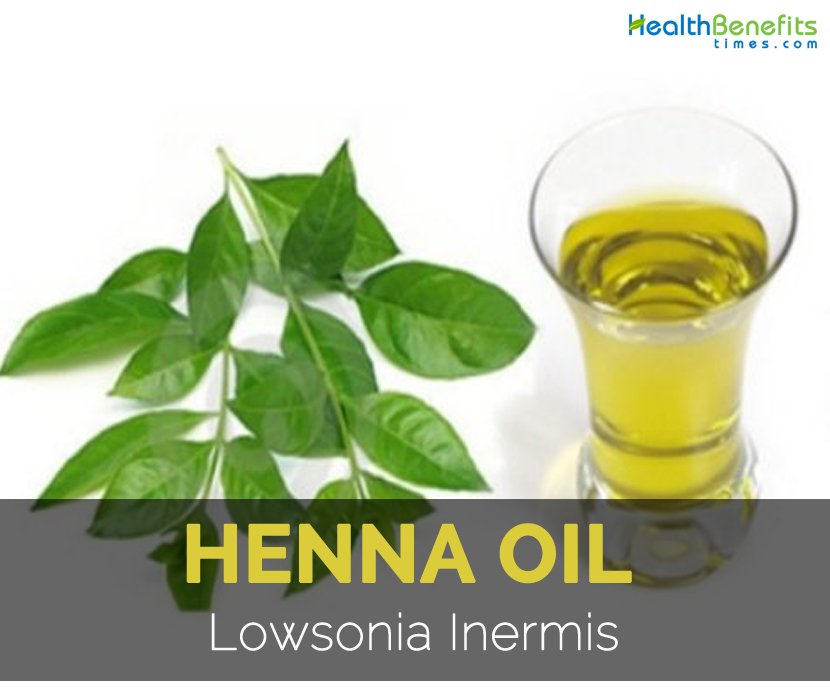
    Henna also called mehndi is extracted from the henna leaves which are native to South Asia and India. The shrub of henna is thorny with small leaves. Mehndi oil is the essential oil which has been extracted from tea tree of cajeput and ravensara. It has high content of terpenes which is produced by the plants naturally. This oil is good for maintaining hair health. It provides volume, shine and healthy glow to the hair. It also helps to support hair growth. It conditions the hair deeply and prevents formation of dandruff and itching in scalp and hair. It is used for aromatherapy as well. As it possess anti-fungal, antibacterial and anti-viral properties, it is used to treat the ailments such as dermatitis, acne, cuts and small wounds.

    History

    Henna is a small bush which produces red dye from the leaves which are grounded into powder after dried and mixed into paste. It is applied to the skin. Henna was used during Bronze and Neolithic Ages over 9000 years before. It is an oldest cosmetic which has been mentioned in Bible. It is used to treat lice, heat exhaustion and fungal infections. It was used by Egyptian civilization of queens, Pharaohs and pyramids. It is used over 60 countries including Morocco, India, Mediterranean, Middle East, South China, Africa and Southeast Asia. This plant is native to South Asia and India.

    Benefits of Henna oil

    • It is used in aromatherapy.
    • It is used to soothe soul, mind and body.
    • It detoxifies and cools the body.
    • It prevents dandruff, premature greying, hair loss and nourishes the hair.
    • It lowers confusion and mental fatigue.
    • It enhances blood circulation of scalp.
    • It is used in aromatherapy for providing relief from stress and depress.
    • The addition of mehndi oil to the bath water provides relaxation and soothing effect.
    • The use of mehndi oil to the scalp alleviates dryness and itchiness of scalp.
    • It promotes sleep, cure bruises and headaches.
    • It helps to treat eczema, fungal infections, scabies and burns.

    How to Use        

    • In 10 g of mehndi powder, add 1-3 ml of mehndi oil.
    • During pregnancy, the use of mehndi oil should be avoided as it could be harmful for the baby.
    • It is better to consult the expert before using this oil.
    • Do a patch test before using henna oil to know the allergic reactions.

    Precautions

    • Allergic people should avoid its use.
    • Use it in moderate amounts.

    How to make    

    • Firstly grind the leaves of henna making it a paste.
    • Avoid using too much water to grind the leaves. Add only few drops to make it easy for grinding.
    • Then make balls of Amla sized from the grinded leaves.
    • Heat coconut oil about 500 ml in a pan.
    • Then put that henna paste balls into coconut oil.
    • Boil the oil.
    • When the color of the oil changes remove the pan.
    • Let it cool and strain the oil. Then store it to an air tight container.

    Henna oil facts

    It is an essential oil which is derived from Henna. The mixture of dye and oil helps to prevent skin infections. It is blended with Tonka Bean Absolute, Neroli, Blue Chamomile, Lavender, Ylang Ylang, Rose absolute and other spice oils.

    Henna oil facts and uses Quick Facts
    Name: Henna oil facts and uses
    Scientific Name: Lowsonia Inermis
    Origin This plant is native to South Asia and India.
    Colors Rich orange
    Health benefits Soothe body, Detoxification, Prevent dandruff, Promote blood circulation, Relief from stress
    Name Henna oil facts and uses
    Scientific Name of Henna Plant Lowsonia Inermis
    Native This plant is native to South Asia and India. It is used over 60 countries including Morocco, India, Mediterranean, Middle East, South China, Africa and Southeast Asia.
    Common/English Name Tattoo oil, Mehandi oil
    Name in Other Languages of Henna Plant Punjab: Hinna, Nakrize, Mehndi, Panwar;
    Sind: Mendi;
    Bombay: Mendie, Henne;
    Gujarat: Mendi, Medi;
    Bengal: Mehedi, Shudi, Mehndi;
    English: Camphire, Egyptian Privet, Cypress Shrub, Henna Plant, Mindie, Jamaica Mignonette, Tree Mignonette
    Hindi: Hena, Mhindi, Mehndi;
    Sanskrit: Dvivranta, Medika, Kokadanta, Nakharanjaka, Mendhika, Ragagarbha, Nakaranjani;
    Persian: Panna, Hina,
    Arabic: Alhenna, Henneh, Henna, Yoranna, Hinna;
    Hebrew: Bapar;
    Chinese: Tche Kia Hoa;
    French: Alcana D’orient, Alkanna d’Orient, Alkanna d’Avicenne, Thomarhendi d’Avicenne;
    Spanish: Henne;
    Marathi: Mendi, Mendhi;
    Urdu: Mehendi;
    Bhote: Simru;
    Tamil: Aivanam, Korandam, Aivana, Kurandagam, Pidai, Kurinji, Ponninpuvalamarudondri, Mayilainandi, Marudondri;
    Malayalam: Pontalasi, Mayilanji;
    Burma: Danbin, Dan;
    Cambodia: Krapeu;
    Swahili: Muheni, Muhanoni;
    Teluga: Goranta, Gorinta, Gorata, Krommi, Maida, Kuravakamu, Pschapeddagoranta;
    Canarese: Goranta, Goranthu, Gorante, Madaranga Central, Korate;
    Provinces: Mhendi, Mehndi;
    Greek: Kypros;
    Belgaum: Iswan;
    Hausa: Lalle;
    Sinhalese: Maritondo;
    Las Bela: Mehndi;
    Konkani: Meti;
    Woloff: Foundenn;
    Malay: Inai;
    Mundari: Bind, Mindi, Bindi;
    Indo Chana: Chi Gaip Hoa, Kao Youak, Khao Thien, Kok Khao, Mong Tay, Krapin Kupin Tue, Mong Tay Nhuom;
    Santal: Mihndi;
    Phillipines: Cinamomo Del Pais, Cinamomo;
    Lambadi: Bhurara;
    Rajpunta: Mehendi;
    Uriya: Mehendi, Monjuati, Mendi, Rongota, Olota;
    Tulu: Madirengi;
    Kannada: Manjha;
    Appearance Thick liquid
    Color Rich orange
    Flavor/aroma Luscious floral
    Traditional uses
    • It is used for aromatherapy uses.
    • It soothes soul, mind as well as body.
    • It is used to detoxifies and cool down the body.
    • It prevents dandruff, premature greying of hair and nourishes hair.
    • It enhances blood circulation of scalp.
    Precautions
    • People allergic to henna should avoid it.
    • Don’t use it in excessive amounts.
    How to Use
    • In 10 g of mehndi powder, add 1-3 ml of mehndi oil.
    • During pregnancy, the use of mehndi oil should be avoided as it could be harmful for the baby.
    • It is better to consult the expert before using this oil.
    • Do a patch test before using henna oil to know the allergic reactions.
    How to make
    • Grind leaves of henna to make a paste.
    • Make balls from the grinded leaves.
    • Heat coconut oil in a pan.
    • Put that paste balls into coconut oil.
    • Then boil the oil.
    • When the color of oil changes turn off the gas.
    • Let it cool and then strain oil.


    References:

    http://www.naturalcosmeticsupplies.com/henna-oil.html              

    http://www.beautyglimpse.com/diy-how-to-make-henna-hair-oil-for-hair-growth/

    http://www.stylecraze.com/articles/mehandi-oil-how-to-use-and-what-are-its-benefits/#gref

    73%
    73%
    Awesome

    Comments

    comments

    Essential OIls
    Share. Facebook Twitter Pinterest LinkedIn Tumblr Email
    Previous ArticleGalangal essential oil facts and health benefits
    Next Article Horseradish oil facts and benefits

    Related Posts

    Health benefits of Lilac Essential oil

    January 22, 2020

    Essential oils for the skin and hair

    April 18, 2019

    How To Use Essential Oil

    April 8, 2019

    Comments are closed.


    Categories
    • Beverages (78)
    • Dairy (28)
    • Dental Health (15)
    • Equipment (5)
    • Essential OIls (196)
    • Facts (2,939)
    • Foods (255)
    • Fruits (516)
    • Giveaway (1)
    • Grains and Cereals (36)
    • Health & Beauty (763)
    • Herbs and Spices (1,249)
    • Medicines (9)
    • Mental Health (19)
    • Nutritional value (27)
    • Nuts and seeds (73)
    • Oils (81)
    • Pets (4)
    • Poultry & Seafoods (67)
    • Pulses and Beans (16)
    • Reviews (25)
    • supplement (2)
    • Vegetables (304)
    • Weight Loss (22)

    What is Lupin Bean Flour?

    Science Backed Health Benefits of Durian (Durio zibethinus)

    Science Backed Health Benefits of Feijoa (Pineapple Guava) (Acca sellowiana)

    Science Backed Health Benefits of Gac Fruit (Momordica cochinchinensis)

    Science Backed Health Benefits of Amaranth Leaves (Amaranthus spp)

    Science Backed Health Benefits of Arrowhead (Sagittaria sagittifolia)

    ABOUT
    Home
    About us
    Contact us
    Privacy Policy
    Terms & conditions
    Disclaimer
    Direct Communication
    e-mail: [email protected]
    Gmail: [email protected]
    Whatsapp: +977-9841146511
    Viber: +977-9841146511
    Useful
    Health Wiki
    Nutrition
    Facebook Twitter Pinterest
    © 2025 www.healthbenefitstimes.com All rights reserved.

    Type above and press Enter to search. Press Esc to cancel.

    ×

    Log In

    Forgot Password?

    Not registered yet? Create an Account