

Postpartum depression (PPD) is a serious but treatable mood disorder that occurs in women following childbirth. While it is common for new mothers to experience mild, short-lived sadness known as the “baby blues,” PPD involves much more severe and persistent symptoms. Individuals with PPD often experience extreme sadness, profound exhaustion, anxiety, and intense mood swings that can disrupt their daily functioning. They may also have trouble sleeping, lose interest in everyday activities, or find it difficult to form a bond with their newborn. Postpartum depression is a legitimate medical illness triggered by a complex combination of physical and emotional changes, rather than a character flaw or personal weakness. Because this condition can negatively impact both maternal health and infant development, professional medical evaluation and treatment are essential for a safe and complete recovery. 1, 2
Causes of Postpartum Depression
- Hormonal Fluctuations: A severe, rapid drop in reproductive hormones, particularly estrogen and progesterone, immediately following childbirth.
- HPA Axis Dysregulation: Disruptions in the hypothalamic-pituitary-adrenal (HPA) axis, leading to abnormal fluctuations in stress hormones like cortisol and corticotropin-releasing hormone (CRH).
- Thyroid Dysfunction: A decrease in thyroid hormone production after delivery, which can mimic or trigger symptoms of depression, low energy, and fatigue.
- Genetic Predisposition: A personal or family history of psychiatric conditions, such as major depressive disorder, anxiety, or bipolar disorder, which increases biological vulnerability.
- Physical Exhaustion and Sleep Deprivation: The profound physical toll of childbirth recovery compounded by chronic sleep disruptions from infant care.
- Psychosocial Stressors: External emotional and environmental pressures, including a lack of social support, domestic violence, relationship conflicts, childcare stress, or an unplanned pregnancy.
- Obstetric Complications: Traumatic events during delivery or pregnancy, such as high-risk pregnancies, emergency cesarean sections, premature births, or newborn health complications.
- Nutritional Deficiencies: The depletion of essential nutrients and trace elements required for mood regulation and brain function, such as iron (anemia), zinc, vitamin B6, and magnesium. 3, 4, 5, 6
Symptoms of Postpartum Depression
- Persistent sadness, frequent crying spells, and feelings of emptiness or hopelessness
- Severe mood swings, abnormal irritability, or restlessness
- Loss of interest or pleasure in normally enjoyable activities (anhedonia)
- Difficulty bonding with the newborn or feeling a profound disconnect from the baby
- Overwhelming fatigue, extreme physical exhaustion, and consistently low energy levels
- Sleep disturbances, including severe insomnia (inability to sleep even when the baby is sleeping) or sleeping excessively
- Significant changes in appetite or eating habits, leading to undereating or overeating
- Intense feelings of guilt, shame, worthlessness, or feeling like an inadequate parent
- Severe anxiety, panic attacks, and an inability to relax
- Cognitive difficulties, including trouble concentrating, remembering details, or making simple decisions
- Social withdrawal and isolation from a partner, family, and friends
- Unexplained physical complaints, such as persistent headaches, vague body aches, chest pain, or digestive issues
- Intrusive, frightening thoughts about harming oneself or the infant 1, 3,7
Holistic Remedies for Postpartum Depression
1. Cognitive Behavioral Therapy and Interpersonal Counseling
How it may help
Cognitive Behavioral Therapy (CBT) helps individuals identify and change negative thought patterns and behaviors that fuel depression 8. Interpersonal counseling focuses on improving communication skills, managing role transitions during early motherhood, and resolving relationship conflicts to build a stronger emotional support system 9.
What research says
Extensive evidence confirms that both therapeutic approaches are highly effective first-line treatments for postpartum depression. Research demonstrates that participating in these structured psychological therapies significantly reduces the severity of depressive symptoms and improves overall maternal well-being without relying on medication 10.
How to use it safely
To use these therapies safely, you should seek a licensed mental health professional who specifically specializes in perinatal or maternal mental health. You can participate in individual, group, or telehealth sessions, allowing you to choose the format that best accommodates your schedule.
Potential precautions or side effects
Talk therapy has no physical side effects, but you may experience temporary emotional discomfort when discussing difficult feelings. Additionally, attending regular sessions requires a consistent time and financial commitment.
2. Structured Physical Activity and Aerobic Exercise
How it may help
Structured physical activity and aerobic exercise help regulate the nervous system by increasing the production of endorphins and serotonin, which are natural mood-elevating chemicals. 11 Regular movement also reduces circulating stress hormones, improves sleep quality, and provides a valuable opportunity for psychological decompression. 12
What research says
Clinical studies consistently demonstrate that engaging in regular aerobic exercise significantly decreases the severity of postpartum depressive symptoms. 13 Evidence indicates that structured physical activity interventions are highly effective as a complementary, non-medication treatment for improving overall maternal mental health and reducing psychological distress. 14
How to use it safely
You should always obtain medical clearance from your healthcare provider before resuming physical activity, typically waiting four to six weeks after delivery. 15 Start with gentle, low-impact activities like walking, gradually increasing the intensity while ensuring you stay adequately hydrated.
Potential precautions or side effects
Returning to vigorous exercise too quickly can increase your risk of excessive fatigue, joint injury, and pelvic floor dysfunction. 16 Always stop immediately if you experience abnormal bleeding or pain.
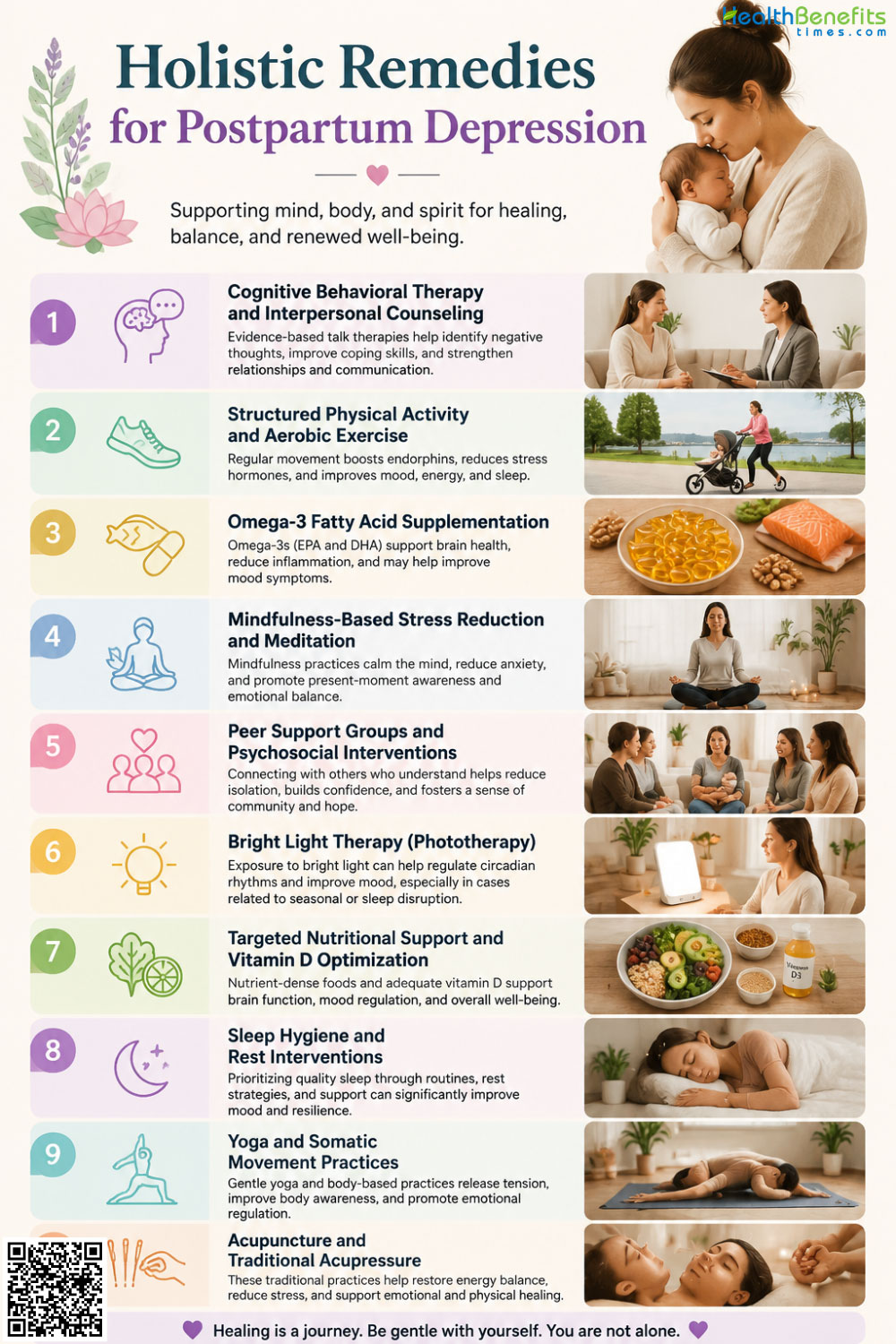
3. Omega-3 Fatty Acid Supplementation
How it may help
Omega-3 fatty acids, specifically EPA and DHA, may mitigate postpartum depression by reducing brain inflammation and supporting healthy brain structure (Serefko et al., 2024) 17. Because a mother cannot efficiently produce these fats, supplementation replenishes essential nutrients depleted during pregnancy to help balance important mood-regulating brain chemicals like serotonin (Grosso et al., 2014) 18.
What research says
Clinical evidence regarding omega-3 supplementation for postpartum depression remains mixed but generally promising. Some studies indicate a significant decrease in depression severity, noting reductions of up to 50% in standard mood symptom rating scales (Liscano & Sanchez-Palacio, 2023) 19. Conversely, certain clinical trials report no significant preventive advantage over a standard placebo (Mozurkewich et al., 2013) 20.
How to use it safely
To safely utilize omega-3s, you should consume a high-quality fish oil or algal supplement containing a balanced ratio of EPA and DHA. Ensure your product undergoes third-party testing to avoid heavy metal contamination. Always discuss precise dosing with your doctor to match your specific postpartum needs (Lewin, n.d.) 21.
Potential precautions or side effects
Omega-3s are generally safe, though large doses may cause mild stomach issues, such as nausea or fishy burps. Excessive intake can also slightly increase your risk of bleeding (von Schacky, 2020) 22.
4. Mindfulness-Based Stress Reduction and Meditation
How it may help
Mindfulness-Based Stress Reduction (MBSR) and meditation teach the brain to focus on the present moment without judgment, which helps interrupt the constant loop of negative thoughts. 23 These practices calm the central nervous system, reducing stress hormones and enhancing emotional regulation to manage the profound psychological changes of early motherhood. 24
What research says
Clinical evidence shows that mindfulness interventions significantly decrease the severity of postpartum depressive symptoms. 25 Studies confirm that new mothers participating in structured mindfulness programs experience noticeable reductions in co-occurring anxiety, report better overall sleep quality, and develop improved emotional bonding with their infants. 26
How to use it safely
You can practice mindfulness safely by listening to guided audio sessions or using maternal-focused mobile health applications from home. 27 Start with short, five-minute sessions daily, gradually building tolerance, and smoothly integrate mindful breathing techniques into routine tasks like infant feeding. 28
Potential precautions or side effects
Meditation is generally safe, but focusing inward may initially highlight intrusive thoughts or intensify temporary anxiety. 29 It should complement, not completely replace, necessary medical treatments for severe depression.
5. Peer Support Groups and Psychosocial Interventions
How it may help
Peer support groups provide critical emotional validation and reduce profound feelings of isolation by connecting new mothers who share similar lived experiences. 30 Psychosocial interventions, including intensive postpartum home visiting programs, offer targeted education and practical coping strategies to help mothers navigate role transitions and build a stronger social safety net. 31
What research says
Clinical research indicates that participating in telephone-based or in-person peer support networks significantly decreases maternal depressive symptoms and improves overall quality of life. 32 Furthermore, systematic reviews confirm that structured psychosocial interventions are highly effective at preventing the onset of postpartum depression and substantially accelerating maternal recovery. 33 Evidence also shows that combining peer support with professional guidance yields excellent participant satisfaction and better mental health outcomes. 34
How to use it safely
You should actively look for structured peer support groups led by trained facilitators or community maternal health professionals. Whether you choose virtual platforms or in-person psychosocial sessions, commit to regular attendance to build trust. Always ensure these social programs complement, rather than replace, your primary medical treatment.
Potential precautions or side effects
Listening to the traumatic childbirth or deep depression experiences of other group members may temporarily elevate your personal anxiety. These groups cannot safely substitute professional psychiatric care for severe symptoms.
6. Bright Light Therapy (Phototherapy)
How it may help
Bright light therapy helps reset the brain’s internal clock and regulates disrupted sleep patterns common in early motherhood. 35 Exposure to intense artificial light stimulates specific brain chemicals, such as serotonin, which elevate mood, while simultaneously suppressing melatonin to reduce daytime fatigue and sluggishness. 36
What research says
Clinical evidence indicates that daily bright light exposure significantly reduces depressive symptoms in postpartum women. 37 Research confirms that it yields notable improvements in overall mood and functions as an effective, fast-acting alternative for individuals seeking non-medication treatment options. 38
How to use it safely
You should sit near a specialized 10,000-lux light therapy box for thirty minutes each morning shortly after waking. 39 Ensure the light enters your eyes indirectly without staring straight into the bulb, and always consult a physician before beginning use. 40
Potential precautions or side effects
Common side effects include mild headaches, eye strain, and temporary nausea. 41 Avoid this therapy if you have bipolar disorder, as intense light exposure may trigger manic episodes. 42
7. Targeted Nutritional Support and Vitamin D Optimization
How it may help
Pregnancy significantly depletes essential maternal nutrients required for healthy brain function and emotional regulation. 43 Targeted nutritional support, particularly optimizing Vitamin D levels, helps synthesize critical mood-regulating neurotransmitters like serotonin and dopamine. 44 Restoring these specific nutrient deficits directly combats the profound physical exhaustion and mood instability associated with early motherhood. 45
What research says
Clinical evidence strongly connects low maternal Vitamin D levels during and after pregnancy to a significantly increased risk of severe postpartum depression. 46 Research confirms that optimizing Vitamin D and correcting specific nutritional deficiencies leads to measurable reductions in depressive symptoms and improved overall psychological well-being in new mothers. 47
How to use it safely
You should request a comprehensive maternal blood panel from your physician to identify exact nutritional deficits before taking high-dose supplements. 48 Safely optimize your levels by combining doctor-prescribed Vitamin D3 supplements with a nutrient-dense diet rich in fortified dairy, leafy greens, and lean proteins. 49
Potential precautions or side effects
Consuming excessive amounts of Vitamin D can cause toxic calcium buildup, leading to severe nausea, weakness, and kidney complications. 50 Always ensure supplements do not interact with your current medications.
8. Sleep Hygiene and Rest Interventions
How it may help
Severe sleep deprivation directly disrupts brain chemistry and heightens emotional reactivity in new mothers. 51 Implementing strict sleep hygiene and planned rest interventions helps stabilize stress hormone levels, specifically cortisol, thereby improving overall emotional regulation and reducing severe physical fatigue. 52
What research says
Clinical evidence reveals a strong, bidirectional relationship between chronic sleep disruption and the severity of maternal depressive symptoms. 53 Furthermore, research confirms that behavioral sleep interventions, such as adjusting routines to allow longer maternal sleep blocks, significantly decrease the incidence and severity of postpartum depression. 54
How to use it safely
You should establish a consistent, dark, and quiet resting environment while strictly avoiding electronic screens before bedtime. 55 Coordinate night-time infant care with a partner or support system to secure continuous, uninterrupted sleep blocks of at least four hours. 56
Potential precautions or side effects
Rigid sleep expectations can cause severe anxiety when infant routines naturally fluctuate. 57 Always consult your doctor before using any sleep supplements to ensure complete breastfeeding safety. 58
9. Yoga and Somatic Movement Practices
How it may help
Yoga and somatic movement practices combine gentle physical postures with controlled breathing to actively calm the central nervous system. 59 These mindful techniques help lower circulating stress hormones, such as cortisol, while safely releasing chronic physical tension stored in the muscles during pregnancy and childbirth. 60
What research says
Clinical evidence demonstrates that engaging in targeted postpartum yoga significantly decreases the severity of maternal depressive symptoms. 61 Systematic reviews confirm that these mind-body interventions consistently improve overall psychological well-being, effectively reduce co-occurring postpartum anxiety, and enhance maternal-infant bonding. 62
How to use it safely
You must obtain medical clearance from your obstetrician before beginning any physical practice, usually waiting four to six weeks post-delivery. 63 Seek out classes led by certified postnatal instructors, and focus entirely on gentle, restorative movements rather than intense, deep stretching. 64
Potential precautions or side effects
Pregnancy hormones like relaxin remain active after childbirth, significantly increasing your risk of joint instability and ligament sprains if overstretched. 65 Stop practicing immediately if you experience sharp pain.
10. Acupuncture and Traditional Acupressure
How it may help
Acupuncture and acupressure stimulate specific points on the body to activate the central nervous system. 66 This targeted stimulation triggers the release of natural mood-enhancing chemicals, such as endorphins and serotonin, which help regulate emotional stability, reduce physical tension, and alleviate severe postpartum psychological distress. 67
What research says
Clinical evidence suggests that targeted acupuncture interventions significantly reduce the severity of postpartum depressive symptoms. 68 Systematic reviews indicate that these traditional therapies yield measurable improvements in maternal mood, serving as an effective, non-medication treatment option when integrated with standard psychological and medical care. 69
How to use it safely
You should seek treatment exclusively from a licensed, board-certified acupuncturist who specializes in women’s or maternal health. 70 Verify that the practitioner strictly uses sterile, single-use needles to prevent infections, and discuss this therapy with your primary physician before beginning sessions. 71
Potential precautions or side effects
Mild side effects typically include temporary soreness, minor bruising, or slight bleeding at the needle insertion sites. 72 These therapies cannot replace psychiatric treatment for severe, life-threatening depression.
Foods to Avoid When You suffer from Postpartum Depression
1. Refined Sugars and Sweets
High sugar intake causes rapid blood glucose fluctuations, triggering severe mood swings, worsening fatigue, and increasing the overall risk of severe depressive symptoms. 73, 74
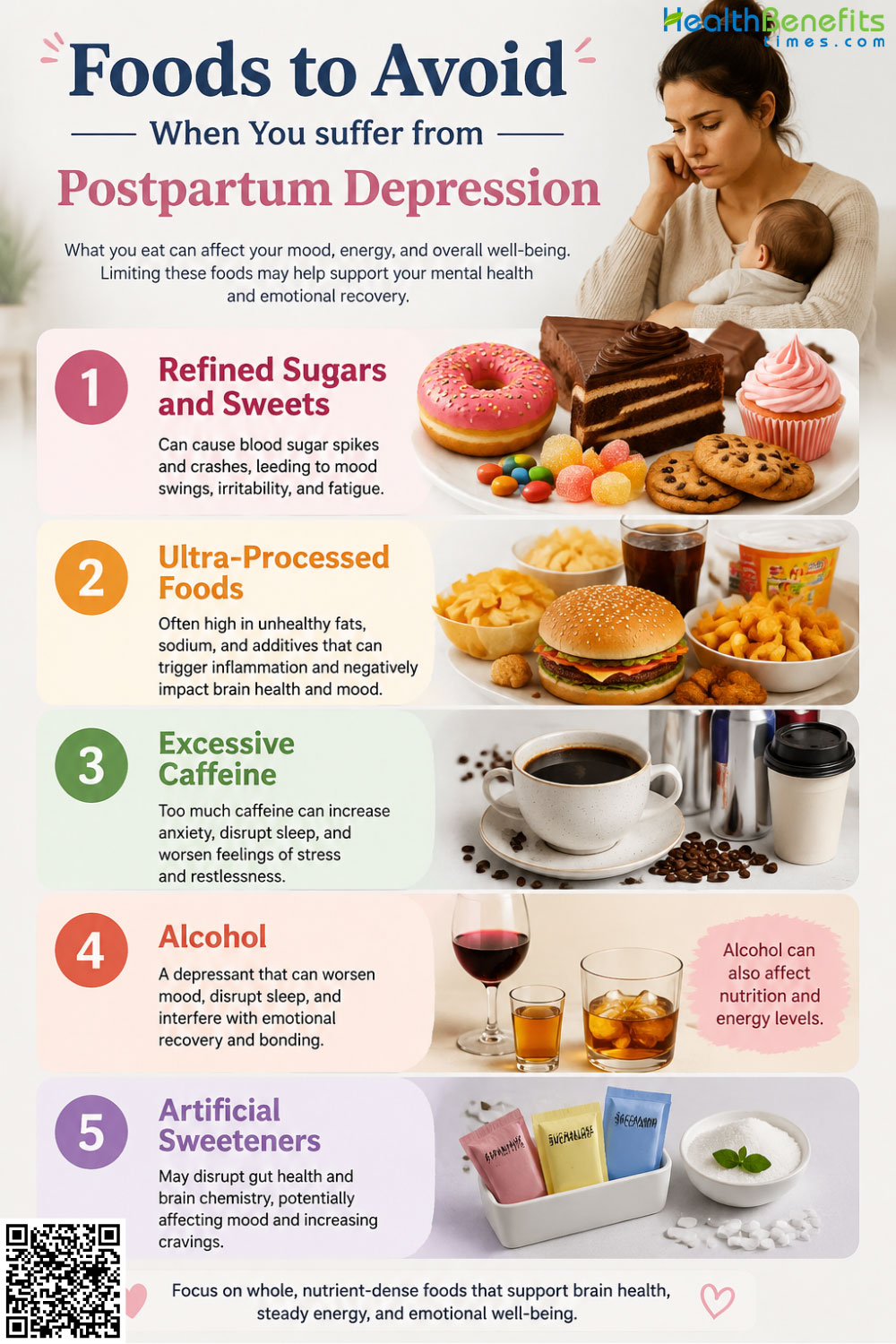
2. Ultra-Processed Foods
Diets heavy in ultra-processed items promote systemic inflammation, which directly alters brain chemistry and is strongly associated with a higher prevalence of maternal mood disorders. 75, 76
3. Excessive Caffeine
While small amounts are fine, high caffeine consumption overstimulates the nervous system, worsening postpartum anxiety, triggering panic attacks, and severely disrupting essential recovery sleep. 77, 78
4. Alcohol
Alcohol acts as a central nervous system depressant, deepening feelings of sadness, interfering with deep sleep cycles, and dangerously interacting with prescribed antidepressant medications. 79, 80
5. Artificial Sweeteners
Certain artificial sweeteners may alter gut microbiome composition and disrupt normal neurotransmitter production, potentially exacerbating depressive symptoms and increasing overall psychological distress in vulnerable mothers. 81, 82
When to see Doctor when you have Postpartum Depression
1. Symptoms Last Longer Than Two Weeks
If feelings of intense sadness, emptiness, or severe mood swings persist beyond the typical two-week period of the “baby blues,” immediate professional medical evaluation is necessary. 83, 84
2. Symptoms Progressively Worsen
Seek immediate medical care if depressive symptoms, tearfulness, or feelings of hopelessness become increasingly severe rather than stabilizing or improving as time passes after delivery. 85, 86
3. Inability to Care for the Newborn
Contact a healthcare provider if profound exhaustion, lack of interest, or severe emotional detachment prevents you from safely feeding, bonding with, or caring for your infant. 87, 88
4. Difficulty Completing Basic Daily Tasks
You should consult a doctor if severe fatigue, cognitive impairment, or lack of motivation makes it impossible to manage personal hygiene, eat properly, or handle household responsibilities. 89, 90
5. Thoughts of Self-Harm or Infant Harm
Seek emergency medical assistance immediately if you experience any intrusive, frightening thoughts about harming yourself or your baby, as this indicates a severe psychiatric emergency. 91, 92