

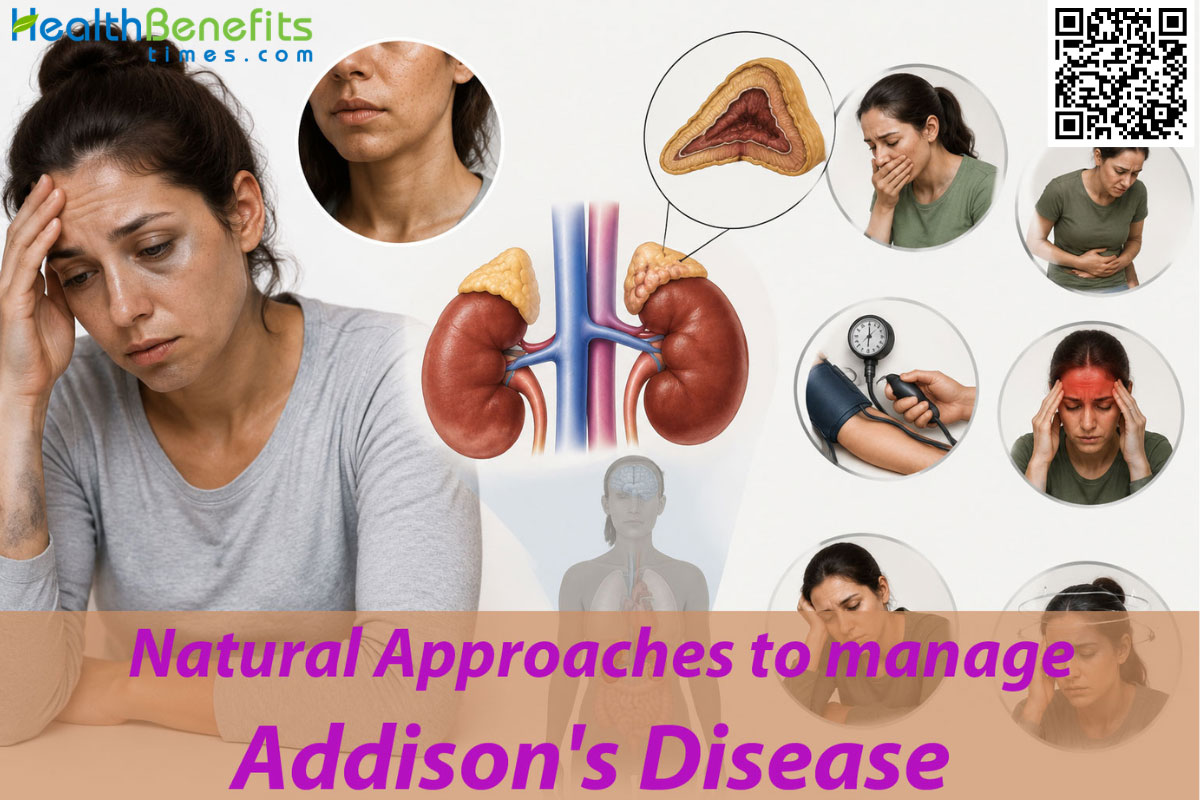
Addison’s disease is a rare but serious condition in which the body’s adrenal glands do not produce enough essential hormones 1. These small organs, located directly on top of the kidneys, are responsible for making cortisol often known as the stress hormone and aldosterone, which helps manage the body’s salt and water balance 2. Most frequently, the condition occurs because the immune system mistakenly attacks and destroys healthy adrenal tissue 3. Because this internal damage happens gradually, symptoms such as extreme fatigue, persistent weight loss, low blood pressure, and a noticeable darkening of the skin tend to develop slowly over many months 4. If left untreated, the severe lack of these hormones makes it impossible for the body to handle physical stress, potentially leading to a life-threatening medical emergency. Fortunately, the condition can be managed effectively with lifelong daily hormone replacement medications 5.
Causes of Addison’s Disease
- Autoimmune Response: The immune system mistakenly attacks and destroys the outer layer of the adrenal glands. This is the most frequent cause in developed countries.
- Tuberculosis (TB): A bacterial infection that can spread to and destroy the adrenal glands. This is the most common cause of the disease worldwide.
- Other Infections: Severe infections that damage the adrenal glands, including HIV, syphilis, and certain fungal infections like histoplasmosis.
- Metastatic Cancer: Cancer cells that spread to the adrenal glands from other parts of the body, such as the lungs, breasts, or colon.
- Adrenal Bleeding (Hemorrhage): Sudden, severe bleeding into the adrenal glands, which can be triggered by major physical trauma, the use of blood-thinning medications, or overwhelming bacterial infections.
- Genetic Disorders: Rare, inherited genetic conditions that damage the adrenal glands or prevent them from developing properly, such as X-linked adrenoleukodystrophy.
- Amyloidosis: A rare disease where abnormal proteins build up inside the adrenal glands and stop them from working properly.
- Surgical Removal: The surgical removal of both adrenal glands (bilateral adrenalectomy), which is sometimes necessary to treat other severe medical conditions. 6, 1, 4
Symptoms of Addison’s Disease
- Extreme Fatigue: A persistent, overwhelming sense of tiredness and physical weakness that gradually worsens over weeks or months.
- Skin Darkening (Hyperpigmentation): Noticeable darkening of the skin, most commonly seen in skin folds, over joints (like knuckles and knees), on scars, and inside the mouth or gums.
- Unintended Weight Loss: A gradual and unexplained drop in body weight, often accompanied by a significant loss of appetite.
- Low Blood Pressure: A drop in blood pressure that can cause dizziness, lightheadedness, or fainting, especially when standing up quickly.
- Salt Cravings: An intense, specific desire for salty foods, which occurs as the body loses sodium through urine.
- Digestive Issues: Persistent stomach discomfort, including nausea, vomiting, abdominal pain, and diarrhea.
- Low Blood Sugar (Hypoglycemia): Dangerously low blood sugar levels that can lead to sweating, shakiness, weakness, and confusion.
- Muscle and Joint Ache: Unexplained, chronic pain or aching in the muscles and joints.
- Mood Changes: Behavioral shifts, including increased irritability, persistent sadness, depression, or difficulty concentrating.
- Changes in Women: A noticeable loss of body hair (such as underarm or pubic hair) and a decreased sex drive, resulting from a drop in hormones called androgens. 6, 1, 7
Natural Approaches to manage Addison’s Disease
1. Increasing Dietary Sodium
How it may help
Addison’s disease reduces the production of aldosterone, a hormone responsible for keeping sodium and water balanced in the body 8. This deficiency causes excessive sodium loss through urine, leading to low blood pressure, severe dehydration, and intense salt cravings 9. Increasing dietary sodium helps restore this missing salt, improve fluid retention, and support healthy blood pressure levels.
What research says
Clinical findings indicate that a liberal salt intake is highly beneficial for individuals with primary adrenal insufficiency 5. Evidence demonstrates that consuming adequate dietary sodium, especially when combined with prescribed mineralocorticoid medications, effectively prevents dangerous drops in blood sodium levels and helps maintain essential fluid volume 10.
How to use it safely
You should gradually increase your daily salt intake by salting your meals or drinking broths. It is vital to consume extra sodium during heavy sweating, hot weather, exercise, or gastrointestinal illnesses to quickly replace rapid salt loss and prevent a medical emergency 1.
Potential precautions or side effects
Excessive salt combined with hormone medications can cause fluid buildup, tissue swelling, and high blood pressure 11. You must closely monitor your blood pressure and consult your doctor frequently.
2. Maintaining Optimal Hydration Levels
How it may help
Because Addison’s disease involves a lack of aldosterone, the body struggles to retain both salt and water 12. This continuous fluid loss leads to severe dehydration and a dangerous drop in blood volume 13. Maintaining optimal hydration helps stabilize blood pressure, prevents dizziness, and ensures proper blood flow to vital organs.
What research says
Clinical guidelines emphasize that aggressive fluid management is a cornerstone of preventing and treating adrenal crises 14. Studies show that adequate daily water intake, specifically when paired with proper sodium replacement, effectively sustains blood volume and reduces the risk of cardiovascular collapse during physical stress 15.
How to use it safely
You should drink water consistently throughout the day, ensuring you pair fluids with adequate salt intake. Increase your fluid consumption significantly during hot weather, strenuous exercise, or when experiencing diarrhea and vomiting to quickly replace rapid volume loss and prevent dangerous dehydration 16.
Potential precautions or side effects
You must avoid drinking excessive amounts of plain water without added sodium, as this can dangerously dilute your blood sodium levels, leading to swelling, severe confusion, or seizures 17.
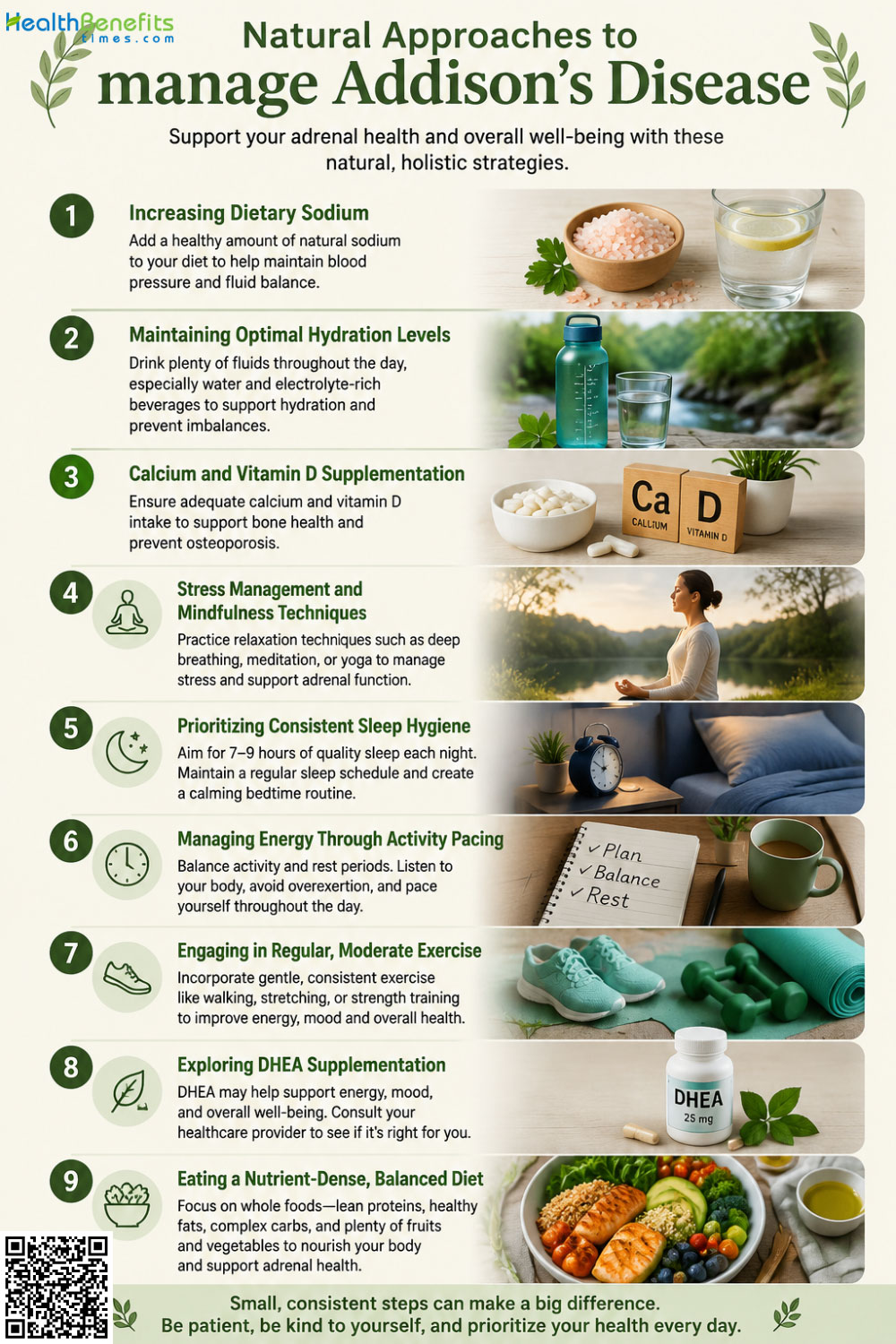
3. Calcium and Vitamin D Supplementation
How it may help
Glucocorticoid medications used to treat Addison’s disease directly impair intestinal calcium absorption and increase renal calcium loss 18. This continuous mineral depletion lowers overall bone mineral density over time 19. Calcium and vitamin D supplementation helps offset this side effect, ensuring proper calcium uptake to preserve long-term skeletal strength 20.
What research says
Studies reveal that Addison’s patients on long-term steroid replacement suffer from increased bone fragility and a significantly higher incidence of vertebral fractures 21. Medical guidelines strongly emphasize that maintaining sufficient daily calcium intake and preventing vitamin D deficiency are essential steps for mitigating severe glucocorticoid-induced osteoporosis in these individuals 22.
How to use it safely
You should consult an endocrinologist to assess your baseline bone density before starting any vitamin or mineral supplements 23. Aim to get calcium from foods first, taking supplements only to reach daily targets, and always pair them with vitamin D3 to guarantee optimal bone absorption.
Potential precautions or side effects
Excessive calcium supplementation can dangerously elevate blood calcium levels and increase your risk of kidney stones 24. You must undergo regular blood tests to carefully monitor your internal mineral status.
4. Stress Management and Mindfulness Techniques
How it may help
Addison’s disease eliminates the body’s natural ability to produce extra cortisol during periods of emotional or psychological stress 1. Chronic anxiety continuously activates the nervous system, which can rapidly exhaust limited energy reserves and provoke severe fatigue 12. Mindfulness techniques physically calm the body, lowering heart rate and reducing the overall physiological demand for stress hormones 25.
What research says
Clinical evaluations reveal that patients with primary adrenal insufficiency suffer from significantly higher rates of subjective distress and impaired health-related quality of life 26. Evidence demonstrates that structured mindfulness therapies and behavioral stress management programs effectively lower chronic anxiety levels and improve daily psychosocial functioning in individuals managing permanent endocrine disorders 27.
How to use it safely
You should integrate daily relaxation practices like deep diaphragmatic breathing or guided meditation to maintain emotional stability 28. Always utilize these psychological tools alongside your prescribed steroid medications, and proactively communicate with an endocrinologist to adjust dosages during unavoidable life stress 5.
Potential precautions or side effects
You must never substitute mindfulness exercises for emergency medical treatment 4. Sudden emotional trauma still requires immediate steroid updosing to prevent a fatal acute adrenal crisis 15.
5. Prioritizing Consistent Sleep Hygiene
How it may help
Patients with Addison’s disease lack natural cortisol, a hormone vital for regulating the sleep-wake cycle and daily energy levels 29. Consistent sleep hygiene normalizes circadian rhythms, ensuring the body rests effectively to combat the profound fatigue caused by disrupted hormone patterns 1.
What research says
Clinical studies indicate that individuals receiving standard glucocorticoid replacement therapy frequently experience altered sleep architecture and chronic daytime sleepiness 30. Evidence demonstrates that prioritizing strict sleep routines significantly improves restorative sleep and reduces subjective fatigue in patients with adrenal insufficiency 31.
How to use it safely
You should establish a predictable bedtime and wake-up schedule every day to support your natural circadian rhythm. Work closely with an endocrinologist to appropriately time your afternoon hormone medication doses, preventing artificial cortisol spikes from keeping you awake at night 12.
Potential precautions or side effects
Severe, ongoing insomnia often indicates an excessive afternoon or evening steroid dosage 32. You must consult your physician to correctly adjust your medication timing rather than relying solely on sleep habits.
6. Managing Energy Through Activity Pacing
How it may help
Because Addison’s disease limits the body’s ability to produce cortisol on demand, individuals often experience sudden and severe physical exhaustion during daily tasks 33. Activity pacing helps conserve limited physical reserves by strategically breaking demanding tasks into smaller steps, preventing sudden overexertion and reducing debilitating fatigue 34.
What research says
Clinical research confirms that severe daytime fatigue remains the most common lingering symptom among patients with adrenal insufficiency despite standard hormone therapy 35. Evidence demonstrates that actively implementing structured energy conservation strategies significantly improves daily functioning and enhances the overall health-related quality of life for chronically ill patients 36.
How to use it safely
You should strategically schedule regular rest periods throughout your day, constantly alternating demanding chores with light activities 37. It is essential to strictly prioritize necessary tasks and recognize personal exhaustion cues early to prevent triggering a severe energy crash 4.
Potential precautions or side effects
You must never use physical rest as a substitute for emergency steroid medication during acute illness 15. Furthermore, avoid extreme inactivity, as prolonged bed rest rapidly worsens overall muscle weakness 38.
7. Engaging in Regular, Moderate Exercise
How it may help
Addison’s disease frequently causes severe muscle weakness and chronic physical fatigue 1. Engaging in regular, moderate physical activity effectively strengthens skeletal muscles and improves cardiovascular endurance 39. Furthermore, consistent aerobic exercise helps prevent the steady loss of muscle mass that often occurs with long-term steroid replacement medications 40.
What research says
Clinical evaluations reveal that individuals with primary adrenal insufficiency generally exhibit a lower baseline exercise capacity than healthy adults 41. However, evidence demonstrates that structured, moderate aerobic training significantly improves overall physical stamina and noticeably elevates self-reported quality of life 25. Routine physical activity effectively enhances cardiovascular fitness without naturally inducing adrenal emergencies 42.
How to use it safely
You should start with gentle activities like walking and gradually increase the intensity over time. Always consume extra water and dietary sodium during workouts to safely replace rapid sweat loss 12. For strenuous activities, consult an endocrinologist about potentially increasing your daily steroid dosage beforehand 5.
Potential precautions or side effects
You must avoid severe physical overexertion, as pushing beyond your physiological limits without adequate hormone adjustment can quickly provoke a life-threatening adrenal crisis 14.
8. Exploring DHEA Supplementation
How it may help
Addison’s disease halts the production of dehydroepiandrosterone (DHEA), a precursor to important sex hormones 43. Restoring this missing hormone helps improve low libido, chronic fatigue, and general mood, particularly for women who have lost their primary source of androgens 15.
What research says
Clinical evidence indicates that DHEA replacement therapy significantly improves self-reported overall well-being and sexual function in women with primary adrenal insufficiency 44. Medical guidelines suggest offering a six-month trial of DHEA if a patient’s quality of life remains poor despite optimal standard hormone treatments 5.
How to use it safely
You should only begin DHEA supplementation under the strict supervision of an endocrinologist 45. Physicians typically prescribe a low daily oral dose, and you must undergo regular blood tests to ensure your hormone levels remain safe and within a normal range 46.
Potential precautions or side effects
Excessive DHEA doses can cause adverse reactions. Potential side effects primarily affect women and include oily skin, severe acne, increased body odor, and unwanted facial hair growth 4.
9. Eating a Nutrient-Dense, Balanced Diet
How it may help
Addison’s disease frequently causes severe weight loss and dangerously low blood sugar levels, while the daily steroid medications used for treatment can eventually trigger unwanted weight gain and metabolic imbalances 12. Eating a nutrient-dense, balanced diet provides steady energy throughout the day, stabilizes blood glucose, and supports overall metabolic health 33.
What research says
Clinical evidence demonstrates that patients receiving long-term glucocorticoid replacement therapy face a significantly higher risk of developing obesity, insulin resistance, and cardiovascular complications 47. Nutritional guidelines emphasize that maintaining a diet rich in complex carbohydrates, lean proteins, and healthy fats effectively mitigates these medication-induced metabolic side effects 48.
How to use it safely
You should eat smaller, frequent meals containing complex carbohydrates and high-quality proteins to prevent sudden drops in blood sugar 1. Prioritize whole grains, fresh vegetables, and lean meats, while strictly limiting refined sugars and heavily processed foods to maintain a healthy body weight 5.
Potential precautions or side effects
You must avoid overly restrictive diets or fasting, which can rapidly induce severe hypoglycemia 14. Always discuss major dietary changes with your endocrinologist to ensure they align with your medication.
Foods to Avoid When You suffer from Addison’s Disease
1. High-Potassium Fruits and Vegetables
Addison’s impairs aldosterone, causing dangerous potassium buildup; limit bananas, oranges, and potatoes to prevent severe hyperkalemia and heart arrhythmias. 49, 50
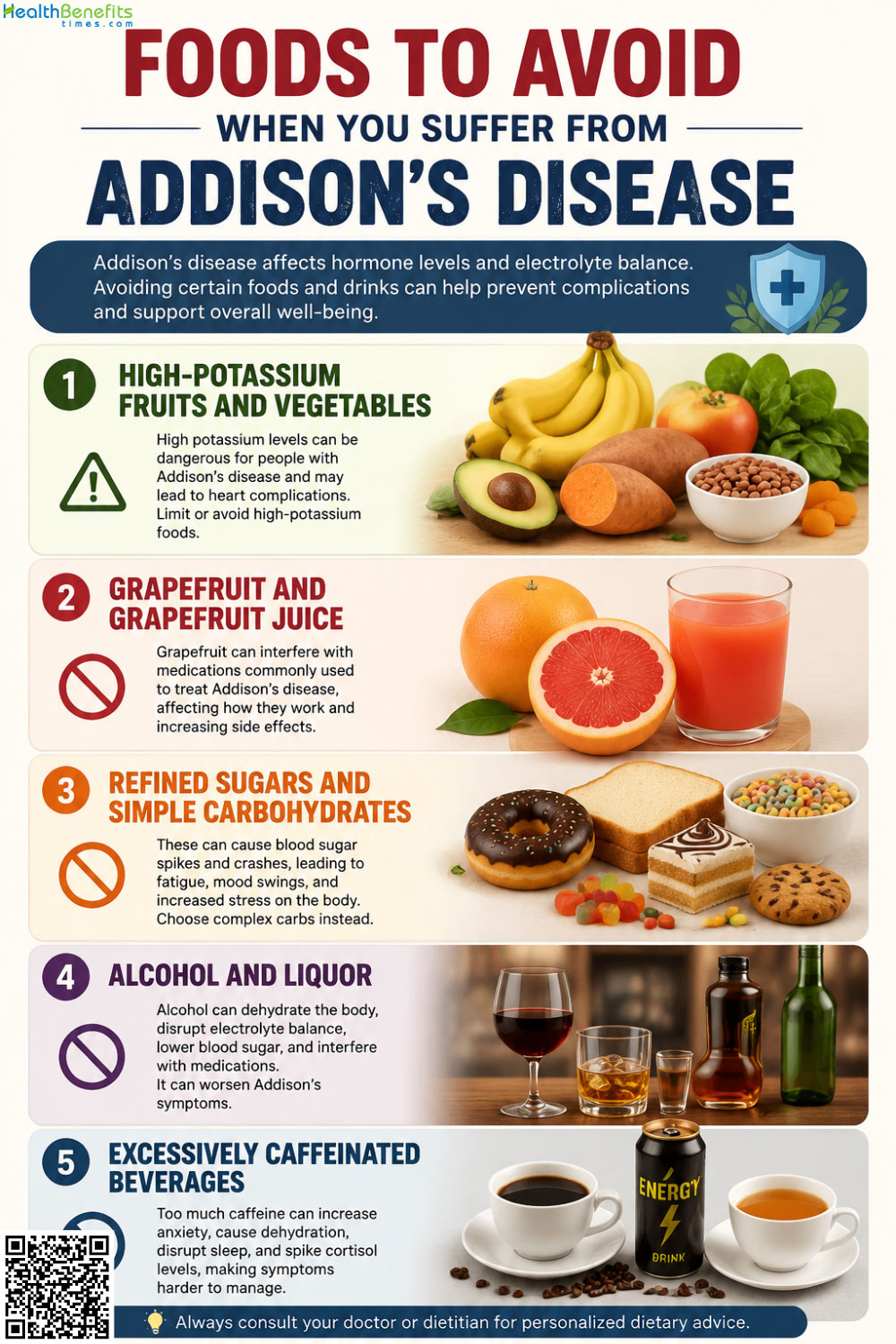
2. Grapefruit and Grapefruit Juice
Grapefruit contains compounds that block enzymes responsible for breaking down steroid medications, dangerously increasing cortisol levels and side effects. 51, 52
3. Refined Sugars and Simple Carbohydrates
Sudden blood sugar drops are common. Sugary snacks trigger rapid glucose spikes followed by crashes, worsening clinical hypoglycemia. 53, 54
4. Alcohol and Liquor
Alcohol acts as a diuretic, accelerating dangerous fluid and sodium loss while increasing the risk of severe low blood sugar. 55, 56
5. Excessively Caffeinated Beverages
High caffeine stimulates urine production, which rapidly depletes essential sodium and water, dangerously worsening clinical dehydration and low blood pressure. 57, 58
When to see Doctor when you have Addison’s Disease
1. Severe Vomiting or Diarrhea
Gastrointestinal illness prevents you from absorbing oral medications and causes rapid dehydration, quickly leading to a fatal adrenal crisis requiring an emergency hydrocortisone injection. 59, 60
2. Sudden Abdominal or Back Pain
Unexplained, severe pain in your stomach, legs, or lower back is a primary warning sign of an acute adrenal emergency that demands immediate medical evaluation. 61, 15
3. High Fever or Infection
Acute illnesses rapidly increase your body’s demand for stress hormones. You must consult your endocrinologist immediately to temporarily double or triple your daily steroid dosage. 45, 5
4. Extreme Dizziness or Fainting
Sudden lightheadedness, especially when standing, indicates dangerously low blood pressure and severe fluid loss, signaling an impending cardiovascular collapse that requires immediate hospital treatment. 1, 4
5. Unexplained Confusion or Delirium
Sudden behavioral changes, mental fog, or extreme lethargy often indicate dangerously low blood sugar or abnormal sodium levels, necessitating urgent intravenous medical intervention. 53, 8