

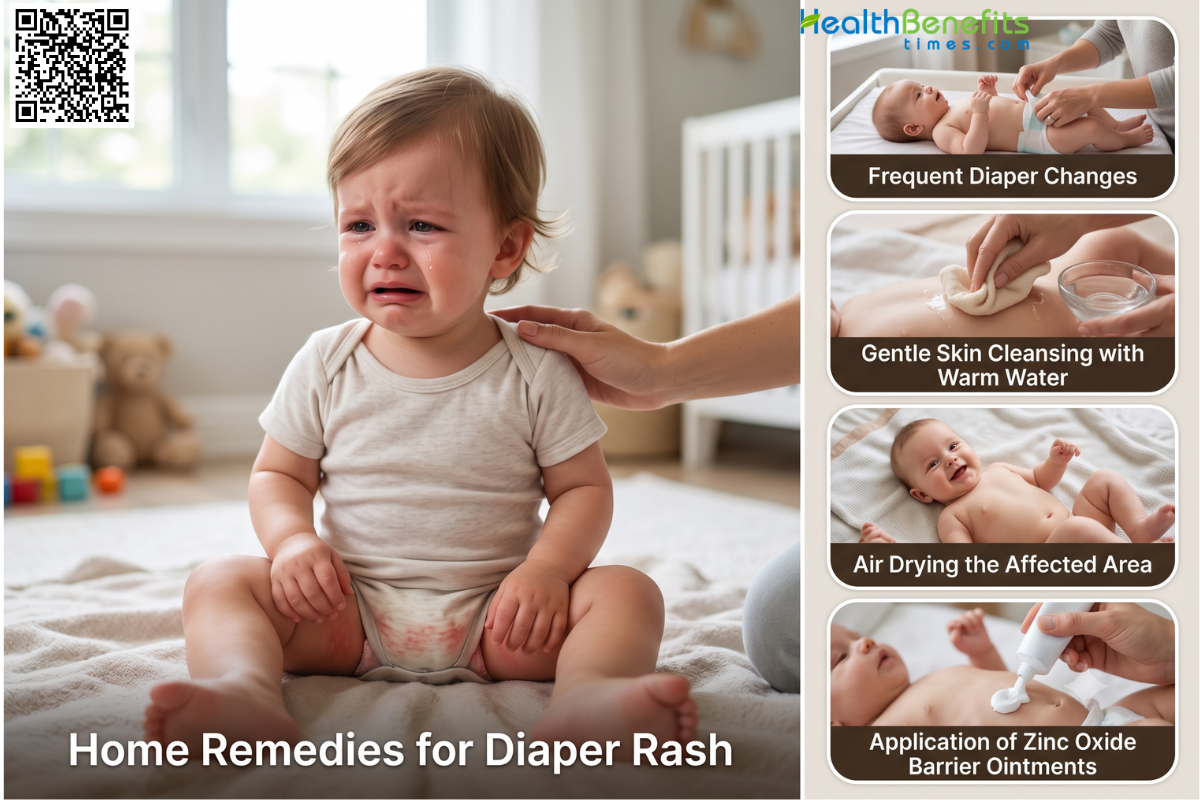
Diaper rash, medically known as diaper dermatitis, is a prevalent inflammatory skin condition that affects the regions covered by a diaper, including the buttocks, thighs, and genitals. It is characterized by patches of red, tender, and irritated skin that typically develop due to prolonged contact with moisture, urine, and stool. This continuous exposure compromises the skin’s natural protective barrier, making it increasingly susceptible to friction, chemical irritation, and secondary infections caused by yeast or bacteria. While the condition most frequently impacts infants and young children, anyone who wears a diaper regularly can experience it. Maintaining proper hygiene through frequent diaper changes and keeping the skin clean and dry remains fundamental to preventing and managing the discomfort associated with the condition.
Causes of Diaper Rash
Diaper rash, medically known as diaper dermatitis, is a localized inflammatory reaction of the skin occurring within the region covered by a diaper. The condition typically arises from a combination of physical, chemical, and biological factors that compromise the skin’s natural protective barrier.
- Prolonged Moisture and Chemical Irritation: Extended contact with urine and feces alters the local skin environment. Moisture softens the skin, making it highly susceptible to friction, while enzymes present in stool break down the skin’s outer layer, causing primary irritant contact dermatitis.
- Friction and Chafing: Continuous rubbing from tight-fitting diapers, plastic covers, or clothing creates mechanical friction that strips the delicate skin barrier, particularly in active infants or individuals wearing incontinence products.
- Microbial Proliferation: The warm, humid environment trapped beneath a diaper serves as an ideal breeding ground for secondary infections. Fungal organisms such as Candida albicans and various bacteria frequently colonize the compromised skin barrier, worsening the inflammation.
- Dietary Transitions: Introducing solid foods alters the chemical composition and frequency of bowel movements, which increases skin irritation. In breastfed infants, maternal dietary changes can similarly influence stool composition and trigger a skin reaction.
- Chemical Sensitivities: Direct contact with fragrances, dyes, preservatives, or alcohol found in baby wipes, lotions, detergents, fabric softeners, or specific diaper materials can trigger localized allergic or irritant contact reactions. Medication Use: The systemic administration of antibiotics eliminates beneficial bacteria that normally suppress fungal overgrowth, frequently leading to secondary yeast infections and antibiotic-induced diarrhea.
- Pre-existing Skin Conditions: Individuals with underlying skin sensitivities, such as atopic dermatitis or seborrheic dermatitis, possess an inherently fragile skin barrier that elevates their susceptibility to diaper-associated inflammation.
Symptoms of Diaper Rash
Diaper rash typically presents as visible skin irritation and inflammation localized to the areas covered by a diaper, including the buttocks, thighs, and genitals 1. The presentation can range from mild surface changes to more severe tissue breakdown depending on the underlying cause and duration of exposure 2.
- Inflammation and Discoloration: The affected skin appears pink or red 1. In individuals with brown or Black skin, the rash may occasionally cause the skin to lighten temporarily 1.
- Texture Changes: Skin texture may become dry, scaly, tender, or warm to the touch 1 2.
- Sores and Lesions: Severe forms can develop painful open sores, blisters, scaling, or pus-filled bumps 2 3. Yeast-related complications often display a bright red appearance with distinct borders and small red bumps appearing just outside the main rash area 4.
- Behavioral Indicators: Individuals, particularly infants, may exhibit increased fussiness, discomfort, or crying, especially when the skin is touched or cleaned during diaper changes 1.
Home Remedies for Diaper Rash
1. Frequent Diaper Changes
How it may help
Frequent diaper changes reduce skin contact time with moisture, urine, and stool, which are primary irritants that break down the skin barrier. By keeping the diaper area clean and dry, regular changes prevent chemical irritation and significantly lower the risk of inflammation and painful rashes.
What research says
Clinical reviews indicate that prolonged exposure to moisture and waste elevates skin pH and triggers enzymatic damage, making frequent diaper changes a core strategy for preventing and managing skin inflammation 5.
How to use it safely
Check and change diapers every two hours, or immediately after every bowel movement. Gently clean the skin with warm water or fragrance-free wipes, then pat completely dry before putting on a fresh diaper.
Potential precautions or side effects
Ensure gentle cleaning to avoid friction. There are no medical side effects to frequent diaper changes.
2. Gentle Skin Cleansing with Warm Water
How it may help
Washing the diaper area with plain warm water removes irritants like urine and stool without introducing chemical additives. This reduces skin friction, prevents further inflammation, and supports the skin’s natural healing barrier during a flare-up 6.
What research says
Clinical guidelines from pediatric dermatology groups indicate that avoiding harsh commercial wipes containing alcohol or fragrances significantly decreases skin irritation 6. Using water alone minimizes chemical exposure and protects vulnerable skin barriers 6.
How to use it safely
Use a soft cloth or cotton ball moistened with plain warm water to gently wipe your baby’s skin during diaper changes 7. Always pat the area completely dry with a soft towel rather than rubbing 7.
Potential precautions or side effects
Avoid vigorous scrubbing, which can damage delicate skin layers and worsen inflammation 7.
3. Air Drying the Affected Area
How it may help
Exposing the skin to air eliminates trapped moisture and reduces friction caused by damp garments. This practice lowers local humidity, discourages microbial growth, and allows irritated skin layers to dry completely, which accelerates natural tissue recovery 7.
What research says
Pediatric dermatology guidelines recommend increasing ventilation to the diaper region to resolve inflammatory skin conditions 7. Clinical protocols note that minimizing prolonged exposure to occlusive moisture significantly reduces skin breakdown and speeds up healing 7.
How to use it safely
Let your baby lie on a waterproof pad without a diaper for short intervals several times a day 7. Ensure the room is comfortably warm before removing the diaper, and keep sessions brief to prevent chilling 7.
Potential precautions or side effects
Watch for accidental leaks or chilling during unmasked periods. Avoid prolonged exposure if room temperatures are low 7.
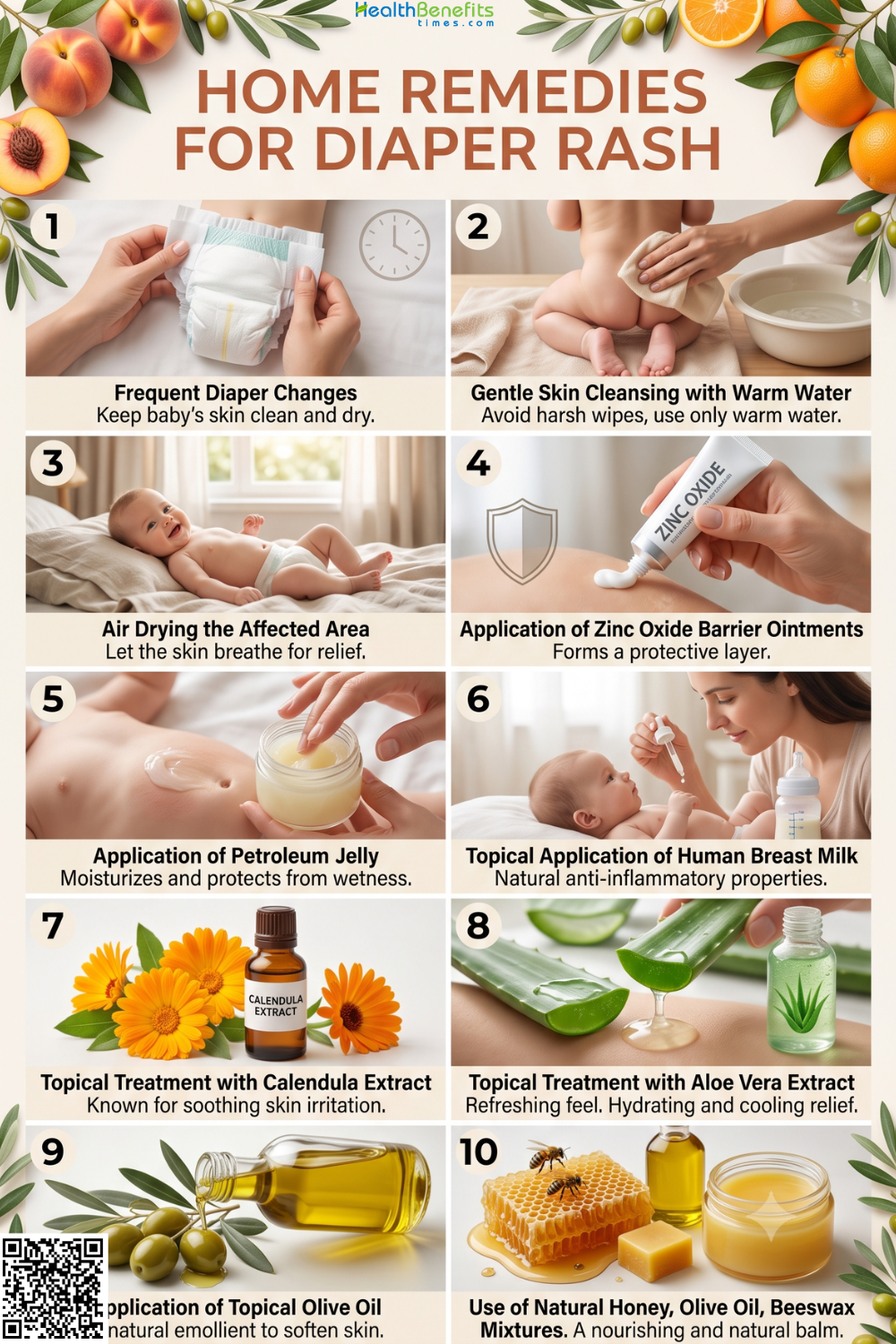
4. Application of Zinc Oxide Barrier Ointments
How it may help
Zinc oxide barrier ointments form a protective, water-repellent layer over the skin. This physical shield blocks irritating moisture, urine, and stool from contacting sensitive tissue, significantly reducing friction and allowing existing skin irritation to heal undisturbed 8.
What research says
Clinical dermatology guidelines establish that topical zinc oxide preparations effectively treat and prevent diaper dermatitis by creating an occlusive barrier against wetness 8. Medical reviews confirm that neutral-pH barrier pastes successfully neutralize harsh chemical irritants from bodily waste 9.
How to use it safely
Cleanse and thoroughly dry your baby’s skin during every diaper change 8. Apply a thick layer of zinc oxide ointment liberally across the affected area, especially before bedtime or whenever prolonged contact with wet diapers is expected 10.
Potential precautions or side effects
Avoid contact with the eyes 8. Consult a doctor if the rash worsens or fails to improve within seven days 8.
5. Application of Petroleum Jelly
How it may help
Petroleum jelly acts as an effective skin protectant by forming a smooth, water-repellent seal over vulnerable tissue. This protective layer blocks moisture, urine, and stool from making direct contact with the skin, which significantly reduces friction and prevents further irritation during diaper changes 11.
What research says
Clinical standards and federal drug monographs establish that white petrolatum creates an occlusive barrier that helps treat and prevent chafed skin caused by diaper dermatitis 11. Medical guidelines note that simple, fragrance-free barrier ointments protect the skin barrier without introducing potential chemical irritants 12.
How to use it safely
Cleanse your baby’s skin gently during diaper changes and allow the area to dry completely 11. Apply a generous layer of petroleum jelly to the affected skin, especially before bedtime or whenever exposure to wet diapers will be prolonged 11.
Potential precautions or side effects
Avoid contact with the eyes 11. Consult a doctor if the rash worsens or does not improve within seven days 11.
6. Topical Application of Human Breast Milk
How it may help
Human breast milk contains natural immune-supporting and anti-inflammatory properties that help calm irritated skin. Applying it topically provides soothing moisture and antimicrobial factors that support tissue recovery and reduce redness associated with mild diaper dermatitis 13.
What research says
Clinical trials indicate that expressing and applying human breast milk directly to diaper rashes can significantly decrease lesion severity and speed up healing 13. Comparative studies have found that topical breast milk performs similarly to low-strength hydrocortisone ointments in reducing skin inflammation 14.
How to use it safely
Cleanse and thoroughly dry your baby’s skin during a diaper change 7. Express a few drops of fresh breast milk, apply it directly to the affected area using a clean cotton ball or your finger, and allow it to air-dry completely before diapering 15.
Potential precautions or side effects
Ensure the milk is fresh and avoid using spoiled milk. Consult a pediatrician if the rash worsens or shows signs of a fungal infection 7.
7. Topical Treatment with Calendula Extract
How it may help
Calendula extract possesses natural anti-inflammatory and tissue-healing properties that help soothe irritated skin 16. Applying it topically reduces local redness, calms discomfort, and supports the rapid repair of skin barriers damaged by moisture and friction 17.
What research says
Controlled clinical trials demonstrate that topical preparations containing Calendula officinalis effectively reduce the severity of diaper dermatitis and promote faster healing compared to alternative treatments 16. Research confirms its high safety profile and efficacy in resolving inflammatory skin eruptions in infants 16.
How to use it safely
Cleanse and thoroughly dry your baby’s skin during a diaper change 7. Apply a thin layer of calendula ointment or cream directly to the affected area gently during each diaper change 16.
Potential precautions or side effects
Avoid use if your child is allergic to plants in the daisy family. Discontinue if a rash develops 16.
8. Topical Treatment with Aloe Vera Extract
How it may help
Aloe vera extract provides natural soothing moisture, cooling relief, and anti-inflammatory benefits that help calm irritated skin. Its active compounds support skin tissue recovery and reduce redness associated with mild diaper dermatitis.
What research says
Clinical trials indicate that topical applications containing aloe vera extract effectively decrease the severity of infant diaper dermatitis and improve skin barrier hydration. Controlled evaluations confirm its high tolerability and efficacy in resolving inflammatory skin eruptions.
How to use it safely
Cleanse and thoroughly dry your baby’s skin during a diaper change 7. Apply a thin, even layer of pure aloe vera gel or cream gently to the affected area 16.
Potential precautions or side effects
Ensure the product is free of added fragrances or alcohol. Discontinue use immediately if local skin irritation or an allergic reaction occurs 16.
9. Application of Topical Olive Oil
How it may help
Topical olive oil provides essential fatty acids and natural antioxidants that gently moisturize and soften irritated skin. It acts as a light emollient, helping to repair the skin barrier and reduce friction caused by damp diapers while soothing localized redness 18.
What research says
Clinical studies indicate that topical applications of olive oil significantly decrease the severity of infant diaper dermatitis and perform comparably to standard herbal treatments 19. Randomized evaluations confirm its safety and efficacy in accelerating tissue recovery for mild skin irritations 20.
How to use it safely
Cleanse and thoroughly dry your baby’s skin during a diaper change 7. Apply a few drops of pure, food-grade olive oil gently to the affected area, massaging it lightly until absorbed before putting on a clean diaper 18.
Potential precautions or side effects
Discontinue use immediately if skin redness increases or an allergic reaction occurs 21.
10. Use of Natural Honey, Olive Oil, and Beeswax Mixtures
How it may help
A combined mixture of natural honey, olive oil, and beeswax provides a protective barrier while delivering antimicrobial and anti-inflammatory benefits. This combination shields the skin from moisture and waste while soothing irritation and supporting tissue recovery 20.
What research says
Clinical studies indicate that applying a topical mixture of honey, olive oil, and beeswax significantly decreases the severity of diaper dermatitis and helps inhibit the growth of common skin microbes and fungi 20.
How to use it safely
Cleanse and thoroughly dry your baby’s skin during a diaper change 7. Apply a thin, even layer of the natural mixture gently to the affected area 20 during each diaper change 7.
Potential precautions or side effects
Avoid use if your infant has known allergies to bee products. Discontinue application immediately if skin redness or irritation increases 20.
When to See a Doctor When You Struggle From Diaper Rash
- Worsening Symptoms: Consult a pediatrician if the rash fails to improve after several days of consistent home treatment 7.
- Severe Pain or Fever: Seek immediate medical attention if the rash is accompanied by a fever or causes extreme discomfort and pain 7.
- Signs of Infection: Professional evaluation is required if the skin blisters, bleeds, oozes, or develops open sores 7, 22.