

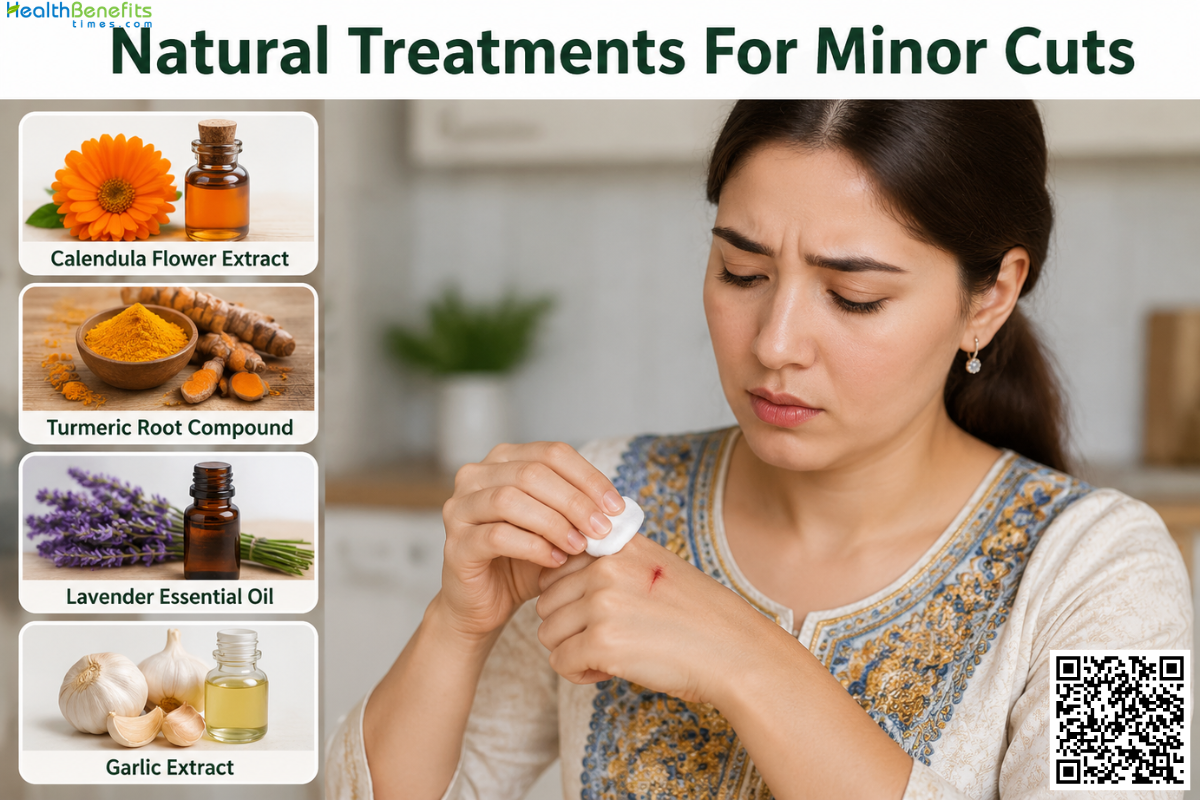
Minor cuts are common surface injuries that require proper care to heal effectively without complications. Clinically known as a laceration, a minor cut is a shallow skin break that does not extend deeply into underlying tissues such as muscles, tendons, or bone1. Unlike severe trauma, these wounds involve minimal bleeding and are managed safely at home. To prevent bacterial infection and reduce scarring, medical guidelines require washing the wound thoroughly with mild soap and water, even if no visible dirt is present1. Applying direct pressure stops active bleeding, while a clean, non-stick bandage protects the recovering tissue. However, if a wound is deeper than a quarter inch, continues to bleed after ten minutes of continuous pressure, or develops warmth and redness, professional medical intervention is strictly necessary to prevent severe infection or tissue damage1.
Causes of Minor Cuts
1. Handling Sharp Objects
Direct contact with everyday items like kitchen knives, razor blades, scissors, or broken glass is a primary cause of minor skin lacerations. These objects easily slice through the outer layer of the skin when handled improperly or dropped unexpectedly 1.
2. Friction and Abrasions
Falling against hard, rough textures, such as concrete or gravel, generates friction that scrapes and tears the top layers of the skin. This type of mechanical trauma frequently occurs during physical activities and often introduces dirt into the shallow wound 2.
3. Tool and Machinery Accidents
Operating manual tools, gardening equipment, or office machinery without adequate protective gear frequently results in accidental skin breaks. Even a brief, unintended brush against a jagged edge or blade can cause a minor cut that requires immediate basic first aid 3.
4. Environmental Hazards
Brushing against common environmental edges, including stiff paper, jagged metals, or thorny vegetation, can quickly slice the skin. Because these sources are typically unsterile, the resulting minor cuts have a risk of introducing environmental bacteria into the broken skin layers 1.
Symptoms of Minor Cuts
1. Localized Bleeding
Minor cuts produce immediate but mild bleeding because the injury severs small surface blood vessels. In healthy individuals, this bleeding naturally slows and completely stops within ten minutes of applying firm, direct pressure to the wound 1.
2. Visible Skin Separation
The injury presents as a clear, distinct line or shallow gap in the outer layer of the skin. By definition, this separation remains superficial and does not expose deeper anatomical structures such as underlying fat, muscle tissue, or bone 1.
3. Acute Pain and Tenderness
The physical break in the skin damages microscopic sensory nerve endings located in the epidermis and dermis. This damage registers as a sharp, immediate stinging sensation, which quickly transitions into localized tenderness whenever the affected area is touched, stretched, or cleaned 2.
4. Mild Inflammatory Response
As the body initiates its natural healing and defense mechanisms, increased blood flow is directed to the injury site. This immune response typically causes the immediate edges of the cut to appear slightly pink, warm, and mildly swollen within the first few hours 4.
Natural Treatments For Minor Cuts
1. Medical-Grade Honey
How it may help
Medical-grade honey creates a moist protective barrier over minor cuts, encouraging new tissue growth. It naturally draws moisture out of bacterial cells, while specific enzymes produce small amounts of hydrogen peroxide. This dual action cleans the wound bed and actively prevents common skin bacteria from multiplying.
What research says
Clinical reviews confirm that medical-grade honey significantly reduces healing time for superficial skin wounds 5. Research demonstrates that its unique antibacterial compounds successfully eliminate a broad spectrum of wound pathogens, effectively preventing surface infections without damaging newly forming skin cells 5.
How to use it safely
First, clean the wound thoroughly with mild soap and water. Apply a thin layer of sterile, medical-grade honey directly to a clean, non-stick bandage rather than directly onto the skin. Place the dressing securely over the cut. Change this bandage daily or whenever it becomes wet.
Potential precautions or side effects
Do not use regular grocery store honey, which may contain dangerous bacterial spores. Never use honey on infants under twelve months old due to severe infant botulism risks 6.
2. Aloe Vera Gel
How it may help
Aloe vera gel provides a protective barrier over minor cuts that helps maintain a moist environment necessary for optimal tissue repair. It contains natural plant compounds that reduce localized skin inflammation and stimulate the production of collagen, an essential protein required to successfully close shallow wounds.
What research says
Clinical studies indicate that topical application of aloe vera accelerates the healing process of superficial skin wounds by increasing collagen production and promoting cell regeneration 7. Furthermore, research concludes that its natural antibacterial properties effectively reduce the risk of surface infections during the early stages of skin recovery 7.
How to use it safely
Wash the minor cut thoroughly with mild soap and water. Apply a thin layer of pure, fragrance-free aloe vera gel directly to the affected area. Cover the injury with a sterile bandage to lock in moisture, and reapply the gel daily until the skin fully closes.
Potential precautions or side effects
Stop use if redness, itching, or a rash develops, as contact allergic reactions can occur 8. Never apply aloe vera gel to deep, actively bleeding, or severely infected wounds.
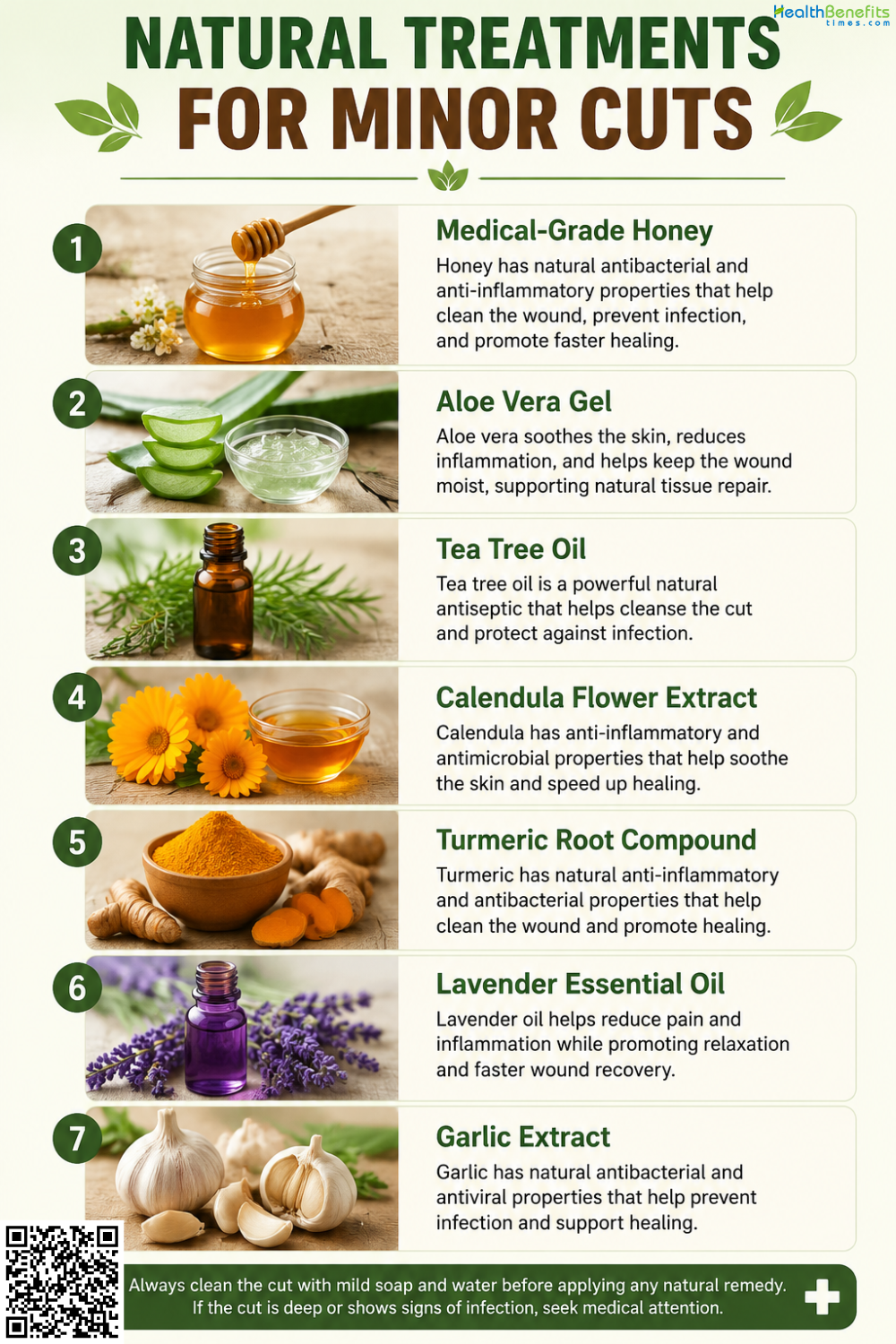
3. Tea Tree Oil
How it may help
Tea tree oil functions as a natural antiseptic for minor cuts by destroying the cellular walls of harmful skin bacteria. This action prevents surface infections, while its natural anti-inflammatory compounds help reduce localized swelling, redness, and discomfort around the broken skin as it heals.
What research says
Clinical reviews confirm that tea tree oil possesses strong antibacterial properties capable of neutralizing common wound-infecting bacteria, including staph bacteria 9. Research concludes that applying properly diluted tea tree oil reduces bacterial colonization on the skin, significantly lowering the risk of superficial wound infections 9.
How to use it safely
Never apply undiluted tea tree oil directly to a cut. Mix one drop of the essential oil with one teaspoon of a neutral carrier oil, like olive or coconut oil. Gently dab this diluted mixture onto the cleaned wound and cover it with a sterile bandage.
Potential precautions or side effects
Tea tree oil can cause severe allergic skin rashes if applied without dilution 10. It must only be used topically because it is highly toxic if swallowed 10.
4. Calendula Flower Extract
How it may help
Calendula flower extract contains active plant compounds that naturally reduce inflammation and stimulate blood flow to injured tissues. By increasing local circulation and providing mild antibacterial protection, calendula creates an optimal environment that encourages the rapid growth of new skin cells needed to close minor cuts.
What research says
Research demonstrates that topical calendula preparations actively suppress inflammatory markers, significantly reducing localized swelling and pain around superficial wounds 11. Clinical reviews conclude that its high concentration of flavonoids and triterpenoids effectively accelerates the natural wound healing process and improves overall tissue repair 11.
How to use it safely
First, gently clean the affected area with mild soap and water. Apply a small amount of commercially prepared, sterile calendula cream or ointment directly to the cut. Cover the wound with a clean bandage to protect it, and reapply the ointment once daily until the skin heals.
Potential precautions or side effects
Do not use calendula products if you are allergic to plants in the Asteraceae family, such as ragweed or daisies, because it can trigger allergic contact dermatitis 12.
5. Turmeric Root Compound
How it may help
Turmeric root contains curcumin, an active compound that naturally reduces swelling and provides antibacterial protection 13. It calms localized irritation and supports the early stages of cellular repair required to close superficial skin wounds safely.
What research says
Clinical studies conclude that curcumin accelerates skin healing by stimulating collagen production and suppressing inflammatory enzymes at the wound site 13. Research confirms these dual actions effectively minimize tissue damage and protect against surface bacterial infections during the natural recovery process 13.
How to use it safely
Wash the cut with mild soap and water. Mix pure, sterile turmeric powder with a safe carrier oil, like coconut oil, to create a thick paste. Apply this paste gently to the wound and cover it completely with a sterile bandage to prevent bright yellow clothing stains.
Potential precautions or side effects
Turmeric leaves temporary yellow stains on the skin. Occasionally, topical application can cause allergic contact dermatitis, triggering a localized red rash and uncomfortable itching 14.
6. Lavender Essential Oil
How it may help
Lavender essential oil supports the healing of minor cuts by providing natural antibacterial protection and reducing localized inflammation. Its calming properties help soothe the immediate sting of a shallow wound while creating a clean environment that encourages the skin to repair itself without excessive swelling.
What research says
Clinical studies demonstrate that topical lavender oil accelerates wound closure by stimulating collagen production and speeding up the formation of new tissue 15. Research confirms its antimicrobial properties effectively suppress bacterial growth at the injury site, significantly reducing the risk of superficial skin infections during recovery 15.
How to use it safely
Always clean the wound with mild soap and water first. Never apply undiluted essential oils directly to broken skin. Mix one drop of lavender oil with a teaspoon of a neutral carrier oil, such as olive oil. Apply this diluted mixture gently, then cover with a sterile bandage.
Potential precautions or side effects
Undiluted lavender oil can cause skin irritation and allergic contact dermatitis 16. Stop using it immediately if you develop increased redness, itching, or a rash around the wound.
7. Garlic Extract
How it may help
Garlic extract contains allicin, a powerful active compound that provides strong antibacterial and antifungal protection. When applied to minor cuts, it actively destroys the cell walls of harmful microbes. This prevents surface infections and creates a clean environment, allowing the broken skin tissues to heal without disruption.
What research says
Clinical research concludes that the allicin found in garlic effectively neutralizes a wide range of common skin pathogens, significantly reducing wound infections 17. Studies demonstrate that diluted topical garlic extract accelerates natural tissue repair and lowers localized inflammation during the early stages of skin recovery 17.
How to use it safely
First, wash the cut thoroughly with mild soap and water. Never apply raw, crushed garlic directly to the skin. Instead, apply a commercially prepared, sterile garlic extract ointment to a clean bandage, then place it over the wound. Change the dressing daily.
Potential precautions or side effects
Applying raw garlic directly to the skin causes severe chemical burns and contact dermatitis 17. Discontinue use immediately if you experience intense stinging, unusual redness, or blistering.
Foods to Avoid When You suffer from Minor Cuts
1. Alcohol
Alcohol consumption dehydrates the body and suppresses the immune system, significantly delaying the production of new skin cells necessary for closing minor surface wounds 18.
2. Ultra-Processed Foods
Highly processed foods lack essential vitamins necessary for collagen production and contain additives that promote inflammation, disrupting the natural cellular stages of wound recovery 19.
When to see Doctor when you struggle from Minor Cuts
- Uncontrollable Bleeding: Seek immediate medical care if the cut continues to bleed heavily or spurts blood after applying firm, direct pressure for ten to fifteen minutes 1.
- Deep or Gaping Wounds: Consult a doctor if the wound is deeper than a quarter inch, has jagged edges, or exposes underlying fat, muscle, or bone, as stitches are required 1.
- Signs of Infection: Get a medical evaluation if you notice increased swelling, spreading redness, a warm sensation, yellow pus drainage, or if you develop a fever 1.
- Embedded Debris: Visit a healthcare provider if dirt, glass, or other foreign materials remain trapped inside the wound after gently washing it with mild soap and water 1.
- Tetanus Risk or Bites: Seek treatment for cuts caused by rusty objects or animal bites, especially if you have not received a tetanus booster within the last five years 20.