

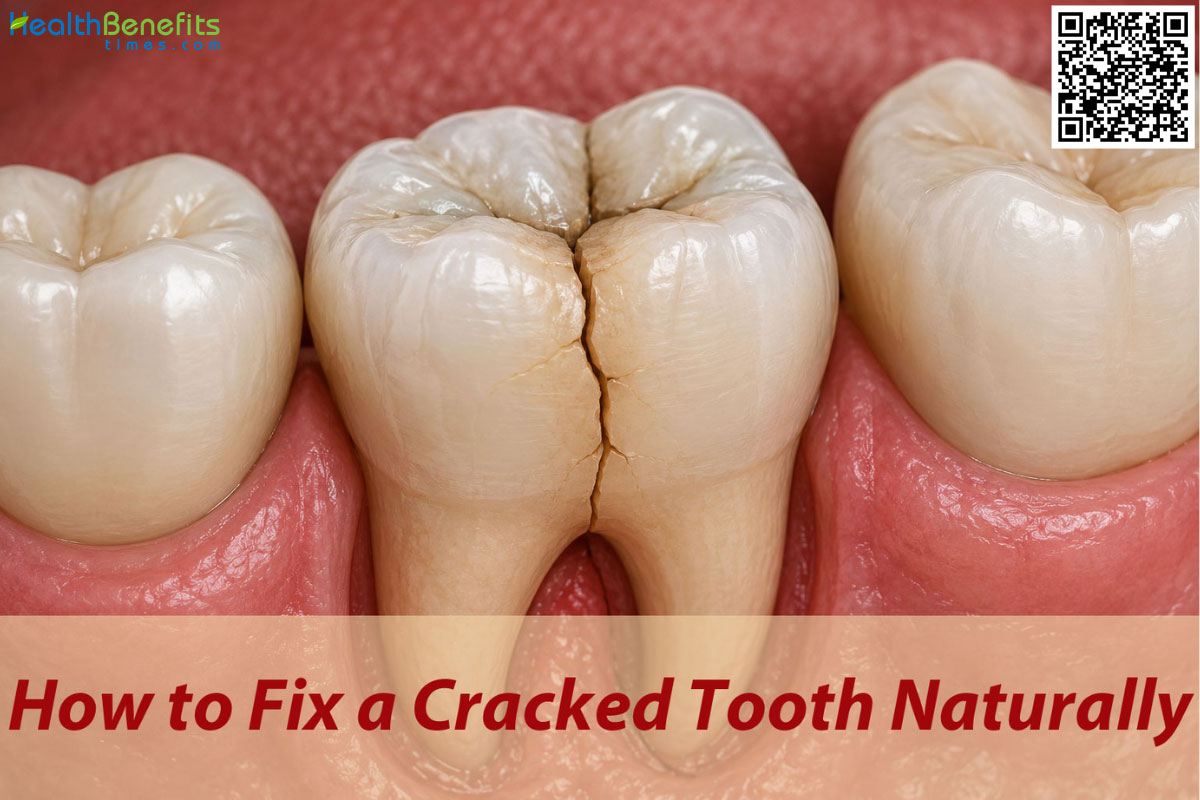
A cracked tooth occurs when an incomplete fracture forms in your tooth, usually starting from the chewing surface and extending downward toward the root. Unlike a completely broken tooth, the pieces remain attached, acting much like a hairline fracture in a glass windshield. Because the crack can open slightly when you apply pressure and close when you let go, it often causes sharp, erratic pain while chewing, especially the moment you release your bite. You might also notice sudden, intense sensitivity to hot, cold, or sweet foods. Over time, these tiny movements can irritate and damage the delicate nerve tissue inside the tooth, potentially leading to a painful infection. Common causes include biting on hard objects like ice, grinding your teeth at night, or having large fillings that weaken the tooth. If treated early, dentists can often save the tooth with a crown, but severe cracks might require a root canal or removal.1, 2, 3.
Causes of cracked tooth
Exploring the root causes reveals that dental fractures are rarely the result of a single isolated incident, but rather the culmination of multiple interacting biological and mechanical factors.
- Advanced Aging: As the human body ages, the physiological properties of dental tissues undergo significant alterations, leading to a loss of natural dentin elasticity which renders the tooth less capable of safely absorbing the shock of everyday occlusal forces 4.
- Occlusal Trauma and Parafunctional Habits: Abnormal, sustained mechanical stress such as the heavy forces generated by sleep bruxism (involuntary teeth grinding) or chronic jaw clenching places immense, destructive pressure directly onto the enamel 5.
- Previous Restorative Dental Procedures: Teeth that have been heavily restored, particularly those with large fillings or teeth that have undergone prior endodontic access (root canal therapy), inherently display more unrestorable fracture patterns compared to healthy, intact teeth 6.
- Thermal Cycling Fatigue: Consistently consuming foods and beverages at extreme temperatures causes the natural tooth structure and any existing restorative materials to rapidly expand and contract at different rates, eventually inducing structural material fatigue 7.
- Anatomical Susceptibility: The inherent developmental morphology of a tooth, such as possessing abnormally deep occlusal fissures or steep cusp angles, can alter how the upper and lower jaws interlock, unnaturally concentrating mechanical stress on fragile areas 8.
Symptoms when tooth cracked
Recognizing a structural failure in a tooth is notoriously difficult because the warning signs are frequently inconsistent, bizarre, and easily confused with other oral health conditions.
- Sharp Pain Upon Biting: A classic hallmark of this syndrome is a sharp, highly localized pain that occurs specifically when applying vertical or lateral masticatory pressure to the compromised tooth 9.
- Pain on Release of Bite Pressure: Patients frequently experience a fleeting, intense pain precisely at the moment they release their bite, which occurs because the fractured segments physically snap back together and disturb the fluid dynamics within the microscopic dentinal tubules 5.
- Extreme Thermal Sensitivity: The involved tooth often exhibits severe, sudden sensitivity triggered by hot or cold stimuli, particularly cold drinks, making it difficult for the individual to identify exactly which tooth is reacting 6.
- Continuous Dull Ache: If the physical crack has propagated deep enough to compromise or enter the pulp tissue, the symptoms typically shift from occasional sharp pains to a continuous, throbbing, dull ache that can disrupt sleep 4.
- Localized Gum Swelling: In advanced scenarios where the fracture line extends below the gum line, a localized periodontal defect may develop, leading to isolated inflammation or a deep probing pocket adjacent to the cracked surface 8.
Cracked tooth Facts table
Diving into the demographic data and clinical realities provides a much clearer picture of how this condition operates and who is most vulnerable.
| Category | Facts |
| Symptoms 10, 3, 11, 12, 13 |
|
| Causes 3, 6, 4, 14 |
|
| How does Begin 15, 16, 5 |
|
| Age Group 11, 3 |
|
| You might be at a higher risk for exposure of this disease if you: 11, 5, 13 |
|
| Other facts 5, 11, 12 |
|
How to fix a cracked tooth naturally
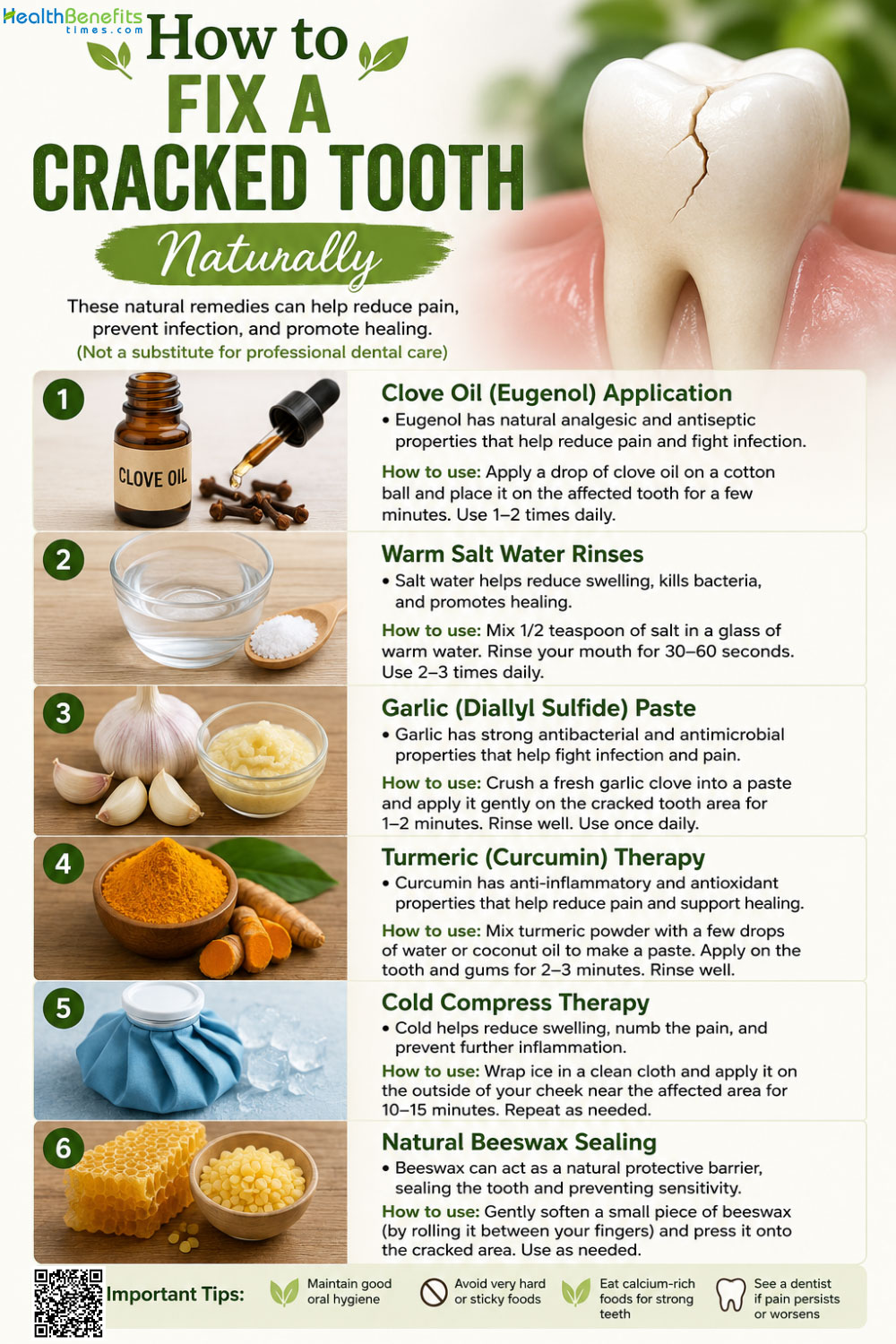
When you seek relief from nature, you are primarily utilizing compounds to manage severe inflammation, block pain receptors, and prevent opportunistic bacterial infections while the tooth is structurally compromised.
1. Clove Oil (Eugenol) Application
Taking advantage of traditional botanical medicine, clove oil stands out as a highly effective topical agent for dental emergencies. Extracted from the Syzygium aromaticum plant, clove oil contains a high concentration of a powerful aromatic volatile compound known as eugenol 17. Eugenol is scientifically recognized for its potent topical anesthetic and anti-inflammatory properties, which work by directly numbing the aggravated nerve endings residing inside the compromised dentinal tubules 18. By applying this compound to the site of a fracture, you provide your tooth with sustained relief from the sharp, throbbing pain associated with pulpal inflammation.
Note: You commonly use this by placing a single drop of therapeutic-grade clove oil onto a small sterile cotton pellet and gently dabbing it directly onto the cracked tooth and surrounding gum tissue for localized medicinal pain relief.
2. Warm Salt Water Rinses
Often overlooked due to its simplicity, the profound healing capacity of sodium chloride solutions should not be underestimated in oral care. Rinsing the mouth with a warm saline solution operates through the basic biological principle of osmosis, effectively drawing out excess fluid from inflamed gum tissues and reducing the localized pressure surrounding the cracked tooth 19. Furthermore, salt water creates a temporarily alkaline environment in the mouth, which has been shown to be an effective adjunct to mechanical plaque control with antimicrobial effects comparable to prescription chlorhexidine mouthwashes 20.
Note: You commonly use this by dissolving one-half teaspoon of natural sea salt into a glass of warm water, swishing it gently around the affected area for thirty seconds, and then spitting it out to promote natural wound healing and reduce swelling.
3. Garlic (Diallyl Sulfide) Paste
Diving deeper into natural antimicrobials, raw garlic offers an incredible defense mechanism for physically compromised teeth. When a clove of garlic is crushed or finely ground, its internal enzymes convert alliin into allicin, generating vital organosulfur compounds like diallyl sulfide 21. These specific sulfur compounds possess powerful antibacterial properties that directly target oral pathogens, while simultaneously diminishing the expression of pro-inflammatory cytokines in the human gingival fibroblasts 22.
Note: You commonly apply this by crushing a fresh clove of garlic to activate its enzymes, mixing it with a tiny pinch of salt to form a paste, and gently applying it to the affected tooth for its antibacterial and remedial benefits.
4. Turmeric (Curcumin) Therapy
Another fascinating botanical intervention involves turmeric, a bright yellow spice containing the highly active polyphenol known as curcumin. Curcumin is a master anti-inflammatory agent; it actively lowers histamine levels and inhibits the biosynthesis of inflammatory prostaglandins from arachidonic acid, effectively calming the body’s overactive pain response 23. For a cracked tooth, curcumin not only alleviates the acute inflammatory pain surrounding the fracture but also disrupts the formation of microbial biofilms, which halts the growth of destructive bacteria in the microscopic crevices 24.
Note: You commonly use this by creating a homemade paste of pure turmeric powder and water, applying it as a topical gel directly to the gums surrounding the fracture to dramatically reduce localized redness and inflammation.
5. Cold Compress Therapy
Looking toward physical modalities of pain management, the application of targeted cold therapy is a highly effective, non-invasive method for controlling deep dental discomfort. Applying a cold compress to the external jaw area directly overlying the cracked tooth causes rapid vasoconstriction, meaning the blood vessels in the area immediately shrink in diameter 25. This sudden constriction restricts the flow of blood and inflammatory fluids to the damaged tissue, which drastically reduces swelling and minimizes the sensation of throbbing, acute pain 26.
Note: You commonly use this by wrapping an ice pack or a bag of frozen vegetables in a clean cloth and pressing it firmly against the outside of your cheek for 15-minute intervals to reduce facial edema and temporarily numb the nerve.
6. Natural Beeswax Sealing
To fully appreciate the scope of holistic dental care, it is fascinating to look at historical methods of physical tooth protection using beeswax. Archaeological evidence dating back thousands of years demonstrates that early humans utilized natural beeswax as a therapeutic, palliative filling to treat vertical tooth cracks and cover exposed dentine 27. Because beeswax is highly malleable at standard body temperature, it acts as a safe, natural, non-toxic sealant that physically blocks cold air, hot liquids, and bacteria from entering the micro-fractures of the tooth enamel.
Note: You commonly apply this by softening a very small bead of pure, natural beeswax between your fingers and gently pressing it over the sensitive, cracked surface of the tooth to form a temporary protective barrier.
Is there any exercise or physical activities to avoid tooth crack
If you look at the mechanics of the jaw, it becomes clear that relieving muscle tension is one of the most effective ways to prevent existing cracks from worsening.
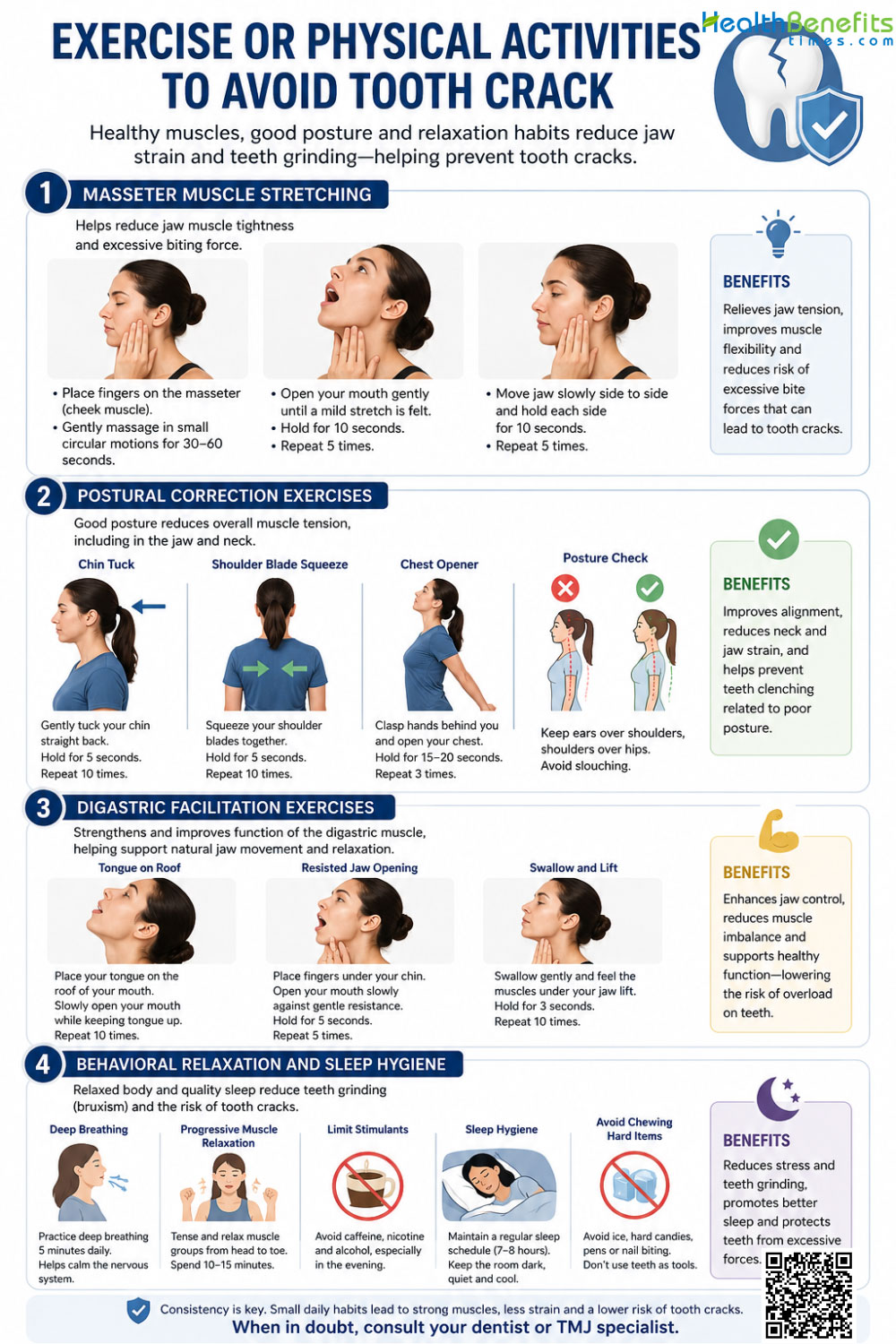
1. Masseter Muscle Stretching
The masseter muscle is one of the thickest, strongest muscles in the human body and acts as the primary engine for teeth clenching and grinding. Stretching this specific muscle helps to systematically alleviate the tension-type pain associated with bruxism, and it actively restores a normal, healthy range of mandibular motion 28. By physically elongating these muscle fibers, you directly decrease the baseline pressure that is unconsciously exerted on your teeth.
Note: You do this by placing your thumbs firmly under your cheekbones, applying gentle downward pressure while slowly opening your mouth as wide as is comfortable, and holding the stretch for thirty seconds.
2. Postural Correction Exercises
Furthermore, adjusting your posture plays an unexpectedly large role in oral health, as the alignment of your neck and spine directly influences the position of your jaw. Poor daily postural habits, such as a severe forward head posture, alter the delicate biomechanics of the temporomandibular joint and drastically increase muscular tension in the face 29. Postural exercises like the chin tuck are designed to realign the head straight over the cervical spine, which naturally opens the rib cage and promotes a balanced posture, subsequently relieving myogenic tension in the jaw.
Note: You do this by sitting up perfectly straight, looking forward, and gently pulling your chin straight back to create a double chin, holding the position for five seconds to stretch the suboccipital muscles.
3. Digastric Facilitation Exercises
To properly balance the jaw, you must focus on the muscles responsible for opening the mouth, not just the ones that close it tightly. The digastric muscles are located underneath the jawline, and strengthening these specific infrahyoid and suprahyoid muscles improves overall muscle coordination 30. This targeted physical therapy works to improve muscular proprioception, ensuring that the jaw does not automatically default to a tightly clenched position during periods of high stress.
Note: You do this by placing two fingers under your chin to create gentle resistance, then slowly opening your mouth against the upward pressure of your fingers, repeating the motion five times in a row.
4. Behavioral Relaxation and Sleep Hygiene
Ultimately, because sleep bruxism is a central nervous system-driven behavior tightly associated with sleep arousal, behavioral relaxation techniques are considered a mandatory step in therapeutic intervention 31. Managing your generalized anxiety and stress through imagination therapies, guided deep breathing, and strict sleep hygiene drastically reduces the frequency of nocturnal teeth grinding.
Note: You do this by dedicating the final thirty minutes before your bedtime to a quiet, screen-free activity, consciously taking deep diaphragmatic breaths to release tension from your facial muscles before falling asleep.
Foods and Activities to Avoid
Shifting focus to dietary habits and daily movements, you must actively protect the compromised structural integrity of your tooth.
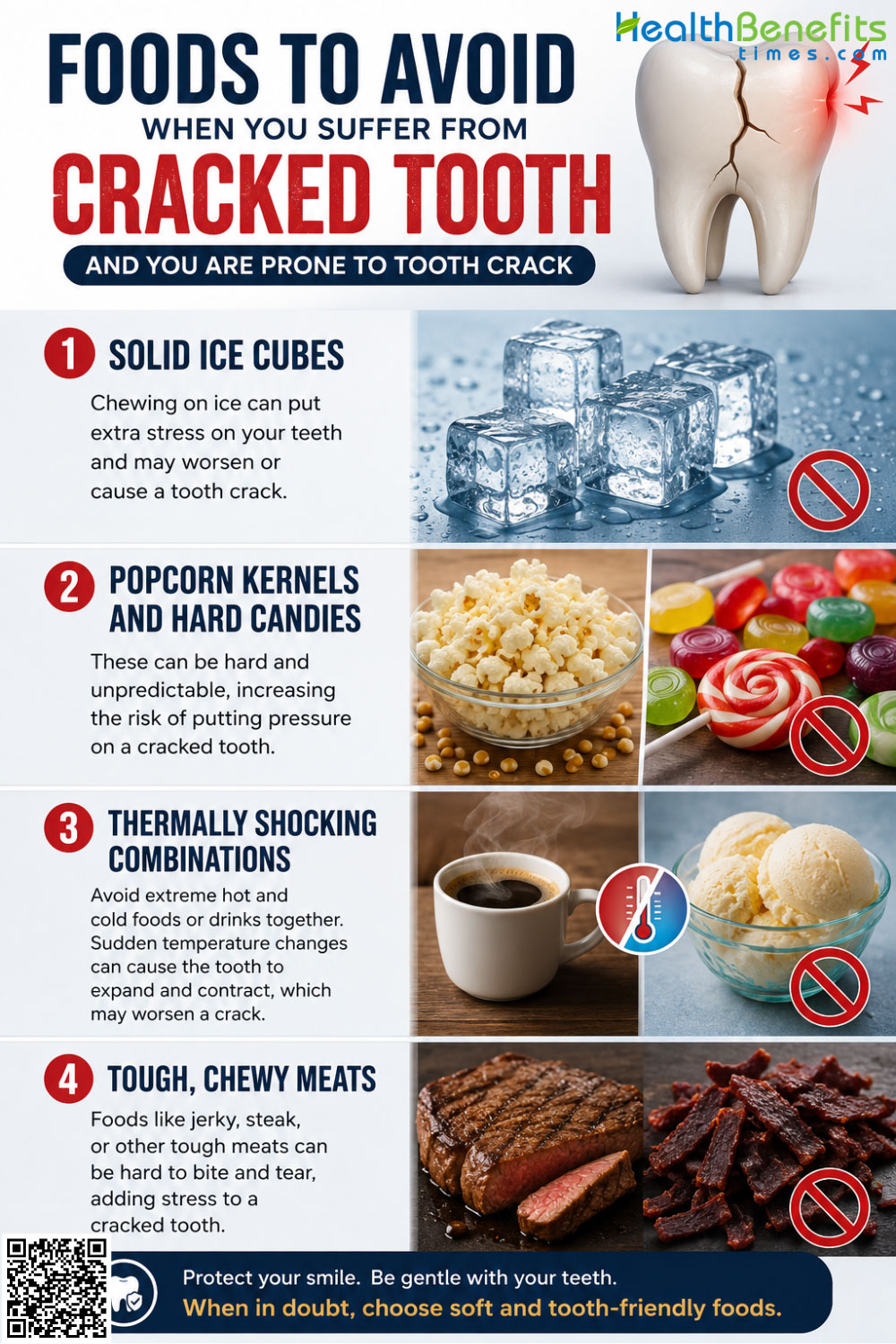
Foods to Avoid When You suffer from cracked tooth and you are prone to tooth crack
1. Solid Ice Cubes
Chewing on ice is disastrous for compromised teeth, as the combination of extreme cold contracting the enamel and the sheer hardness of the ice creates massive, localized stress fractures 32.
2. Popcorn Kernels and Hard Candies
Accidentally biting down forcefully on an un-popped popcorn kernel or a solid hard candy drives a concentrated, violent wedge of pressure directly into the fissures of the tooth, which can instantly propagate an existing craze line deep into the root.
3. Thermally Shocking Combinations
You must avoid eating exceptionally hot and cold foods in rapid succession, as consuming a steaming hot bowl of soup followed immediately by ice water causes violent thermal cycling that accelerates material fatigue 4.
4. Tough, Chewy Meats
Foods that require prolonged, excessive mastication exhaust the surrounding jaw muscles and subject the compromised tooth to thousands of repetitive stress cycles, significantly increasing the likelihood of the fracture widening.
Activities to Avoid When tooth cracked
1. Using Your Teeth as Tools
You should never use your teeth to tear open plastic packaging, rip off clothing tags, or cut tape, because utilizing them for lateral tearing introduces unnatural shearing forces that easily snap weakened cusps 33.
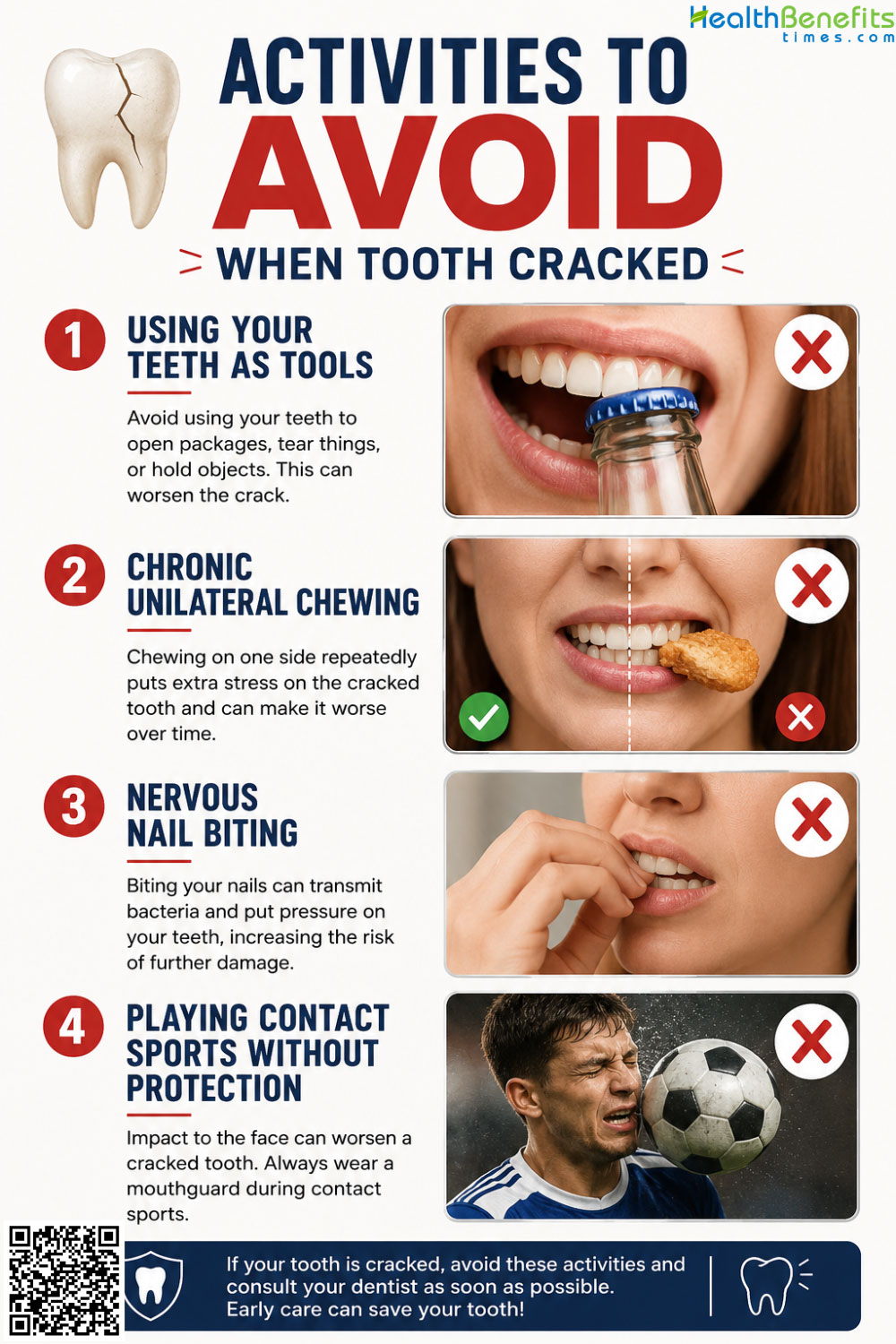
2. Chronic Unilateral Chewing
If you habitually chew all your food on only one side of your mouth, you are doubling the mechanical wear and tear on those specific teeth, which guarantees the rapid failure of any existing cracks 11.
3. Nervous Nail Biting
This chronic parafunctional habit places a constant, repetitive stress on the anterior teeth and subtly alters the resting position of the jaw, contributing heavily to the overall micro-trauma experienced by the dental arches.
4. Playing Contact Sports Without Protection
Engaging in any recreational physical activity or contact sport without a protective mouthguard leaves your already vulnerable teeth completely exposed to blunt force trauma.
Myths and Misconceptions
Many widespread misunderstandings exist regarding oral trauma, which frequently leads individuals to delay vital care.
| Myth | Reality |
| If a cracked tooth stops hurting naturally over time, it means the fracture has completely healed on its own. 3 | The hard tissues of a tooth contain no living cellular network capable of regenerating or fusing back together; if the pain suddenly stops entirely, it usually indicates that the internal nerve tissue has died. |
| A cracked tooth will always show up clearly on a standard, routine dental x-ray at the clinic. 9 | Because structural cracks often run perfectly parallel to the x-ray beam or are entirely hidden by dense metallic fillings, they are notoriously difficult to spot and frequently do not appear on routine radiographs. |
| Only people with terrible oral hygiene and severe bacterial cavities are susceptible to cracked teeth. 11 | Fractures are primarily a mechanical and structural issue caused by excessive bite forces, thermal cycling, or advanced aging, and they routinely occur in strong teeth that are perfectly free of bacterial decay. |
| Exclusively chewing on the other side of your mouth will permanently save the cracked tooth from splitting. | While unilateral chewing temporarily avoids immediate pain, it does not stop the crack from slowly progressing over time due to the unavoidable baseline pressures of nighttime clenching, swallowing, and speaking. |
| Natural remedies like clove oil and garlic paste will permanently fix the fractured tooth structure. 27. | Natural botanicals act strictly as highly effective palliative treatments to manage acute soft tissue inflammation, nerve pain, and bacterial infection, but they possess zero ability to physically rebuild shattered enamel. |
Special Considerations
Looking at specific age groups, it becomes evident that the human mouth behaves drastically differently at different stages of life, requiring highly nuanced approaches.
1. Children
For the pediatric population, the primary clinical concerns revolve heavily around traumatic dental injuries and the prevention of future structural weakness. Because children are highly physically active, they are uniquely prone to playground falls and sports-related impacts that result in acute, traumatic crown fractures 34. Furthermore, because their permanent teeth are still maturing, early preventive interventions are critical. School-based sealant programs are highly encouraged to protect the deep fissures of young molars, providing a quick, painless barrier that reduces the risk of cavities that could eventually compromise the structural integrity of the tooth and lead to severe fractures later in adulthood 35.
2. Elderly
Conversely, the aging population faces a distinctly different, more chronic set of biological challenges. Advanced aging is documented as one of the most prominent non-iatrogenic factors in the etiology of cracked teeth 4. Over several decades of daily use, older adults experience a natural, progressive decline in dentin elasticity, meaning their teeth become progressively more brittle and much less capable of safely absorbing occlusal shock. Additionally, elderly individuals often possess teeth heavily laden with large, aging restorations that act as internal wedges within the remaining natural tooth structure. Compounding this biological vulnerability is the reality that many older adults struggle with physical or cognitive limitations that hinder their ability to maintain rigorous oral hygiene or easily access routine dental care facilities 36.
Precaution before use of natural remedies when your Tooth cracked
Before you attempt any holistic remedy to soothe your dental pain, you must protect your oral tissues from accidental harm.
- Avoid Chemical Burns from Essential Oils: You must be aware that pure essential oils, particularly clove oil (eugenol), are incredibly concentrated and can easily cause severe chemical burns to the delicate oral mucosa if applied excessively; always use a minimal amount and avoid smearing it on healthy tissues 37.
- Prevent Dangerous Sodium Overload: While warm salt water rinses are completely benign when used correctly as an oral mouthwash, you must never swallow large quantities of concentrated saline solution, as it can disrupt the body’s natural electrolyte balance and cause systemic issues 19.
- Monitor for Temperature Rebound: When you apply an extremely cold ice pack to the face, blood vessels constrict safely, but if you leave the ice on the skin for too long without a break, the body triggers a rebound effect that forces the vessels to dilate rapidly to warm the freezing tissue, which paradoxically increases facial swelling 25.
- Check for Botanical Allergic Reactions: Before you enthusiastically apply any natural paste or raw extract, such as crushed garlic or turmeric powder, you must ensure you do not have an underlying, undiagnosed botanical allergy that could trigger dangerous airway swelling or hives.
When to see Doctor
Ultimately, recognizing the threshold where natural management fails and professional intervention is required will save your tooth. You must seek an immediate evaluation from a qualified dental professional if you experience any of the following critical warning signs:
- Physical Mobility of the Tooth Segment: If you can actually feel the fractured segment of the tooth physically moving, shifting, or wiggling when you apply gentle pressure with your tongue, the tooth has progressed into a split tooth and requires immediate professional stabilization or extraction 9.
- Visible Signs of an Abscess: If you notice the sudden development of a pimple-like bump on the gums, severe localized swelling of the lower face, or a foul-tasting exudation of pus, it indicates that aggressive bacteria have infiltrated the crack and caused a dangerous infection deep in the jawbone 38.
- Systemic Fever and Chills: If your localized toothache is suddenly accompanied by a high body temperature, uncontrollable chills, or swollen lymph nodes in your neck, the dental infection has spread systemically into your bloodstream and requires urgent pharmacological intervention.
- Unrelenting, Continuous Pain: While occasional, sharp pain upon biting is the standard baseline for a crack, a distinct shift to a continuous, throbbing, dull ache that wakes you from a deep sleep signifies that irreversible pulpitis has set in, meaning the internal nerve tissue is actively dying and cannot be saved by natural remedies.
- Prolonged Suffering and Bleeding: If you experience spontaneous, unprovoked bleeding from the gums surrounding the tooth, or if your pain persists at a high intensity for multiple days despite your diligent use of natural anti-inflammatories and cold compresses, you must secure a clinical evaluation to prevent further disease progression.