

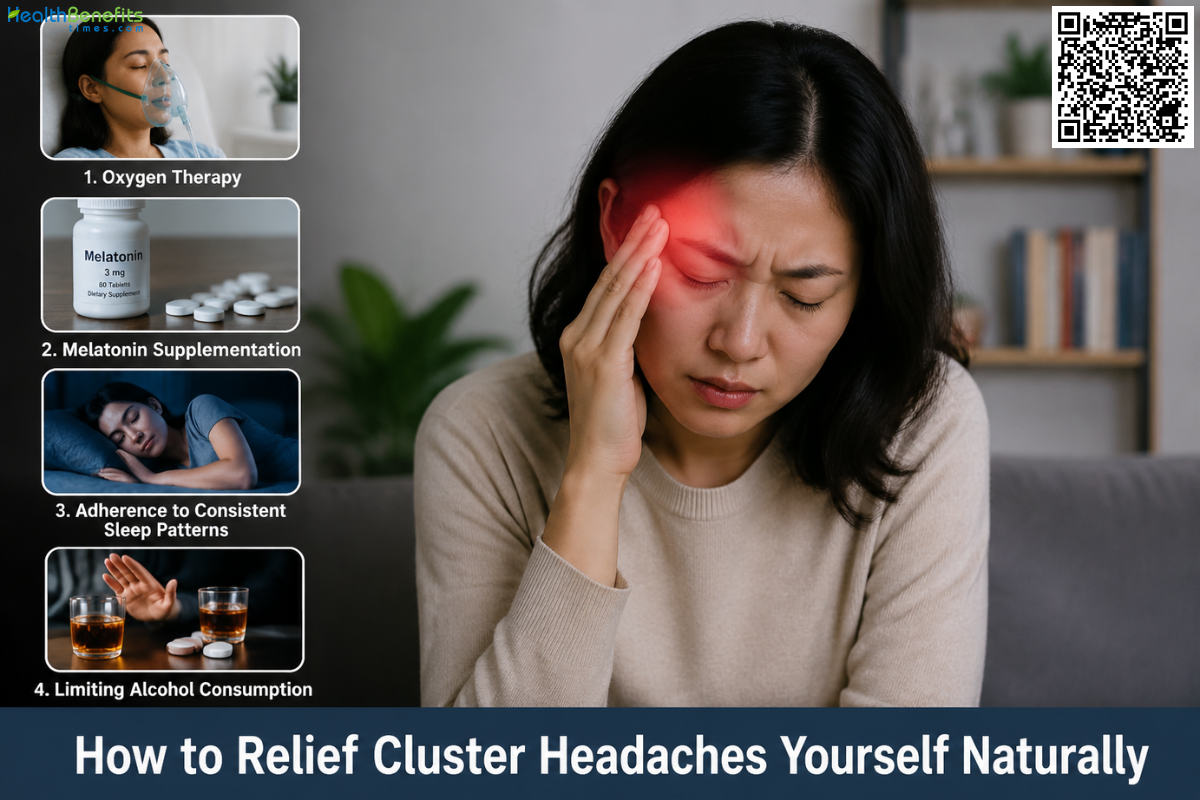
Cluster headache is a primary neurovascular disorder characterized by severe, recurring attacks of unilateral pain, typically localized around or behind one eye. These episodes, often described as piercing or burning, are associated with ipsilateral autonomic symptoms, such as eyelid drooping, tearing, nasal congestion, or facial flushing. The condition derives its name from its cyclical nature, where patients experience intense “cluster periods” lasting weeks or months, followed by periods of remission. Unlike other primary headaches, these attacks follow a strict circadian rhythm, frequently waking individuals from sleep. While the exact pathophysiology involves the activation of the trigeminal-autonomic reflex pathway and hypothalamic dysfunction, the condition is recognized as one of the most painful human experiences. Effective management requires precise clinical diagnosis to differentiate it from other headache disorders, ensuring patients receive targeted abortive and preventative medical interventions. 1, 2
Causes of Cluster Headaches
1. Hypothalamic Activation
The core of a cluster headache is linked to abnormal activity in the hypothalamus, the area of the brain that serves as the internal biological clock. This dysfunction disrupts the body’s sleep-wake cycles and circadian rhythms, which explains why attacks often occur at the same time each day or night. 1
2. Trigeminal-Autonomic Reflex
The pain results from the activation of the trigeminal nerve, a major pathway for facial sensation. This activation triggers the autonomic nervous system, leading to the characteristic symptoms on the same side of the face as the headache, such as eye redness, tearing, and congestion. 3
3. Genetic Predisposition
While researchers have not identified a single gene responsible, individuals with a family history of cluster headaches face a higher risk of developing the disorder, suggesting a hereditary component in the development of the condition. 1
Symptoms of Cluster Headaches
1. Excruciating Unilateral Pain
Attacks typically manifest as intense, piercing, or throbbing pain localized strictly to one side of the head, most commonly centered around, behind, or above one eye. The severity is often described as significantly more painful than other primary headache disorders. 1
2. Autonomic Facial Symptoms
The pain is accompanied by specific physical reactions on the same side of the face as the headache. These frequently include significant tearing or redness of the eye, drooping or swelling of the eyelid, nasal congestion, or a runny nose. 1
3. Restlessness and Agitation
Unlike individuals with migraines, who often prefer to lie down in a dark, quiet room, patients experiencing cluster headaches are typically unable to remain still. The pain often drives them to pace, rock back and forth, or exhibit significant physical agitation during an attack. 3
4. Predictable Timing
Attacks exhibit a distinct pattern, often occurring at the same time each day or night. It is clinically common for individuals to be awakened from sleep by these attacks, which can last anywhere from 15 minutes to three hours per episode. 1
How to Relieve Cluster Headaches Naturally
1. Oxygen Therapy
How it may help
Inhaling pure oxygen through a face mask is one of the most effective and rapid treatments for stopping an active cluster headache. This therapy works by narrowing the blood vessels in the brain, which quickly relieves the intense pain typically within 15 minutes 1.
What research says
Clinical studies confirm that high-flow oxygen therapy provides significant and rapid pain relief for the majority of patients when compared to a placebo 4. Medical guidelines recommend it as a first-line treatment because research consistently shows it effectively stops acute attacks without the need for additional medications 5.
How to use it safely
To use oxygen safely, you should inhale 100% pure oxygen through a non-rebreather mask at a flow rate of 12 to 15 liters per minute 6. Sit upright and breathe deeply for 15 minutes at the first sign of an attack. Always use equipment exactly as prescribed.
Potential precautions or side effects
Oxygen therapy is extremely safe with no major side effects. However, oxygen is a severe fire hazard. You must never smoke or allow open flames near the oxygen tank 7.
2. Melatonin Supplementation
How it may help
Cluster headaches are closely linked to the body’s internal clock, as attacks often occur at the exact same time each night. People experiencing these headaches typically have unusually low levels of melatonin during an active cluster cycle 8. Supplementing this natural hormone helps regulate sleep patterns and calm the neurological triggers causing the pain.
What research says
Clinical research demonstrates that high-dose melatonin is an effective preventative treatment for episodic cluster headaches. Studies show that patients taking melatonin experience a significant reduction in the frequency of their headache attacks within just a few days of starting the supplement, compared to those taking a placebo 9.
How to use it safely
To prevent nighttime attacks, you should take a 10-milligram dose of melatonin every evening, about 30 to 60 minutes before you go to bed 1. Always consult your healthcare provider before starting, as they will help you safely taper off the dose when the cycle ends.
Potential precautions or side effects
Melatonin is generally safe but can cause daytime sleepiness, dizziness, or vivid dreams. Do not drive after taking it, and consult your doctor if you take blood-thinning medications 10.
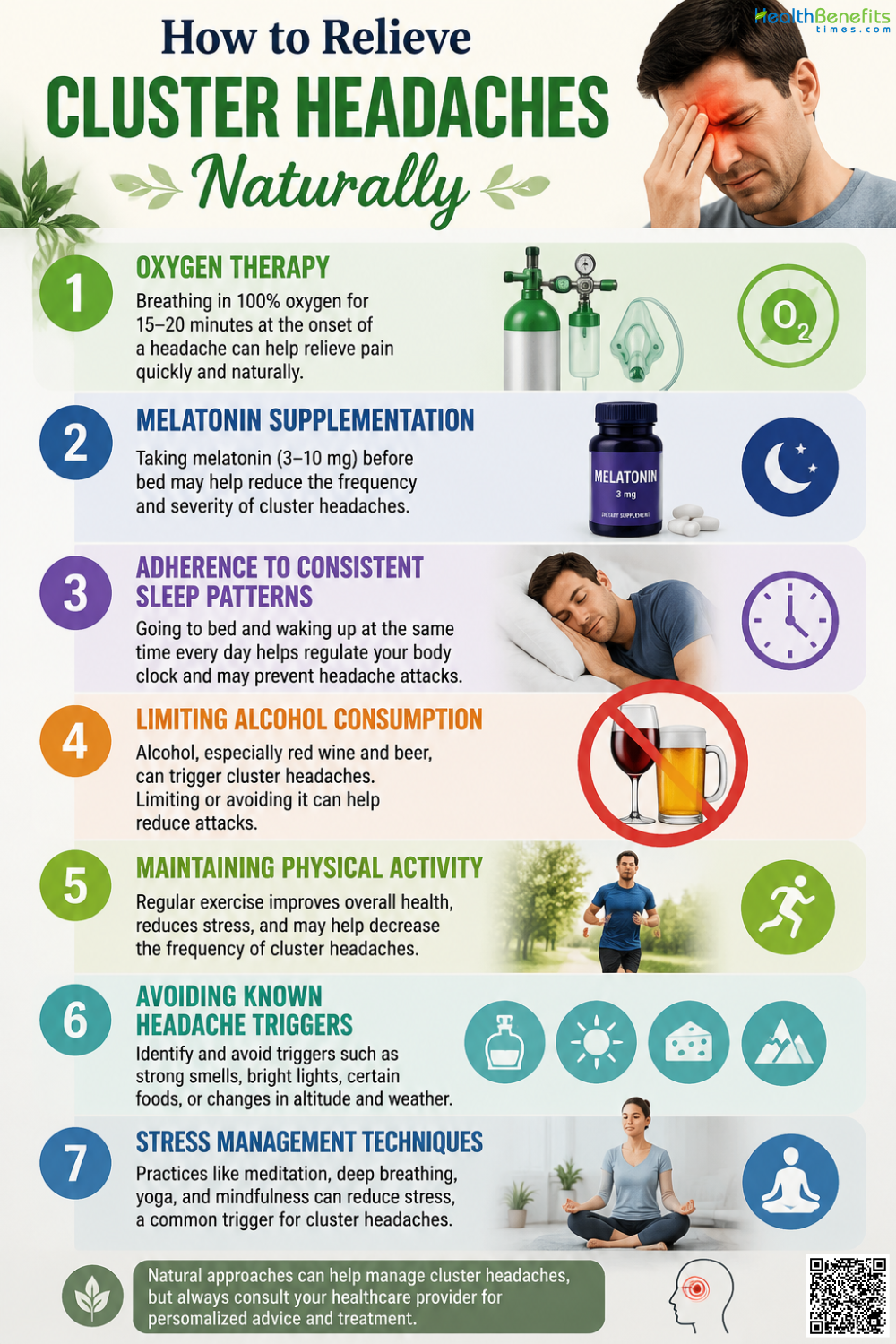
3. Adherence to Consistent Sleep Patterns
How it may help
Cluster headaches are heavily influenced by the hypothalamus, the brain region regulating the body’s internal clock 1. Adhering to a strict, consistent sleep schedule helps stabilize this circadian rhythm. Disrupting standard sleep phases frequently acts as a direct trigger, initiating sudden attacks during active headache cycles.
What research says
Clinical research demonstrates a strong chronological link between sleep cycles and cluster headache attacks, which predominantly awaken patients during rapid eye movement (REM) sleep 11. Studies conclude that alterations in normal sleep-wake routines, such as napping or shifting bedtimes, reliably provoke acute attacks in susceptible individuals 12.
How to use it safely
You must establish a rigid sleep schedule, going to bed and waking up at the exact same time every day, including weekends. Avoid taking daytime naps entirely, as sleeping outside of your routine schedule is a known trigger during an active cluster cycle 1.
Potential precautions or side effects
Maintaining consistent sleep carries no physical side effects. However, consult a physician to treat underlying sleep disorders like sleep apnea, which can independently trigger severe cluster attacks 13.
4. Limiting Alcohol Consumption
How it may help
Alcohol rapidly widens blood vessels in the brain, which acts as a powerful trigger for cluster headache attacks during an active cycle 1. Eliminating alcohol completely during these susceptible periods prevents this vascular reaction, directly removing one of the most common catalysts for sudden, severe pain.
What research says
Clinical studies identify alcohol as the most frequently reported trigger for cluster headaches, provoking attacks in over half of patients during an active phase 14. Research confirms that even minimal alcohol intake can initiate an attack within an hour, though it completely loses this triggering effect during remission periods 15.
How to use it safely
You must completely avoid all alcoholic beverages, including beer, wine, and spirits, at the first sign of a new cluster headache cycle 1. Continue this strict avoidance until you are completely free of headaches for several weeks to ensure the active period has fully passed.
Potential precautions or side effects
Abstaining from alcohol is entirely safe. However, if you are a heavy daily drinker, consult a physician before stopping abruptly to safely manage potential alcohol withdrawal symptoms 16.
5. Maintaining Physical Activity
How It May Help
Regular physical activity supports the sleep-wake cycle and stabilizes the body’s internal clock, which is often out of balance in individuals with cluster headaches. It also lowers overall stress and alters pain pathways. During active headache periods, sudden physical exertion may stop an attack by changing blood flow and releasing natural pain-relieving chemicals in the brain.
What Research Says
Studies show that physical exercise is a viable non-drug method to manage active cluster headaches. Research highlights that nearly 30 percent of patients who attempt moderate to intense exercises, such as running or squats during an attack, experience a significant decrease in headache severity and pain duration 17.
How to Use It Safely
Start your routine slowly to build endurance without overexertion. Choose moderate activities like walking or light cycling during periods when you do not have headaches. If you try intense exercise to stop an active headache, halt immediately if the pain increases. Drink plenty of water before and after exercising.
Potential Precautions or Side Effects
Intense physical exertion can sometimes trigger cluster headache attacks in sensitive individuals. Overheating and significant fluid loss during workouts may also cause episodes, making careful temperature regulation vital.
6. Avoiding Known Headache Triggers
How It May Help
Identifying and avoiding specific environmental and dietary factors prevents the onset of cluster headache attacks during susceptible periods. By eliminating known triggers like alcohol or strong odors, patients can stop the overstimulation of pain pathways and reduce the frequency and severity of headache cycles.
What Research Says
Clinical studies identify alcohol and vasodilating medications, like nitroglycerin, as the most reliable triggers during active cluster periods 18. Research confirms that consuming even small amounts of alcohol during a headache cycle consistently provokes a severe attack within hours, making strict avoidance highly effective.
How to Use It Safely
Keep a detailed daily log of your meals, activities, and environments to pinpoint your specific triggers. Completely avoid alcohol and strong-smelling chemicals, such as perfumes or paint solvents, during an active headache cycle. Consult your doctor before stopping any prescribed medications you suspect cause headaches.
Potential Precautions or Side Effects
Eliminating too many foods or activities without proof they cause your headaches can lead to unnecessary nutritional deficiencies or social isolation without actually improving your condition.
7. Stress Management Techniques
How It May Help
Chronic stress disrupts the body’s hormone balance and increases nerve sensitivity, which can provoke or worsen headache bouts. Stress management techniques, such as progressive muscle relaxation and deep breathing, activate the nervous system’s resting state. This lowers stress hormones and reduces tension, helping prevent physiological spikes that trigger attacks.
What Research Says
Research shows that chronic stress influences headache development by disrupting the nervous system. Clinical reviews confirm that practicing relaxation techniques, such as controlled breathing and muscle relaxation, effectively reduces the frequency and intensity of primary headaches by lowering emotional stress and normalizing how the brain processes pain 19.
How to Use It Safely
Incorporate ten to fifteen minutes of relaxation exercises, like mindful breathing, into your daily routine. Practice these methods in a calm space during headache-free periods so they become natural. Do not substitute prescribed preventative medications with relaxation techniques without speaking to your doctor first.
Potential Precautions or Side Effects
Stress management is highly safe, but focusing too intensely on bodily sensations during relaxation exercises can occasionally cause temporary frustration or mild anxiety in highly sensitive individuals.
Foods to Avoid When You Suffer from Cluster Headaches
Clinical evidence indicates that while cluster headaches are not primarily triggered by diet, certain substances may provoke attacks in susceptible individuals during an active cycle. Managing intake of specific compounds may help minimize the frequency of these intense headache episodes.
1. Alcoholic Beverages
Alcohol is a well-documented trigger for cluster headaches. Consuming even small amounts during a cluster period can rapidly induce a severe attack in most affected patients. 20
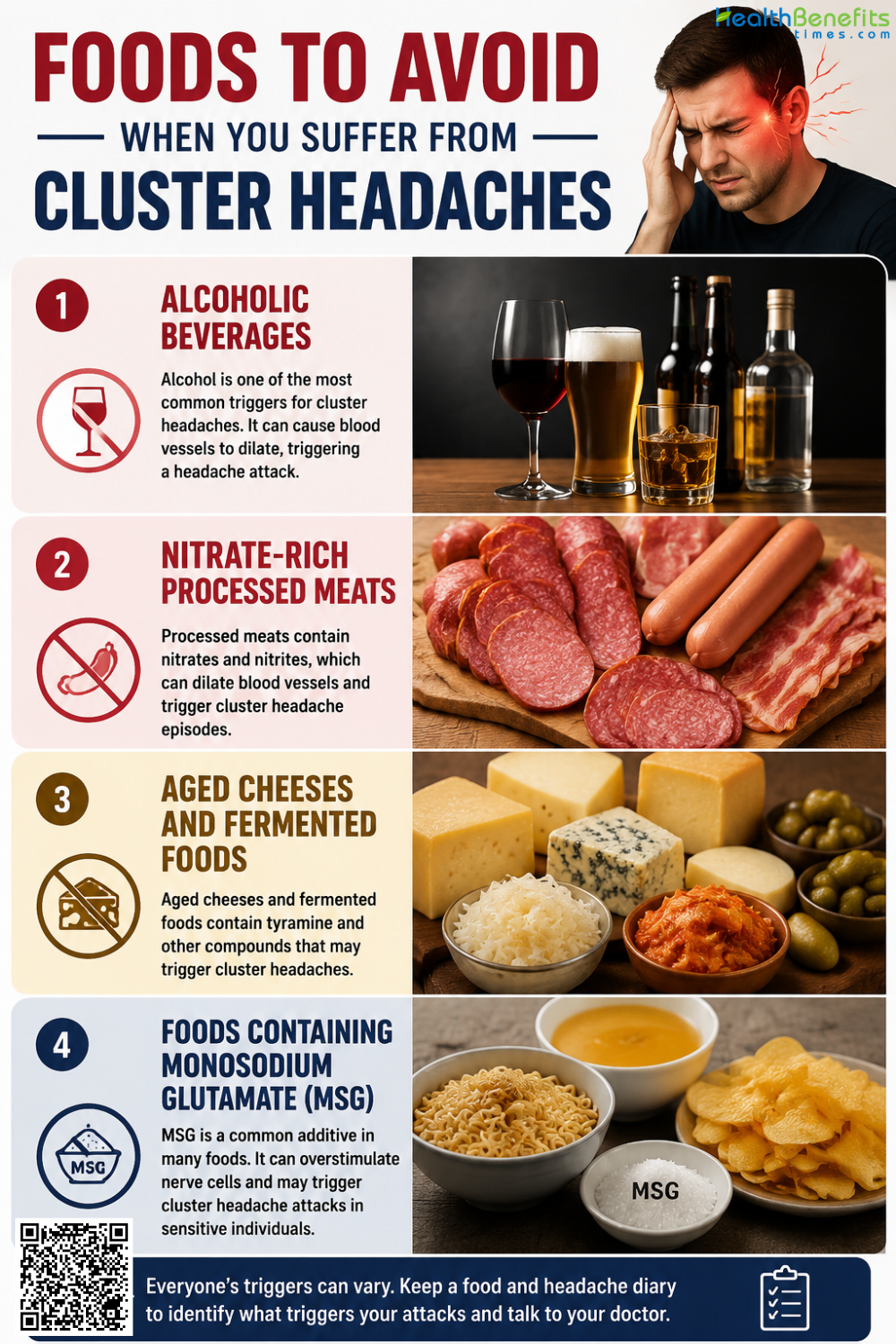
2. Nitrate-Rich Processed Meats
Processed meats like bacon, sausage, and deli cuts often contain nitrates. These chemicals can cause blood vessels to widen, which may lead to headache onset in some individuals. 20
3. Aged Cheeses and Fermented Foods
These foods contain high levels of tyramine. This substance is known to affect blood pressure and may act as a catalyst for headache episodes in sensitive people. 20
4. Foods Containing Monosodium Glutamate (MSG)
Some individuals report that flavor enhancers like MSG can trigger headache activity. It is advisable to monitor your symptoms after consuming pre-packaged or restaurant foods containing this additive. 20
When to See a Doctor for Cluster Headaches
Cluster headaches are characterized by severe, recurring pain that requires professional medical evaluation for accurate diagnosis and specialized management. Because these headaches can mimic other serious neurological conditions, clinical assessment is necessary to rule out secondary causes and establish an effective treatment plan.
1. First-Time Symptoms
If you experience the sudden onset of intense, one-sided head pain for the first time, seek an immediate medical evaluation to ensure an accurate diagnosis and rule out underlying issues. 21
2. Sudden or “Worst-Ever” Pain
Consult a doctor urgently if you experience a “thunderclap” headache—pain that reaches maximum intensity within seconds—or if the severity of the headache is unlike anything you have previously felt. 21
3. Changes in Headache Pattern
Contact your healthcare provider if your established pattern of cluster headaches shifts, such as an increase in the frequency, duration, or intensity of the attacks you typically experience. 21
4. Accompanying Neurological Symptoms
Seek emergency medical care if head pain is accompanied by confusion, vision changes, slurred speech, weakness, numbness, or a fever, as these may indicate a more serious medical condition. 21
5. Failure of Current Treatment
If your current medications or therapies are no longer effectively managing your headache episodes, schedule an appointment to discuss alternative clinical approaches with your doctor. 22