

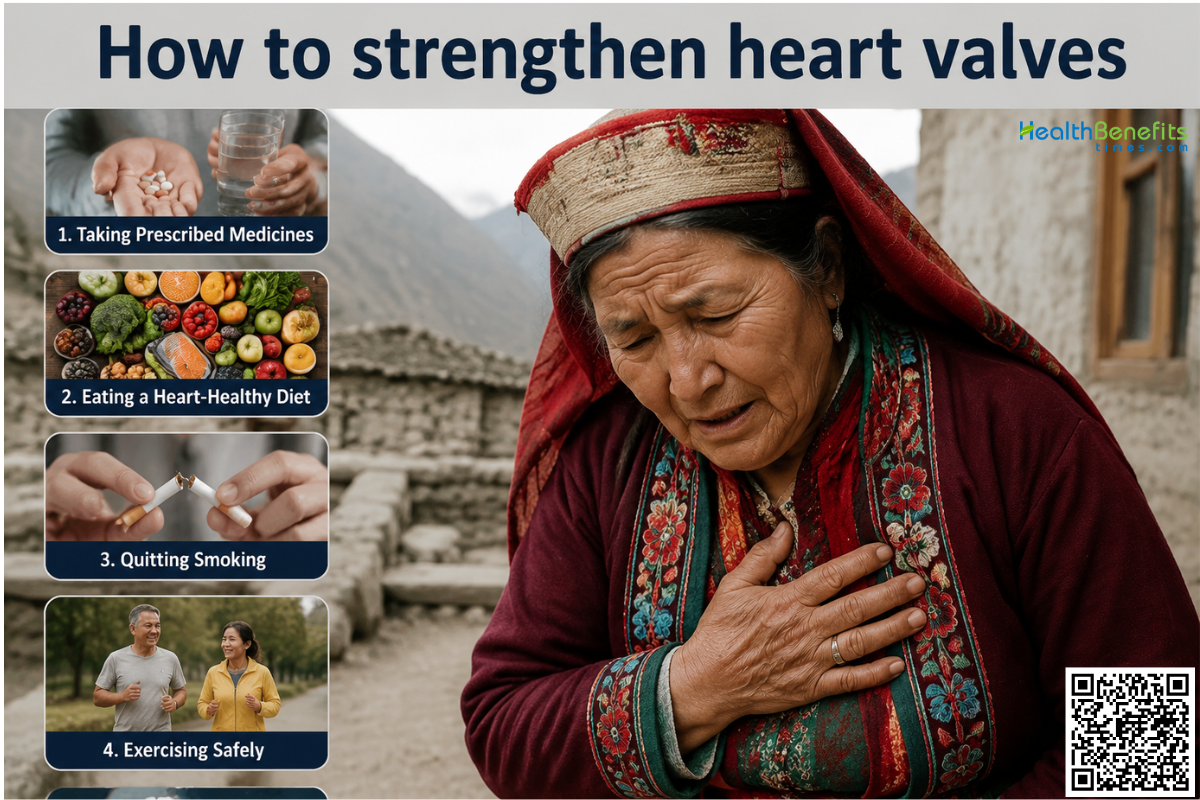
The human heart contains four essential tissue flaps—the tricuspid, pulmonary, mitral, and aortic valves—that constantly control the direction of blood flow. These structures act as synchronized one-way doors that open to let blood move forward through the heart chambers and close tightly to prevent any backward leakage 1. With every heartbeat, the coordinated action of these four valves ensures that the lungs receive oxygen-poor blood while the rest of the body receives a steady, uninterrupted supply of oxygen-rich blood 2. Medical experts note that if a valve becomes rigid, narrowed, or fails to seal properly, the heart is forced to work significantly harder to circulate blood, which can eventually lead to severe cardiovascular strain and permanent structural damage 3.
Causes of heart valves problems
- Birth Defects (Congenital Conditions): Some individuals are born with abnormally formed heart structures, such as an aortic valve missing a tissue flap, which prevents the valve from sealing completely and forces the heart to work harder from birth 3.
- Age-Related Calcium Buildup: As people get older, natural calcium deposits from the blood can accumulate on the valve flaps, causing the normally flexible tissue to become stiff, heavy, and unable to open fully 3.
- Rheumatic Fever: An untreated bacterial infection, such as strep throat, can trigger a severe immune response called rheumatic fever, which creates permanent scar tissue that fuses the valve flaps together and restricts blood flow 4.
- Bacterial Infections (Infective Endocarditis): Bacteria entering the bloodstream through poor dental hygiene or medical procedures can travel to the heart and attach directly to the valves, causing rapid inflammation and structural destruction of the tissue 3.
- Heart Attacks: A severe heart attack destroys the healthy heart muscle that anchors and supports the valves, which can suddenly cause the valve structure to collapse and leak blood backward into the lungs 3.
- Chronic High Blood Pressure: Consistently elevated blood pressure forces the heart to pump with excessive mechanical force, which slowly enlarges the heart chambers and pulls the valve rings apart so they can no longer close tightly 3.
Symptoms of heart valves problems
- Heart Murmurs: A primary indicator detected during a medical exam is a heart murmur, which is an unusual swooshing sound caused by turbulent blood flowing through a narrowed, stiff, or leaking valve flap 5.
- Shortness of Breath: Individuals often experience severe difficulty breathing, particularly during physical exertion or when lying flat in bed, because blood backs up into the lungs when a defective valve fails to keep blood moving forward efficiently 5.
- Extreme Fatigue: Because damaged valves prevent the heart from circulating enough oxygen-rich blood to the body’s tissues, people frequently suffer from profound, unexplained exhaustion that severely limits normal daily activities 2.
- Fluid Retention and Swelling: As the heart struggles to push blood forward through compromised valves, fluid rapidly accumulates in the surrounding tissues, causing noticeable, heavy swelling in the abdomen, lower legs, feet, and ankles 5.
- Chest Pain and Palpitations: A failing valve forces the heart muscle to work significantly harder against increased resistance, which can trigger heavy chest pressure, a racing pulse, or the sensation that the heart is fluttering or skipping beats 5.
- Dizziness and Fainting: When severely narrowed heart valves restrict the amount of oxygenated blood reaching the brain, it can directly cause sudden dizzy spells, severe lightheadedness, or sudden fainting during physical activity 5.
How to strengthen heart valves
1. Treating Strep Throat Promptly
How it may help
Untreated strep throat triggers an abnormal immune response where the body mistakenly attacks its own healthy tissues. By treating the bacterial infection early, you prevent the development of rheumatic fever, a dangerous inflammatory disease that permanently scars, stiffens, and destroys the delicate flaps of the heart valves.
What research says
Clinical evidence confirms that untreated Group A streptococcal infections are the primary cause of rheumatic heart disease. Medical experts conclude that administering antibiotics promptly eliminates the bacteria, effectively stopping the immune system from causing permanent structural damage to the heart valves 4.
How to use it safely
If you experience a severe sore throat with a fever, you must visit a doctor for a rapid strep test. If positive, take the entire course of prescribed antibiotics exactly as directed, even if you feel better after a few days 6.
Potential precautions or side effects
Antibiotics can cause mild nausea or diarrhea. If you develop a sudden rash, facial swelling, or breathing difficulties, stop the medication and seek emergency medical care immediately 6.
2. Maintaining Healthy Teeth and Gums
How it may help
Keeping teeth and gums clean prevents harmful bacteria from multiplying in the mouth. If gums bleed or become infected, these bacteria can easily enter the bloodstream and travel directly to the heart. Maintaining good oral hygiene stops these germs from attaching to and destroying the delicate flaps of the heart valves.
What research says
Clinical studies show a direct link between severe gum disease and infective endocarditis, a life-threatening infection of the heart valves. Medical experts conclude that routine dental care significantly reduces the amount of bacteria in the bloodstream, effectively protecting heart valves from sudden bacterial damage and failure 7.
How to use it safely
You should brush your teeth twice a day with fluoride toothpaste and floss daily to remove hidden plaque. Visit a dentist for professional cleanings at least once a year. If you have an existing valve condition, you must ask if you need antibiotics before dental procedures 8.
Potential precautions or side effects
Avoid brushing too aggressively, which can tear the gums and push bacteria into the bloodstream. If you notice constant bleeding or sudden tooth pain, seek professional dental care immediately.
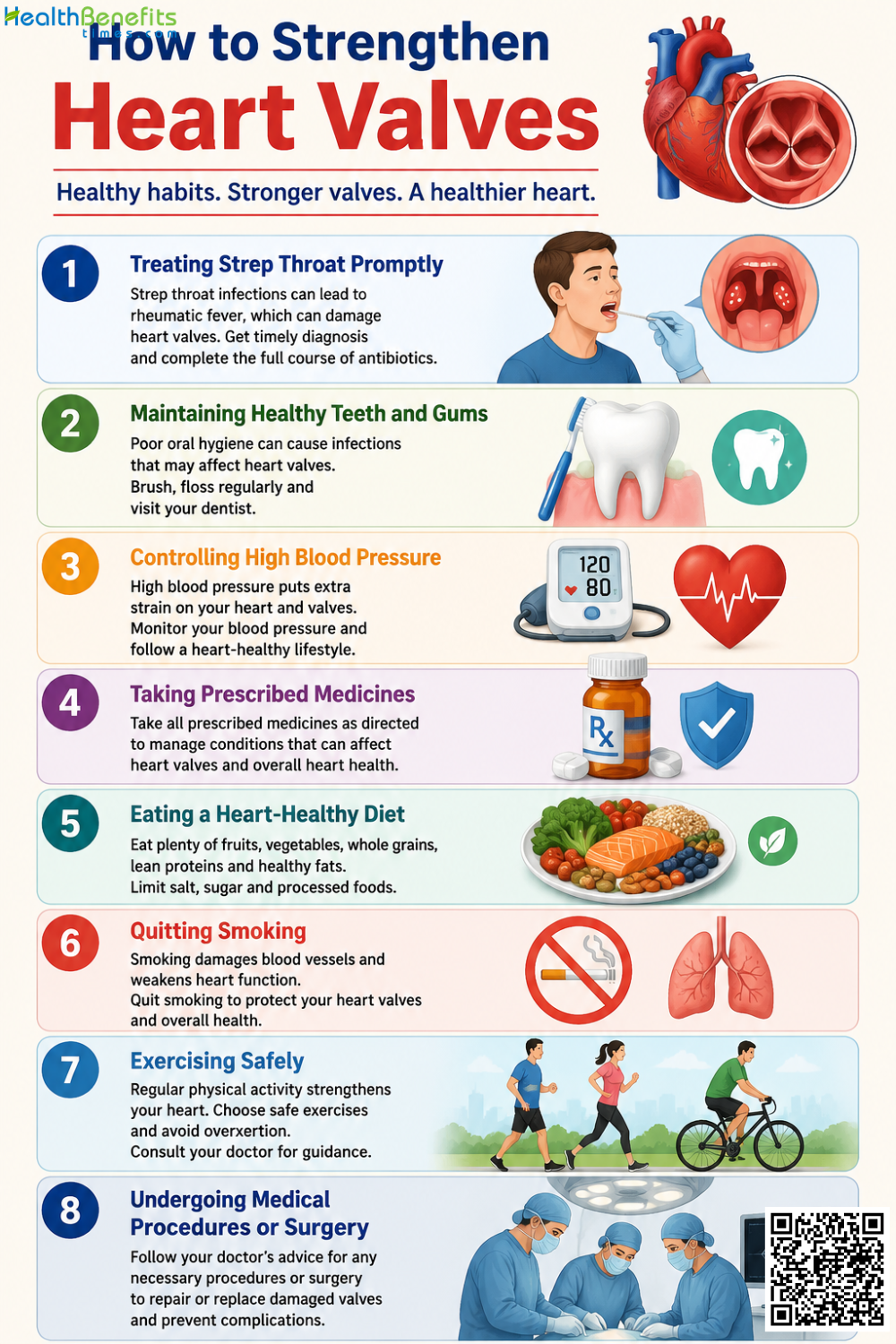
3. Controlling High Blood Pressure
How it may help
High blood pressure forces blood against closed heart valves with excessive force, causing structural wear and tear over time. Keeping blood pressure within a healthy range reduces this intense mechanical stress. This prevents the delicate valve flaps from becoming stretched, stiff, or leaky, ultimately protecting their ability to function properly.
What research says
Clinical studies show that chronic high blood pressure directly accelerates the wear of the aortic and mitral valves. Medical research concludes that consistently elevated pressure causes tissue damage and calcification, significantly increasing the risk of severe valve disease and heart failure if left unmanaged 3.
How to use it safely
You should check your blood pressure regularly using a reliable home monitor. Maintain healthy levels by eating a low-sodium diet and staying active. If lifestyle changes are insufficient, you must take your prescribed blood pressure medications exactly as directed by your doctor 9.
Potential precautions or side effects
Lowering your blood pressure too rapidly with medications can cause sudden dizziness or fainting. You must never stop taking prescribed blood pressure pills abruptly without consulting your healthcare provider first.
4. Taking Prescribed Medicines
How it may help
While medications cannot physically repair a damaged valve, they protect the heart by lowering its daily workload. Specific drugs relax blood vessels, control rapid heart rates, and eliminate excess body fluid. This directly reduces the mechanical strain on compromised valves and prevents dangerous blood clots from forming 10.
What research says
Clinical guidelines confirm that pharmaceutical treatments are essential for managing valve disease. Medical experts conclude that while drugs do not reverse structural valve damage, taking prescribed blood thinners and blood pressure medications significantly delays the onset of heart failure and reduces the risk of stroke 10.
How to use it safely
You must take all prescribed heart medications exactly as directed by your doctor. Never skip a dose or stop taking them suddenly, even if symptoms improve. You should attend regular medical appointments so your doctor can safely adjust your dosages based on your current heart function 10.
Potential precautions or side effects
Blood thinners significantly increase your risk of severe bleeding, and blood pressure drugs can cause dizziness. You must report any unusual bruising or fainting to your doctor immediately 10.
5. Eating a Heart-Healthy Diet
How it may help
A heart-healthy diet low in sodium and saturated fats prevents dangerous plaque buildup in the arteries and controls blood pressure. By maintaining clear blood vessels, the diet stops the heart from pumping forcefully. This directly reduces physical stress on the heart valves, protecting their delicate flaps from accelerated wear and tear 11.
What research says
Clinical studies demonstrate that eating plans rich in vegetables, fruits, and whole grains significantly lower blood pressure and cholesterol. Medical experts conclude that following a heart-healthy diet prevents cardiovascular disease, which directly stalls the progression of existing valve damage and lowers the overall risk of heart failure 7.
How to use it safely
You should adopt a balanced eating plan like the DASH diet. Focus on fresh, unprocessed foods and lean proteins. You must carefully read nutrition labels to strictly limit hidden sodium and unhealthy fats commonly found in packaged meals and fast food 12.
Potential precautions or side effects
You must consult your doctor before making extreme dietary changes or using commercial salt substitutes, as some contain high potassium levels that dangerously interact with prescribed heart medications 13.
6. Quitting Smoking
How it may help
Toxic chemicals in cigarette smoke cause severe inflammation and narrow the blood vessels, forcing the heart to pump harder. Quitting smoking immediately stops this chemical damage. By lowering blood pressure and reducing tissue inflammation, it prevents the delicate heart valves from becoming stiff, scarred, and overworked 14.
What research says
Clinical studies identify smoking as a major risk factor for developing severe cardiovascular conditions, including aortic valve calcification. Medical experts conclude that quitting tobacco significantly slows the progression of structural heart disease and effectively lowers the overall risk of heart valve failure and sudden heart attacks 7.
How to use it safely
You should consult a healthcare provider to design a safe, effective quit plan. Utilize medically approved nicotine replacement therapies, such as skin patches or gum, to manage cravings. You must avoid unregulated vaping devices, as they still deliver harmful cardiovascular stimulants 15.
Potential precautions or side effects
You may experience temporary nicotine withdrawal symptoms, including headaches, irritability, and sleep disturbances. These effects are normal bodily reactions that will gradually subside over several weeks 16.
7. Exercising Safely
How it may help
While physical activity cannot directly repair structural valve damage, it significantly strengthens the surrounding heart muscle. A stronger heart pumps blood much more efficiently, which naturally lowers blood pressure and reduces the daily physical strain placed on compromised valves to keep blood flowing properly 7.
What research says
Clinical studies conclude that routine, moderate aerobic exercise improves overall cardiovascular fitness and reduces the severity of symptoms in patients with mild to moderate valve disease. Medical experts confirm that staying active prevents the progressive weakening of the heart muscle and significantly delays the onset of heart failure 17.
How to use it safely
You must consult your cardiologist before starting any new exercise routine. Begin slowly with low-impact activities like brisk walking or swimming. If you have known valve disease, you should generally avoid heavy weightlifting, which can dangerously spike your blood pressure and strain your valves 18.
Potential precautions or side effects
You must stop exercising immediately and seek emergency medical care if you experience sudden chest pain, extreme shortness of breath, or severe dizziness, which indicate acute cardiovascular distress 18.
8. Undergoing Medical Procedures or Surgery
How it may help
When lifestyle changes and medications are no longer enough, doctors perform procedures to physically repair or replace a severely damaged valve. This directly restores normal blood flow, immediately stopping the heart from overworking and preventing the heart muscle from failing due to extreme structural strain 10.
What research says
Clinical studies confirm that timely valve repair or replacement surgery drastically improves survival rates and relieves severe symptoms. Medical experts conclude that modern, less invasive catheter procedures safely restore heart function, offering highly effective results for patients unable to endure traditional open-chest surgery 10.
How to use it safely
You must undergo a thorough medical evaluation to determine the exact procedure needed. After surgery, you should strictly follow all cardiac rehabilitation guidelines and take prescribed medications to prevent dangerous infections or blood clots from forming on the new valve 10.
Potential precautions or side effects
All valve surgeries carry risks of bleeding, blood clots, and infections. If a mechanical valve is implanted, you must take lifelong blood thinners to prevent sudden strokes 10.
Foods to Avoid When You suffer from heart valves
Managing a proper diet is essential for individuals with heart valve disease to prevent further structural damage to the heart. Consuming certain foods can elevate blood pressure and promote plaque buildup in the arteries, which drastically increases the physical workload on already compromised heart valves. To minimize mechanical strain and delay the onset of severe complications like heart failure, medical experts strongly advise avoiding foods that promote fluid retention or arterial blockages 7.
1. High-Sodium Foods
Canned soups and fast foods cause dangerous fluid retention. This increases blood volume and elevates blood pressure, placing severe mechanical strain on weakened heart valves 13.
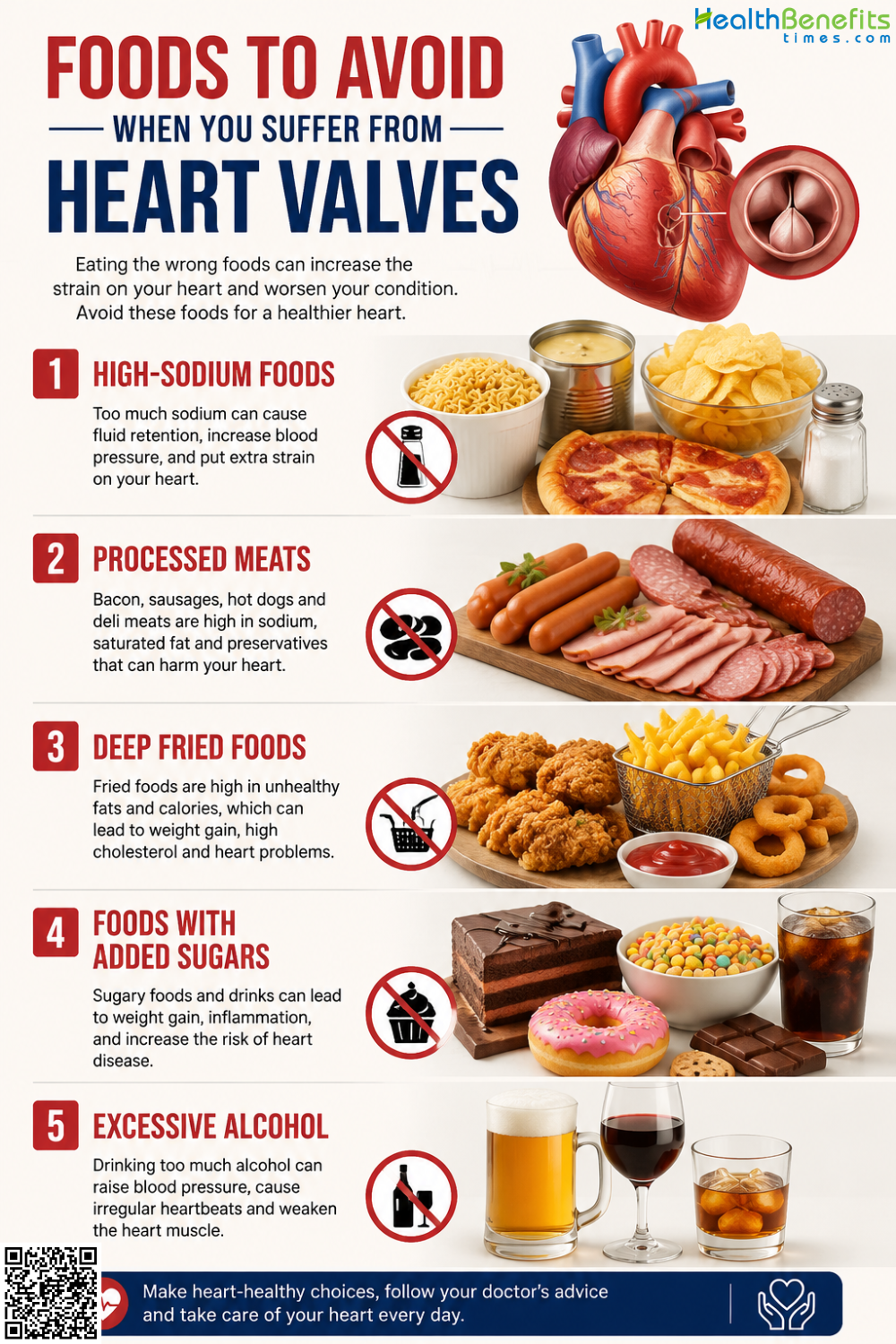
2. Processed Meats
Bacon and deli meats contain excessive sodium and saturated fats. These directly accelerate plaque buildup and force the heart to pump much harder against damaged valves 11.
3. Deep-Fried Foods
Fried meals are loaded with unhealthy saturated fats that severely restrict arterial blood flow, forcing compromised heart valves to endure an excessive physical workload 19.
4. Foods with Added Sugars
Sugary drinks and pastries cause rapid weight gain and blood sugar spikes, forcing the heart to pump much harder to supply blood to excess tissue 20.
5. Excessive Alcohol
Heavy alcohol consumption acts as a direct cardiovascular toxin. It rapidly increases resting blood pressure and physically weakens the heart muscle surrounding the damaged valves 21.
When to see Doctor when you suffer from heart valves problems
Because heart valve disease often progresses silently over time, closely monitoring physical changes is essential to prevent severe cardiovascular complications. While damaged valves can be managed with routine medical care, specific sudden warning signs indicate that the heart is actively struggling to pump blood and requires immediate intervention. Recognizing these critical symptoms and seeking prompt medical evaluation prevents life-threatening emergencies, such as acute heart failure, and helps doctors determine if advanced surgical repair is necessary 5.
1. Shortness of Breath
Go to the emergency room if you experience severe shortness of breath during normal daily activities or when lying flat, indicating dangerous fluid buildup in the lungs 5.
2. Severe Chest Pain
Seek immediate medical attention if you feel sudden chest pain or a heavy squeezing sensation, as this means the heart muscle is not receiving enough oxygenated blood 2.
3. Fainting or Dizziness
Call a doctor immediately if you experience sudden dizziness, extreme lightheadedness, or fainting spells, because these symptoms indicate a dangerous drop in blood flow to the brain 5.
4. Rapid Swelling
Contact your healthcare provider if you notice rapid, unexplained swelling in your ankles, feet, or abdomen, which shows the weakened heart is failing to circulate blood properly 5.
5. Irregular Heartbeat
You must see a doctor if your heart suddenly feels like it is racing, fluttering, or skipping beats, as these abnormal rhythms can cause severe blood clots 5.