

- A condition where physical activity triggers airway narrowing, causing wheezing, shortness of breath, and chest tightness.
- Learn natural remedies like breathing techniques, warm-up routines, and anti-inflammatory diets to manage exercise-induced asthma effectively.
- Combine lifestyle changes with preventative strategies to reduce triggers and enhance respiratory health naturally.
Exercise-induced asthma (EIA) is a condition characterized by transient airway narrowing during or after physical exertion, resulting in symptoms such as wheezing, coughing, and shortness of breath. (1) Incorporating natural treatments into the management of exercise-induced asthma can significantly enhance quality of life by reducing dependence on medication and improving overall respiratory health. Research shows that lifestyle modifications, such as warming up before exercise, adopting breathing techniques like diaphragmatic breathing, and consuming anti-inflammatory foods, can help alleviate symptoms. (2) Studies emphasize that environmental factors like cold or dry air exacerbate symptoms, suggesting the potential benefits of humidifiers and scarves during workouts in such conditions. (3) Furthermore, natural remedies such as herbal teas and essential oils offer promising supportive care in soothing the airways. (1) Embracing a holistic approach to managing exercise-induced asthma enables individuals to lead active, fulfilling lives while minimizing the impact of this condition.
Understanding Exercise-Induced Asthma
Exercise-induced asthma (EIA), also known as exercise-induced bronchoconstriction (EIB), occurs when physical exertion triggers a narrowing of the airways, making breathing difficult. (4) This physiological response results from increased airflow during exercise, leading to a loss of heat and moisture in the airways, which then triggers inflammation and swelling. (5) Over time, repetitive episodes can cause structural changes in the respiratory system, exacerbating the condition. (6)
Individuals with EIA often experience symptoms such as shortness of breath, wheezing, chest tightness, and coughing shortly after starting or stopping physical activity. (7) The severity of these symptoms varies, with some individuals experiencing mild discomfort and others facing severe breathing difficulties that impact their ability to perform physical tasks Understanding Asthma’s Symptomatology.
EIA can be exacerbated by environmental and personal factors, including exposure to cold, dry air, allergens, or pollutants during exercise. (8) Athletes and individuals with pre-existing allergies or asthma are at a higher risk, as are those engaging in high-intensity sports like running or cycling. (9) Furthermore, genetic predisposition plays a significant role, with family history contributing to increased susceptibility.
Natural Remedies for Managing Exercise-Induced Asthma
Discover effective natural remedies for managing exercise-induced asthma, focusing on breathing techniques, dietary changes, supplements, and environmental adjustments.
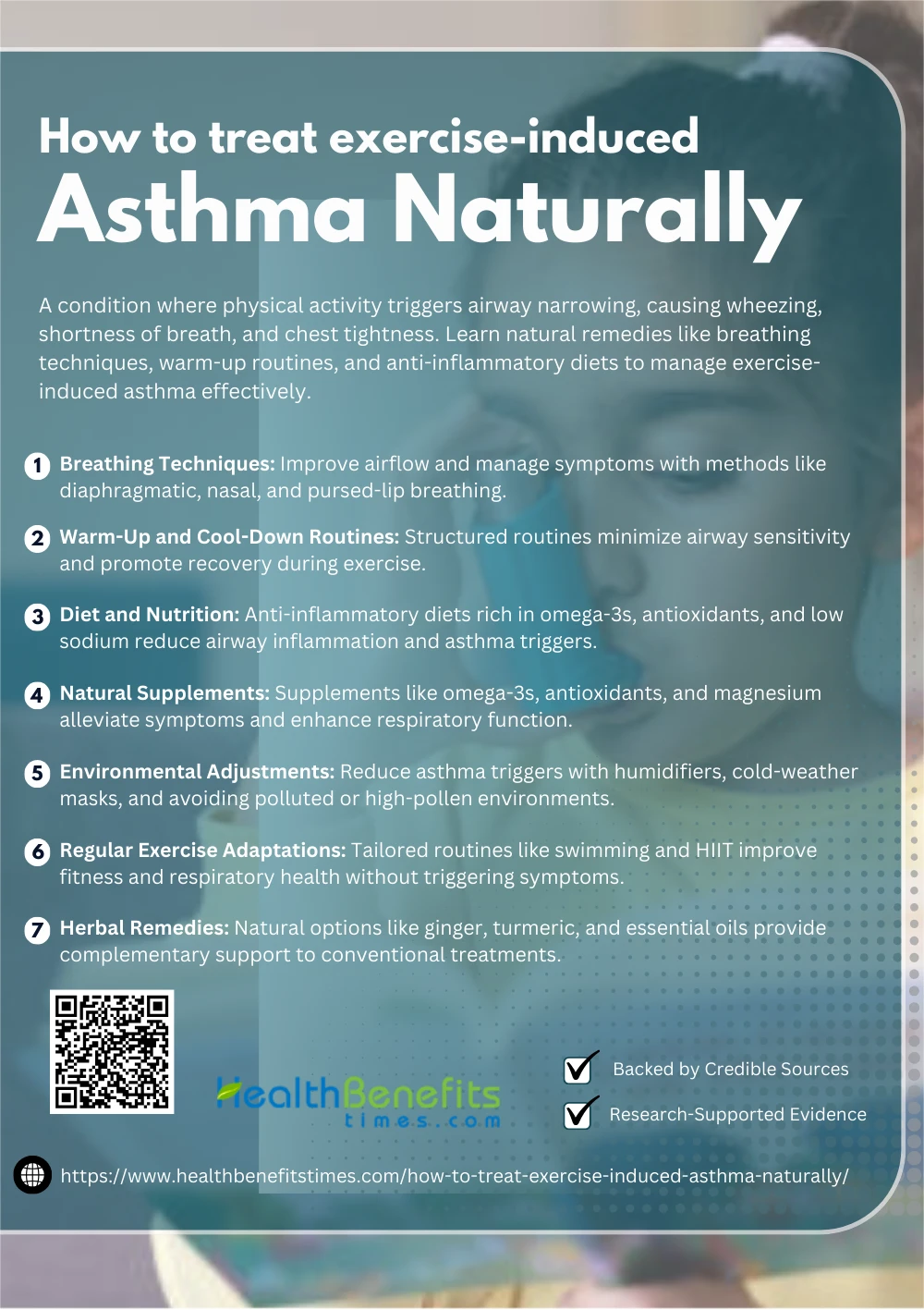 1. Breathing Techniques
Breathing techniques are effective in managing exercise-induced asthma by improving airflow and reducing airway resistance. Diaphragmatic breathing can alleviate symptoms by enhancing oxygen intake. (10) The Buteyko method has shown significant results in reducing exercise-induced bronchospasm. (11) Pursed-lip breathing aids in extending exhalation, preventing airway collapse. (12) Additionally, slow nasal breathing reduces airway irritation during intense exercise Asthma and Sport. Consistent practice of these techniques also alleviates associated anxiety. (13)
2. Warm-Up and Cool-Down Routines
Implementing structured warm-up and cool-down routines helps manage exercise-induced asthma by reducing airway sensitivity and promoting recovery. A dynamic warm-up induces a refractory period, mitigating exercise-induced bronchoconstriction. (13) Slow cool-down exercises prevent post-exercise symptoms by gradually lowering heart rate and respiratory demand. (14) Pre-exercise bronchodilators combined with these routines further optimize respiratory function. (15) These techniques are particularly beneficial in cold-weather sports. (16) Gradual transitions into and out of activity are essential for maintaining optimal respiratory health. (17)
3. Diet and Nutrition
A balanced diet rich in omega-3 fatty acids and antioxidants can significantly reduce airway inflammation in individuals with exercise-induced asthma. (18) Limiting dietary sodium also enhances pulmonary function and reduces exercise-induced bronchoconstriction severity. (19) Foods high in vitamin C and flavonoids strengthen the immune response, reducing asthma symptoms during exercise. (20) Moreover, incorporating anti-inflammatory diets improves overall respiratory function. (21) A proper nutrition strategy is vital to minimizing asthma triggers and enhancing physical performance. (22)
4. Natural Supplements
Natural supplements such as omega-3 fatty acids, found in fish oil, reduce airway inflammation and improve lung function in individuals with exercise-induced asthma. (23) Antioxidants like vitamins C and E protect against oxidative stress, minimizing bronchoconstriction severity. (24) Lycopene, a plant-based antioxidant, has shown efficacy in reducing asthma symptoms during exercise. (25) Magnesium supplementation may enhance respiratory muscle strength and alleviate symptoms. (26) Combining these supplements with a balanced diet optimizes asthma management strategies. (27)
5. Environmental Adjustments
Environmental adjustments are critical for reducing triggers in individuals with exercise-induced asthma. Utilizing air humidifiers in dry climates minimizes airway irritation Role of Air Humidifiers. Avoiding outdoor exercise during high-pollen seasons or in polluted areas can prevent symptom exacerbation Impact of Outdoor Triggers. Masking or scarfing during cold weather helps warm and moisten inhaled air. (15) Adjusting training environments, such as avoiding chlorine-heavy pools, significantly benefits swimmers. (28) These strategies empower better asthma management in varied settings Environment’s Role in Asthma.
6. Regular Exercise Adaptations
Adapting exercise routines can help individuals with exercise-induced asthma improve fitness while minimizing symptoms. Low-impact activities such as swimming enhance lung capacity without triggering bronchospasms. (29) High-intensity interval training (HIIT) has shown positive effects on exercise capacity in children with asthma. (30) Gradual warm-ups and cool-downs reduce airway sensitivity during workouts Role of Warm-Ups. Regular physical activity also strengthens respiratory muscles, promoting long-term management of asthma symptoms. (31) Tailoring routines to avoid environmental triggers enhances overall efficacy Environmental Adaptations.
7. Herbal Remedies
Herbal remedies offer promising support for managing exercise-induced asthma. Ginger’s anti-inflammatory properties help relax airway muscles, reducing bronchoconstriction. (32) Turmeric, rich in curcumin, mitigates airway inflammation due to its potent antioxidant effects. (33) Ayurvedic treatments such as Tulsi (holy basil) enhance respiratory function. (34) Essential oils like eucalyptus improve breathing by opening airways. (35) These natural approaches complement conventional treatments effectively. (3)
Differentiate between exercise-induced asthma and chronic asthma
| Aspect | Exercise-Induced Asthma (EIA) | Chronic Asthma |
| Definition | Temporary narrowing of airways triggered by physical activity. | Persistent inflammation and narrowing of airways over time. |
| Trigger | Exercise, particularly in cold, dry air or during high-intensity activities. | Various triggers like allergens, respiratory infections, or irritants. |
| Duration of Symptoms | Symptoms usually occur during or shortly after exercise and resolve within 30-60 minutes. | Symptoms are ongoing and can vary in severity throughout the day or night. |
| Primary Symptoms | Wheezing, coughing, chest tightness, and shortness of breath post-exercise. | Wheezing, frequent coughing (especially at night), persistent breathlessness, and chest tightness. |
| Airway Changes | Temporary airway narrowing due to dehydration and cooling of airways during exercise. | Chronic airway inflammation, leading to permanent structural changes over time. |
| Treatment Approach | Preventive use of short-acting bronchodilators before exercise; gradual warm-ups. | Long-term controller medications like inhaled corticosteroids and as-needed reliever inhalers. |
| Underlying Cause | Often associated with increased ventilation during exercise, which dehydrates and cools the airways. | Chronic inflammation of the airways caused by hypersensitivity to various triggers. |
| Reversibility | Symptoms typically resolve with rest and medication. | Symptoms may persist or worsen without consistent long-term management. |
| Population Affected | Commonly seen in athletes or individuals who exercise in extreme conditions. | Affects people of all ages and is often linked to genetic and environmental factors. |
Preventative Strategies for exercise-induced asthma
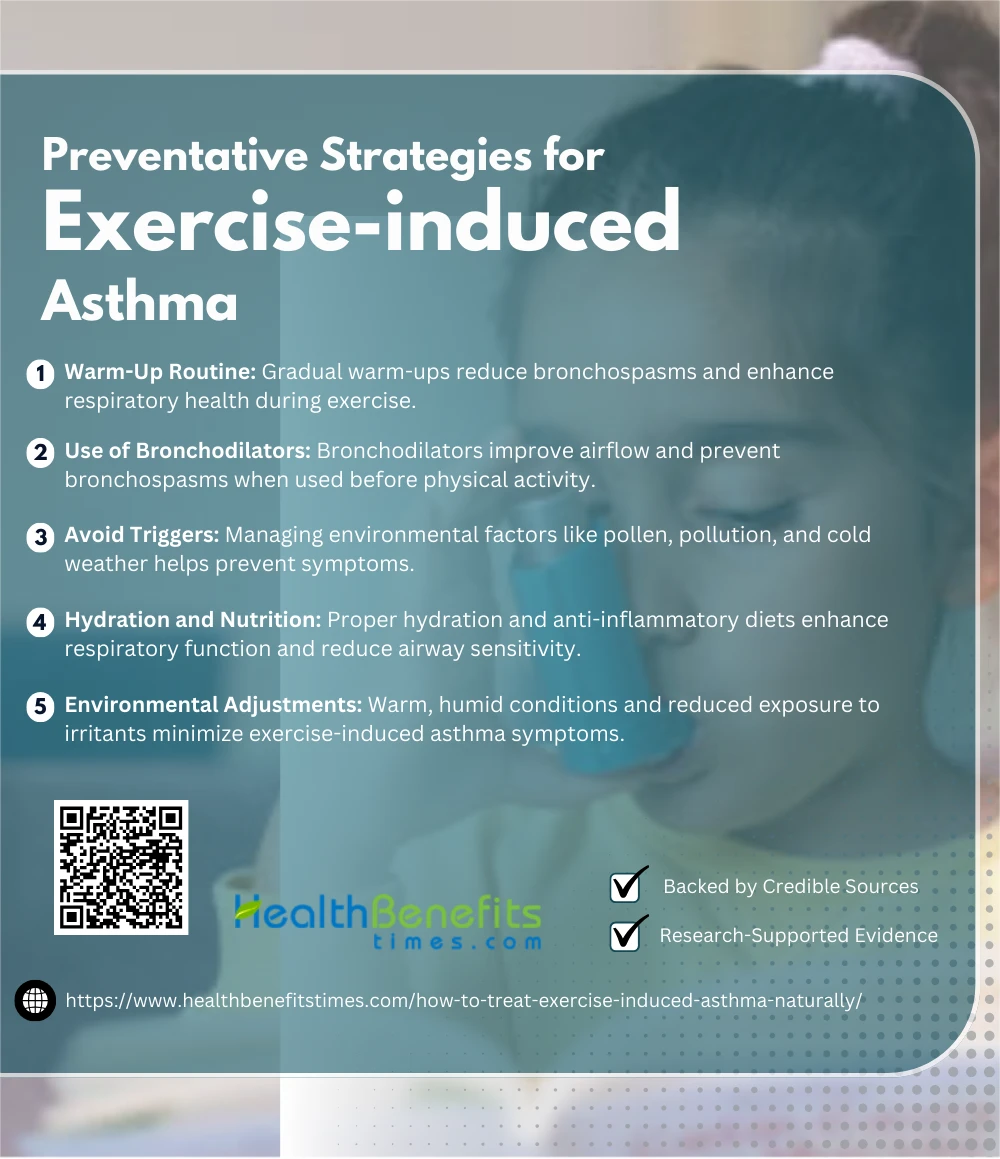
Preventative strategies for exercise-induced asthma focus on minimizing triggers, adopting healthy habits, and preparing your body for physical activity effectively.
 1. Warm-Up Routine
A structured warm-up routine is a proven strategy to mitigate exercise-induced asthma. Gradual intensity increases induce a refractory period, reducing bronchospasms during exercise. (36) Submaximal exercises have shown significant results in children. (37) Both continuous and interval warm-ups are effective in reducing symptoms. (17) For athletes, integrating warm-ups within asthma management plans is highly recommended. (15) Tailored routines ensure optimal respiratory health. (38)
2. Use of Bronchodilators
Bronchodilators are crucial in managing exercise-induced asthma by relaxing airway muscles and improving airflow. Short-acting beta-agonists (SABAs), such as albuterol, provide quick relief when used before exercise. (39) Combination therapies with corticosteroids enhance control. (17) Regular pre-exercise usage reduces bronchospasms. (40) Long-acting bronchodilators provide extended benefits in severe cases Long-Acting Bronchodilators. Personalized asthma management plans are recommended. (41)
3. Avoid Triggers
Avoiding common triggers is key to managing exercise-induced asthma. Exercising in warm, humid environments reduces airway irritation. (41) Avoiding outdoor workouts during high pollen or pollution levels is highly effective. (42) Using masks in cold weather prevents airway cooling, a major trigger. (43) Swimming in well-ventilated pools minimizes chlorine-induced symptoms. (44) Identifying personal triggers enhances preventative strategies. (45)
4. Hydration and Nutrition
Proper hydration and nutrition are vital for managing exercise-induced asthma. Maintaining systemic hydration prevents airway dehydration, reducing bronchospasm risk. (46) Anti-inflammatory diets rich in omega-3 fatty acids decrease inflammation, enhancing respiratory function. (18) Sodium reduction also lowers airway reactivity during exercise. (19) Consuming antioxidants such as vitamin C strengthens lung function. (47) Combining hydration and nutrition optimizes asthma prevention strategies. (23)
5. Environmental Adjustments
Adjusting environmental factors can significantly reduce exercise-induced asthma symptoms. Exercising in warm, humid environments minimizes airway irritation caused by cold, dry air. (41) Avoiding high-pollen and polluted areas during workouts prevents symptom triggers. (44) Swimming in well-ventilated pools reduces chlorine-induced airway irritation. (38) Using a scarf or mask in cold weather warms inhaled air. (48) Identifying and mitigating personal triggers ensures optimal asthma management. (49)
When to Seek Medical Advice
Seek medical advice for exercise-induced asthma if symptoms persist despite preventive measures, such as using bronchodilators. (44) Consultation is crucial if symptoms disrupt daily activities or workouts Impact on Daily Life. Medical attention is essential for recurrent severe episodes, such as difficulty breathing or wheezing. (50) Early intervention helps adjust management plans effectively. (38) Regular assessments ensure optimal control and prevent long-term complications. (51)
Conclusion
Treating exercise-induced asthma naturally involves a holistic approach that includes breathing techniques, proper warm-up routines, dietary adjustments, and environmental management. These strategies help reduce airway inflammation, minimize triggers, and enhance respiratory efficiency. While natural remedies can significantly improve symptoms, they should complement medical guidance to ensure a safe and effective management plan for long-term relief.