South-central Europe, North Africa, the Mediterranean region, and Central Asia
Shapes
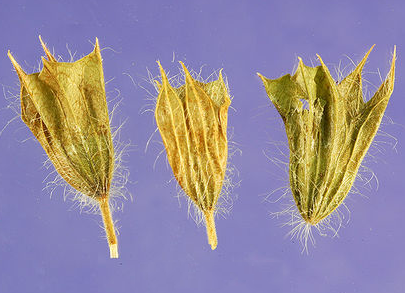
Small nutlets that are lanceoloid-ellipsoid and smooth
Taste
Sweet, sour
Health benefits
Useful against diabetes and Alleviate Muscle Pain, Aches
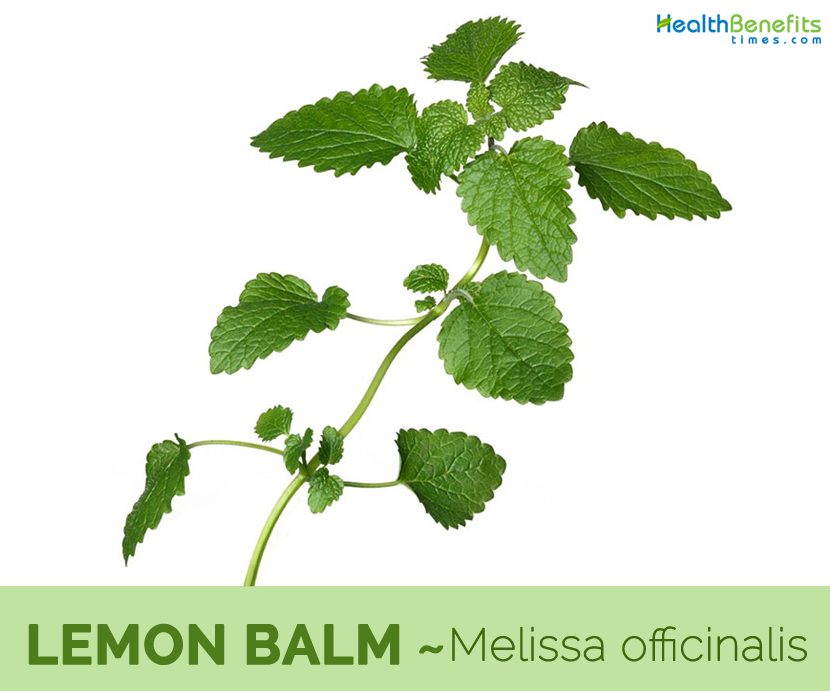
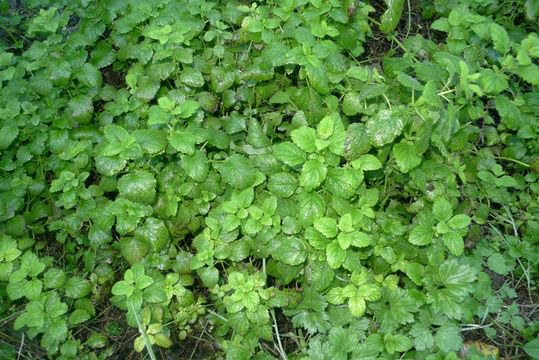
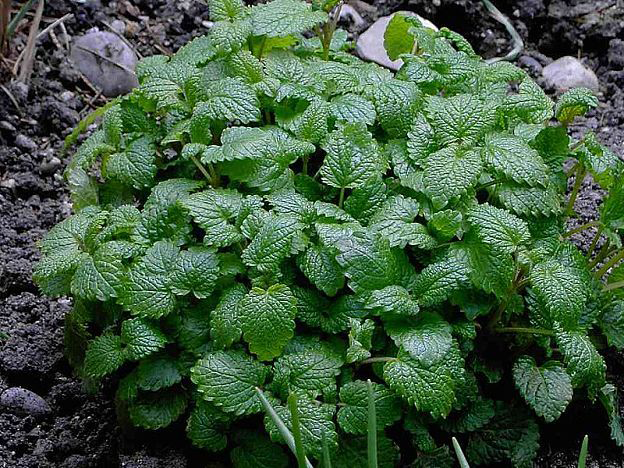
Melissa officinalis, commonly called lemon balm, Balm, Bee balm, Sweet balm, common balm, Garden Balm, Melissa, balm mint, blue balm, heart’s delight, cure-all and dropsy plant is a bushy herbaceous perennial of the mint family that is typically grown in herb gardens and border fronts for its lemon-scented leaves. The plant is native to south-central Europe, North Africa, the Mediterranean region, and Central Asia but has escaped gardens and naturalized in many parts of the U.S. (Eastern, Midwestern and Pacific Northwest states). Genus name comes from the Greek word Melissa meaning a honeybee, also the name of a Cretan princess who first discovered how to obtain honey.
Lemon Balm was used as far back as the middle Ages to reduce stress and anxiety, promote sleep, improve appetite, and ease pain and discomfort from indigestion (including gas and bloating, as well as colic). Even before the middle Ages, lemon balm was steeped in wine to lift the spirits, help heal wounds, and treat venomous insect bites and stings. Today, lemon balm is mixed with other calming, soothing herbs like valerian, chamomile, and hops, to promote relaxation. It is also used in creams to treat cold sores.
Plant Description
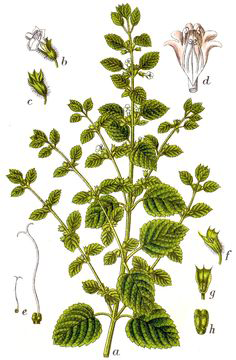
Lemon Balm is a bushy perennial herbaceous plant that grows about 70–150 cm tall. The plant is found growing in thickets, fence rows, abandoned home sites, vacant lots, and areas along roadsides, banks of ponds, floodplain areas along drainage canals, and waste areas. It has fibrous and rhizomatous root and stem is light green, 4-angled, single-furrowed along their sides, and glabrous to finely hairy. Pairs of spreading opposite leave occur along these stems, becoming gradually smaller as they ascend.
Leaves
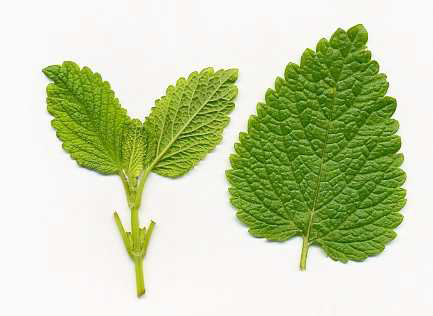
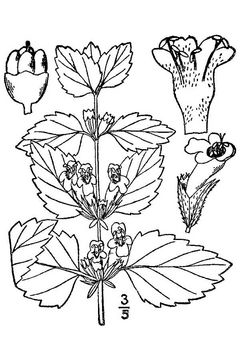
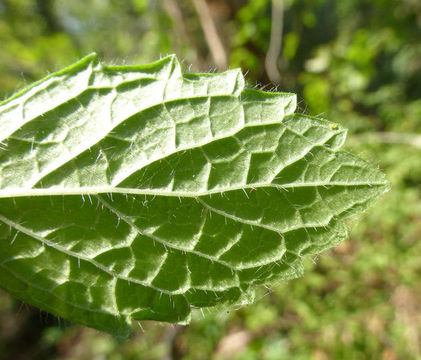
Leaves are 3½ inch (9 cm.) long and 2inch (5 cm.) across, ovate in shape, and either crenate or crenate-serrate along their margins. Tips of leaves are blunt, while their bases are broadly wedge-shaped to rounded. The upper leaf surface is medium green and glabrous to finely short-hairy, while the lower leaf surface is pale green and glabrous to finely hairy along the veins. Upper leaf surface is wrinkled by indentations along the primary, secondary, and tertiary veins. The petioles are up to 1¼ inch (3 cm.) long; light green, and finely hairy. The leaves have a gentle lemon scent, related to mint.
Flower & Fruit
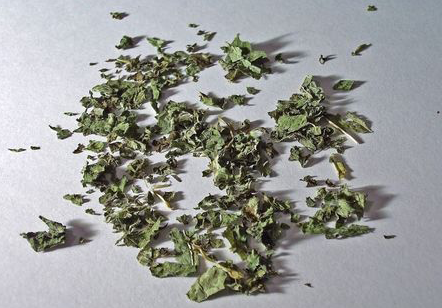
Flowers are 8-13 mm. in length with corollas that are longer than their calyces. Each flower has a white corolla, a light green calyx with 5 teeth, 4 stamens, and a 4-parted ovary with single style that is cleft toward its tip. Each corolla is tubular-campanulate (tubular and bell-shaped), dividing into a hood-like upper lip and a 3-lobed lower lip. The calyx is angular and trumpet-shaped with 3 smaller upper teeth and 2 larger lower teeth; it is finely hairy along its veins and 4-8 mm. in length. Flowering normally takes place from Jun to October. Afterwards, the flowers are replaced by small nutlets (4 nutlets per flower) that are lanceoloid-ellipsoid and smooth. Although the flowers are ornamentally inconspicuous, honey bees love them. Leaves are edible and may be added to salads, soups, sauces or vegetables. Leaves are also used to flavor teas. Dried leaves may be added to sachets and potpourri. Plants also have a history of herbal medicine usage for a variety of purposes including, inter alia, calming nervous disorders, soothing insect bites and treating colds.
Lemon Balm is an ancient herb which was used by the Greeks more than 2000 years ago for numerous medicinal properties that it possesses. This Herb has been known as an active cure for neural disorders. This Herb has been known to contain a tangy smell and is also utilized for the purpose of garnishing and decorating. There have been many advantages of this Herb some of which are known to be mentioned below.
1. May be useful against diabetes
Diabetes is a widespread problem in Western health. While it’s very common for traditional practitioners to prescribe a number of medications with dangerous side effects to treat it, it’s actually possible to reverse diabetes naturally. Using lemon balm extract may be one effective way to achieve this.
Researchers have verified both lemon balm essential oil and extract their effect on high blood sugar. Both produce similar results by reducing blood sugar levels and reducing oxidative stress related to diabetes.(1), (2)
2. May aid in digestion
Due to its antioxidant activity, lemon balm extract has a potentially protective effect on your gastrointestinal system. It calms digestive issues by preventing gastric ulcers, although this has not been researched long. Some evidence shows that lemon balm, as well as peppermint and angelica root is extremely useful in creating herbal remedies for constipation.(3), (4)
3. Effective in Treating Cold Sores
Research has indicated that the herb can be used to heal cold sores that are caused by Herpes due to its antiviral properties. Using lemon balm based cream on sores brings positive results. Research also showed that lemon balm can treat primary HSV-1 infection. This cream also helps in coping with oral and genital herpes, the latter caused by HSV-2. Lemon balm that has 1% lemon extract can significantly bring down the healing time.(5)
4. Helps Alleviate Muscle Pain, Aches
Lemon balm is effective in reducing the muscle pain and aches that accompany flu. Its antispasmodic action helps reduce muscular spasms. Using Lemon balm leads to sweating when you have a fever, which brings some relief. With sweat, toxins in the body also get discarded. One of its components, eugenol, help in pain reduction.
5. Naturally soothes PMS symptoms
Research carried out at 2015 concluded that, lemon balm when taken in capsule form effectively reduced PMS symptoms in high school-aged women. SO it is quite effective for those women who are suffering from PMS related problems.(6)
6. Regulate overactive thyroid
More than 12 percent of the population of the United States are affected by thyroid problems, and one of the two common thyroid conditions, hyperthyroidism, can benefit from lemon balm.
Extract of lemon balm is one of the best treatment methods to regulate overactive thyroid. Research suggests that these extracts stop the components that over-activate the thyroid from binding with the thyroid receptor, specifically in patients with Grave’s disease.(7)
7. Improve mood, concentration and sleep
Lemon balm has been used to treat anxiety and insomnia since ancient times. Its mild sedative effect is a well-known feature. Lemon balm when given to elementary school children helps to improve hyperactivity, concentration problems and impulsiveness. Taken internally in food products, it also appeared to boost mood and/or cognitive performance in a study involving young adults.(8), (9), (10)
8. Works Wonders for Skin Health
Lemon balm is useful for keeping the skin in good condition, both for women and men. It is ideal to treat skin inflammation. It has strong natural astringents, and hence, using the herb can benefit those with oily and acne prone skin. It helps in cleansing clogged skin pores, which actually cover way to acne and skin rashes.
9. Treats Mouth Infection
To treat oral infections like bleeding gums and bad breath, you can use lemon balm. Mixing a few drops of Lemon balm essential oil to a mouthwash and then use it to gargle will kill the bacteria and freshen up the insides of your mouth.
10. Fights herpes naturally
Because of its antiviral properties, Lemon balm uses also extend its use into topical application. Specifically, when applied directly to the skin, it is a useful herbal remedy to help treat the herpes virus.
When using lemon balm extract in cream form, research shows that the intervals between herpes breakouts become longer, the healing period shortens and the symptoms, such as itching and burning, seem to decrease. Interestingly, because of the way that lemon balm works to achieve this, there is no risk of a resistance to the herpes virus forming after repeated uses. (11), (12), (13)
11. Keeps Nasty Pests and Bugs away
Majority of people choose OTC anti-insect spray and repellent products to destroy insects from households. However, most such insect repellents contain strong chemicals and allergens that can be problematic for users, particularly those with allergies and respiratory issues.
You can use lemon balm to drive away various insects from the home. You may also spray lemon balm tincture in the garden and on the indoor plants. It contains a good amount of citronella, which repels insects efficiently. You will be able to keep your home free of insects and save money in the process too.
12. Can Be Used As Natural Room Freshener
Lemon balm can also be used as a natural room freshener. Dried leaves can be used as potpourri. The mixture of fresh lemon balm leaves lightly boiled in water can be sprayed in rooms to spread light mint-type aroma.
13. Adorning the Garden and Pollinating Trees
No matter how big or small a garden you have, using Lemon balms to decorate it will be helpful. The sweet aroma will keep the garden fragrant, more so when the flowers bloom. It also attracts bees, and hence, having the plant in the garden can in a way help pollinate others trees.
Traditional uses and benefits of Lemon Balm
officinalis leaves have been prescribed for internal (as tea) or external (essential oil) application for the treatment of disorders of the gastrointestinal tract, nervous system, liver, and bile in Traditional Australian medicine.
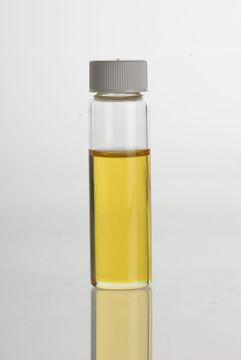
Lemon balm essential oil is very popular in aromatherapy.
Crushed leaves, when rubbed on the skin, are used as a mosquito repellent.
Lemon balm is used medicinally as an herbal tea, or in extract form.
Lemon balm is a commonly grown household remedy with a long tradition as a tonic remedy that increases the spirits and lifts the heart.
It can help significantly in the treatment of cold sores.
Leaves and young flowering shoots are antibacterial, antispasmodic, antiviral, carminative, diaphoretic, digestive, emmenagogue, febrifuge, sedative, and tonic.
It also acts to prevent thyroid activity.
An infusion of the leaves is used in the treatment of fevers and colds; indigestion associated with nervous tension, excitability and digestive upsets in children, hyperthyroidism, depression, mild insomnia, headaches etc.
Externally, it is used to treat herpes, sores, gout, insect bites and as an insect repellent.
The essential oil contains citral and citronella, which act to calm the central nervous system and are strongly antispasmodic.
The plant also contains polyphenols; in particular these combat the herpes simplex virus which produces cold sores.
It is used to relax and rejuvenate, especially in cases of depression and nervous tension.
Herbal medicine, approve Melissa officinalis for nervousness and insomnia.
It is effective in treating brain disorders like insanity, sleeplessness, stress, ADHD, Alzheimer’s disease, depression and anxiety.
It cures cold sores i.e. oral herpes and mumps rapidly, which are an outcome of viral infections.
It is a good herbal remedy for skin complaints like sunburns, shingles i.e. rashes and eczema.
It is potent in overcoming chronic fatigue syndrome.
It relaxes muscular pain and gout.
It counteracts Dysmenorrhea i.e. painful menses.
It cures genital herpes.
It is a powerful antidote for insect bites.
Ayurvedic Health benefits of Lemon Balm
Anxiety: Prepare an infusion of dried herb or 4-6 fresh leaves. Drink twice a day. OR Prepare a tincture. Drink 3 times a day.
Fever: Make a decoction of Lemon balm leaves. Take twice a day.
Bad breathe: Chew the leaves and stem of Lemon Balm.
Arrhythmia: Prepare a tea of fresh leaves of lemon balm. Drink 3-4 cups a day.
Gastroparesis: Drink lemon balm tea after taking meal twice a day. OR Make an infusion of leaves. Drink half cup thrice a day.
Grief: Prepare a tea of lemon balm. Have it twice a day.
Menstrual Disorders: Add infusion of the lemon balm leaves to bath water. It promotes the onset of Menstruation.
Altitude Sickness: Chew the fresh leaves in Altitude Sickness.
Pyelonephritis: Prepare a tea of lemon balm. Have one cup once a day.
Bulimia: Put the dried leaves of lemon balm in a jar. Add hot water to it. Leave it for half to one hour. Drink a glass once a day.
Oral Herpes: Make leaf decoction of lemon Balm. Have it 3 to 4 times a day. OR Apply lemon balm oil over affected area.
Stress: Make a decoction of lemon balm leaves. Drink a cup of this decoction once a day to get rid from stress and tensions.
Insomnia: Boil few fresh leaves of lemon balm in 100 ml of water. Boil it for 5 minutes. Strain it off. Drink this warm decoction regular to induce the quality of sleep.
Aging: Prepare lemon balm for tea by boiling the fresh leaves with a cup of water in a pan. Drink this tea twice daily to avoid aging. It aids to reduce wrinkles.
Diabetes: Boil fresh leaves of Lemon Balm in 200 ml of water. Strain it off and allow it to get cool. Drink this decoction daily. It also helps to reduce the high Cholesterol level of the patient.
High Triglycerides: Boil few lemon balm leaves in 100 ml of water in a bowl for 10 minutes. Strain it off. Drink it warm. Consume it daily to get the best results.
Difficult Menses: Make a decoction of Lemon Balm leaf. Drink it warm twice a day to get rid of menses. Lemon Balm provides relief from menstrual cramps and promotes sleep during the menses.
Amnesia: Prepare a decoction of fresh leaves of lemon balm in a cup of water. Drink this decoction for once a day to boost your memory. Lemon balm tea can effectively enhance your memory powder.
Thyroid Problems: Daily consumption of lemon tea can reduce the hormonal levels of thyroid. Just boil the fresh leaves of lemon balm with a cup of water in a pan. Strain it off. Drink it warm daily. It is efficient in regulating the functions of thyroid glands.
Hyperthyroidism: A decoction prepared with the fresh leaves of lemon balm effectively reduces the symptoms of hypothyroidism. Consume this decoction daily.
Palpitation: Add fresh leaves of lemon balm into a pan containing 100 ml of water. Boil the leaves for 5 minutes. Strain off the mixture. Drink it daily. This tea provides relax to the cardiac muscles.
Oral Herpes: Grind some fresh leaves of lemon balm to extract out the juice. Drink this juice once a day to cure affected sores. It also helps in to alleviate skin infections.
Acrophobia: Put dried lemon balm leaves in one cup of very hot water for 30 minutes. Strain it and drink twice daily.
Nervous Disorder: Take 5 dried leaves of lemon balm. Boil it in water for 5 to 10 minutes. Drink this tea 2 times a day. It relaxes the nervous tensions.
Sexually Transmitted Diseases: Drink lemon balm tea 2 to 3 times a day.
Viral Infections: Take lemon balm leaf tea every day; it also adds a good taste to your tea.
Gastroparesis: Take equal amount of Wild candytuft, Angelica root, Milk Thistle fruit, Caraway fruit, liquorice root, Peppermint, Chamomile flower, Chelidonium majus and lemon balm leaves. Grind them together. Take one tsp powder with lukewarm water once a day. OR Prepare a decoction of above herbs. Drink half cup twice a day.
Dyspnea: Take few leaves of lemon balm. Add Hyssop and pennyroyal in equal amount. Prepare a decoction. Have one cup once a day.
Depression: Infuse one tbsp each of Chamomile, lemon balm and Lavender flowers in a cup of hot water for 5 minutes. Add Ginger and Liquorice for taste. Drink before retiring or a sound sleep. (You can add 8-10 drops of skullcap tincture for better results.)
Indigestion: Take crushed caraway, Lemon balm and fennel seed in equal parts. Infuse one tsp of this herbal blend in a cup of water for 10 minutes. Drink one cup after dinner. (You can also add Valerian for a sound sleep.)
Avian Flu: Take 1 tsp each of dried Forsythia suspense flowers, Japanese Honeysuckle flowers, Lemon Balm leaves. Mix them well and add all the dried herbs in one cup of water. Boil it for 10 minutes. Drink twice daily.
Culinary Uses
Lemon balm is often used as a flavoring in ice cream and herbal teas, both hot and iced, often in combination with other herbs such as spearmint.
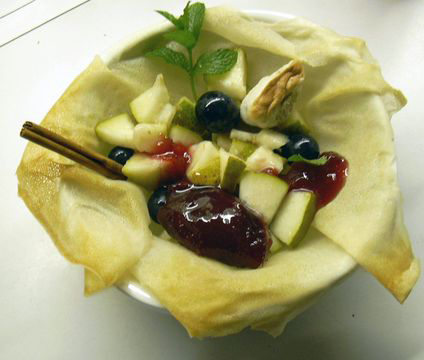
It is also often paired with fruit dishes or candies.
It can be used in fish dishes and is the key component in lemon balm pesto.
It might be a better, healthier preservative than butylated hydroxy anisole in sausages.
Leaves are used mainly as a flavoring in salads and cooked foods.
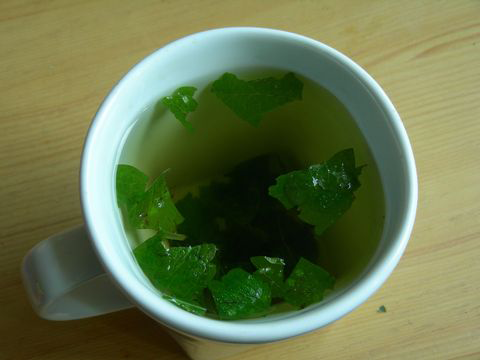
Lemon-flavored tea can be made from the fresh or dried leaves.
A bunch of the leaves can be added to china tea, much improving the flavor, the leaves are also added to fruit cups etc.
They are used as a flavoring in various alcoholic beverages including Chartreuse and Benedictine.
How to Take It
Pediatric
Lemon balm may be used topically in children to treat cold sores. Speak to your health care provider for suitable dosage for the child’s age.
Adult
For difficulty sleeping, or to reduce indigestion, flatulence, or bloating, consults a knowledgeable provider for the specific dose to best fit your needs. Possible doses may be as follows:
Capsules: Take 300 to 500 mg dried lemon balm, 3 times daily or as needed.
Tea: 1.5 to 4.5 grams (1/4 to 1 tsp.) of dried lemon balm herb in hot water. Steep and drink up to 4 times daily.
Tincture: 60 drops of lemon balm daily
Topical: Apply topical cream to affected area, 3 times daily or as directed.
For cold sores or herpes sores, steep 2 to 4 tsp. of crushed leaf in 1 cup boiling water for 10 to 15 minutes. Cool. Apply tea with cotton balls to the sores throughout the day.
12 Things to Do With Lemon Balm
Make sleepy time herbal syrup: Place about 3/4 cup lemon balm leaves into a small pot and add enough water to just cover the leaves. Simmer, covered partially, until the liquid is reduced in half. Strain out & compost the leaves. While still quite warm, measure out about 1/2 cup of the concentrated tea and stir 1/4 cup raw honey into it. Add more honey to taste, if you wish. You can make larger or smaller batches – keeping a ratio of about 2 parts lemon balm infusion to 1 part honey. Store in the refrigerator for a week or so. Dose by the spoonful at night to help calm and relax everyone from children to adults. (Keeping in mind that honey should not be given to infants under one year old.)
Chop fresh leaves and sprinkle on fruit salads; drizzle with honey or a dressing made of yogurt and honey.
Make a glycerite: Fill a jar with leaves. Cover with a mixture of 3 parts vegetable glycerin to 1 part water. Cap and let this sit in a dark place for 3 to 4 weeks. Strain. Dose is 1/2 to 1 teaspoon as needed to relax and calm. Store in your refrigerator for several months. (Adapted from Rosemary Gladstar’s Medicinal Herbs.)
Make a relaxing, tummy soothing tea: Fill a jar with fresh leaves. Pour simmering hot water into the jar then cover the top with a saucer so that none of the vapors escape. Let steep until cool enough to drink. Sweeten to taste.
Moisten cosmetic clay with lemon balm tea to dab on blemishes and bug bites as needed.
Fill a bath bag with lemon balm leaves and rose petals. Hang from the spigot and let the water run through as the tub fills.
Add finely chopped leaves (1 to 2 TBSP) and lemon zest (a pinch) to your favorite scone or muffin recipe.
Make a tincture: Add leaves to a jar until about three-quarters filled. Pour in 80 proof or higher alcohol (like vodka) until the jar is filled. Cap with a non-metallic lid and store in a cool, dark place for about 4 to 6 weeks, shaking occasionally. Strain and store for at least a year. Adult dose is 1/4 teaspoon (which is also about 1 dropper full or 1 ml) at a time, as needed. This is a great stomach soothing, anti-viral concoction, perfect to take when you feel like you’re coming down with a cold or bug.
Make vinegar: Fill a jar about 3/4 full with fresh leaves. Cover with apple cider vinegar. Cap with a non-metallic lid and let steep in a cool dark place for a few weeks. Strain and use as a hair wash or add to your bath water. You can also use this in food dishes & salad dressings instead of plain vinegar.
Make candied lemon balm leaves: Beat an egg white with a tiny bit of water. Dip lemon balm leaves in the mixture, and then dip in sugar. Lay the coated leaves on a parchment lined baking sheet. Place the baking sheet in a 200 degree F oven until the leaves look dry, but not browned. Check after 20 minutes and every 5 to 10 after that.
Make Lemon Balm & Honey Butter: Mix half a stick (4 tablespoons) of softened butter with a pinch of finely chopped lemon balm. Add a drizzle of honey to taste. Yummy on hot fresh bread or biscuits!
Make herbal water: Fill a jar with fresh lemon balm leaves and a thinly sliced lemon. Pour in cold water until it reaches the top. Refrigerate for several hours. So refreshing on a hot day!
Strip the leaves from the stalks (discard the stalks) then wash leaves in cold water. Drain and put into a clean container and pour over 4 pints of boiling water, add one Campden tablet, stir, cover and leave for 48 hours.
Strain the liquor from the leaves (discard the leaves) into a sterilized bin, add rind (no pith) and juice of the oranges and lemon, the washed and chopped sultanas, acids, pectic enzyme, nutrient and yeast. Ferment on the pulp for four days, stirring twice daily, keep well covered.
Strain into jar, add sugar and stir, top up to shoulder with cold boiled water, fit air-lock and leave to ferment out. Rack in the usual way.
This wine can either be served dry as an aperitif, or sweeten to taste and drink as a social type wine.
Can be drunk within three months but improves with keeping for a further three months.
Other Facts
Growing plant is said to repel flies and ants.
It is also rubbed on the skin as a repellent.
Whole plant is very pleasantly aromatic; the aroma lasting for a long time after the plant has been harvested. It is therefore a very useful ingredient in pot-pourri.
Things That You Need To Be Cautious About
While you can use lemon balm for a lot of medicinal and other needs, a few aspects need to be analyzed beforehand.
1. Drug Interactions
Using lemon balm in combination with specific medications and sedatives is not advisable. Since it previously has sedative properties, using it with OTC sedative drugs can have adverse consequences. While it remains disputable whether it interacts with antiretroviral agents or not, it is better that HIV patient undergoing such therapy, refrain from using the herb.
2. Not Ideal for Glaucoma Patients
Research has found that lemon balm essential oil can cause increased pressure in the eyes. While the study was carried out on animals, it is better that people with glaucoma avoid using the herb. Patients suffering from glaucoma may have interference with their existing medications if they ingest the lemon balm leaves.
3. Not Suitable For People Scheduled For Surgery
People who are likely to undergo surgery, or are in the recuperation period, should not use lemon balm in any form. In those phases, general sedatives are used and addition of lemon balm can prolong sleep.
4. Allergic Reactions
While most people like lemon balm as food or a tea, there are a few who are allergic to the herb. Side effects can include nausea, dizziness and vomiting. However, these can occur when someone has taken a large amount of lemon balm orally.