Health Benefits
    Facebook Twitter Instagram
    Friday, December 5
    Facebook Twitter Pinterest
    Health Benefits
    • Home
    • Dental Health
    • Mental Health
    • Weight Loss
    • Health Wiki
    • Nutrition
    • Healthy Recipe
    • BMI Calculator
    Health Benefits
    Home»Vegetables»Health benefits of Lettuce
    Vegetables

    Health benefits of Lettuce

    By SylviaDecember 8, 2017Updated:December 8, 2017No Comments12 Mins Read
    Facebook Twitter Pinterest LinkedIn Tumblr Email

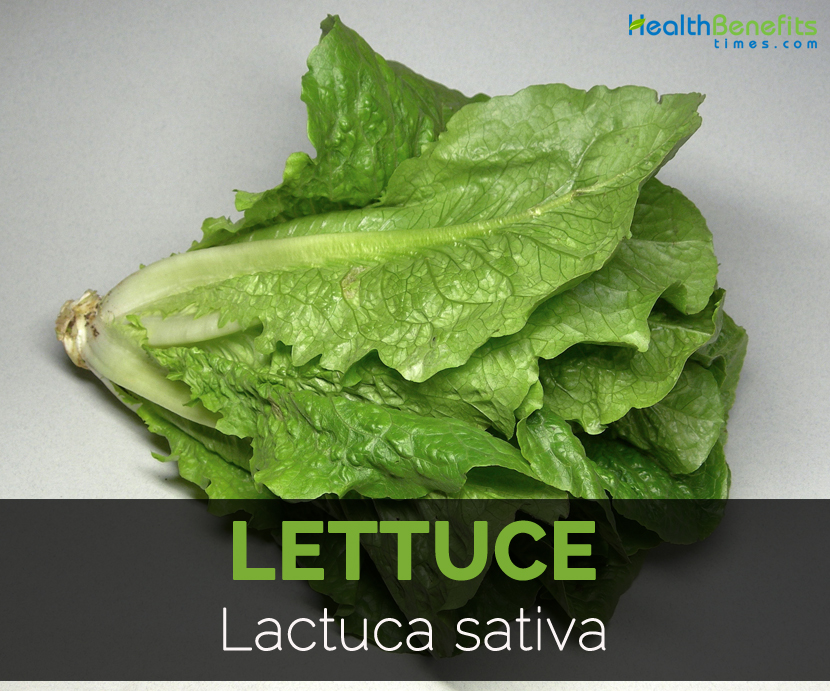
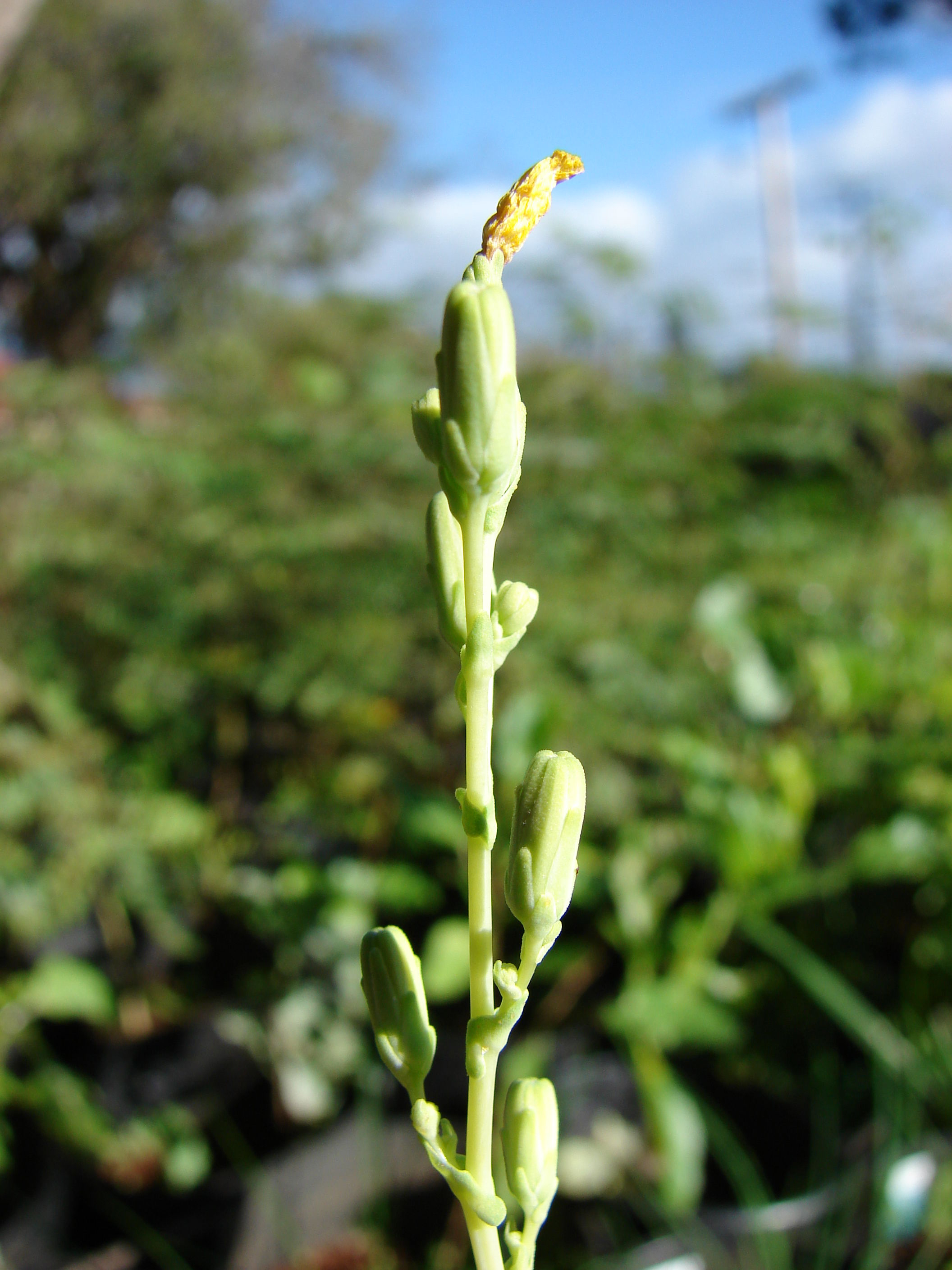
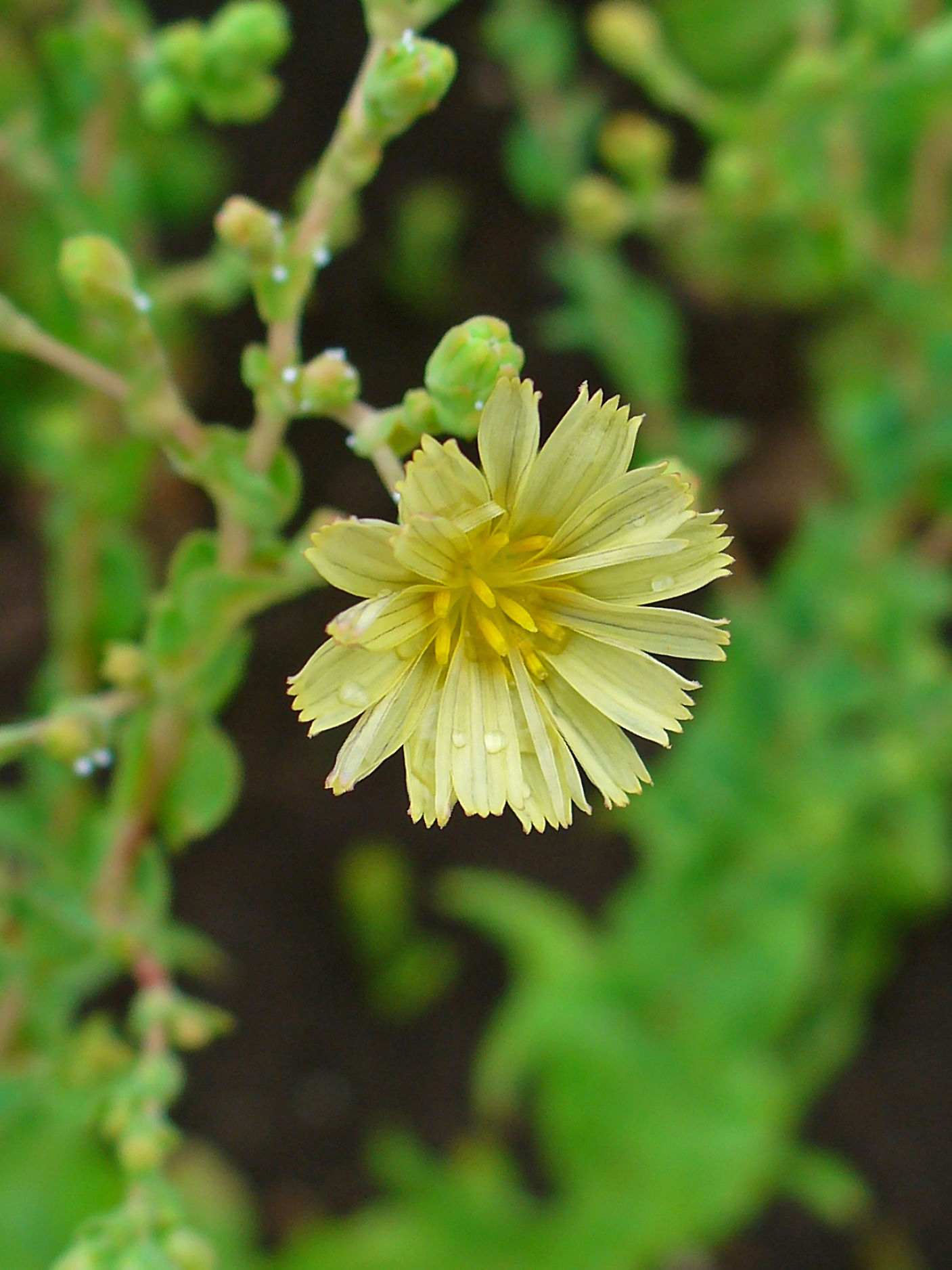
    Lactuca sativa is an annual plant belonging to daisy family Asterceae. It is cultivated as leaf vegetable sometimes for its seeds and stem. Firstly it was cultivated by ancient Egyptians who turned it from a weed and seeds were used for producing oil, a food plant which is grown for its succulent leaves. Lettuce is a hardy annual cultivated in low temperatures in order to prevent it from flowering quickly. Native to Mediterranean and Siberia and it is also transported to all areas of world. Generally plant measures 6 to 12 inches in height with colorful mainly green leaves. Lettuce varies in shapes and textures from dense head to notched, frilly, scalloped or ruffly leaves. Lettuce plants have main taproot and smaller secondary roots. Varieties found in Western Europe and US have narrow and long taproots and small set secondary roots. In varieties of Asia, more extensive secondary systems and longer taproots are found. The flower lettuce becomes bitter and unsaleable. Freezing temperatures causes slow growth and might damage to outer leaves. When the plants turn to edible stage, flower stalks measures upto 0.9 meters high having small yellow blossoms. Inflorescences consist of multiple florets having modified calyx known pappus and corolla having five petals fused into strap or ligule and reproductive parts. An ovary is obovate shaped compressed dry fruits which do not open at maturity and measures 3 to 4 mm long. Fruits have 5 to 7 ribs on each side having two rows of small white hairs. Each fruit possess one seed in yellow, white, brown or gray color that depends on lettuce varieties. Lettuce possesses energy, moisture, fat, protein, dietary fiber, carbohydrates and sugars. Vitamins and minerals found in lettuce includes iron, calcium, phosphorus, magnesium, sodium, potassium, zinc and sodium along with vitamins such as riboflavin, thiamin, folate, niacin, Vitamin C, K, A, E and B6. The health benefits provided by lettuce includes prevention of cancer, lowering cholesterol levels, regular sleep, protection of neurons, lower inflammation, control anxiety and wide range of antioxidants.

    History

    Firstly cultivated in ancient Egypt for producing oil from its seeds. The plant was bred by Egyptians into a plant cultivated for its edible leaves. Evidence shows the cultivation appeared as early as 2680 BC. It is considered as a sacred plant of reproduction god Min and is carried during festivals and placed near his images. The plant is believed to help god to perform sexual act with determination. It is used in creation of many images in wall paintings and tombs. Cultivated variety measures 30 inches long and resemble large version of modern romaine lettuce. Egyptians developed upright lettuce and passed to Greeks who shared with Romans.

    In medieval writings, lettuce appeared as medicinal herb. It was mentioned by Hildegard of Bingen on medicinal herbs between 1098 and 1179. Joachim Camerarium provided descriptions in 1586 of romaine or cos lettuce, loose leaf lettuce and head lettuce. From Europe, Christopher Columbus brought it to Americas in late 15th century. In Europe, many varieties were developed in between late 16th century and early 18th century.

    In 1900s, the development of new packing, shipping technologies and storage improved lifespan and transportability of lettuce which resulted in increase in availability.

    Plant

    Lettuce is an annual or biennial plant usually 15 to 30 to 70 cm. Blades of cauline leaves are ovate to orbiculate having entire or denticulate margins and midribs rarely prickly to setose. Heads are corymbiform.

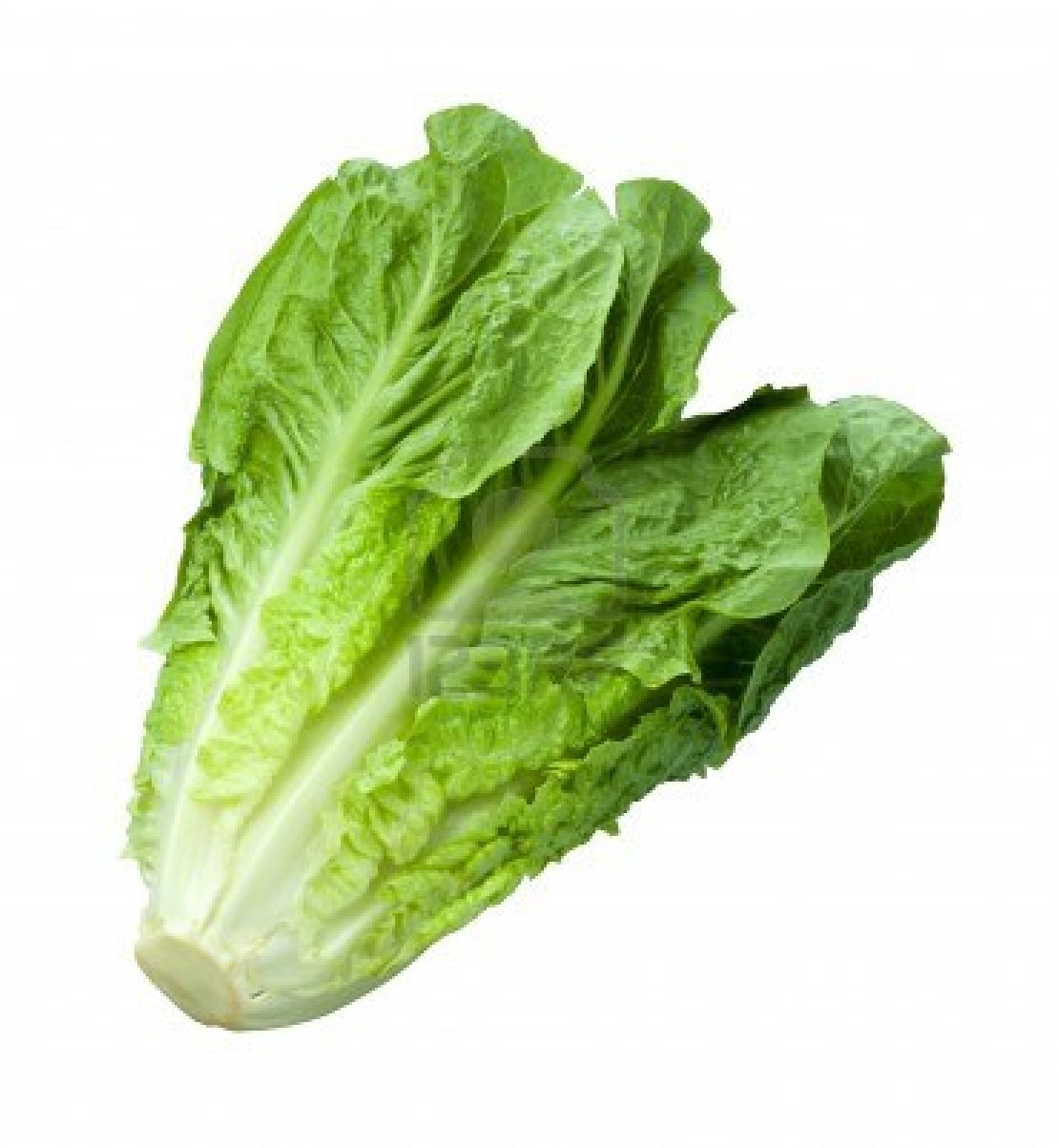
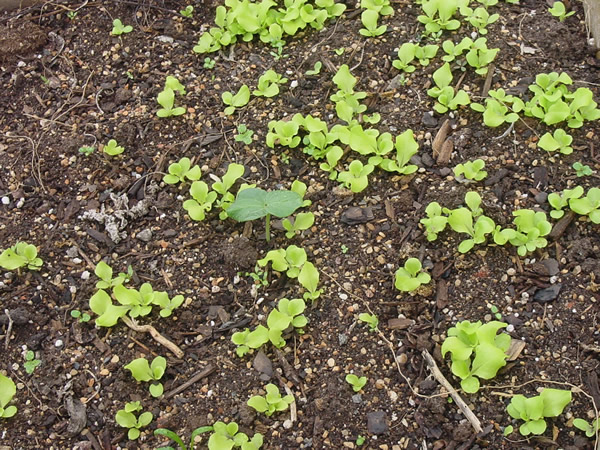
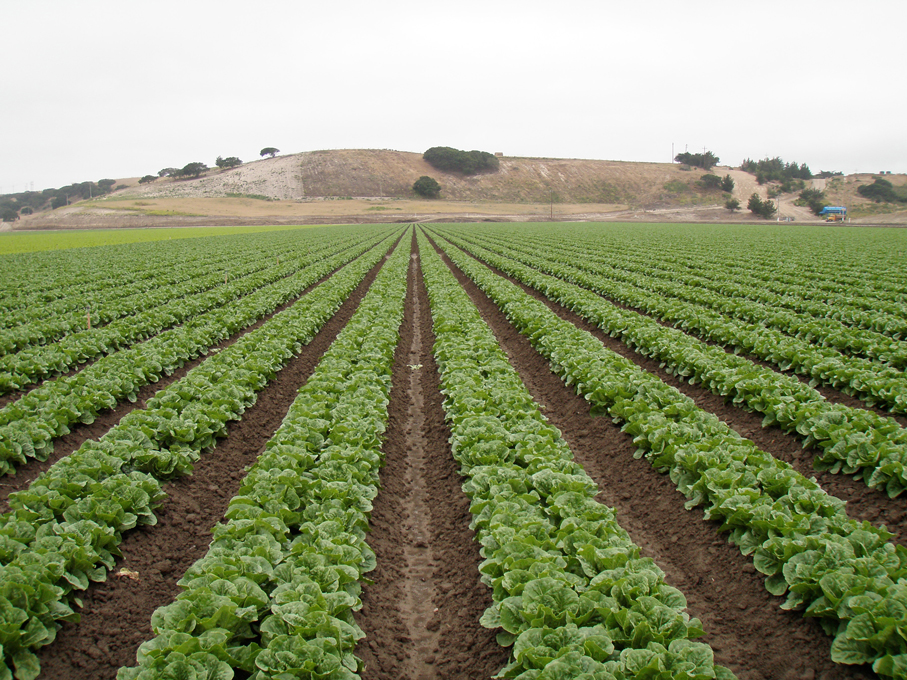
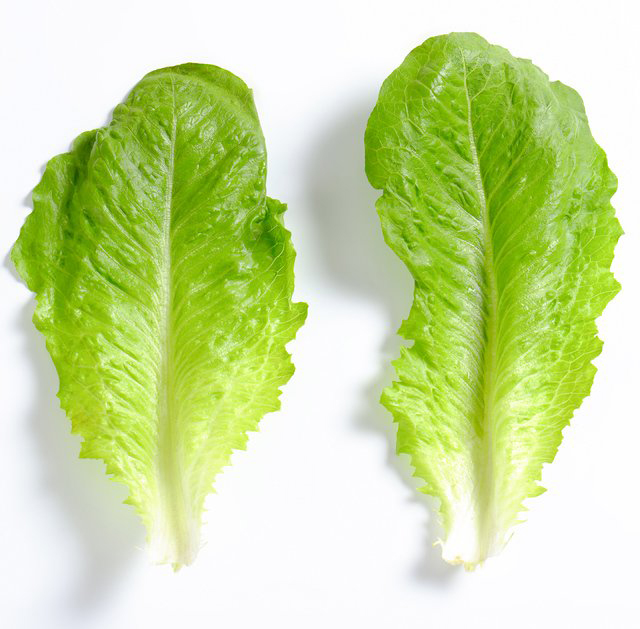
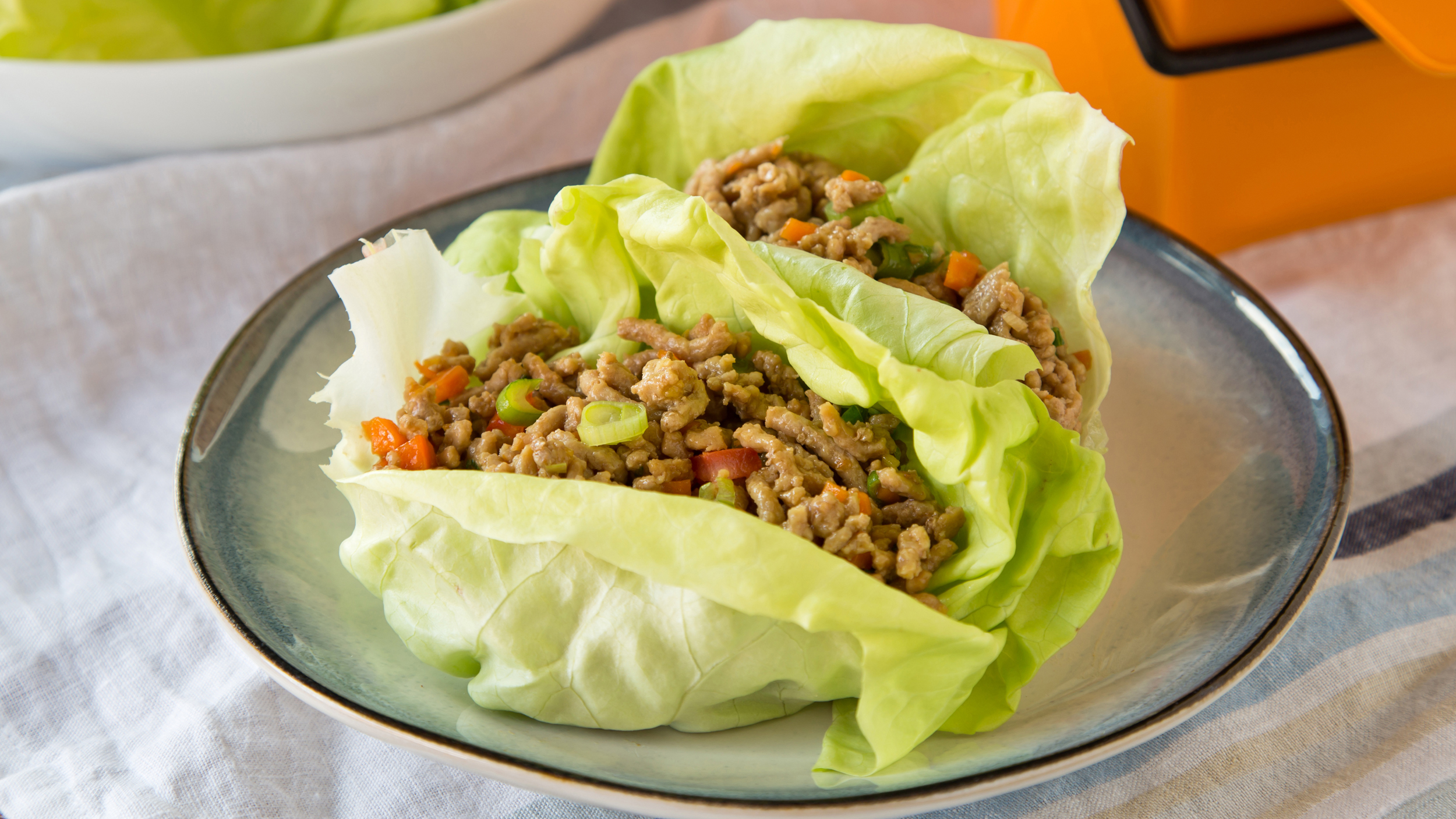
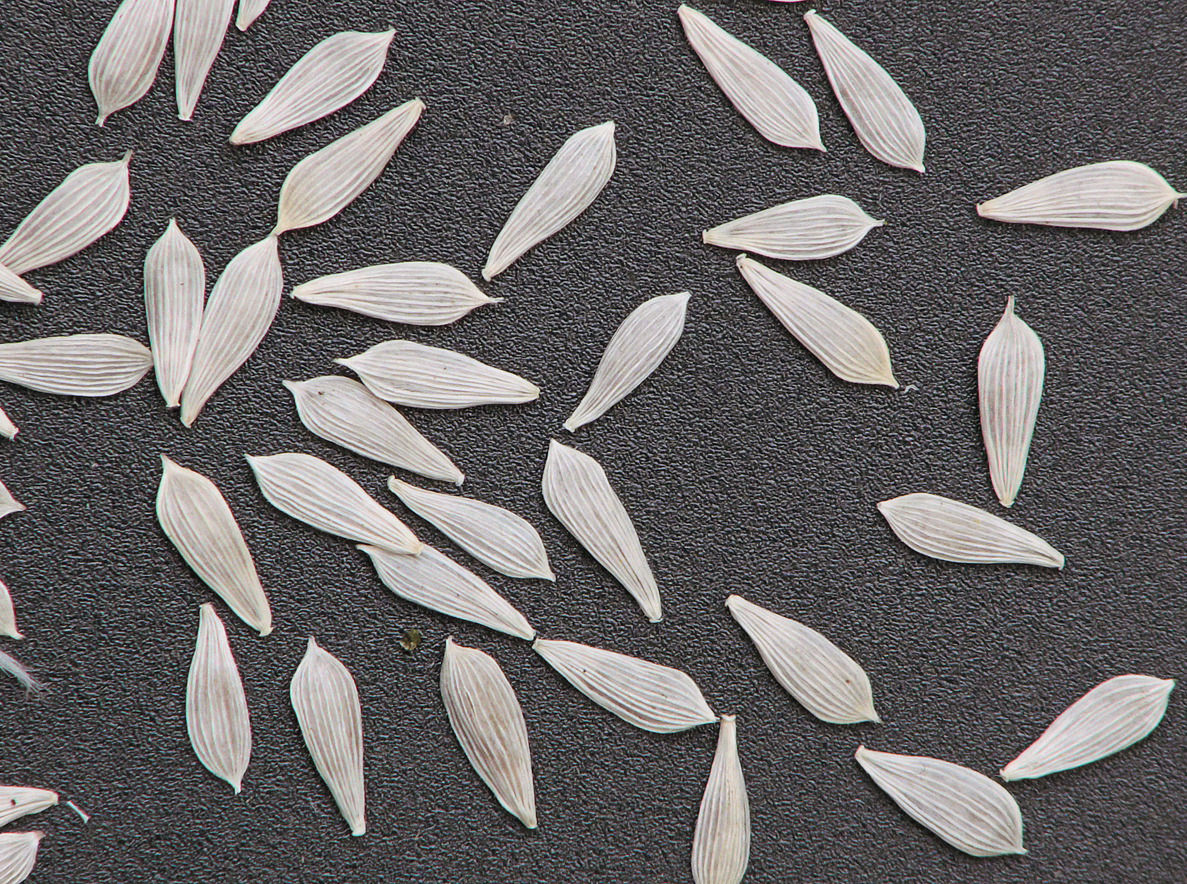
    Lettuce Seedlings-of-Lettuce Lettuce-farm Flower-bud-of-Lettuce Lettuce-flower Lettuce-leaves Lettuce-recipe Lettuce-salad Lettuce-seeds
    [Show thumbnails]

    Health Benefits of Lettuce

    Scientifically called Lactuca sativa was cultivated by Egyptians thousands of years ago. Seeds are used by Egyptians for producing oil and leaves were utilized as vegetable. The plant possesses religious and cultural significance in ancient Egypt which is regarded to be sacred. Later Romans and Greeks started the cultivation of this crop. In Europe during medieval times, lettuce is considered to possess medicinal properties which were mentioned in various medieval texts. It was recommended for disturbed blood pressure, bilious eructation, insomnia, loss of appetite and used as a tonic for digestive system and intestines and also to eliminate sexual urges. Dried latex of lettuce is used to promote sleep and used as nasal drops.

    1. Promotes metabolism

    Metabolism is the reaction which converts the food we have consumed into energy that provides power to the body for doing something. Food nutrients have supportive role as well as control the chemical reaction of metabolism system. Lettuce has vital role in improvement of body metabolism. It possesses magnesium, iron and potassium which promotes metabolism of the body. Moreover, it is a great source of B-complex that enhances metabolism system.

    1. Lower heart problems

    One must be aware and watch level of bad cholesterol in the body. The high presence of bad cholesterol results in cardiovascular diseases and other harmful diseases. Bad cholesterol causes strokes and heart attacks. Studies results the beta carotene and Vitamin C found in lettuce prevents the chances of cholesterol oxidation by preventing formation of plaques in artery walls that could block off and break the flow of blood. Potassium and fiber also assist in lowering level of cholesterol. Lettuce has fiber, potassium, beta-carotene and vitamin C which assist the heart condition.

    1. Lowers diabetes

    Lettuce is helpful to lower the chances of diabetes. Lettuce contains few calories which makes glycemic index considered as zero. Low glycemic index is great for people who watch the level of blood sugar. The low content of blood sugar lowers the chances of diabetes. Consumption of lettuce regularly prevents the chances of suffering from diabetes.

    1. Lower inflammation

    Inflammation affects dental issues, migraines and pain on pack which could be avoided with the consumption of lettuce. The extracts of lettuce acts as anti-inflammatory activity promoted by biocatalysts such as carrageenan and lipoxygenase. It is proved that lettuce has vital role to control inflammation.

    1. Prevent growth of cancer

    Lettuce leaf possesses various nutrients which help to control various types of cancer. Moreover, research shows that it controls cells of leukemia and breast cancer. Similarly, the consumption of lettuce is essential to eliminate 50% of leukemia cells. Lettuce contains Vitamin A which helps to prevent cancer that assist in dealing chances of mouth cancer and lung cancer.

    1. Prevent microbes

    Lettuce also possesses antimicrobial properties which is due to latex that deform upon yeasts. Biochemicals also assist body for acting as antimicrobial. This function is due to cardenolides and terpenes which defense the body from bad microbes. Addition of lettuce to the salad makes the healthier option for the body. Latex possesses antimicrobial activity.

    1. Promotes sleep

    The condition of insomnia and sleep problem has become common nowadays. The consumption of lettuce regularly helps to deal with this problem. It is due to lactuacarium which is a white fluid which comes out when the lettuce leaves are cut. It assists relaxation and promotes quality of sleep. It is also found that lactuacarium provides similar properties to opium. One should not be worried as it does not provide any toxic side effects.

    1. Treat Alzheimer’s disease

    An extract of lettuce provides control on neuron cell death which is caused by glucose or serum deprivation that assists in fighting Alzheimer’s disease. Neurons are vital parts of the body which has role in making memory. However lettuce acts as neuroprotector that could be an aid for neurodegenerative diseases. Lettuce is used as a food to counteract the chances of this disease.

    1. Elimination of toxins

    Lettuce is able to eliminate toxins which are due to minerals found in lettuce. It is able to balance acid. In addition, with the elimination of toxins in the body, only great substances are remained in the body. We could reap lots of health benefits from this lettuce.

    1. Antioxidant activity

    Studies show that lettuce contains antioxidants that scavenge free radicals. Antioxidants have various biochemicals that could be found in diet and is essential for human health. An antioxidant obstructs free radicals that are produced during cellular metabolism. Free radicals could attack healthy cells, tissues and DNA inside it. It could also mutate healthy cells into cancerous cells which could develop various diseases. Antioxidants counteract these free radicals and neutralizes it before attacks of free radicals exists.

    Traditional uses

    • In folk medicine, it is used to treat pain, tension, rheumatism, coughs and nervousness.
    • Use it internally for treating anxiety, insomnia, hyperactivity, neuroses, whooping cough, dry cough and rheumatic pain.
    • Use the sap externally for treating warts.

    How to Eat         

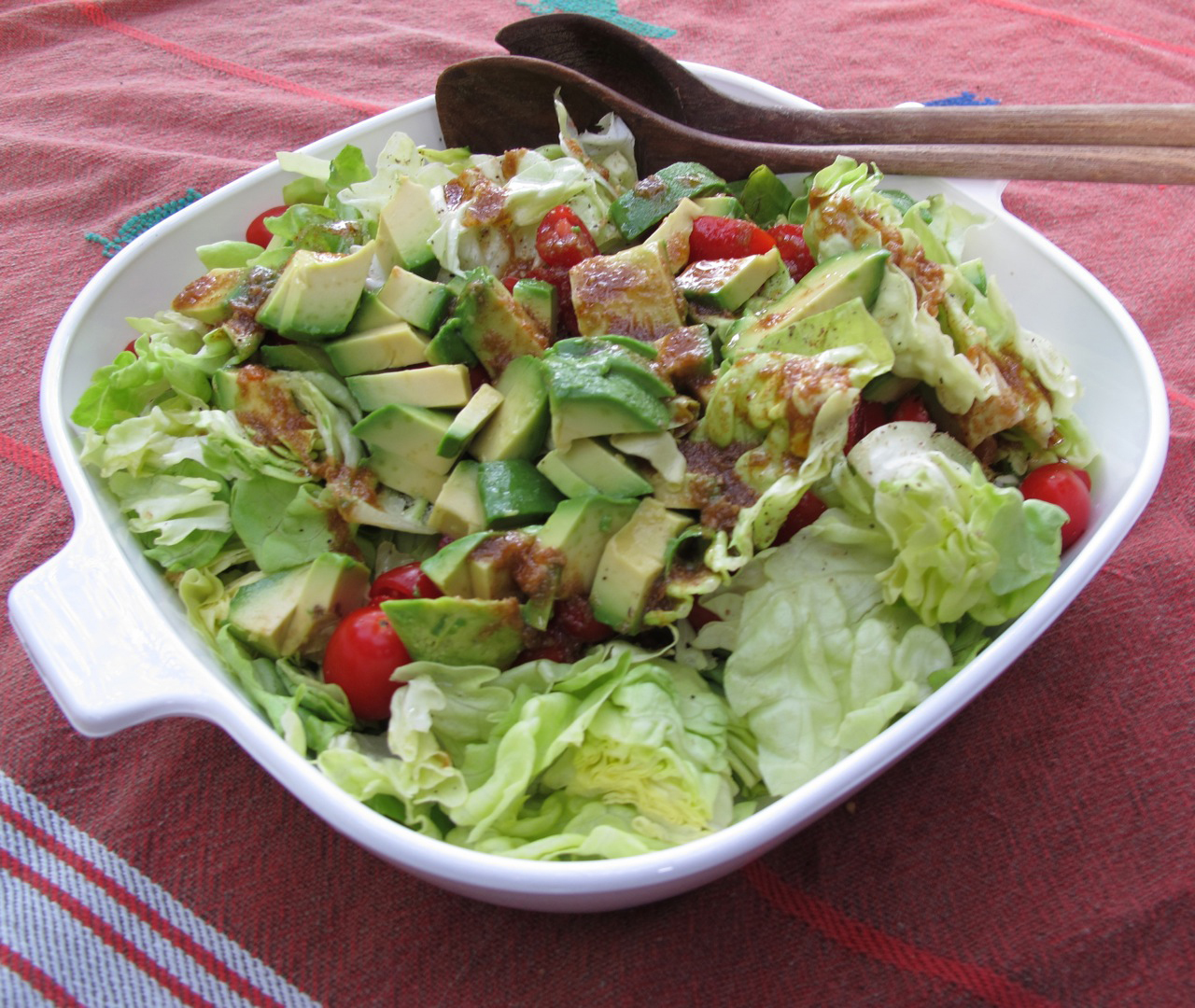
    • Lettuce is added to salads.
    • Leaves are braised, stuffed, cooked or softened with cream, butter or pureed.
    • Lettuce is used with vegetables, greens, cheese and meats.
    • Use it in sandwiches, soups and wraps.
    • It is used in meat dishes, bean curd and stir fry.
    • Lettuce is used in sandwiches, burgers and wraps.
    • Use entire head of lettuce in a smoothie.
    • Add lettuce to cheeseburger, baked salmon and chicken soup.
    • The head of lettuce could be used in smoothie. The fruits should be blended first and then only the lettuce leaves should be added to the smoothie. The smoothie could be made with the fruits such as strawberries, bananas and mangoes with the head of romaine lettuce.

    Types of Lettuce

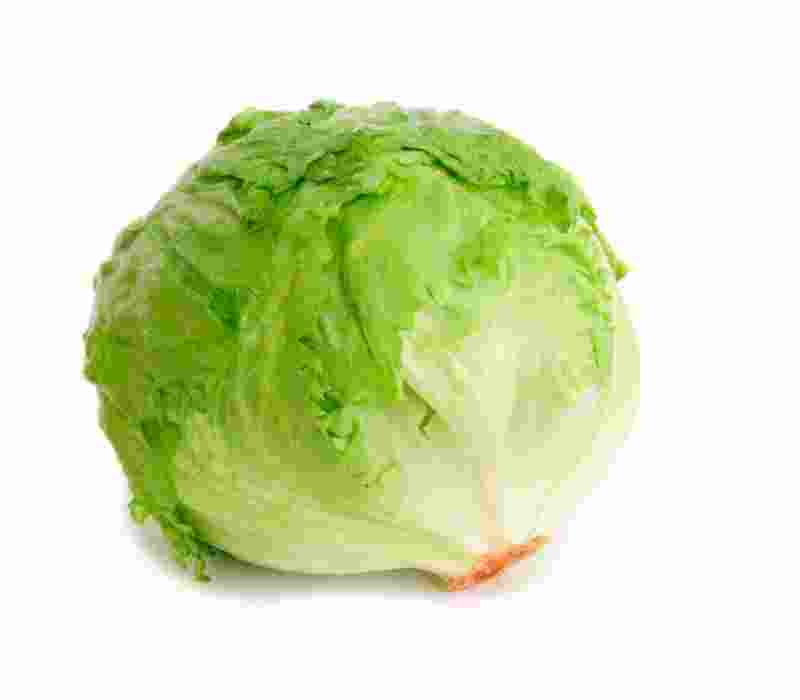
    Iceberg/ crisphead:

    Iceberg/ crisphead:The leaves are greener on the outside and whiter on inside. It has got crisp texture, with juicy and mild taste. It is rich in choline.

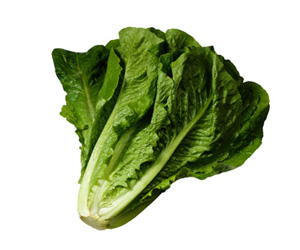
    Romaine lettuce:

    Romaine lettuceIt has long and deep green leaves. It has a deeper taste with crispy texture. It is rich in Vitamin C, B2, A and B1.

    Butterhead:

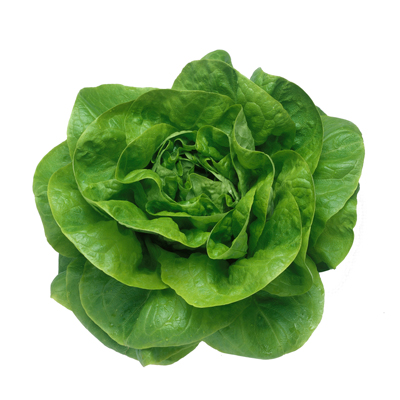
    ButterheadIt has loose large leaves which are separated from its stem easily. It has a sweet flavor with soft texture.

    Loose-leaf:

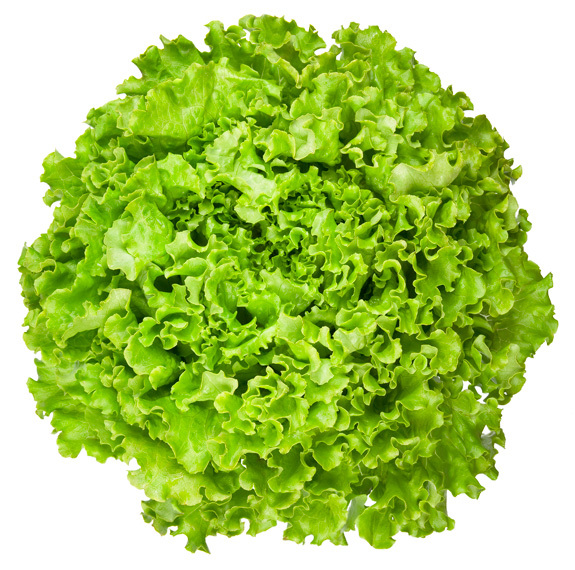
    Loose-leafIt has broad and curly loose leaves. It has a crispy texture with delicate taste.

    How to select and store

    Selection

    Whole heads lettuce are fresher and nutritious than loose leaves. The leaves should be tender, crisp and brightly colored. The veggies which are dark green are rich in folate, iron, vitamin C, beta-carotene, calcium and dietary fiber. The bunches having wilt, rust, holes, limp, spots should be avoided.

    Storage

    It does not last long. Green leaf lettuce could be stored for 4 days and iceberg and romaine lettuce could be stored for 10 days. It should be stored in an airtight container by unwashed and place it in the crisper section of refrigerator. It should not be kept with bananas, apples and pears. Lettuce should be placed moist in a damp paper towel or zip top bag by wrapping. It eliminates the dehydration of leaves without absorbing excess water.

    Tips for usage

    Lettuce in green, purple and red possess high nutritional value. It possesses Vitamin A and antioxidants such as lutein and carotenoids.

    Eating

    The tips to prepare lettuce are:

    • The leaves should be washed in cold water. It should not be washed in running water because the leaves might be damaged and it should be dried by patting the leaves.
    • The bunch should be pound core hard by placing it on the chopping board so that the leaves would be loosened and it will be easier to remove.
    • In one hand hold the core firmly and on another hold lettuce, the core should be twisted to separate the leaves.
    • The leaves should be placed in a salad pinner to dry. It should be teared so that it does not get bruised.
    • The salad should be dressed just before serving it so that the leaves are crispy.

    Lettuce recipe

    Lettuce Berries Salad

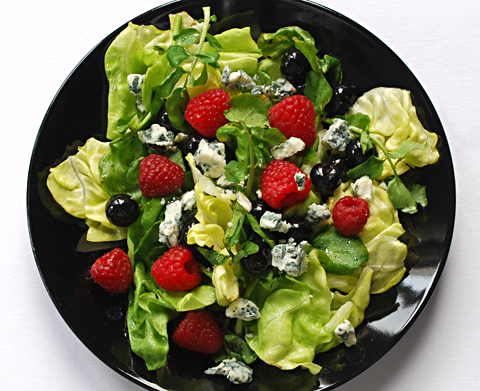
    Lettuce Berries SaladIt can be made by combining with the berries. The lettuce should be cleaned, washed, dried and chopped into the bite size pieces. Romaine lettuce or combination of iceberg lettuce and romaine lettuce could be used. Blackberries, strawberries, cranberries and blue berries could be used. 5-6 prunes, raisins, chopped almonds and few peeled orange stems should be added. This salad is loaded with minerals, antioxidants, vitamins, vitamin E and C. This salad also helps to manage the weight.

    Soy Lettuce Wraps

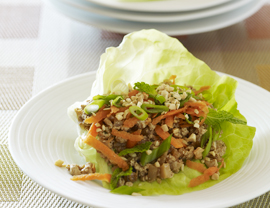
    Soy Lettuce WrapsHalf cup of soy granules should be added with salt and water. The chopped peppers, onions, spinach and carrots should sauté lightly in the olive oil. After removing the water from the soy, it should be added to the vegetables with cottage cheese crumble or tofu, salt, chopped green chillies, chopped jalapeno and black pepper powder. It should be cooked for 2-3 minutes. In one lettuce leaf, place this mix and wrap it by rolling the leaf and secure it with toothpick. The soy could be substituted with eggs or chicken.

    Coconut-papaya lettuce wraps

    Mince the raw papaya and fresh coconut. Heat some olive or coconut oil in a pan and add mustard seeds. When the seeds splatter, it should be removed from heat. It should be poured over the minced papaya and coconut. Mix it well. Salt, coriander leaves and chopped green chillies should be added. The minced carrots or chopped peppers could be added to the filling. Then wrap the lettuce leaves by filling it inside.

    Precautions 

    • It might cause allergies to some people.
    • Allergic people should not use it.

    Other Facts        

    • The largest producer of lettuce is China.
    • Crisphead, butterhead, romaine and looseleaf are four main types of lettuce.
    • Besides potatoes lettuce is the second popular vegetable.
    • Ancient kings of Persia consumed lettuce 2500 years ago.

    References:

    https://www.itis.gov/servlet/SingleRpt/SingleRpt?search_topic=TSN&search_value=36607#null

    https://www.cabi.org/isc/datasheet/29609

    http://servingjoy.com/fun-facts-of-lettuce/

    https://www.organicfacts.net/health-benefits/vegetable/health-benefits-of-lettuce.html

    https://www.organicfacts.net/health-benefits/vegetable/health-benefits-of-lettuce.html

    https://drhealthbenefits.com/food-bevarages/vegetables/health-benefits-of-lettuce

    78%
    78%
    Awesome

    Comments

    comments

    L Vegetables
    Share. Facebook Twitter Pinterest LinkedIn Tumblr Email
    Previous ArticleFacts and Benefits of Yellow Dock
    Next Article Facts and benefits of Tamarillo

    Related Posts

    Health benefits of Lollipop plant

    February 23, 2024

    Health benefits of African dream bean

    January 23, 2024

    Health benefits of Locust berry

    November 28, 2023

    Comments are closed.


    Facts of Lettuce

    Lettuce Quick Facts
    Name: Lettuce
    Scientific Name: Lactuca sativa
    Origin Lettuce is originated in Near East and Mediterranean and is commercially cultivated and home gardens worldwide for the leafy greens which is used widely as salad crop.
    Calories 5 Kcal./cup
    Major nutrients Vitamin K (37.92%)
    Vitamin A (19.00%)
    Manganese (3.91%)
    Iron (3.88%)
    Vitamin C (3.67%)
    Health benefits Promotes metabolism, Lower heart problems, Lowers diabetes, Lower inflammation, Prevent growth of cancer
    Name Lettuce
    Scientific Name Lactuca sativa
    Native Lettuce is originated in Near East and Mediterranean and is commercially cultivated and home gardens worldwide for the leafy greens which is used widely as salad crop.
    Common/English Name Cultivated lettuce, Garden lettuce, Lettuce, Thridace, Loose Leaf Lettuce ‘Lollo Bionda’
    Name in Other Languages Afrikaans: Blaarslaai, Blaaslaari;
    Chinese: Wōjù (莴苣);
    Czech: endivie letni, letni, Locika salàt, salat hlávkovy, šterbák letni;
    Danish: Havesalat, salat;
    Dutch: Sla;
    Finnish: salaatti;
    French: Laitue cultivée, Salade, Laitue scariole, Escarole;
    German: Gartensalat, Grüner Salat, Kopfsalat;
    Hungarian: Salàta;
    Italian: insalata, lattuga, lattuga a cappuccino, lattuga a testa, lattuga de taglio, lattuga romana, lattughetta;
    Japanese: abirako, chisa, chishana;
    Norwegian: Hagesalat;
    Polish: salata, salata do skubania, salata głowiasta, salata rzymska;
    Portuguese: Alface;
    Romanian: salată;
    Russian: laktuk, laktuk kočanyj, laktuk posevnoj, listovoj salat, rimskij laktuk, salat (салат), salat romjon, salat sparžebyj, sryvnoj salat, laktuk kochanyy (лактук кочаный), laktuk posevnoy (лактук посевной), listovoy salat (листовой салат), rimskiy laktuk (римский лактук), salat romyon (салат ромйон), salat sparzhebyy (салат спаржебый), sryvnoy salat (срывной салат);
    Spanish: lechuga, lechuga acogollada, lechuga cortar, lechuga repollada, lechuga romana, lechuguino;
    Swedish: sallat, trädgårdssallat;
    Turkish: Baş Salata, Marul ve salata;
    Welsh: letyce;
    Croatian: Pitoma loćika, Šalata;
    English: Lettuce, Garden lettuce;
    Greek: Marouli (Μαρούλι);
    Hebrew: Chasa tarbutit, Chasa;
    Hungarian: Fejessaláta, Kerti saláta,  Fejes saláta, Leveles saláta, Salàta;
    Persian: Khas;
    Serbian: Loćika, Pitoma loćika, Marula, Salata;
    Slovenian: Vrtna salata, Virhovka;
    Tagalog: Letsugas;
    Vietnamese: Salàt;
    Netherlands: sla, gewoone;
    Plant Growth Habit Leafy annual or perennial herb
    Soil Well-drained
    Leaves Light to dark green to reddish to purple, 15 cm (10 in) long
    Flowering Season July to August
    Flower Yellow composite
    Fruit shape & size Tan or black achenes
    Seed Small
    Major Nutritions Vitamin K (phylloquinone) 45.5 µg (37.92%)
    Vitamin A, RAE 133 µg (19.00%)
    Manganese, Mn 0.09 mg (3.91%)
    Iron, Fe 0.31 mg (3.88%)
    Vitamin C (Ascorbic acid) 3.3 mg (3.67%)
    Vitamin B9 (Folate) 14 µg (3.50%)
    Vitamin B6 (Pyridoxine) 0.032 mg (2.46%)
    Vitamin B2 (Riboflavin) 0.029 mg (2.23%)
    Vitamin B1 (Thiamin) 0.025 mg (2.08%)
    Isoleucine 0.03 g (1.79%)
    Calories in 1 cup shredded (36 g) 5 Kcal.

    Lettuce Scientific Classification

    Scientific Name: Lactuca sativa

    Rank Scientific Name & (Common Name)
    Kingdom Plantae (Plantes, Planta, Vegetal, plants)
    Subkingdom Viridiplantae
    Infrakingdom Streptophyta (Land plants)
    Superdivision Embryophyta
    Division Tracheophyta  (Vascular plants, tracheophytes)
    Class Magnoliopsida
    Subclass Asteridae
    Order Asterales
    Family Asteraceae (Sunflowers, tournesols)
    Genus Lactuca L. (Lettuce)
    Species Lactuca sativa L. (Garden lettuce, lettuce)
    Synonyms
    • Lactuca capitata (L.) DC.
    • Lactuca crispa (L.) Roth
    • Lactuca dregeana DC.
    • Lactuca laciniata Roth
    • Lactuca palmata Willd.
    • Lactuca sativa subsp. asparagina (L.H.Bailey) Janch.
    • Lactuca sativa subsp. capitata (L.) Schübl. & G.Martens
    • Lactuca sativa subsp. crispa (L.) Schübl. & G.Martens
    • Lactuca sativa subsp. longifolia (Lam.) Alef.
    • Lactuca sativa subsp. minii Hadidi
    • Lactuca sativa subsp. romana Schübl. & G.Martens
    • Lactuca sativa subsp. sativa
    • Lactuca sativa subsp. secalina Alef.
    • Lactuca sativa var. acephala Alef.
    • Lactuca sativa var. asparagina L. H. Bailey
    • Lactuca sativa var. aurescens
    • Lactuca sativa var. foliosa Bremer
    • Lactuca sativa var. integrifolia Irish
    • Lactuca sativa var. integrifolia Irish ex Stank.
    • Lactuca sativa var. pseudoscariola Schur
    • Lactuca scariola var. hortensis Bisch.
    • Lactuca scariola var. laciniata (Roth) Bisch.
    • Lactuca scariola var. sativa (L.) Boiss.
    • Lactuca scariola var. sativa Moris
    • Green leaf
    • Red leaf
    Nutritional value of Lettuce, green leaf, raw
    Serving Size: 1 cup shredded, 36 g

    Calories 5 Kcal. Calories from Fat 0.45 Kcal.


    Proximity Amount % DV
    Water 34.19 g N/D
    Energy 5 Kcal N/D
    Energy 22 kJ N/D
    Protein 0.49 g 0.98%
    Total Fat (lipid) 0.05 g 0.14%
    Ash 0.22 g N/D
    Carbohydrate 1.03 g 0.79%
    Total dietary Fiber 0.5 g 1.32%
    Total Sugars 0.28 g N/D
    Glucose (dextrose) 0.13 g N/D
    Fructose 0.15 g N/D

     
    Minerals Amount % DV
    Calcium, Ca 13 mg 1.30%
    Iron, Fe 0.31 mg 3.88%
    Magnesium, Mg 5 mg 1.19%
    Phosphorus, P 10 mg 1.43%
    Potassium, K 70 mg 1.49%
    Sodium, Na 10 mg 0.67%
    Zinc, Zn 0.06 mg 0.55%
    Copper, Cu 0.01 mg 1.11%
    Manganese, Mn 0.09 mg 3.91%
    Selenium, Se 0.2 µg 0.36%


    Vitamins Amount % DV
    Water soluble Vitamins
    Vitamin B1 (Thiamin) 0.025 mg 2.08%
    Vitamin B2 (Riboflavin) 0.029 mg 2.23%
    Vitamin B3 (Niacin) 0.135 mg 0.84%
    Vitamin B5 (Pantothenic acid) 0.048 mg 0.96%
    Vitamin B6 (Pyridoxine) 0.032 mg 2.46%
    Vitamin B9 (Folate) 14 µg 3.50%
    Folic Acid 0 µg N/D
    Folate, food 14 µg N/D
    Folate, DEF 14 µg N/D
    Choline 4.9 mg 0.89%
    Vitamin C (Ascorbic acid) 3.3 mg 3.67%
    Fat soluble Vitamins
    Vitamin A, RAE 133 µg 19.00%
    Vitamin A, IU 2666 IU N/D
    Beta Carotene 1599 µg N/D
    Betaine 0.1 mg N/D
    Lutein + zeaxanthin 623 µg N/D
    Vitamin E (alpha-tocopherol) 0.08 mg 0.53%
    Tocopherol, gamma 0.15 mg N/D
    Tocopherol, delta 0.01 mg N/D
    Vitamin K (phylloquinone) 45.5 µg 37.92%

     
    Lipids Amount % DV
    Fatty acids, total saturated 0.007 g N/D
    Palmitic acid 16:00 (Hexadecanoic acid) 0.006 g N/D
    Stearic acid 18:00 (Octadecanoic acid) 0.001 g N/D
    Fatty acids, total monounsaturated 0.002 g N/D
    Palmitoleic acid 16:1 (hexadecenoic acid) 0.001 g N/D
    Oleic acid 18:1 (octadecenoic acid) 0.002 g N/D
    Fatty acids, total polyunsaturated 0.03 g N/D
    Linoleic acid 18:2 (octadecadienoic acid) 0.009 g N/D
    Linolenic acid 18:3 (Octadecatrienoic acid) 0.021 g N/D
    Phytosterols 14 mg N/D

     
    Amino acids Amount % DV
    Tryptophan 0.003 g 0.68%
    Threonine 0.021 g 1.19%
    Isoleucine 0.03 g 1.79%
    Leucine 0.028 g 0.76%
    Lysine 0.03 g 0.90%
    Methionine 0.006 g N/D
    Cystine 0.006 g N/D
    Phenylalanine 0.02 g N/D
    Tyrosine 0.012 g N/D
    Valine 0.025 g 1.18%
    Arginine 0.026 g N/D
    Histidine 0.008 g 0.65%
    Alanine 0.02 g N/D
    Aspartic acid 0.051 g N/D
    Glutamic acid 0.066 g N/D
    Glycine 0.021 g N/D
    Proline 0.017 g N/D
    Serine 0.014 g N/D

     
    Flavones Amount % DV
    Luteolin 0.1 mg N/D


    Flavonols Amount % DV
    Quercetin 1.5 mg N/D

    *Above mentioned Percent Daily Values (%DVs) are based on 2,000 calorie diet intake. Daily values (DVs) may be different depending upon your daily calorie needs. Mentioned values are recommended by a U.S. Department of Agriculture. They are not healthbenefitstimes.com recommendations. Calculations are based on average age of 19 to 50 years and weighs 194 lbs.


    Source:
    https://ndb.nal.usda.gov/

    Nutritional value of Lettuce, red leaf, raw
    Serving Size: 1 cup shredded, 28 g

    Calories 4 Kcal. Calories from Fat 0.54 Kcal.


    Proximity Amount % DV
    Water 26.78 g N/D
    Energy 4 Kcal N/D
    Energy 19 kJ N/D
    Protein 0.37 g 0.74%
    Total Fat (lipid) 0.06 g 0.17%
    Ash 0.15 g N/D
    Carbohydrate 0.63 g 0.48%
    Total dietary Fiber 0.3 g 0.79%
    Total Sugars 0.13 g N/D
    Glucose (dextrose) 0.06 g N/D
    Fructose 0.08 g N/D

     
    Minerals Amount % DV
    Calcium, Ca 9 mg 0.90%
    Iron, Fe 0.34 mg 4.25%
    Magnesium, Mg 3 mg 0.71%
    Phosphorus, P 8 mg 1.14%
    Potassium, K 52 mg 1.11%
    Sodium, Na 7 mg 0.47%
    Zinc, Zn 0.06 mg 0.55%
    Copper, Cu 0.008 mg 0.89%
    Manganese, Mn 0.057 mg 2.48%
    Selenium, Se 0.4 µg 0.73%


    Vitamins Amount % DV
    Water soluble Vitamins
    Vitamin B1 (Thiamin) 0.018 mg 1.50%
    Vitamin B2 (Riboflavin) 0.022 mg 1.69%
    Vitamin B3 (Niacin) 0.09 mg 0.56%
    Vitamin B5 (Pantothenic acid) 0.04 mg 0.80%
    Vitamin B6 (Pyridoxine) 0.028 mg 2.15%
    Vitamin B9 (Folate) 10 µg 2.50%
    Folic Acid 0 µg N/D
    Folate, food 10 µg N/D
    Folate, DEF 10 µg N/D
    Choline 3.3 mg 0.60%
    Vitamin C (Ascorbic acid) 1 mg 1.11%
    Fat soluble Vitamins
    Vitamin A, RAE 105 µg 15.00%
    Vitamin A, IU 2098 IU N/D
    Beta Carotene 1259 µg N/D
    Betaine 0.1 mg N/D
    Lutein + zeaxanthin 483 µg N/D
    Vitamin E (alpha-tocopherol) 0.04 mg 0.27%
    Tocopherol, gamma 0.07 mg N/D
    Vitamin K (phylloquinone) 39.3 µg 32.75%

     
    Lipids Amount % DV
    Fatty acids, total saturated 0.005 g N/D
    Palmitic acid 16:00 (Hexadecanoic acid) 0.004 g N/D
    Stearic acid 18:00 (Octadecanoic acid) 0.001 g N/D
    Fatty acids, total monounsaturated 0.001 g N/D
    Oleic acid 18:1 (octadecenoic acid) 0.001 g N/D
    Fatty acids, total polyunsaturated 0.02 g N/D
    Linoleic acid 18:2 (octadecadienoic acid) 0.006 g N/D
    Linolenic acid 18:3 (Octadecatrienoic acid) 0.014 g N/D

     
    Amino acids Amount % DV
    Tryptophan 0.006 g 1.36%
    Threonine 0.013 g 0.74%
    Isoleucine 0.011 g 0.66%
    Leucine 0.02 g 0.54%
    Lysine 0.013 g 0.39%
    Methionine 0.004 g N/D
    Cystine 0.003 g N/D
    Phenylalanine 0.019 g N/D
    Tyrosine 0.008 g N/D
    Valine 0.013 g 0.62%
    Arginine 0.011 g N/D
    Histidine 0.005 g 0.41%
    Alanine 0.014 g N/D
    Aspartic acid 0.039 g N/D
    Glutamic acid 0.043 g N/D
    Glycine 0.013 g N/D
    Proline 0.011 g N/D
    Serine 0.012 g N/D

     
    Anthocyanidins Amount % DV
    Cyanidin 0.88 mg N/D

     
    Flavones Amount % DV
    Luteolin 0.3 mg N/D

     
    Flavonols Amount % DV
    Quercetin 2.1 mg N/D

    *Above mentioned Percent Daily Values (%DVs) are based on 2,000 calorie diet intake. Daily values (DVs) may be different depending upon your daily calorie needs. Mentioned values are recommended by a U.S. Department of Agriculture. They are not healthbenefitstimes.com recommendations. Calculations are based on average age of 19 to 50 years and weighs 194 lbs.


    Source:
    https://ndb.nal.usda.gov/

    WordPress Tabs
    Categories
    • Beverages (78)
    • Dairy (28)
    • Dental Health (15)
    • Equipment (5)
    • Essential OIls (196)
    • Facts (2,939)
    • Foods (255)
    • Fruits (516)
    • Giveaway (1)
    • Grains and Cereals (36)
    • Health & Beauty (763)
    • Herbs and Spices (1,249)
    • Medicines (9)
    • Mental Health (19)
    • Nutritional value (27)
    • Nuts and seeds (73)
    • Oils (81)
    • Pets (4)
    • Poultry & Seafoods (67)
    • Pulses and Beans (16)
    • Reviews (25)
    • supplement (2)
    • Vegetables (304)
    • Weight Loss (22)

    What is Lupin Bean Flour?

    Science Backed Health Benefits of Durian (Durio zibethinus)

    Science Backed Health Benefits of Feijoa (Pineapple Guava) (Acca sellowiana)

    Science Backed Health Benefits of Gac Fruit (Momordica cochinchinensis)

    Science Backed Health Benefits of Amaranth Leaves (Amaranthus spp)

    Science Backed Health Benefits of Arrowhead (Sagittaria sagittifolia)

    ABOUT
    Home
    About us
    Contact us
    Privacy Policy
    Terms & conditions
    Disclaimer
    Direct Communication
    e-mail: [email protected]
    Gmail: [email protected]
    Whatsapp: +977-9841146511
    Viber: +977-9841146511
    Useful
    Health Wiki
    Nutrition
    Facebook Twitter Pinterest
    © 2025 www.healthbenefitstimes.com All rights reserved.

    Type above and press Enter to search. Press Esc to cancel.

    ×

    Log In

    Forgot Password?

    Not registered yet? Create an Account