

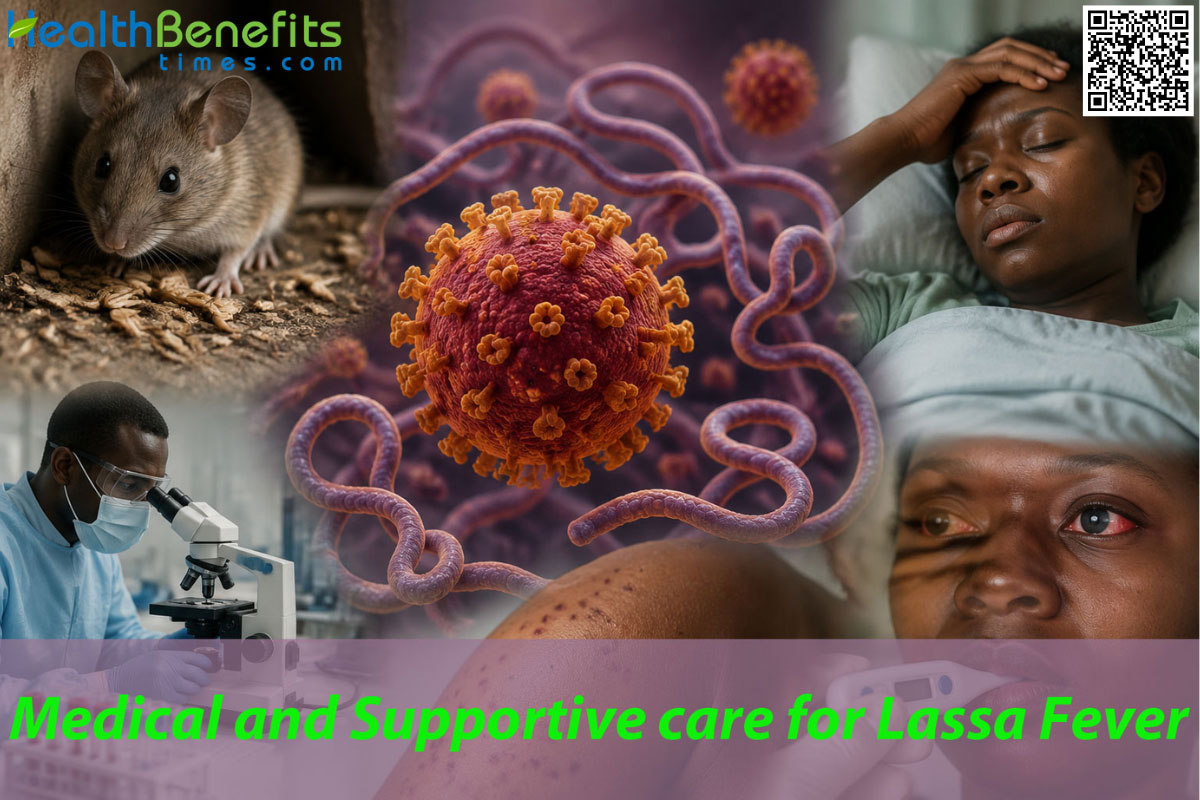
Understanding a new health topic can sometimes feel overwhelming, but learning the basics is the very best way to protect yourself and your community. Simply put, Lassa fever is a sickness caused by a specific virus that is mostly found in West African countries 1.
Remarkably, about eight out of every ten people who catch this germ will only feel a little bit sick, or they might not even notice any signs of being unwell at all 2. However, for the remaining two out of ten individuals, the infection can become quite serious and affect important body parts like the liver, kidneys, and spleen.
The illness gets its name from a small town in Nigeria where doctors first recognized it many decades ago in 1969 3. Because the early signs of the sickness look a lot like other common fevers, such as malaria, it can sometimes be tricky for doctors to figure out what is wrong right away. When people do get very sick, they need to stay in the hospital so that expert nurses and doctors can give them the careful, supportive help their bodies need to heal safely.
Causes of Lassa Fever
Discovering how this illness begins helps us understand why certain everyday habits are so important for our health. The illness moves from the animal world into human homes through a few specific pathways.
1. The Multimammate Rat Connection
The main carrier of this germ is a specific type of rodent known as the Mastomys rat, which naturally lives in fields and forests but often sneaks into human houses looking for food 4. These rats do not get sick from the virus themselves, but they carry it in their bodies for their entire lives, leaving the germs behind wherever they travel.
2. Contaminated Food and Household Items
People most often catch the sickness by accidentally eating food, drinking water, or touching dishes that have been dirtied by the urine or droppings of these infected rats 5. If a rat scurries over a sack of rice or a cooking pot in the night, the invisible germs are left behind for a person to unknowingly touch the next day.
3. Direct Contact with a Sick Person
Although it is less common than catching it from a rat, the germ can spread from one human to another if someone touches the blood, vomit, or other wet body fluids of a person who is currently very ill 6. This means that family members lovingly caring for a sick relative at home are at a high risk if they do not know how to protect their bare hands.
4. Unsafe Hospital Environments
Sometimes, the sickness spreads inside medical clinics if the doctors and nurses do not have enough protective gear, like gloves and masks, or if medical tools are not perfectly cleaned between patients 7. When proper hygiene rules are hard to follow, a single sick patient can accidentally pass the germ to healthcare workers.
5. Hunting and Preparing Rats
In certain rural farming communities, catching and preparing these specific wild rats to eat is a normal practice. Handling the raw meat and blood of the rodent during cooking preparation provides a direct and dangerous path for the virus to enter tiny cuts on a person’s hands 8.
Symptoms of Lassa Fever
Paying close attention to how the body feels is crucial, as the signs of this illness slowly appear one to three weeks after a person is exposed to the germ.
1. Early and Mild Signs
- A slow, creeping fever that makes the body feel unusually warm.
- A general sense of feeling tired, heavy, or completely worn out.
- A scratchy, sore throat that might feel like a common winter cold.
- Dull, aching muscles and a throbbing headache.
- A dry cough that tickles the chest.
2. Severe and Worsening Signs
- Painful stomach cramps accompanied by intense nausea.
- Frequent throwing up and watery diarrhea, which quickly drains the body’s energy.
- A tight, squeezing pain in the chest or lower back.
- Puffy, swollen areas around the face and neck.
- Difficulty catching a deep breath.
3. Dangerous Late-Stage Signs
- Unexplained bleeding from the gums, inside the nose, or in the eyes.
- Extreme confusion, restlessness, or feeling like the room is spinning.
- Sudden seizures or shaking fits.
- A sudden drop in blood pressure that makes standing up impossible.
- Sudden hearing loss, which can happen even as the person starts to feel better.
Lassa Fever Facts
| Symptoms |
|
| Causes |
|
| Types of Lassa Fever |
|
| How does spread |
|
| Age Group |
|
| You might be at a higher risk for exposure of this disease if you: |
|
| How doctors diagnose |
|
| Other facts |
|
Medical and Supportive care for Lassa Fever
When someone becomes seriously ill with this virus, their body fights a massive internal battle that requires immediate, expert help in a hospital. Doctors do not just give one magical pill; instead, they use a combination of medicines and gentle support techniques to keep the patient’s body strong while the immune system works to clear the germ.
1. The Antiviral Medicine (Ribavirin)
Catching the illness early gives doctors the chance to use a special medicine designed to fight viruses, known as ribavirin. When this medicine is given directly into a patient’s bloodstream during the first six days of feeling sick, it drastically improves their chances of getting better 9. The medicine works by confusing the virus, making it very difficult for the germ to multiply and spread further into healthy organs. Patients usually receive a large initial dose to jump-start the healing process, followed by smaller, regular doses over the course of about ten days 10. Because the medicine is so powerful, doctors constantly check the patient’s blood to make sure it is working safely.
Note: This antiviral medicine is commonly given through a small tube in the vein to stop the virus from making copies of itself, acting as a powerful remedial tool to help the immune system gain the upper hand.
2. Intravenous (IV) Fluids and Rehydration
Losing water is one of the biggest dangers of this sickness, as patients often sweat from high fevers and lose fluids through throwing up and diarrhea. To fix this, nurses gently place a tiny, soft plastic tube into a vein in the patient’s arm to deliver clean, sterile water mixed with a perfect balance of salt 11. This process, called IV hydration, acts like a fast-flowing river, refilling the body’s empty tanks much quicker than drinking a glass of water ever could. It keeps the blood flowing smoothly so that vital organs like the heart and brain never dry out.
Note: A sterile saltwater mixture is commonly applied directly into the bloodstream to quickly replace lost body fluids, offering essential remedial benefits by keeping the heart and organs pumping smoothly.
3. Balancing Essential Body Salts (Electrolytes)
Inside our blood, we have tiny, invisible minerals called electrolytes—like potassium, sodium, and calcium—that act like tiny batteries keeping our muscles and nerves working. When a patient is very sick with stomach troubles, these batteries drain rapidly, which can cause the heart to beat out of rhythm or muscles to cramp painfully 12. Hospital laboratories test the patient’s blood every day to see which specific minerals are missing. The medical team then creates a custom liquid blend of these missing salts and slowly drips them back into the patient’s body to restore perfect harmony 13.
Note: A customized liquid blend of minerals is commonly used as a restorative drink or IV drip to replace lost salts, providing the medicinal benefit of keeping the heart beating in a safe, steady rhythm.
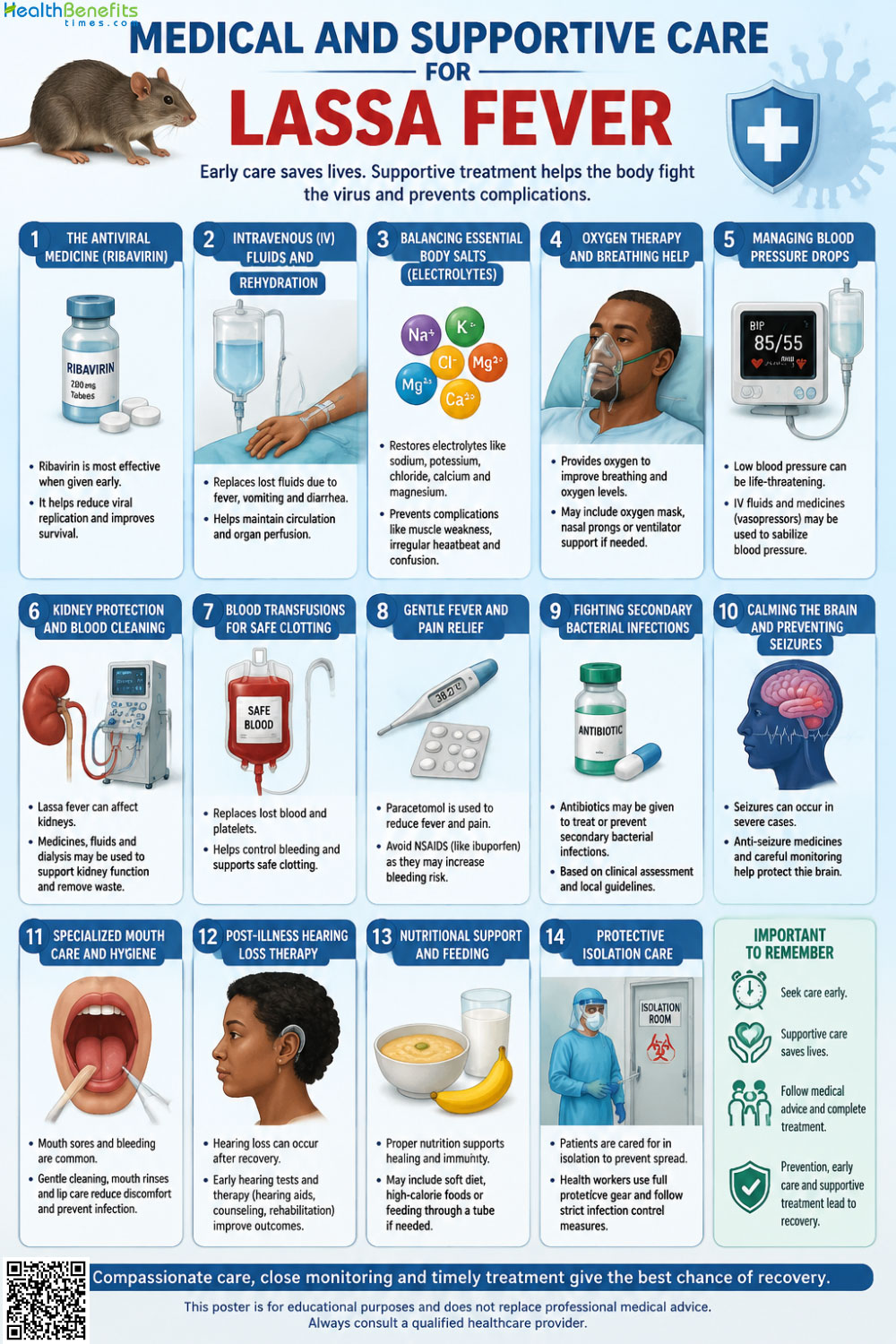
4. Oxygen Therapy and Breathing Help
Sometimes the virus makes the lungs heavy with extra fluid, or the body simply becomes too exhausted to take deep, full breaths. When a patient is struggling for air, nurses will place a soft plastic mask over their nose and mouth or use tiny tubes resting just inside the nostrils to deliver pure, concentrated oxygen 14. This extra boost of fresh air takes the hard work out of breathing, ensuring that the brain and tissues get the fuel they need without forcing the chest muscles to strain. In the absolute most severe moments, a special breathing machine might be used temporarily to let the lungs completely rest.
Note: Concentrated, pure air is commonly applied through a soft face mask to deliver extra oxygen to the lungs, providing the remedial benefit of taking away the feeling of breathlessness and protecting the brain.
5. Managing Blood Pressure Drops
The virus has a tricky way of making the tiny blood vessels in the body slightly leaky, which causes blood pressure to plummet to dangerously low levels. When blood pressure drops, the heart cannot push blood all the way to the tips of the fingers or up to the brain. To stop this, doctors use specialized medicines in the intensive care unit that gently squeeze the blood vessels tight again 15. By firming up the walls of the blood pipes, these medicines ensure that the blood stays inside the vessels and flows strongly to every corner of the body.
Note: Specialized vessel-squeezing medicines are commonly used in an IV drip to raise dropping blood pressure, offering the medicinal benefit of keeping blood flowing strongly to vital organs.
6. Kidney Protection and Blood Cleaning
Because the kidneys act as the body’s natural washing machines, they take a heavy beating when the blood is full of viral germs and toxins. Doctors keep a very close eye on how much urine the patient makes; if the patient stops going to the bathroom, it means the kidneys are too tired to clean the blood 16. If the kidneys completely pause their work, the hospital can use a dialysis machine. This amazing piece of technology temporarily takes over the kidney’s job, routing the blood through a gentle cleaning filter outside the body before returning it safely back inside.
Note: A mechanical dialysis filter is commonly applied to temporarily wash the patient’s blood outside their body, providing the remedial benefit of removing dangerous waste when the kidneys need to rest.
7. Blood Transfusions for Safe Clotting
A hallmark of this specific illness is that it makes it very hard for the body to stop bleeding, meaning even a tiny scrape or a nosebleed can become a serious problem. If a patient loses too much blood, they can become terribly pale and weak. The medical team will match the patient’s blood type and give them a blood transfusion, which is like receiving a fresh delivery of healthy red cells and clotting helpers from a kind donor 7. This fresh blood patches up the internal leaks and brings back the rosy color to the patient’s cheeks.
Note: Donated, healthy blood is commonly used in an IV line to replace what the patient has lost, offering the medicinal benefit of restoring energy and stopping dangerous internal bleeding.
8. Gentle Fever and Pain Relief
Living with a soaring body temperature and aching joints is miserable, so keeping the patient comfortable is a top priority for the nursing staff. However, because the patient is already at risk for bleeding, doctors must avoid common household pain pills like aspirin or ibuprofen, which accidentally thin the blood further 10. Instead, they use very precise, safe doses of acetaminophen to turn down the body’s thermostat. Nurses also use simple, comforting tricks like placing cool, damp cloths on the patient’s forehead to draw the heat out naturally.
Note: Safe, non-thinning pain relievers and cool compresses are commonly used together to gently lower body heat, providing the remedial benefit of easing severe muscle aches without causing bleeding.
9. Fighting Secondary Bacterial Infections
When the immune system is entirely focused on fighting the massive viral invader, it sometimes forgets to watch out for ordinary, everyday bacteria. It is very common for patients to suddenly develop a completely different sickness, like a chest infection or a urinary bug, while they are lying in the hospital bed. To protect the patient from fighting a war on two fronts, doctors will often prescribe broad-spectrum antibiotics 17. These bacteria-fighting medicines act like security guards, wiping out any sneaky bacterial bugs before they can cause extra trouble.
Note: Antibiotic medicines are commonly used in pill or liquid form to hunt down bacterial germs, offering the medicinal benefit of preventing a second, opportunistic sickness from attacking a weakened body.
10. Calming the Brain and Preventing Seizures
In severe stages of the illness, the virus can irritate the brain, causing the patient to feel very confused, see things that aren’t there, or suffer from full-body shaking fits called seizures. Brain safety is critical, so doctors administer special anticonvulsant medicines to calm the electrical storms happening inside the patient’s head 10. Furthermore, nurses will keep the hospital room very quiet, dim the bright ceiling lights, and speak in soft, reassuring voices to avoid startling the patient’s extra-sensitive nervous system.
Note: Anticonvulsant medications are commonly applied through a vein or as a pill to quiet brain irritation, providing the medicinal benefit of stopping dangerous shaking fits and allowing the mind to rest peacefully.
11. Specialized Mouth Care and Hygiene
The soft, pink tissues inside the mouth and throat become incredibly sore, red, and swollen during this illness, making it painful to swallow or even speak. Because brushing with a regular, stiff toothbrush would cause the gums to bleed terribly, nurses use a much softer approach. They gently swab the inside of the mouth with soft cotton balls dipped in clean, soothing water or a mild medical rinse 10. This gentle cleaning washes away bad breath and germs, keeping the mouth fresh without causing any tiny cuts.
Note: Soft cotton swabs soaked in mild water are commonly used to gently clean the teeth and gums, offering the remedial benefit of preventing painful mouth infections without triggering severe bleeding.
12. Post-Illness Hearing Loss Therapy
One of the most surprising and sad things about this virus is that it can damage the tiny, delicate nerves deep inside the ears, causing sudden deafness that might happen right as the patient feels they are cured. Doctors test the hearing of survivors carefully. Sometimes, they use special steroid medicines or vitamins designed to reduce swelling around the ear nerves in hopes of saving the person’s hearing 18. If the hearing does not return, the care team works to fit the patient with hearing aids and teaches them new ways to communicate with their loved ones.
Note: Specialized nerve-calming vitamins and steroids are commonly used soon after the illness fades, providing the medicinal benefit of reducing inner-ear swelling to help save the patient’s hearing.
13. Nutritional Support and Feeding
Fighting a serious illness burns an enormous amount of calories, but a sore throat and upset stomach make eating a normal meal impossible. Nutritionists in the hospital design special, easy-to-swallow liquid diets packed with high-energy proteins and vitamins to keep the patient’s muscles from wasting away 19. If the patient is too weak to swallow at all, nurses might place a tiny, soft feeding tube down the nose directly into the stomach to ensure the body gets the fuel it desperately needs to rebuild damaged cells.
Note: High-protein liquid nutrition shakes are commonly applied directly through a drinking straw or soft feeding tube, offering the remedial benefit of rebuilding weak muscles and giving the body energy to heal.
14. Protective Isolation Care
Keeping the sickness from spreading to visitors and hospital workers is just as important as treating the patient. The patient is placed in a calm, private room, and anyone who enters must wear a protective plastic gown, two pairs of gloves, a face mask, and clear goggles over their eyes 20. This is called barrier nursing. While it might look a little scary to see doctors dressed like astronauts, this physical barrier is an incredibly effective way to wrap the patient in a bubble of safety, ensuring they get all the care they need without accidentally passing the germ to their caregivers.
Note: Full-body protective suits and face shields are commonly used by doctors and nurses whenever they enter the room, offering the remedial benefit of safely providing close, hands-on care without spreading the dangerous germ.
Foods and Activities to Avoid When You Suffer from Lassa Fever
When you are finally home and trying to recover from this serious illness, your body is still very fragile. You must treat yourself gently and avoid things that could accidentally slow down your healing or cause a dangerous setback.
1. Skip Caffeinated Drinks
You should stay away from coffee, strong black teas, and energetic sodas. Caffeine acts as a diuretic, which is a fancy way of saying it forces your body to pee out water too quickly, leaving you dehydrated when you desperately need to keep your fluid levels high 21.
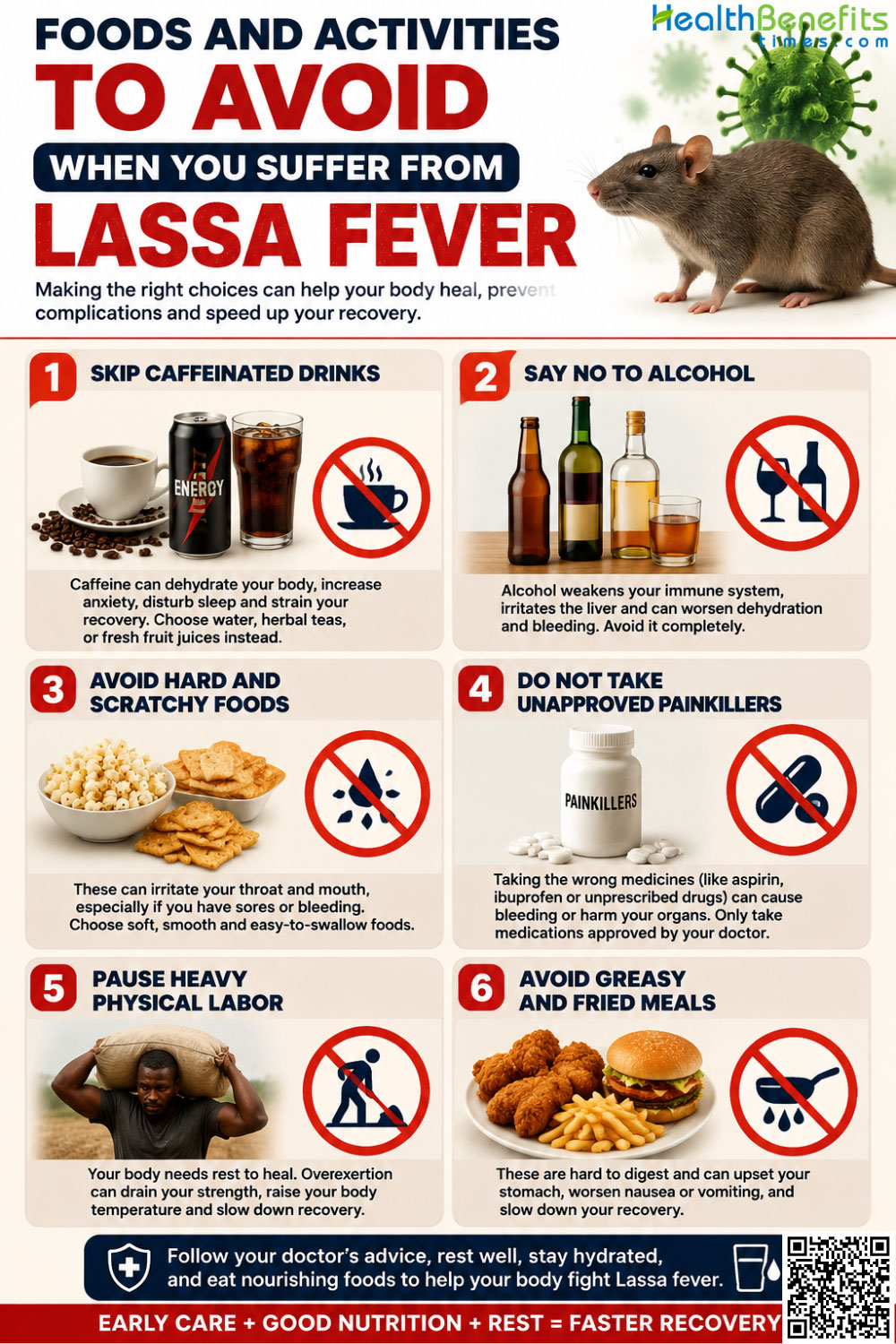
2. Say No to Alcohol
You must completely avoid beer, wine, and liquor. Your liver has just fought a massive battle against the virus, and drinking alcohol forces this tired organ to work overtime processing toxins, which can lead to severe liver damage.
3. Avoid Hard and Scratchy Foods
You should skip eating raw carrots, hard crackers, or overly crusty breads. The soft lining of your throat and stomach might still be sore and swollen, and sharp foods can accidentally scrape these tender areas and cause bleeding.
4. Do Not Take Unapproved Painkillers
You must absolutely avoid taking everyday pain medicines like aspirin, ibuprofen, or naproxen unless a doctor specifically hands them to you. These common pills naturally thin your blood, which is incredibly dangerous when you are recovering from a bleeding sickness 10.
5. Pause Heavy Physical Labor
You need to avoid lifting heavy buckets of water, working long hours in the hot sun, or doing intense exercise. Your heart and lungs need quiet time to repair the tiny damages caused by the fever, and pushing yourself too hard can cause you to faint or relapse 22.
6. Avoid Greasy and Fried Meals
You should stay clear of heavy, oily foods that sit like a rock in your stomach. Since the virus causes intense tummy troubles, eating light, easy-to-digest foods like plain rice or soup is much kinder to your healing digestive system 23.
Myths and Misconceptions
| Myth | Reality |
| Mosquito bites cause the illness.
24. |
The sickness is completely unrelated to flying insects; it is carried by a specific rat, and humans catch it from the rat’s droppings or urine, not from bug bites |
| All hot fevers mean you have the virus.
25. |
Many everyday illnesses, like a simple chest cold or a bad case of malaria, cause high fevers; only a special laboratory blood test can prove you have this exact germ |
| Witchcraft or a spiritual curse makes you sick. | This is a real, biological sickness caused by an invisible germ, and it requires modern hospital medicine and hydration to cure, not spiritual cleansing. |
| You can catch it just by looking at someone. | The germ cannot fly across a room like a magic spell; it only spreads if you physically touch the wet bodily fluids, like blood or vomit, of someone who is currently very ill. |
| Only rural village farmers get sick. | While farm areas have more rats, anyone who lives in or travels to an affected region, including wealthy city dwellers and hospital workers, can catch it if they are exposed. |
| Once your fever breaks, you are instantly cured. | Survivors can still hold the virus in certain body fluids for weeks after feeling better, and they might need long-term help for lingering problems like deafness. |
| Drinking strong alcohol kills the virus in your stomach. | Alcohol does absolutely nothing to kill a virus that is swimming in your bloodstream; in fact, it only poisons your liver and makes you much weaker. |
| If you survive, you will never get sick with anything again. | While surviving gives you some protection against catching this exact virus a second time, it does not give you a magic shield against malaria, the flu, or other common sicknesses. |
Special Considerations
Treating this illness is not a one-size-fits-all situation. Doctors must change their approach depending on the age and underlying health of the person lying in the hospital bed.
1. Children
Young boys and girls have tiny bodies with much less blood volume than adults, making them incredibly vulnerable to sudden dehydration. When a child catches the virus, they often develop scary swelling around their face and neck, which can quickly block their small airways and make it hard for them to breathe 5. Doctors must use special, tiny IV drips to give children exactly the right amount of fluid too much water can hurt their heart, but too little leaves their kidneys dry. Furthermore, because toddlers love to put their hands in their mouths, keeping their hands perfectly clean while they are in the hospital is a constant, challenging job for the nursing staff.
2. Pregnancy
Expectant mothers face one of the most heartbreaking challenges when this virus strikes, as the germ aggressively attacks the womb and the growing baby. Tragically, the vast majority of unborn babies do not survive the infection, leading to a high rate of miscarriage 6. For the mother, the risk of bleeding to death during a miscarriage or delivery is exceptionally high because the virus destroys the blood’s ability to clot. To save the mother’s life, specialized pregnancy doctors must work closely with infectious disease experts to quickly clear the womb and provide massive blood transfusions to keep the mother stable 28.
3. Chronic Conditions
People who already live with daily health struggles, like diabetes or high blood pressure, find fighting off a severe viral infection much harder. For a diabetic patient, the immense stress of the fever can cause their blood sugar levels to skyrocket out of control, leading to a dangerous state called a hyperglycemic crisis 29. For those with heart or blood pressure problems, the sudden shifts in body fluids caused by vomiting and IV drips can accidentally overwork an already tired heart. Doctors have to carefully juggle the patient’s normal, everyday pills with the strong antiviral medicines to ensure they do not accidentally mix and cause a bad reaction.
4. Elderly
As we grow into our senior years, our immune system naturally slows down, making it much harder for older adults to quickly fight off a rapidly multiplying virus. Elderly patients have a much higher risk of dying from the sickness because their older kidneys and livers are less able to handle the shock of the infection 30. Their blood vessels are also more delicate, which increases the likelihood of severe, unstoppable internal bleeding. Consequently, grandmothers and grandfathers require the gentlest, most observant care, often spending a much longer time resting in the hospital to ensure their organs fully recover.
Precaution before use of natural remedies when you have Lassa Fever
When you are feeling terribly sick, it is natural to want to drink a comforting herbal tea or chew on a traditional root to feel better. However, when dealing with a serious bleeding fever, mixing unapproved natural herbs with your hospital care can be a deadly mistake.
1. Always Talk to Your Doctor First
You must tell the hospital staff about any natural leaves, powders, or teas you have consumed at home. Your doctors need to know exactly what is in your stomach so they can make sure the hospital medicines will not mix badly with your home remedies 31.
2. Beware of Herbs that Thin the Blood
You should absolutely avoid popular natural supplements like garlic pills, ginger extract, ginseng, or ginkgo biloba. While these are usually healthy, they naturally thin human blood, which can trigger massive, unstoppable bleeding when you have this specific virus 32.
3. Protect Your Overworked Liver
You must avoid drinking strong, unregulated herbal concoctions meant to “cleanse” the body. Your liver is already fighting for its life against the virus, and forcing it to process unknown, heavy botanical chemicals can push the organ into complete failure 33.
4. Do Not Let Herbs Delay Real Care
You must never decide to stay home and try to cure yourself with natural roots instead of going to the clinic. Delaying real hospital hydration and the proven antiviral medicine by even a single day drastically increases your chances of not surviving the sickness 7.
5. Watch Out for Hidden Aspirin in Plants
You need to be aware that certain natural barks and roots, like willow bark, contain chemicals that are exactly the same as aspirin. Taking these natural pain relievers will block your blood from clotting and put you in grave danger 34.
When to see a Doctor
Knowing the exact moment to stop resting at home and rush to a medical clinic is the most important decision you can make for your own survival. You must seek emergency medical help immediately if you or a loved one notice any of these severe warning signs:
1. A Stubborn, Burning Fever
You should go to the clinic if your body feels like it is on fire and the high temperature refuses to go away, even after resting and drinking cool water for a few days 35.
2. Any Unexplained Bleeding
You must seek emergency help the second you notice blood in your pee, dark black stool in the toilet, or sudden, unprovoked bleeding trickling from your gums or nose 3.
3. A Tight, Heavy Chest
You need to see a doctor quickly if you find yourself gasping for air like a fish out of water, or if every breath feels like a heavy weight is pressing down on your lungs 6.
4. Agonizing Tummy Pain
You should not ignore a sudden, sharp pain in your stomach or lower back that makes you double over, especially if it is paired with non-stop throwing up that prevents you from keeping even a sip of water down.
5. A Sudden Silence in Your Ears
You must tell a doctor immediately if you hear a loud ringing in your ears or suddenly realize that voices sound muffled or completely silent, as early help might save your hearing 36.
6. Extreme Weakness and Confusion
You need immediate rescue if you become so dizzy you cannot stand up, or if your family notices you are talking nonsense, staring blankly, or experiencing scary shaking fits.