

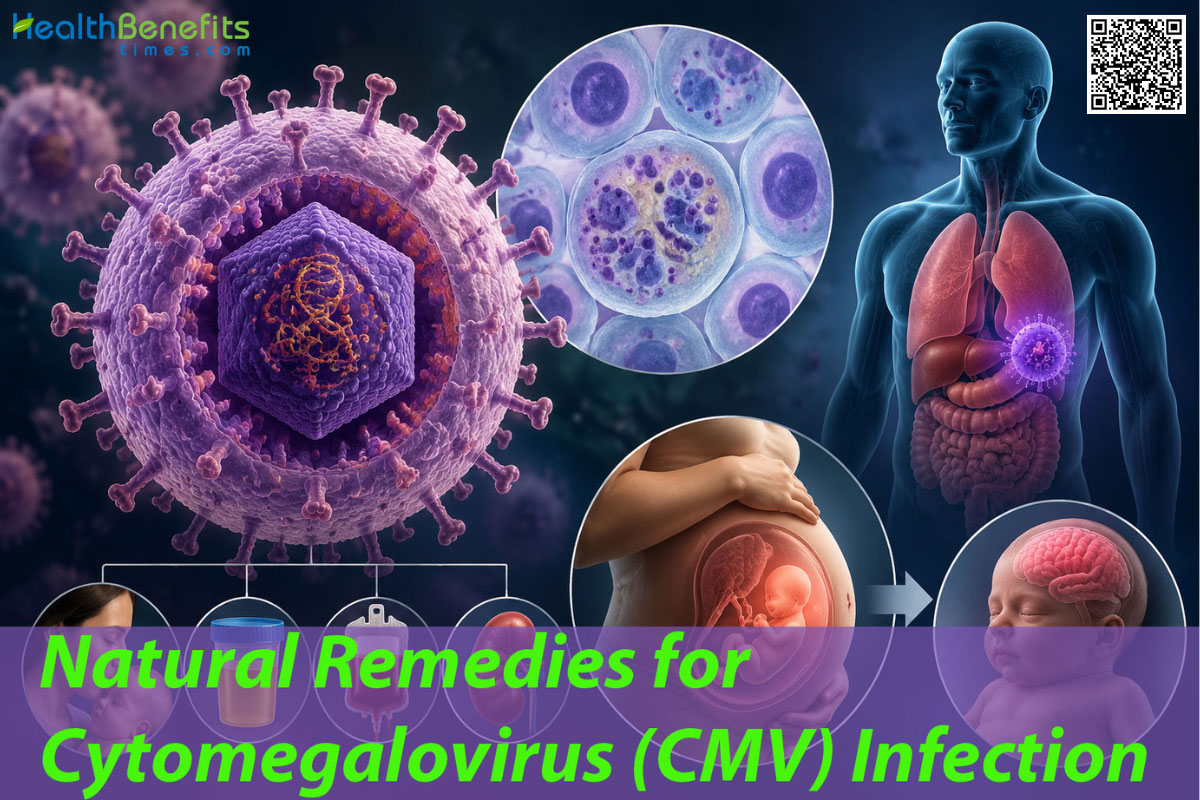
CMV is one of the most common viruses in the world and most people who carry it have no idea 1. Its full name is Cytomegalovirus, though it’s almost always just called CMV. It belongs to the herpesvirus family, the same group that includes the virus behind chickenpox. Once it enters the body, it stays there for life quietly dormant, causing no symptoms and doing no damage 2. For most healthy people, the immune system simply keeps it in check 3. Nearly one in three children is already infected by age five, and more than half of all adults carry it by age forty 4. For the majority, it’s a lifelong, silent passenger. But for pregnant women, unborn babies, and people with weakened immune systems, it needs careful medical attention.
Causes of Cytomegalovirus (CMV) Infection
Understanding exactly how this invisible germ travels from one person to another serves as the greatest tool for everyday prevention. The primary cause of a CMV infection is the human herpesvirus-5 (HHV-5), a highly adapted organism that relies on direct, physical contact with infected bodily fluids to successfully spread from host to host 5. This virus does not float freely in the air like the common cold, but instead requires specific pathways to enter a new body.
1. Direct Contact with Saliva and Urine
Sharing everyday moments with toddlers often involves encountering their bodily fluids, which happens to be the most frequent pathway for viral transmission. Young children frequently shed the virus in their spit and pee for many months after their initial exposure 6. Caregivers, parents, and preschool teachers often unknowingly pick up the virus when wiping a runny nose, cleaning up toys that have been chewed on, or changing wet diapers without immediately washing their hands afterward 7.
2. Maternal Transmission During Pregnancy
The bond between a mother and her unborn baby is incredibly close, sharing nutrients and oxygen through the placenta. Unfortunately, if an expectant mother experiences an active CMV infection during her pregnancy, the virus can cross this delicate placental barrier and directly infect the developing fetus 8. This specific pathway is the leading cause of congenital viral infections in infants across the United States 9.
3. Nourishing Through Breastfeeding
Providing milk to a newborn is a wonderful, natural process, but it can also serve as a vehicle for the virus. Because the virus naturally sheds into various glandular fluids, an actively infected mother can transmit the microscopic particles to her nursing infant through her breast milk 10. Thankfully, for healthy, full-term babies, acquiring the virus this way rarely causes any serious medical problems.
4. Intimate and Sexual Contact
Adult relationships involve the exchange of bodily fluids, making intimate contact a highly effective transmission route between partners. Because the virus thrives and replicates in semen and vaginal fluids, sexual activity easily introduces the infection into a new adult host 11. While it is not always formally categorized alongside traditional sexually transmitted diseases, the mechanics of its spread during intercourse remain identical.
5. Medical Transplants and Transfusions
Modern medicine performs miracles by moving healthy tissues from one person to another, but this carries hidden risks. Receiving a solid organ transplant, such as a kidney or liver, or a simple blood transfusion from a donor who carries the dormant virus can introduce CMV directly into the recipient’s bloodstream 12. Because transplant patients must take medications that suppress their immune systems, a newly introduced virus can wake up and spread rapidly.
Symptoms of Cytomegalovirus (CMV) Infection
Most individuals will happily sail through their entire lives completely unaware that they carry this virus because their bodies never show a single sign of distress. However, when the virus does manage to overcome the immune system and symptoms finally appear, they vary drastically depending on the person’s age, life stage, and overall immune health.
1. In Healthy Adults and Children
- A mild, persistent fever that mimics the early stages of the flu 13.
- Deep, overwhelming fatigue and an unusual sense of tiredness that makes it hard to get out of bed 14.
- A sore, scratchy throat accompanied by swollen lymph nodes, particularly along the sides of the neck 15.
- Occasional, generalized muscle aches and a broad feeling of being unwell, often mistaken for mononucleosis 16.
2. In People with Weakened Immune Systems:
- Blurry vision, blind spots, or complete vision loss due to aggressive inflammation of the light-sensing retina at the back of the eye 17.
- Severe, cramping stomach pain, chronic diarrhea, and digestive bleeding resulting from intense swelling in the colon walls 18.
- A persistent, rattling cough or shortness of breath linked to a serious viral lung infection known as pneumonia 19.
- Troubling neurological changes, including sudden confusion, extreme physical weakness, or unpredictable seizures caused by brain inflammation 20.
3. In Newborn Babies (Congenital CMV):
- A noticeable yellowing of the delicate skin and the whites of the eyes, a condition commonly known in nurseries as jaundice 21.
- A significantly smaller head size than average for their gestational age, medically termed microcephaly 22.
- Purple, bruised-looking skin rashes or tiny, pinpoint blood spots scattered just under the surface of the skin 23.
- An abnormally enlarged liver and spleen that a pediatrician can feel during a routine belly examination 24.
- Permanent hearing loss or vision damage that may be immediately present at birth or slowly develop later in early childhood 25.
Cytomegalovirus (CMV) Infection Facts
| Category | Details |
| Symptoms
|
|
| Causes |
|
| Types of Cytomegalovirus (CMV) Infection |
|
| How does spread |
|
| Age Group
|
|
| You might be at a higher risk for exposure of this disease if you: |
|
| How doctors diagnose |
|
| Other facts |
|
Natural Remedies for Cytomegalovirus (CMV) Infection
Nature offers a gentle, welcoming hand when it comes to keeping your body’s defenses strong and encouraging a viral intruder to stay asleep. Because this particular herpesvirus burrows deep into the core of your nerve and immune cells, it cannot be entirely scrubbed from the body with a simple cure. Therefore, natural management focuses entirely on suppressing the virus’s ability to wake up, cooling down harmful inflammation, and giving your white blood cells the daily support they need. Below, you will find several evidence-based, natural approaches designed to support your body from the inside out.
1. L-Lysine Amino Acid Support
Finding the perfect nutritional balance inside your body creates an incredibly hostile environment for any virus trying to multiply. The herpesvirus family relies heavily on a specific building block, an amino acid called arginine to build new viral particles and spread throughout your tissues 38. Picture arginine as the bricks the virus uses to build its house. L-Lysine, on the other hand, is another essential amino acid that looks so similar to arginine that it tricks the virus. When your body is flooded with L-lysine, it aggressively competes with arginine for absorption, effectively stealing all the cellular “seats” 39. By increasing your lysine intake, you successfully block the virus from accessing the arginine it desperately needs, halting the viral growth process entirely 40. You can easily tip this balance in your favor by taking high-quality L-lysine dietary supplements during times of immense stress or viral fatigue. You should also focus on eating a diet that naturally favors lysine over arginine, which means reaching for cooling, protein-rich foods like plain yogurt, fresh cheeses, and wild-caught fish 41.
Note: This nutritional remedy is commonly used as a daily oral supplement pill or actively eaten in dairy products to safely starve the virus of its building blocks and support long-term immune defense.
2. Lemon Balm (Melissa officinalis)
Gentle garden herbs often pack a surprisingly powerful punch against microscopic invaders. Lemon balm, a fragrant, bright green member of the mint family, has been cherished for centuries as a calming botanical. However, modern research reveals that it contains unique, highly active plant compounds known as tannins and caffeic acids 42. These specific organic acids act like a chemical shield, exhibiting direct antiviral properties that actively target and bind to herpes-type viruses before they can attach to your healthy cells 43. By interrupting the virus’s ability to easily dock onto a host cell, lemon balm provides a soothing but incredibly effective barrier against the spread of infection. Furthermore, this herb is famous for its mild sedative properties, which helps calm the nervous system. Since high stress is a known trigger for waking up dormant viruses, keeping your mind relaxed is half the battle. You can steep a heaping teaspoon of dried lemon balm leaves into a comforting, warm herbal tea, drinking it up to three times a day to soothe your frayed nerves while fighting off deep viral fatigue 44.
Note: This calming herbal remedy is commonly consumed as a freshly brewed warm tea or taken under the tongue as a concentrated liquid extract to naturally suppress viral activity and soothe an upset stomach.
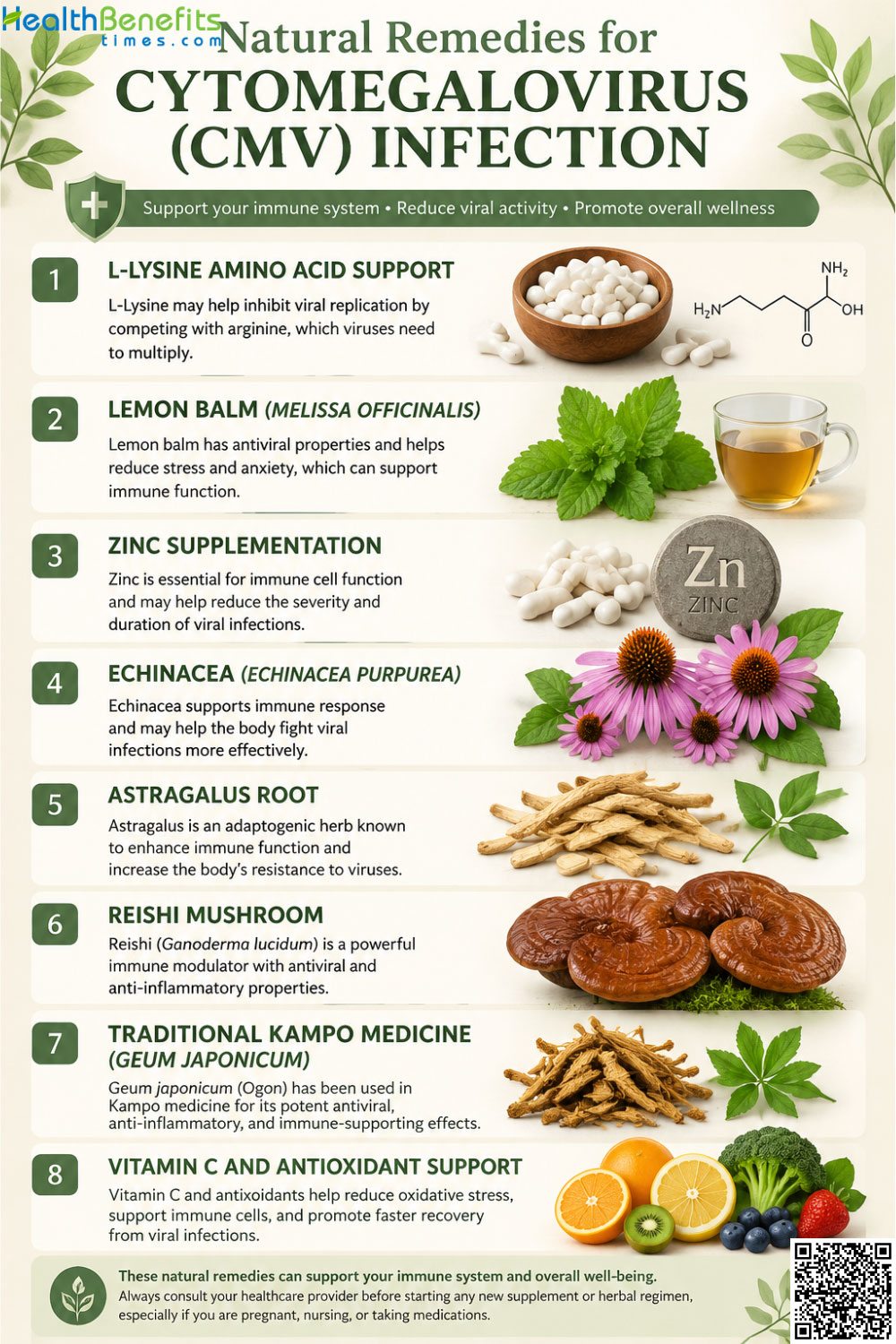
3. Zinc Supplementation
Essential trace minerals serve as the fundamental scaffolding for a highly functioning, rapid-response immune system. Zinc plays a starring role in generating your body’s innate antiviral responses, acting as a crucial messenger that tells your immune cells when it is time to go to war. Specifically, zinc induces the production of interferons, which are powerful proteins that literally interfere with a virus’s ability to survive 45. Furthermore, when zinc enters your infected cells, it demonstrates direct antiviral activity by inhibiting viral RNA replication meaning it jams the machinery the virus uses to make copies of itself 42. Without adequate zinc, your immune system essentially fights blindfolded. You should consider taking a high-quality zinc supplement, such as zinc gluconate or zinc sulfate, at the very first sign of a viral flare-up, such as a scratchy throat or sudden exhaustion. However, you must ensure you stay within the recommended daily limits provided by your doctor, as taking massive doses of zinc for too long can accidentally block your body from absorbing other important minerals like copper 45.
Note: This essential mineral is commonly swallowed as a daily capsule or slowly dissolved in the mouth as a soothing throat lozenge to directly block viral replication and strengthen white blood cell activity.
4. Echinacea (Echinacea purpurea)
Drawing on deep indigenous traditions, certain vibrant wildflowers have long been prized for their protective healing capabilities. Echinacea, commonly known as the purple coneflower, is widely recognized worldwide for its profound, measurable ability to stimulate and wake up a sluggish immune system 46. Certain carefully crafted preparations derived from the roots and leaves of this plant have demonstrated potent antiviral activities against membrane-containing viruses by enhancing the body’s natural macrophage function 47. Think of macrophages as the microscopic cleanup crew in your blood; Echinacea essentially hands them a bigger broom to sweep away viral particles. By temporarily increasing your white blood cell count, this herb helps your body mount a swift counterattack before the virus can fully establish a foothold. If you feel the initial, telltale signs of extreme fatigue or swollen glands, you can take Echinacea drops or capsules for a short period usually one to two weeks to give your immune system an immediate, natural surge in power 48.
Note: This famous botanical is commonly taken as an alcohol-based liquid tincture, a powdered capsule, or a brewed tea to rapidly activate the body’s white blood cell response during the very early stages of an illness.
5. Astragalus Root
Ancient medicinal practices frequently utilize deep-earth roots to restore a person’s core vitality and life force. Astragalus root stands as an absolute cornerstone of traditional Chinese herbal medicine, utilized specifically to enhance long-term immune resistance and protect delicate tissues against cellular stress 49. Unlike Echinacea, which is best used for short, sudden bursts of immune support, Astragalus is considered a deep immune tonic meant for slow, steady, everyday use. It works beneath the surface by gradually increasing the body’s production of protective white blood cells and promoting a highly balanced, healthy inflammatory response over many months 42. The beauty of this root lies in its culinary flexibility; it looks a bit like a wooden tongue depressor and has a mild, sweet, earthy flavor. You can easily add a handful of dried Astragalus slices to a slow-cooking chicken or vegetable soup, letting the root simmer gently all day to extract its deep immune-boosting polysaccharides right into your family’s meal 50. Just remember to scoop the woody pieces out before eating the soup, much like you would a bay leaf.
Note: This medicinal root is commonly simmered into warm soup stocks or boiled for hours into a strong daily decoction to deeply nourish, rebuild, and fortify a tired immune system over long periods of time.
6. Reishi Mushroom
Forest fungi hold incredible, complex restorative powers that modern science is truly only beginning to fully appreciate. Reishi mushrooms, often called the “mushroom of immortality” in herbal folklore, are revered for their deep immune-modulating effects and strong, natural antiviral properties 51. These tough, woody mushrooms contain high levels of active beta-glucans and unique compounds called triterpenes. These substances do not just blindly stimulate the immune system; rather, they act as intelligent modulators, helping to lower runaway systemic inflammation while simultaneously encouraging your immune cells to keep latent viruses securely locked in a dormant state 42. Because Reishi is incredibly tough and bitter, it cannot be eaten raw like a grocery store mushroom. Instead, you should consider boiling the dried, sliced Reishi in water for at least forty-five minutes to two hours to break down the tough cellular walls, creating a dark, earthy, deeply healing tea 52. If boiling mushrooms sounds daunting, you can easily purchase high-quality Reishi extract powders to blend seamlessly into your morning coffee or hot cocoa.
Note: This therapeutic, woody mushroom is commonly consumed by drinking it as a long-simmered, earthy tea or by adding the pre-extracted powder to hot beverages for chronic, long-term viral suppression.
7. Traditional Kampo Medicine (Geum japonicum)
Global herbal traditions offer incredibly unique blends that have been rigorously tested through centuries of careful human observation. In traditional Japanese medicine, known collectively as Kampo, certain highly specific herbs like Geum japonicum have shown a remarkable, scientifically validated ability to suppress cytomegalovirus replication in lung tissues 53. These specialized plant extracts work at the microscopic level to inhibit viral DNA replication and block late protein synthesis inside the infected cells 54. This means the herb functions through biological pathways that are strikingly similar to some conventional, heavy-duty antiviral medications, but it does so through entirely natural, plant-based mechanisms. Because Kampo medicine relies on precise combinations and strict dosing of specific Asian herbs, you should not try to forage or mix these yourself. If you are exploring deep alternative medicines for a stubborn viral issue, you might seek out a certified herbalist or a practitioner of traditional East Asian medicine who can safely prepare authentic Kampo herbal blends tailored exactly to your body’s unique constitution.
Note: This traditional Asian remedy is commonly consumed as a customized, professionally prepared herbal water extract or warm tea to lower overall viral loads and gently protect major organ health.
8. Vitamin C and Antioxidant Support
Vitamins remain the ultimate, unyielding armor for a human body under microscopic attack. High daily intakes of Vitamin C provide incredibly robust antioxidant support, essentially throwing a protective blanket over your healthy cells to shield them from the severe oxidative stress that occurs during an active viral battle 42. When a virus replicates, it creates a massive amount of cellular trash known as free radicals which causes inflammation, tissue damage, and that awful, aching feeling you get when you are sick. By neutralizing these free radicals, Vitamin C ensures that your immune system’s precious energy is entirely focused on suppressing the virus itself, rather than constantly repairing collateral tissue damage. You should focus heavily on eating plenty of bright, water-rich citrus fruits, crunchy bell peppers, and dark leafy greens every single day. If you feel an outbreak coming on, you might also take a buffered Vitamin C supplement powder mixed in water to keep your cellular defenses as high as possible without upsetting your stomach.
Note: This universally essential vitamin is commonly eaten in fresh, colorful, raw produce or taken daily as a dissolvable oral supplement to clear cellular debris and rapidly accelerate immune recovery.
Foods and Activities to Avoid When You Suffer from Cytomegalovirus (CMV) Infection
Just as certain mindful habits actively build your health up, others can accidentally give the virus the exact environment it needs to wake up and thrive. Making a few small, deliberate changes to your daily diet and your social routines can drastically reduce your chances of triggering a miserable viral flare-up or unknowingly passing the infection to someone else.
Foods to Avoid
1. Nuts and Seeds
You should significantly limit your daily intake of crunchy snacks like almonds, peanuts, walnuts, sunflower seeds, and sesame seeds. These specific foods contain incredibly high, concentrated levels of arginine, which is the exact amino acid that feeds the virus and helps it build new cells 55.
2. Chocolate and Cocoa Products
While undeniably delicious and comforting, you must consume chocolate very sparingly during periods of extreme viral fatigue. Cocoa powders and dark chocolate bars are naturally dense in arginine, which can quickly trigger the virus to wake up from its dormant state if eaten in large quantities 56.
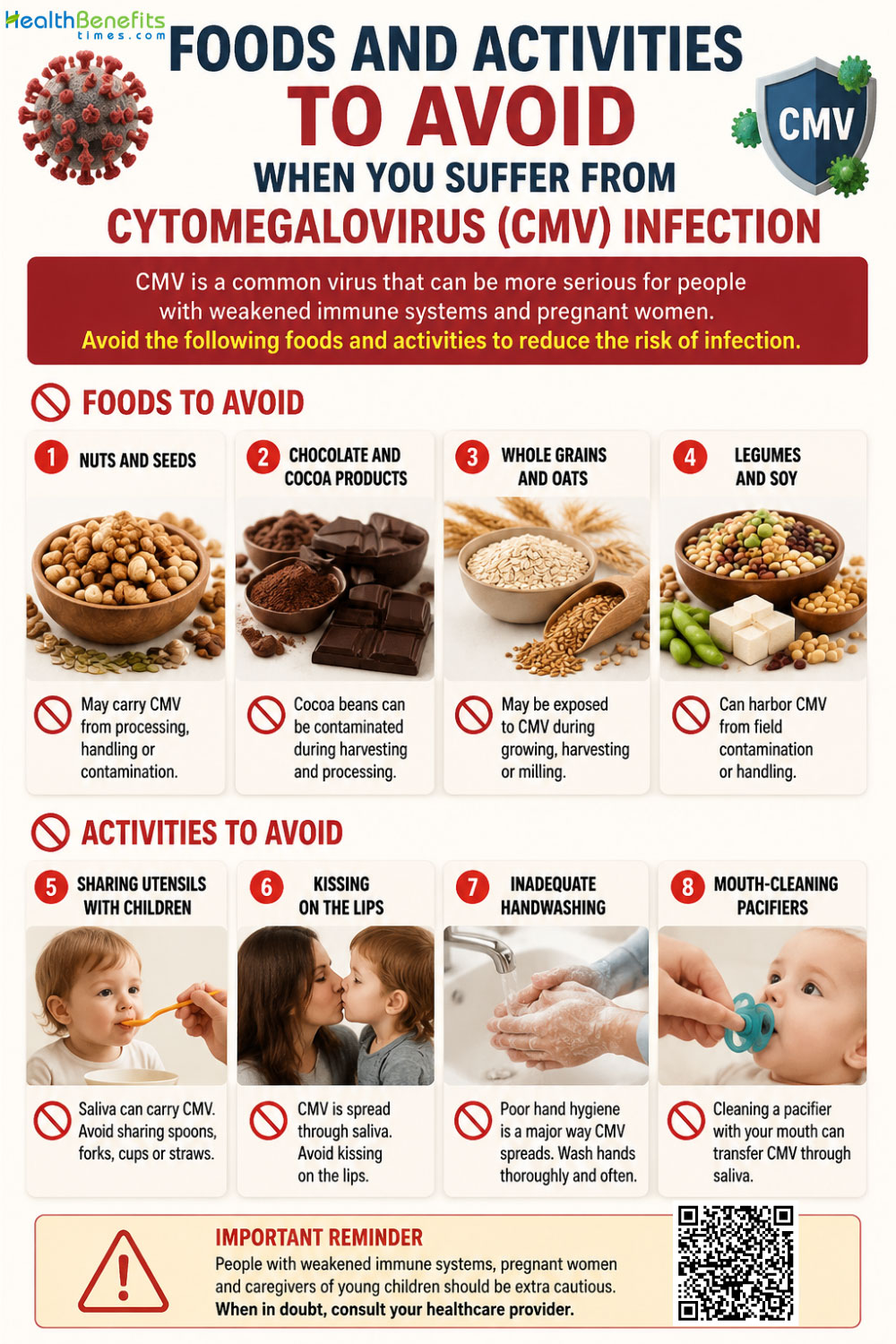
3. Whole Grains and Oats
You might want to temporarily swap out your heavy brown rice, whole wheat breads, and morning oatmeal for lighter options during an active symptom flare. These hearty grains contain an unfavorable ratio of amino acids that can disrupt the delicate lysine-to-arginine balance your body desperately needs to suppress the virus 57.
4. Legumes and Soy
You should consider hitting pause on eating large amounts of lentils, chickpeas, black beans, and concentrated soy products like tofu. These plant-based proteins are widely known dietary triggers for herpes-family viral replication because of their specific protein makeup 55.
Activities to Avoid
1. Sharing Utensils with Children
You must never share forks, spoons, drinking cups, or straws with babies and young children. Because toddlers shed the virus in massive amounts, their saliva is a primary, highly concentrated carrier of the virus 58.
2. Kissing on the Lips
You should consciously make a new habit of kissing young children on the forehead, the cheek, or the top of the head rather than directly on the lips. This simple boundary strictly avoids the direct saliva contact that transmits the disease so easily 59.
3. Inadequate Handwashing
You must absolutely avoid skipping the soap or doing a lazy rinse. Always wash your hands vigorously with warm water and soap for at least 15 to 20 seconds after changing a dirty diaper, wiping a child’s runny nose, or handling their wet bath toys 60.
4. Mouth-Cleaning Pacifiers
You should never, under any circumstances, pop a baby’s dropped pacifier into your own mouth to “clean” it off before giving it back. This well-intentioned habit introduces incredibly concentrated viral particles directly into your own digestive and respiratory systems 61.
Myths and Misconceptions
| Myth | Reality |
| CMV is a highly rare and unusual exotic disease.
62. |
Cytomegalovirus is incredibly common worldwide. Over half of all healthy adults have naturally contracted the virus by the time they reach 40 years of age, making it one of the most common viruses in humanity |
| Only visibly sick people can spread the virus to others.
15. |
The vast majority of people actively shedding and spreading the virus are perfectly healthy, happy children and adults who show absolutely no outward signs of illness whatsoever |
| Catching CMV will permanently make a man infertile.
7. |
While it is a systemic virus, CMV is not expected to affect male fertility, lower sperm counts, or hinder a man’s biological ability to successfully get a partner pregnant |
| Expensive natural supplements can permanently cure CMV.
3. |
Once contracted, this specific herpesvirus stays embedded in the human body for life. Supplements and herbs can only help keep the virus dormant; they cannot magically erase it from your DNA |
| You only need to wash your hands if they look physically dirty.
63. |
The virus is entirely invisible to the naked eye and lives abundantly in clear saliva and transparent urine. Proper, soapy hand hygiene is strictly mandatory after any contact with a child’s bodily fluids, regardless of how clean your hands look |
Special Considerations
Every single person’s health journey looks a little different, and factors like age, pregnancy, or medical history can dramatically change how a human body handles a viral intruder. Understanding these nuances is key to protecting the most vulnerable among us.
1. Children
The bustling environment of a local daycare center is the absolute most common playground for this invisible virus. For most toddlers, acquiring CMV from a playmate results in nothing more than a minor, passing fever, or it goes completely unnoticed by the parents 15. However, the story changes drastically when an infant contracts the virus while still inside the womb, a condition known as congenital CMV. This early viral interference can be severe and lifelong. It currently stands as the leading non-genetic cause of childhood hearing loss in the country, and affected infants may experience profound developmental delays, cerebral palsy, and progressive vision issues as they grow 4. Early detection through specialized newborn saliva screening within the first three weeks of life is absolutely vital. Catching the virus early allows parents to access critical early intervention therapies, hearing aids, and specialized pediatric care before developmental windows close 2.
2. Pregnancy
Expecting mothers face a highly unique and incredibly serious vulnerability regarding this virus. If a woman is infected with CMV for the very first time during her pregnancy, there is a shockingly high chance ranging from 30% up to 50% that the virus will manage to cross the protective placenta and infect the rapidly developing baby 64. Because of this profound and heartbreaking risk, pregnant women who work as preschool teachers, pediatric nurses, or who already have an active toddler running around at home, are urgently advised by doctors to practice impeccable, flawless hygiene 6. Simple, daily lifestyle adjustments act as the ultimate primary defense mechanism against congenital infections. This includes strictly avoiding sharing food off a toddler’s plate, never finishing a child’s drink, and rigorously washing hands with hot, soapy water after every single diaper change or nose-wiping session 11.
3. Chronic Conditions
A compromised or artificially suppressed immune system completely removes the natural guardrails that normally keep this virus fast asleep. Individuals living with advanced HIV/AIDS, cancer patients currently undergoing intensive chemotherapy, or patients who have recently received the gift of a solid organ or stem cell transplant are at an incredibly high risk for severe, life-threatening complications 1. In these highly vulnerable bodies, the virus senses the lack of immune police and can aggressively reactivate, rapidly multiplying and attacking major organ systems. This unchecked viral spread can lead to permanent blindness from retinal damage, severe gastrointestinal tissue tears, or overwhelming lung infections that require a ventilator 5. For these specific, high-risk patients, natural herbal remedies alone are vastly insufficient, and seeking immediate medical antiviral prophylaxis from a specialist is absolutely mandatory to save their lives and protect their transplanted organs 20.
4. Elderly
The process of aging naturally alters and slows down the body’s fierce defense mechanisms. In older adults, carrying a persistent, lifelong CMV infection has been directly linked by researchers to a fascinating but concerning biological phenomenon known as immunosenescence 65. This term refers to the accelerated aging and premature exhaustion of the immune system. Because the body spends decades quietly burning energy to keep the CMV virus asleep, this immune exhaustion eventually reduces the elderly body’s ability to fight off other new infections, and it makes routine vaccinations, like the flu shot, far less effective 65. Furthermore, modern clinical research indicates a striking connection between the heart and the virus. Chronic CMV infection in the elderly is associated with increased vascular stiffness, cellular inflammation in the blood vessels, and an overall increased relative risk of 22% for developing serious cardiovascular diseases, including heart attacks and strokes 66. In fact, elderly patients who suffer a severe heart attack (STEMI) and also carry the CMV virus often experience poorer recovery rates and reduced heart pumping function compared to those without the virus 67.
Precaution before Use of Natural Remedies When You Have Cytomegalovirus (CMV) Infection
Taking active charge of your personal health through natural means is a wonderful, empowering pursuit, but you must always tread very carefully when mixing potent botanicals with serious viral infections and prescription medications.
1. Beware of St. John’s Wort Interactions
You must strictly avoid consuming St. John’s Wort in any form if your transplant doctor or infectious disease specialist has prescribed heavy-duty pharmaceutical antiviral medications like valganciclovir, foscarnet, maribavir, or cidofovir. This popular depression-relieving herb aggressively alters your liver enzymes and drastically speeds up how your body clears out drugs, completely reducing the effectiveness of these life-saving medical treatments 68.
2. Monitor Echinacea Usage
You should always consult your primary physician before taking Echinacea if you are an organ transplant recipient or suffer from HIV. Because this flower actively stimulates and wakes up the immune system, it may interact negatively with the precise immunosuppressant drugs you are required to take to prevent your body from rejecting your new organ 69.
3. Watch for Autoimmune Flare-ups
You need to be exceptionally cautious with deep immune-stimulating herbs like Astragalus root if you already suffer from a diagnosed autoimmune disease, such as rheumatoid arthritis or lupus. Boosting an already overactive immune system might accidentally worsen your autoimmune symptoms and trigger a painful flare-up 49.
4. Prevent Dangerous Zinc Toxicity
You should carefully monitor and calculate your daily mineral intake from all sources. Consuming massive, excessive amounts of zinc in a desperate effort to fight off the virus can paradoxically cause a severe copper deficiency in your blood, which will actually weaken your immune system and cause neurological issues over time 70.
5. Balance Lysine and Arginine Safely
You should avoid the temptation to permanently eliminate every single source of arginine from your diet in favor of lysine. While lysine suppresses the virus, chronically starving your body of arginine for years on end can negatively impact your long-term cardiovascular health, as arginine is absolutely required by your body to produce nitric oxide, the molecule that keeps your blood vessels wide and healthy 71.
When to See a Doctor
While gentle home care, healthy eating, and natural herbal remedies are incredibly helpful for maintaining general wellness, your professional medical team is always your best, most critical safety net. You should seek immediate medical attention from a qualified healthcare provider if you experience any of the following troubling scenarios:
1. Sudden, Unexplained Vision Changes
You suddenly notice blurry vision, dark floaters swimming across your sightline, or empty blind spots, which could indicate a rapid, severe complication called CMV retinitis that can cause permanent blindness 72.
2. Severe, Unrelenting Digestive Pain
You experience relentless, severe stomach cramps, sudden unexplained weight loss, or you discover bright red or dark blood in your stool, which points to viral damage in your intestines 5.
3. Deep Respiratory Distress
You develop a deep, rattling, persistent cough combined with sudden shortness of breath, a drop in oxygen, or heavy chest weakness that does not improve with rest 10.
4. Warning Signs in Newborn Babies
You observe your brand-new infant displaying a yellowish, jaundiced tint to their skin, unusually tiny purple skin rashes, extreme lethargy, or they experience a terrifying seizure 22.
5. Immune System Vulnerability
You have a known, medically diagnosed weakened immune system—such as from a recent organ transplant, active chemotherapy, or HIV—and you begin running a fever, feeling unusually exhausted, or simply sensing that something in your body is gravely wrong 16.