


You’ve likely heard the term “kissing disease” tossed around but what is it, exactly? It’s the nickname for infectious mononucleosis, a contagious illness that can leave a person exhausted for weeks or even months. In most cases, it’s caused by the Epstein-Barr virus, which spreads easily from person to person through saliva 1. The illness gets its formal name from a specific change in the blood: when the Epstein-Barr virus strikes, the immune system responds by producing large numbers of a particular type of white blood cell called mononuclear cells 2. Most people are actually exposed to this virus in childhood, often without any obvious symptoms. The problem tends to show up later typically in the teenage years or early twenties when the body’s response is far more pronounced. At least one in four young adults who contract the Epstein-Barr virus will develop the full range of mononucleosis symptoms 3. The fatigue and sore throat can be disruptive, but the condition is generally self-limiting meaning the body will clear it on its own, given enough time and rest.
Causes of Mononucleosis
While we often think of germs as simple, invisible bugs, there are actually a few different microscopic troublemakers that can cause this exhausting illness. Medical professionals recognize a handful of culprits that can produce an identical sickness.
1. Epstein-Barr Virus (EBV)
This particular virus takes the undisputed top spot, acting as the leading cause of mononucleosis by taking responsibility for over 90% of all diagnosed cases worldwide 4. It is a specific member of the herpesvirus family that specializes in infecting the cells lining the human throat and the immune system’s delicate B-cells.
2. Cytomegalovirus (CMV)
Coming in as the second most common trigger, this virus accounts for roughly 5% to 7% of mononucleosis cases and also belongs to the broader herpesvirus family 5. Much like EBV, it loves to spread through the exchange of bodily fluids.
3. Toxoplasmosis
Unlike the standard viruses mentioned above, this infection is actually caused by a microscopic parasite known as Toxoplasma gondii, which can sometimes trigger a mono-like illness, though it is only responsible for less than 1% of cases overall 6.
4. Adenovirus
Commonly known by doctors for causing standard respiratory infections and the pesky common cold, certain stubborn strains of this virus can occasionally mimic the severe sore throat and swollen glands of classic mononucleosis 7.
5. Hepatitis Viruses
General infections from Hepatitis A, B, or C, which primarily target and inflame the liver, can initially present with the profound fatigue and fever commonly associated with mono.
6. Human Immunodeficiency Virus (HIV)
In its very earliest stages, a primary HIV infection can cause a sudden wave of symptoms that closely resemble mononucleosis, including a persistent fever, skin rash, and noticeably swollen lymph nodes.
Symptoms of Mononucleosis
Catching this bug usually means dealing with a wave of uncomfortable signs that do not hit all at once, but rather build up slowly over several days. Because the virus has a long incubation period of about four to six weeks, a person might not even remember how they were exposed by the time they start feeling truly sick.
1. Extreme Fatigue
A profound, overwhelming tiredness settles into the body that simply does not improve with a good night’s sleep, sometimes lasting for several months 8.
2. Sore Throat
The throat becomes incredibly painful and red, often tricking people into thinking they have strep throat, especially because it completely refuses to get better if antibiotics are mistakenly taken 9.
3. High Fever
A persistent, elevated body temperature takes over, frequently accompanied by miserable chills and heavy night sweats.
4. Swollen Lymph Nodes
Noticeable, tender lumps begin appearing primarily in the neck and under the armpits as the immune system aggressively ramps up its defenses 10.
5. Swollen Tonsils
The small glands located at the very back of the throat may become unusually large, bright red, and completely coated in sticky white or yellow patches.
6. Headaches and Body Aches
General muscle weakness and a dull, throbbing pain in the head make it hard to concentrate on everyday tasks.
7. Enlarged Spleen
A swollen, sensitive organ tucked in the upper left abdomen occurs in about half of all cases, occasionally causing a sharp, alarming pain 11.
8. Skin Rash
A flat, pink, or red rash can suddenly appear anywhere on the body, sometimes triggered directly if the patient is incorrectly prescribed and takes antibiotics like amoxicillin.
Mononucleosis Facts
| Symptoms |
|
| Causes |
|
| Types of Mononucleosis |
|
| How does spread |
|
| Age Group |
|
| You might be at a higher risk for exposure of this disease if you: |
|
| How doctors diagnose |
|
| Other facts |
|
Natural Remedies for Mononucleosis
When you find yourself battling the kissing disease, it is deeply important to remember that standard antibiotics simply cannot kill a virus. Instead, your primary goal is to carefully manage your daily symptoms and naturally support your own body’s immune system as it does all the heavy lifting. The following simple remedies offer gentle, natural ways to find reliable relief and actively promote a faster healing process.
1. Incredible Hydration and Genuine Rest
Giving your body the ultimate, quiet environment to heal is truly the most critical step you can take on your recovery journey. You must drink plenty of healthy fluids such as plain water, natural fruit juices, clear savory broths, and decaffeinated herbal teas to actively prevent dehydration, reduce your fever, and help thin out any stubborn mucus sitting in your throat 16. Alongside constant hydration, genuine physical rest is absolutely mandatory; you should drastically scale back your daily chores, aim to sleep 8 to 10 solid hours every single night, and take frequent naps whenever you feel your energy drain.
Note: Hydration is commonly used by sipping cool or warm clear liquids throughout the entire day to bathe the throat in moisture and provide medicinal relief.
2. Soothing Licorice Root
Turning to ancient herbal wisdom can sometimes provide the exact comfort a modern illness requires. Licorice root is a traditional soothing agent that has been highly valued for countless generations for its unique ability to calm a fiery, scratchy throat. Scientific studies show that it contains a powerful active compound called glycyrrhizic acid, which naturally inhibits the reproduction of the Epstein-Barr virus while strongly reducing overall inflammation in the body 17. You can easily find this sweet, earthy herb packaged in natural food stores or local pharmacies.
Note: Licorice root is commonly applied by steeping the dried herb into a warm tea or gargling the cooled liquid for immediate medicinal relief in the throat.
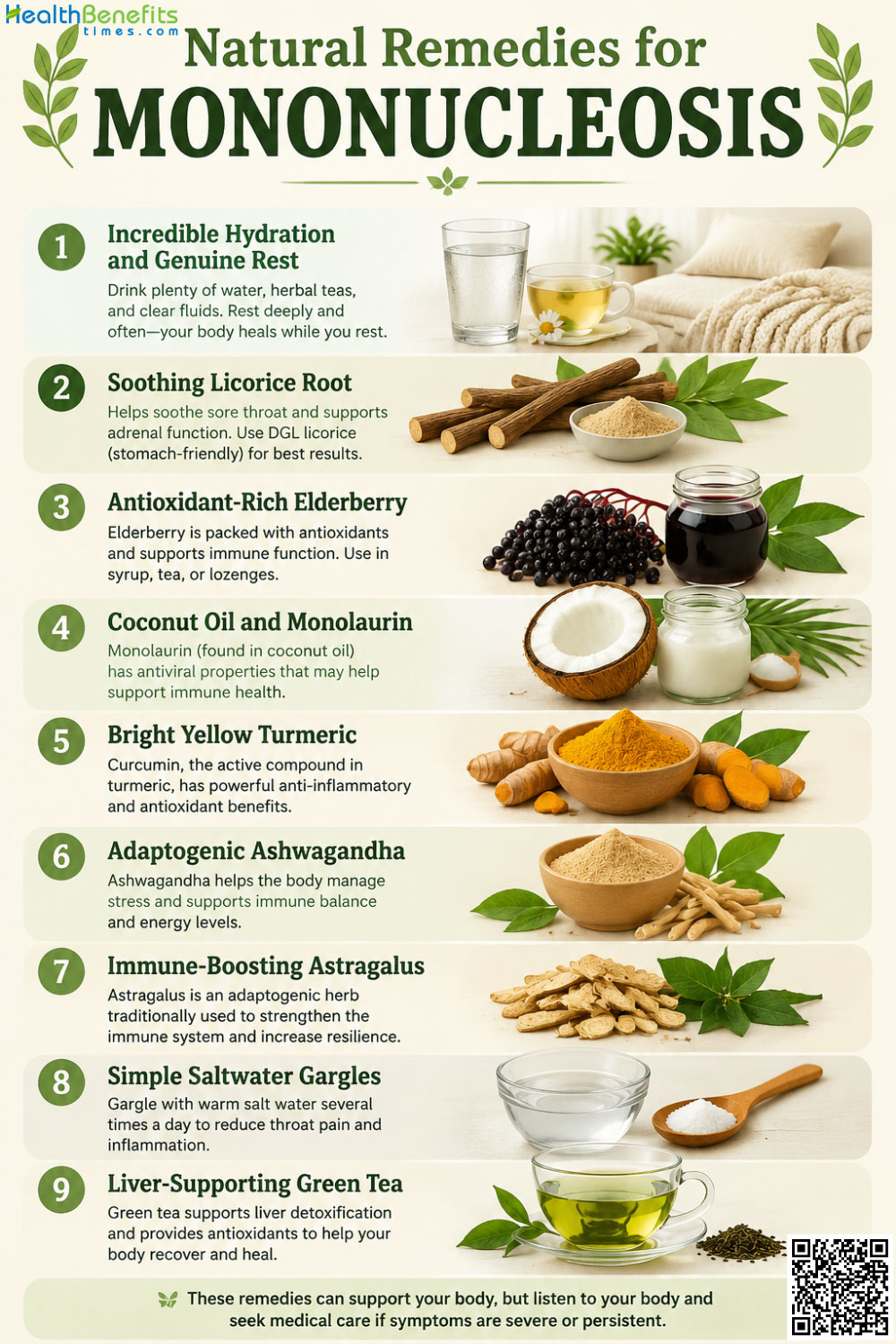
3. Antioxidant-Rich Elderberry
Looking closely at nature’s pharmacy, berries offer some of the strongest defenses available. Known for its gorgeous, deep purple hue, the elderberry is absolutely packed with powerful antioxidants and well-documented immune-stimulating properties. It is widely respected in the world of natural medicine for its general antiviral effects, actively helping the body to block invading viruses from entering healthy cells and potentially shortening the total duration of flu-like illnesses 18. Providing your tired immune system with these dark berry compounds gives your body a massive nutritional advantage while it fights off the lingering fatigue of mono.
Note: Elderberry is commonly eaten as a sweet syrup, brewed into a fruity herbal tea, or taken as a daily lozenge for antiviral health benefits.
4. Coconut Oil and Monolaurin
Sometimes the best medicine hides perfectly inside everyday tropical foods. Pure coconut oil contains a very special, unique substance called lauric acid, which the human body naturally converts into a protective compound known as monolaurin. Research has beautifully shown that monolaurin can effectively disrupt and literally dissolve the fatty outer shell known as the lipid envelope of certain viruses, including the specific one responsible for mononucleosis 19. By breaking down the virus’s outer protective layer, it makes it incredibly easy for your immune system’s defender cells to sweep in and clear the infection.
Note: Coconut oil is commonly eaten by the spoonful, melted into warm beverages, or taken as an encapsulated monolaurin supplement for its remedial benefits.
5. Bright Yellow Turmeric
Opening your spice cabinet might just reveal one of the strongest anti-inflammatory remedies on the planet. The bright, cheerful yellow spice found in many delicious curry dishes contains a highly active ingredient called curcumin, which is internationally famous for its fierce anti-inflammatory properties. In the specific context of viral infections, curcumin has been shown to successfully lower the production of harmful viral proteins and promote the rapid clearance of infected cells, heavily calming the severe inflammation associated with swollen glands and liver stress 20. Adding just a tiny pinch of black pepper to it helps your digestive system absorb the healing compounds much better.
Note: Turmeric is commonly eaten by whisking the powdered spice into warm milk, known as golden milk, or taken as a concentrated capsule for medicinal anti-inflammatory benefits.
6. Adaptogenic Ashwagandha
Dealing with a grueling, month-long illness places an immense amount of invisible physical and mental stress on your entire system. Ashwagandha is an ancient, restorative shrub that belongs to a class of herbs called adaptogens, meaning it specifically helps the body lower stress hormones, reduce hidden anxiety, and successfully combat the profound muscle weakness and brain fog caused by the illness 21. By naturally calming the nervous system, it allows your body to stop panicking and redirect its precious energy entirely toward fighting the viral infection.
Note: Ashwagandha is commonly eaten by mixing the powdered root into smoothies or taking it in supplement form to experience its adaptogenic medicinal benefits.
7. Immune-Boosting Astragalus
Rooting around in traditional Chinese medicine brings us to another phenomenal helper. Astragalus is a slightly sweet, warming root that acts as a powerful adaptogen to help the body gracefully adapt to intense physical stress. It works by gently boosting the internal activity of your white blood cells, effectively turning up the volume on your immune system’s primary defense mechanisms against viral invaders 22. It acts as an excellent, restorative remedy for the lingering, exhausting fatigue that frustratingly trails behind a bout of mononucleosis.
Note: Astragalus root is commonly used by simmering the dried slices in savory broths and soups to extract its medicinal, immune-supporting benefits.
8. Simple Saltwater Gargles
Sometimes the absolute simplest remedies found right in your kitchen pantry are the most effective for immediate, soothing comfort. Warm saltwater acts as a very mild, safe antiseptic that physically draws excess, swollen fluid out of the angry tissues in your tonsils, drastically reducing the painful swelling and washing away irritating, trapped mucus 23. It is a wonderfully safe, chemical-free way to temporarily numb the sharp pain of a severe sore throat without needing a prescription.
Note: Saltwater is commonly applied by mixing plain table salt into warm water and gently gargling it at the back of the throat for remedial pain relief.
9. Liver-Supporting Green Tea
Because mononucleosis is notoriously hard on your internal organs, giving your liver a helping hand is a brilliant strategy. Green tea is completely packed with powerful plant antioxidants known as catechins, which are famous for lowering inflammation and protecting delicate organ tissues. Evidence has shown that drinking several warm cups a day can lead to significantly improved blood markers for liver health, helping the organ flush out toxins while it works overtime during your illness 24.
Note: Green tea is commonly used by steeping the natural leaves in hot water and drinking it slowly to absorb its protective medicinal benefits.
Foods and Activities to Avoid When You Suffer from Mononucleosis
Navigating your delicate recovery means knowing exactly what will help you heal, but also clearly understanding what could actively make you feel worse or put you in real physical danger. You need to be highly protective of your internal organs and your incredibly sensitive throat during this vulnerable time.
1. Contact Sports and Heavy Lifting
You absolutely must avoid rough activities like football, wrestling, basketball, or moving heavy boxes. Because the virus causes the spleen to temporarily enlarge and weaken, any sudden pressure or a hard blow to the abdomen can cause the organ to burst open, resulting in a dangerous spleen rupture that causes severe internal bleeding 25.
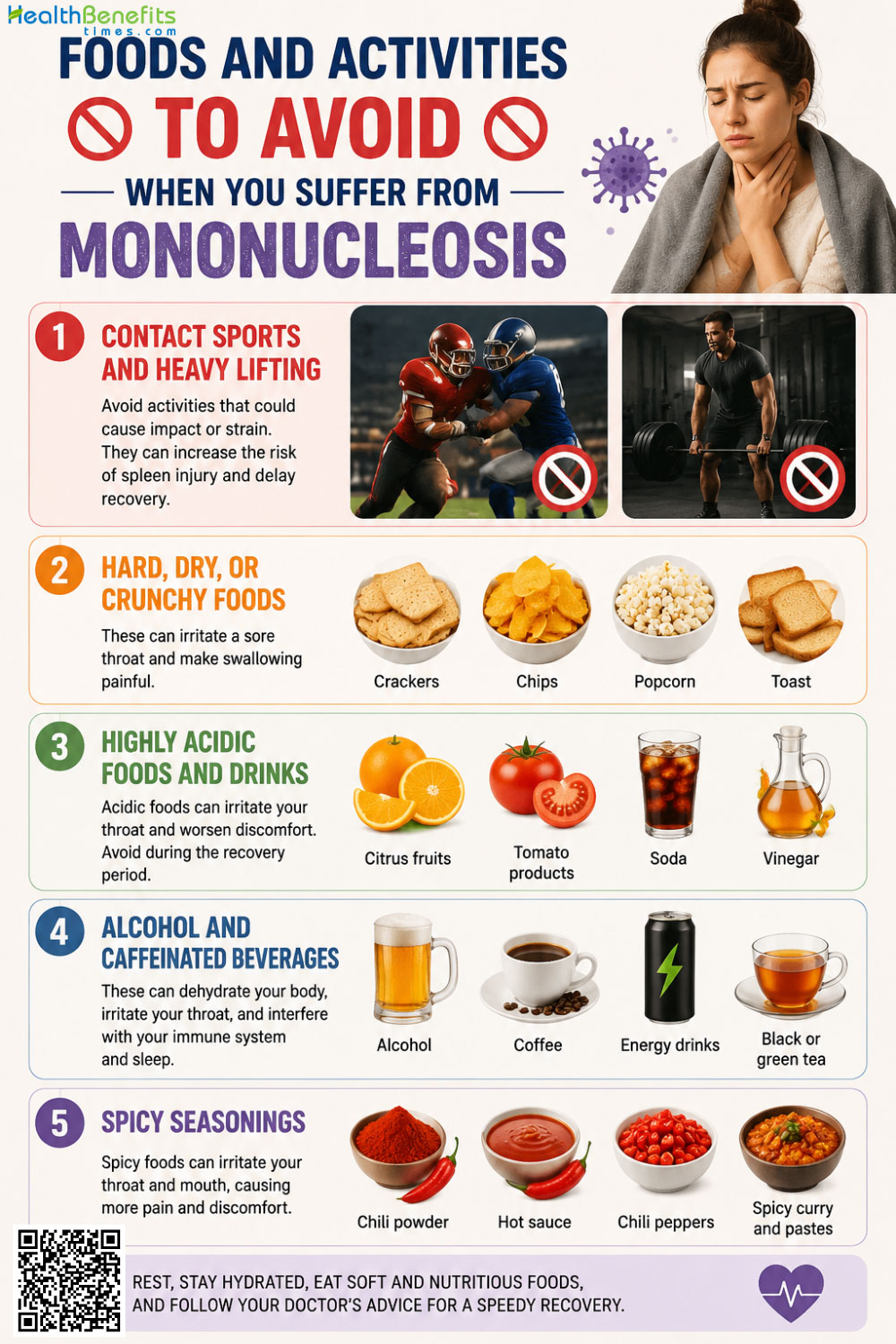
2. Hard, Dry, or Crunchy Foods
Step carefully away from potato chips, crackers, hard pretzels, and raw, unpeeled vegetables. These rigid foods have microscopic sharp edges that can deeply scratch your already inflamed and swollen throat, causing immense pain, bleeding, and difficulty swallowing 26.
3. Highly Acidic Foods and Drinks
You should clearly steer away from orange juice, lemonade, fresh grapefruits, and tomato-based pasta sauces. The naturally high acid content in these seemingly healthy items will burn and severely irritate the raw, tender tissues of your mouth and tonsils 27.
4. Alcohol and Caffeinated Beverages
Give your hard-working liver a complete break by avoiding all alcohol, as the virus already highly inflames this sensitive organ; additionally, skip sugary energy drinks and excess coffee, which can quickly lead to dehydration and disrupt the deep sleep your body desperately needs to repair itself 28.
5. Spicy Seasonings
You should temporarily remove fiery chili powder, hot sauces, spicy curry, and sharp black pepper from your diet, as these strong ingredients will aggressively sting an infected throat and cause unnecessary gagging or violent coughing fits 29.
Myths and Misconceptions
Because this illness is so incredibly common among young people, rumors and wildly incorrect information have circulated through schools and families for decades. Let us carefully clear up the facts.
| Myth | Reality |
| Mono is only spread through kissing.
30. |
Kissing is certainly a primary way to catch it, but you can also easily contract the virus by sharing a fork, drinking from a friend’s water bottle, or simply inhaling invisible droplets when an infected person sneezes or coughs near you. |
| Antibiotics will quickly cure the disease.
31. |
Because mononucleosis is caused by a virus, standard antibiotics are completely useless and cannot cure the illness; in fact, taking certain antibiotics with mono can trigger a severe, incredibly itchy full-body skin rash. |
| You can get a simple vaccine to prevent mono.
32. |
Despite ongoing, hopeful scientific research, there is currently no approved vaccine available anywhere in the world to safely protect against the Epstein-Barr virus or prevent mononucleosis. |
| Only teenagers get mononucleosis. | While the loud symptoms are most noticeable in teens and young adults, anyone of any age can be easily infected, including tiny infants, young children, and the elderly. |
| Once your symptoms are gone, you are no longer contagious.
33. |
A person can continue to silently shed the active virus in their saliva for up to six whole months or even longer after they feel completely healthy again. |
Special Considerations
While teenagers frequently endure the loud, classic presentation of this disease, the virus actually behaves quite differently depending on the specific age and underlying health of the person it sneaks into.
1. Children
When toddlers and young school-aged children are exposed to the virus, their fresh immune systems react very mildly. In most everyday cases, young children exhibit absolutely no symptoms at all, or they develop a minor, runny-nose illness that looks exactly like a standard common cold, meaning the true infection often goes completely unrecognized by parents 34. Because of this mild reaction, treatment for children usually only requires standard rest and extra water.
2. Pregnancy
Expecting mothers naturally worry a great deal about any new illness contracted during their gestation period. Fortunately, people who develop mononucleosis from the EBV virus during pregnancy typically go on to have completely healthy, happy babies, as the Epstein-Barr virus rarely harms the growing fetus 35. However, very high fevers can be dangerous during pregnancy, so obstetricians must carefully monitor the mother’s temperature and hydration levels to prevent any minor risks of premature labor.
3. Chronic Conditions
For individuals happily living their lives until a weakened immune system event occurs such as those dealing with HIV/AIDS, patients undergoing strong chemotherapy, or individuals taking immunosuppressive drugs after a delicate organ transplant the Epstein-Barr virus poses a much greater, serious threat. In these vulnerable populations, the virus can replicate wildly out of control and lead to much more serious, life-threatening complications, requiring very close hospital supervision rather than simple home remedies 36.
4. Elderly
It is highly uncommon for adults over the mature age of 40 to catch the virus for the very first time, but when they do, the illness takes a surprisingly different shape. Older adults rarely experience the classic severe sore throat or noticeably swollen lymph nodes; instead, they are much more likely to suffer from prolonged, unexplained fevers, profound full-body malaise, and significant, confusing liver enlargement or jaundice 37. Because these symptoms are highly atypical, doctors sometimes misdiagnose the condition in the elderly before realizing it is simply a viral infection 38.
Precaution before Use of Natural Remedies When You Have Mononucleosis
Finding out that “natural” does not always mean entirely risk-free is an important step in your health journey. Before you excitedly dive into using herbs and supplements, you must take a few critical, basic safety precautions to firmly protect your body.
1. Avoid Aspirin Completely
If you are trying to naturally lower a raging fever, you must avoid aspirin for absolutely anyone under the age of 19 who has a viral illness. Aspirin is directly linked to a rare but incredibly life-threatening condition called Reye’s syndrome, which causes catastrophic, rapid swelling in the brain and liver 39.
2. Monitor Licorice Root Intake
While it is genuinely excellent for a sore throat, consuming large amounts of licorice root tea over many consecutive days can dangerously lower your blood’s potassium levels and elevate your blood pressure. Furthermore, it can interact negatively if you are currently taking prescription corticosteroids 40.
3. Use Caution with Astragalus if You Have an Autoimmune Disease
Because astragalus strongly stimulates the immune system, you should avoid it if you already suffer from conditions like rheumatoid arthritis or lupus, as it could potentially cause your immune system to become hyperactive and significantly worsen your chronic symptoms 41.
4. Check for Blood-Thinning Interactions
Many wonderful natural remedies, including cranberry supplements, fresh ginger, and high doses of certain herbal teas, can naturally thin your blood. If you are already taking prescription blood thinners, adding these strong herbs can dangerously increase your risk of uncontrolled bleeding 42.
When to See Doctor
While peacefully resting at home is the standard, accepted protocol, mononucleosis can occasionally trigger severe, scary medical emergencies. You must seek immediate, professional medical attention if you experience any of the following serious warning signs.
1. Sudden, Sharp Abdominal Pain
If you suddenly feel an intense, sharp pain on the upper left side of your belly, you must go to an emergency room immediately. This is the primary, blaring warning sign that your enlarged spleen has ruptured, which requires emergency, life-saving surgery 43.
2. Difficulty Breathing or Swallowing
If your tonsils and neck lymph nodes swell to the scary point where they are physically blocking your airway, causing you to gasp for breath, or preventing you from safely swallowing your own saliva, you need prompt medical intervention, possibly with strong prescription steroids 2.
3. Signs of a Secondary Infection
The sneaky virus can weaken your defenses, allowing opportunistic bacteria to easily invade. If your fever returns after going away, or you develop thick, painful sinus pressure and a worsening throat, you may have developed a secondary bacterial strep or sinus infection that requires actual antibiotics 9.
4. Yellowing of the Eyes or Skin
If you happen to notice a weird, yellow tint to the whites of your eyes or your skin (known as jaundice), it clearly indicates that the virus has significantly inflamed your liver, and your healthcare provider needs to carefully monitor your liver function 44,