

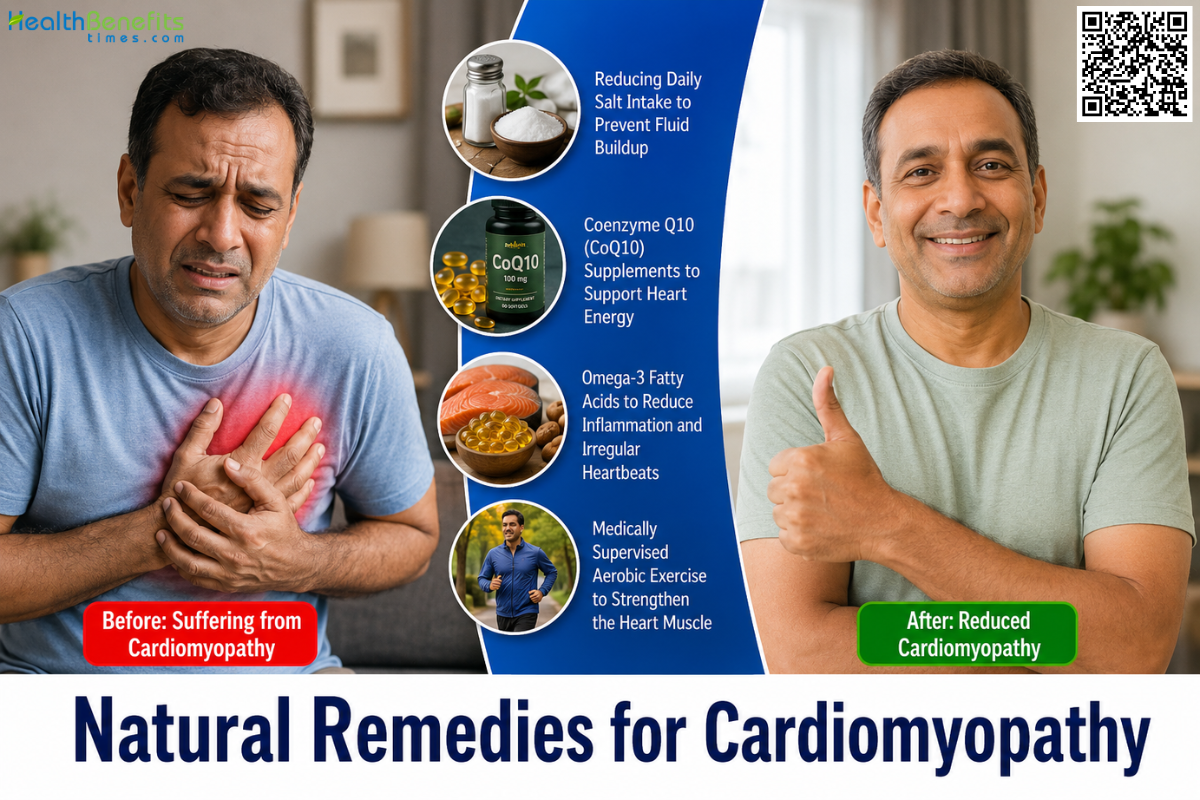
Cardiomyopathy is a progressive disease of the heart muscle that impairs the heart’s ability to pump blood effectively to the rest of the body. As the condition worsens, the heart muscle can become enlarged, abnormally thick, or rigid, which may ultimately lead to severe complications like heart failure or irregular heartbeats 1. Medical professionals generally classify the disease into four main types: dilated, hypertrophic, restrictive, and arrhythmogenic right ventricular cardiomyopathy. While many cases are inherited due to genetic traits, others can develop from underlying illnesses, severe infections, or chronic high blood pressure. Because cardiomyopathy can develop without any noticeable symptoms before causing a sudden cardiac event, identifying the exact cause early is critical for proper treatment and protecting the heart from permanent damage.
Causes of Cardiomyopathy
1. Genetic Inheritance
Many forms of cardiomyopathy, particularly hypertrophic and arrhythmogenic types, are passed down through families due to specific genetic mutations 2. Individuals with a family history of heart muscle disease or sudden cardiac death face a significantly higher risk of developing these inherited conditions 3.
2. Chronic High Blood Pressure
Long-term, uncontrolled high blood pressure forces the heart to work harder to pump blood through the body. Over time, this constant strain can cause the heart muscle to thicken, stiffen, or weaken, ultimately leading to heart muscle dysfunction 4.
3. Coronary Artery Disease and Heart Attacks
Reduced blood flow to the heart starves the heart muscle of oxygen. Damage from a previous heart attack leaves scar tissue, which permanently weakens the heart muscle and directly causes a specific form known as ischemic cardiomyopathy.
4. Viral and Bacterial Infections
Certain infections can attack the heart directly, causing widespread inflammation of the heart muscle known as myocarditis. If the inflammation is severe, it can permanently damage the heart tissue and lead to dilated cardiomyopathy.
5. Substance Abuse and Toxins
Long-term alcohol abuse and the use of illicit drugs, such as cocaine or amphetamines, are toxic to the cardiovascular system. Prolonged exposure to these substances can severely weaken the heart’s pumping ability.
6. Metabolic and Systemic Diseases
Underlying systemic conditions, including diabetes, severe thyroid dysfunction, and autoimmune diseases, can alter normal cellular functions and indirectly damage the heart muscle over time. Additionally, conditions that cause abnormal protein or iron buildup in the organs, such as amyloidosis or hemochromatosis, can make the heart muscle rigid.
7. Pregnancy Complications
In rare instances, individuals can develop peripartum cardiomyopathy during the late stages of pregnancy or shortly after giving birth. This acquired condition weakens the heart muscle and occurs more frequently in pregnant individuals with a history of high blood pressure or those carrying multiple fetuses.
Symptoms of Cardiomyopathy
1. Shortness of Breath
Experiencing difficulty breathing, which may occur during physical exertion, routine daily activities, or even while resting or lying flat in bed 5.
2. Swelling (Edema)
Noticeable fluid buildup in the lower body, including the legs, ankles, and feet, as well as swelling in the abdomen, caused by the heart’s reduced ability to pump blood efficiently.
3. Severe Fatigue
Persistent tiredness or weakness that interferes with normal activities, occurring because the body’s organs and tissues are not receiving enough oxygen-rich blood.
4. Heart Palpitations
Sensations of an irregular heartbeat, such as a rapid pounding, fluttering, or skipping beats, which happen when the heart’s normal electrical pathways are disrupted by damaged, thickened, or enlarged heart tissue.
5. Dizziness and Fainting
Feeling excessively lightheaded or experiencing sudden fainting spells, particularly during physical activity, due to inadequate blood flow reaching the brain or sudden abnormal heart rhythms.
6. Chest Pain or Pressure
Discomfort, tightness, or a heavy sensation in the chest that often worsens with physical exertion, signaling that the heart muscle itself is struggling to function.
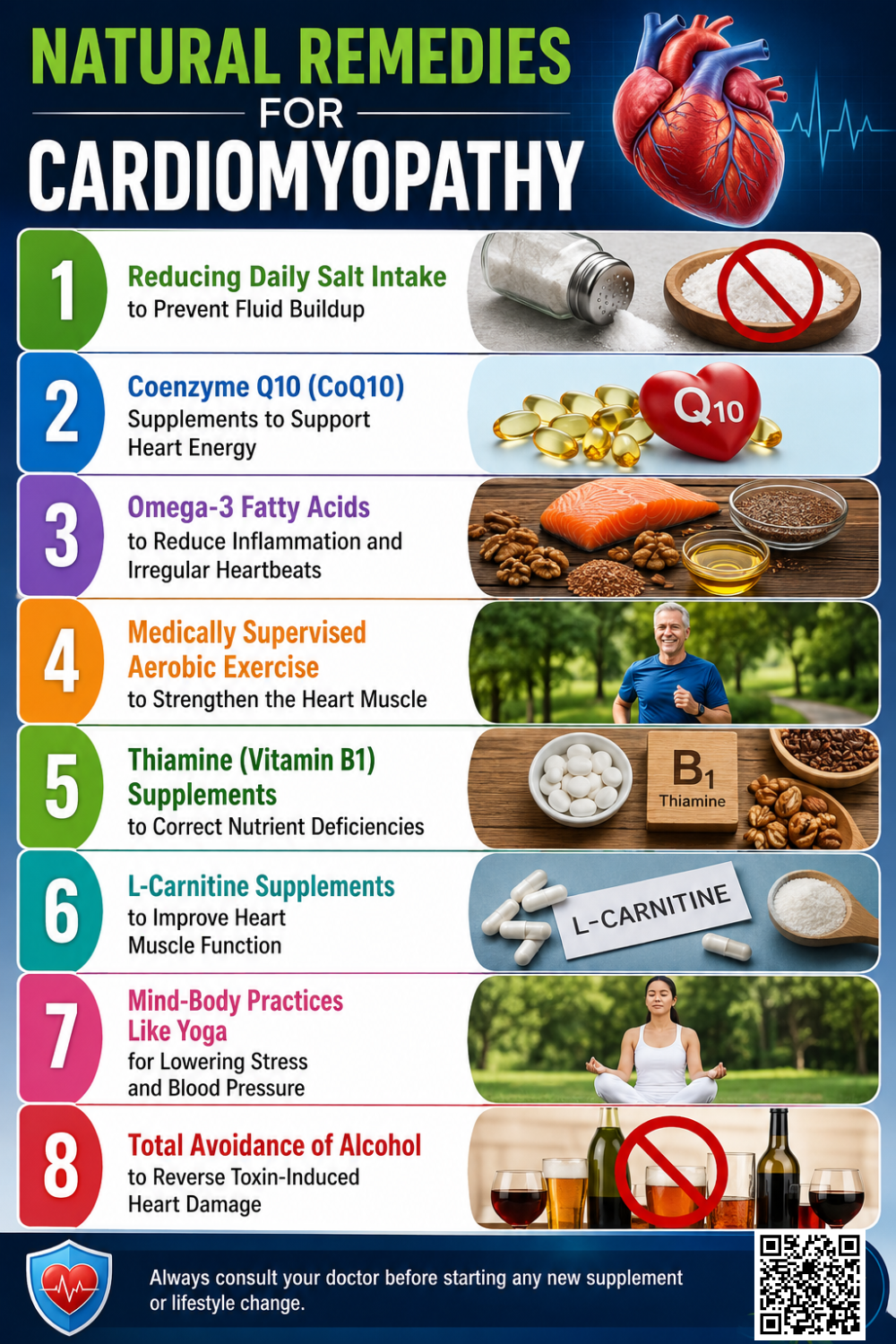 Natural Remedies for Cardiomyopathy
1. Reducing Daily Salt Intake to Prevent Fluid Buildup
How it may help
When cardiomyopathy weakens the heart, the body struggles to pump blood effectively, causing fluid to accumulate in the lungs and lower body. Limiting salt intake prevents the body from retaining excess water. This reduces the total volume of fluid the heart must pump, lowering the physical strain on the heart muscle and improving breathing.
What research says
Clinical guidelines conclude that restricting dietary sodium is a highly effective intervention for managing symptomatic heart failure caused by cardiomyopathy. Research demonstrates that lowering salt consumption significantly reduces fluid overload, minimizes debilitating symptoms like severe tissue swelling, and decreases the overall need for emergency hospital admissions related to heart failure 6.
How to use it safely
To manage your sodium intake safely, aim to consume less than 2,000 milligrams of sodium daily, as directed by your healthcare provider. Read nutrition labels carefully, avoid heavily processed foods, and flavor your meals with salt-free herbs and spices rather than adding table salt.
Potential precautions or side effects
Do not eliminate salt entirely without medical supervision. Extremely low sodium levels, especially when combined with prescription diuretic medications, can cause dangerous electrolyte imbalances and severe physical weakness.
2. Coenzyme Q10 (CoQ10) Supplements to Support Heart Energy
How it may help
CoQ10 is a natural substance essential for producing energy inside cells. In cardiomyopathy, the struggling heart muscle often lacks sufficient CoQ10. Taking a supplement helps restore this vital energy source, directly improving the heart’s pumping strength and protecting heart tissue from further damage 7.
What research says
Clinical trials show that taking CoQ10 alongside standard medications significantly reduces heart failure symptoms caused by cardiomyopathy. Researchers concluded that long-term CoQ10 supplementation improves overall survival rates and lowers the risk of being hospitalized for worsening heart problems.
How to use it safely
Always consult your doctor before starting CoQ10, as it should complement your existing treatments. A typical dose ranges from 100 to 300 milligrams daily, taken in divided doses with meals containing dietary fat to maximize how much your body absorbs 8.
Potential precautions or side effects
CoQ10 is generally well-tolerated but may cause mild insomnia, stomach upset, or headaches. It can also interact with blood thinners like warfarin, making those medications less effective.
3. Omega-3 Fatty Acids to Reduce Inflammation and Irregular Heartbeats
How it may help
Omega-3 fatty acids, found abundantly in fish oil, naturally reduce harmful inflammation throughout the cardiovascular system. For individuals with cardiomyopathy, these nutrients help stabilize the heart’s electrical pathways. This stabilization lowers the risk of dangerous irregular heartbeats and helps preserve the remaining pumping function of the heart muscle 9.
What research says
Clinical studies conclude that daily supplementation with omega-3 fatty acids significantly reduces the rates of death and hospital admissions in patients with heart failure caused by weakened heart muscles. Researchers note that these healthy fats effectively lower inflammation markers and decrease the occurrence of severe heart rhythm abnormalities.
How to use it safely
To safely increase your intake, consume fatty fish like salmon or mackerel twice a week. If choosing a fish oil supplement, ask your doctor for an appropriate dosage. Medical professionals typically recommend taking 1,000 milligrams daily to support heart function without disrupting other medications 10.
Potential precautions or side effects
High doses of omega-3 supplements can increase your risk of bleeding, especially if you take prescription blood thinners. Mild side effects include fishy breath, indigestion, and nausea.
4. Medically Supervised Aerobic Exercise to Strengthen the Heart Muscle
How it may help
Medically supervised aerobic activity helps condition the cardiovascular system to use oxygen more efficiently. Over time, gentle and consistent exercise strengthens the weakened heart muscle, improves blood flow throughout the body, and reduces the daily physical strain on the heart caused by cardiomyopathy 11.
What research says
Clinical guidelines confirm that customized exercise programs significantly benefit individuals with heart failure and cardiomyopathy. Researchers conclude that regular, supervised aerobic training improves overall physical endurance, enhances daily quality of life, and drastically lowers the rates of heart-related hospitalizations without increasing the risk of sudden cardiac events.
How to use it safely
Always obtain clearance from your cardiologist before starting any physical activity. Enroll in a certified cardiac rehabilitation program where medical professionals can monitor your heart rate and rhythm while you perform low-impact aerobic exercises, such as walking or stationary cycling 12.
Potential precautions or side effects
Avoid high-intensity workouts or heavy weightlifting without medical approval. Stop exercising immediately and seek emergency care if you experience chest pain, extreme dizziness, or severe shortness of breath.
5. Thiamine (Vitamin B1) Supplements to Correct Nutrient Deficiencies
How it may help
Thiamine is crucial for converting food into cellular energy. Individuals with cardiomyopathy frequently lose this vital nutrient due to the heavy use of prescription water pills. Supplementing with thiamine restores these necessary levels, improving the heart’s ability to generate the energy required for strong, consistent contractions 13.
What research says
Clinical studies reveal that correcting a thiamine deficiency significantly improves the overall pumping ability of the heart. Researchers conclude that thiamine supplementation safely enhances left ventricular function, directly helping the weakened heart muscle pump blood more efficiently without interfering with standard cardiovascular medications.
How to use it safely
Speak with your doctor to test for a deficiency before starting a supplement, especially if you take daily diuretics. Healthcare providers often recommend daily doses up to 300 milligrams to restore normal levels, alongside eating thiamine-rich foods like beans and whole grains 14.
Potential precautions or side effects
Thiamine is generally very safe because the body naturally eliminates any excess amounts through urine. Extremely high doses rarely cause minor side effects, such as mild stomach discomfort.
6. L-Carnitine Supplements to Improve Heart Muscle Function
How it may help
L-carnitine is a natural compound that transports fats into cells, where they are burned for energy. Because the heart relies heavily on this fuel to beat constantly, supplementing with L-carnitine helps a weakened heart muscle generate the power required to pump blood efficiently throughout the body 15.
What research says
Clinical studies demonstrate that L-carnitine supplementation significantly improves the heart’s overall pumping capacity in individuals with weakened heart muscles. Researchers conclude that this compound effectively reduces heart failure symptoms, increases physical endurance, and decreases the risk of death when used alongside standard medical treatments 16.
How to use it safely
Always consult your healthcare provider before starting L-carnitine. Doctors typically recommend taking between 1,000 and 3,000 milligrams daily. It is best to split this total amount into two or three smaller doses taken with meals to improve absorption.
Potential precautions or side effects
L-carnitine can occasionally cause mild nausea, stomach cramps, or a fishy body odor. High doses may negatively interact with blood-thinning medications or thyroid hormone replacements.
7. Mind-Body Practices Like Yoga for Lowering Stress and Blood Pressure
How it may help
Mind-body practices like yoga activate the body’s natural relaxation response, significantly lowering harmful stress hormones. By calming the nervous system, these practices naturally reduce heart rate and lower blood pressure. This directly eases the daily physical workload on a weakened heart muscle, helping it function more efficiently 17.
What research says
Clinical studies conclude that integrating yoga into standard cardiovascular care significantly lowers resting blood pressure and improves overall exercise capacity. Researchers note that regular mind-body therapy effectively reduces severe heart failure symptoms and enhances the overall quality of life for individuals with chronic heart muscle diseases 18.
How to use it safely
Consult your cardiologist before beginning a new routine. Seek out certified instructors who specialize in cardiac or restorative yoga. Focus entirely on gentle stretching and deep breathing, and immediately stop any posture that causes breathlessness, dizziness, or chest discomfort.
Potential precautions or side effects
Strictly avoid hot yoga, as extreme heat places severe stress on the cardiovascular system. Additionally, avoid upside-down poses, which dangerously increase blood pressure in the upper body.
8. Total Avoidance of Alcohol to Reverse Toxin-Induced Heart Damage
How it may help
Alcohol acts as a direct toxin to the cardiovascular system, actively destroying heart muscle cells and reducing pumping strength. Complete abstinence immediately halts this ongoing toxic damage, allowing the weakened heart tissue to heal, restore its normal size, and regain its ability to pump blood effectively 19.
What research says
Clinical studies confirm that complete alcohol cessation is the most effective intervention for reversing alcoholic cardiomyopathy. Researchers report that total abstinence significantly improves the heart’s overall pumping capacity, drastically reduces severe heart failure symptoms, and dramatically increases long-term survival rates compared to continued alcohol consumption 20.
How to use it safely
Stop consuming all forms of alcohol entirely. Because sudden alcohol withdrawal can be physically dangerous, work closely with a healthcare provider or a supervised rehabilitation program to safely manage withdrawal symptoms and ensure long-term success in your recovery 21.
Potential precautions or side effects
Abruptly stopping severe alcohol abuse can trigger dangerous withdrawal complications, including extreme tremors, rapid heart rate, and life-threatening seizures, which require immediate professional medical supervision 22.
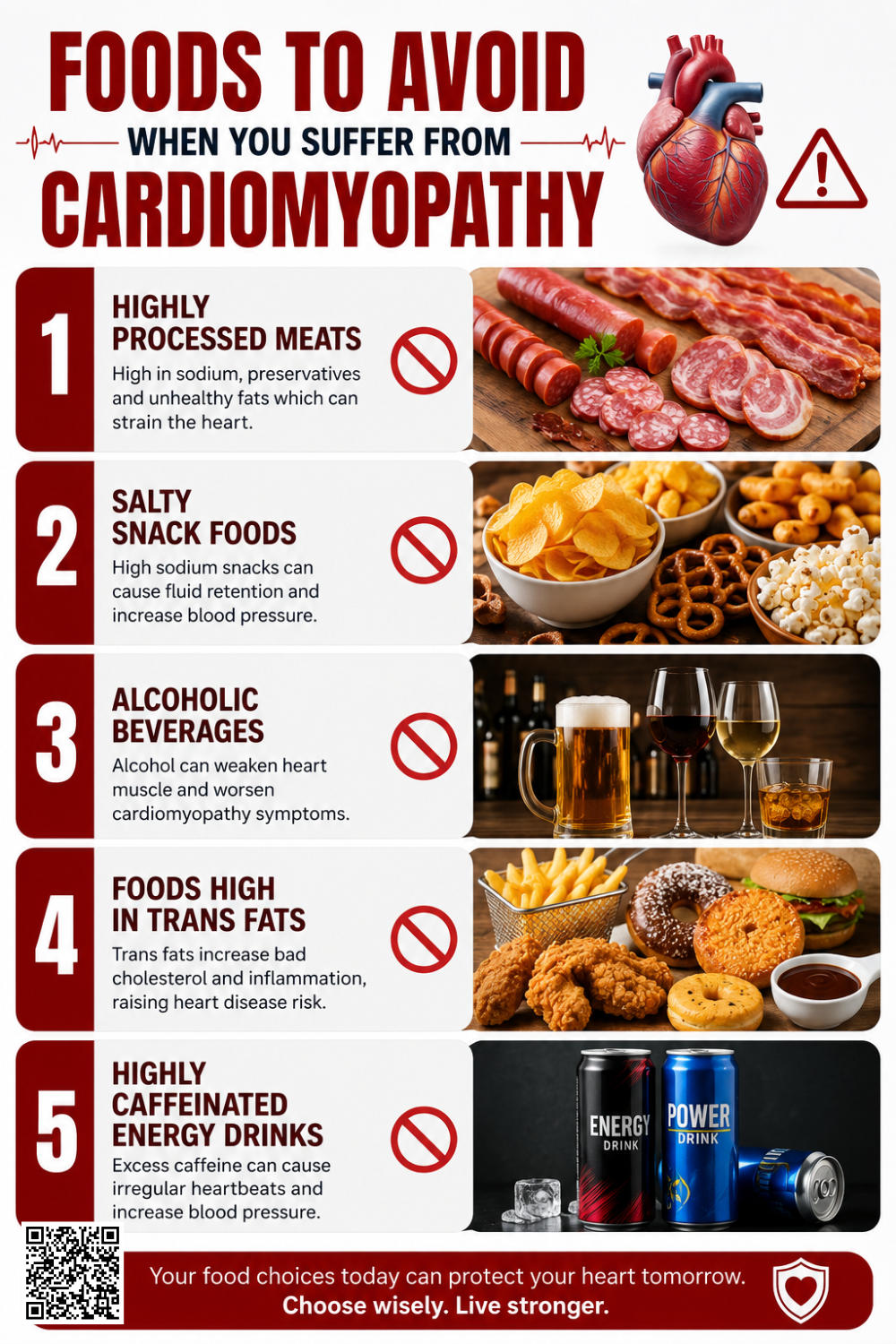 Foods to Avoid When You Suffer from Cardiomyopathy
1. Highly Processed Meats
Canned meats and hot dogs contain excessive sodium. This forces the body to retain water, dangerously increasing the physical pumping strain on a weakened heart muscle.
2. Salty Snack Foods
Snacks like chips quickly exceed daily sodium limits. This sodium overload causes fluid buildup in the lungs and legs, severely worsening shortness of breath and tissue swelling.
3. Alcoholic Beverages
Alcohol acts as a direct cardiovascular toxin. Continued drinking actively destroys heart muscle cells, reduces overall pumping strength, and completely prevents the damaged heart from healing.
4. Foods High in Trans Fats
Fried foods and commercial baked goods contain fats that clog arteries. The resulting restricted blood flow starves the heart of oxygen, rapidly accelerating tissue damage.
5. Highly Caffeinated Energy Drinks
Energy drinks overload the nervous system with severe stimulants. For a diseased heart, these extreme spikes can trigger dangerous, irregular heartbeats and sudden cardiac emergencies 23.
When To See a Doctor When You Suffer From Cardiomyopathy
1. Sudden Chest Pain
Seek immediate emergency care if you experience severe, crushing chest pain or prolonged pressure, as this indicates the heart muscle is acutely starved of oxygen.
2. Severe Shortness of Breath
Contact a doctor promptly if breathing becomes extremely difficult while resting or lying down, signaling dangerous fluid accumulation in your lungs caused by heart failure.
3. Fainting or Extreme Dizziness
Consult a physician immediately if you experience sudden fainting spells or intense lightheadedness, which strongly suggest inadequate blood flow to the brain or severe rhythm abnormalities.
4. Rapid or Irregular Heartbeats
Seek medical evaluation if your heart suddenly races, flutters, or pounds uncontrollably. These palpitations indicate dangerous electrical disruptions within the damaged heart muscle requiring urgent treatment.
5. Sudden or Worsening Swelling
Schedule an urgent medical visit if you notice rapid, unexplained fluid buildup in your abdomen, legs, or ankles, which indicates rapidly deteriorating heart pumping function.