

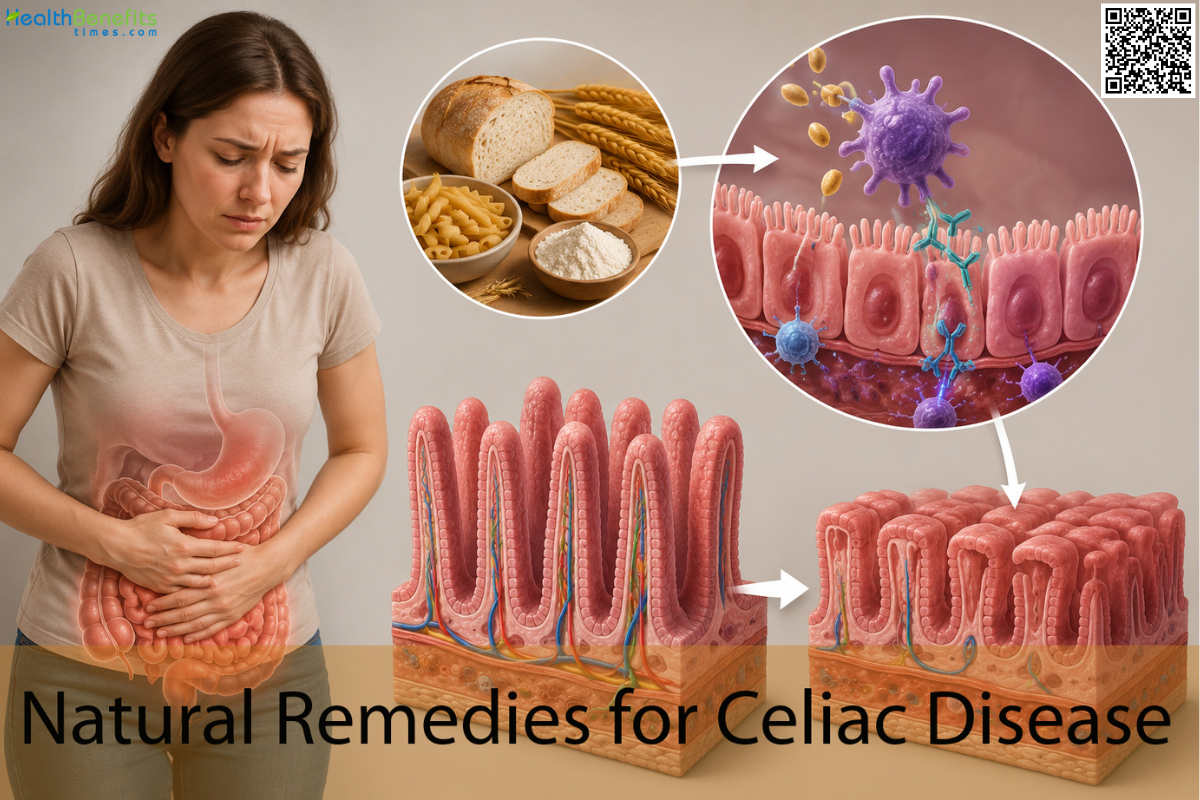
Celiac disease is a serious, lifelong autoimmune disorder in which the ingestion of gluten—a protein found in wheat, barley, and rye—triggers an immune-mediated inflammatory response in the small intestine. In genetically susceptible individuals, this reaction causes damage to the lining of the small intestine, specifically leading to the destruction of tiny, finger-like projections called villi that are essential for absorbing nutrients. Over time, this damage impairs the body’s ability to properly absorb vitamins, minerals, and other vital nutrients, which can result in various gastrointestinal symptoms such as bloating and diarrhea, as well as systemic health issues like anemia and fatigue. While there is currently no cure, the primary and most effective management strategy involves strict, lifelong adherence to a gluten-free diet to prevent further intestinal damage and allow the lining to heal.
Causes of Celiac Disease
1. Genetic Predisposition
The condition primarily affects individuals who carry specific human leukocyte antigen (HLA) class II genes, particularly the HLA-DQ2 and HLA-DQ8 haplotypes. These genes are necessary for the development of the disease, though they are not sufficient on their own, as many individuals with these markers never develop the condition. Additional non-HLA genetic loci also contribute to overall disease risk.
2. Environmental Trigger
Dietary gluten—a protein found in wheat, barley, and rye—is the essential environmental trigger that initiates the immune-mediated inflammatory response in genetically susceptible individuals.
3. Immune Response
Upon ingestion of gluten, the protein is broken down into smaller peptides, such as gliadin. In predisposed individuals, these peptides undergo modification by the enzyme transglutaminase-2, which increases their affinity for HLA-DQ2 and HLA-DQ8 molecules. This process triggers an inappropriate activation of T cells and a systemic immune response that results in damage to the lining of the small intestine.
4. Potential Modifying Factors
Research suggests that additional environmental elements may influence the manifestation of the disease, potentially including the timing of gluten introduction in early childhood, alterations in the gut microbiome, and certain viral infections.
Symptoms of Celiac Disease
- Abdominal pain
- Bloating and gas
- Chronic diarrhea
- Constipation
- Pale, foul-smelling, or fatty stools
- Unexplained weight loss
- Fatigue
- Iron-deficiency anemia
- Bone or joint pain
- Dermatitis herpetiformis (an itchy, blistering skin rash)
- Mouth ulcers
- Nausea and vomiting
- Delayed growth or puberty (in children)
- Missed menstrual periods
- Neurological symptoms (e.g., numbness or tingling in hands and feet, balance problems) 1
Natural Remedies for Celiac Disease
1. A Strict, Lifelong Gluten-Free Diet
How it may help
A strict gluten-free diet is the only effective treatment for celiac disease, working by completely stopping the autoimmune response triggered by gluten proteins 2. Eliminating wheat, barley, and rye prevents further immune attacks on the body, allowing the damaged small intestine to heal and restore its normal ability to absorb essential nutrients 3.
What research says
Clinical evidence demonstrates that following a lifelong gluten-free diet successfully relieves both digestive and non-digestive symptoms for most patients 4. Studies show that strict dietary habits promote full healing of the intestinal lining, though recovery times can vary depending on the individual’s age and the severity of prior internal damage 5.
How to use it safely
You must eliminate all sources of gluten, including hidden ingredients in packaged foods, sauces, and medications. Always read food labels carefully to verify they are certified gluten-free. Additionally, prepare your meals using separate kitchen equipment to prevent accidental cross-contamination from shared household items 6.
Potential precautions or side effects
Removing fortified grains can lead to nutritional deficiencies in fiber, iron, or B vitamins. You should consult a registered dietitian to maintain a balanced, nutrient-dense diet 7.
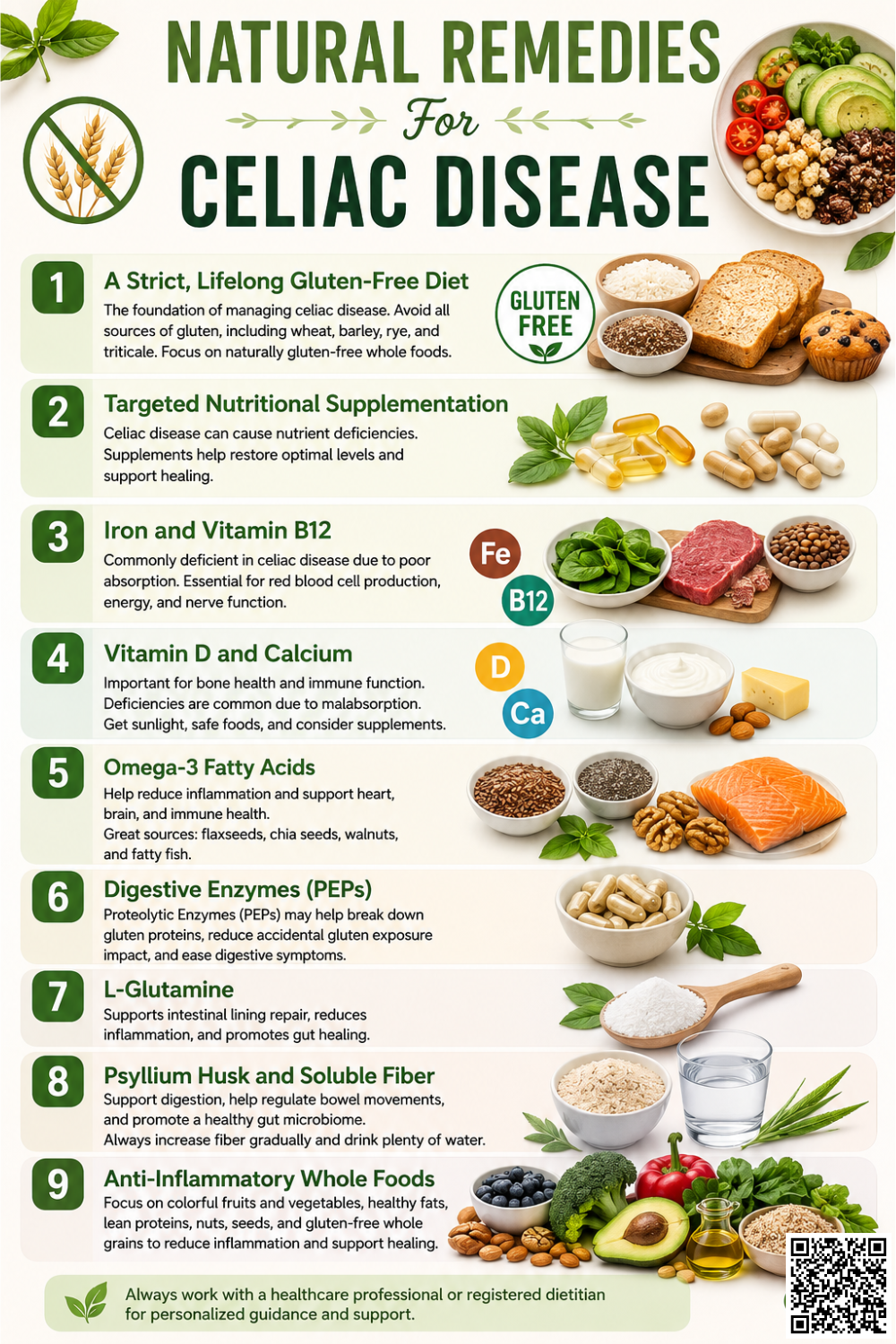 2. Targeted Nutritional Supplementation
How it may help
Celiac disease severely damages the intestinal lining, causing poor absorption of essential nutrients such as iron, calcium, vitamin D, and B vitamins 8. Targeted nutritional supplementation helps correct these specific deficiencies, restoring depleted nutrient stores and resolving systemic complications like anemia and decreased bone density while the gut heals 9.
What research says
Clinical studies indicate that a gluten-free diet alone frequently fails to fully normalize nutritional profiles, leaving patients with persistent micronutrient shortages 10. Evidence confirms that systematic supplementation of missing vitamins and minerals successfully elevates serum concentrations to normal ranges and significantly improves skeletal health outcomes 11.
How to use it safely
You must verify that all supplements are certified gluten-free to avoid hidden cross-contamination 12. Undergo regular blood screening to identify your nutritional gaps, taking supplements under medical supervision with precise dosages tailored to your initial serum levels 13.
Potential precautions or side effects
You should avoid excessive self-supplementation, as high iron doses can cause severe gastrointestinal distress, while overconsuming fat-soluble vitamins may lead to dangerous metabolic or cardiovascular toxicity 14.
3. Iron and Vitamin B12
How it may help
Celiac disease damages the upper small intestine, severely impairing the body’s ability to absorb iron and vitamin B12 from food . Targeted supplementation directly corrects the resulting anemia, restores depleted cellular energy levels, and prevents irreversible nerve damage while the intestinal lining slowly heals 15.
What research says
Clinical evidence establishes unexplained iron-deficiency anemia as one of the most common diagnostic indicators of celiac disease in adults 16. Research confirms that targeted replenishment of iron and vitamin B12 rapidly normalizes red blood cell production and significantly reduces chronic fatigue in newly diagnosed patients 17.
How to use it safely
You should obtain comprehensive blood tests to confirm specific deficiencies before starting supplementation 18. Always verify that your chosen vitamins are certified gluten-free, and consider taking iron alongside vitamin C to maximize absorption while spacing it apart from calcium supplements 19.
Potential precautions or side effects
You may experience constipation, nausea, or dark stools when taking oral iron 20. Avoid unmonitored high-dose iron therapy, as toxic accumulation can cause severe organ damage 21.
4. Vitamin D and Calcium
How it may help
Untreated celiac disease damages the intestinal lining, severely impairing the body’s ability to absorb fat-soluble vitamins and crucial minerals. Supplementing vitamin D and calcium directly addresses this malabsorption, helping to rebuild bone mineral density and preventing the early onset of osteoporosis while the gut undergoes healing 22.
What research says
Clinical investigations reveal that metabolic bone disease and severe vitamin D deficiency are highly prevalent among newly diagnosed adult celiac patients 23. Medical evidence confirms that combining a strict gluten-free diet with targeted calcium and vitamin D supplementation effectively restores bone mass and normalizes skeletal metabolism over time 24.
How to use it safely
You should request a baseline bone density scan and blood tests to determine your specific deficiency levels before initiating supplementation 25. Always ensure your supplements are certified gluten-free, and take vitamin D alongside a meal containing healthy fats to maximize intestinal absorption 26.
Potential precautions or side effects
Avoid excessive calcium intake, which can cause kidney stones and cardiovascular complications 27. Overconsuming vitamin D may lead to dangerous calcium buildup and toxicity in your blood 28.
5. Omega-3 Fatty Acids
How it may help
Omega-3 fatty acids possess potent anti-inflammatory properties that help calm the aggressive immune response within the digestive tract of individuals with celiac disease 29. By actively reducing mucosal inflammation, these essential fats support the cellular repair of the damaged intestinal lining and promote better overall gastrointestinal function 30.
What research says
Clinical investigations demonstrate that omega-3 supplementation significantly decreases the production of pro-inflammatory cytokines in the gut tissue of patients with autoimmune digestive conditions 31. Furthermore, medical evidence indicates that increasing dietary intake of these fatty acids helps correct the widespread lipid imbalances frequently observed alongside intestinal damage 32.
How to use it safely
You should source omega-3s from certified gluten-free fish oil or algae-based supplements to eliminate cross-contamination risks 33. Take these supplements alongside meals containing other fats to enhance absorption, and consult your healthcare provider to establish a precise dosage 34.
Potential precautions or side effects
You may experience mild gastrointestinal discomfort, such as nausea or loose stools 35. Avoid excessive doses, as high amounts of omega-3s can thin the blood and increase bleeding risks 36.
6. Digestive Enzymes (PEPs)
How it may help
Prolyl endopeptidases (PEPs) are specialized digestive enzymes designed to break down tough, proline-rich gluten proteins into smaller, harmless fragments before they can trigger an autoimmune response 37. These enzymes specifically target trace amounts of accidental gluten exposure, acting as a supportive safety net alongside strict dietary compliance 38.
What research says
Clinical trials demonstrate that while specific PEPs successfully degrade minor gluten fragments within the stomach, they cannot process large quantities of the protein quickly enough to prevent intestinal damage 39. Medical evidence confirms these enzyme supplements are completely ineffective at protecting patients who intentionally consume gluten-containing meals 40.
How to use it safely
You must never use enzyme supplements as a justification to deliberately eat gluten-containing foods. Only consider taking them under medical supervision to mitigate potential cross-contamination risks when dining out, ensuring your chosen supplement is explicitly verified as gluten-free 41.
Potential precautions or side effects
Relying on enzymes to consume gluten will cause severe, progressive intestinal damage. You may also experience mild gastrointestinal distress, including bloating or nausea, when introducing these supplements 42.
7. L-Glutamine
How it may help
L-Glutamine is a vital amino acid that serves as the primary energy source for the cells lining the digestive tract 43. It actively supports the repair of the damaged intestinal mucosal barrier caused by celiac disease, helping to restore healthy gut permeability and prevent harmful substances from leaking into the bloodstream 44.
What research says
Clinical studies confirm that glutamine supplementation significantly reduces abnormal intestinal permeability and systemic inflammation in individuals with compromised gut barriers 45. Medical evidence suggests that while it accelerates the regeneration of intestinal tissue, it acts only as a supportive treatment and cannot replace a strict gluten-free regimen 46.
How to use it safely
You should begin with a low dose of certified gluten-free L-glutamine powder dissolved in cold liquids, as heat destroys the amino acid 47. Always consult your healthcare provider to establish a precise, individualized daily dosage tailored to your specific level of intestinal healing 48.
Potential precautions or side effects
You may experience mild bloating or cramps when starting supplementation 49. You must avoid L-glutamine entirely if you have severe liver disease, kidney failure, or specific neurological disorders 50.
8. Psyllium Husk and Soluble Fiber
How it may help
A gluten-free diet frequently lacks adequate dietary fiber, complicating digestive recovery 51. Psyllium husk provides a non-irritating source of soluble fiber that absorbs water to form a soothing gel within the gastrointestinal tract 52. This mechanism regulates bowel movements, resolving both the diarrhea and constipation commonly experienced during early celiac treatment 53.
What research says
Clinical evaluations confirm that individuals adhering to a gluten-free regimen often consume significantly less than the recommended daily intake of dietary fiber 54. Medical evidence demonstrates that soluble fiber supplementation effectively improves stool consistency and significantly reduces overall gastrointestinal distress in patients with compromised digestive function 55.
How to use it safely
You must select certified gluten-free psyllium supplements to avoid agricultural cross-contamination 56. Start with a low dose and gradually increase it over several weeks to allow digestive adaptation 57. Always consume the fiber with ample water to prevent severe intestinal blockages 58.
Potential precautions or side effects
You may experience temporary gas or abdominal cramps when initially introducing fiber 59. Consuming psyllium without adequate fluids presents a severe choking hazard and risk of bowel obstruction 60.
9. Anti-Inflammatory Whole Foods
How it may help
Celiac disease triggers chronic systemic inflammation that damages the intestinal lining and impairs nutrient absorption 61. Incorporating a diet rich in naturally anti-inflammatory whole foods, such as fresh vegetables, fruits, and lean proteins, helps suppress this immune-mediated inflammatory response and accelerates mucosal tissue healing 62.
What research says
Clinical evidence demonstrates that highly processed gluten-free replacement foods often contain excessive levels of refined sugars and unhealthy fats, which can exacerbate underlying gastrointestinal inflammation. Medical studies confirm that transitioning to unprocessed, plant-based whole foods significantly reduces oxidative stress markers and promotes long-term remission of intestinal damage 63.
How to use it safely
You should focus your diet on naturally gluten-free staples like fresh produce, legumes, and unprocessed meats rather than relying heavily on packaged alternatives 64. Always thoroughly wash raw agricultural products and verify that naturally gluten-free grains are certified to prevent agricultural cross-contamination 65.
Potential precautions or side effects
You may experience temporary gas or bloating when rapidly increasing your intake of raw fibrous vegetables 66. Avoid consuming unrecognized bulk agricultural grains without verified gluten-free labeling 67.
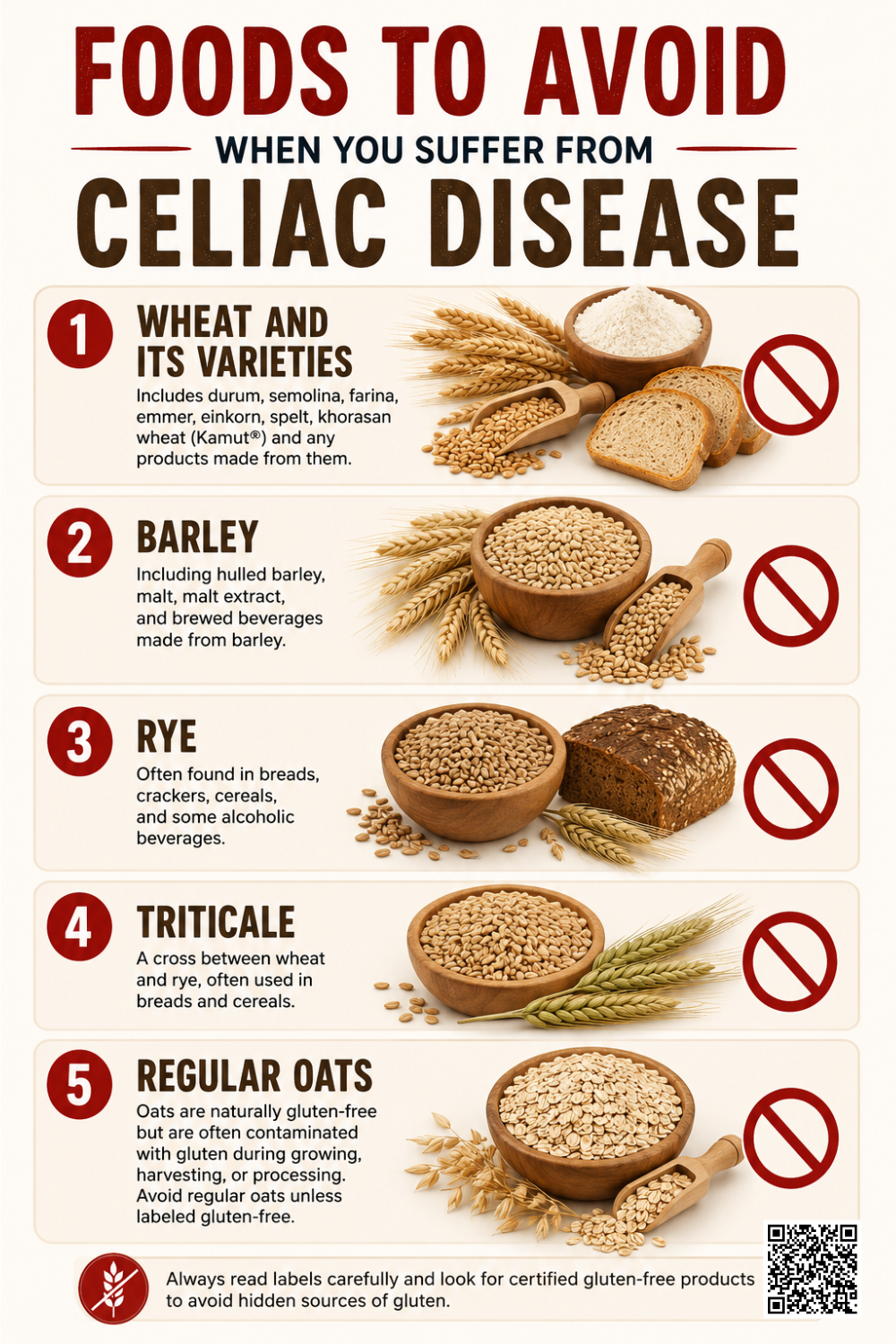 Foods to Avoid When You suffer from Celiac Disease
1. Wheat and its Varieties
Wheat contains gliadin, the primary gluten protein triggering an autoimmune response. Avoid all wheat products, including durum, kamut, spelt, and semolina flour. 68
2. Barley
Barley contains hordein, a toxic prolamin. All forms of barley, including malt extracts and flavorings, are unsafe and will provoke intestinal inflammation in celiac patients. 69, 70
3. Rye
Rye contains secalin, a gluten protein causing significant mucosal damage. Avoid rye bread, rye flour, and rye cereals to maintain a strict gluten-free diet. 71, 72
4. Triticale
Triticale is a crossbred hybrid of wheat and rye. It possesses the gluten components of both parent grains and damages the intestinal lining of celiac patients. 73, 74
5. Regular Oats
Although inherently gluten-free, regular oats are heavily cross-contaminated during processing. Avenin in oats can also trigger symptoms. Choose only certified gluten-free oats. 75, 76
When To see Doctor when you have Celiac Disease
1. Persistent Digestive Symptoms
See a doctor if you experience ongoing diarrhea, severe bloating, or abdominal pain despite a strict gluten-free diet, which may indicate accidental gluten exposure or refractory celiac disease. 77
2. Unexplained Weight Loss or Poor Growth
Significant weight loss in adults or delayed growth and poor weight gain in children warrants immediate evaluation, as it signals severe malabsorption and ongoing intestinal damage. 78, 79
3. Nutritional Deficiencies and Anemia
Consult a physician if you develop chronic fatigue, weakness, or pale skin, which are common signs of iron-deficiency anemia or a lack of essential vitamins like B12. 80, 81
4. Neurological or Bone Health Issues
Seek medical help for new neurological symptoms like neuropathy or frequent bone fractures, as these can indicate serious extraintestinal complications like gluten ataxia, osteopenia, or osteoporosis. 82, 83