

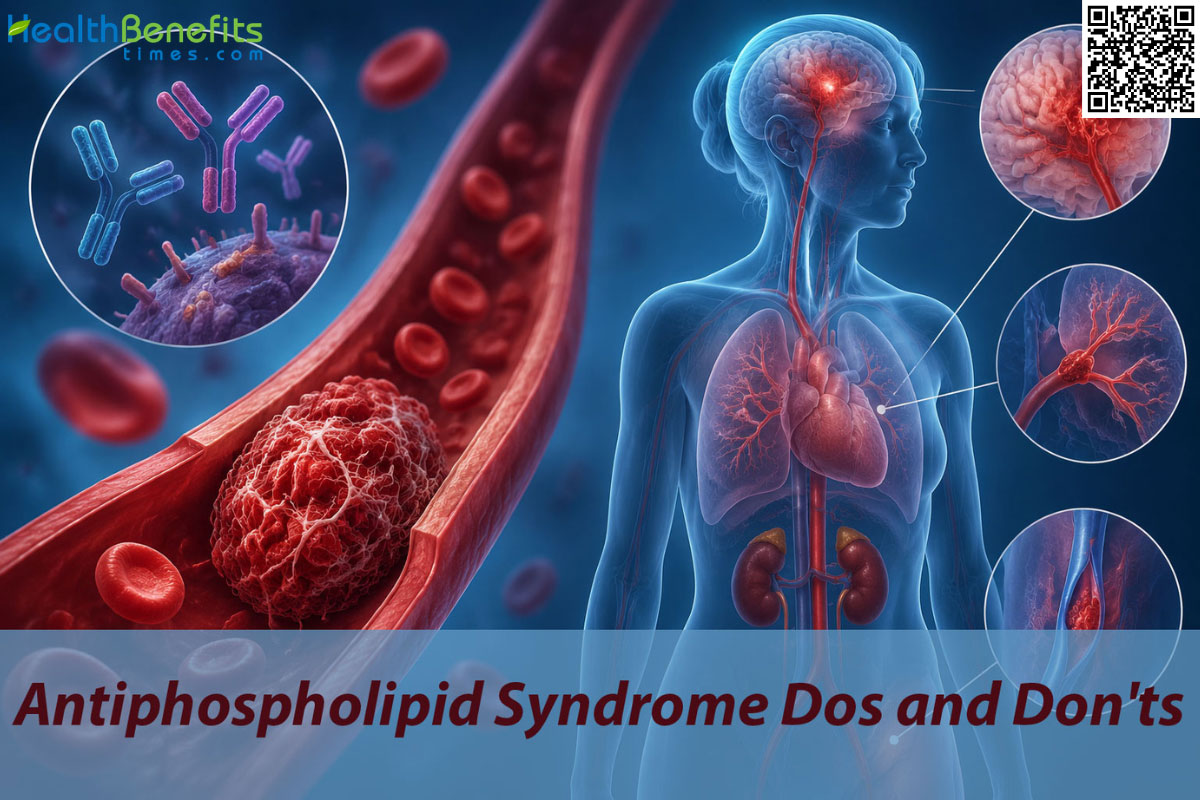
Antiphospholipid syndrome (APS) is a systemic autoimmune disorder in which the immune system mistakenly produces antibodies that target normal proteins in the blood (Sammaritano, 2020). This abnormal response creates a dangerous hypercoagulable state, meaning the blood clots much more easily than it should. These clots can form within veins, arteries, and small blood vessels throughout the body, leading to severe complications such as deep vein thrombosis (blood clots in the deep veins) or ischemic strokes (Schreiber et al., 2018). Furthermore, APS is a major cause of severe pregnancy complications, including recurrent miscarriages, early fetal loss, and preeclampsia. The condition can occur independently or alongside other autoimmune diseases like systemic lupus erythematosus. Because the hallmark of the disease is the formation of dangerous blood clots, clinical management typically focuses on long-term treatment with blood thinners to prevent life-threatening vascular blockages and improve overall health outcomes (Schreiber et al., 2018). 1, 2
Causes of Antiphospholipid Syndrome
- Underlying Autoimmune Diseases: The presence of other autoimmune disorders, most commonly systemic lupus erythematosus (SLE), which prompts the immune system to mistakenly generate antiphospholipid antibodies.
- Genetic Predisposition: Inheriting specific genetic markers or having a family history of autoimmune diseases, which increases the susceptibility to developing the syndrome.
- Infections: Certain bacterial, viral, and parasitic infections can trigger the condition, including HIV, hepatitis C, syphilis, cytomegalovirus (CMV), parvovirus B19, and malaria.
- Medications: Adverse reactions to specific prescription drugs, including hydralazine (used for high blood pressure), quinidine (used for heart rhythm irregularities), phenytoin (an anti-seizure medication), and certain antibiotics like amoxicillin.
- Environmental and Physical Triggers: In individuals who already carry antiphospholipid antibodies, the active clotting phase of the syndrome can be triggered by external events such as major surgery, significant physical trauma, prolonged immobility, or the physiological changes of pregnancy.3, 4, 5
Symptoms of Antiphospholipid Syndrome
- Deep Vein Thrombosis (DVT): The development of blood clots within deep veins, typically causing swelling, redness, pain, or tenderness in the legs or arms.
- Pregnancy Complications: A documented history of recurrent miscarriages, premature births, or late-term pregnancy losses, often associated with preeclampsia.
- Ischemic Stroke: Sudden blockage of blood flow to the brain, which may manifest as temporary or permanent weakness, paralysis, speech difficulties, or confusion.
- Transient Ischemic Attack (TIA): Brief, stroke-like episodes caused by temporary blood flow blockages to the brain, serving as a critical warning sign for future strokes.
- Pulmonary Embolism: A medical emergency occurring when a clot travels to the lungs, characterized by sudden, sharp chest pain, rapid heart rate, and acute shortness of breath.
- Livedo Reticularis: A persistent, painless, net-like reddish or purplish discoloration appearing on the skin, commonly visible on the limbs or torso.
- Thrombocytopenia: A condition characterized by a low platelet count, which may lead to easy bruising, bleeding gums, or small red spots on the skin known as petechiae.
- Neurological Symptoms: Frequent migraines, cognitive dysfunction, memory loss, or complex neurological issues resulting from impaired blood circulation to the brain.
- Heart Valve Disease: The development of abnormal thickening or vegetations on heart valves, which can impair proper cardiac function and increase the risk of systemic clots. 6, 5, 7
Antiphospholipid Syndrome Dos
1. Take Prescribed Anticoagulant Medications Exactly as Directed
How it may help
Anticoagulant medications are the primary treatment for antiphospholipid syndrome because they actively prevent abnormal blood clots from forming in the veins and arteries 8. By keeping the blood flowing smoothly, these therapies significantly reduce the risk of life-threatening events like deep vein thrombosis, pulmonary embolism, and ischemic strokes 9.
What research says
Clinical evidence demonstrates that long-term anticoagulant therapy, particularly with warfarin, is highly effective at preventing recurrent blood clots in individuals with antiphospholipid syndrome 10. Furthermore, research indicates that pregnant patients who receive a combination of low-dose aspirin and heparin experience significantly higher rates of successful, full-term deliveries 11.
How to use it safely
Take your medication at the exact same time every day to maintain consistent blood levels. If you are prescribed warfarin, you must attend all scheduled blood tests to monitor your clotting time, which ensures your dosage remains both safe and effective 12.
Potential precautions or side effects
The most common side effect is an increased risk of bleeding and easy bruising 13. Seek immediate emergency medical care if you experience unusually heavy, prolonged, or unexplained bleeding.
2. Keep Up With Regular Blood Monitoring and Tests
How it may help
Regular blood tests, specifically the International Normalized Ratio (INR), are essential to measure exactly how long it takes your blood to clot 14. Continuous monitoring ensures that prescribed anticoagulant doses remain strictly within a safe therapeutic range, effectively preventing new clots while minimizing dangerous internal bleeding risks 15.
What research says
Clinical studies confirm that patients who maintain their INR levels within a strict target range experience significantly fewer recurrent blood clots and strokes 16. Maintaining consistent therapeutic stability through frequent monitoring is proven to be a critical factor in improving long-term survival rates for individuals with this condition 17.
How to use it safely
Attend all scheduled laboratory appointments consistently. If your doctor approves, you may use a home testing monitor for more convenient checking 18. Always record your numbers carefully and contact your healthcare provider immediately if your results fall outside your designated target range.
Potential precautions or side effects
Routine blood draws can cause minor, temporary bruising at the needle site. Skipping scheduled tests can result in incorrect medication dosages, increasing your risk for severe bleeding or fatal clots.
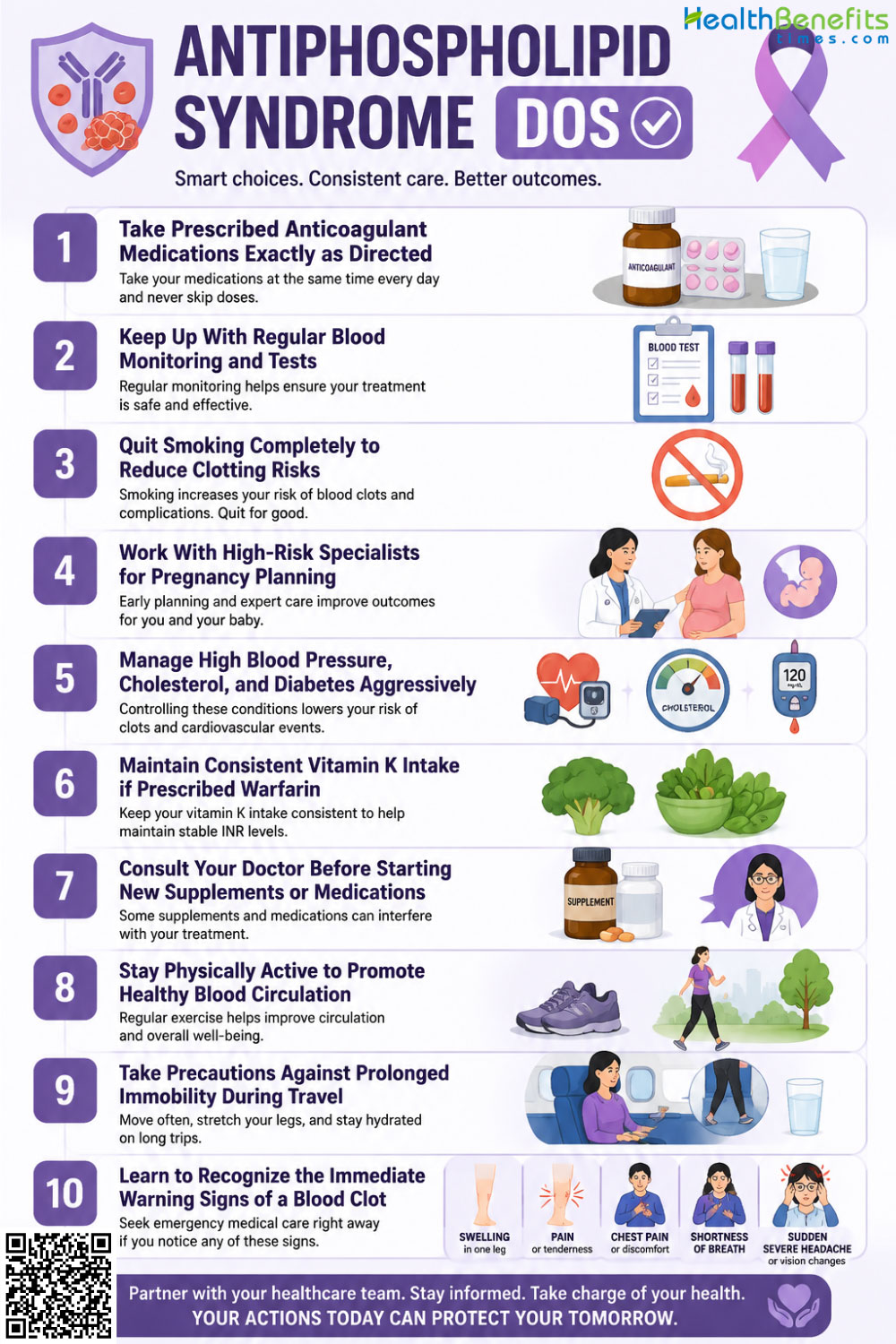
3. Quit Smoking Completely to Reduce Clotting Risks
How it may help
Smoking directly damages the inner lining of blood vessels and increases blood cell stickiness 19. For individuals with antiphospholipid syndrome, quitting smoking eliminates a major compounding risk factor that accelerates the formation of dangerous arterial and venous blood clots 20.
What research says
Research demonstrates that cigarette smoking significantly multiplies the risk of arterial thrombosis and strokes in patients who possess antiphospholipid antibodies 21. Clinical studies confirm that eliminating tobacco use substantially lowers the overall likelihood of cardiovascular events and restores long-term vascular health 22.
How to use it safely
Consult your healthcare provider to develop a personalized smoking cessation plan. They may recommend safely using FDA-approved nicotine replacement therapies, such as patches or gums, alongside behavioral counseling to effectively manage daily cravings and ensure long-term success 23.
Potential precautions or side effects
Nicotine withdrawal can cause temporary irritability, severe headaches, anxiety, and increased appetite 24. Always discuss prescription quitting aids with your doctor to prevent potential interactions with your anticoagulant therapies.
4. Work With High-Risk Specialists for Pregnancy Planning
How it may help
Consulting a maternal-fetal medicine specialist helps manage the severe pregnancy risks associated with antiphospholipid syndrome, such as recurrent miscarriages and preeclampsia 25. These high-risk experts closely monitor fetal development and adjust maternal blood-thinning medications to ensure continuous blood flow to the placenta and protect both patients 26.
What research says
Research confirms that comprehensive care from obstetric specialists significantly improves successful live birth rates for patients with this autoimmune disorder 27. Clinical evidence demonstrates that closely supervised treatment combining low-dose aspirin with heparin effectively prevents placental blood clots and drastically reduces the likelihood of late-term fetal loss 28.
How to use it safely
Schedule a preconception consultation with an obstetric specialist months before attempting pregnancy to safely adjust your treatment plan 29. You must attend all scheduled ultrasound screenings and strictly transition from unsafe oral anticoagulants to pregnancy-safe medications exactly as directed 30.
Potential precautions or side effects
High-risk pregnancy treatments like injectable heparin carry a risk of localized skin bruising, an increased chance of bleeding during delivery, and potential bone density loss over time 31.
5. Manage High Blood Pressure, Cholesterol, and Diabetes Aggressively
How it may help
Actively managing conditions like hypertension, high cholesterol, and diabetes is vital because these metabolic disorders severely damage blood vessel walls 32. Controlling these traditional cardiovascular risk factors prevents additional stress on the vascular system, significantly lowering the compounded risk of life-threatening arterial blood clots and strokes 33.
What research says
Clinical research demonstrates that patients with antiphospholipid syndrome who also have uncontrolled diabetes or hypertension face a substantially higher incidence of recurrent vascular thrombosis 34. Studies confirm that aggressively treating these underlying metabolic conditions directly correlates with a significant reduction in subsequent cardiovascular events and overall mortality 35.
How to use it safely
Work closely with your primary care physician to establish strict target goals for your blood pressure, lipid levels, and blood sugar 36. Take all prescribed metabolic medications consistently, adopt a low-sodium diet, and regularly monitor your vital signs at home to ensure disease stability 37.
Potential precautions or side effects
Medications for blood pressure, cholesterol, or diabetes can occasionally cause dizziness, muscle aches, or dangerously low blood sugar 38. Always review new prescriptions to prevent dangerous blood-thinner interactions.
6. Maintain Consistent Vitamin K Intake if Prescribed Warfarin
How it may help
Warfarin works by blocking vitamin K, a crucial nutrient the liver uses to form blood clots 39. Maintaining a steady daily intake of vitamin K prevents sudden shifts in your blood’s clotting ability, ensuring your prescribed anticoagulant dosage remains consistently effective and safe 40.
What research says
Clinical research indicates that sudden changes in dietary vitamin K intake directly disrupt therapeutic blood-thinning levels, leading to dangerous fluctuations in clotting times 41. Studies conclude that patients who consume a consistent daily amount of vitamin K achieve significantly higher stability in their overall anticoagulant therapy 42.
How to use it safely
Keep your weekly consumption of leafy greens, such as spinach and kale, exactly the same. Do not avoid vitamin K entirely; simply eat consistent portions 43. Inform your doctor before making major diet changes or starting multivitamins, as these often contain hidden vitamin K 44.
Potential precautions or side effects
A sudden increase in vitamin K can cause the blood to clot dangerously, while a sudden decrease can trigger severe internal bleeding due to overly thin blood 45.
7. Consult Your Doctor Before Starting New Supplements or Medications
How it may help
Many over-the-counter drugs, herbal supplements, and vitamins can dangerously interact with prescription blood thinners 46. Consulting a physician ensures that new products will not disrupt the effectiveness of your anticoagulant therapy, actively preventing severe complications like unexpected hemorrhaging or sudden clot formation 47.
What research says
Clinical evidence shows that common supplements, such as St. John’s wort, garlic, and ginkgo biloba, significantly alter how the liver metabolizes blood-thinning medications 44. Studies confirm these interactions can drastically increase the risk of severe bleeding or cause the anticoagulant to fail entirely, leading to fatal thrombosis 48.
How to use it safely
Always maintain an updated list of every vitamin, herbal product, and over-the-counter medication you take 49. Before buying any new pharmacy product, ask your pharmacist or doctor to directly screen for potential interactions with your specific antiphospholipid syndrome treatments 50.
Potential precautions or side effects
Mixing unapproved supplements with blood thinners can cause hidden internal bleeding, organ damage, or sudden stroke 51. Common pain relievers like ibuprofen dangerously amplify bleeding risks when combined with anticoagulants 52.
8. Stay Physically Active to Promote Healthy Blood Circulation
How it may help
Regular physical activity keeps blood moving efficiently throughout the body, preventing blood from pooling in the lower extremities 53. By maintaining continuous circulation, daily exercise significantly lowers the risk of developing dangerous deep vein thrombosis, a primary complication of antiphospholipid syndrome 54.
What research says
Clinical studies demonstrate that engaging in regular, moderate-intensity physical activity significantly reduces the overall risk of venous thromboembolism by improving vascular health 55. Research confirms that routine exercise naturally lowers circulating coagulation factors, effectively preventing recurrent clotting events in high-risk patients 56.
How to use it safely
Choose safe, low-impact activities like brisk walking or swimming to minimize injury risks while on blood thinners 57. Wear proper footwear and consult your doctor before beginning any new exercise regimen to ensure it safely aligns with your specific cardiovascular capabilities 58.
Potential precautions or side effects
Patients taking anticoagulants must strictly avoid contact sports to prevent severe internal bleeding from accidental trauma 59. Stop exercising immediately if sudden chest pain or dizziness occurs.
9. Take Precautions Against Prolonged Immobility During Travel
How it may help
Sitting for long periods during air or car travel causes blood to pool in the lower legs, creating an ideal environment for clotting 60. Taking active movement precautions prevents this stagnation and significantly reduces the risk of developing life-threatening deep vein thrombosis 61.
What research says
Clinical evidence demonstrates that remaining immobile for over four hours during travel significantly multiplies the risk of venous thromboembolism 62. Research confirms that wearing properly fitted compression stockings and performing frequent leg exercises during long journeys effectively prevents dangerous vascular blockages 63.
How to use it safely
Make it a habit to stand up and walk around every hour during long flights. While seated, regularly flex your ankles and stretch your calf muscles to stimulate continuous blood flow 64. Ask your doctor if graduated compression stockings are appropriate for your condition.
Potential precautions or side effects
Never cross your legs, as this severely restricts blood circulation 65. Ensure compression garments are professionally fitted, because incorrectly sized stockings can dangerously trap blood and worsen pooling.
10. Learn to Recognize the Immediate Warning Signs of a Blood Clot
How it may help
Recognizing the physical warning signs of a blood clot empowers patients to seek emergency medical intervention before irreversible tissue damage occurs 66. Prompt identification of symptoms such as sudden leg swelling or unexplained chest pain is absolutely critical to surviving life-threatening conditions like pulmonary embolisms 67.
What research says
Clinical studies confirm that early recognition and immediate treatment of venous thromboembolism significantly reduce overall mortality and prevent long-term post-thrombotic complications 68. Research demonstrates that patients who receive rapid medical intervention upon the very first neurological signs of a stroke experience drastically improved recovery outcomes 69.
How to use it safely
Memorize the hallmark symptoms of a clot, including sudden shortness of breath, localized limb warmth, or the classic signs of a stroke like facial drooping 70. If you experience these indicators, immediately call emergency medical services instead of driving yourself to the hospital 71.
Potential precautions or side effects
Never dismiss sudden leg pain as a harmless muscle cramp 72. Delaying professional medical evaluation drastically increases the risk of fatal cardiovascular events or permanent neurological damage 73.
Antiphospholipid Syndrome Don’ts
1. Avoid Suddenly Stopping Your Blood Thinning Medication
How it may Harm
Abruptly discontinuing anticoagulant medication immediately removes the chemical barrier that prevents abnormal clotting in the bloodstream 15. For individuals with antiphospholipid syndrome, this sudden withdrawal often triggers a severe rebound effect, causing rapid, widespread clot formation that can result in life-threatening strokes, deep vein thrombosis, or pulmonary embolisms 5.
What research says
Clinical evidence reveals that stopping long-term oral anticoagulation in patients with antiphospholipid syndrome leads to exceptionally high recurrence rates of severe vascular clotting 16. Research confirms that lifelong blood-thinning therapy is strictly required to prevent fatal cardiovascular and neurological events in this high-risk population 9.
2. Don’t Use Estrogen-Based Birth Control or Hormone Replacement Therapy
How it may Harm
Estrogen significantly increases the blood’s natural tendency to clot by altering coagulation factors in the liver 74. For women with antiphospholipid syndrome, taking estrogen-based oral contraceptives or hormone replacement therapies aggressively compounds their already severe risk of experiencing life-threatening deep vein thrombosis, pulmonary embolisms, and strokes 20.
What research says
Clinical studies confirm that synthetic estrogen administration exponentially multiplies the incidence of venous thromboembolism in patients who possess antiphospholipid antibodies 9. Because of this heightened cardiovascular danger, medical guidelines strictly prohibit combined hormonal contraceptives for these patients, strongly recommending non-hormonal or progestin-only alternatives instead 7.
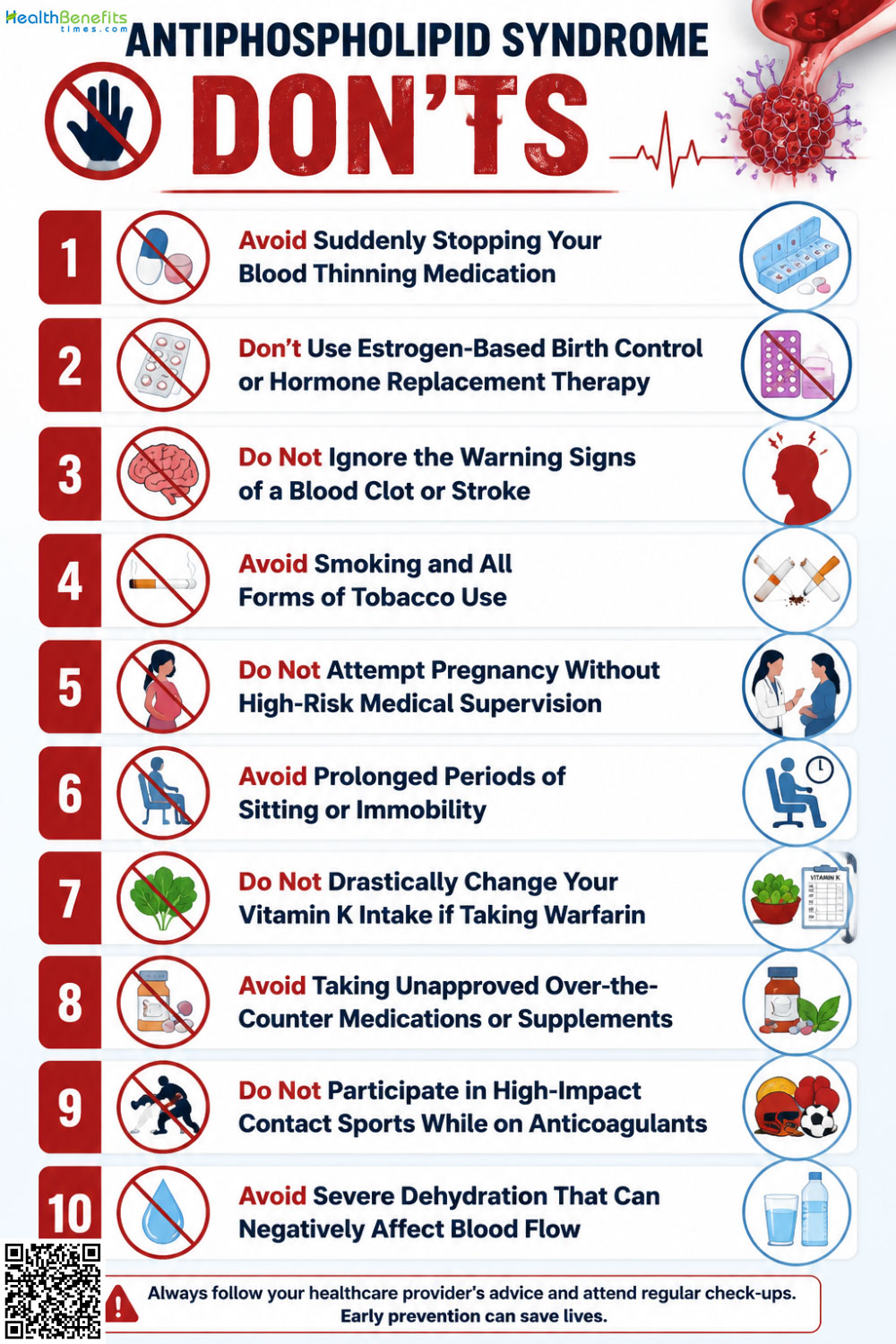
3. Do Not Ignore the Warning Signs of a Blood Clot or Stroke
How it may Harm
Dismissing early symptoms of a blood clot, such as sudden leg swelling, unexplained shortness of breath, or facial drooping, allows the vascular blockage to rapidly worsen 66. Delaying emergency medical intervention deprives vital organs of oxygen, frequently resulting in permanent tissue damage, severe neurological disability, or sudden death 75.
What research says
Clinical evidence strongly confirms that survival and recovery rates plummet when patients delay seeking immediate treatment for sudden vascular blockages 76. Research emphasizes that administering emergency clot-dissolving therapies within the strictly limited first few hours of symptom onset drastically reduces permanent impairments and prevents fatal cardiovascular collapse 77.
4. Avoid Smoking and All Forms of Tobacco Use
How it may Harm
Tobacco use introduces harmful chemicals that directly damage the inner lining of blood vessels and increase blood cell stickiness 78. For individuals with antiphospholipid syndrome, smoking aggressively amplifies the underlying clotting disorder, leading to severe, life-threatening cardiovascular blockages such as early heart attacks and strokes 20.
What research says
Clinical evidence establishes that cigarette smoking exponentially multiplies the risk of severe arterial thrombosis in patients who produce antiphospholipid antibodies 21. Research confirms that completely eliminating tobacco consumption significantly reduces the frequency of recurrent vascular events and is absolutely essential for long-term cardiovascular survival in this high-risk population 7.
5. Do Not Attempt Pregnancy Without High-Risk Medical Supervision
How it may Harm
Attempting pregnancy without specialized medical oversight poses severe dangers, as antiphospholipid antibodies aggressively target placental blood vessels 26. Without preemptive treatment, these antibodies cause extensive blood clots that block vital nutrients, frequently resulting in recurrent miscarriages, late-term stillbirths, and life-threatening preeclampsia for the mother 4.
What research says
Clinical research demonstrates that unsupervised pregnancies in patients with antiphospholipid syndrome suffer catastrophic fetal loss rates exceeding 80 percent 11. However, studies confirm that initiating carefully monitored combinations of low-dose aspirin and heparin early in the first trimester significantly improves successful live birth rates to over 70 percent 25.
6. Avoid Prolonged Periods of Sitting or Immobility
How it may Harm
Prolonged physical immobility causes blood to pool and move sluggishly through the lower legs 79. In individuals with antiphospholipid syndrome, this severe restriction in blood flow creates an optimal environment for dangerous clots to form 4. This continuous stagnation drastically increases the likelihood of experiencing a life-threatening deep vein thrombosis or a fatal lung clot 5.
What research says
Clinical evidence demonstrates that remaining inactive for extended periods independently multiplies the overall risk of developing severe venous blood clots 80. Research confirms that taking frequent movement breaks to actively engage the leg muscles prevents dangerous blood pooling and significantly reduces the incidence of sudden cardiovascular blockages 53.
7. Do Not Drastically Change Your Vitamin K Intake if Taking Warfarin
How it may Harm
Warfarin functions by inhibiting the body’s use of vitamin K to generate blood-clotting factors 39. Drastically increasing or decreasing dietary vitamin K intake suddenly alters your blood’s clotting speed, which can cause your anticoagulant dosage to become dangerously ineffective or, conversely, trigger severe, life-threatening internal bleeding 40.
What research says
Clinical research confirms that unstable vitamin K consumption is a primary cause of erratic clotting time results in patients on long-term warfarin therapy 41. Studies show that maintaining a consistent daily intake of vitamin K is essential for achieving steady therapeutic levels and significantly reducing the risk of major hemorrhage or recurrent thrombosis 42.
8. Avoid Taking Unapproved Over-the-Counter Medications or Supplements
How it may Harm
Many non-prescription drugs and herbal supplements interact dangerously with anticoagulant therapy, either by inhibiting the medication’s effect or by causing excessive blood thinning 49. Taking unapproved products can lead to life-threatening complications, including sudden internal hemorrhaging or a complete failure of the medication to prevent dangerous clots 50.
What research says
Clinical evidence demonstrates that common supplements such as ginkgo biloba, garlic, and St. John’s wort significantly alter the metabolism of blood thinners, leading to erratic therapeutic levels 44. Studies confirm that these unplanned interactions exponentially increase the risk of severe bleeding events or recurrent thrombosis in patients with antiphospholipid syndrome who are already at high risk for vascular complications 48.
9. Do Not Participate in High-Impact Contact Sports While on Anticoagulants
How it may Harm
Anticoagulant therapy significantly impairs the body’s ability to stop bleeding, transforming minor physical trauma into a critical emergency 57. Engaging in high-impact contact sports like football, boxing, or hockey drastically increases the risk of sustaining severe internal injuries, such as traumatic brain hemorrhages or deep organ bruising, which can become rapidly fatal 59.
What research says
Clinical evidence demonstrates that patients on long-term anticoagulant therapy face significantly higher rates of severe injury and prolonged recovery times following blunt force trauma 81. Research confirms that the elevated risk of catastrophic intracranial bleeding associated with high-impact activities necessitates strict medical restrictions on contact sports to protect these patients from life-altering or fatal injuries 82.
10. Avoid Severe Dehydration That Can Negatively Affect Blood Flow
How it may Harm
Severe dehydration reduces total blood volume, which increases blood thickness and slows its flow through the veins 83. For individuals with antiphospholipid syndrome, this state of fluid loss creates a hypercoagulable environment that significantly elevates the risk of forming dangerous, life-threatening blood clots in the deep veins or lungs 84.
What research says
Clinical research indicates that dehydration is a recognized risk factor for venous thrombosis, as it can concentrate blood components and promote coagulation 85. Studies suggest that patients with underlying clotting disorders, such as antiphospholipid syndrome, are particularly vulnerable to these thrombotic events when chronic fluid loss or severe dehydration is present 84.