


Atrophic gastritis is a chronic inflammatory condition characterized by the gradual destruction of the stomach lining (gastric mucosa). Over time, the cells responsible for producing digestive acid and enzymes are lost and replaced by fibrous or intestinal-like tissue. This process impairs the stomach’s ability to properly digest food and absorb essential nutrients, such as Vitamin B12, iron, and calcium. The condition is primarily driven by two factors: chronic infection with Helicobacter pylori bacteria or autoimmune processes, where the body’s immune system mistakenly attacks its own stomach cells. If left unmanaged, the resulting loss of specialized cells can significantly increase the risk of developing nutritional deficiencies and, in some cases, gastric cancer. Clinical monitoring and diagnostic screening are critical for identifying the underlying cause and mitigating potential long-term complications through appropriate medical management. 1, 2
Causes of Atrophic Gastritis
- Chronic Helicobacter pylori Infection: A persistent bacterial infection of the stomach mucosa, widely considered the primary global cause of chronic inflammation.
- Autoimmune Atrophic Gastritis (AAG): A condition where the immune system generates autoantibodies against parietal cells and intrinsic factor, leading to the gradual loss of acid-secreting glands in the stomach body and fundus.
- Environmental and Dietary Factors: Prolonged exposure to high dietary salt intake, N-nitroso compounds, and smoking, which can exacerbate mucosal injury.
- Chronic Use of Certain Medications: Long-term use of proton pump inhibitors (PPIs) in patients who are also infected with H. pylori, which can accelerate the progression of atrophy.
- Genetic Predisposition: Inherited susceptibility, particularly in autoimmune cases, which may involve human leukocyte antigen (HLA) associations. 1, 2, 3
Symptoms of Atrophic Gastritis
Asymptomatic Presentation: Many individuals remain unaware of the condition, as gastric atrophy often progresses without clinical manifestations.
Epigastric Discomfort: Persistent or recurring pain and discomfort located in the upper central abdominal region.
Dyspepsia: Chronic indigestion characterized by sensations of fullness after eating, bloating, and early satiety.
Nausea and Vomiting: Occasional occurrences of stomach upset or emesis.
Anemia Symptoms: Signs secondary to impaired nutrient absorption—specifically Vitamin B12 and iron deficiency—such as fatigue, pallor, weakness, dizziness, and shortness of breath.
Glossitis: Inflammation of the tongue, often associated with vitamin deficiencies resulting from malabsorption.
Neurological Deficits: Peripheral neuropathy, tingling sensations, or balance issues arising from prolonged Vitamin B12 deficiency (subacute combined degeneration). 1, 2, 3
Natural Remedies for Atrophic Gastritis
1. Probiotic Supplementation
How it may help
Probiotics help manage atrophic gastritis by restoring the balance of the stomach environment, particularly when reduced acidity allows harmful bacteria to overgrow 4. These beneficial microbes can reduce inflammation, lower the density of H. pylori, and support the protective mucosal barrier in the stomach 5.
What research says
Clinical evidence indicates that specific probiotic strains increase the success rate of standard H. pylori eradication therapies when used as an adjunct 5. Research shows that probiotic supplementation can effectively alleviate common digestive symptoms such as gastric pain and bloating while helping to minimize the adverse side effects of conventional antibiotic treatments 6.
How to use it safely
To use probiotics safely, you should consult your healthcare provider to select specific, acid-resistant strains—such as certain Lactobacillus or Saccharomyces species—that are proven to survive the stomach’s environment 4. Always follow professional medical guidance regarding the appropriate dosage and duration of supplementation for your specific condition.
Potential precautions or side effects
While probiotics are generally considered safe, some individuals may experience mild temporary digestive issues, such as gas or bloating, when first starting supplementation 5. Individuals with severely weakened immune systems should exercise caution and seek medical advice before beginning probiotics 6.
2. Vitamin B12 Supplementation
How it may help
Atrophic gastritis often destroys the specialized stomach cells responsible for secreting intrinsic factor, a protein essential for vitamin B12 absorption in the small intestine 1. Supplementation prevents the resulting megaloblastic anemia and neurological impairment, ensuring adequate systemic levels when dietary intake alone becomes insufficient due to this malabsorption barrier 7.
What research says
Clinical research demonstrates that intramuscular injections or high-dose oral supplements successfully correct B12 deficiency and halt hematological and neurological progression in patients with chronic gastric atrophy 8. Studies confirm that prompt replacement therapy restores serum levels and effectively resolves related systemic symptoms in long-term clinical observations 9.
How to use it safely
To use it safely, you must have your blood levels measured by a physician to determine the appropriate dosage and delivery method, whether oral or injectable 10. Follow your provider’s specific schedule strictly, as bypass of the stomach’s digestive process may be required for optimal absorption.
Potential precautions or side effects
Supplementation is highly safe, as excess vitamin B12 is typically excreted through urine, though rare allergic reactions or acne-like skin eruptions may occur in some individuals 7.
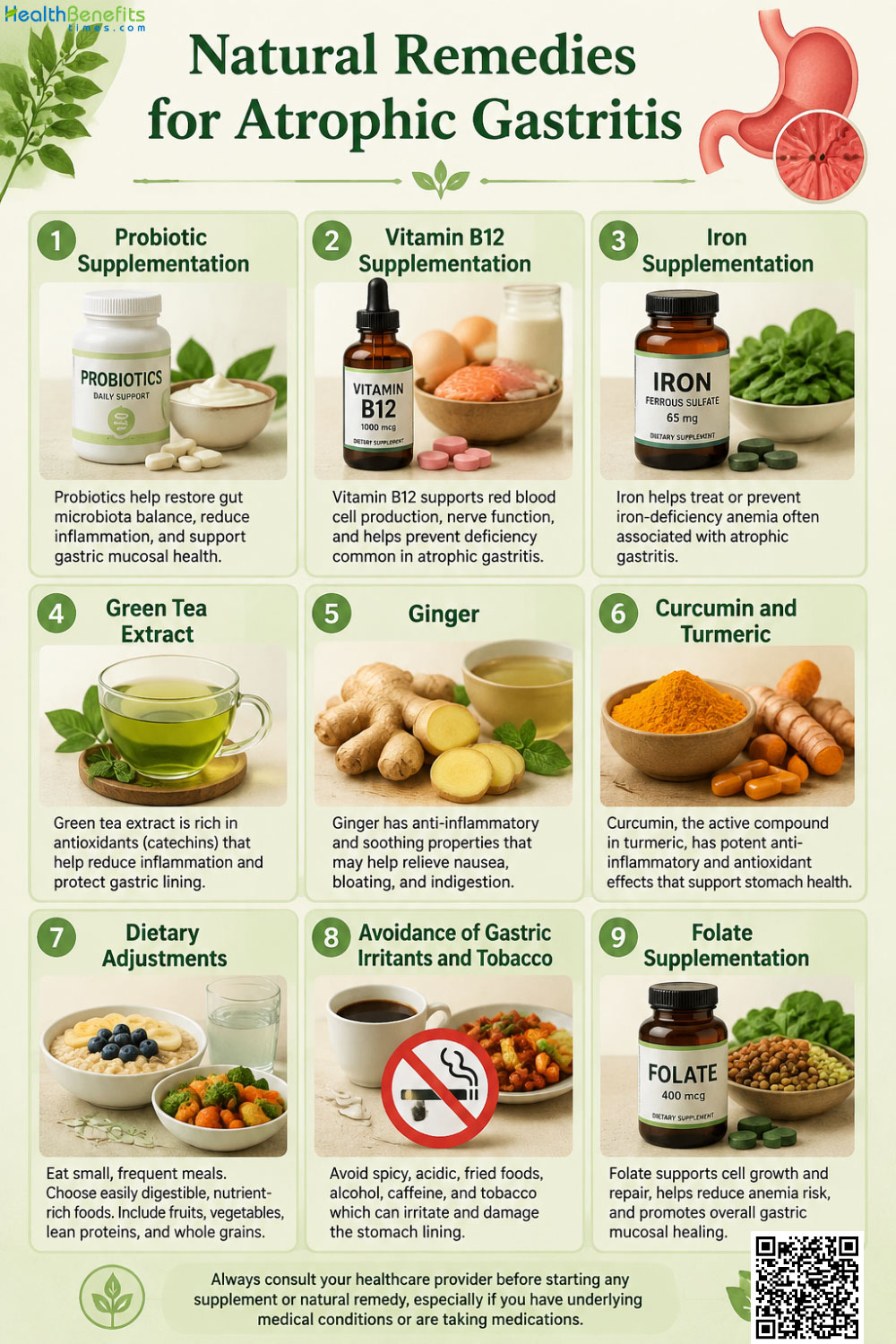
3. Iron Supplementation
How it may help
Atrophic gastritis impairs the stomach’s ability to produce necessary acid, which is critical for absorbing dietary iron from food sources 11. Supplementation addresses this malabsorption, preventing the development of iron-deficiency anemia and restoring vital oxygen transport throughout the body 8.
What research says
Clinical research indicates that iron deficiency is a frequent complication in patients with long-term gastric atrophy due to impaired solubility and uptake 9. Studies confirm that targeted iron replacement therapy effectively corrects hematological deficits and improves overall patient energy levels and symptomatic profiles in clinical practice 2.
How to use it safely
To use it safely, you must have your iron levels assessed by a physician to determine the exact dosage required to avoid toxicity 12. Taking supplements with a source of Vitamin C may help maximize absorption, though you should strictly follow your doctor’s specified timing and duration.
Potential precautions or side effects
Common side effects include nausea, abdominal discomfort, or constipation, while excessive intake may lead to iron overload or systemic organ damage if not properly monitored 11.
4. Green Tea Extract
How it may help
Green tea contains polyphenols, primarily epigallocatechin-3-gallate, which exhibit potent anti-inflammatory and antioxidant properties that help preserve the integrity of the gastric mucosa 13. By neutralizing oxidative stress and inhibiting inflammatory pathways, these compounds may protect stomach lining cells from further injury and degeneration associated with chronic gastritis 14.
What research says
Scientific observations suggest that regular intake of green tea compounds can suppress H. pylori growth and reduce the severity of inflammation in the gastric tissues 15. Evidence indicates these extracts significantly improve the health of the stomach lining and reduce potential markers of cellular damage in patients suffering from chronic inflammatory conditions 14.
How to use it safely
When using extracts, you should prioritize standardized, decaffeinated formulations to avoid gastric irritation caused by caffeine 16. Always adhere to dosages recommended by a healthcare professional, as highly concentrated extracts can significantly differ in potency from traditional brewed tea.
Potential precautions or side effects
Potential side effects include gastrointestinal distress or nausea, and excessive consumption may interfere with iron absorption or interact negatively with certain prescription medications 16.
5. Ginger
How it may help
Ginger aids in managing atrophic gastritis by promoting gastric motility and accelerating stomach emptying, which helps alleviate chronic indigestion and feelings of fullness 17. Its bioactive compounds, specifically gingerols, provide anti-inflammatory and gastroprotective effects that assist in soothing the inflamed gastric mucosa 18.
What research says
Clinical evidence indicates that ginger significantly reduces dyspeptic symptoms, including nausea and bloating, by improving overall digestive function 17. Research further suggests that these components help modulate the inflammatory response within the stomach, potentially offering symptomatic relief for those experiencing persistent digestive discomfort 18.
How to use it safely
To use it safely, consume ginger in moderate amounts, such as through fresh tea or standardized extracts, following guidance from your healthcare professional 19. Always confirm that ginger does not conflict with any existing medication regimens before beginning regular use.
Potential precautions or side effects
High doses may cause mild heartburn, diarrhea, or mouth irritation and may increase bleeding risks in individuals taking anticoagulant medications 19.
6. Curcumin and Turmeric
How it may help
Curcumin, the primary bioactive compound in turmeric, exhibits potent anti-inflammatory and antioxidant properties that help protect the stomach lining from further damage 20. By inhibiting inflammatory pathways and neutralizing oxidative stress, these compounds assist in preserving mucosal integrity and modulating the local immune environment within the gastric tissue 21.
What research says
Clinical evidence indicates that curcumin supplementation effectively reduces dyspeptic symptoms and provides significant relief for chronic gastric inflammation 20. Research confirms that these agents support mucosal repair and improve overall digestive comfort in patients managing chronic inflammatory stomach conditions 21.
How to use it safely
To use it safely, ensure you choose standardized formulations, as curcumin has low natural absorption; pairing it with black pepper extract or fat sources may enhance bioavailability 22. Always consult your physician for appropriate dosing, as concentrated supplements can interact with various medications.
Potential precautions or side effects
Side effects include potential digestive upset or nausea, while high doses may act as blood thinners and should be avoided by those on anticoagulant therapy 22.
7. Dietary Adjustments
How it may help
Strategic nutritional modifications mitigate mucosal irritation and compensate for diminished digestive capacity characteristic of atrophic gastritis 2. By favoring nutrient-dense, easily digestible foods and minimizing substances that exacerbate gastric inflammation, these adjustments optimize nutrient absorption and alleviate chronic dyspeptic symptoms 9.
What research says
Clinical research demonstrates that diets high in fresh fruits, vegetables, and fiber—while limiting salt-preserved, smoked, and processed foods—significantly reduce the risk of further gastric atrophy progression 23. Evidence highlights that such dietary patterns effectively decrease chronic inflammatory markers within the gastric mucosa, supporting structural health over time 17.
How to use it safely
To implement these changes safely, adopt a balanced diet rich in essential vitamins, particularly B12 and iron, to address malabsorption risks 10. Prioritize small, frequent meals to reduce stomach workload and consult a registered dietitian to ensure your specific nutritional needs are met without deficiencies 12.
Potential precautions or side effects
Avoid excessive consumption of alcohol, caffeine, and highly spicy foods, as these may trigger immediate gastric discomfort or mucosal injury in susceptible individuals 2.
8. Avoidance of Gastric Irritants and Tobacco
How it may help
Eliminating irritants like tobacco, alcohol, and non-steroidal anti-inflammatory drugs (NSAIDs) prevents further chemical damage to the already weakened gastric mucosa 2. This reduction in exogenous stressors allows the stomach lining to stabilize, minimizing chronic inflammation and lowering the risk of progressive tissue atrophy 9.
What research says
Clinical evidence confirms that smoking significantly inhibits mucosal repair and increases H. pylori infection risks, while frequent NSAID use is strongly associated with exacerbated gastric mucosal lesions 23. Research consistently demonstrates that complete cessation of tobacco and limiting irritant exposure leads to improved symptomatic management and reduced risk of malignant transformation 14.
How to use it safely
To safely manage this, you must systematically identify and eliminate known triggers, such as smoking, alcohol, and specific pain medications, while working with a physician to find safer pain management alternatives 24. Consistent adherence to a lifestyle free from these substances is essential for long-term mucosal protection.
Potential precautions or side effects
While eliminating these irritants carries no negative side effects, nicotine withdrawal may cause temporary irritability or increased appetite during the initial phase of cessation 25.
9. Folate Supplementation
How it may help
Folate, or Vitamin B9, is critical for DNA synthesis and cellular repair, processes that become compromised in atrophic gastritis due to chronic mucosal inflammation 26. Supplementation aids in maintaining healthy tissue turnover and helps correct deficiencies that frequently arise when the stomach’s lining is damaged 8.
What research says
Clinical research suggests that folate supplementation may play a role in reducing the risk of gastric cancer progression in patients with pre-malignant atrophic changes 9. Studies indicate that adequate folate levels support the repair of gastric epithelial cells and mitigate the inflammatory damage associated with chronic, long-term atrophy 23.
How to use it safely
To use it safely, have a healthcare provider perform a blood test to determine your specific folate levels before beginning supplementation 27. Always adhere strictly to prescribed dosages, as individual requirements vary based on current health status and absorption capacity.
Potential precautions or side effects
Excessive folic acid intake can mask the symptoms of a Vitamin B12 deficiency, potentially allowing neurological damage to progress undetected if not properly monitored 26.
Foods to Avoid When You suffer from Atrophic Gastritis
1. Salty and Pickled Foods
High sodium levels directly damage the stomach lining and promote H. pylori bacterial growth, worsening inflammation and accelerating the progression of atrophic gastritis. 28, 29
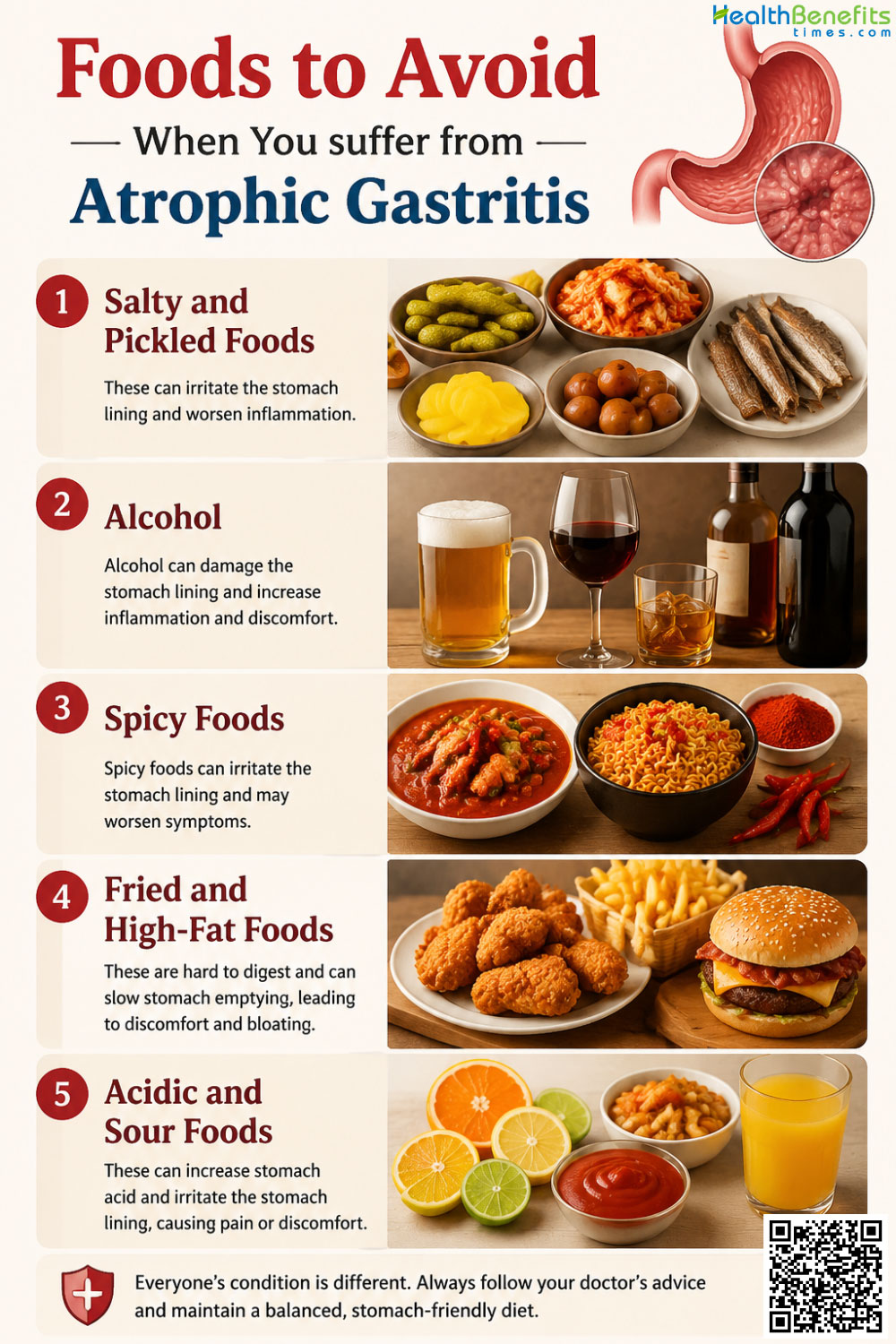
2. Alcohol
Alcoholic beverages severely irritate and erode the already compromised and thinned gastric mucosa, delaying healing and frequently triggering painful gastritis flare-ups. 30, 31
3. Spicy Foods
Pungent spices and hot peppers heavily irritate a thinned stomach lining, immediately triggering burning sensations, severe indigestion, and abdominal discomfort in patients. 32, 33
4. Fried and High-Fat Foods
Heavy, saturated fats digest slowly, delaying gastric emptying. This prolonged retention significantly increases stomach pressure, bloating, and mucosal inflammation. 34, 35
5. Acidic and Sour Foods
Highly acidic items, such as citrus fruits and tomatoes, can severely irritate the sensitive, atrophic gastric mucosa, exacerbating inflammation and acid-related stomach pain. 36, 37
When to see Doctor when you have Atrophic Gastritis
1. Black, Tarry Stools or Vomiting Blood
These alarming symptoms strongly indicate gastrointestinal bleeding, a severe medical emergency requiring immediate diagnostic endoscopy to prevent life-threatening complications.38, 39
2. Severe or Worsening Abdominal Pain
Intense, unrelenting stomach pain could signify the progression of gastritis into a peptic ulcer or gastric perforation, requiring prompt medical intervention. 40, 41
3. Unexplained Weight Loss
Rapid, unintentional weight loss is a critical red flag that may indicate severe nutrient malabsorption or the development of gastric malignancies. 42, 43
4. Symptoms of Severe Anemia
Extreme fatigue, dizziness, and pallor suggest significant iron or vitamin B12 deficiency resulting from the loss of intrinsic factor in the stomach lining. 44, 45
5. Persistent Nausea and Vomiting
Chronic vomiting that prevents fluid retention risks severe dehydration and electrolyte imbalance, necessitating immediate intravenous hydration and clinical evaluation.46, 47