

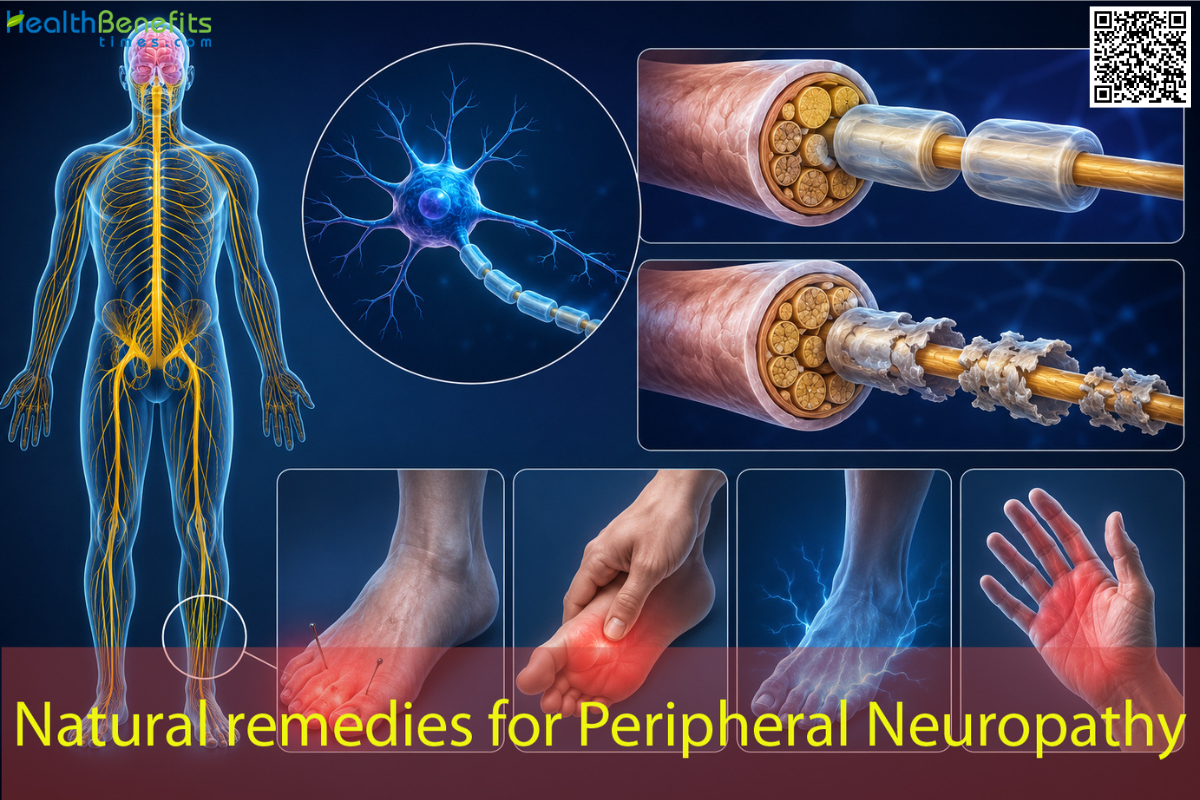
Peripheral neuropathy is a broad medical term for disorders resulting from damage to the peripheral nervous system, the network of nerves connecting the brain and spinal cord to the rest of the body 1. These nerves send messages between the central nervous system and the muscles, skin, and internal organs. When damaged, patients frequently experience physical symptoms like numbness, tingling, muscle weakness, and burning pain, usually starting in the hands and feet 2. The condition has numerous causes. Diabetes is the most common trigger, but other risk factors include physical trauma, autoimmune diseases, infections, and exposure to certain toxins or medications. Because peripheral neuropathy encompasses many specific types of nerve damage, prompt medical evaluation is essential to identify the exact cause and guide effective treatments to prevent further deterioration.
Causes of Peripheral Neuropathy
1. Diabetes mellitus
Chronic elevated blood sugar is the most frequent trigger, leading to metabolic and neurovascular damage 3.
2. Autoimmune diseases
Conditions such as lupus, rheumatoid arthritis, Guillain-Barré syndrome, and chronic inflammatory demyelinating polyneuropathy (CIDP) can cause an inflammatory immune attack on peripheral nerves.
3. Infections
Various viral or bacterial infections, including HIV, Lyme disease, shingles, Epstein-Barr virus, hepatitis B and C, and leprosy.
4. Vitamin and mineral deficiencies
Insufficient levels of essential nutrients, particularly vitamins B1, B6, B12, vitamin E, and copper 4.
5. Toxins and poisons
Exposure to environmental neurotoxins, heavy metals (such as lead), industrial chemicals, and chronic alcohol consumption 5.
6. Medications
Certain prescription drugs, notably chemotherapy agents (e.g., cisplatin, taxanes, vinca alkaloids) and specific cardiovascular medications.
7. Trauma or nerve compression
Physical injuries, fractures, repetitive stress, or localized anatomic compressions such as carpal tunnel syndrome.
8. Hereditary disorders
Inherited genetic mutations resulting in conditions like Charcot-Marie-Tooth disease or familial amyloid polyneuropathy.
9. Systemic and metabolic diseases
Chronic kidney failure (uremia), liver disease, and endocrine disorders like hypothyroidism and acromegaly.
10. Tumors and bone marrow disorders
Malignant or benign tumors compressing nerves, paraneoplastic syndromes, lymphomas, and monoclonal gammopathies.
Symptoms of Peripheral Neuropathy
- Numbness, prickling, or tingling in the extremities (feet and hands)
- Sharp, jabbing, shooting, throbbing, or burning pain
- Extreme sensitivity to touch (allodynia)
- Loss of temperature sensation (inability to differentiate hot and cold)
- Muscle weakness or partial paralysis
- Loss of balance, lack of coordination, and frequent falls
- Muscle cramping, twitching, or wasting (atrophy)
- Decreased or absent deep tendon reflexes
- Dizziness or lightheadedness (often resulting from a drop in blood pressure)
- Bowel, bladder, or digestive irregularities 6, 7
Natural remedies for Peripheral Neuropathy
1. Alpha-Lipoic Acid (ALA)
How it may help
Alpha-lipoic acid (ALA) is a strong antioxidant that protects nerves from damage caused by harmful molecules called free radicals. 8 It also helps improve blood flow to the nerves, which provides them with the oxygen and nutrients needed to heal and function properly.
What research says
Studies show that taking ALA can significantly reduce common nerve pain symptoms, such as burning, numbness, and tingling in the arms and legs. Evidence confirms that this natural compound is particularly effective for managing nerve damage related to high blood sugar. 9
How to use it safely
You should consult your healthcare provider before starting this supplement to ensure the correct dosage for your needs. Oral doses of 600 milligrams daily are widely used to support nervous system health. Always purchase dietary supplements from trusted brands that follow strict safety and manufacturing standards. 10
Potential precautions or side effects
ALA is usually safe but may cause mild stomach upset or skin rashes. Because it lowers blood sugar, monitor your levels closely if taking diabetes medications.
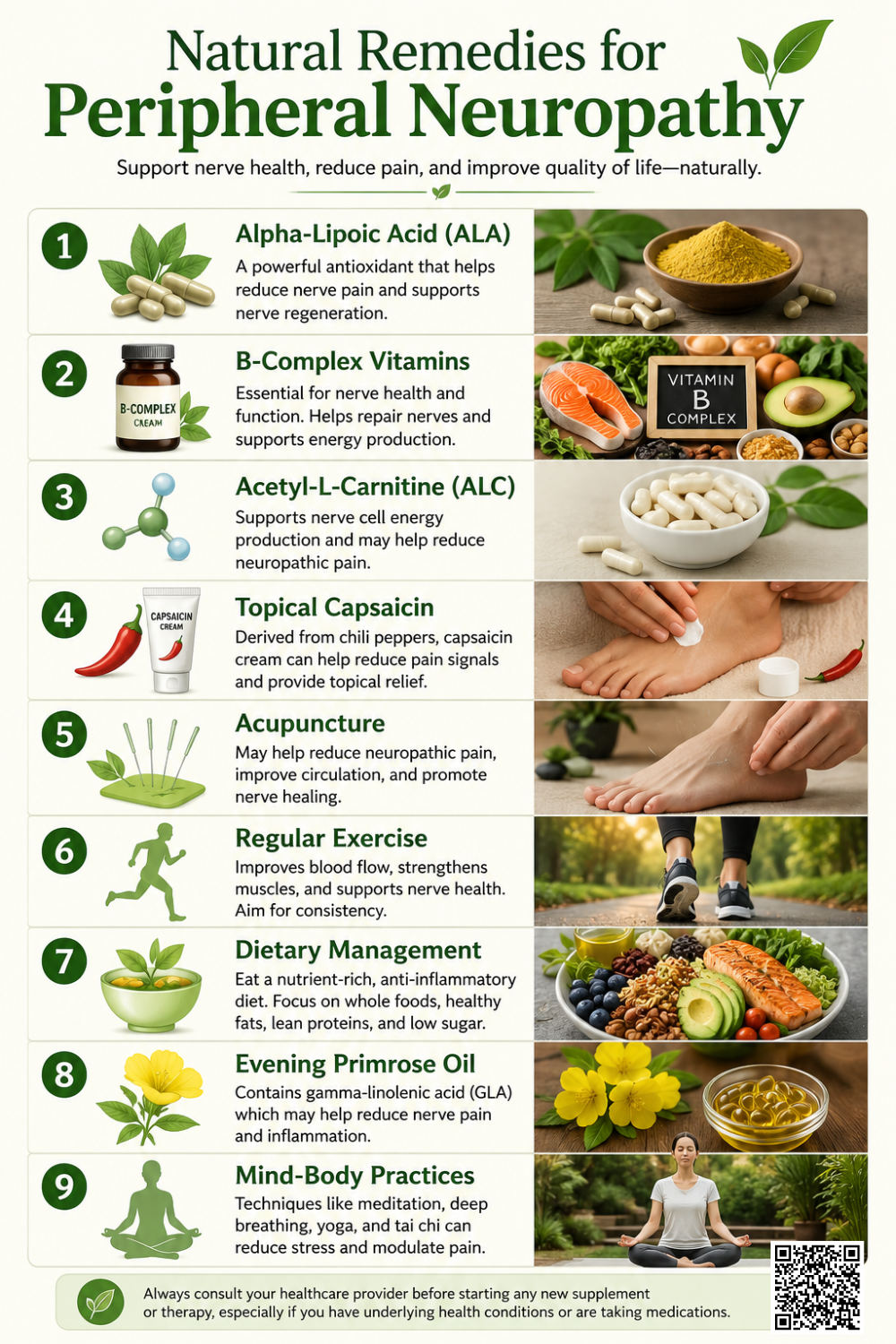 2. B-Complex Vitamins
How it may help
B-complex vitamins, particularly B1, B6, and B12, are vital for maintaining a healthy nervous system and supporting cellular energy production. These specific nutrients provide the necessary building blocks to repair the myelin sheath, which is the protective coating that allows nerves to transmit signals properly. 11
What research says
Clinical studies indicate that supplementing with targeted B vitamins significantly improves nerve regeneration and reduces the intensity of sensory symptoms like numbness and prickling. 12 Evidence also confirms that addressing underlying vitamin B deficiencies can successfully halt the progression of certain types of peripheral nerve damage. 13
How to use it safely
You should consult a healthcare provider to determine the exact B-complex formulation and dosage appropriate for your medical profile. 14 Medical professionals typically recommend conducting basic blood tests to verify specific nutritional deficiencies before you begin any daily supplementation routine. 15
Potential precautions or side effects
While generally safe, taking high doses of vitamin B6 for prolonged periods can ironically cause toxic nerve damage. Always adhere strictly to your prescribed dosage limits to avoid sensory neurotoxicity. 16
3. Acetyl-L-Carnitine (ALC)
How it may help
Acetyl-L-Carnitine (ALC) is a natural amino acid that plays a vital role in cellular energy production and nervous system health. It actively supports the peripheral nervous system by repairing damaged nerve fibers and reducing abnormal pain signals. 17 ALC also promotes the regeneration of the protective myelin sheath surrounding compromised sensory nerves. 18
What research says
Multiple clinical trials demonstrate that taking ALC significantly reduces overall pain levels and improves vibratory perception in patients suffering from chronic diabetic neuropathy. 19 Evidence shows it increases the number of regenerating nerve fiber clusters and enhances overall nerve conduction without causing serious adverse health events. 20
How to use it safely
You should consult a healthcare provider before beginning ALC supplementation to confirm the correct dosage for your specific condition. 21 Medical studies generally utilize oral doses ranging from 1,000 to 3,000 milligrams daily to achieve therapeutic effects for nerve pain. 22
Potential precautions or side effects
ALC is generally well-tolerated, but common mild side effects include nausea, headache, and stomach cramps. 23 High oral doses may also cause vomiting or a distinct fishy body odor.
4. Topical Capsaicin
How it may help
Topical capsaicin, the active compound that gives chili peppers their heat, is an effective natural pain reliever. When applied to the skin, it temporarily overstimulates and then desensitizes the specific sensory nerve endings responsible for feeling heat and pain.
What research says
Clinical trials show that high-concentration capsaicin patches provide significant pain relief for patients suffering from postherpetic neuralgia and painful HIV-associated nerve damage. 24 Evidence indicates that a single controlled application can result in sustained reductions in severe neuropathic pain lasting for up to twelve weeks.
How to use it safely
You should only receive high-concentration capsaicin patch treatments in a clinical setting under strict medical supervision. 25 Before the application, your healthcare provider will apply a local anesthetic to your skin to minimize the intense initial burning sensation. 26
Potential precautions or side effects
Common side effects include intense skin burning, redness, and swelling at the application site. 27 Rarely, high-concentration applications can cause second-degree burns or transient blood pressure increases. 28
5. Acupuncture
How it may help
Acupuncture involves inserting extremely thin needles into specific body points to stimulate the central nervous system and improve localized blood circulation. This traditional practice triggers the body to release natural pain-relieving chemicals called endorphins, which actively block abnormal pain signals traveling from damaged peripheral nerves. 29
What research says
Clinical evidence confirms that regular acupuncture sessions significantly reduce nerve pain intensity and improve overall quality of life for individuals with diabetic peripheral neuropathy. 30 Studies also demonstrate that this therapy effectively enhances nerve conduction velocity, indicating actual functional improvements in damaged sensory nerves. 31
How to use it safely
You should only receive treatment from a state-licensed and board-certified acupuncture practitioner who uses sterile, single-use disposable needles. Always discuss your complete medical history with your primary healthcare provider before starting sessions, especially if you take blood-thinning medications. 32
Potential precautions or side effects
Common mild side effects include temporary soreness, minor bleeding, or localized bruising at the needle insertion sites. 33 Serious complications like infections remain exceptionally rare under proper professional care.
6. Regular Exercise
How it may help
Regular physical activity enhances blood circulation, delivering vital oxygen and nutrients necessary for damaged peripheral nerves to heal. It also stimulates the body to release cellular growth factors that directly support nerve tissue regeneration and structural repair.
What research says
Clinical studies demonstrate that structured aerobic exercise significantly reduces chronic neuropathic pain and improves sensory nerve function. Evidence confirms that consistent physical training increases nerve fiber density and effectively slows the overall progression of peripheral nerve deterioration.
How to use it safely
You should consult a healthcare provider to design a personalized, low-impact exercise program tailored to your specific mobility level. Prioritize activities like walking or swimming, and consistently wear well-fitting, supportive footwear to protect your feet from undetected trauma.
Potential precautions or side effects
Avoid high-impact exercises that place excessive stress on weight-bearing joints, as diminished physical sensation severely increases the risk of sustaining undetected injuries like stress fractures.
7. Dietary Management
How it may help
A nutrient-dense diet helps regulate blood sugar levels, which prevents further damage to delicate peripheral nerves caused by glucose toxicity. Consuming foods rich in antioxidants and anti-inflammatory compounds also reduces systemic swelling, creating a better internal environment for damaged nerve tissues to heal.
What research says
Clinical evidence demonstrates that adopting a Mediterranean-style diet significantly reduces pain severity in individuals with chronic nerve damage. 34 Furthermore, research confirms that strict blood sugar control through specific dietary interventions effectively slows the progression of diabetic neuropathy and improves overall nerve conduction. 35
How to use it safely
You should collaborate with a registered dietitian to create a personalized meal plan that meets your specific medical needs. 36 Focus consistently on incorporating whole grains, lean proteins, and vegetables while strictly avoiding highly processed foods and refined sugars. 37
Potential precautions or side effects
Making sudden, extreme dietary changes can cause dangerous drops in blood sugar, especially if you take diabetes medications. 38 Always monitor your glucose levels closely during transitions. 39
8. Evening Primrose Oil
How it may help
Evening primrose oil is a rich source of gamma-linolenic acid (GLA), an essential fatty acid that the body uses to reduce inflammation. 40 This natural compound helps improve blood flow to the peripheral nerves, delivering necessary oxygen and nutrients to repair damaged nerve tissues. 41
What research says
Clinical studies indicate that supplementing with evening primrose oil significantly reduces the severity of burning pain, tingling, and numbness associated with nerve damage. 42 Research confirms that this specific intervention effectively improves overall nerve conduction velocity and function in individuals suffering from mild diabetic neuropathy. 43
How to use it safely
You should consult your healthcare provider to determine the correct dosage before adding this supplement to your routine. Medical professionals typically recommend taking daily oral doses containing roughly 360 to 480 milligrams of active GLA to achieve noticeable pain relief over several months. 44
Potential precautions or side effects
This oil is generally safe but can occasionally cause mild stomach discomfort or headaches. 45 You should avoid this supplement if you take blood-thinning medications or experience seizures. 46
9. Mind-Body Practices
How it may help
Mind-body practices, including yoga and tai chi, actively improve balance, flexibility, and physical stability to compensate for sensory nerve loss. Furthermore, these therapies downregulate the central nervous system’s stress response, which directly decreases the brain’s perception of chronic nerve pain signals. 47
What research says
Clinical studies confirm that consistent tai chi training significantly improves postural control and reduces the frequency of accidental falls in patients with diabetic nerve damage. 48 Additional evidence demonstrates that mindfulness meditation effectively lowers neuropathic pain severity and improves overall emotional well-being without pharmacological intervention. 49
How to use it safely
You should initiate these practices under the direct supervision of a certified instructor experienced in working with neurological conditions. Always utilize supportive props like chairs or balance blocks to prevent accidental falls, and never force a physical stretch into painful territory. 50
Potential precautions or side effects
Be extremely cautious if you have severe sensory limitations, as unsupported standing postures actively increase your risk of dangerous fall-related injuries. 51
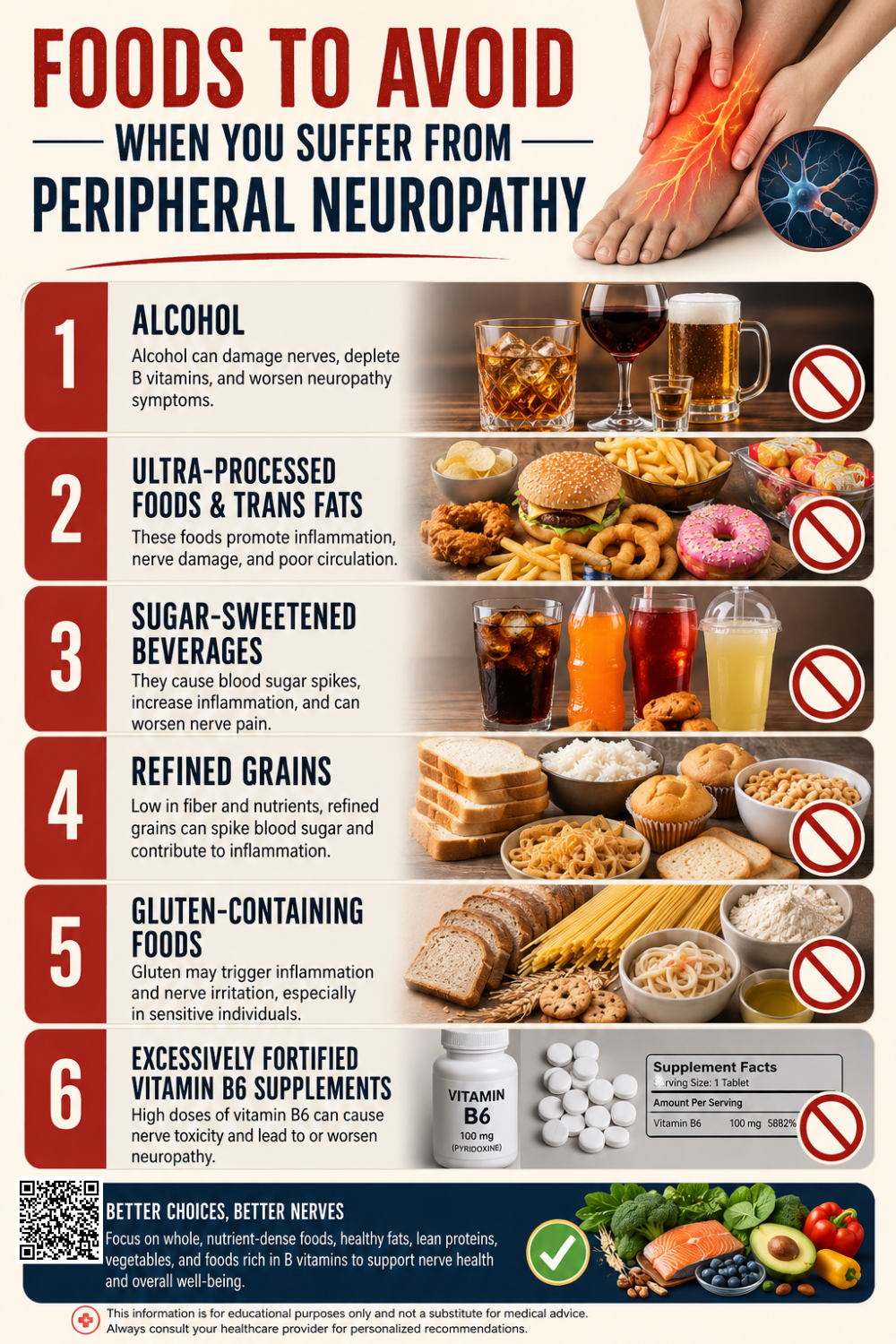 Foods to Avoid When You suffer from Peripheral Neuropathy
1. Alcohol
Excessive consumption acts as a direct neurotoxin. It causes progressive axonal sensorimotor peripheral neuropathy and exacerbates malnutrition, severely worsening existing nerve damage. 52, 53
2. Ultra-Processed Foods & Trans Fats
These foods trigger systemic neuroinflammation and oxidative stress. High consumption correlates with elevated risks for diabetic microvascular complications, including severe diabetic neuropathy progression. 54, 55
3. Sugar-Sweetened Beverages
Liquid sugars rapidly spike blood glucose levels, exacerbating insulin resistance. This metabolic stress significantly increases the risk and severity of both diabetic and chemotherapy-induced peripheral neuropathy. 56, 57
4. Refined Grains
Stripped of essential fiber, refined carbohydrates cause rapid glycemic spikes. Studies show higher intake of refined grains is associated with increased odds of severe neuropathy symptoms. 58, 59
5. Gluten-Containing Foods
For individuals with celiac disease or gluten sensitivity, ingesting gluten triggers an immune-mediated enteropathy. This autoimmune response directly contributes to peripheral nerve damage and gluten neuropathy. 60, 61, 62
6. Excessively Fortified Vitamin B6 Supplements
While natural dietary B6 is safe, excessive intake from highly fortified products or supplements paradoxically causes severe peripheral sensory neuropathy, mimicking the symptoms of a vitamin deficiency. 63, 64
When To see Doctor when you have Peripheral Neuropathy
1. Rapidly Spreading Symptoms
If numbness, tingling, or weakness spreads rapidly over days or weeks, seek urgent care. This sudden, acute progression can indicate a medical emergency like Guillain-Barré syndrome requiring immediate intervention. 65
2. Non-Healing Foot Ulcers
Seek immediate medical attention if you notice a cut, sore, or ulcer on your foot that fails to heal. Prompt intervention prevents severe infections, gangrene, and potential limb amputations. 66, 67
3. Severe Motor Weakness
Consult a doctor promptly if you develop significant muscle weakness, paralysis, or foot drop. This functional loss heavily impairs your ability to walk safely, perform daily activities, and avoid falls. 68, 69
4. Autonomic Dysfunction
Contact your healthcare provider if you experience sudden bowel or bladder incontinence, rapid heartbeat, or severe dizziness when standing. These indicate autonomic nerve damage affecting vital internal organs. 70, 71
5. Sudden, Unmanageable Pain
Go to the emergency room for severe, unremitting nerve pain that feels like burning or electric shocks. Such excruciating pain often signals acute ischemic nerve injury or rapid deterioration. 72, 73