

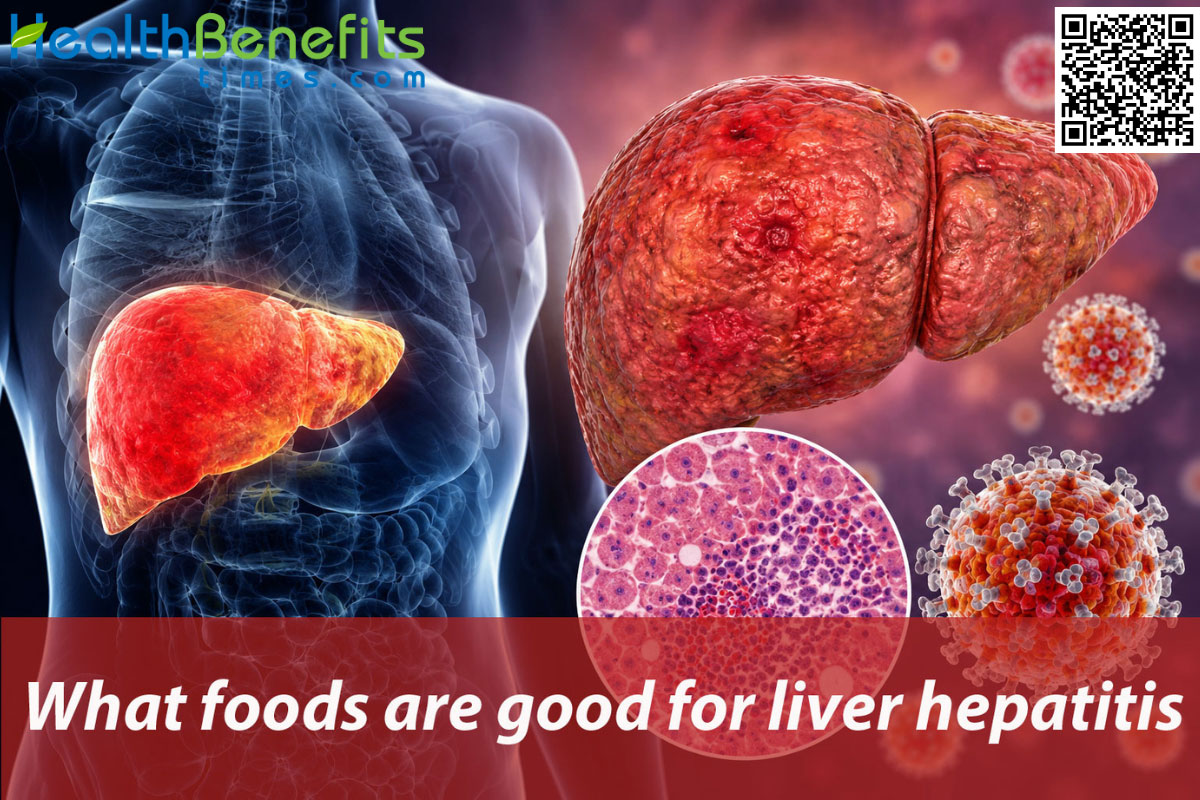
Hepatitis refers to the inflammation of the liver, a condition that disrupts the organ’s vital ability to filter blood, process nutrients, and fight infections 1. While this inflammation can result from heavy alcohol consumption, exposure to environmental toxins, certain medications, or autoimmune disorders, it is most commonly caused by a viral infection 2. The primary strains of viral hepatitis are types A, B, C, D, and E, which spread through various methods, including contaminated food and water or contact with infected blood and bodily fluids. The illness can be acute, presenting as a short-term condition that resolves within a few weeks, or it can become chronic, developing into a lifelong disease 3. If left untreated, chronic hepatitis progressively damages liver tissue, which can eventually lead to severe long-term complications such as cirrhosis (severe scarring), complete liver failure, and liver cancer 4.
Causes of liver hepatitis
- Viral infections (specifically Hepatitis A, B, C, D, and E viruses)
- Heavy and prolonged alcohol consumption
- Certain prescription medications, over-the-counter pain relievers (such as acetaminophen), and dietary supplements
- Exposure to harmful environmental toxins and industrial chemicals
- Autoimmune disorders where the immune system mistakenly attacks healthy liver cells
- Excess fat accumulation in the liver (steatohepatitis)
- Severe restriction or lack of blood flow to the liver (ischemic hepatitis)
- Inherited metabolic and genetic disorders (such as Wilson disease or hemochromatosis) 5, 6, 7, 8, 9
Symptoms of liver hepatitis
- Fever
- Extreme fatigue or unexplained tiredness
- Loss of appetite
- Nausea and vomiting
- Abdominal pain, particularly in the upper right side where the liver is located
- Dark-colored urine
- Light-colored or clay-colored stools
- Joint pain or body aches
- Jaundice (a yellowing of the skin and the whites of the eyes) 6, 10, 11
What foods are good for liver hepatitis?
1. Coffee
How it may help
Coffee contains active compounds like caffeine and polyphenols that decrease liver inflammation and reduce oxidative stress 12. These hepatoprotective properties prevent fat accumulation, promote the clearance of harmful lipids, and inhibit connective tissue formation, which fundamentally halts the progression of severe liver scarring or cirrhosis 13.
What research says
Clinical studies demonstrate a dose-dependent protective effect against chronic liver diseases, showing that drinking three or more cups daily significantly lowers liver enzyme levels and reduces fibrotic disease advancement 14. Furthermore, high coffee intake actively lowers circulating viral loads in chronic hepatitis B infections and decreases liver cancer risk 15.
How to use it safely
You should aim for two to three cups of plain, filtered coffee daily to maximize liver protection 16. You must avoid adding heavy cream or sugar, which promote liver fat. Additionally, avoid unfiltered preparations, as they are significantly less beneficial and may negatively alter liver enzymes 17.
Potential precautions or side effects
Excessive caffeine can elevate blood pressure and heart rate 18. You should monitor your intake, as sudden discontinuation often triggers severe withdrawal symptoms like headaches, fatigue, and irritability 19.
2. Fatty Fish
How it may help
Fatty fish is rich in omega-3 polyunsaturated fatty acids, which actively reduce hepatic fat accumulation and modulate the immune response by suppressing pro-inflammatory molecules 20. This essential process helps lower systemic liver inflammation and protects healthy tissue from ongoing oxidative stress.
What research says
Clinical evidence demonstrates that regular omega-3 intake significantly lowers the risk of developing progressive liver disease 21. Furthermore, in patients with viral hepatitis infections, these fatty acids help suppress damaging inflammatory cytokines and actively improve liver function markers during cellular recovery 22.
How to use it safely
You should incorporate fatty fish, such as salmon or mackerel, into your meals regularly. Because the human body cannot produce these vital nutrients, acquiring them through a balanced diet or standardized clinical supplements is essential for continuous liver support 23.
Potential precautions or side effects
Eating massive amounts of certain fish may expose you to environmental toxins like mercury 24. Additionally, extremely high doses of omega-3 supplements may cause mild gastrointestinal distress 25.
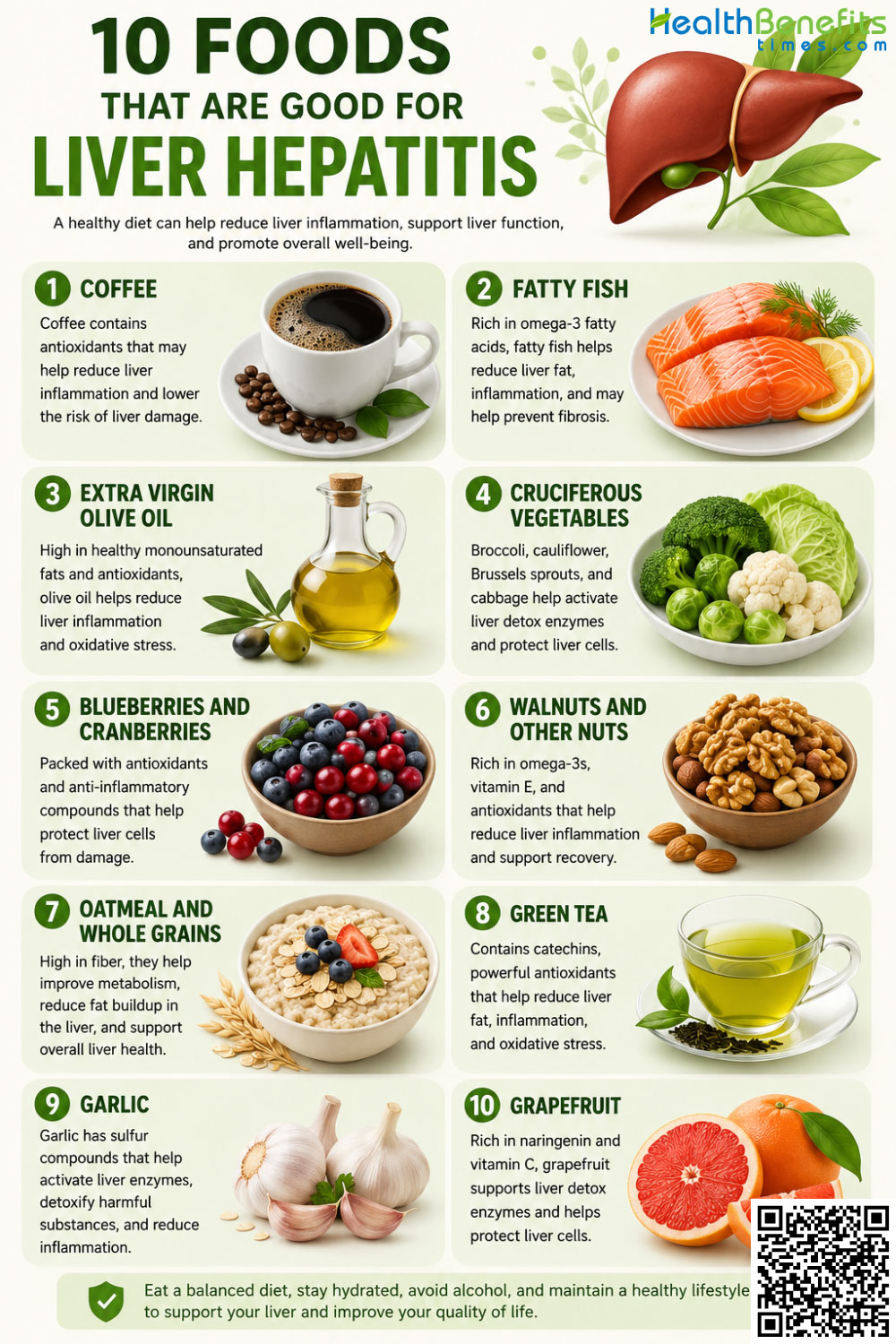
3. Extra Virgin Olive Oil
How it may help
Extra virgin olive oil contains powerful polyphenols, like oleocanthal, and healthy monounsaturated fats that actively reduce liver inflammation and oxidative stress 26. These protective compounds decrease fat accumulation within the liver, prevent cellular damage, and inhibit scar tissue formation, protecting the organ from progressive diseases like fatty liver inflammation and fibrosis 27.
What research says
Clinical studies show that high consumption of extra virgin olive oil significantly lowers the risk of fatty liver disease and improves metabolic function 28. Research demonstrates that its active polyphenols effectively lower elevated liver enzymes, reduce inflammation-causing molecules, and reduce the activity of genes responsible for advanced liver scarring 29.
How to use it safely
You should consume approximately twenty grams, or roughly one and a half tablespoons, of raw extra virgin olive oil daily to gain its maximum liver-protecting benefits 30. Use it unheated as a dressing for salads to preserve its heat-sensitive antioxidants rather than using it for high-temperature frying 31.
Potential precautions or side effects
Because it is highly calorie-dense, overconsuming extra virgin olive oil causes unwanted weight gain 32. Additionally, taking extremely large quantities may trigger mild digestive upset or temporary diarrhea 33.
4. Cruciferous Vegetables
How it may help
Cruciferous vegetables, such as broccoli and cabbage, contain bioactive chemicals called glucosinolates that convert into powerful compounds like sulforaphane and indole-3-carbinol 34. These natural antioxidants reduce oxidative stress, lower dangerous lipid accumulation inside liver cells, and actively suppress the pro-inflammatory molecules that drive progressive liver damage.
What research says
Studies demonstrate that the active compounds in these vegetables significantly ameliorate metabolic fatty liver disease by improving insulin sensitivity, reducing liver fat deposition, and lowering elevated liver enzymes 35. Furthermore, clinical research indicates that dietary indoles effectively attenuate acute hepatic inflammation and promote the clearance of harmful cellular toxins 36.
How to use it safely
You should incorporate whole, fresh, or lightly steamed cruciferous vegetables into your regular meals rather than relying on extracted supplements. Eating fresh sprouts or lightly cooking these vegetables preserves the essential plant enzymes necessary to maximize their protective liver benefits and ensures proper digestive absorption 37.
Potential precautions or side effects
Consuming massive amounts of raw cruciferous vegetables may interfere with normal iodine uptake, which can potentially worsen symptoms for individuals with preexisting hypothyroidism or a severe iodine deficiency 38.
5. Blueberries and Cranberries
How it may help
Blueberries and cranberries are extremely rich in anthocyanins and polyphenols, which are powerful antioxidants that actively combat oxidative stress within the liver 39. These natural compounds reduce hepatic inflammation, suppress harmful free radicals, and prevent the cellular damage that directly drives progressive liver scarring and fibrosis 40.
What research says
Clinical and preclinical studies demonstrate that consuming these berries significantly lowers elevated liver enzymes and reduces the severity of fibrotic tissue formation 41. Furthermore, research indicates that the bioactive polyphenols in cranberries improve insulin sensitivity and decrease the dangerous accumulation of fat inside liver cells 42.
How to use it safely
You should eat about one-third to one-half cup of fresh or frozen blueberries daily to obtain meaningful liver protection 43. When consuming cranberries, always choose whole fruits or unsweetened extracts rather than highly processed commercial juices, which contain excessive added sugars that worsen liver fat accumulation.
Potential precautions or side effects
You must exercise caution with cranberry products if you take the blood thinner warfarin, as they can potentially interact and dangerously increase your risk of bleeding 44.
6. Walnuts and Other Nuts
How it may help
Walnuts and other nuts are dense in polyunsaturated fatty acids, fiber, and potent antioxidants like polyphenols 45. These bioactive compounds suppress oxidative stress, lower dangerous liver fat accumulation, and actively reduce the systemic inflammation that drives progressive liver damage and metabolic dysfunction 46.
What research says
Large clinical studies show that daily consumption of nuts is associated with a significantly reduced risk of fatty liver disease and lower rates of advanced fibrotic scarring 47. Furthermore, research indicates that the specific lipid profile in walnut oil directly improves elevated liver enzymes and inhibits genes responsible for progressive hepatic inflammation 48.
How to use it safely
You should consume a small handful of raw, unsalted walnuts or mixed nuts daily to gain maximum liver-protecting benefits 49. Avoid heavily roasted, salted, or candied nuts, as excessive salt and added sugars directly worsen liver fat accumulation and counteract their natural anti-inflammatory properties 50.
Potential precautions or side effects
Because nuts are highly calorie-dense, overeating them causes unwanted weight gain. Additionally, avoid improperly stored nuts, as they may contain dangerous mold toxins that severely damage the liver 51.
7. Oatmeal and Whole Grains
How it may help
Oatmeal and whole grains are rich in soluble fiber, particularly beta-glucans, which actively reduce liver fat and improve metabolic function 52. This essential dietary fiber promotes a healthy gut microbiome, preventing harmful intestinal toxins from reaching the liver and triggering chronic hepatic inflammation 53.
What research says
Clinical studies demonstrate that high dietary intake of whole grains significantly lowers the risk of developing severe liver disease and hepatic cancer 54. Furthermore, research indicates that consuming whole oats directly reduces elevated liver enzymes and reverses the dangerous accumulation of fat inside hepatic cells 55.
How to use it safely
You should choose unprocessed steel-cut or rolled oats rather than highly processed instant varieties 56. Avoid pre-packaged oatmeal containing added sugars or artificial syrups, as excess sugar directly converts to liver fat and entirely neutralizes the natural anti-inflammatory benefits of the grain 57.
Potential precautions or side effects
Increasing fiber too rapidly can cause temporary gas and bloating 58. Additionally, if you have celiac disease, you must purchase certified gluten-free oats to avoid severe autoimmune reactions 59.
8. Green Tea
How it may help
Green tea is rich in powerful antioxidants known as catechins, specifically epigallocatechin gallate, which actively combat cellular damage 60. These natural plant compounds reduce severe oxidative stress, prevent harmful fat accumulation inside the liver, and lower the chronic inflammation that drives hepatitis progression 61.
What research says
Clinical studies demonstrate that regular green tea consumption significantly lowers elevated liver enzymes and improves overall hepatic function 62. Furthermore, research indicates that its active catechins effectively reduce the risk of developing advanced liver scarring and significantly lower the incidence of primary liver cancer 63.
How to use it safely
You should drink two to three cups of freshly brewed green tea daily to safely support your liver health 64. Always choose plain brewed tea over sweetened bottled varieties, as excessive added sugars promote liver fat and completely neutralize the beneficial antioxidants 65.
Potential precautions or side effects
You must avoid concentrated green tea extract supplements, as taking extremely high doses of isolated catechins can paradoxically cause severe, acute liver injury and sudden liver failure 66.
9. Garlic
How it may help
Garlic contains active sulfur-based compounds, primarily allicin, which act as powerful natural antioxidants to reduce cellular stress 67. These compounds stimulate vital hepatic enzymes that clear harmful toxins while directly suppressing the chronic inflammation that drives progressive liver damage and severe scarring 68.
What research says
Clinical trials demonstrate that regular garlic consumption significantly decreases excessive fat accumulation within the liver and lowers elevated liver enzymes in patients with hepatic disease 69. Furthermore, research reveals that its bioactive components improve insulin sensitivity and actively improve lipid profiles, halting the progression of metabolic liver dysfunction 70.
How to use it safely
You should consume one to two cloves of raw, crushed garlic daily, as exposing it to high heat destroys its essential active enzymes 71. If fresh garlic causes digestive discomfort, utilizing standardized garlic powder supplements offers a clinically proven alternative for supporting your healthy liver function 72.
Potential precautions or side effects
Excessive garlic intake causes severe heartburn and nausea 73. You must strictly limit consumption if taking prescription blood thinners, as high amounts of garlic significantly elevate bleeding risks 74.
10. Grapefruit
How it may help
Grapefruit contains two primary antioxidants, naringin and naringenin, which naturally protect the liver from cellular injury 75. These powerful compounds reduce severe inflammation and prevent the excessive accumulation of connective tissue, which directly halts the progression of permanent liver scarring 76.
What research says
Clinical studies demonstrate that the specific antioxidants found in grapefruit significantly improve the liver’s ability to metabolize fats and safely clear harmful cellular toxins 77. Furthermore, research indicates that naringenin directly decreases fat accumulation inside liver cells and actively prevents the development of advanced fibrotic scarring 78.
How to use it safely
You should consume whole, fresh grapefruit rather than highly processed commercial juices to benefit from its natural dietary fiber 79. However, you must consult your healthcare provider before eating this fruit, as its active compounds drastically alter how your body processes essential medications 80.
Potential precautions or side effects
Grapefruit dangerously interacts with numerous common medications, including statins and blood pressure drugs, leading to severe toxicity and acute liver strain 81.
Foods to Avoid When You suffer from liver hepatitis
1. Alcohol
You must completely eliminate alcohol, as it heavily strains the liver, accelerates severe tissue scarring, and drastically increases the risk of complete liver failure. 82, 83
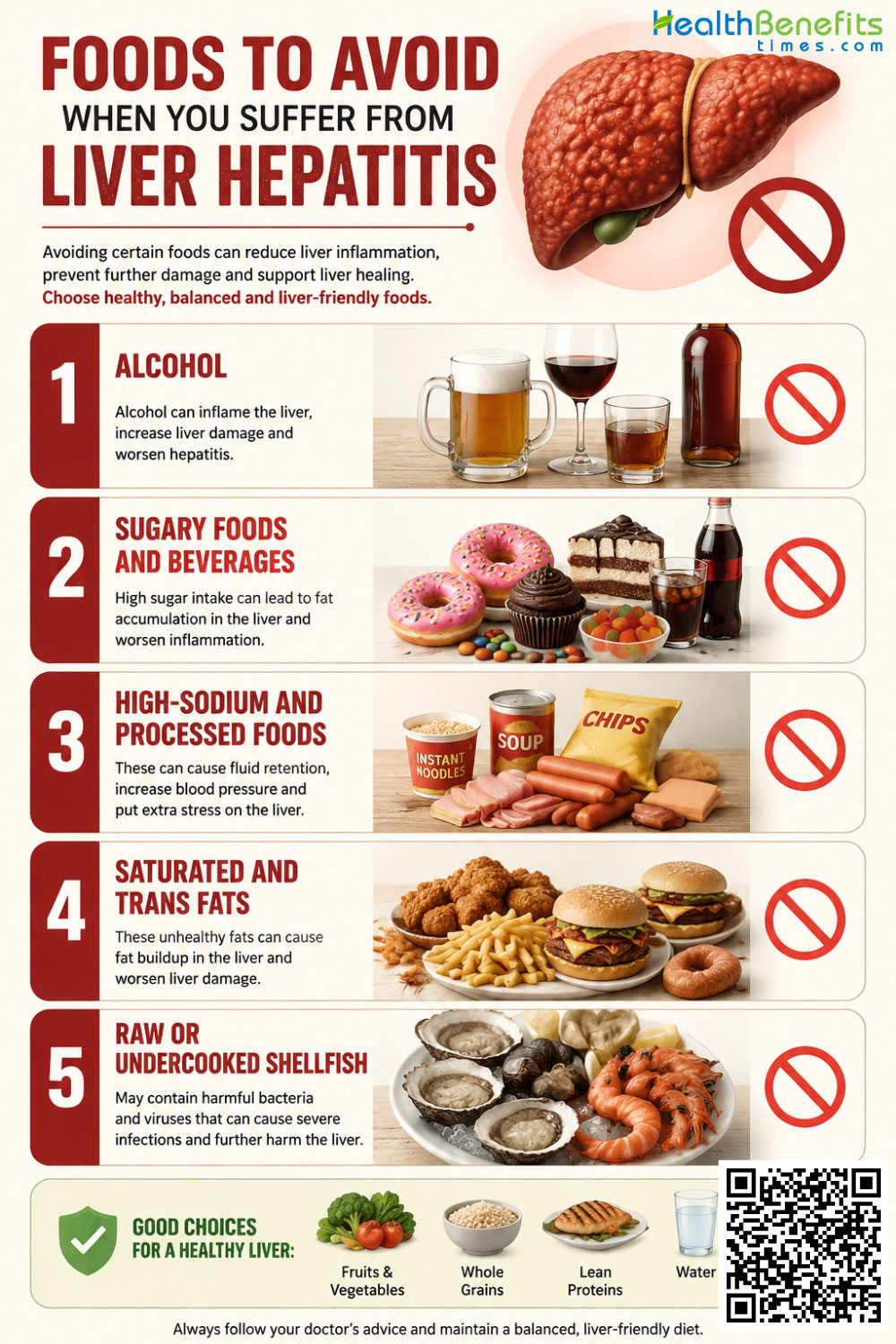
2. Sugary Foods and Beverages
Consuming excess sugar, particularly high-fructose corn syrup, promotes dangerous fat accumulation inside hepatic cells, triggering severe oxidative stress and worsening chronic liver inflammation. 84, 85
3. High-Sodium and Processed Foods
You should avoid heavily processed foods high in sodium, because excessive salt intake worsens harmful fluid retention and significantly elevates blood pressure within your damaged liver. 86, 87
4. Saturated and Trans Fats
Diets heavy in fried foods and saturated fats overwhelm the liver’s metabolic capacity, rapidly increasing hazardous lipid deposits and accelerating the progression of severe fibrotic disease. 88, 89
5. Raw or Undercooked Shellfish
Eating raw oysters exposes your compromised liver to dangerous bacteria and additional viral strains, which can easily trigger sudden, life-threatening acute liver failure. 90, 91
When to see Doctor when you have liver hepatitis
1. Severe Jaundice
Seek immediate medical care if you develop sudden or worsening yellowing of your skin and eyes, which indicates rapid deterioration of liver function and severe bile buildup. 92, 93
2. Cognitive Confusion
You must visit a doctor if you experience severe confusion, memory loss, or extreme sleepiness, as these are critical signs of toxic brain swelling caused by liver failure. 94, 95
3. Abdominal Swelling
Immediately consult a physician if your abdomen rapidly swells with fluid, known as ascites, as this represents severe portal hypertension and advanced, life-threatening liver decompensation. 96, 97
4. Unexplained Bleeding
Emergency treatment is required if you vomit blood or notice dark, tarry stools, indicating potentially fatal internal bleeding from swollen veins inside your damaged digestive tract. 98, 99
5. Persistent Vomiting
You should seek urgent care if severe, ongoing nausea prevents you from keeping fluids down, as extreme dehydration severely exacerbates acute liver stress and organ failure. 100, 101