

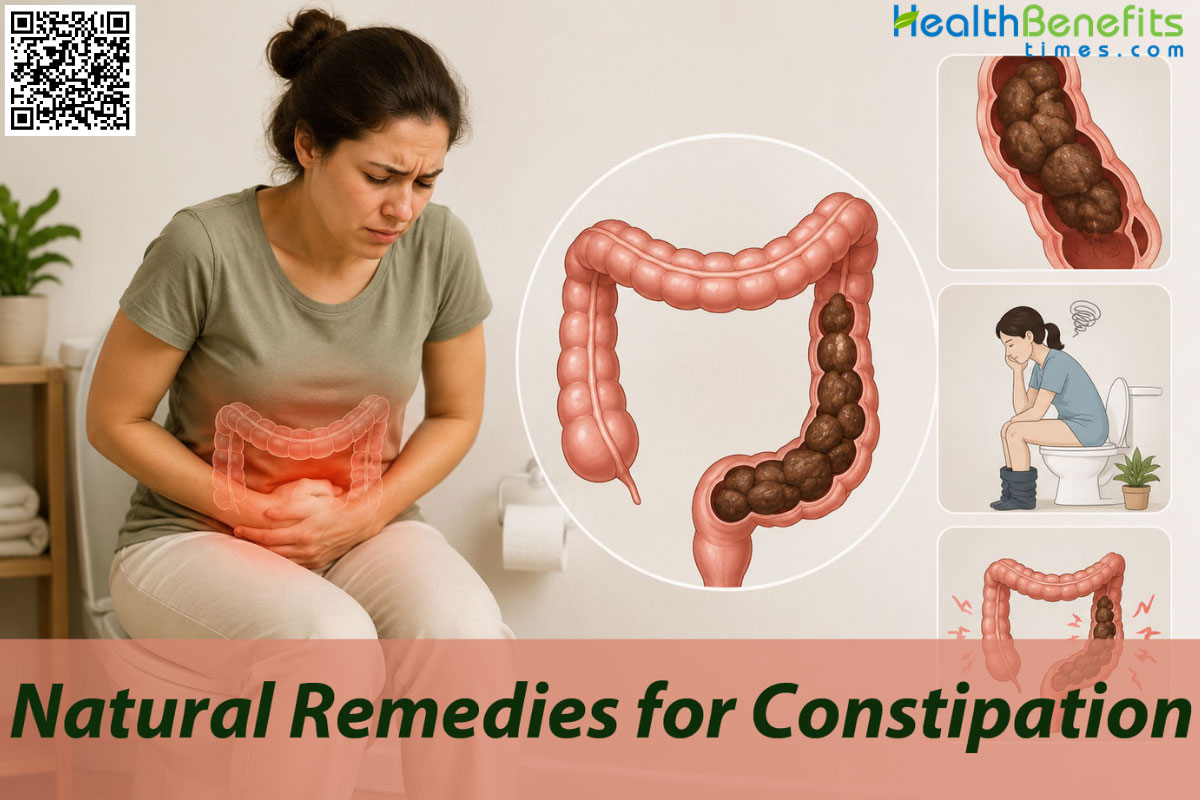
Experiencing a slowdown in digestion is a nearly universal human condition, yet it often causes unnecessary worry and discomfort. Constipation is a functional gastrointestinal issue defined as having fewer than three bowel movements within a single week 1. Beyond just the frequency of bathroom visits, this condition involves passing stools that are noticeably hard, dry, or lumpy, making the physical act of elimination difficult and sometimes painful.
When food moves too slowly through the digestive tract, the colon absorbs too much water from the waste, leaving the remaining stool dehydrated and tough to move. People affected by this condition often feel a lingering sensation that not all waste has successfully exited the body, even after a bathroom visit. Occasional bouts are completely normal, but understanding what causes this internal traffic jam is the first step toward finding gentle, effective relief and restoring a healthy, comfortable routine.
Causes of Constipation
Understanding the root cause of a backed-up digestive system involves looking at a variety of lifestyle, dietary, and medical factors. The following are the most common reasons why the colon might slow down:
1. Inadequate Dietary Fiber Intake
A diet lacking in sufficient natural fiber is one of the most frequent culprits behind sluggish bowels. Fiber provides necessary bulk and softness to stool, so relying heavily on processed foods, meats, and dairy without enough vegetables and whole grains easily halts regular digestion 2.
2. Low Fluid Intake and Dehydration
Water acts as the primary lubricant for the human digestive tract. When the body is dehydrated, the large intestine aggressively absorbs whatever water it can find from passing food waste, resulting in hard, dry stools that struggle to move forward 3.
3. Lack of Physical Activity
Regular bodily movement naturally encourages the muscles in the intestines to contract and push waste along. Prolonged periods of inactivity, whether due to a sedentary office job, illness, or recovery from surgery, lead to a significant decrease in natural bowel motility 4.
4. Pelvic Floor Dysfunction
Sometimes, the muscles in the lower pelvis fail to coordinate correctly during a bathroom visit. Instead of relaxing to allow stool to exit smoothly, these muscles might contract or remain weak, making it physically challenging to evacuate the bowels even if digestion speed is normal 5.
5. Medications and Supplements
A wide array of common prescription and over-the-counter drugs possess side effects that dry out the gut or slow nerve signals. Certain antacids, heavy iron supplements, calcium channel blockers, antidepressants, and strong pain relievers are well-known to cause digestive slowdowns 6.
6. Underlying Medical Conditions
Systemic health issues can directly interfere with normal digestion. Conditions that affect hormones or metabolism, such as hypothyroidism or diabetes, can dramatically slow down the gut, as can neurological issues like Parkinson’s disease or spinal cord injuries 7.
Symptoms of Constipation
Recognizing the signs of a backed-up digestive system involves paying attention to multiple physical cues.
- Having fewer than three bowel movements over the course of a seven-day week 7
- Passing stools that look and feel excessively hard, dry, or lumpy
- Experiencing noticeable physical pain or requiring excessive straining during attempts to defecate
- Feeling an uncomfortable sensation of incomplete evacuation, as though stool is still trapped
- Sensing a physical blockage or obstruction at the end of the digestive tract 8
- Needing to use manual maneuvers, such as pressing on the abdomen, to help coax the stool out
- General discomfort, mild abdominal pain, or a heavy, bloated sensation in the lower stomach area
Constipation Facts
| Category | Facts and Details |
| Symptoms 9 |
|
| Causes |
|
| Types of Constipation 8 |
|
| How does spread |
|
| Age Group 10 |
|
| You might be at a higher risk for exposure of this disease if you: 11 |
|
| How doctors diagnose 12 |
|
| Other facts |
|
Natural Remedies for Constipation
Finding gentle, non-prescription methods to encourage normal digestion is a priority for many individuals seeking long-term comfort. You can often manage and improve your symptoms by utilizing treatments derived from nature.
1. Dietary Fiber Supplements (Psyllium)
Harnessing the power of soluble fiber is traditionally the very first step in overcoming digestive sluggishness. Psyllium husk is highly effective because it absorbs water within the gut, transforming into a thick, gel-like substance that softens hard waste 14. This increased bulk presses against the walls of the colon, naturally signaling the muscles to contract and push the waste forward to improve stool frequency.
Note: It is commonly consumed by stirring the powdered husk into a large glass of water or juice and drinking it immediately before it thickens, usually once or twice a day.
2. Dried Plums (Prunes)
Perhaps the most famous traditional remedy, dried plums offer a powerful combination of natural fiber and a specific sugar alcohol called sorbitol. Sorbitol acts as a mild, natural osmotic laxative, drawing water from the body directly into the colon to hydrate dried-out waste 15. Clinical findings suggest that dried plums are actually more effective than standard fiber supplements for improving the frequency of complete bowel movements and enhancing stool consistency.
Note: Prunes are commonly eaten whole as a daily snack (about a handful) or soaked in warm water overnight to be consumed as a morning digestive tonic.
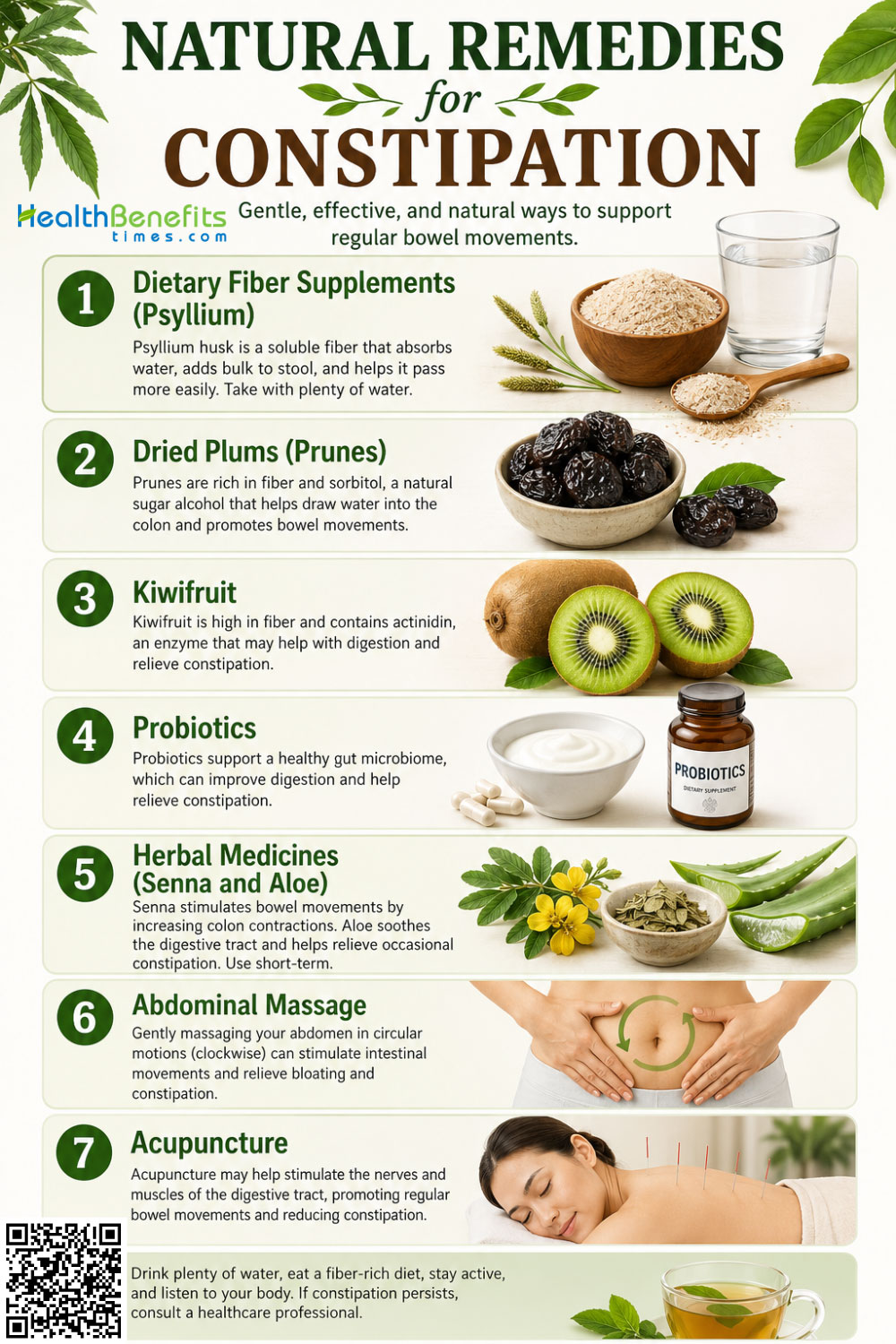
3. Kiwifruit
For those who find that traditional fiber remedies cause unwanted bloating, kiwifruit serves as an excellent, gentle alternative. Kiwifruit contains a unique enzyme called actinidin, which aids in protein digestion, alongside a robust profile of water-retaining fiber 16. Evidence demonstrates that incorporating kiwifruit into the diet successfully improves symptoms of chronic constipation without triggering the excessive gas often associated with other remedies.
Note: This fruit is simply eaten raw; you can slice it in half and scoop out the green flesh with a spoon, consuming one or two whole fruits daily for their natural benefits.
4. Probiotics
Maintaining a healthy balance of bacteria in the gut is crucial for overall digestive motility. Probiotics introduce beneficial microorganisms that help ferment dietary fibers, a process that produces short-chain fatty acids which naturally stimulate the colon’s muscular contractions 17. Introducing these healthy bacteria has one of the lowest incidences of adverse reactions while effectively encouraging spontaneous bowel habits.
Note: Probiotics are typically taken as daily oral capsules, or consumed naturally by eating fermented foods like yogurt, kefir, and sauerkraut to support daily gut flora.
5. Herbal Medicines (Senna and Aloe)
Turning to the plant kingdom, certain herbs contain natural compounds called anthraquinones, which directly stimulate the nerve endings in the walls of the intestines. Senna and aloe are classic examples that trigger vigorous muscle contractions to push waste out of the body 18. These are considered stimulant herbal laxatives and are highly effective for short-term relief when bulk-forming fibers are not enough.
Note: Herbal stimulant laxatives like senna are usually steeped as a warm tea or taken in tablet form right before bed, designed to provide overnight relief by morning.
6. Abdominal Massage
Applying physical manipulation to the outside of the stomach can have profound effects on the organs resting inside. Rhythmic abdominal massage has been shown to physically stimulate peristalsis the wave-like muscle contractions of the colon thereby decreasing the time it takes for waste to travel through the gut 19. It effectively increases bowel movement frequency and noticeably decreases the uncomfortable feelings of bloating and distension.
Note: This remedy is applied externally by rubbing the stomach in a slow, circular, clockwise motion (following the natural path of the colon) using light to moderate pressure for about 10 to 15 minutes.
7. Acupuncture
Tapping into ancient traditional medicine, acupuncture involves the strategic placement of ultra-fine needles into specific anatomical points on the body. This practice is believed to balance the autonomic nervous system, which directly controls the involuntary muscles of the digestive tract. Clinical evaluations of non-pharmacological interventions often rank acupuncture remarkably high for overall clinical efficacy in treating functional constipation 20.
Note: This therapy must be applied by a licensed practitioner who inserts sterile needles into specific points (often around the abdomen or legs) during a clinical session to stimulate nerve pathways.
Is There Any Exercise or Physical Activities for Constipation
Moving the body is intrinsically linked to keeping the digestive tract active. When you engage in physical activity, you shift blood flow, alter hormone levels, and mechanically massage your internal organs, all of which combat sluggish digestion.
1. Aerobic Exercise
Engaging in cardiovascular activities that increase your heart rate and breathing can rapidly influence your internal systems. Physical activity immediately increases gut motility, prompting the intestinal muscles to contract and move waste along more efficiently 21. Adhering to moderate physical activity guidelines significantly reduces the overall risk of developing chronic constipation and helps manage flare-ups.
Note: To do this, aim to walk briskly, lightly jog, or cycle for 20 to 30 minutes a day, ideally staying hydrated before and after the activity to maximize the benefits.
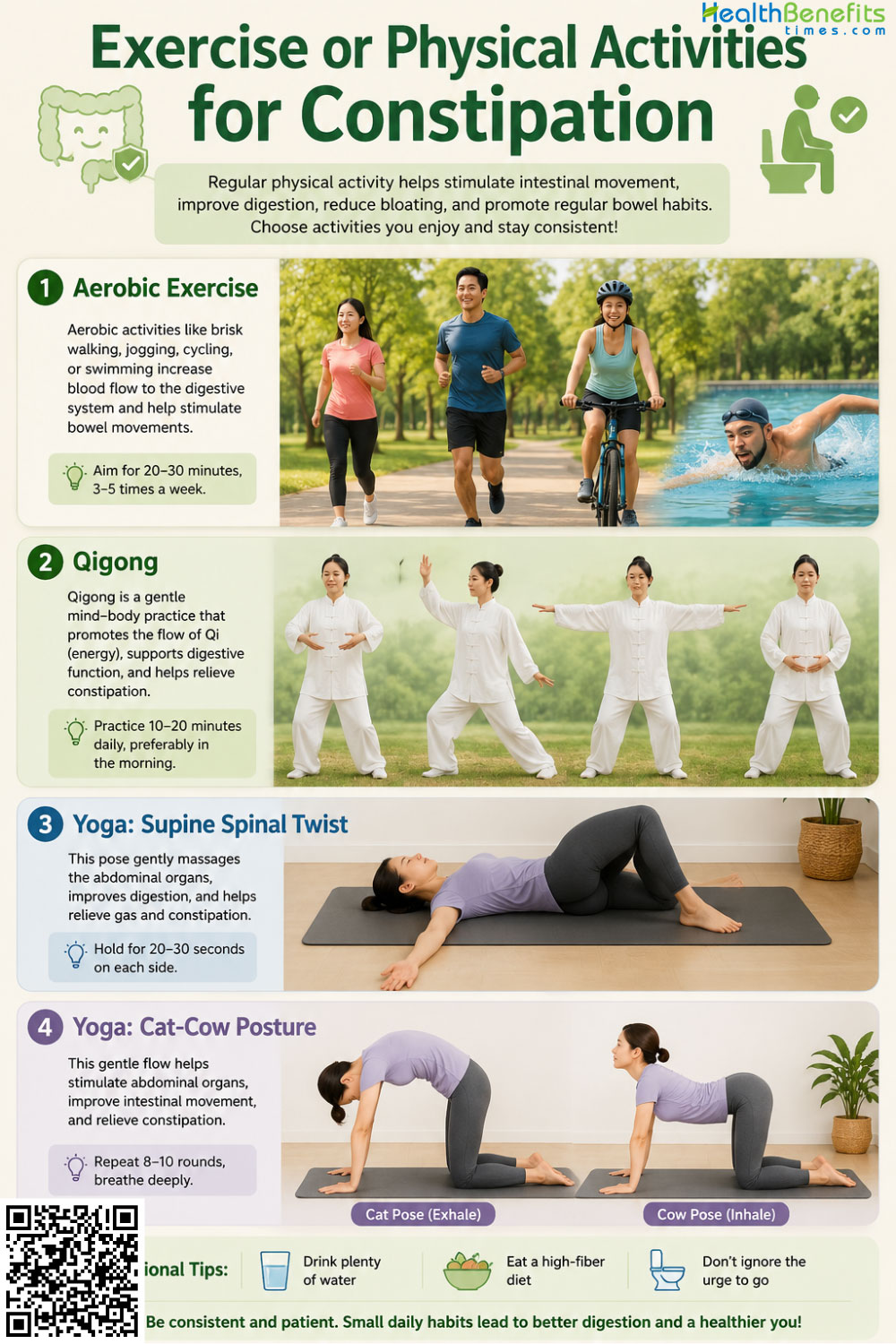
2. Qigong
This traditional mind-body practice incorporates gentle, flowing movements alongside deep, rhythmic breathing. Qigong focuses on circulating energy and physically engaging the core without high-impact strain on the joints 22. Systematic reviews note that the aerobic-style movements found in Qigong provide significant benefits in improving the daily symptoms of patients suffering from sluggish bowels.
Note: To do this, stand with slightly bent knees and perform slow, sweeping arm and torso movements in a controlled sequence, guided by deep inhalations and exhalations, often following an instructional video or class.
3. Yoga: Supine Spinal Twist
Yoga specifically targets both the nervous system and the physical compression of the abdominal organs. Twisting postures wring out the torso, briefly compressing the digestive organs and then flushing them with fresh blood upon release. The supine spinal twist helps alleviate blockages by gently engaging the sides of the abdomen and promoting relaxation 23.
Note: To do this, lie flat on your back, bring your arms out to a T-shape, bend one knee, and gently drop that bent leg across your body to the floor while keeping both shoulders flat on the ground. Hold for a few breaths.
4. Yoga: Cat-Cow Posture
This gentle transition between two poses warms up the spine and continuously stretches and compresses the front of the abdomen. The rhythmic movement between arching and rounding the back physically massages the intestinal tract and encourages trapped gas to move freely through the system 24.
Note: To do this, start on your hands and knees. Inhale as you drop your belly toward the floor and look up (Cow pose), then exhale as you round your spine toward the ceiling and tuck your chin (Cat pose), repeating this rhythm smoothly several times.
Foods and Activities to Avoid When You Suffer from Constipation
When your digestive system is already struggling to process waste, certain everyday choices can make the roadblock significantly worse. You should be mindful of what you consume and how you spend your day.
1. Heavily Processed and Fast Foods
You should strongly avoid meals that come out of a drive-through window or a freezer box. These items are typically stripped of all natural fiber during manufacturing and are loaded with excess salt and unhealthy fats, which drastically slow down digestion 25.
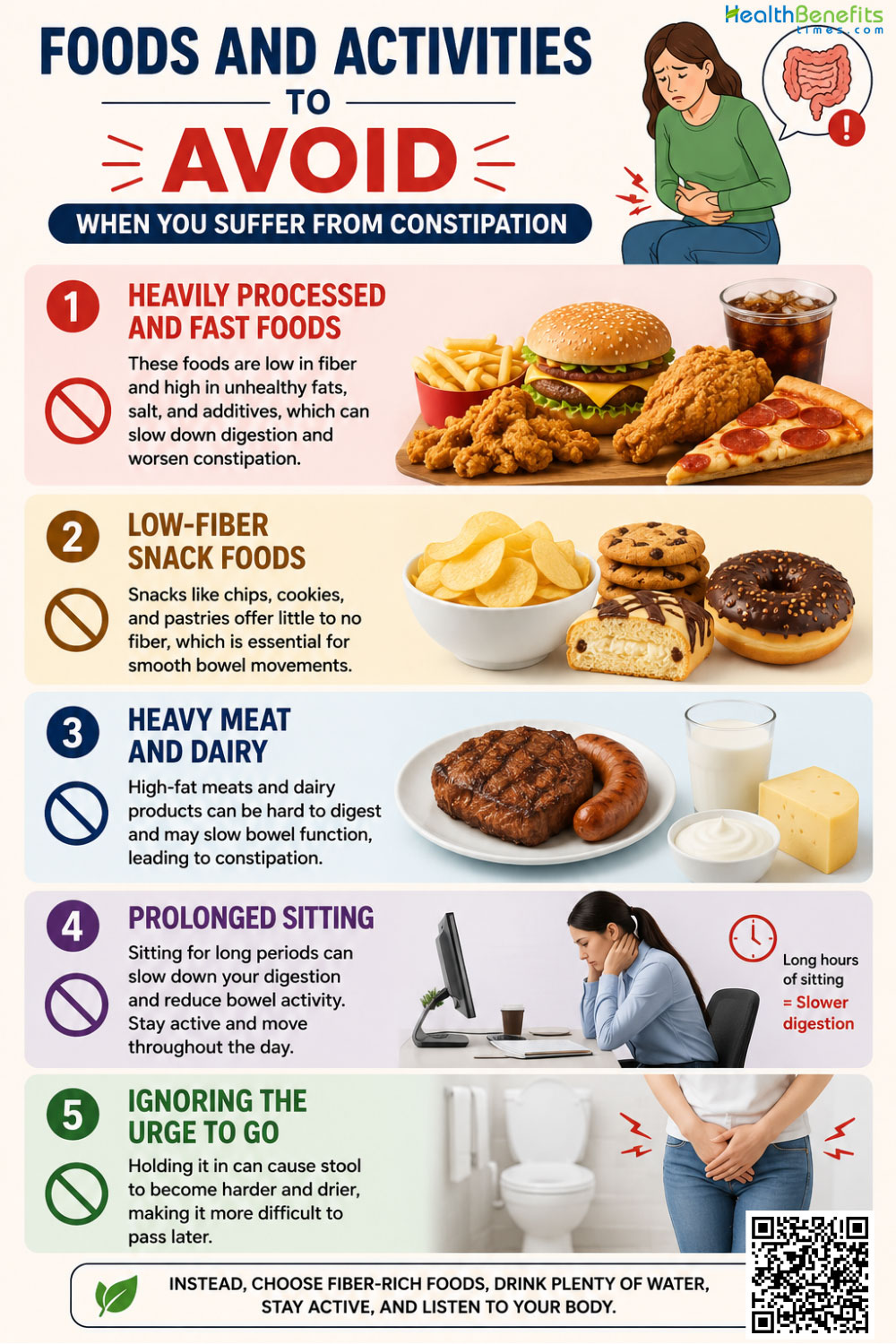
2. Low-Fiber Snack Foods
Snack items like potato chips, refined white-flour baked goods, and traditional snack crackers offer virtually no bulk to help push waste through the colon.
3. Heavy Meat and Dairy
While rich in protein, a diet heavily reliant on large cuts of red meat and dense dairy products (like hard cheeses or heavy milk) lacks the necessary plant roughage needed for smooth bowel function.
4. Prolonged Sitting
You should avoid sitting completely still for hours at a time. A lack of physical activity directly translates to a lack of intestinal muscle movement, compounding the stagnation of waste in your gut 3.
5. Ignoring the Urge to Go
It is crucial that you do not delay bathroom visits. When you actively suppress your body’s natural signal to empty the bowels, the stool sits in the colon longer, losing more water and becoming increasingly hardened and difficult to pass later on.
Myths and Misconceptions
| Myth | Reality |
| Poisons leak into the body 26 | There is a long-standing fear of “autointoxication,” the idea that retained stool releases dangerous poisons into the bloodstream. In reality, there is absolutely no scientific evidence to support this theory; constipation does not poison the body. |
| An elongated colon is the root cause | Many believe that having a “dolichocolon” (a naturally longer-than-average colon) is the primary reason they cannot go to the bathroom. However, medical consensus states that an elongated colon should not be viewed as the underlying cause of the condition. |
| A lack of fiber is the only reason you are constipated | It is frequently assumed that simply eating too little fiber is the sole cause of the issue. While a low-fiber diet contributes, increasing fiber does not cure everyone. For patients with severe motility issues, adding massive amounts of fiber can actually make bloating worse. |
| Drinking massive amounts of water will cure it | People are often told to drink gallons of water to flush their system. While basic hydration is essential, there is no evidence that drinking excess fluids treats constipation successfully unless the individual is clinically dehydrated to begin with. |
| Stimulant laxatives permanently damage the colon | A widespread fear exists that using stimulant natural or over-the-counter laxatives will permanently ruin the colon’s ability to function. Studies show it is highly unlikely that these remedies, when used at recommended doses, cause any structural harm to the colon. |
| Laxatives are highly addictive | Some worry they will develop a chemical addiction to laxatives. While patients with chronic issues may rely on them for satisfactory function, this dependence is due to the underlying condition, not because the substances themselves hold any true addictive potential. |
| Stopping remedies causes “rebound” constipation | Users often fear that once they stop taking a remedy, their bowels will freeze up worse than before. Clinical reviews indicate there is no true “rebound constipation” effect occurring simply as a result of stopping a laxative. |
Special Considerations
Different stages of life and specific health backgrounds dramatically alter how the digestive system operates. Treatments that work perfectly for one demographic may be inappropriate for another.
1. Children
The pediatric population frequently struggles with digestive slowdowns, often due to psychological rather than purely physical reasons. Children may purposefully withhold their stool because they are afraid of the pain associated with passing a hard bowel movement, creating a vicious cycle where the stool grows larger and harder inside the rectum 27. It is vital to manage their condition gently, utilizing dietary adjustments and creating positive, stress-free bathroom routines before the issue impacts their long-term quality of life.
2. Pregnancy
Expecting mothers face a perfect storm of digestive challenges. Drastic increases in hormones naturally relax the smooth muscles of the body, which inadvertently slows down the intestines to allow for greater nutrient absorption for the baby 13. Additionally, the physical weight of an enlarging uterus places direct pressure on the bowel. Compounding this, the heavy iron supplements required for prenatal health are notorious for drying out stool. Managing this safely often requires a primary focus on hydration, gentle movement, and safe bulking agents rather than harsh stimulants.
3. Chronic Conditions
Individuals living with chronic illnesses often experience constipation as a secondary symptom of their primary disease. For instance, those suffering from Irritable Bowel Syndrome with Constipation (IBS-C) require highly tailored approaches, as their gut is overly sensitive to changes in bulk and gas, making standard heavy-fiber treatments uncomfortable 28. Furthermore, neurological diseases or metabolic disorders demand that treatment focuses on the underlying nerve or hormone dysfunction rather than just the digestive symptom.
4. Elderly
Advanced age brings a unique set of digestive hurdles. Older adults naturally experience a slight slowing of their internal systems, but this is frequently exacerbated by lower daily fluid intake, decreased physical mobility, and the sheer volume of daily medications they may be prescribed 29. Caregivers must focus on simple interventions like routine timed toilet training and ensuring adequate, easy-to-consume nutrition, utilizing soft osmotic remedies or suppositories when lifestyle changes are insufficient.
Precaution Before Use of Natural Remedies When You Have Constipation
Natural does not universally mean harmless. You must approach herbal and physical remedies with the same respect as traditional medicine to ensure you do not inadvertently worsen your symptoms.
- Always Pair Fiber With Abundant Water: If you choose to increase your intake of bulk-forming agents like psyllium or bran, you must dramatically increase your water consumption. Taking dry fiber without enough liquid can actually create a concrete-like blockage in your intestines, severely worsening your situation 30.
- Monitor Stimulant Herbs for Discoloration: If you rely on stimulant herbs containing anthraquinones such as senna or aloe be aware that prolonged use over several months can cause a harmless, dark-brown discoloration of the colon lining known as melanosis coli 18. While generally considered reversible upon stopping the herb, it is a sign to moderate your usage.
- Beware of Drug-Herb Interactions: You must exercise caution if you take daily prescription medications. Many common herbal remedies, including everyday kitchen herbs or specialized teas, can unexpectedly interact with cardiovascular drugs, blood thinners, or diabetes medications, altering their effectiveness 31.
- Start Slow and Gradual: You should never shock your digestive system by suddenly introducing massive quantities of roughage, fruits, or potent probiotics all at once. Introduce natural remedies slowly over the course of a few weeks to allow your gut microbiome time to adjust without causing severe bloating and painful gas cramps.
When to See Doctor
While minor digestive slowdowns can usually be managed successfully at home, certain warning signs indicate that a much more serious underlying issue requires immediate medical evaluation. You should never ignore symptoms that suggest a structural blockage or illness.
- You observe blood in your stool or on the tissue: Any sign of rectal bleeding or dark, tarry stools is an immediate red flag that warrants professional investigation to rule out internal damage or disease 2.
- You suffer from severe, unyielding abdominal pain: While mild cramping is normal, constant, agonizing stomach pain is not. It could signal a dangerous physical obstruction or an inflamed organ.
- You find yourself completely unable to pass gas: An absolute inability to expel any wind, coupled with a distended, hard stomach, is a classic warning sign of a total intestinal blockage that needs emergency care.
- You experience unexpected vomiting: If your digestive tract halts entirely, waste and fluids can back up, leading to severe nausea and vomiting that requires immediate medical attention.
- You develop a sudden fever: A spike in body temperature alongside sudden bowel issues suggests a systemic infection or acute inflammation within the abdominal cavity.
- You are losing weight without trying: Unintentional, rapid weight loss alongside changing bowel habits is a primary alarm feature that doctors use to screen for gastrointestinal malignancies 3.
- You find that diet, exercise, and fiber simply haven’t helped: If you have diligently applied safe, natural lifestyle changes for several weeks and remain completely stalled, it is time to seek professional diagnostic testing to uncover hidden causes.